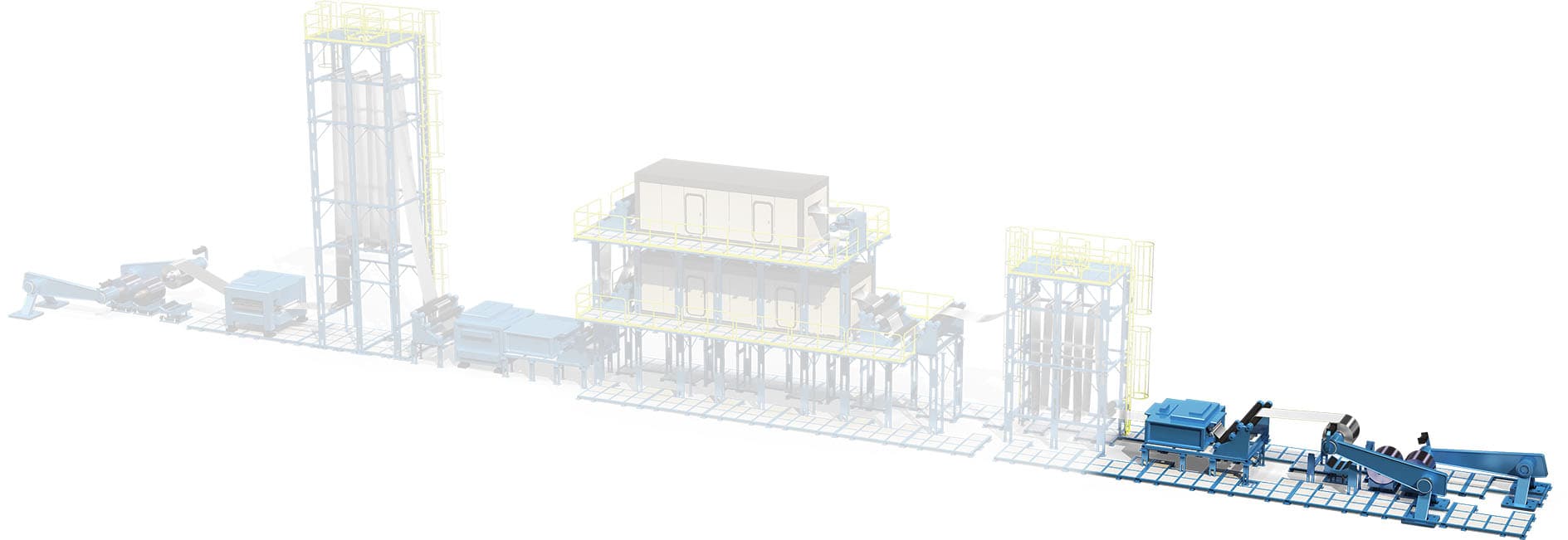
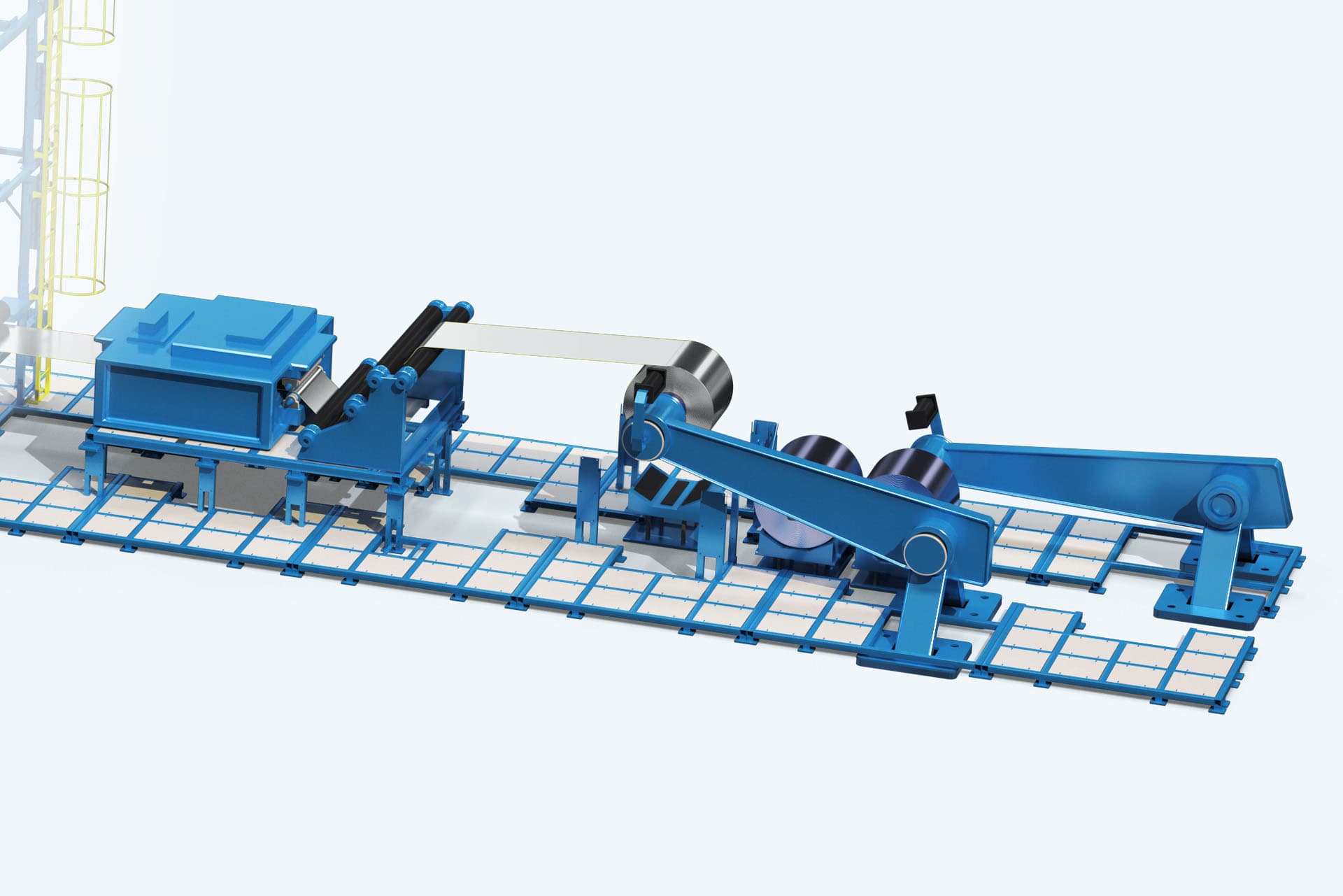
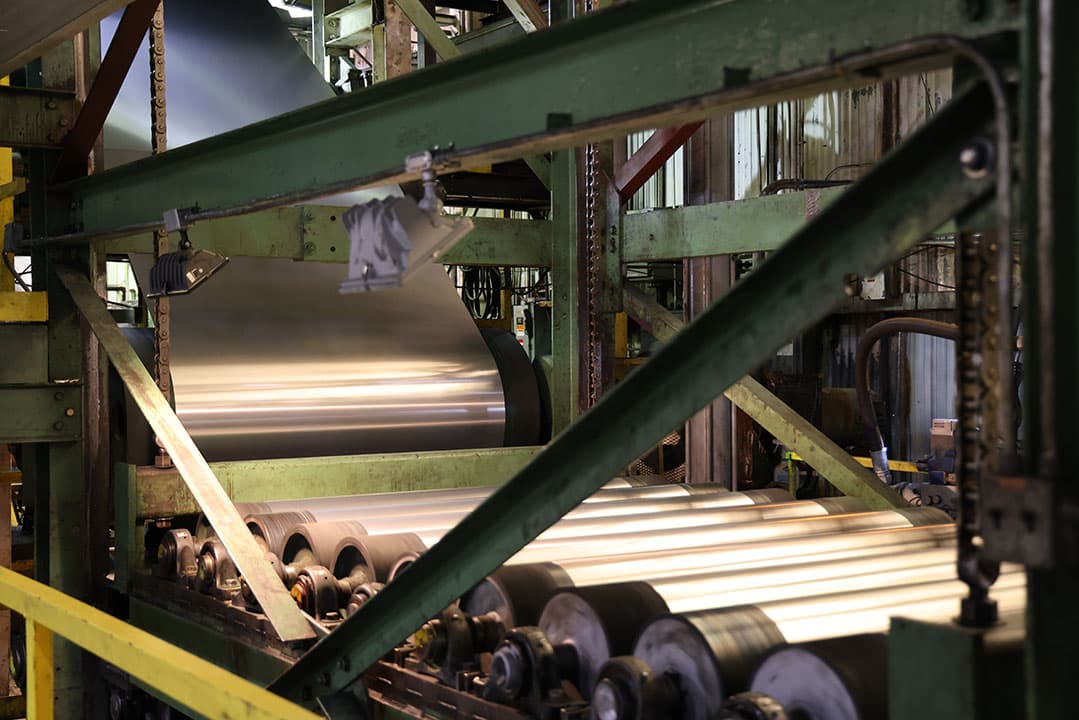
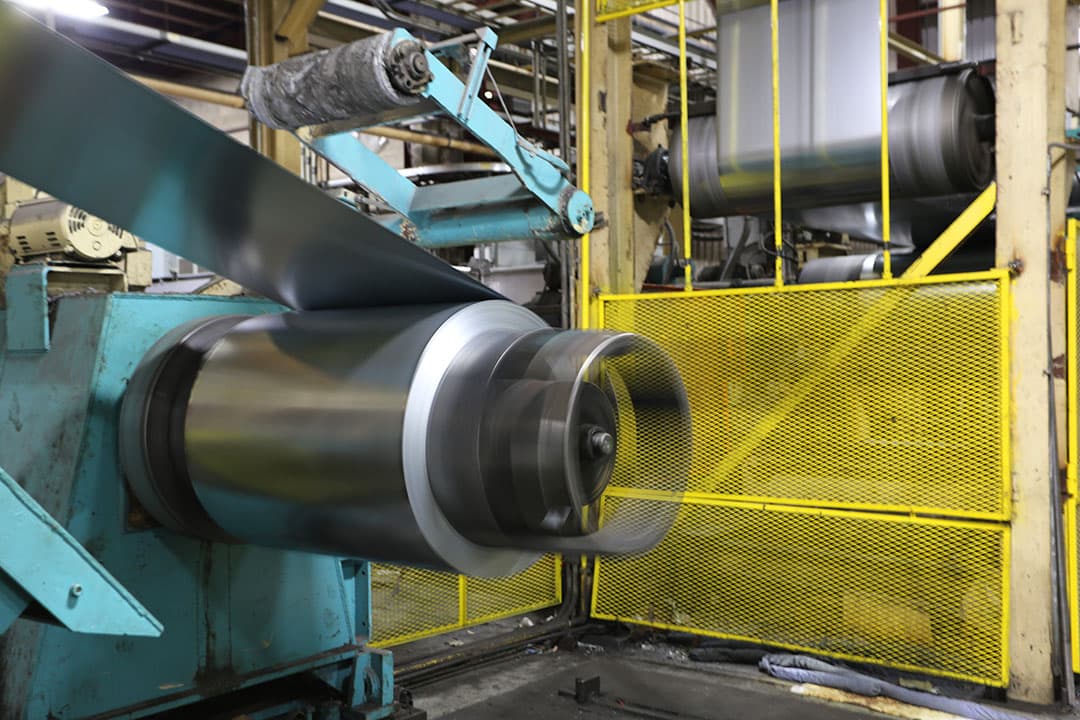
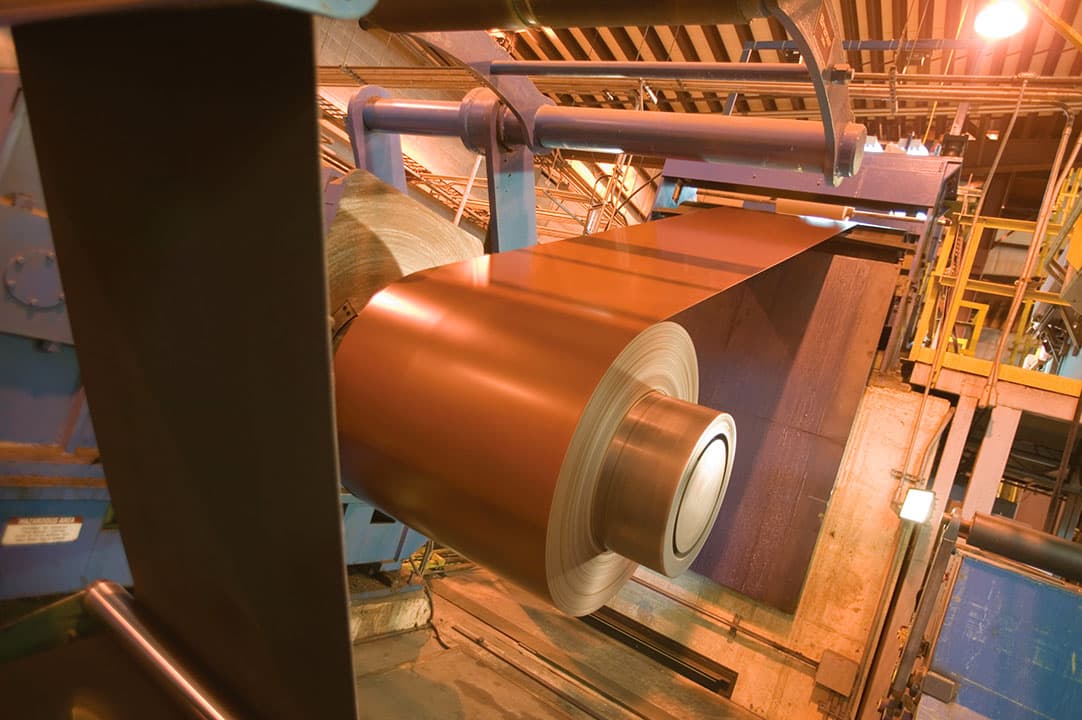
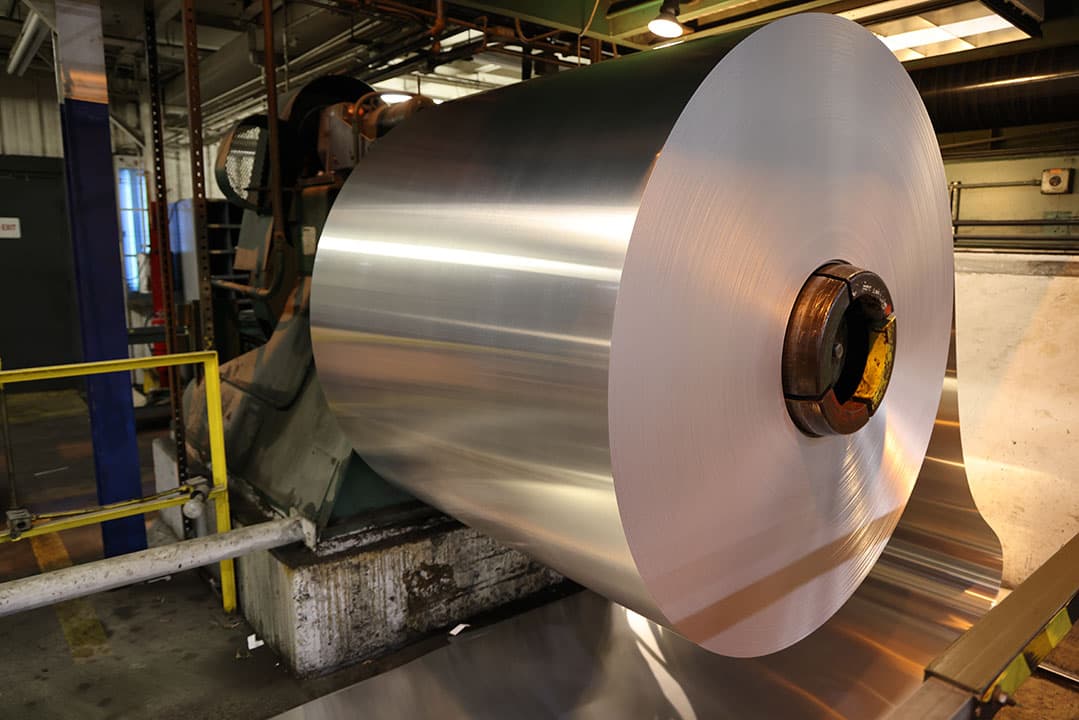
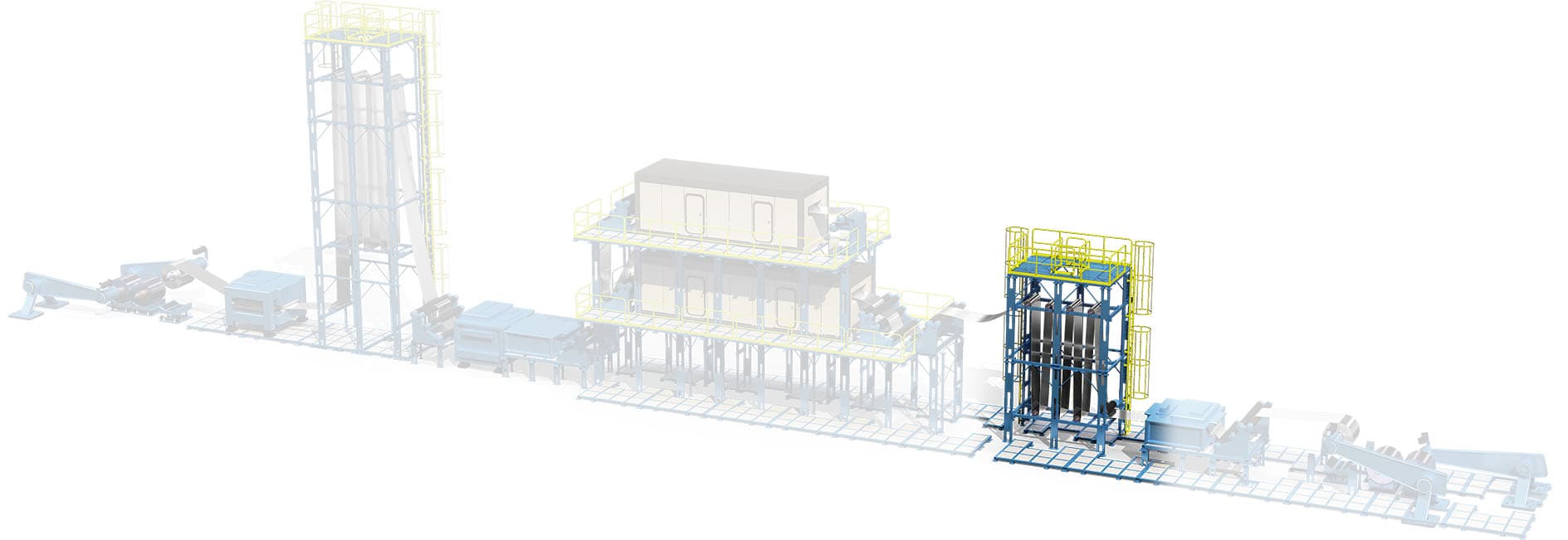
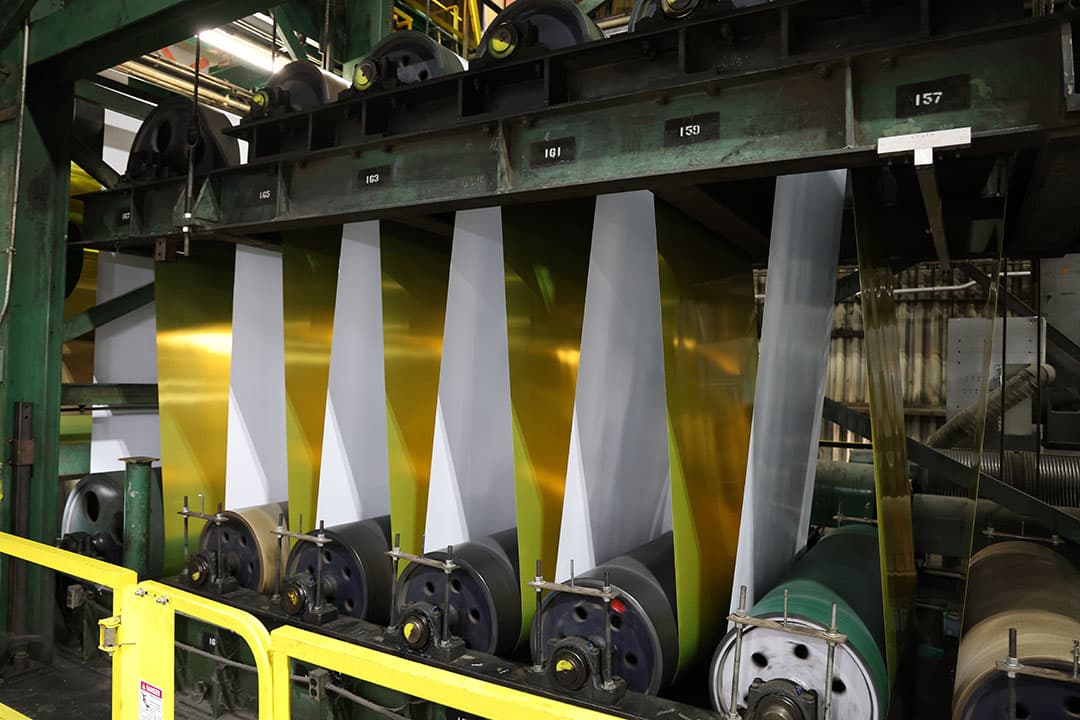
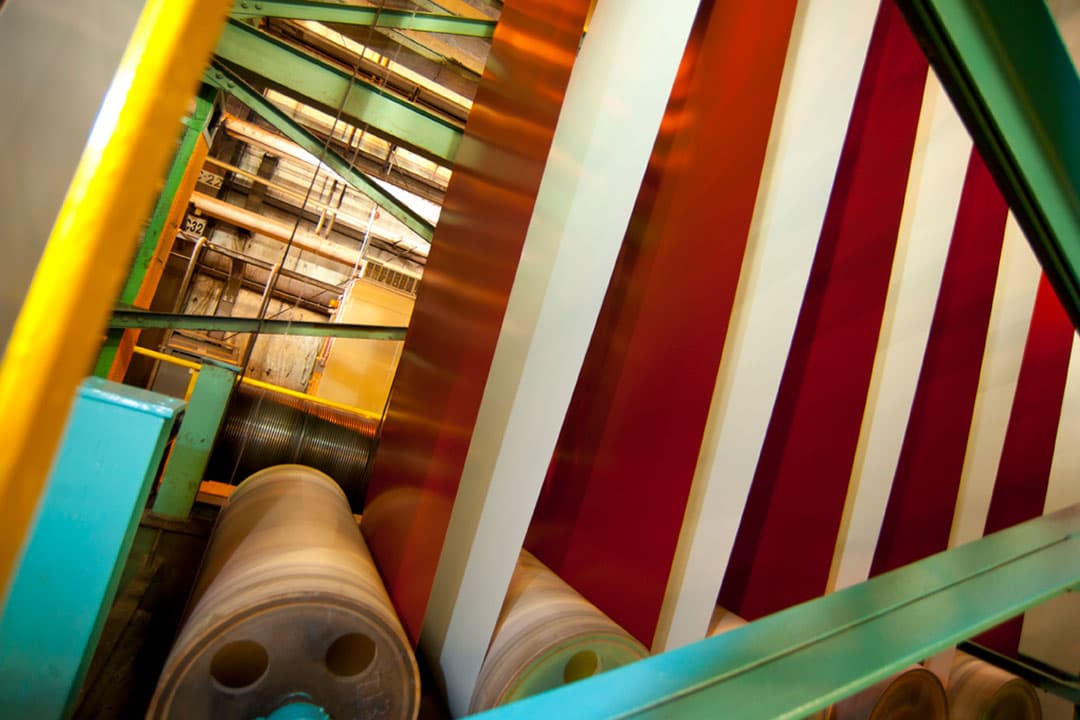
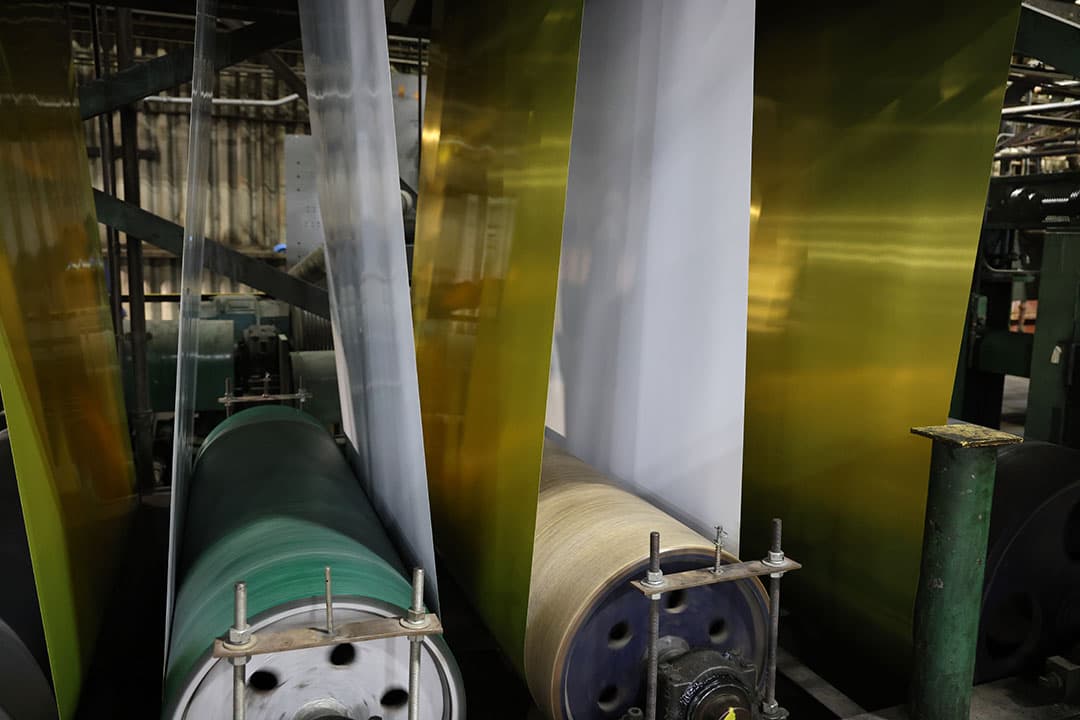
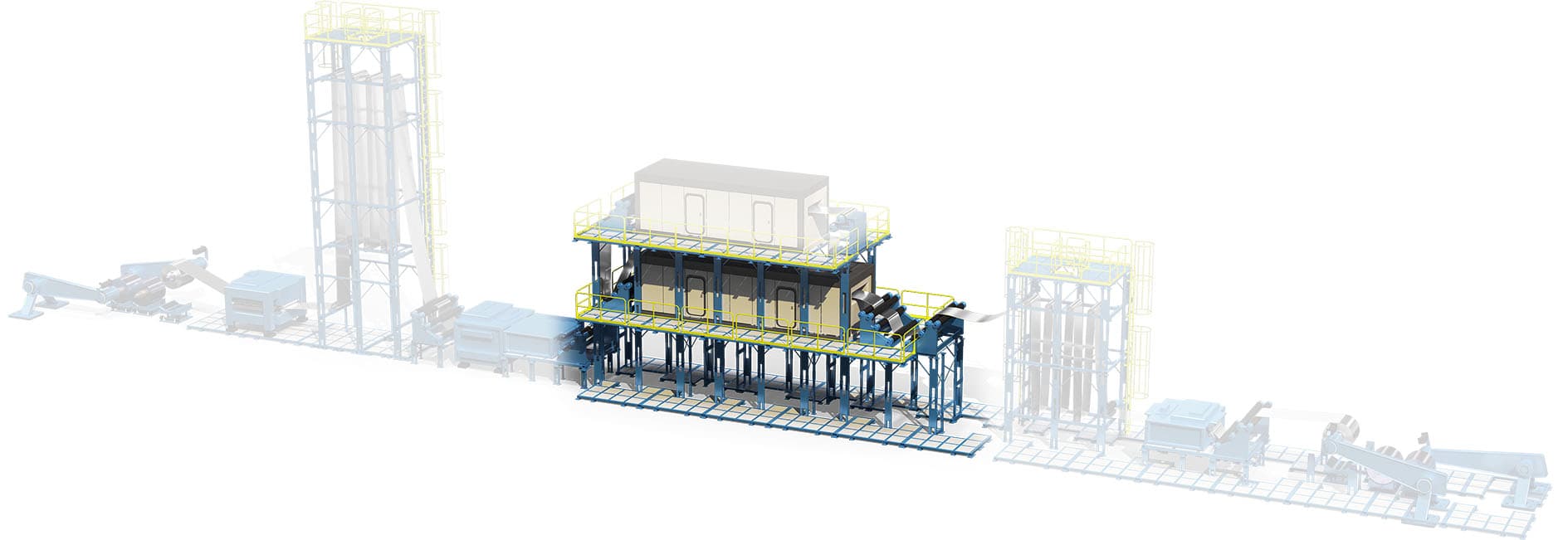
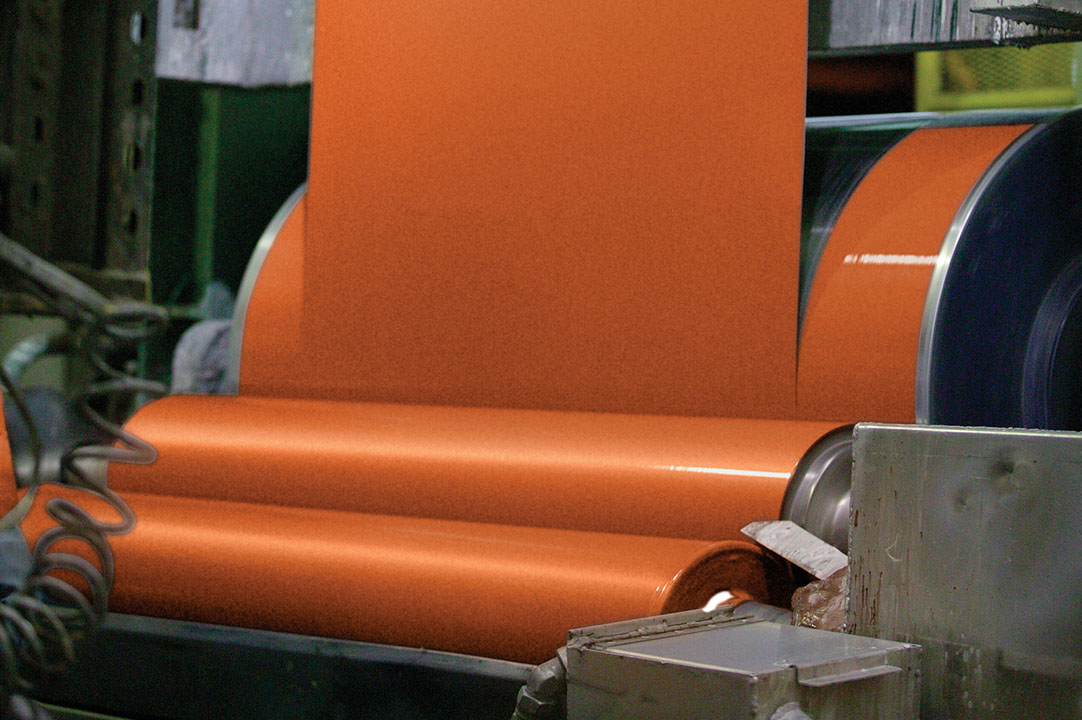
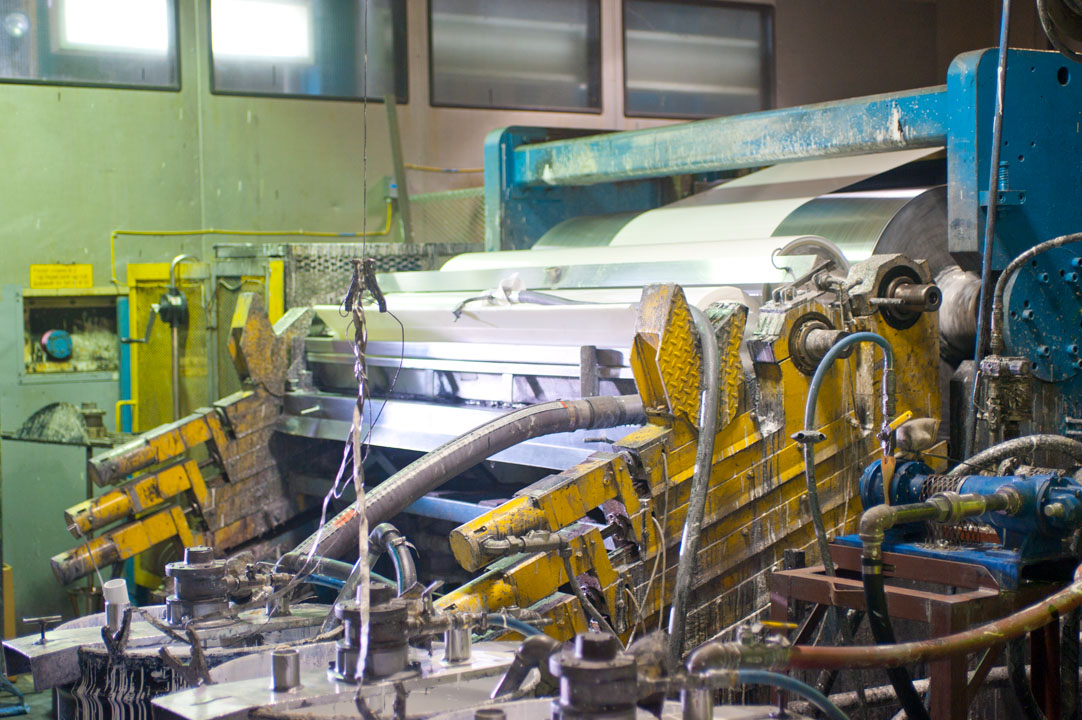
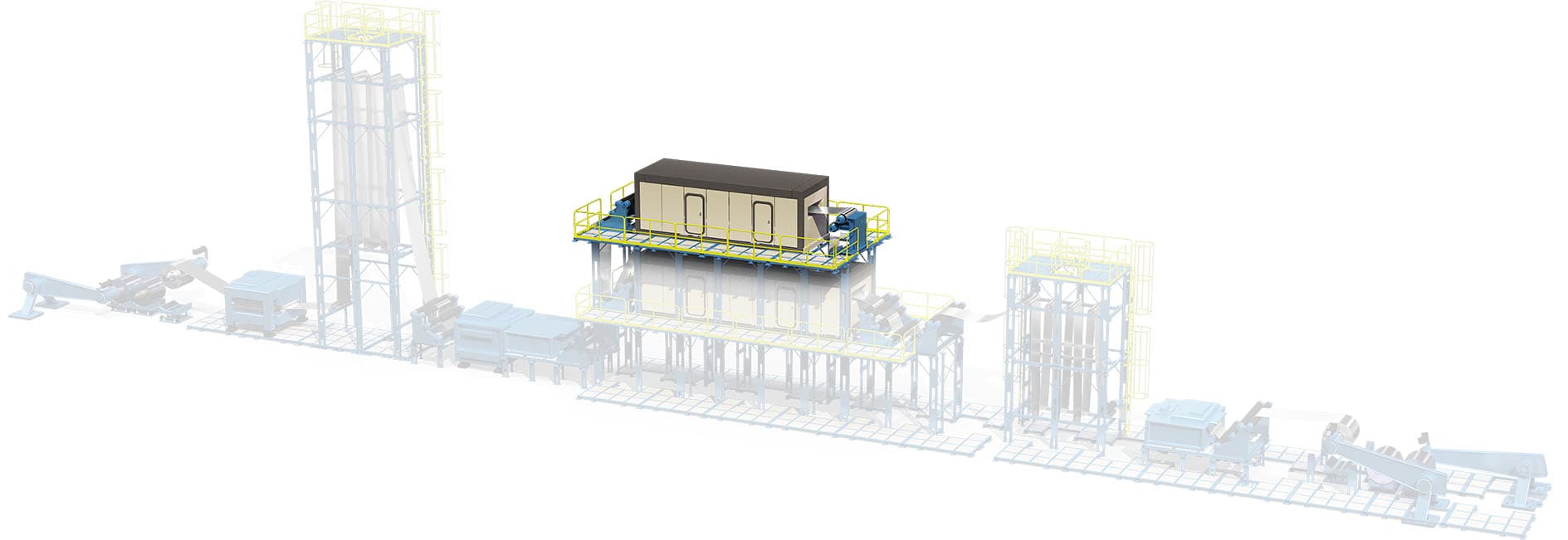
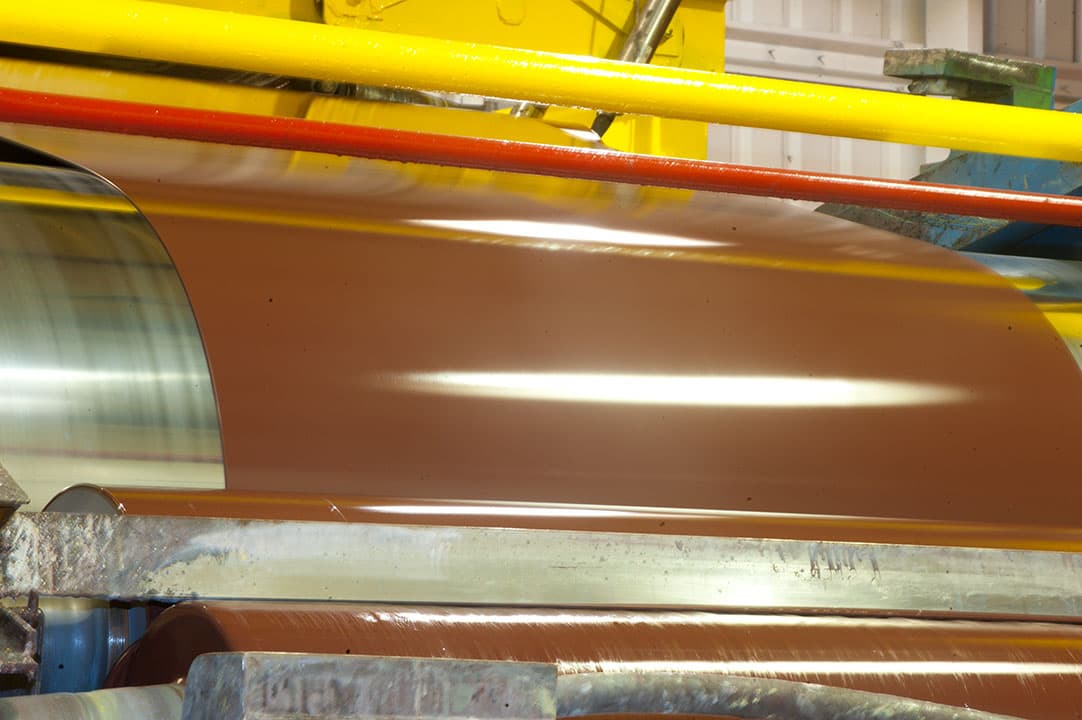
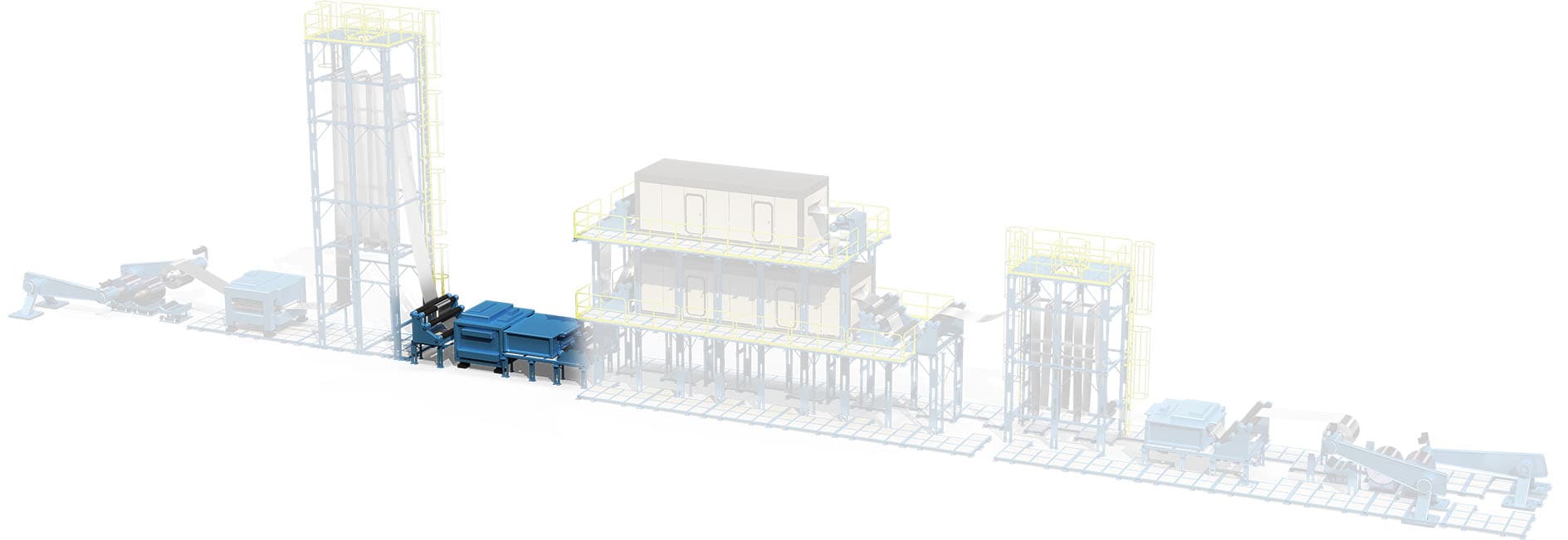
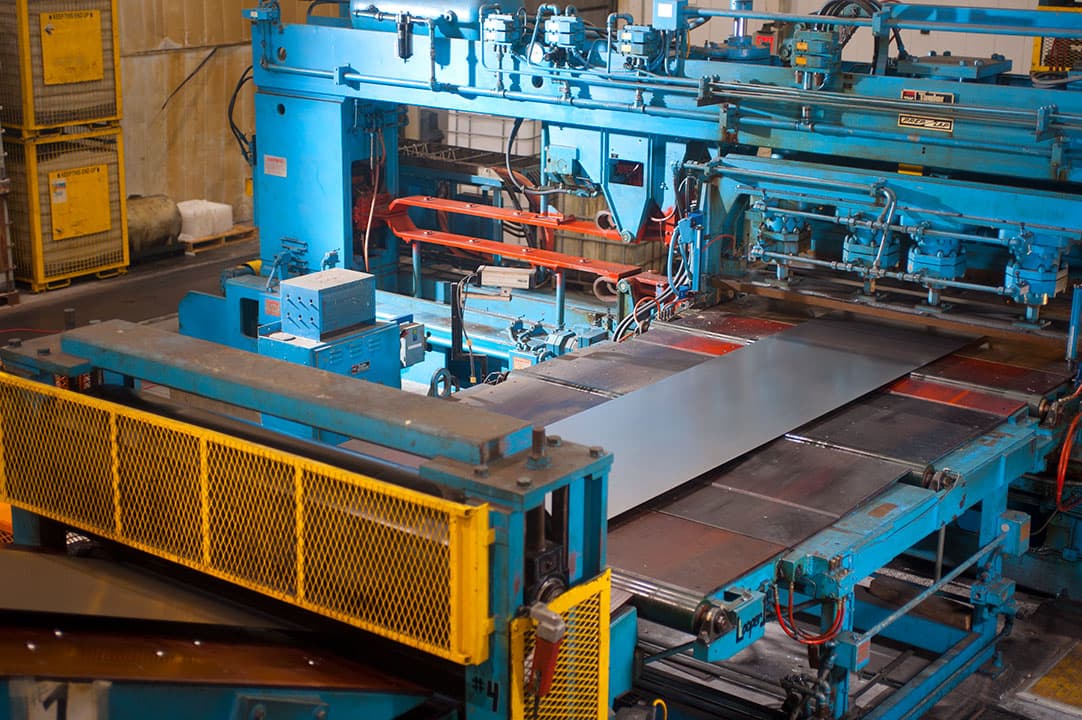
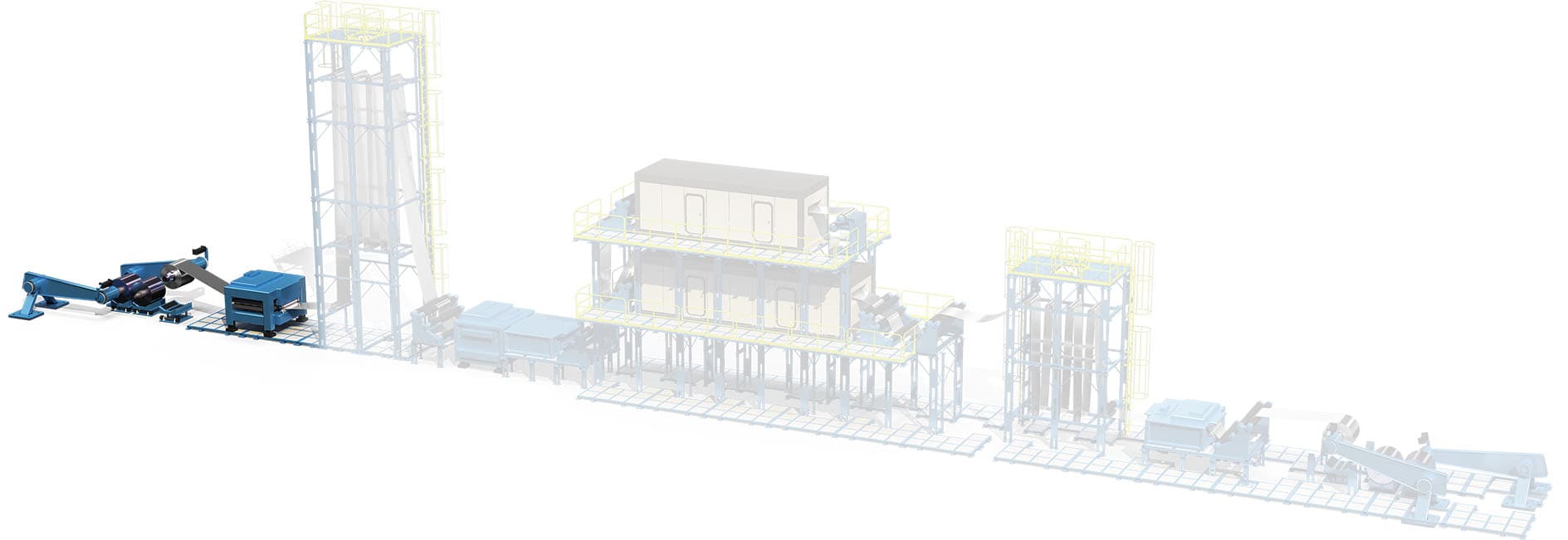
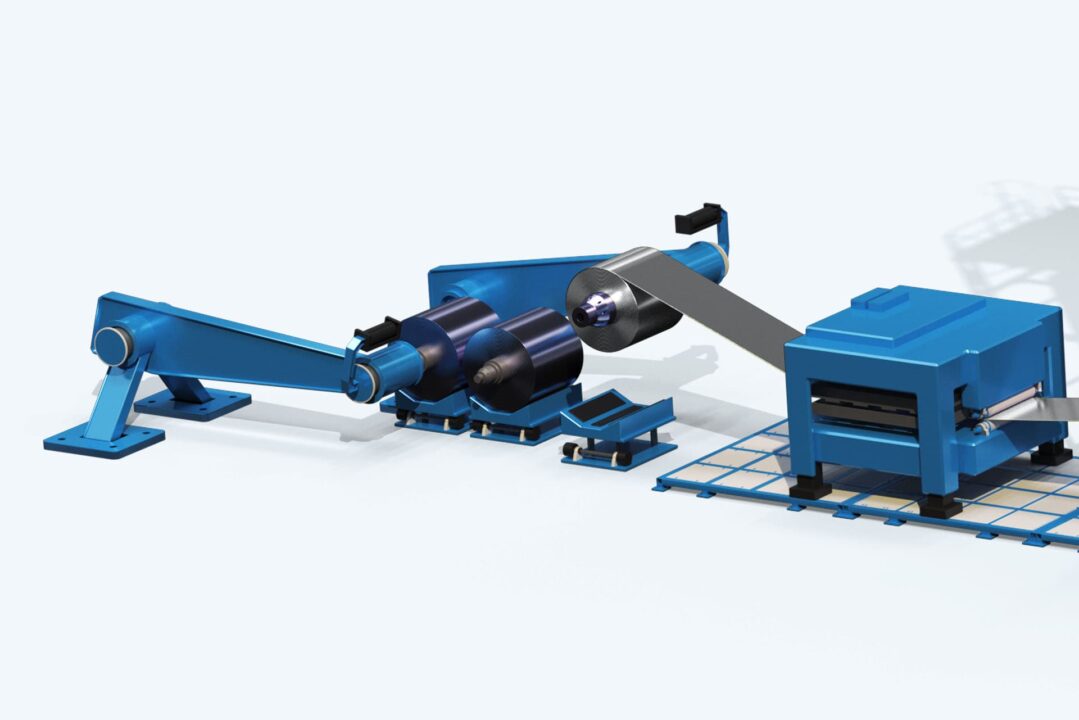
Once the metal is cleaned, treated, and painted, the strip is rewound into a coil size prescribed by the customer. From there, the coil is removed from the line and packaged for shipment or additional processing.
After the primer is applied and cured, then the metal strip enters the finish coat station where a topcoat is applied. Topcoats provide color, corrosion resistance, durability, flexibility and any other required physical properties. Like primers, the topcoat is cured using thermal cure ovens.
Oven
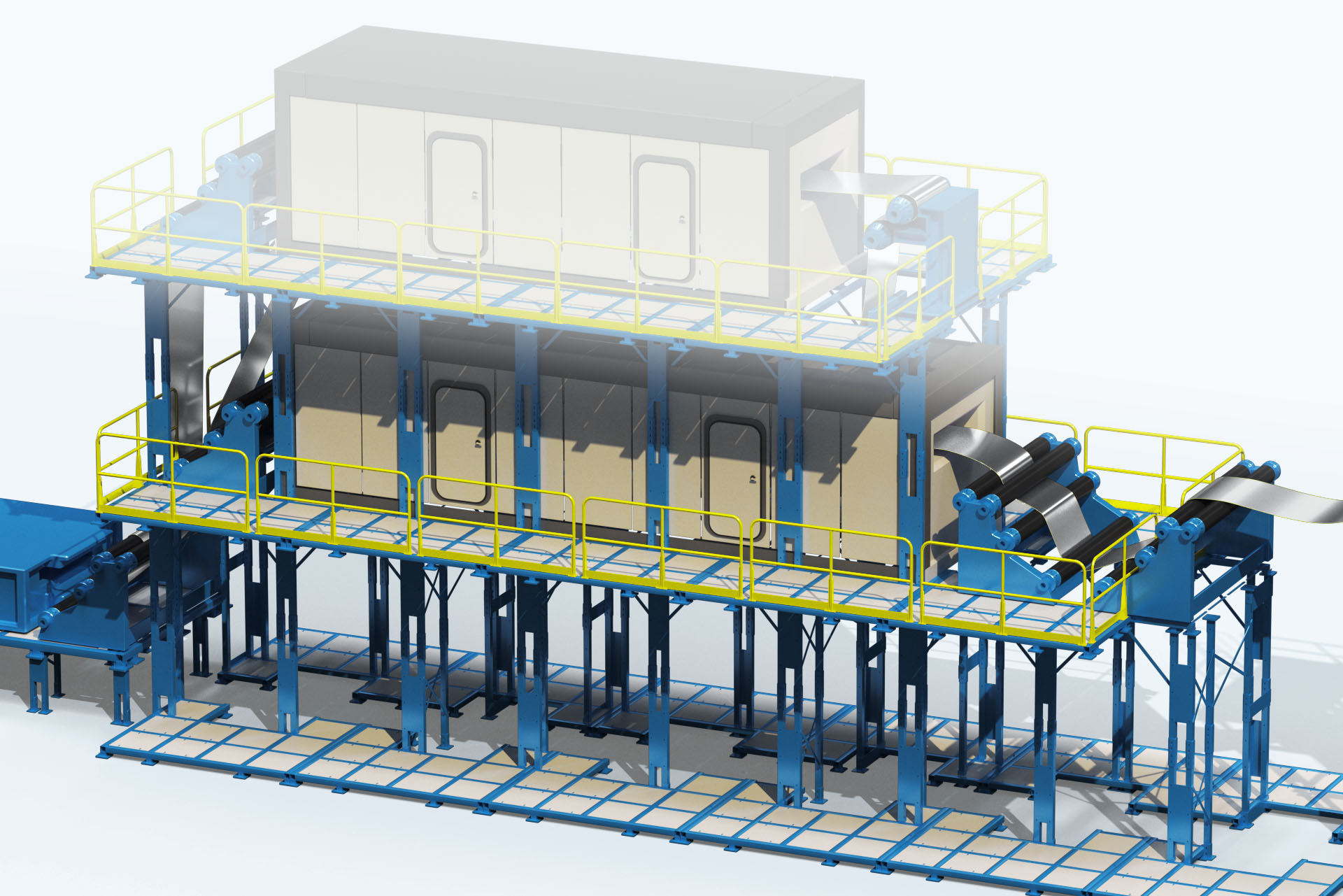
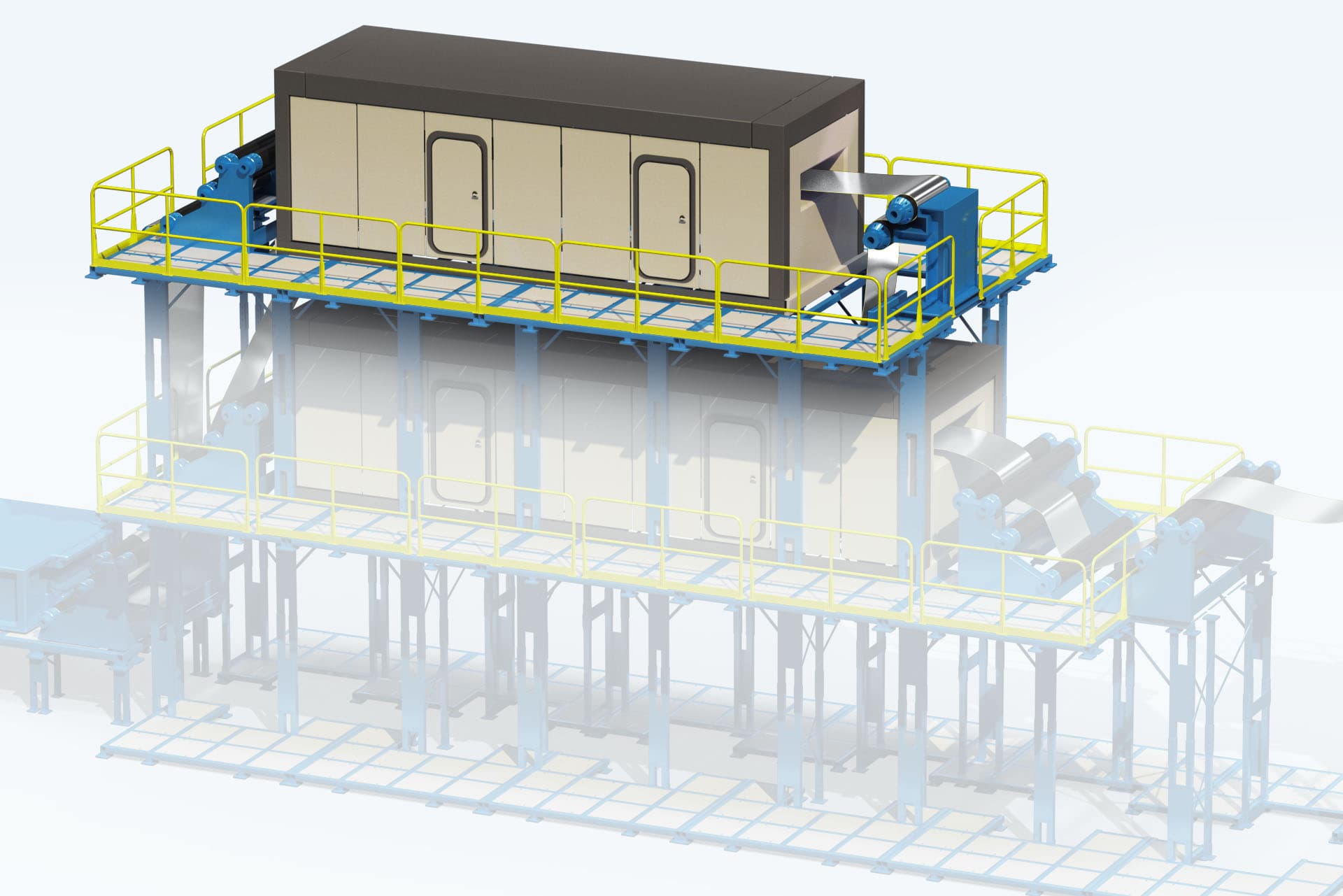
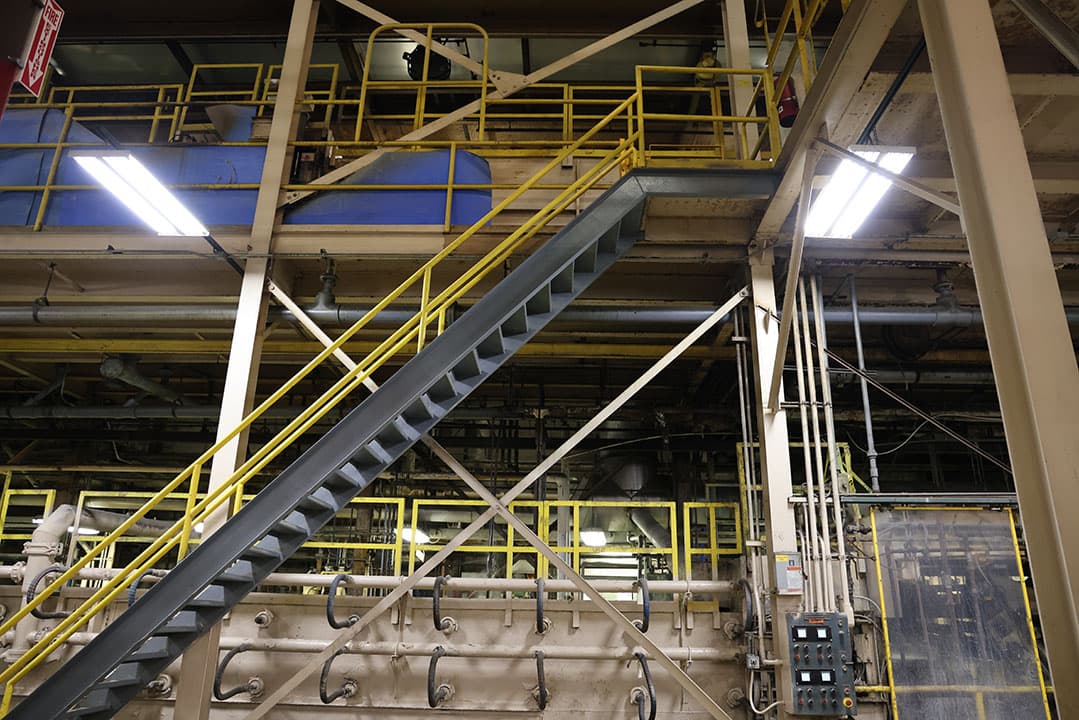
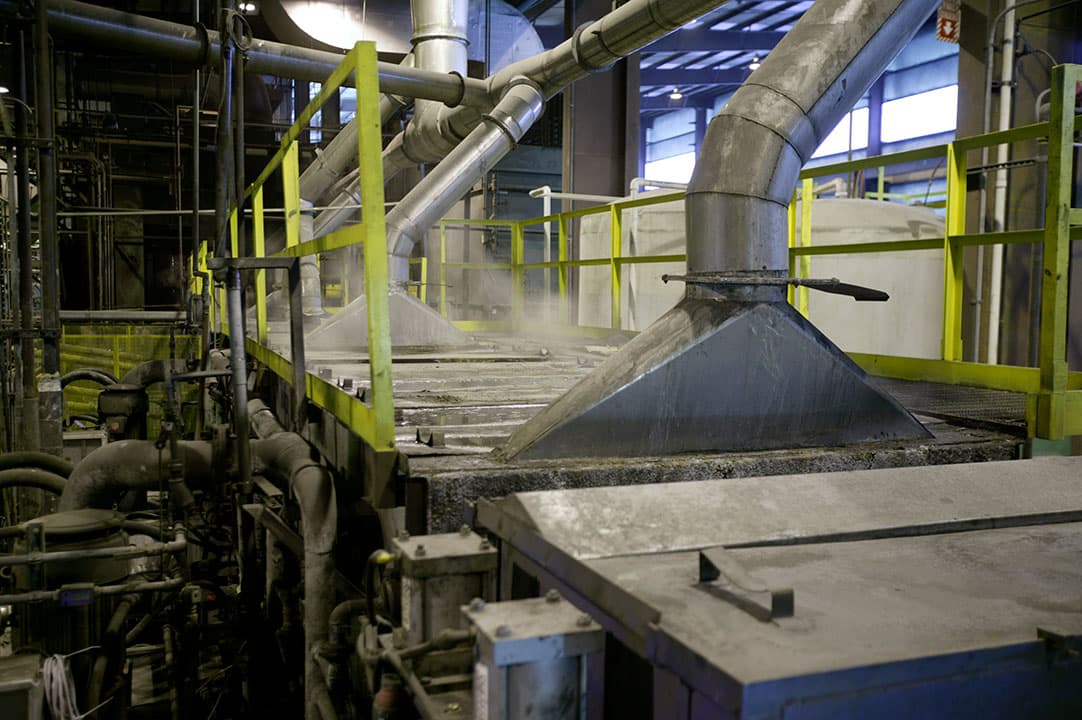
Coil coating ovens can range from 130 feet to 160 feet and will cure the coatings in 13 to 20 seconds.
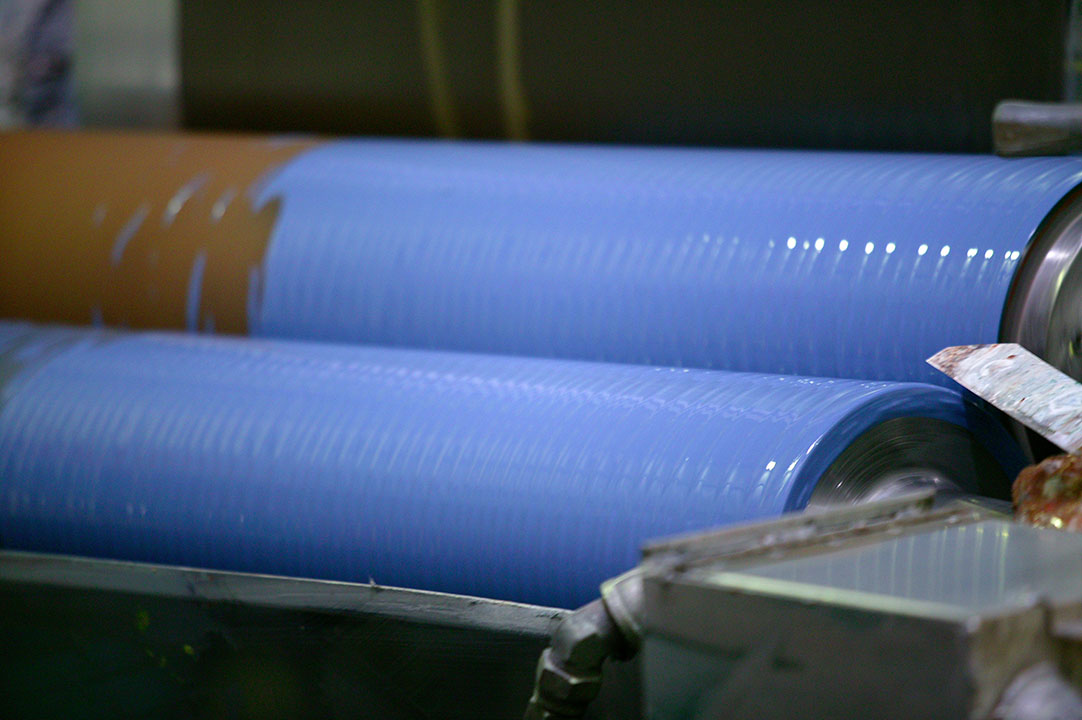
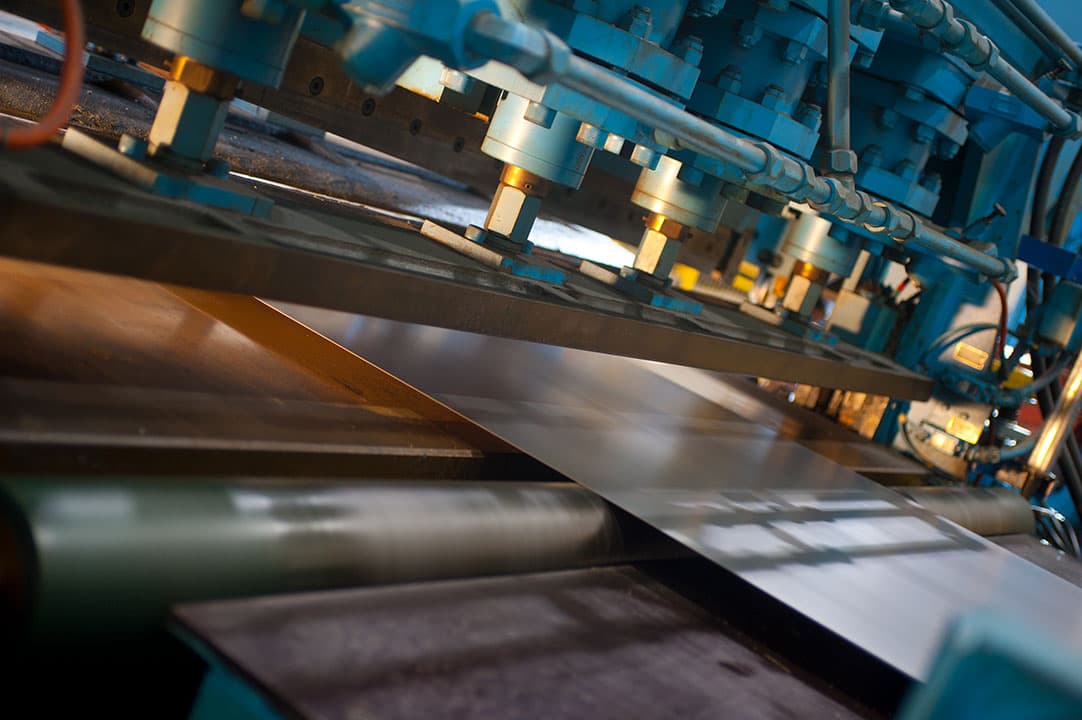
During this stage, the strip enters the prime coat station whereby a primer is applied to the clean and treated metal. After the primer is applied, the metal strip travels through a thermal oven for curing. Primers are used to aid in paint adhesion, improve corrosion performance and enhance aesthetic and functional attributes of the topcoat.
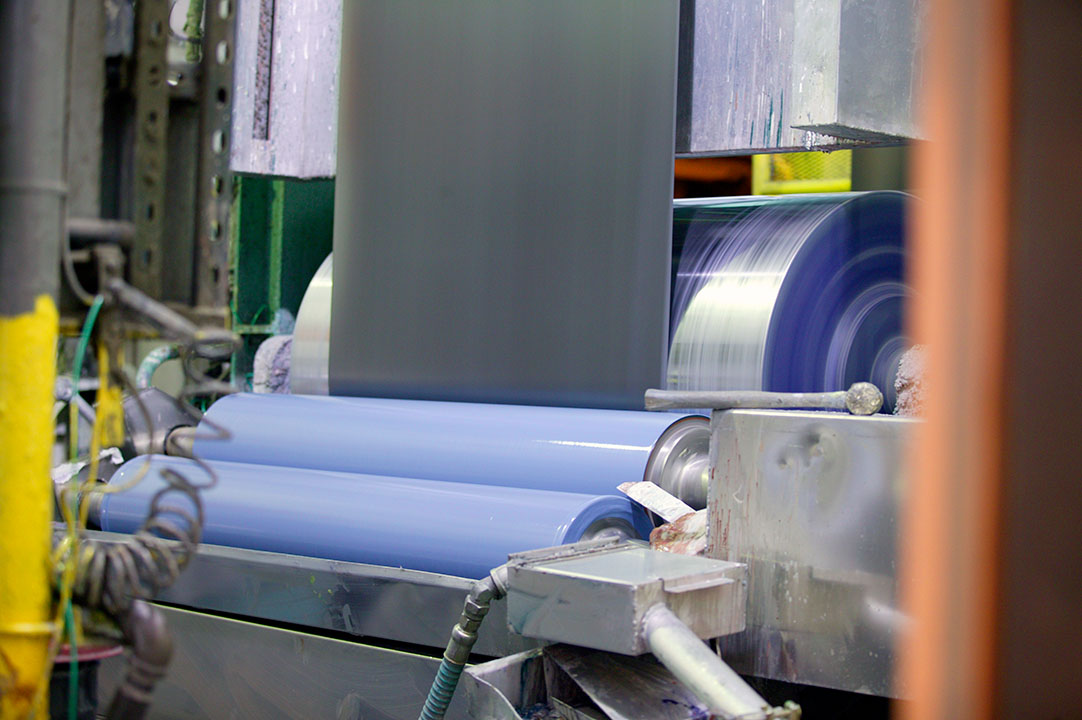
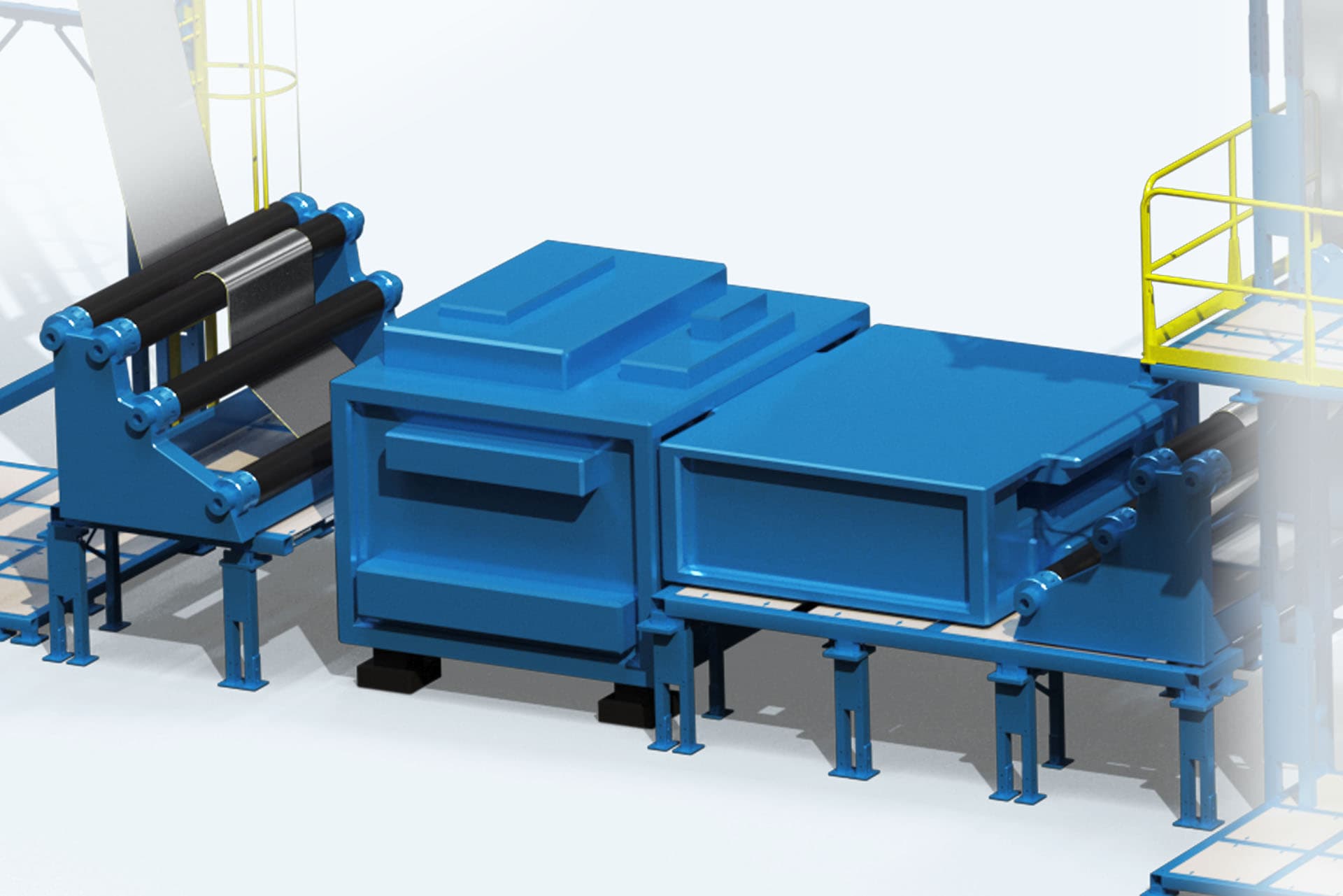
S Wrap Coater
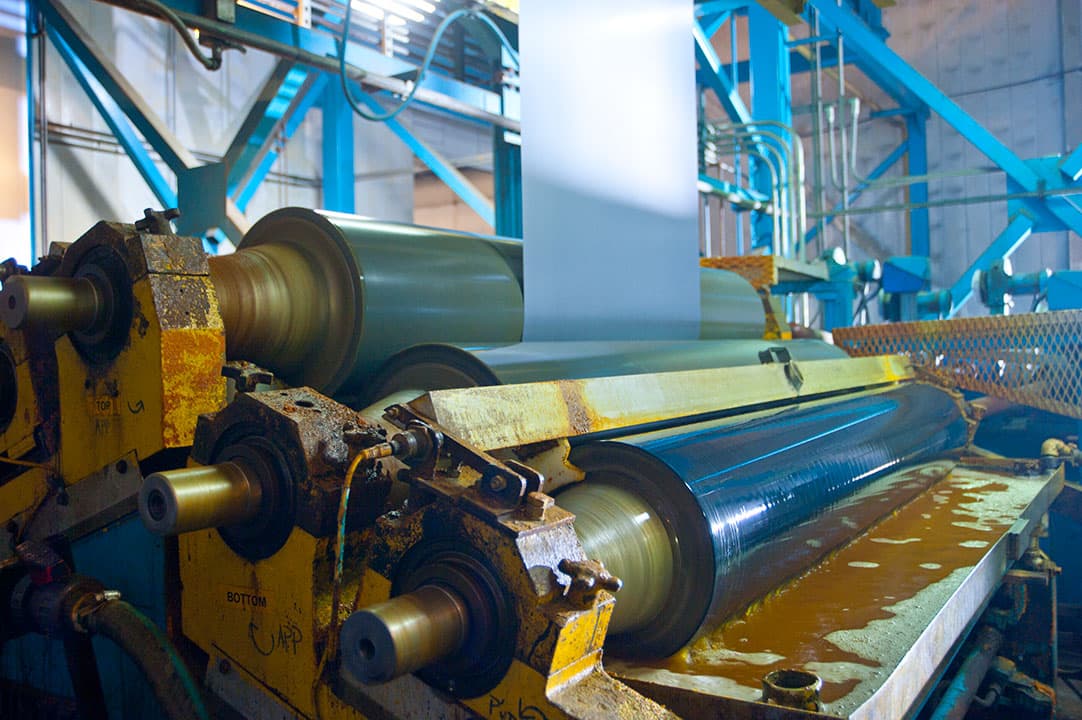
The S wrap coater design allows for primers and paints to be applied to the top and back side of the metal strip simultaneously in one continuous pass.
The cleaning and pretreating section of the coil coating process focuses on preparing the metal for painting. During the cleaning stage, dirt, debris, and oils are removed from the metal strip. From there, the metal enters the pretreatment section and/or a chemical coater whereby chemicals are applied to facilitate paint adhesion and enhance corrosion resistance.
Dried-In-Place
In this stage a chemical that provides enhanced corrosion performance is applied. This treatment can be chrome free if required.
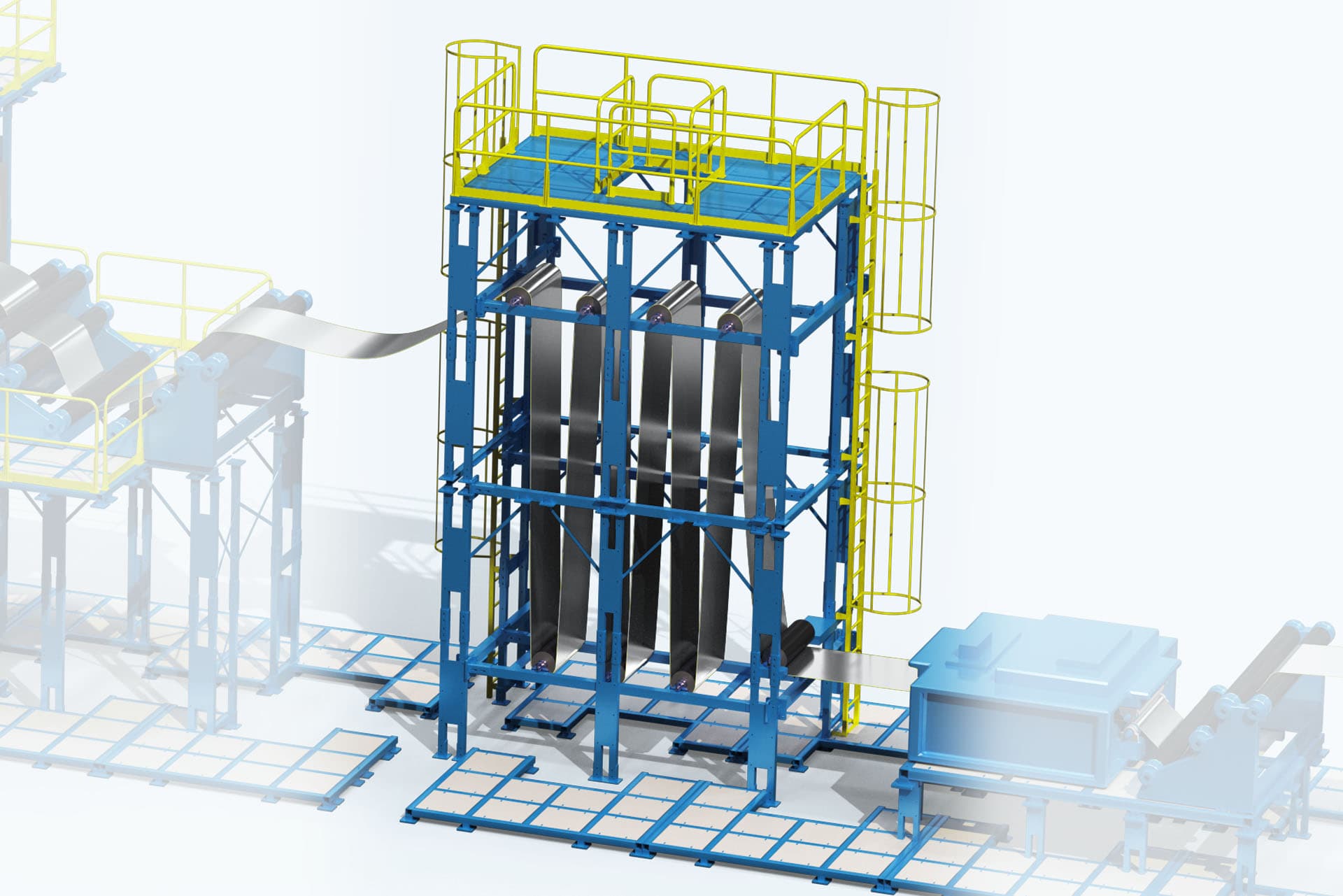
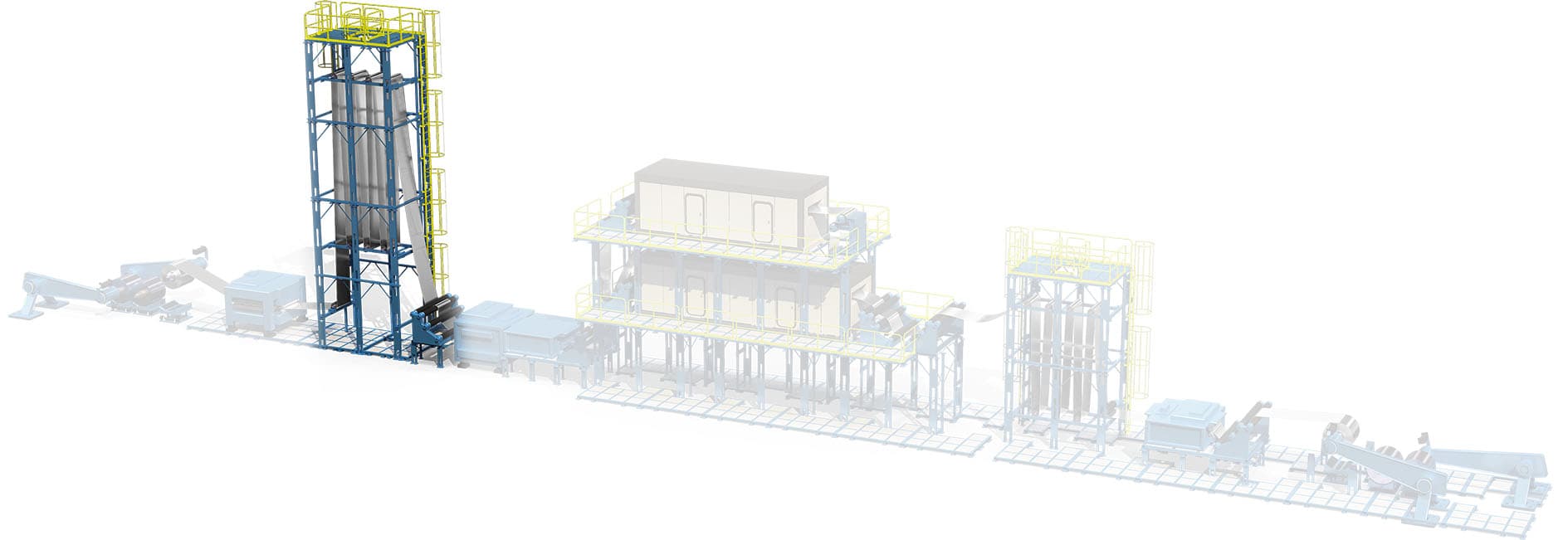
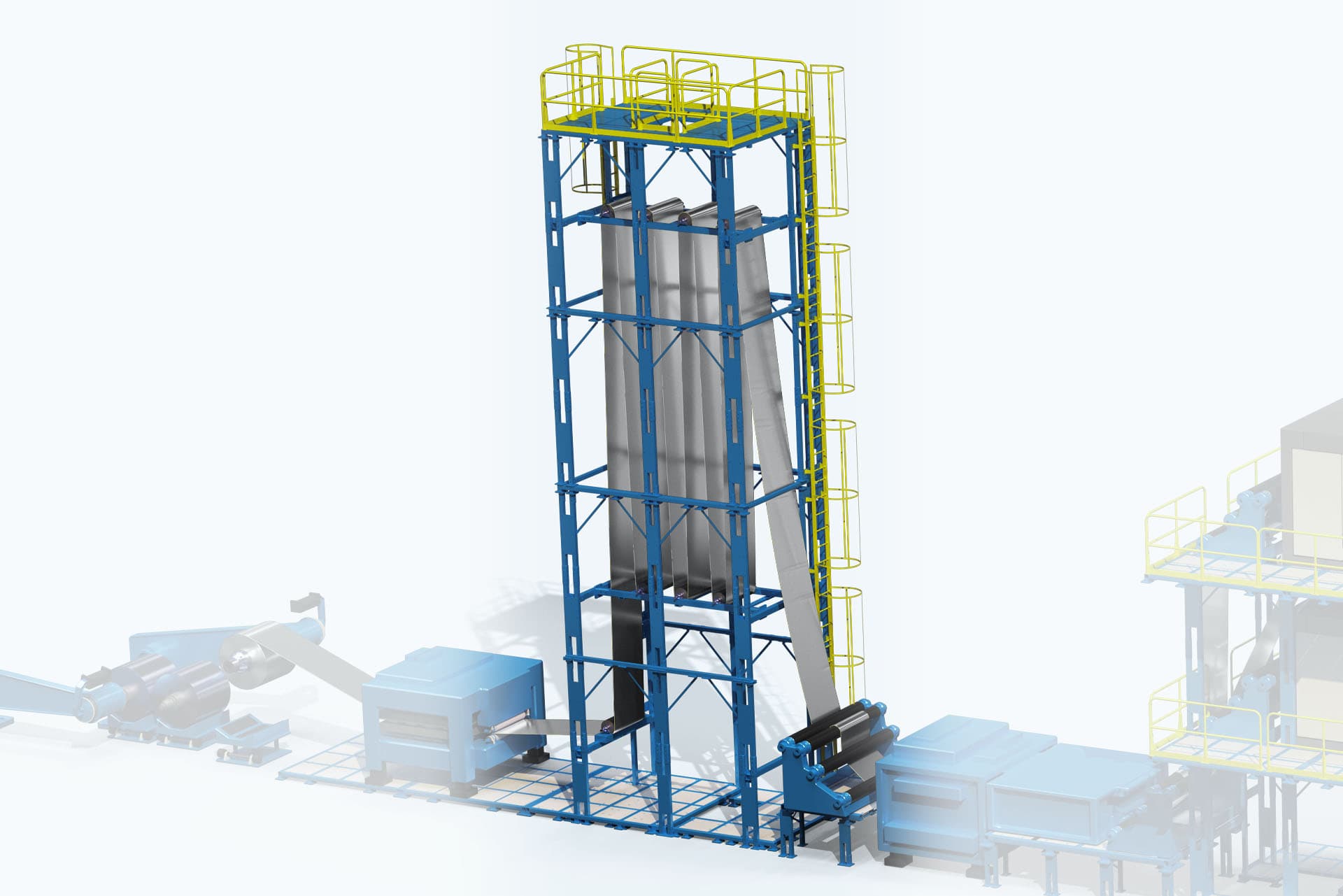
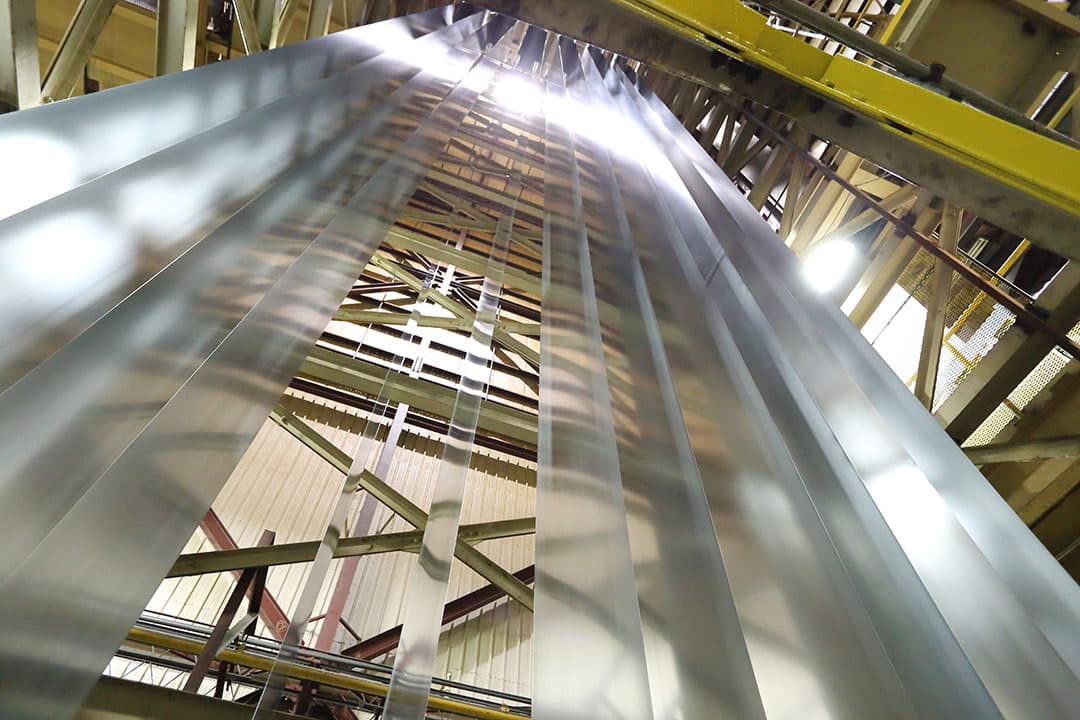
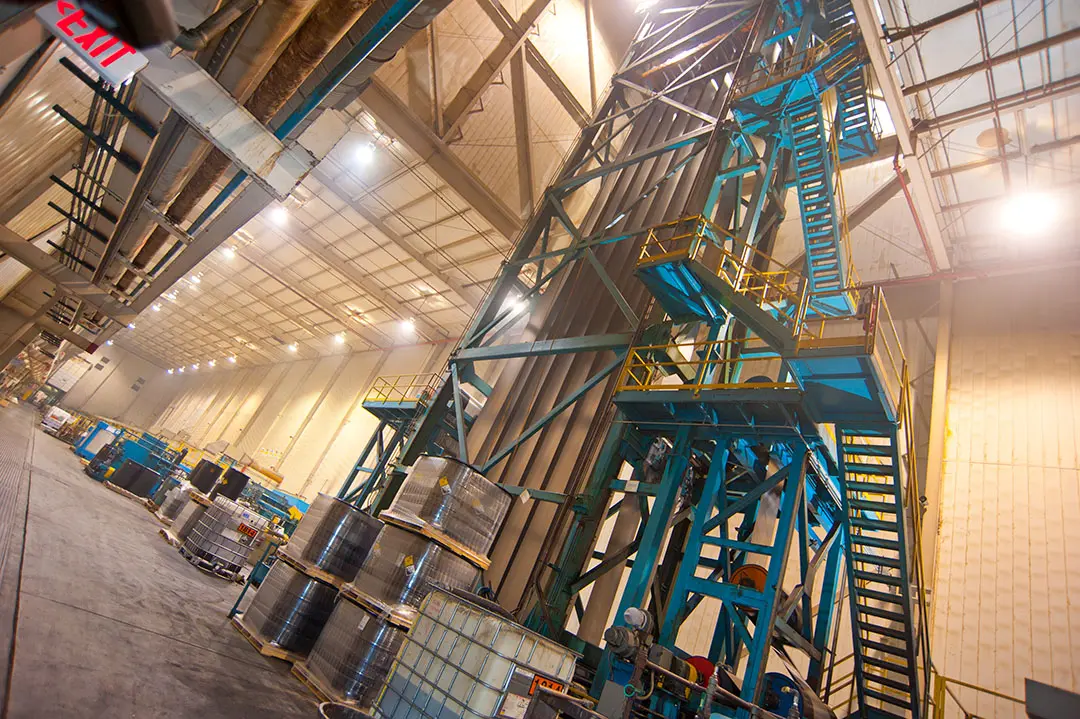
The accumulator is a structure that adjusts up and down to store material, which makes continuous operation of the coil coating process possible. This accumulation will continue to feed the coil coating processes while the entry end has stopped for the stitching process. As much as 750 feet of metal can be collected.
Each spring, Major League Baseball teams head to Arizona for Cactus League play, bringing thousands of fans to ballparks across the Phoenix area. While the action on the field draws the spotlight, the steel structures that support these venues quietly play an important role in creating the experience fans enjoy every season.
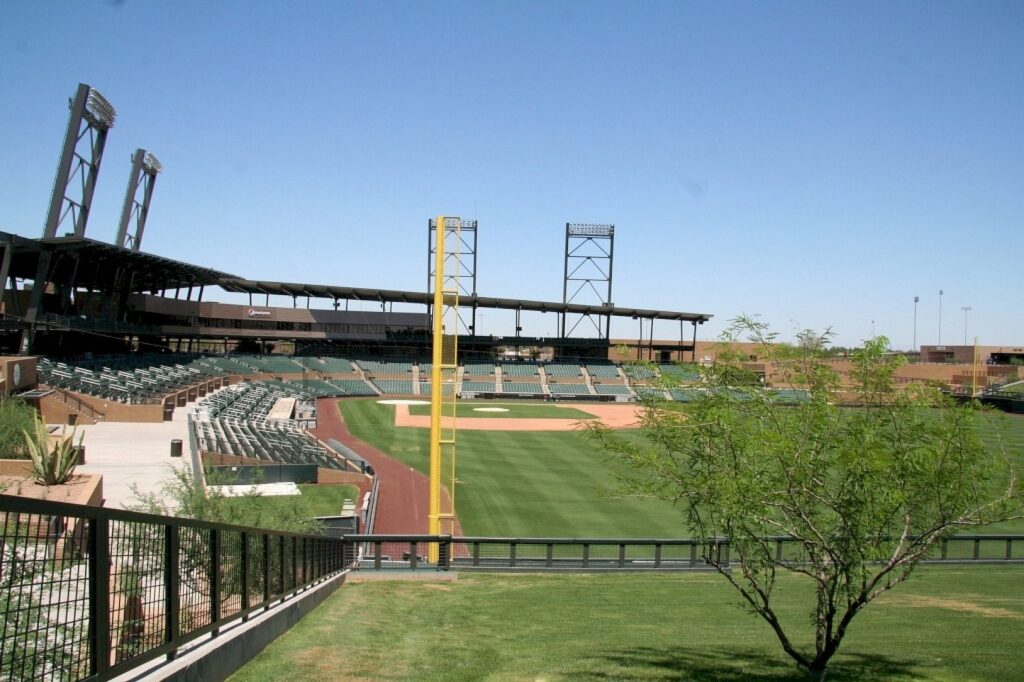
AZZ Galvanizing – Arizona is proud to have contributed corrosion protection for steel used at several Cactus League venues over the years, including Goodyear Ballpark and Salt River Fields at Talking Stick. Both facilities rely on durable steel infrastructure that must perform reliably under intense sun, heavy daily use, and year-round exposure to the desert environment.
Steel That Supports the Game
Opened in 2009, Goodyear Ballpark serves as the spring training home of the Cleveland Guardians and Cincinnati Reds. The ballpark was designed to provide fans with a modern, intimate setting for Cactus League games while accommodating the infrastructure needed for professional training facilities.
Two years later, Salt River Fields at Talking Stick opened in 2011 and quickly became one of the premier spring training venues in baseball. Located in Scottsdale, the complex hosts the Arizona Diamondbacks and Colorado Rockies each spring and features one of the largest spring training facilities in the league.
Behind the scenes at both venues, hot-dip galvanized steel plays an important role in ensuring long-term durability and low maintenance. AZZ Galvanizing – Arizona provided galvanizing services for a wide range of structural and architectural components used throughout these facilities.
Where Galvanized Steel Makes a Difference
Ballparks may appear simple on the surface, but they rely on a wide range of steel elements that must withstand years of environmental exposure and daily use. At Goodyear Ballpark and Salt River Fields, numerous components were protected through hot-dip galvanizing, including:
Roof trusses and structural beams
Handrails and guardrails
Light poles
Fence posts and stand tables
Stairs and access structures
Tubular awnings and architectural elements
Each of these elements contributes to the overall safety, durability, and functionality of the venue. By applying a metallurgically bonded zinc coating through the hot-dip galvanizing process, these steel components gain a level of corrosion protection that helps them perform reliably for decades.
Built for the Desert Environment
Arizona’s climate presents a unique combination of conditions for outdoor structures. Intense UV exposure, temperature swings, dust, and seasonal monsoon storms can all place stress on building materials over time.
Hot-dip galvanizing is well suited for these conditions. The zinc coating forms a durable protective layer that shields the steel from corrosion while also providing sacrificial protection if the surface is scratched or damaged. This dual layer of protection helps ensure structural components remain resilient even after years of service.
For facility owners and operators, this translates to lower maintenance requirements and extended service life for critical infrastructure throughout the ballpark.
Supporting Places Where Fans Gather
Spring training ballparks serve as more than just training facilities. They are gathering places where fans connect with teams, families enjoy warm-weather baseball, and communities celebrate the start of a new season.
While most visitors focus on the players taking the field, the structural elements that support seating areas, walkways, lighting, and shade structures are essential to making the experience possible. Durable materials like hot-dip galvanized steel help ensure these spaces remain safe, functional, and welcoming for years to come.
Ready for Another Season
As another spring training season unfolds in the Valley of the Sun, venues like Goodyear Ballpark and Salt River Fields at Talking Stick continue to welcome players and fans alike.
From roof trusses and beams to handrails, light poles, and architectural features, galvanized steel helps keep these facilities strong and ready for the season ahead.
From the first pitch to the final out, corrosion protection plays its part in keeping the game going!
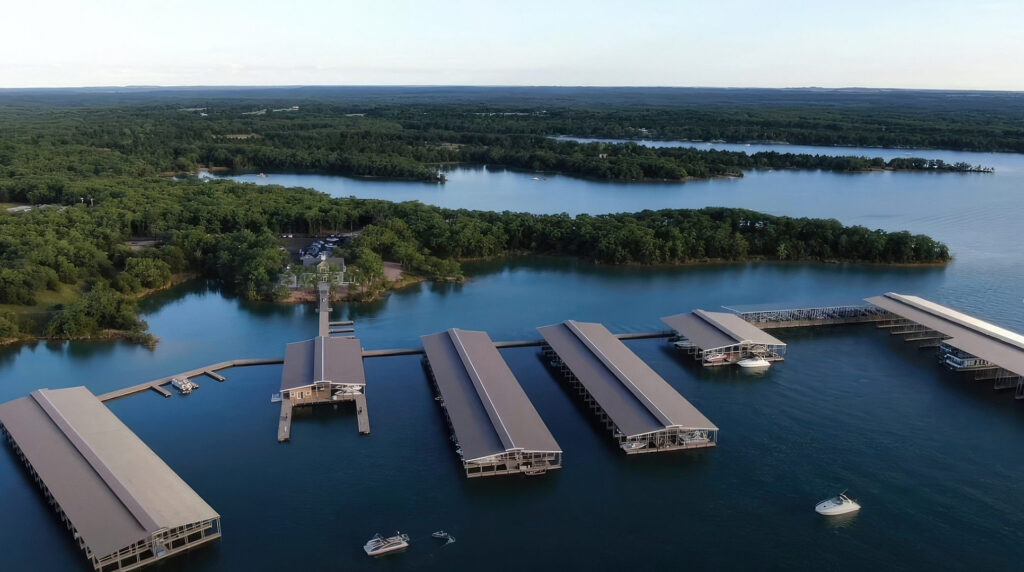
Waterfront infrastructure faces relentless exposure to moisture, heavy use, and changing conditions. Discover how thoughtful material selection helps marinas and public access structures deliver decades of reliable service.