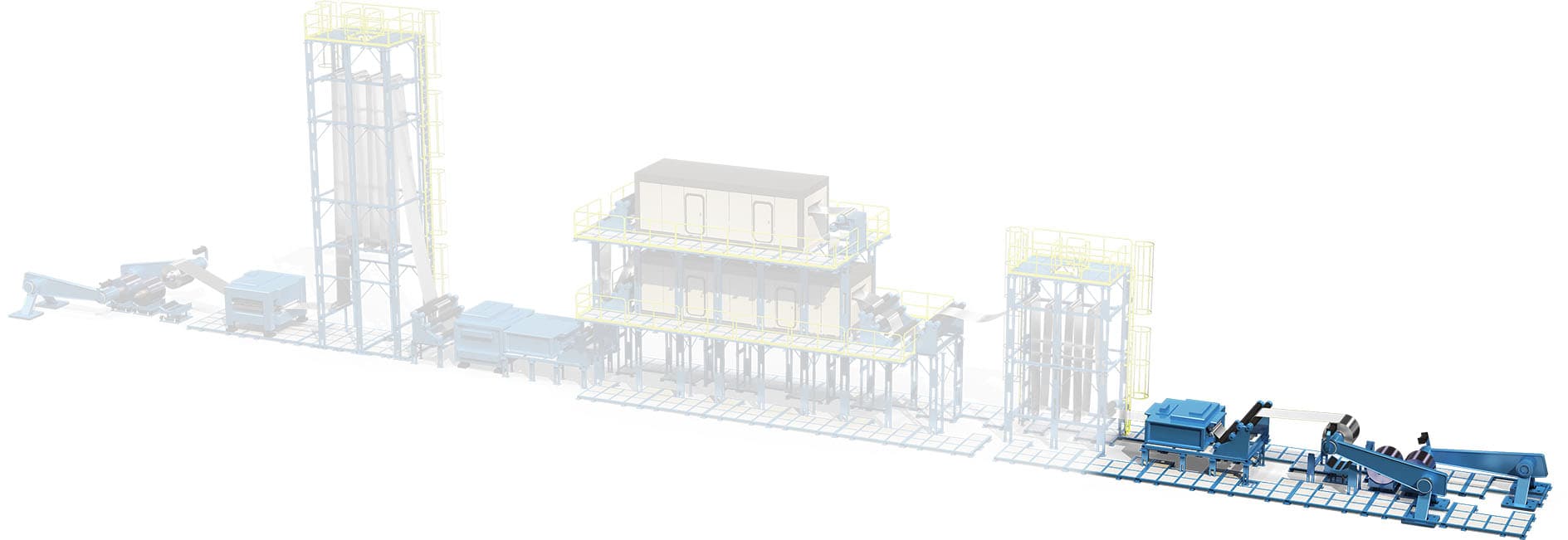
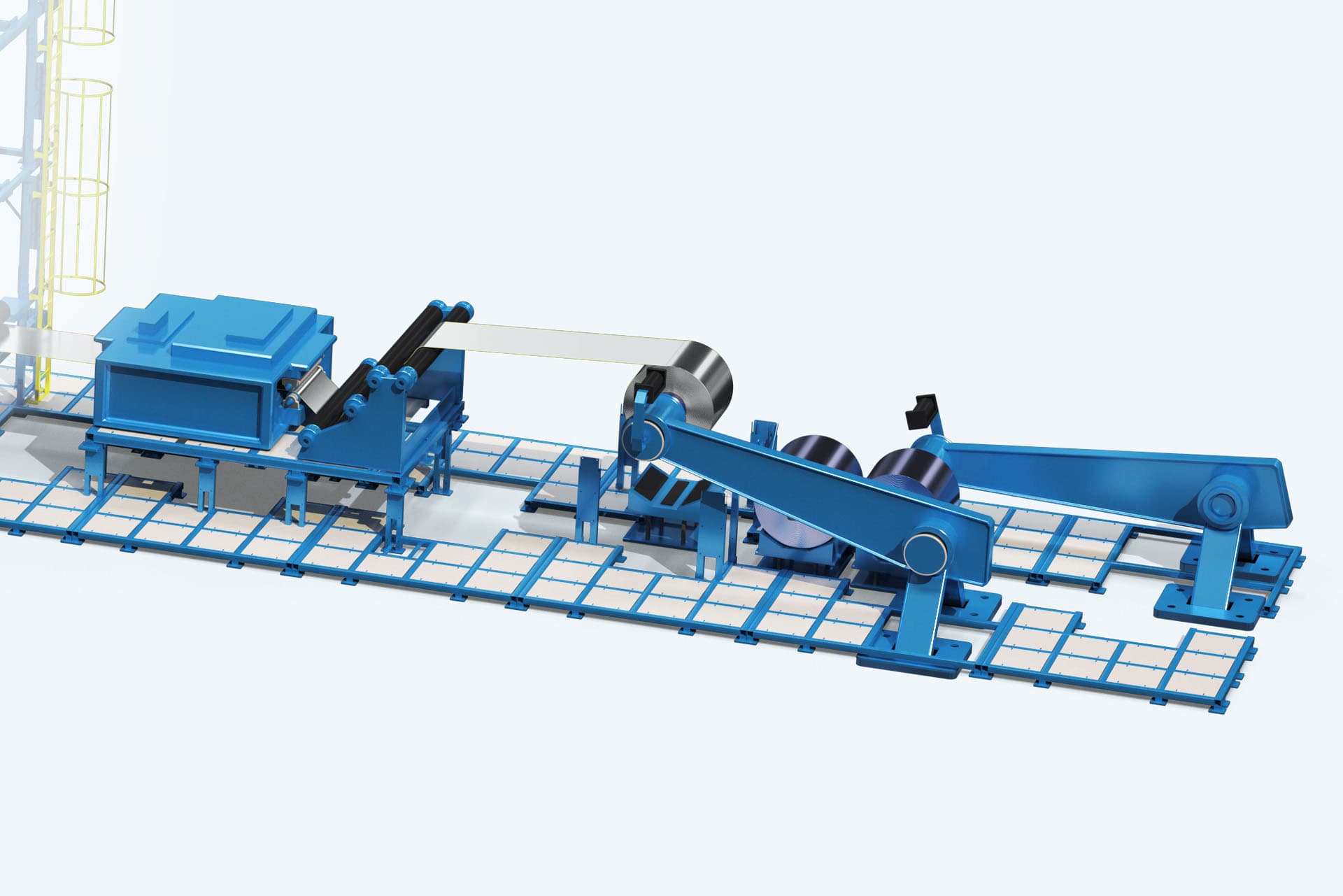
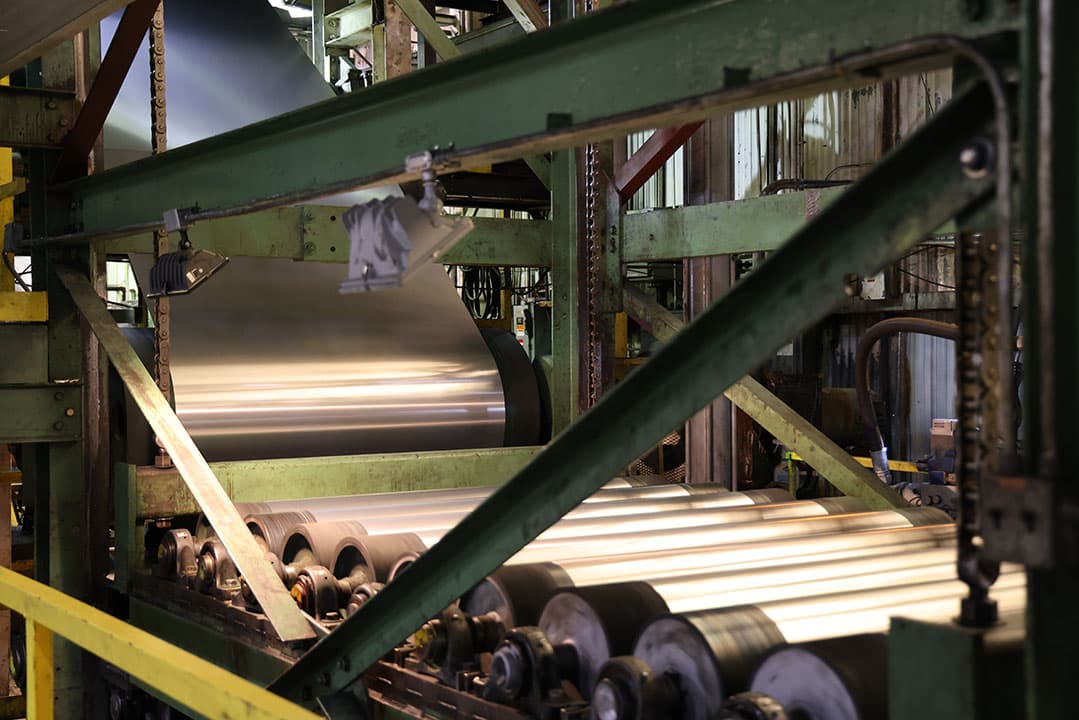
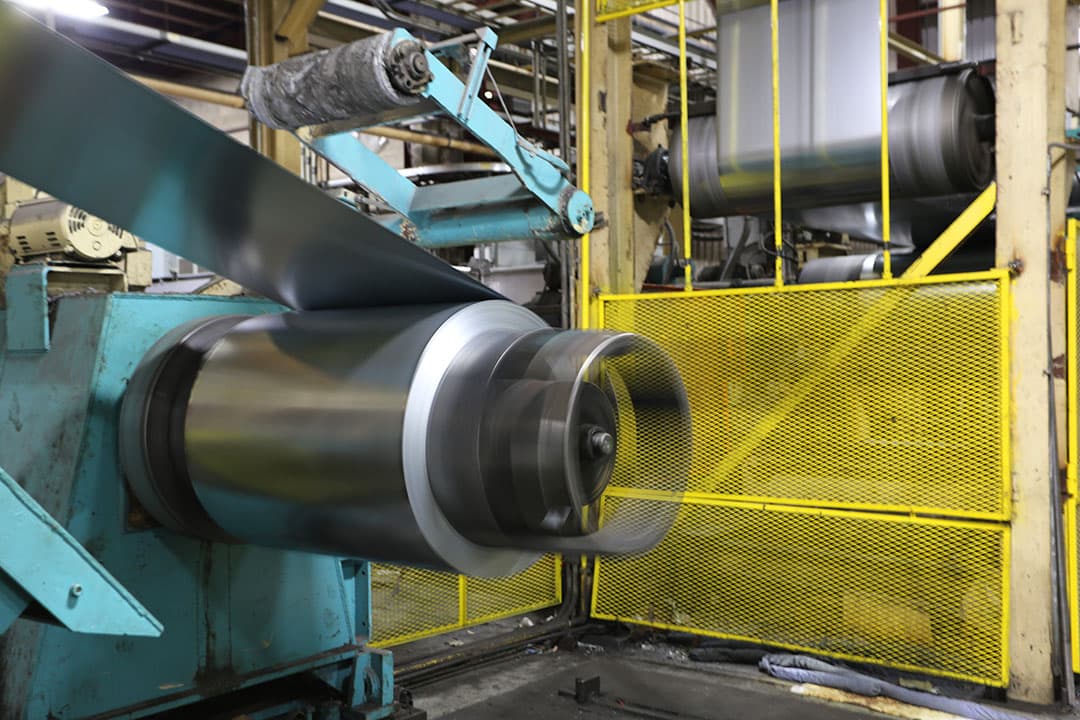
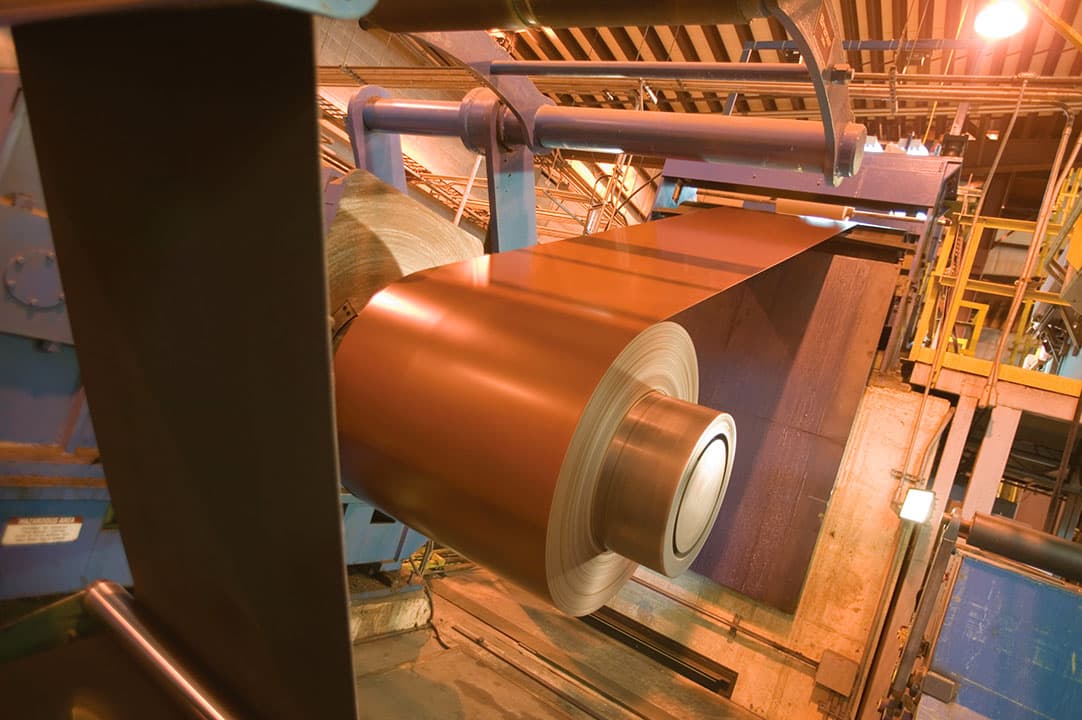
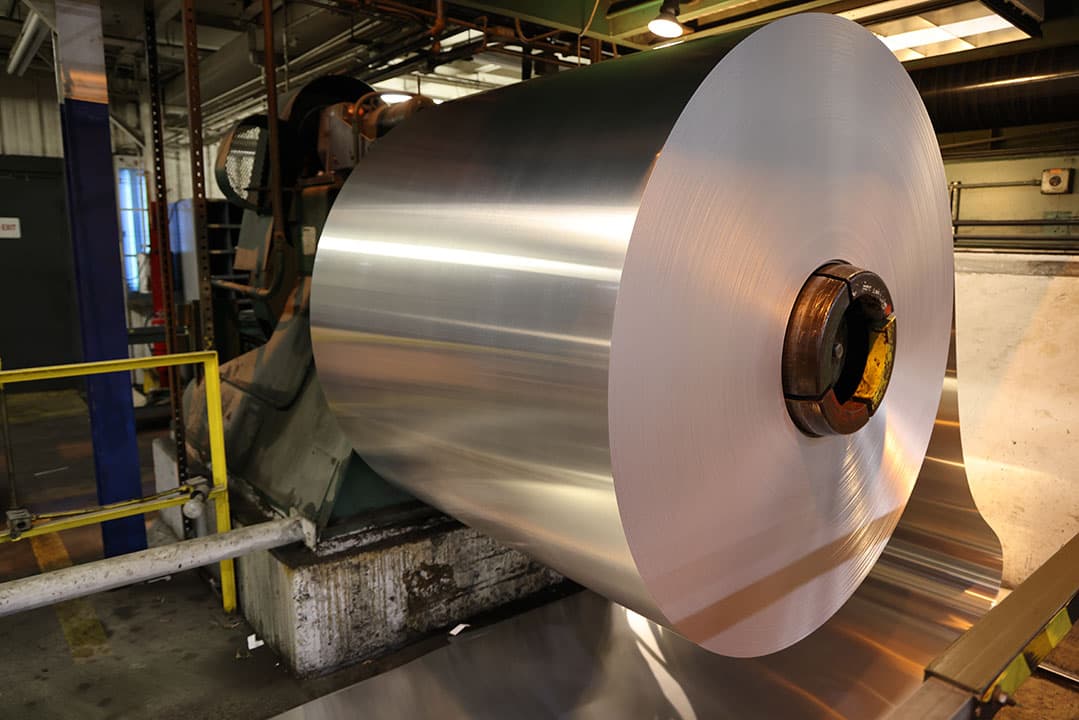
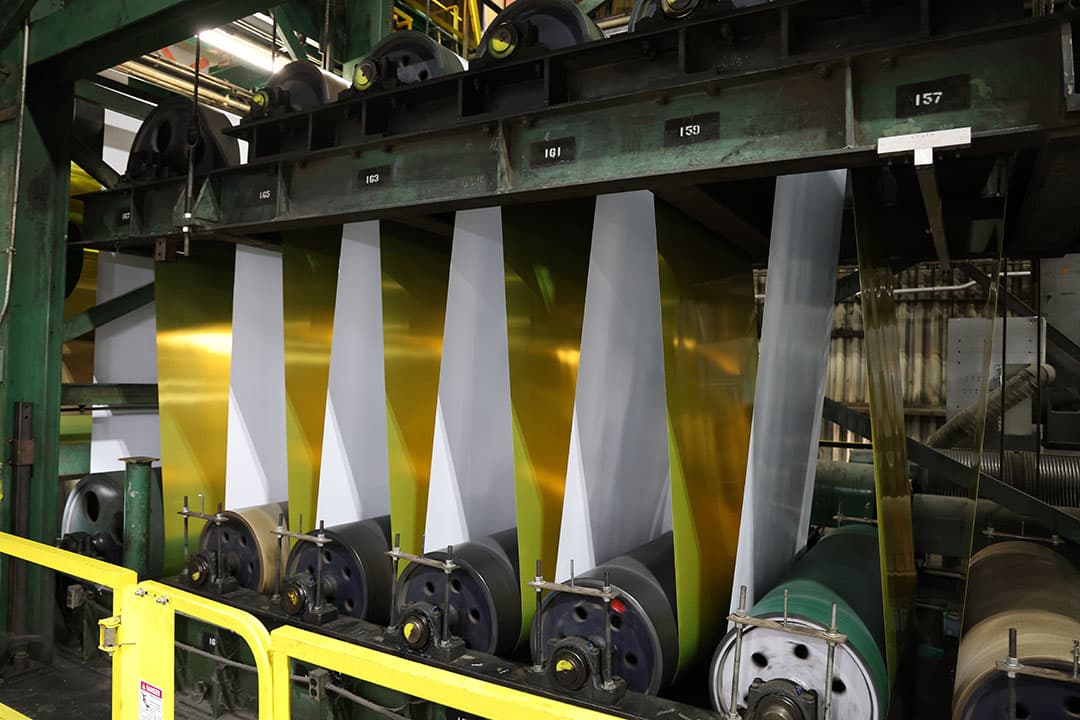
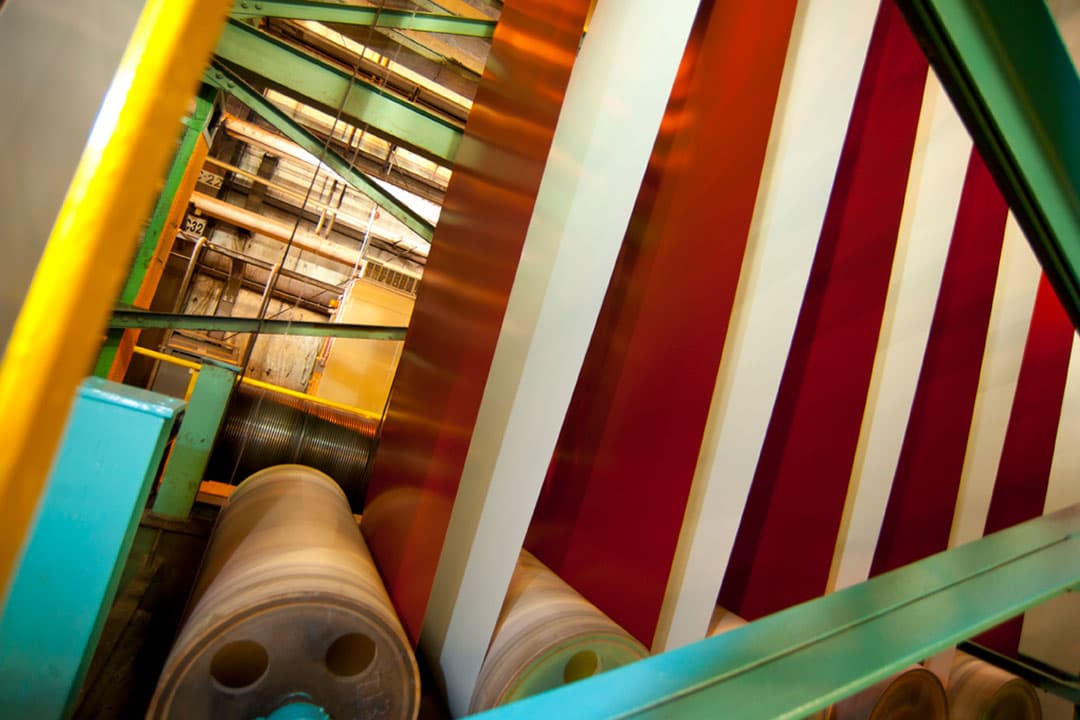
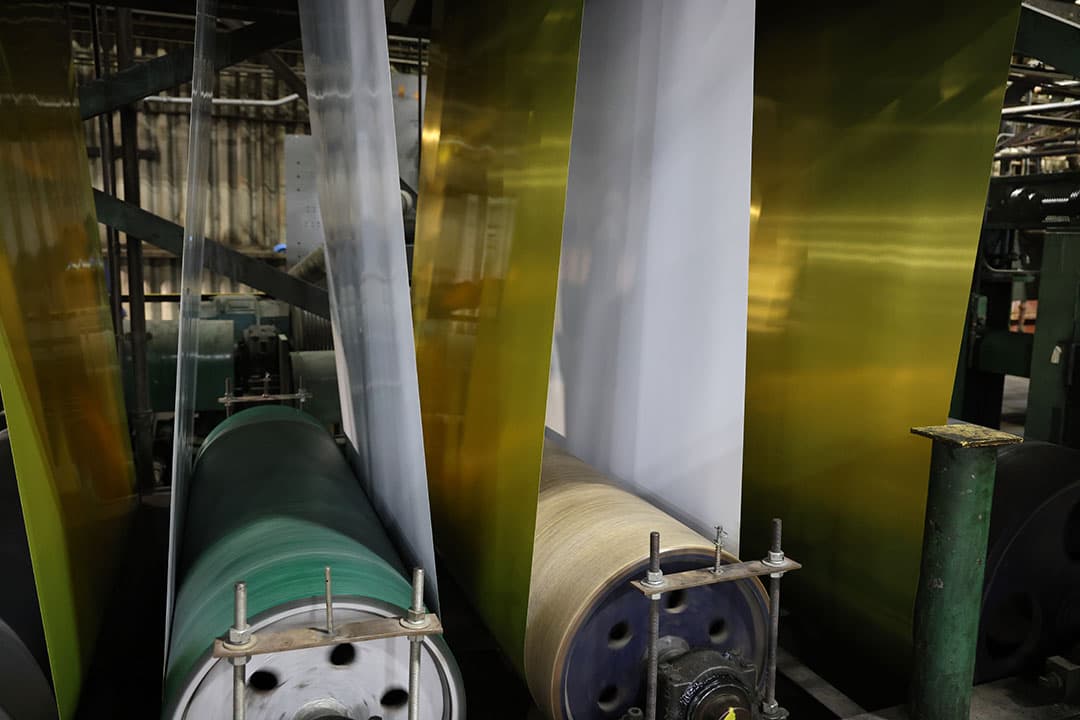
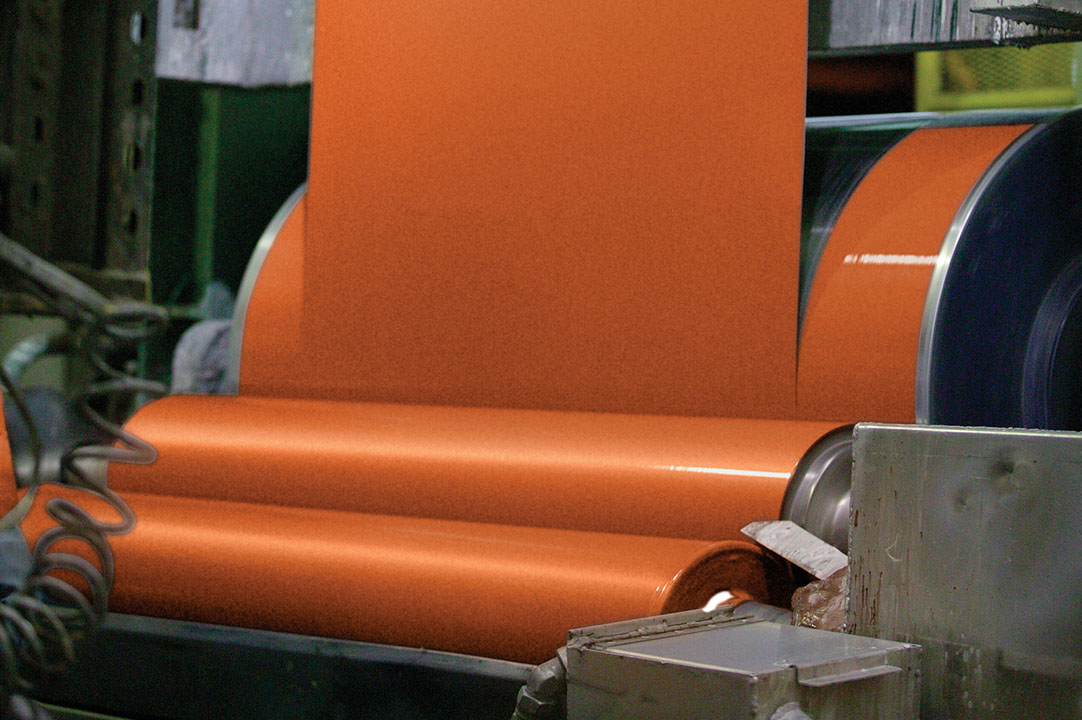
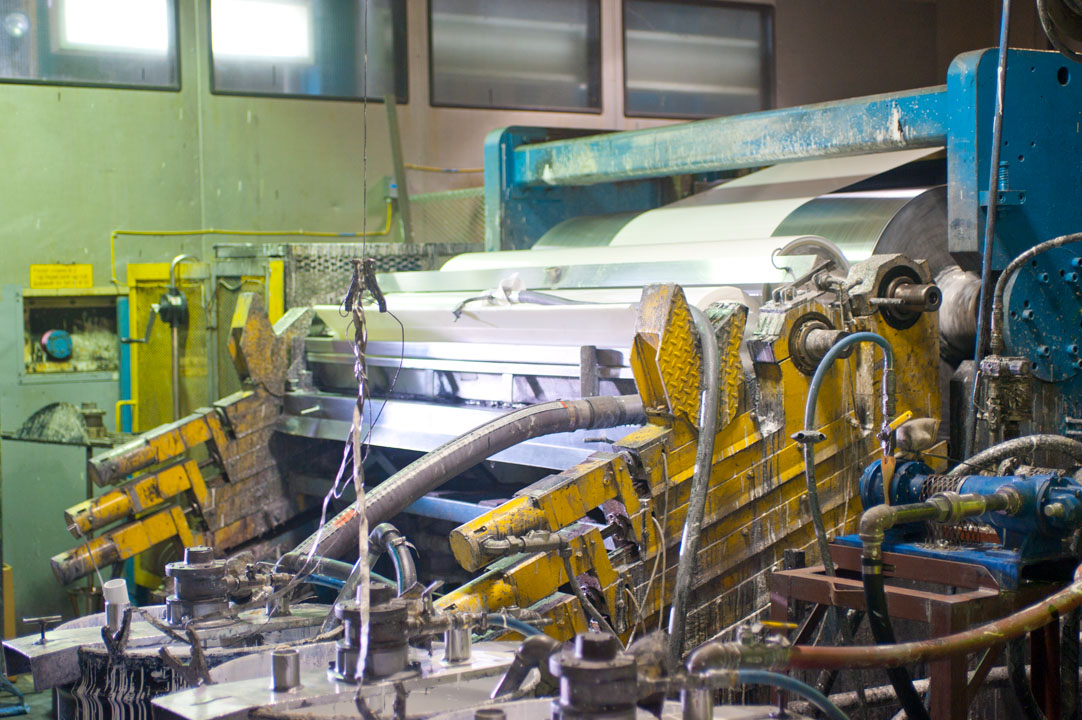
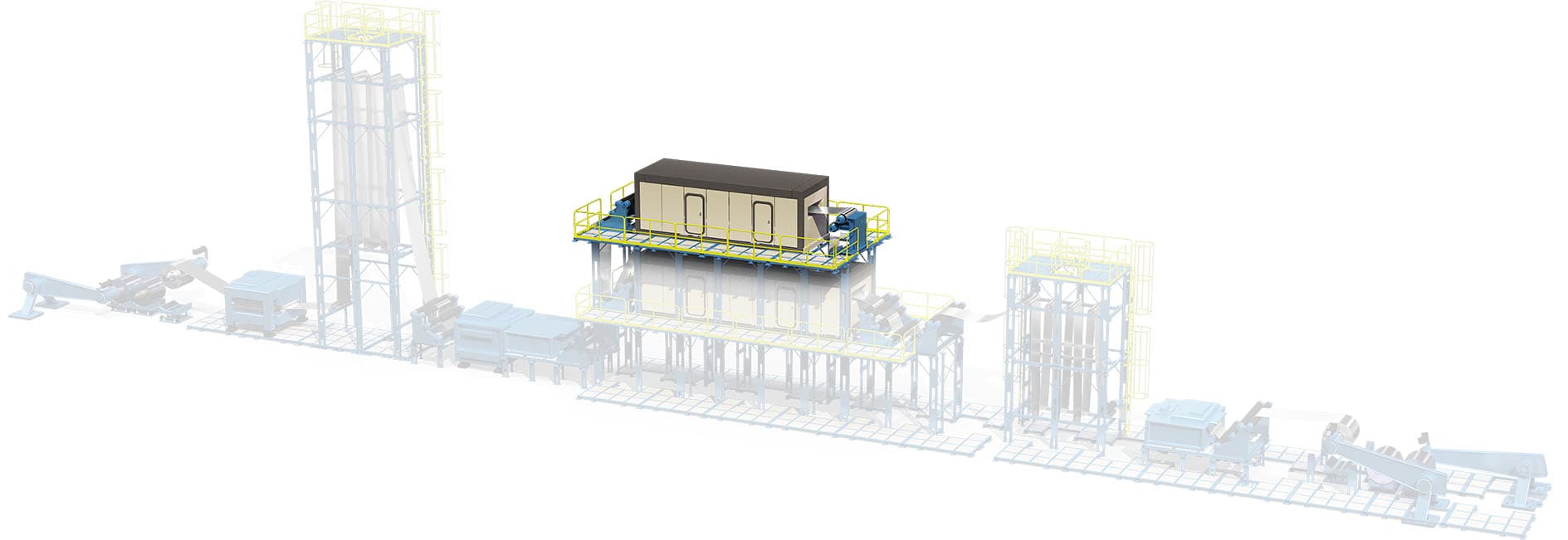
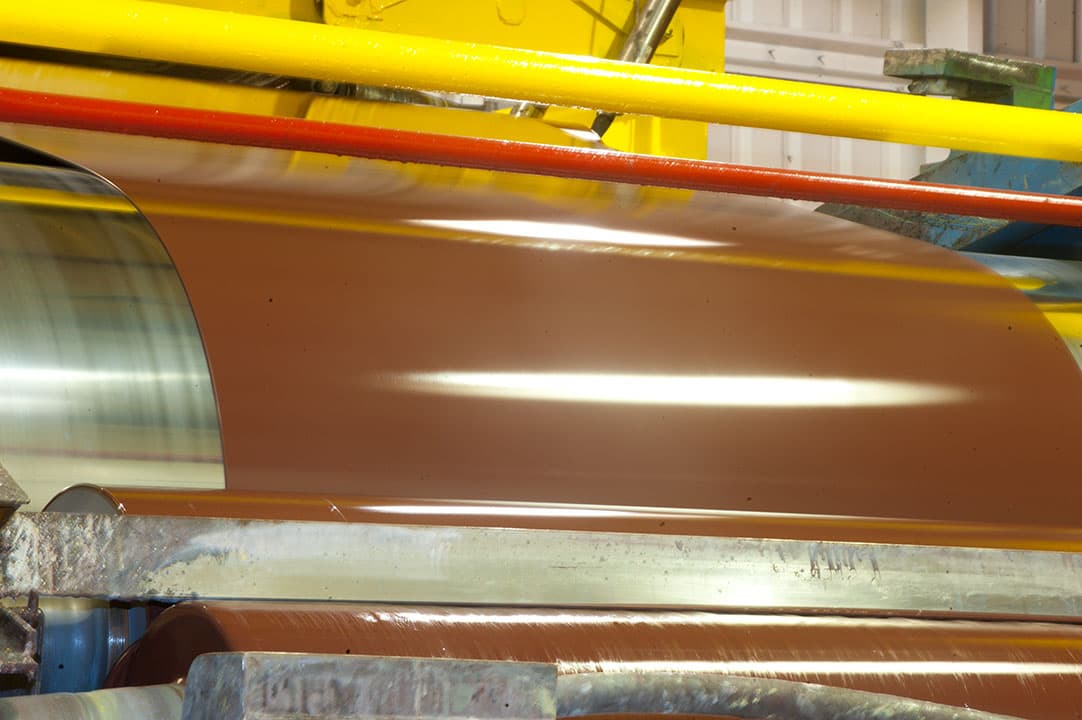
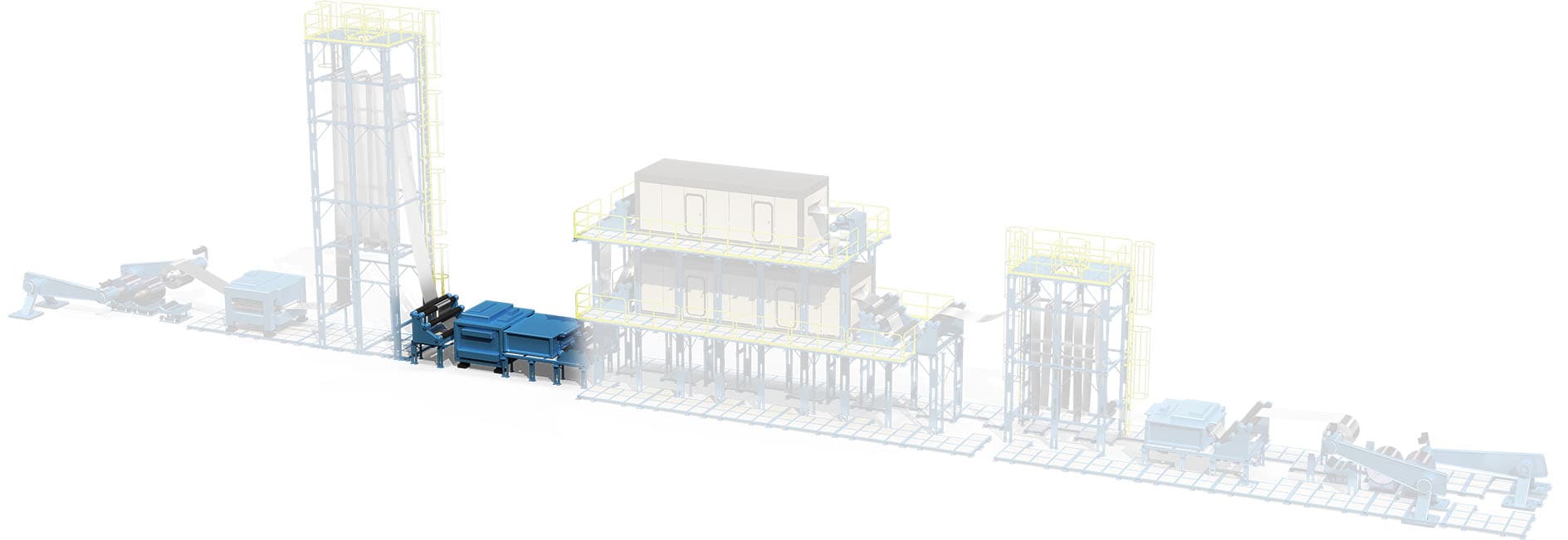
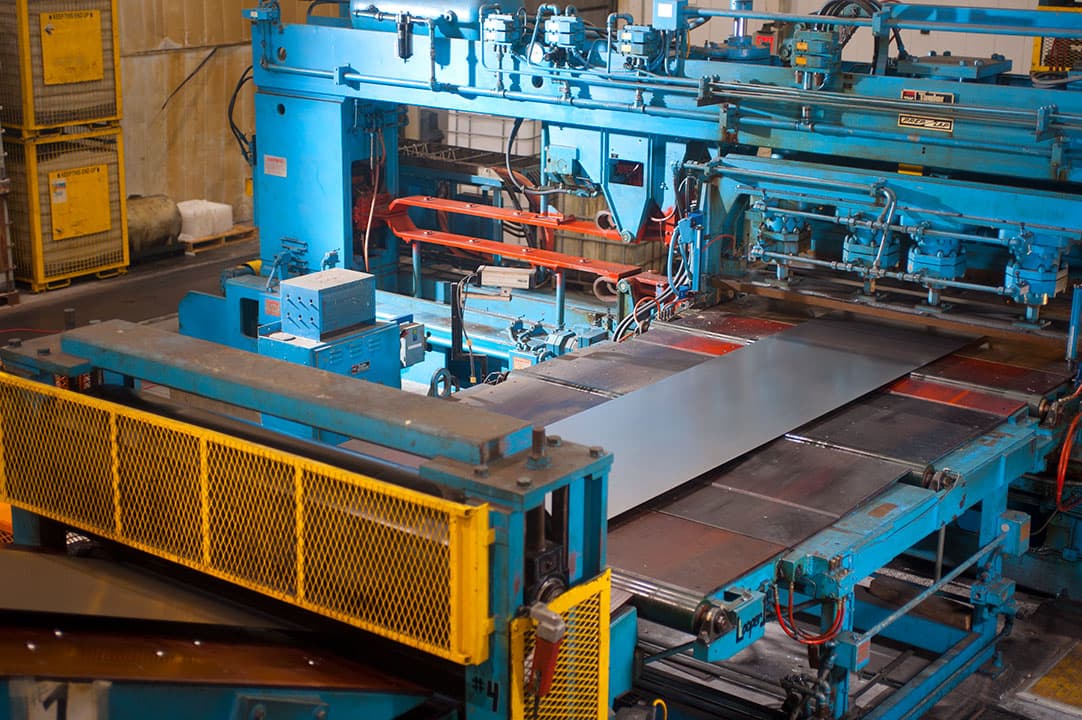
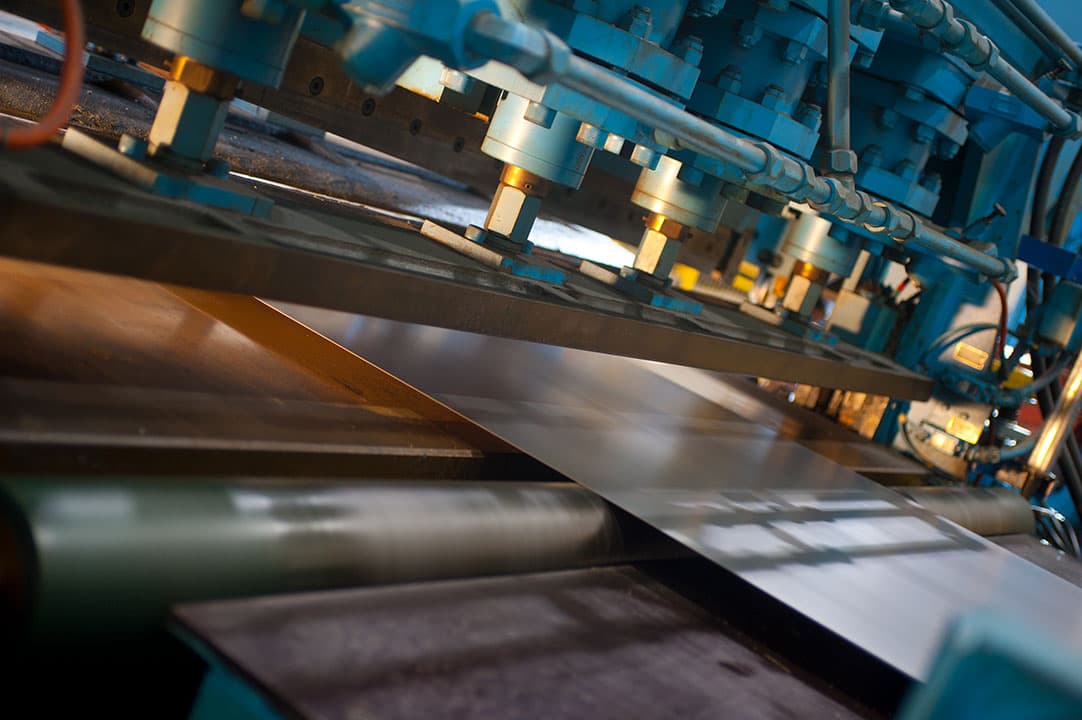
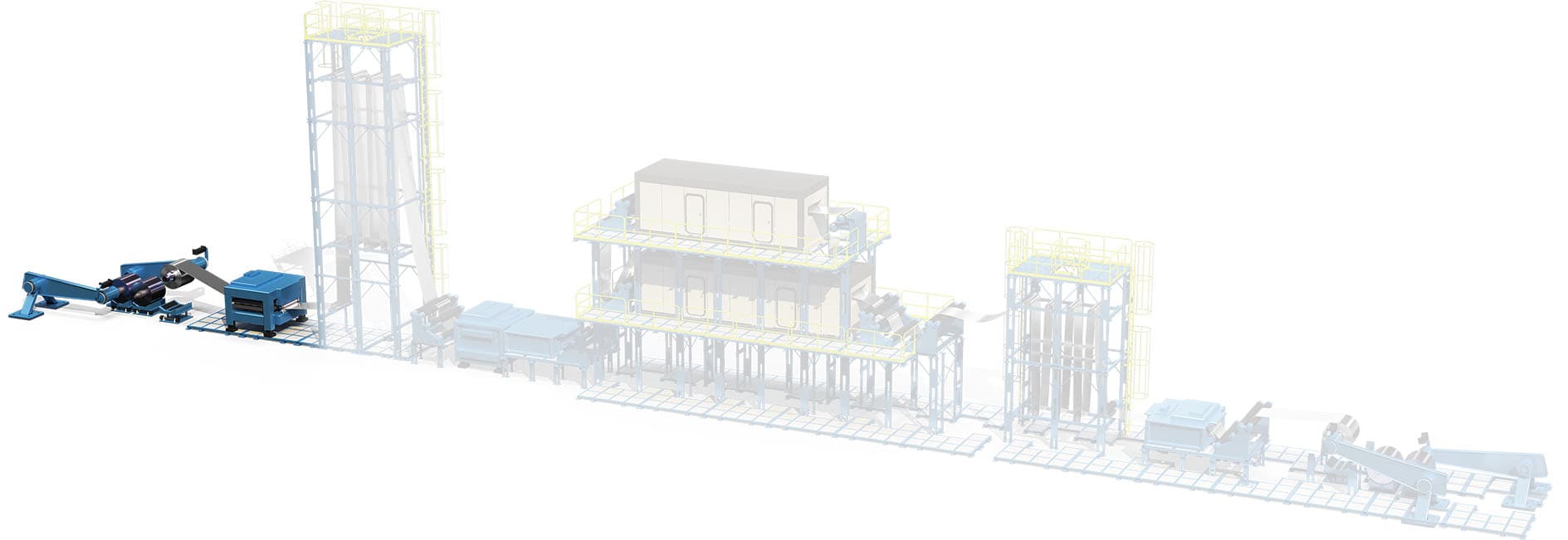
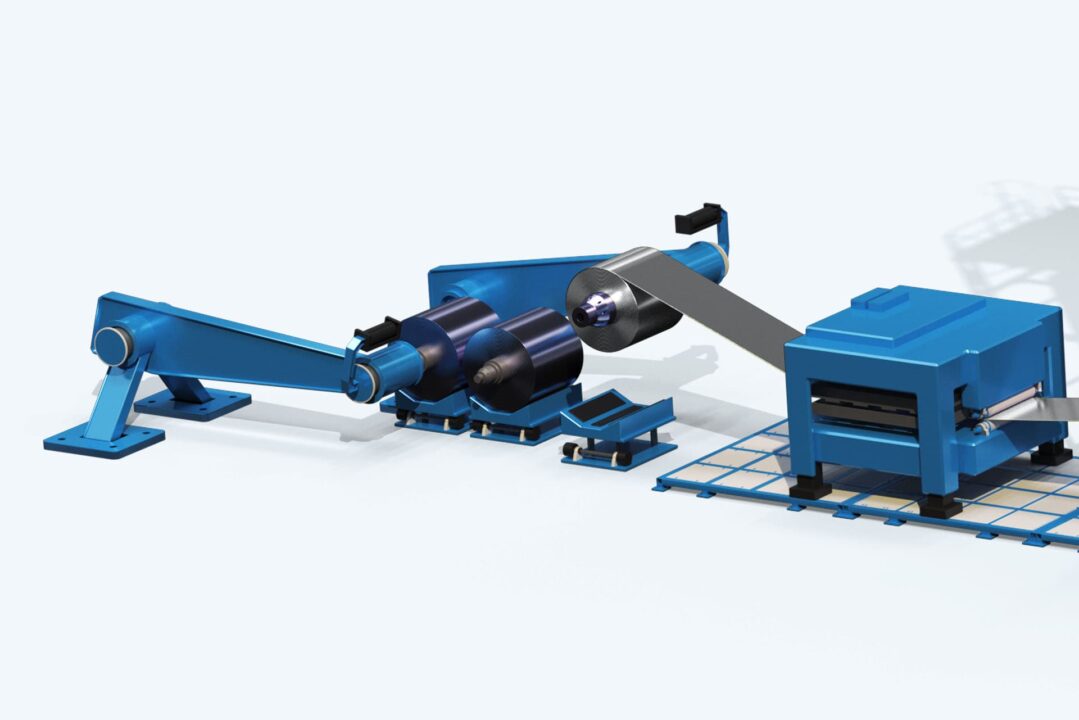
Once the metal is cleaned, treated, and painted, the strip is rewound into a coil size prescribed by the customer. From there, the coil is removed from the line and packaged for shipment or additional processing.
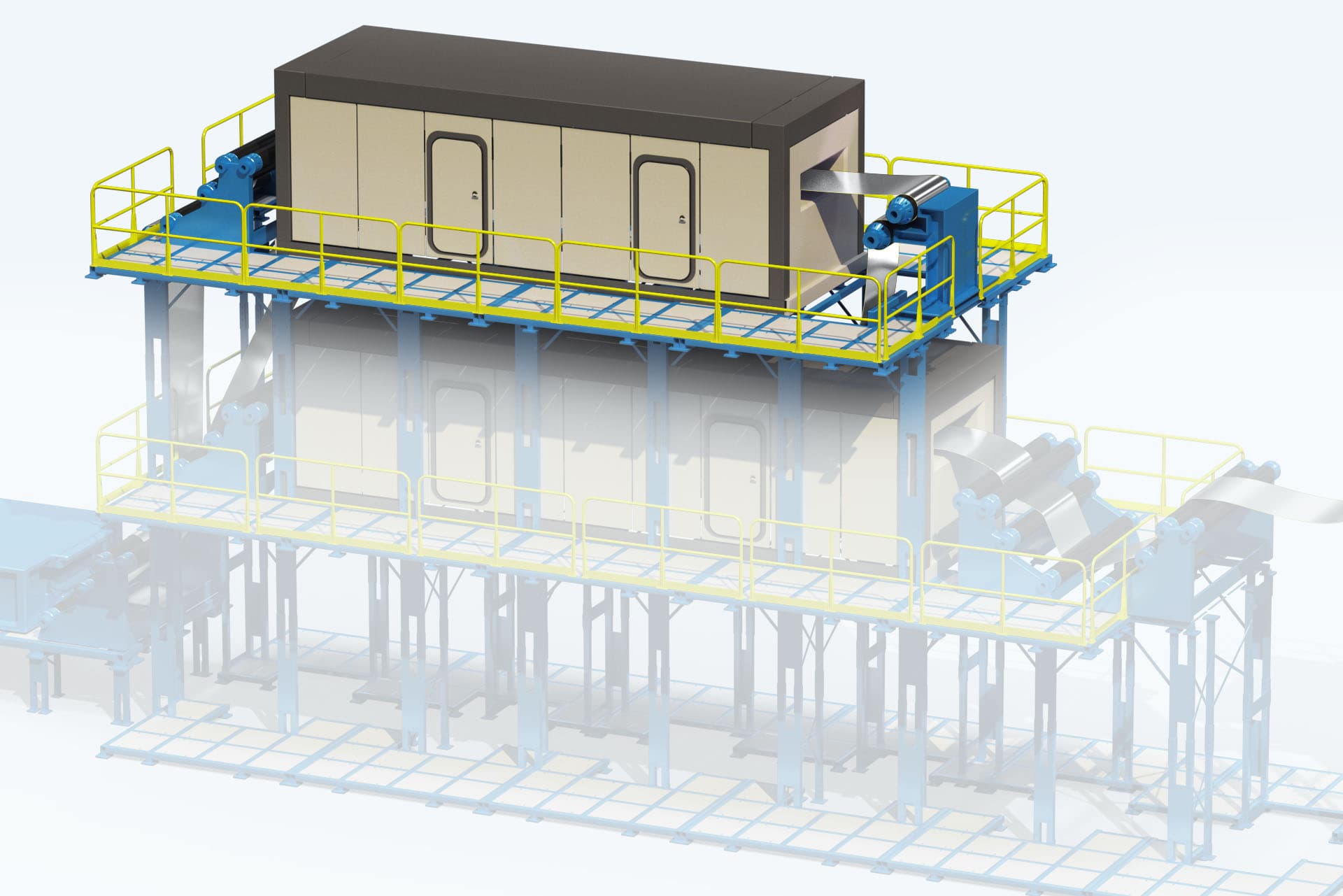
After the primer is applied and cured, then the metal strip enters the finish coat station where a topcoat is applied. Topcoats provide color, corrosion resistance, durability, flexibility and any other required physical properties. Like primers, the topcoat is cured using thermal cure ovens.
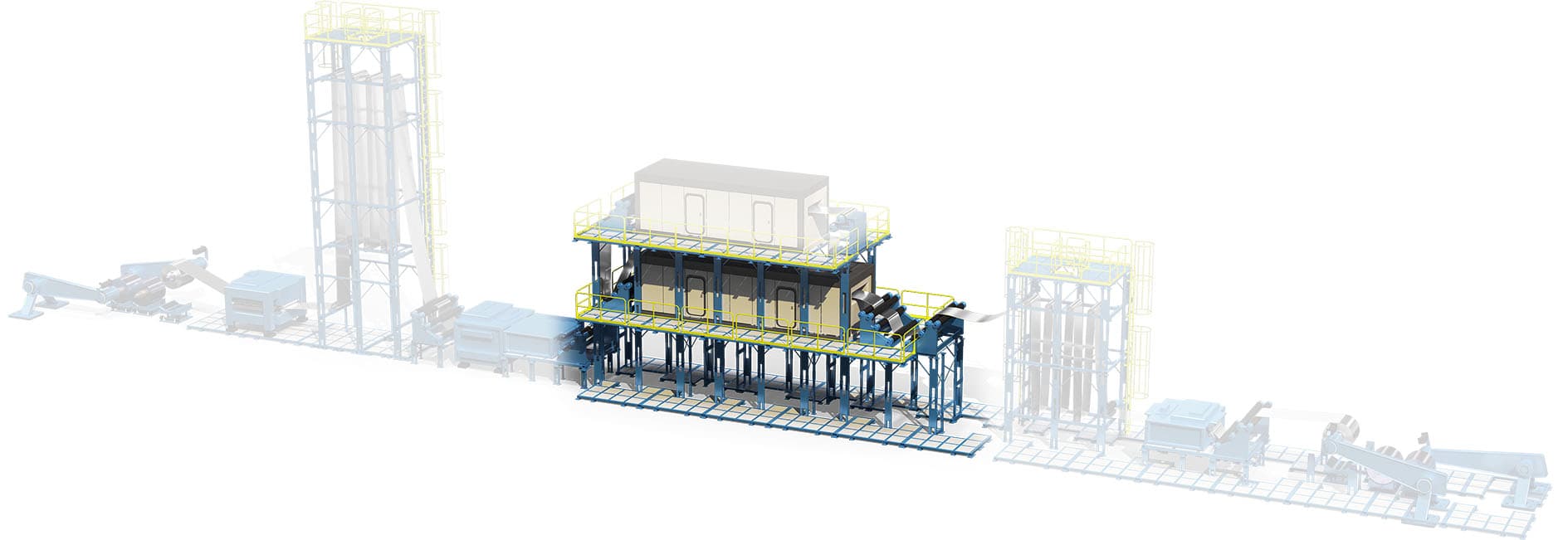
Oven
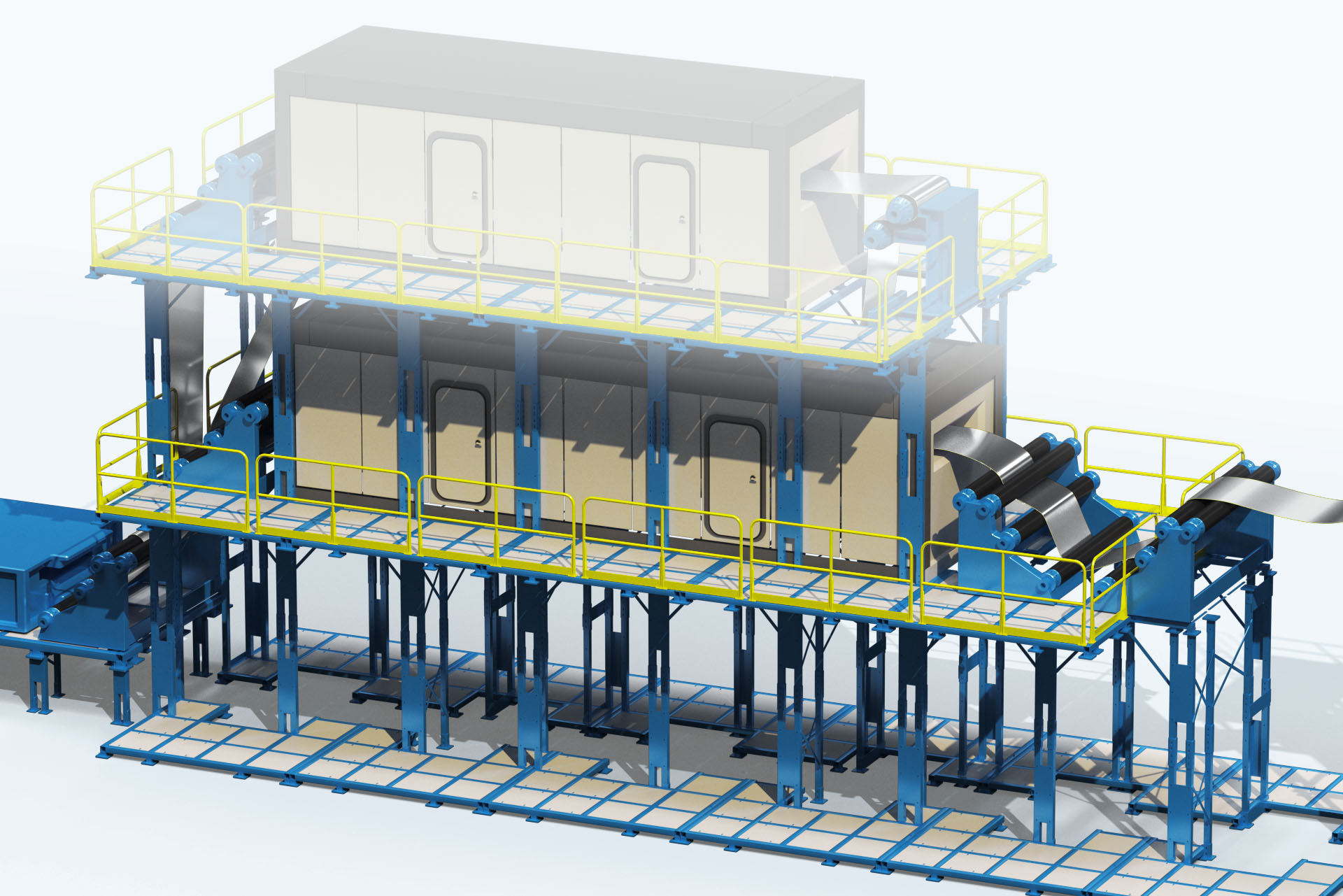
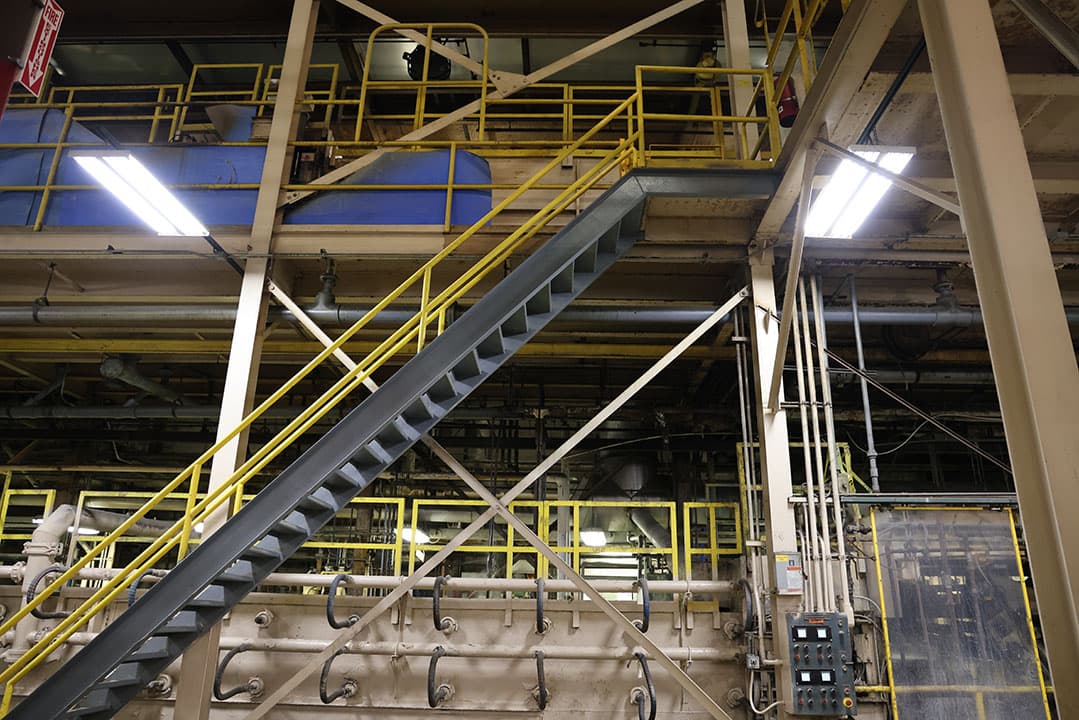
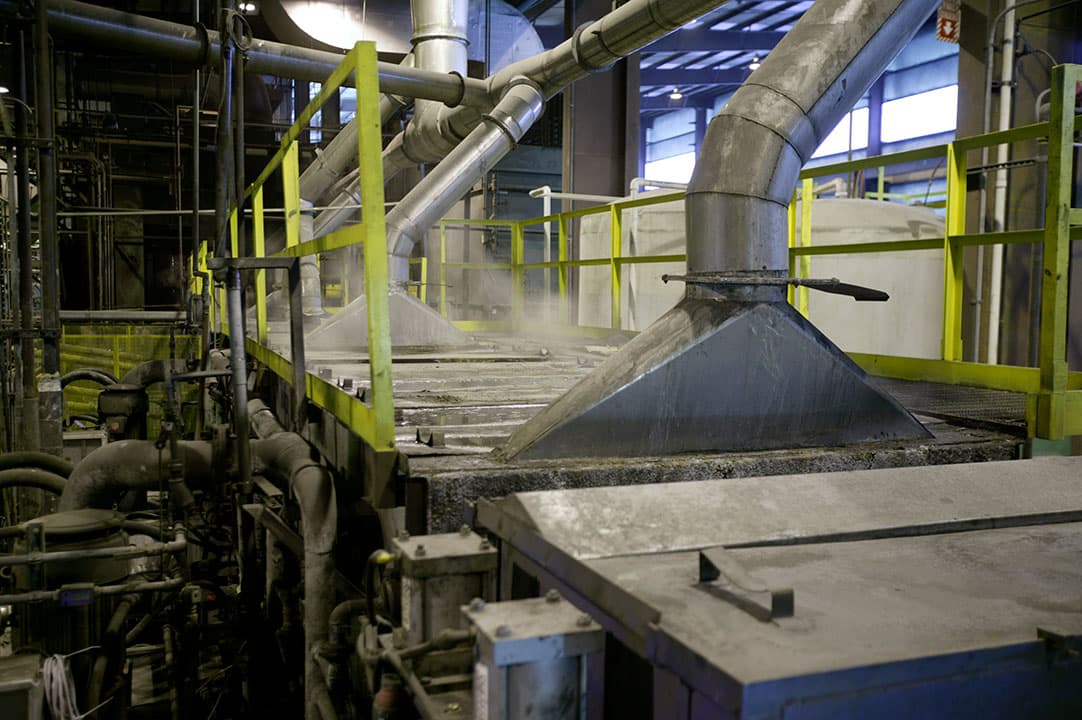
Coil coating ovens can range from 130 feet to 160 feet and will cure the coatings in 13 to 20 seconds.
During this stage, the strip enters the prime coat station whereby a primer is applied to the clean and treated metal. After the primer is applied, the metal strip travels through a thermal oven for curing. Primers are used to aid in paint adhesion, improve corrosion performance and enhance aesthetic and functional attributes of the topcoat.
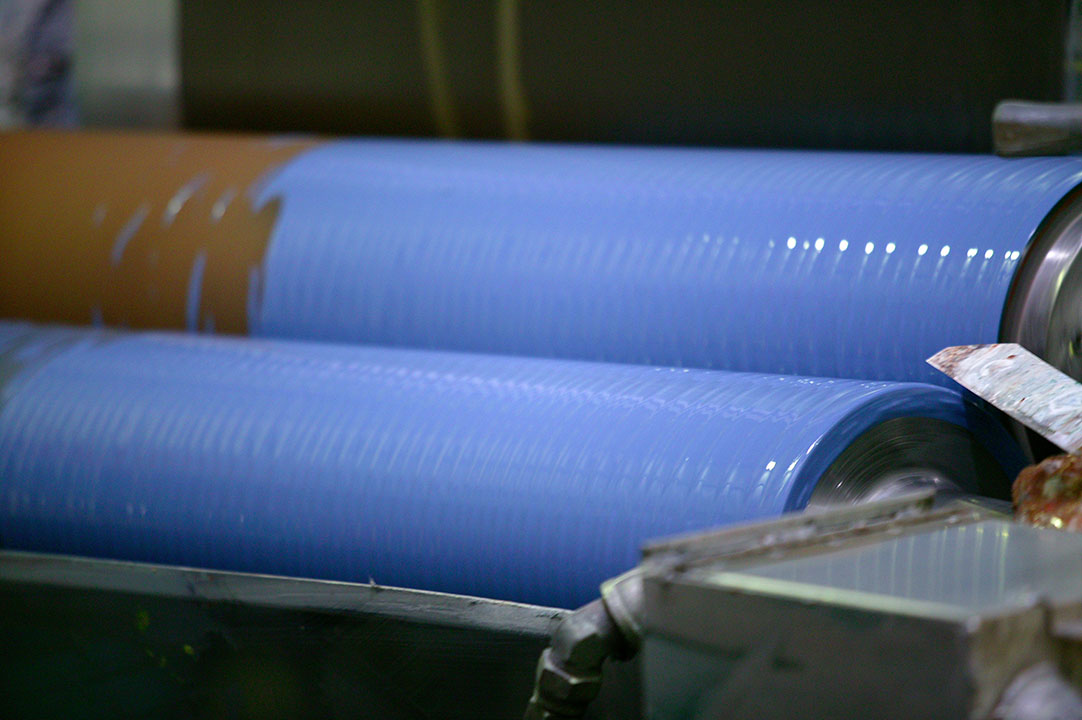
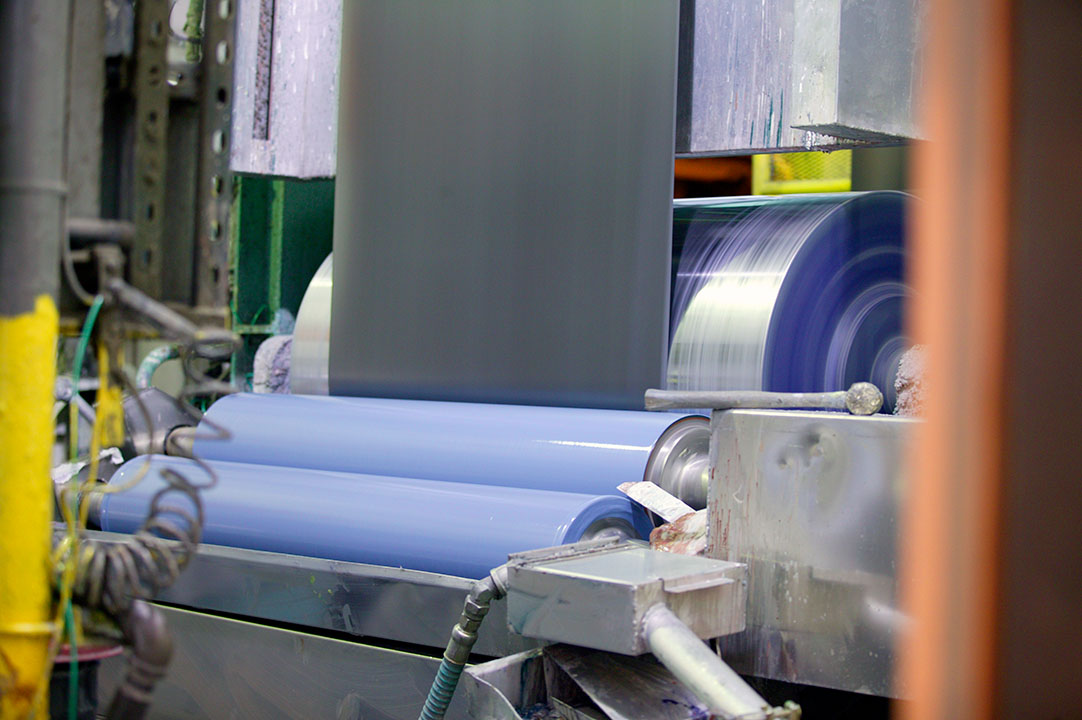
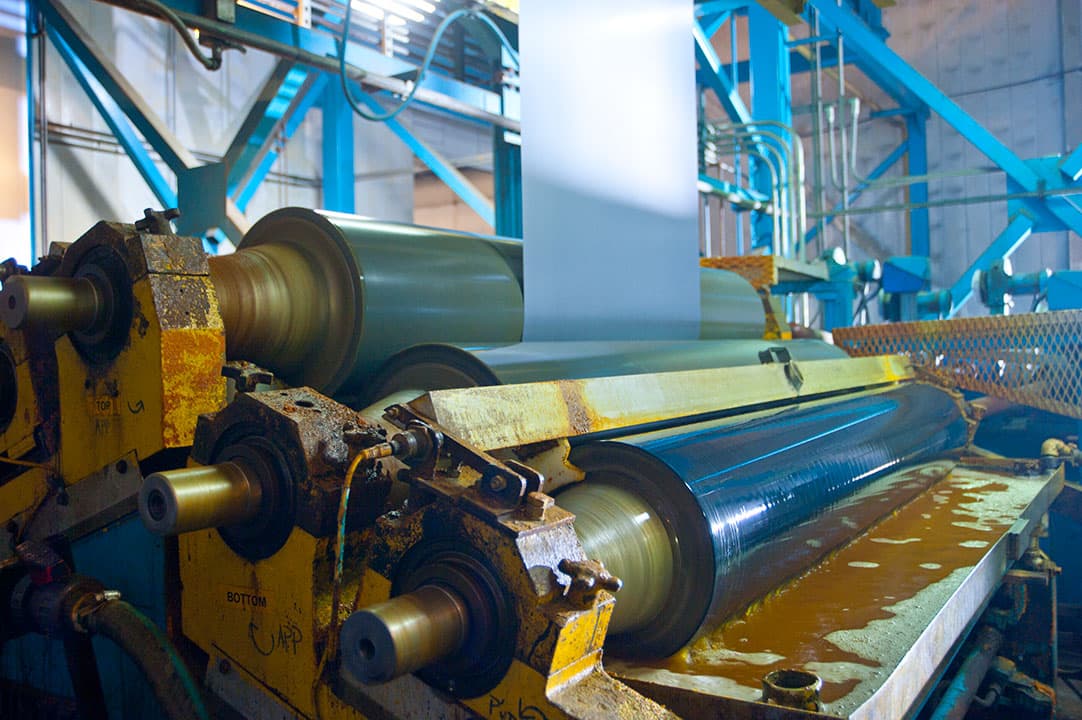
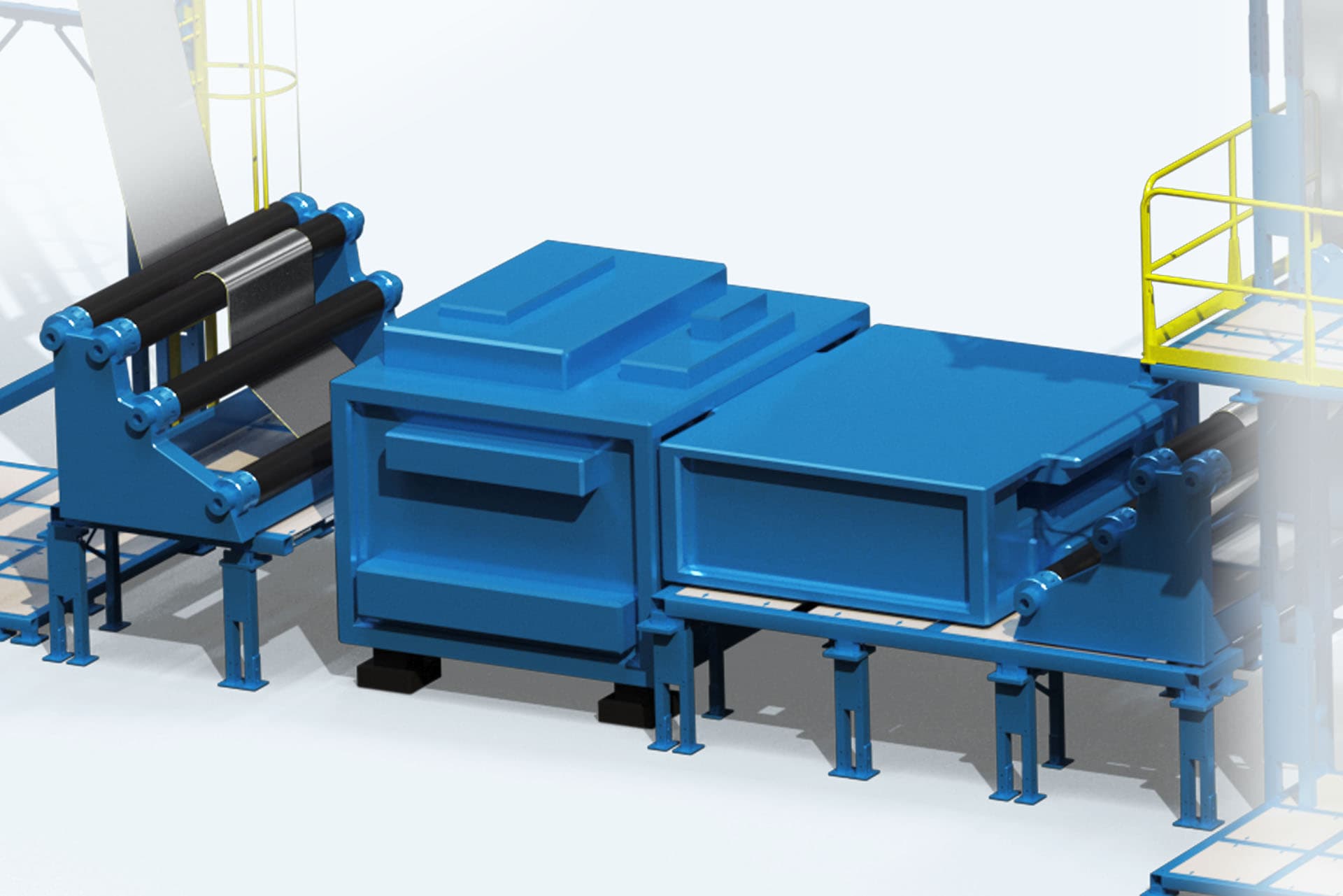
S Wrap Coater
The S wrap coater design allows for primers and paints to be applied to the top and back side of the metal strip simultaneously in one continuous pass.
The cleaning and pretreating section of the coil coating process focuses on preparing the metal for painting. During the cleaning stage, dirt, debris, and oils are removed from the metal strip. From there, the metal enters the pretreatment section and/or a chemical coater whereby chemicals are applied to facilitate paint adhesion and enhance corrosion resistance.
Dried-In-Place
In this stage a chemical that provides enhanced corrosion performance is applied. This treatment can be chrome free if required.
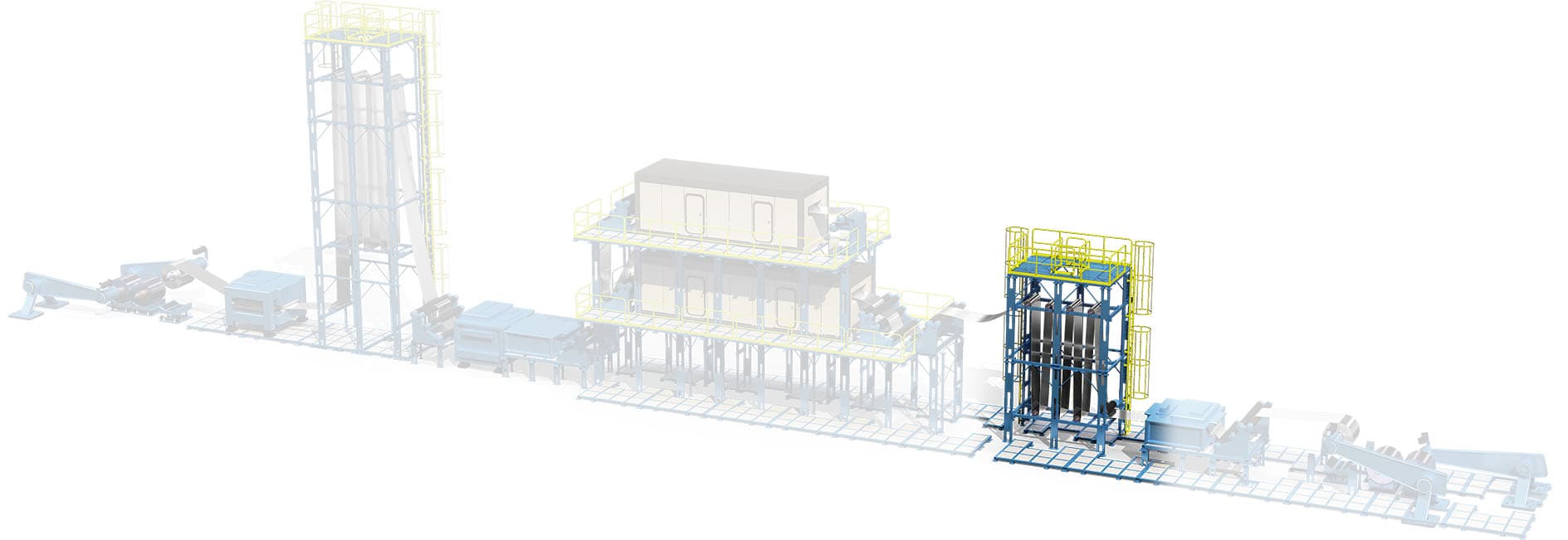
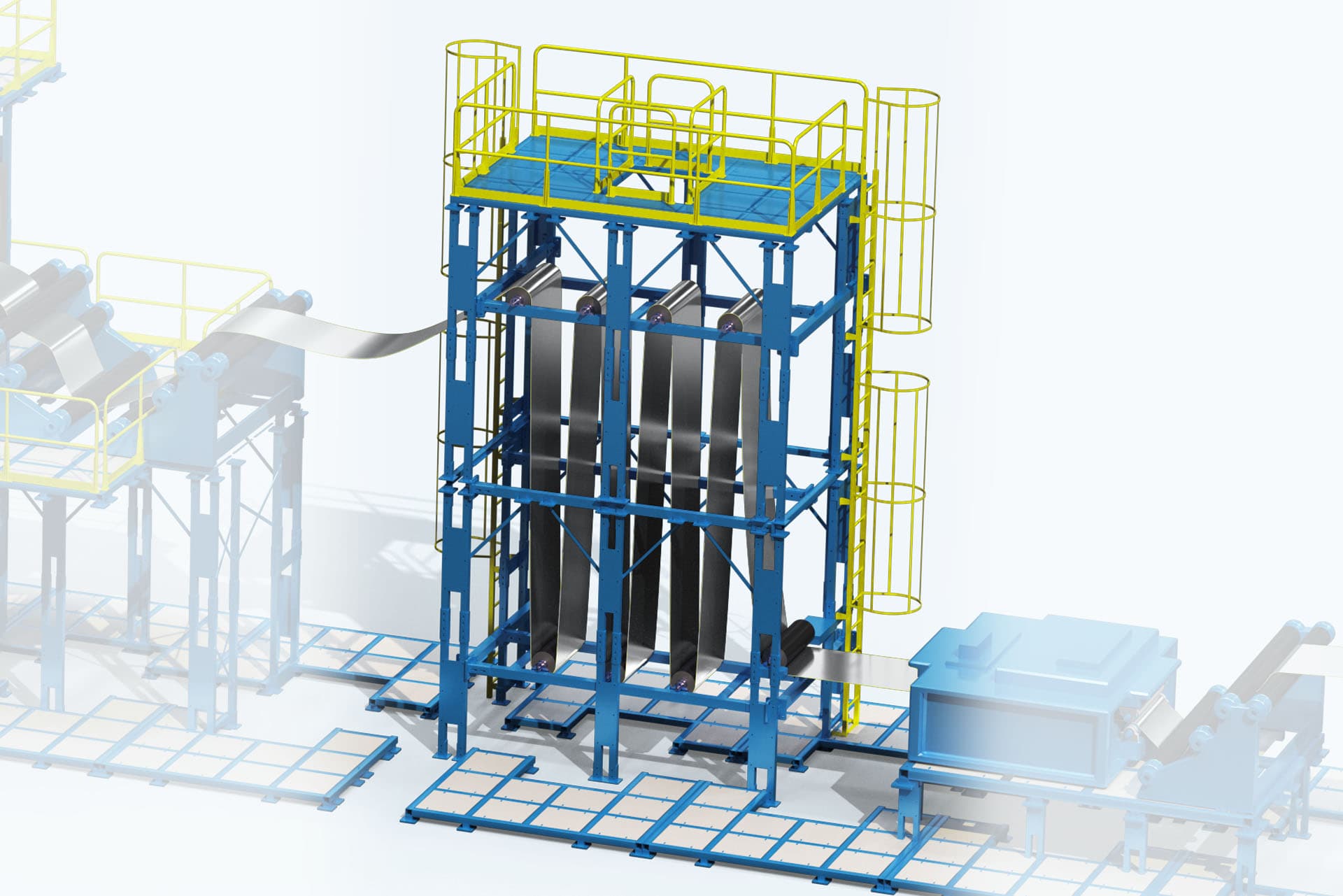
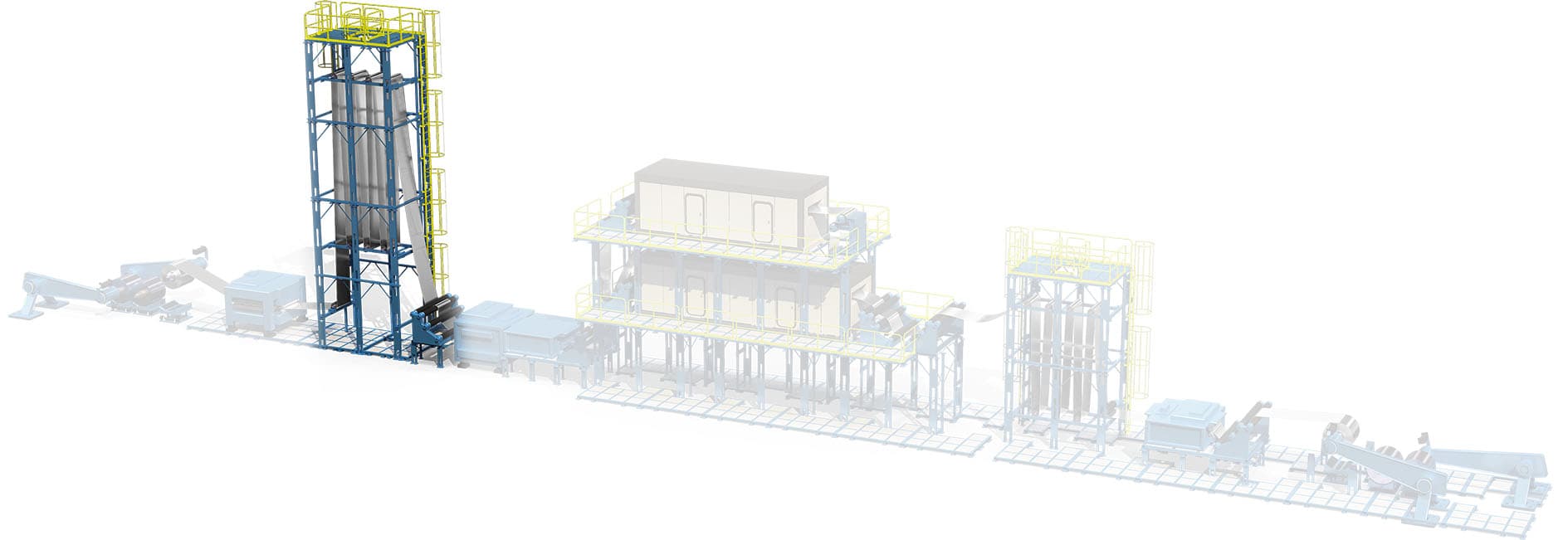
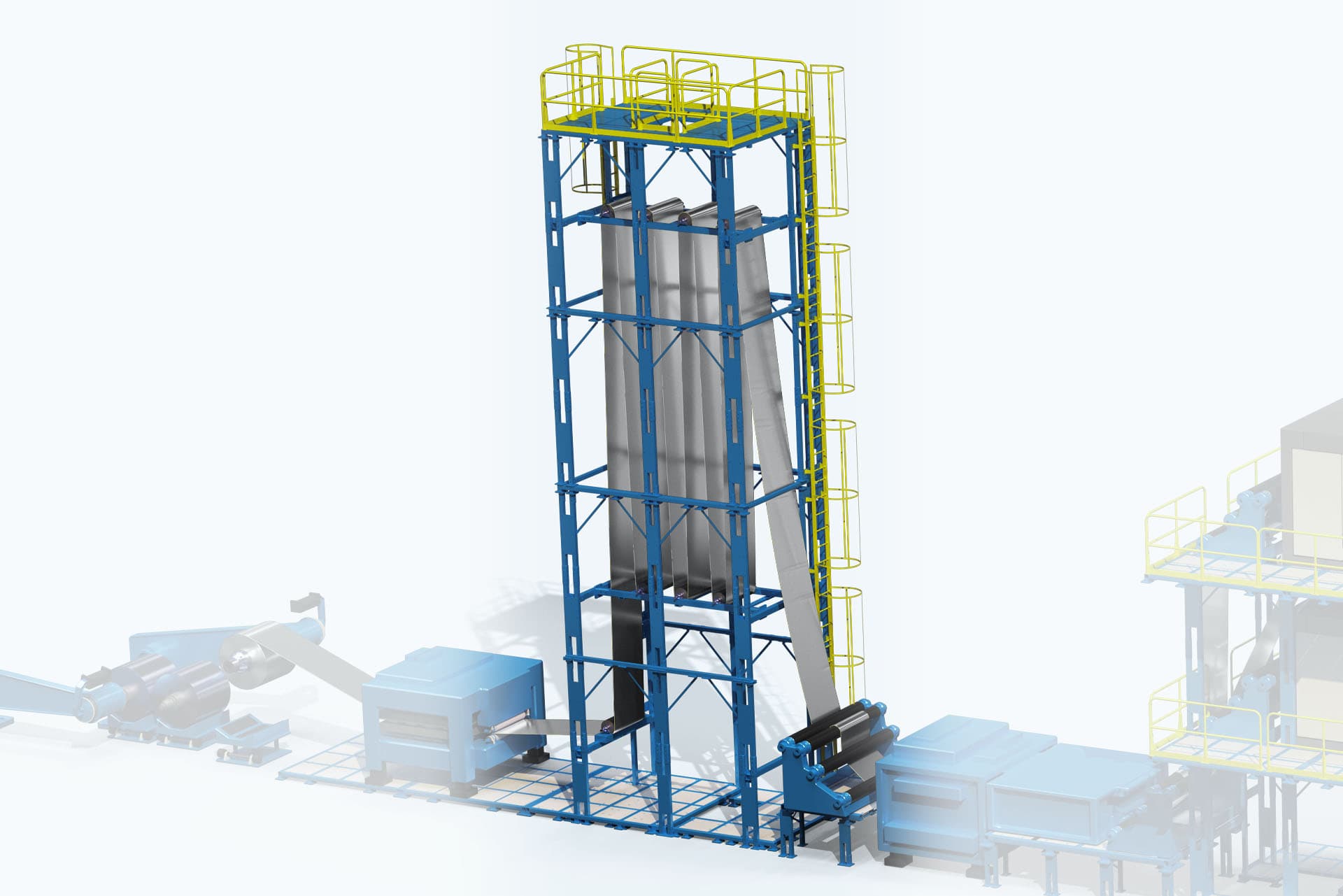
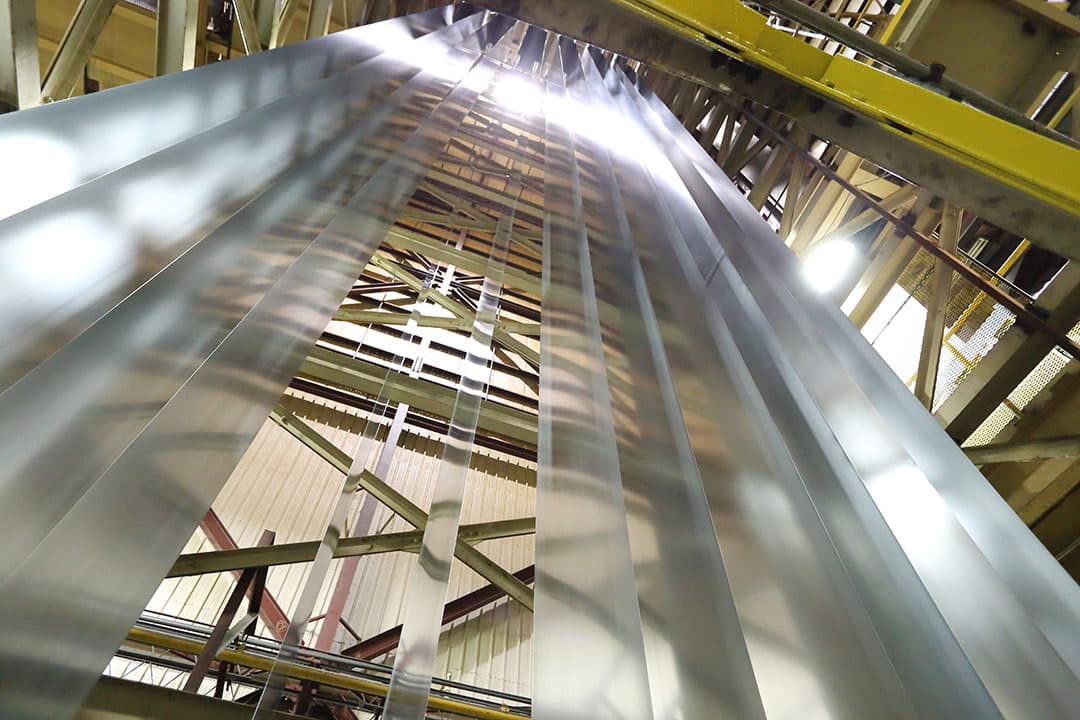
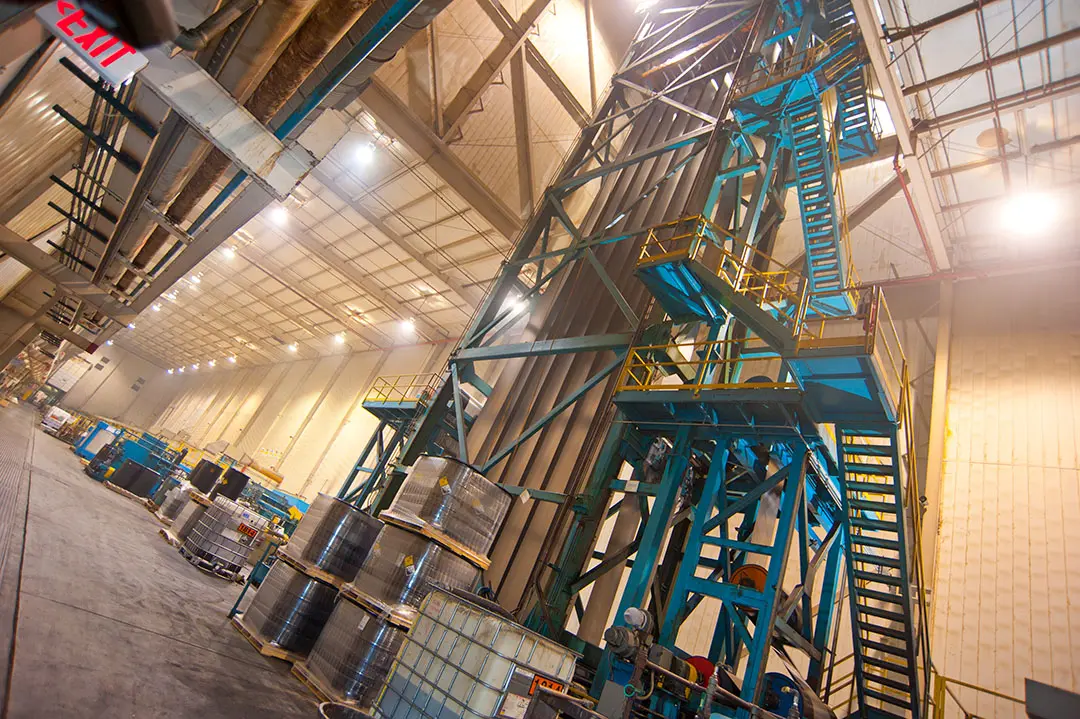
The accumulator is a structure that adjusts up and down to store material, which makes continuous operation of the coil coating process possible. This accumulation will continue to feed the coil coating processes while the entry end has stopped for the stitching process. As much as 750 feet of metal can be collected.
From terminal expansions and parking structures to maintenance hangars and airside infrastructure, these facilities are expected to perform reliably for decades while operating in some of the most demanding environments imaginable.
As airports continue to evolve, material durability has become an increasingly important part of the infrastructure conversation. Exposed steel throughout airport environments must withstand constant weather exposure, humidity, UV radiation, heavy traffic, and, in many regions, aggressive deicing chemicals. At the same time, airports operate around the clock, making maintenance activities more disruptive, expensive, and difficult to coordinate than at many traditional commercial facilities.
This is where hot-dip galvanizing continues to play an important role.
Airports Operate Like Small Cities
Airports function much like self-contained cities. Beyond terminals and runways, they include parking structures, pedestrian walkways, utility infrastructure, service roads, maintenance facilities, security fencing, lighting systems, transit connections, baggage handling support structures, and countless other steel components that must remain dependable over long service lives.
Many of these assets are exposed continuously to moisture, changing temperatures, and high-use conditions that can accelerate corrosion over time. At the same time, airports often have limited opportunities for disruptive maintenance work. Repairs may require security coordination, restricted access procedures, overnight work windows, traffic rerouting, or temporary operational adjustments. For airport owners and operators, minimizing future maintenance demands can be just as important as initial construction costs.
As airports expand and modernize, many owners and design teams are placing greater emphasis on materials capable of supporting long service life with reduced maintenance demands.
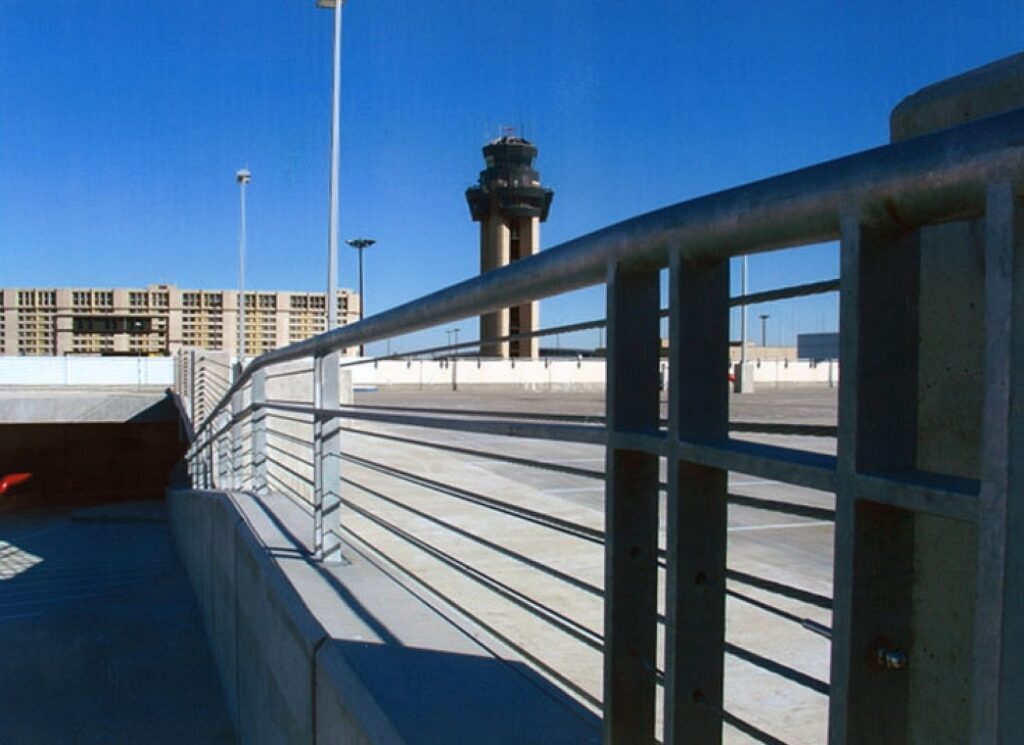
This reality is reflected in projects such as the DFW Terminal D International Parking Garage, where hot-dip galvanized stairs, handrails, fencing, and embeds were selected to provide long-term durability in a highly trafficked public environment. The project team also utilized galvanizing as a cost-effective alternative to stainless steel while maintaining the structure’s modern architectural appearance.
Built for Demanding Environments
Hot-dip galvanizing provides a durable, metallurgically bonded coating that helps protect steel infrastructure in demanding airport environments. Its long service life and corrosion resistance make it a practical choice for a wide range of applications, including structural steel, exposed architectural elements, airside barriers, lighting structures, stair towers, equipment platforms, fencing, and support infrastructure throughout airport campuses.
Environmental conditions at airports can be especially severe. In colder climates, airport infrastructure faces repeated exposure to deicing salts and chemical runoff that can accelerate deterioration on unprotected steel. Coastal airports contend with salt-laden air and elevated humidity levels, while airports in hotter climates face intense UV exposure and thermal cycling. These combined stressors make corrosion protection a critical consideration during the design and specification process.
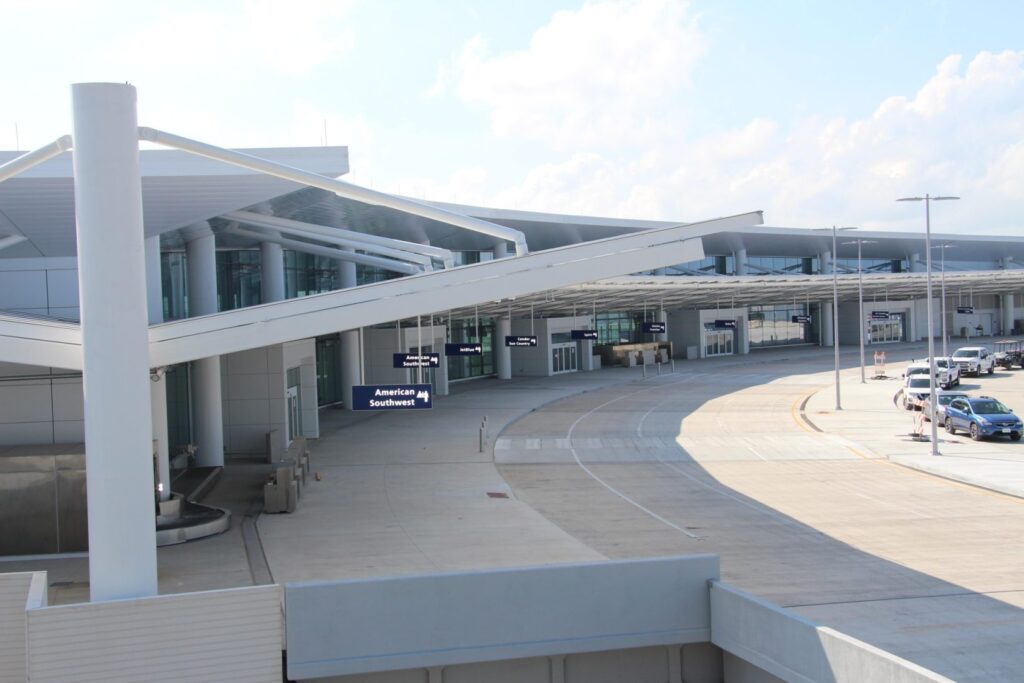
The Louis Armstrong New Orleans International Airport demonstrates how galvanized steel can support long-term infrastructure performance in harsh environmental conditions. The project incorporated hot-dip galvanized and duplex-coated steel throughout multiple applications, including handrails, bollards, canopies, and parking structures. Designers selected galvanizing in part because of its ability to support a 50-year design life with minimal maintenance requirements in New Orleans’ humid, corrosion-prone environment.
Supporting Modern Airport Design and Large Clear-span Constuction
Modern airport expansion projects increasingly emphasize both functionality and architectural identity. Exposed steel canopies, pedestrian bridges, parking structures, and transit connectors often contribute to the visual character of a facility while remaining exposed to years of environmental exposure and daily use. In these applications, durability and appearance must work together over the long term.
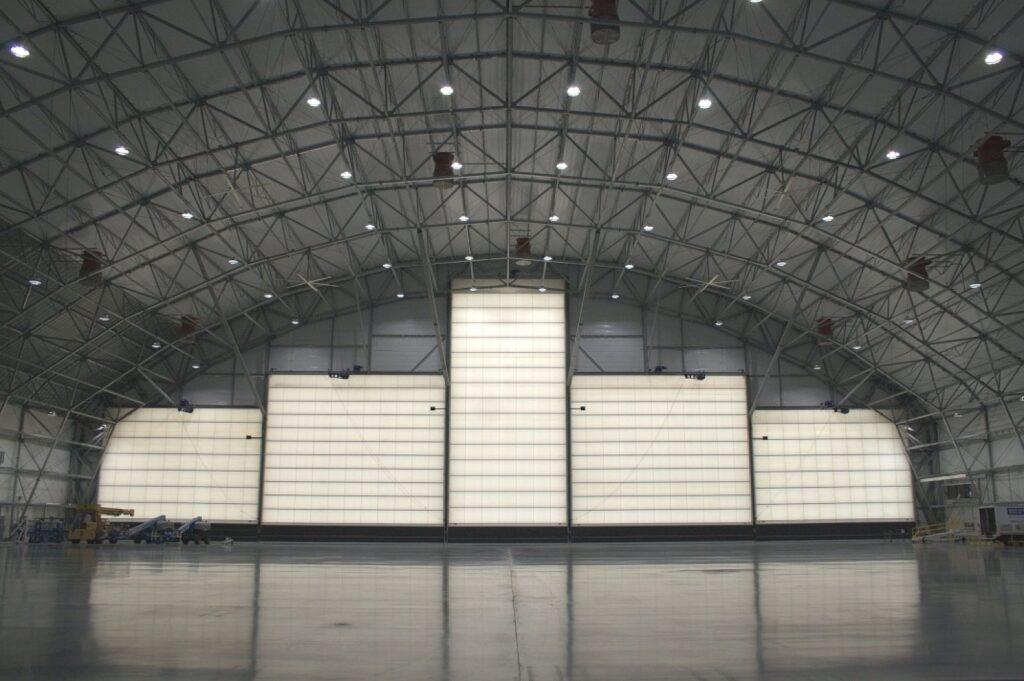
Aircraft maintenance and storage facilities also place significant demands on steel infrastructure. Large clear-span hangars must withstand environmental exposure while supporting reliable long-term operation with minimal maintenance interruptions. A leading aviation building manufacturer has incorporated galvanized structural framing into aircraft hangar systems designed for durability, rapid construction, and long service life in demanding aviation environments. These structures demonstrate how galvanized steel can support both operational performance and lifecycle value across modern airport facilities.
As infrastructure owners place greater emphasis on lifecycle value, long-term resilience, and operational continuity, galvanized steel continues to align well with the demands of airport construction. Longer service life, reduced maintenance frequency, and fewer disruptions to active airport operations can all contribute to lower lifecycle costs and improved long-term performance.
Planning for Decades of Service
For expanding airports, corrosion protection is not simply about preserving steel. It is about supporting infrastructure expected to operate continuously, safely, and efficiently for decades in highly demanding environments.
As airports continue investing in expanded terminals, parking facilities, maintenance buildings, and supporting infrastructure, long-term durability will remain an important part of the design conversation. For many steel applications throughout modern airport environments, hot-dip galvanizing continues to provide a practical solution capable of supporting both operational performance and lifecycle value for decades to come.
Key Takeaways
Modern airport expansion projects increasingly prioritize long-term durability, operational continuity, and reduced maintenance demands.
Airports expose steel infrastructure to some of the industry’s harshest corrosion conditions, including deicing chemicals, humidity, UV exposure, and heavy daily use.
Maintenance activities at airports are often costly and disruptive due to security restrictions, operational coordination, and limited shutdown windows.
Hot-dip galvanizing provides long-term corrosion protection for a wide range of airport infrastructure applications.
Galvanized steel is commonly used throughout airport environments, including terminals, parking structures, hangars, pedestrian walkways, lighting systems, fencing, and airside infrastructure.
Durable corrosion protection systems can help airports support long-term infrastructure performance while minimizing future operational disruptions.
Does the station feel safe? Does it feel clean and well maintained? Does it feel like infrastructure designed to serve the community long term?
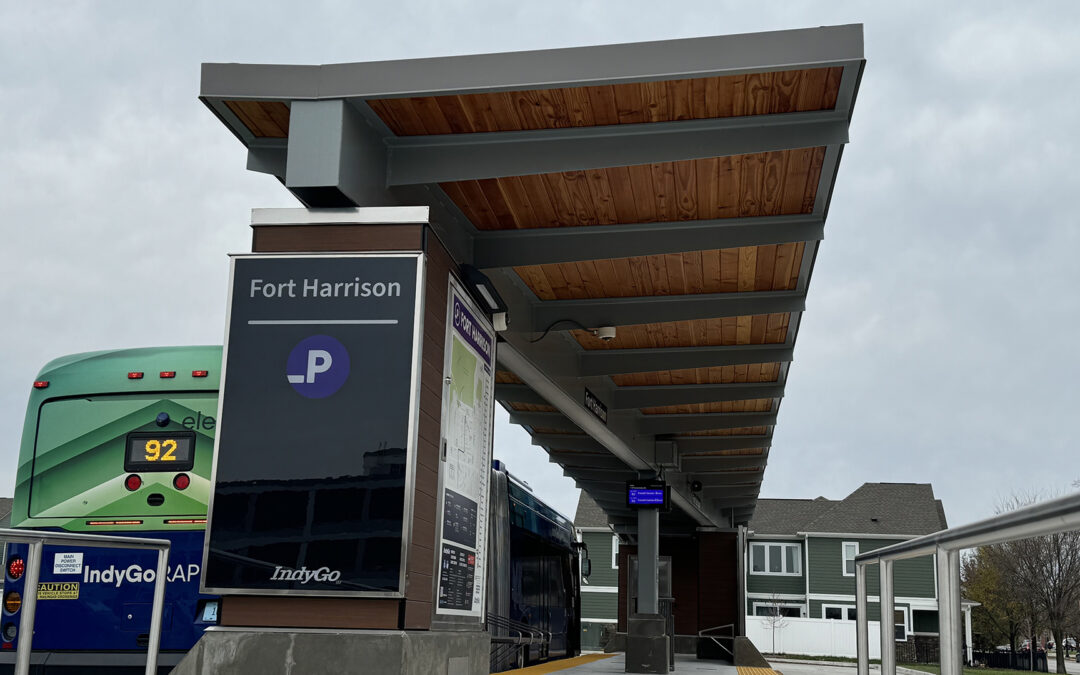
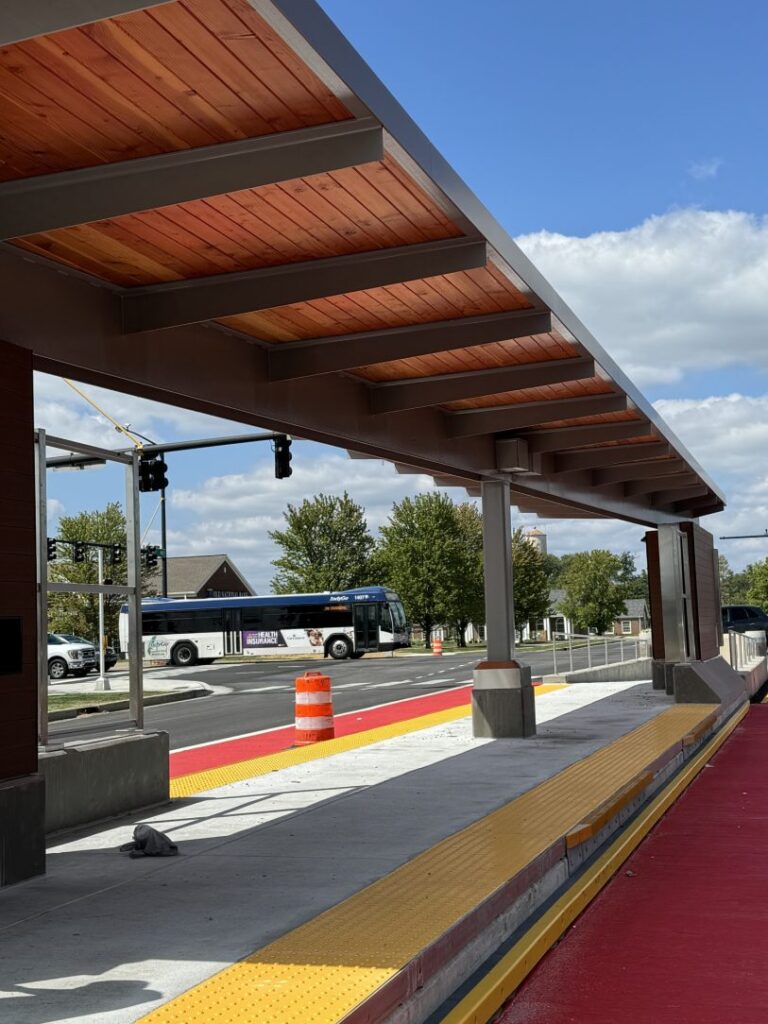
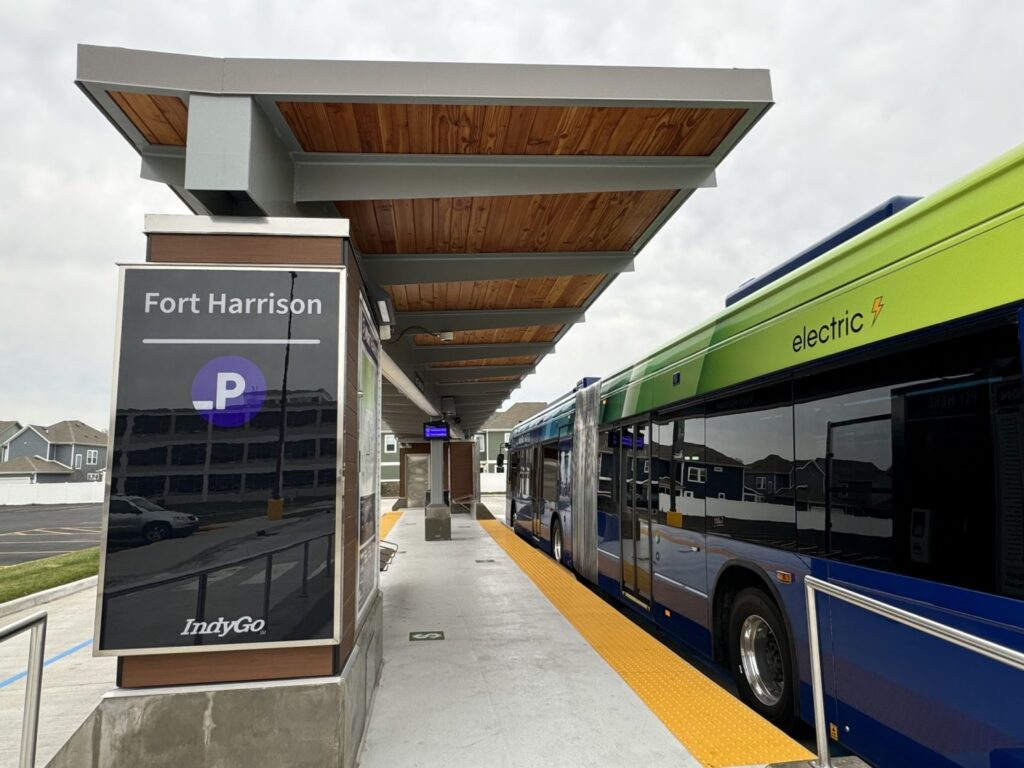
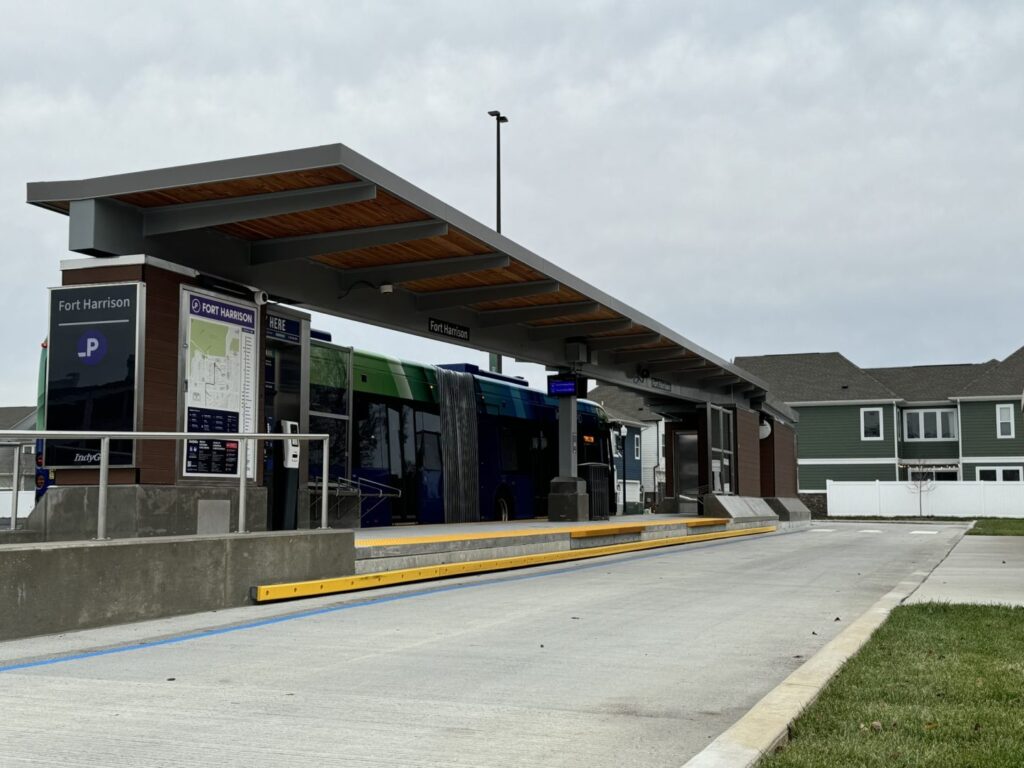
Those questions helped shape the design of Indianapolis’ IndyGo Bus Rapid Transit system, where station architecture and long-term durability became important parts of creating a more appealing public transportation experience.
The IndyGo transit stations incorporated nearly 345,000 pounds of hot-dip galvanized steel to support durable, corrosion-resistant infrastructure built for long-term public use.
Attractive Infrastructure Encourages Ridership
People respond to their surroundings. Clean, modern, and thoughtfully designed public spaces influence how comfortable people feel using them, and transit systems are no exception.
A station that appears neglected or deteriorated can negatively affect how riders perceive the entire system. On the other hand, infrastructure that feels permanent, attractive, and well cared for can help reinforce confidence in public transportation and encourage broader community use.
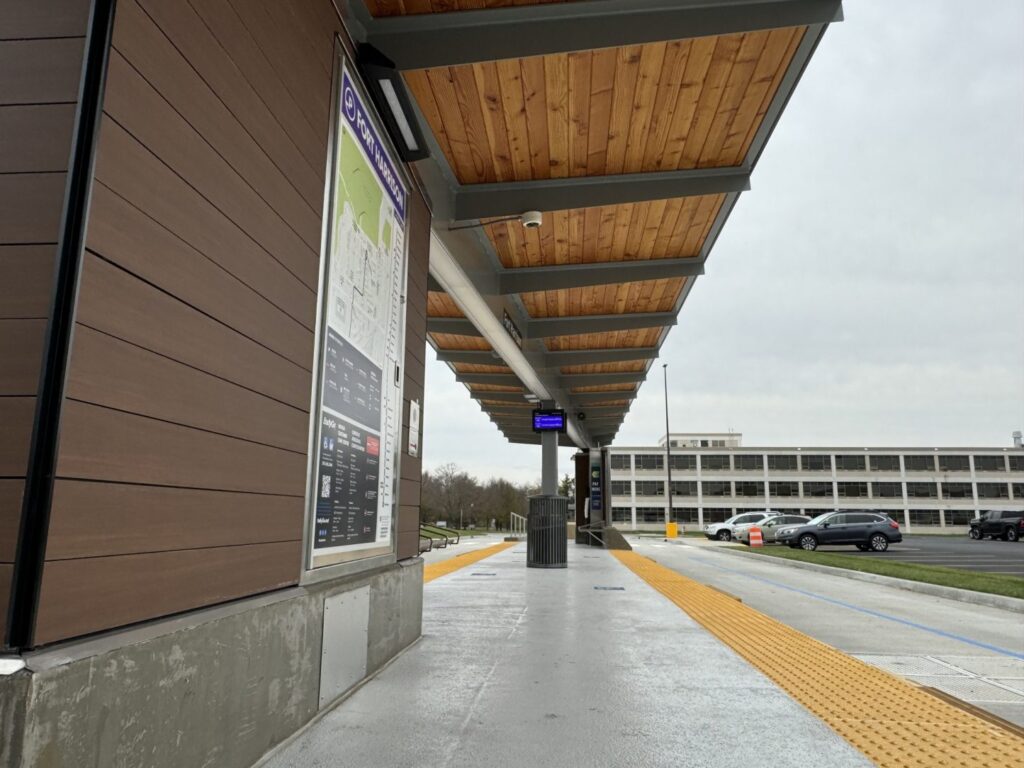
The IndyGo stations were designed with that experience in mind. Their modern canopies, clean structural lines, and cohesive appearance create stations that feel substantial and welcoming rather than temporary or purely utilitarian. In many ways, the stations communicate reliability before a rider ever steps onto a bus.
That investment in the rider experience supports a larger sustainability goal: making public transportation a more attractive option for everyday use.
Durability Supports Long-Term Sustainability
Creating sustainable infrastructure is not only about reducing emissions. It is also about building systems capable of performing reliably for decades while maintaining a clean, safe, and welcoming appearance for the public.
Public transit stations face constant exposure to rain, snow, humidity, UV exposure, road salt, and daily public interaction. Over time, corrosion and visible deterioration can affect not only maintenance costs, but also how riders perceive the quality and reliability of the transit system itself.
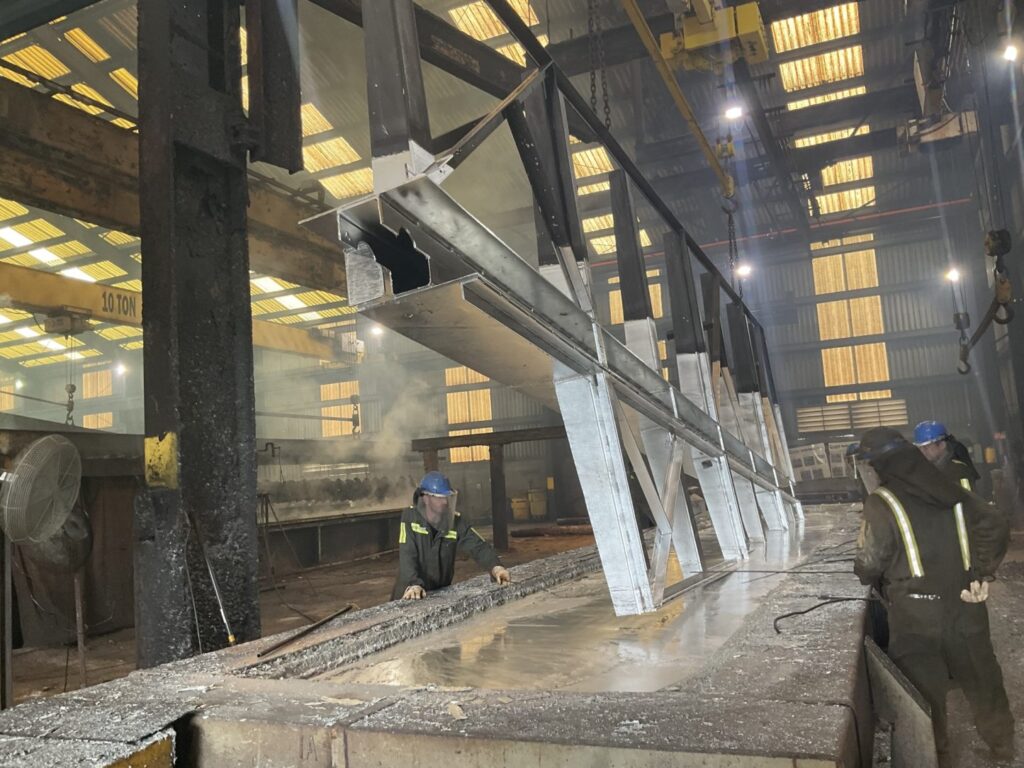
Hot-dip galvanizing helped address those concerns by providing long-term corrosion protection for the structural steel supporting the stations. The project also incorporated a duplex coating system combining galvanizing with paint to provide additional durability and a refined architectural finish.
This approach helps preserve the appearance and performance of the stations over time while reducing the need for ongoing maintenance and repair. The result is infrastructure designed not only to function well, but also to continue creating a positive rider experience for years to come.
For more information and project photography, visit the American Galvanizers Association Project Gallery entry for IndyGo Bus Transit Stations.
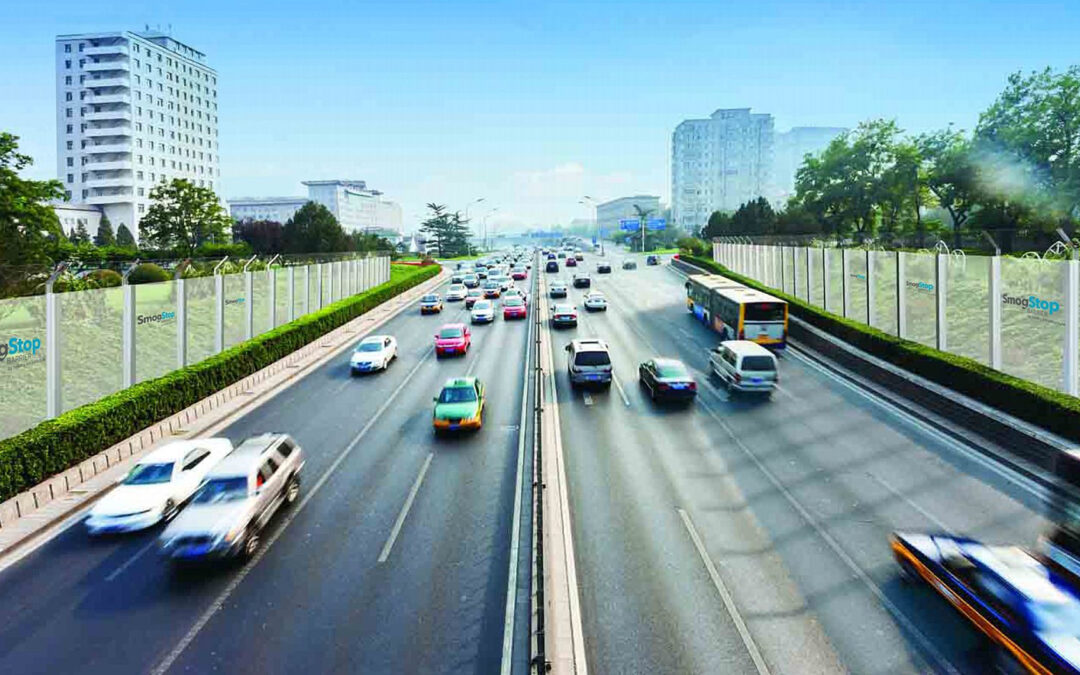
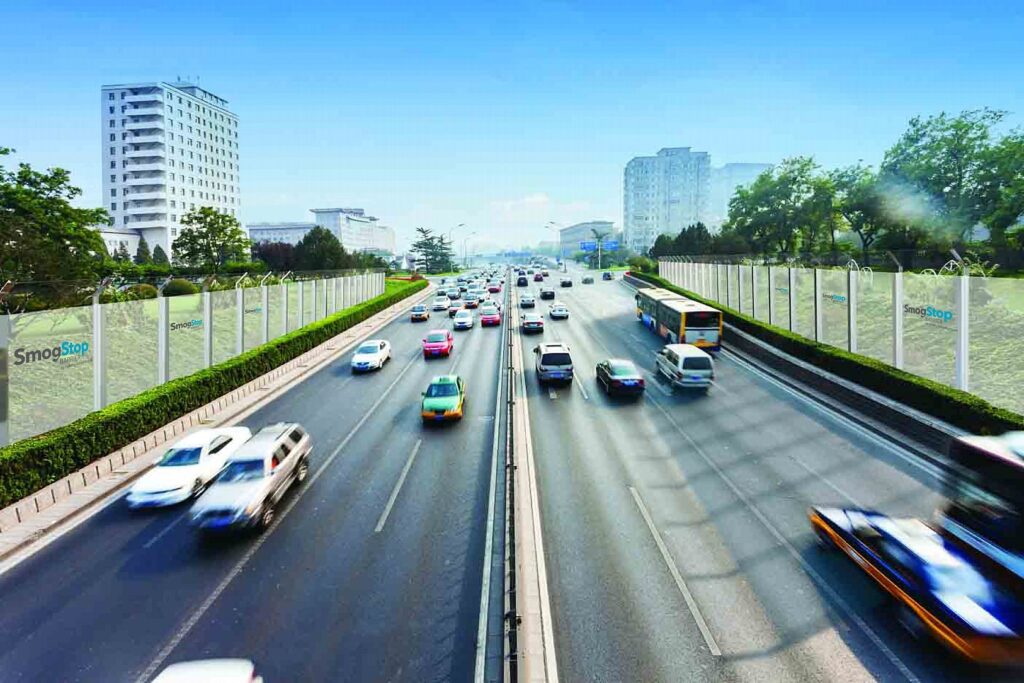
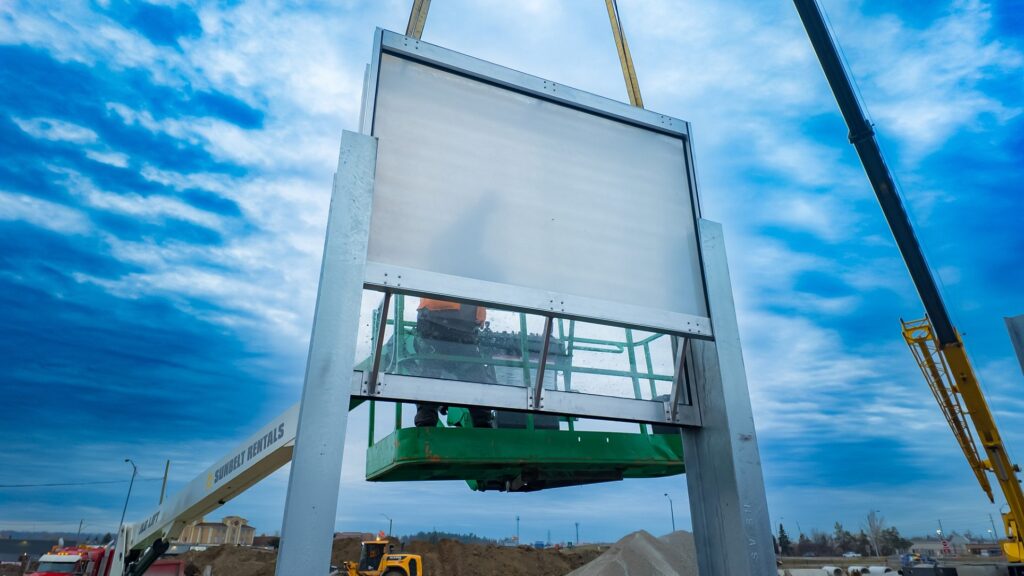
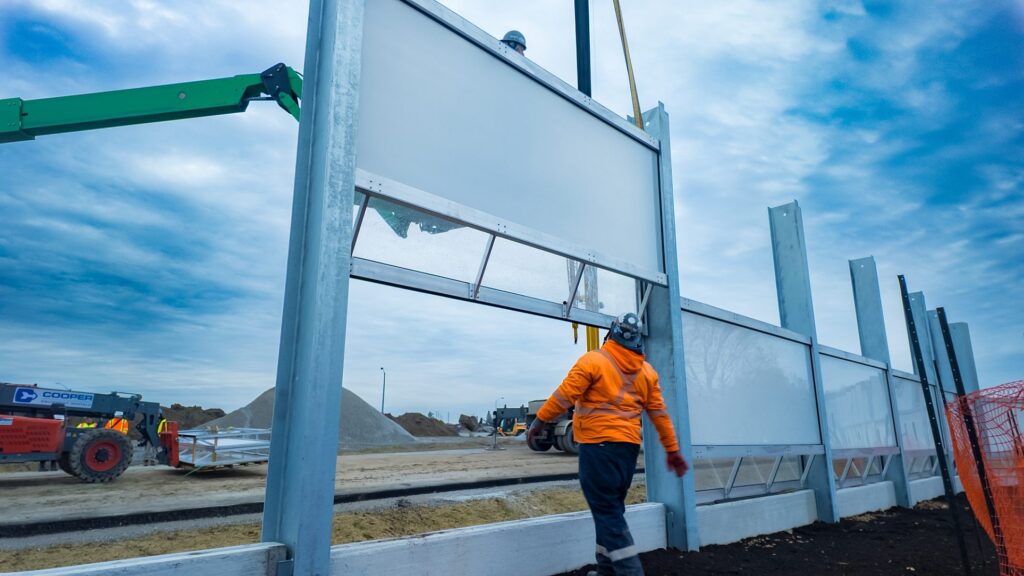
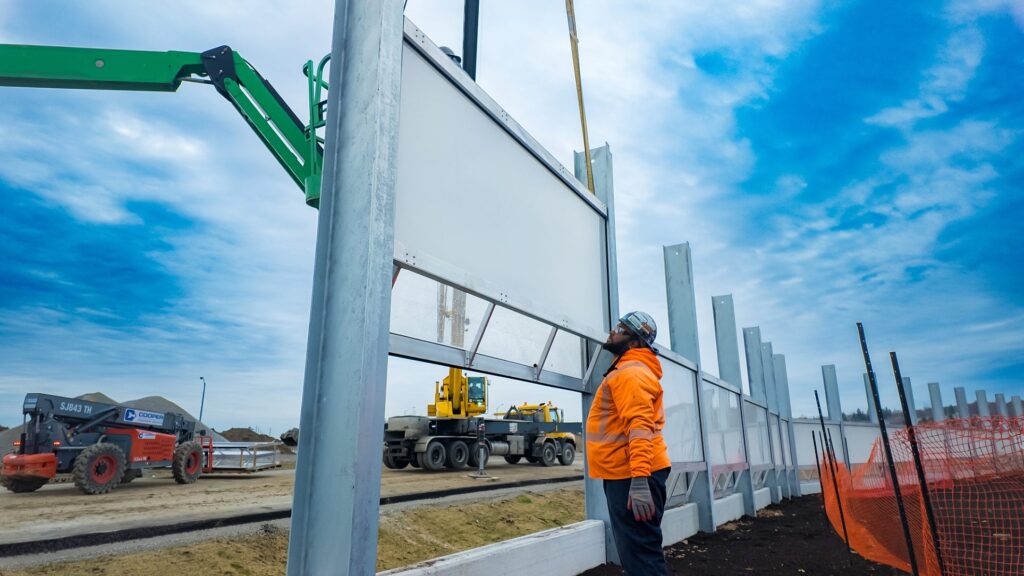
Infrastructure projects are increasingly being challenged to do more than simply serve a functional purpose. The award-winning SmogStop Highway Purification Wall project is a prime example of how modern infrastructure can combine engineering, sustainability, and durability into a single innovative solution.
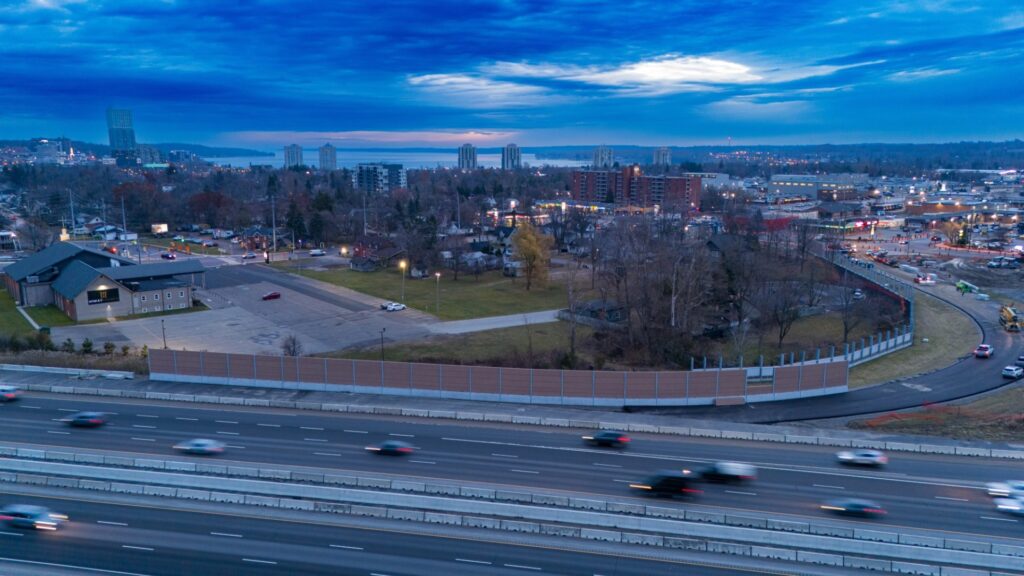
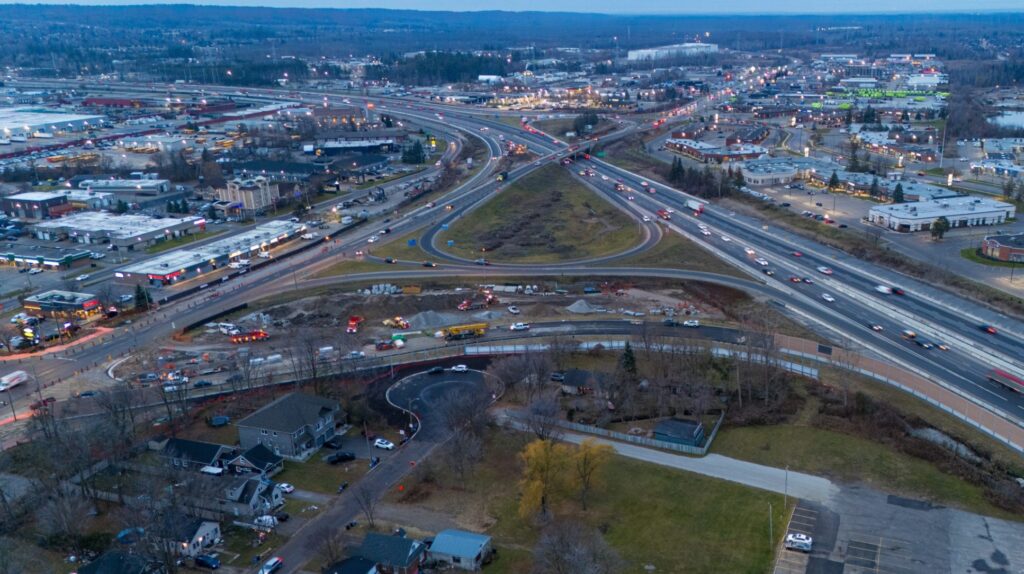
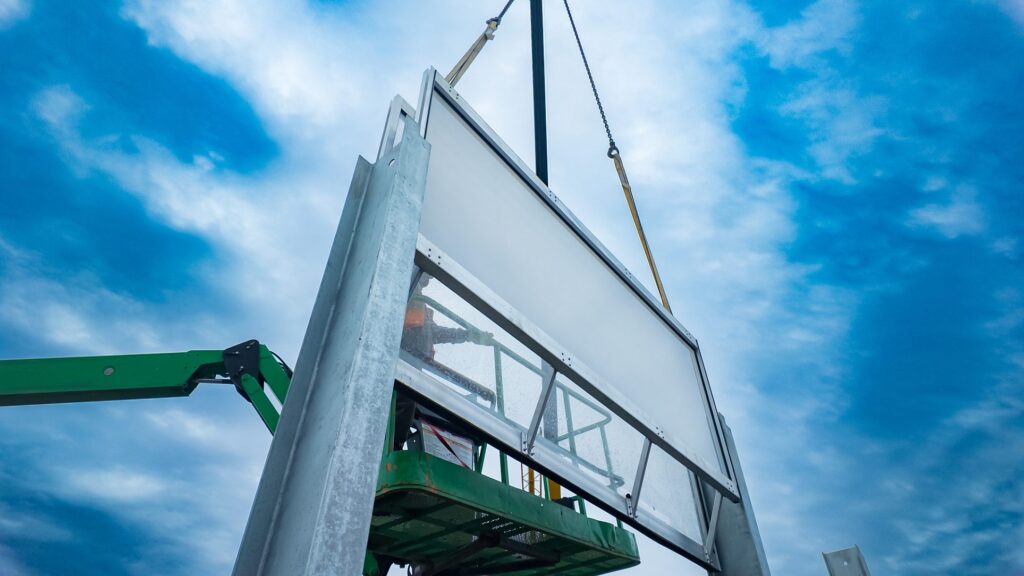
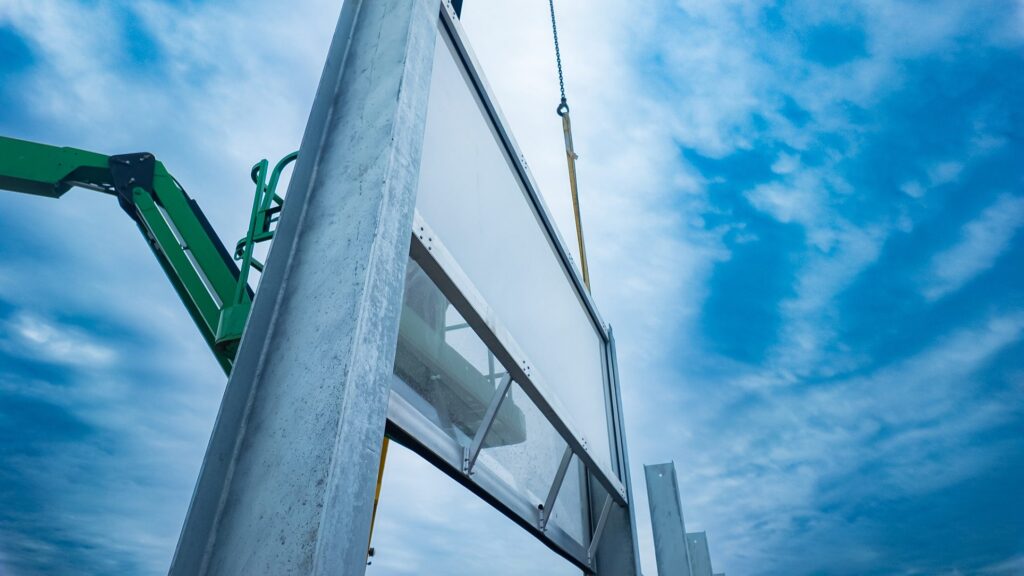
Recently recognized with a 2026 Excellence in Hot-Dip Galvanizing Award from the American Galvanizers Association, the SmogStop project transformed a traditional highway sound barrier into an active air purification system designed to help improve air quality along a busy transportation corridor in Ontario.
AZZ is proud that the galvanizing work for this groundbreaking project was completed by AZZ Galvanizing – Acton.
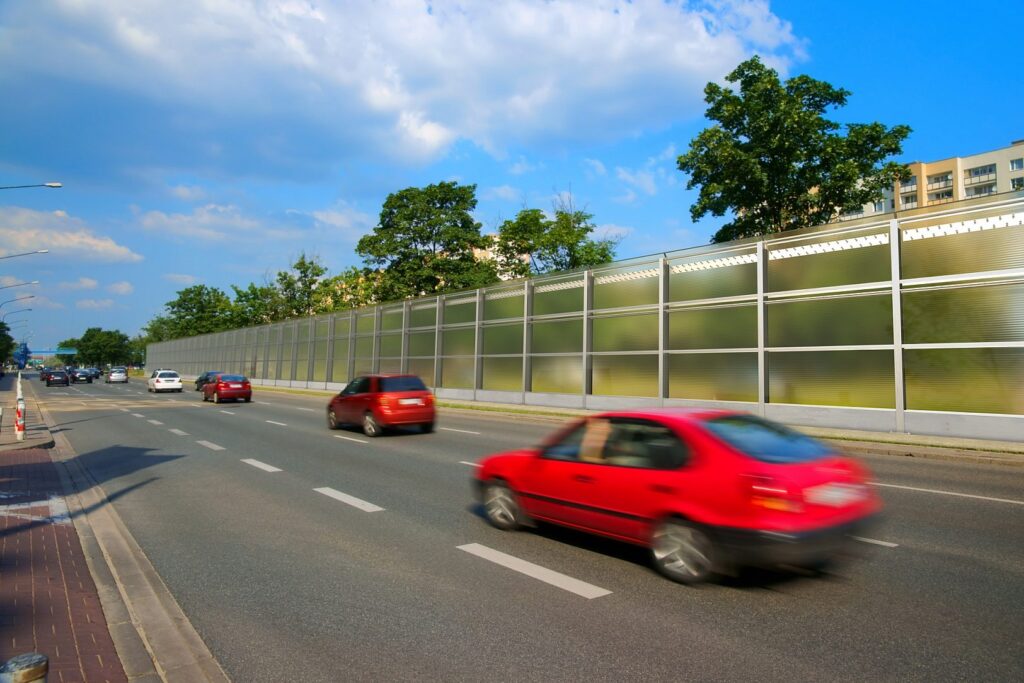
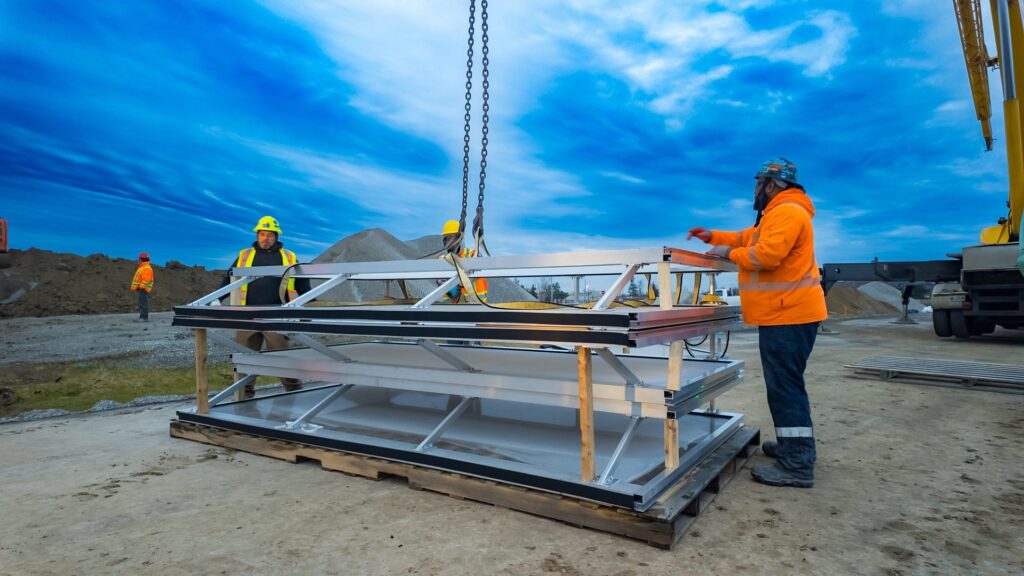
Unlike conventional sound barriers, the SmogStop system incorporates a double-walled aerodynamic design that channels vehicle emissions through an internal cavity. Inside the system, photocatalytic coatings activated by sunlight work to break down pollutants such as nitrogen oxides (NOx) and volatile organic compounds (VOCs) into less harmful substances.
The project demonstrates how infrastructure can move beyond passive functionality to actively support environmental improvement.
While the environmental innovation attracted significant attention, long-term durability was equally important to the project’s success. Highway infrastructure must withstand constant exposure to moisture, road salt, freeze-thaw cycling, airborne contaminants, and traffic vibration. In these harsh conditions, corrosion protection becomes critical to ensuring reliable long-term performance while minimizing maintenance demands.
Hot-dip galvanizing provided the durable corrosion protection needed for the steel support structure throughout the installation. AZZ Galvanizing – Acton processed the galvanized steel components supporting 88 full-length purification panels totaling approximately 8,843 square feet and roughly 84,000 pounds of panel weight, along with 54 galvanized steel support posts.
The project stood out to judges not only because of its innovative environmental focus, but also because it highlighted galvanized steel as a key contributor to sustainable infrastructure. By pairing advanced air purification technology with the long-term performance benefits of hot-dip galvanizing, the SmogStop project demonstrated how durable steel infrastructure can support broader environmental goals.
Projects like SmogStop continue to showcase the evolving role of galvanized steel in modern infrastructure applications. From transportation systems and utility structures to architectural landmarks and environmental technologies, hot-dip galvanizing remains a proven solution for projects requiring longevity, resilience, and reduced lifecycle maintenance.
Congratulations to the team at AZZ Galvanizing – Acton for their contribution to this award-winning project and for helping support infrastructure innovation that looks beyond today’s challenges toward a cleaner future.
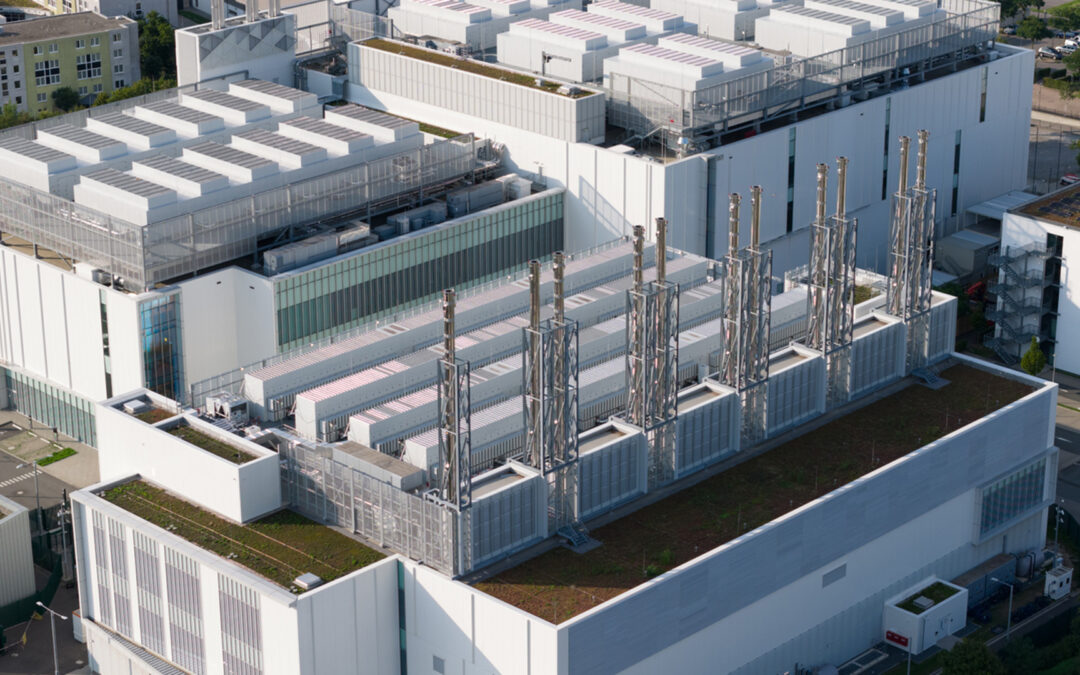
As hyperscale, cloud, and AI-driven facilities continue expanding across North America, owners and developers are placing increasing emphasis on infrastructure systems capable of delivering long-term reliability with minimal maintenance disruption.
While much of the attention surrounding data centers focuses on servers, cooling systems, and power demands, the steel infrastructure supporting these facilities plays a major role in long-term operational performance. Corrosion-related deterioration of structural, utility, and support components can introduce avoidable maintenance challenges, lifecycle costs, and reliability risks over time.
For this reason, hot-dip galvanized steel is commonly specified throughout data center infrastructure. From electrical yard structures and substation steel to rooftop supports and exterior site components, galvanizing helps protect critical steel infrastructure from corrosion in demanding service environments.
Building Infrastructure Designed for Decades of Performance
Data centers are long-life assets expected to operate continuously for decades. Many facilities are exposed to:
Humidity
Industrial environments
Temperature fluctuations
Outdoor weather exposure
Coastal or corrosive atmospheres
In these conditions, corrosion protection becomes more than a maintenance consideration. It becomes part of an overall reliability strategy.
Hot-dip galvanizing provides a metallurgically bonded zinc coating that protects steel through both barrier and sacrificial protection. Unlike coatings that rely solely on surface adhesion, galvanized coatings become bonded to the steel itself, helping improve durability and long-term performance in demanding environments.
For owners focused on uptime and predictable lifecycle performance, reducing future maintenance demands can be just as important as initial construction speed.
Common Applications for Galvanized Steel in Data Centers
Galvanized steel is commonly used throughout both the building structure and surrounding infrastructure of modern data center campuses.
Utility and Electrical Infrastructure
One of the most common uses of galvanized steel in data center construction is within electrical infrastructure and utility support systems.
Large data centers require substantial incoming power capacity, often supported by dedicated substations and extensive outdoor electrical infrastructure. These systems are continuously exposed to environmental conditions and are expected to perform reliably for decades.
Common applications include:
Substation structures
Electrical yard steel
Transformer support structures
Bus support steel
Cable tray supports
Equipment framing
Grounding and utility support systems
Because these systems directly support facility uptime, owners frequently prioritize corrosion protection systems that minimize future maintenance and operational disruptions.
Structural and Exterior Support Systems
Galvanized steel is also frequently utilized for exterior structural applications and exposed support systems throughout data center campuses.
Typical applications include:
Rooftop support structures
Mechanical equipment framing
Equipment platforms
Screen wall supports
Exterior stair towers
Access platforms and catwalks
These components are often exposed to years of weather and environmental exposure, making long-term corrosion protection an important design consideration.
Site Infrastructure
Beyond the building itself, galvanized steel is commonly incorporated throughout broader site infrastructure.
Examples include:
Security fencing
Bollards and barriers
Light pole structures
Signage supports
Guardrail systems
Exterior walkways
Drainage and utility supports
The durability and low-maintenance nature of galvanized steel make it especially attractive for exterior applications requiring long service life.
Reducing Maintenance in Mission-Critical Environments
One of the biggest challenges in mission-critical facilities is balancing long-term infrastructure performance with operational continuity. Maintenance activities can introduce cost, labor demands, scheduling complications, and potential disruptions over the life of a facility.
Because hot-dip galvanized steel provides long-term corrosion protection, it can help reduce the need for ongoing coating maintenance, repainting, or premature steel replacement in exposed environments.
This long service life is one of the primary reasons galvanized steel continues to be widely specified across infrastructure sectors where durability and reliability are critical priorities.
Why Galvanizing Partners Matter in Data Center Construction
As data center development continues accelerating across North America, owners, EPCs, fabricators, and contractors are increasingly focused on partners capable of supporting fast-track schedules, large-scale infrastructure demands, and multi-region project coordination.
Corrosion protection is often one component within much larger construction timelines, making responsiveness, logistics, and production capacity important considerations during project execution.
For large or complex data center projects, working with a galvanizing provider that offers nationwide service coverage, large kettle capacities, high-volume production capabilities, transportation and logistics support, consistent quality standards, and experience supporting infrastructure projects can help streamline coordination and support demanding construction schedules.
With more than 40 galvanizing facilities across North America, AZZ Galvanizing supports customers involved in utility, infrastructure, and mission-critical construction projects throughout the United States and Canada. This broad network allows projects to be supported regionally while helping reduce transportation challenges and improve scheduling flexibility for fabricators and contractors.
As AI infrastructure and hyperscale development continue expanding, the ability to support large-scale projects with dependable turnaround times and consistent corrosion protection solutions is becoming increasingly important.
Supporting the Growth of AI and Hyperscale Infrastructure
As AI workloads and cloud computing demands continue driving rapid data center expansion, the scale and complexity of supporting infrastructure is increasing as well.
New facilities require:
Larger utility infrastructure
Expanded power distribution systems
Faster construction schedules
Durable outdoor support structures
Long-term lifecycle performance
These demands continue increasing the importance of reliable corrosion protection systems capable of supporting infrastructure expected to remain operational for decades.
The Bigger Picture
Data centers are among the most reliability-focused facilities being constructed today. While servers and electrical systems often receive the most attention, the steel infrastructure supporting these operations plays an equally important role in long-term facility performance.
Hot-dip galvanized steel continues to be widely specified throughout data center infrastructure because it provides dependable corrosion protection, long service life, and reduced maintenance requirements across structural, utility, and site applications. In environments where uptime and operational continuity are essential, long-term infrastructure reliability matters.
Key Takeaways
Data centers are designed around long-term operational reliability and uptime
Corrosion protection plays a major role in infrastructure longevity and maintenance reduction
Hot-dip galvanized steel is commonly used throughout utility, structural, and site applications
Electrical infrastructure and substation steel are among the most common galvanized applications
Galvanized steel helps reduce lifecycle maintenance demands in exposed environments
Nationwide galvanizing capacity and logistics support can help streamline large-scale project execution
Long service life and predictable performance make galvanizing attractive for mission-critical facilities
Reliability-focused infrastructure design is becoming increasingly important as AI and hyperscale development expands
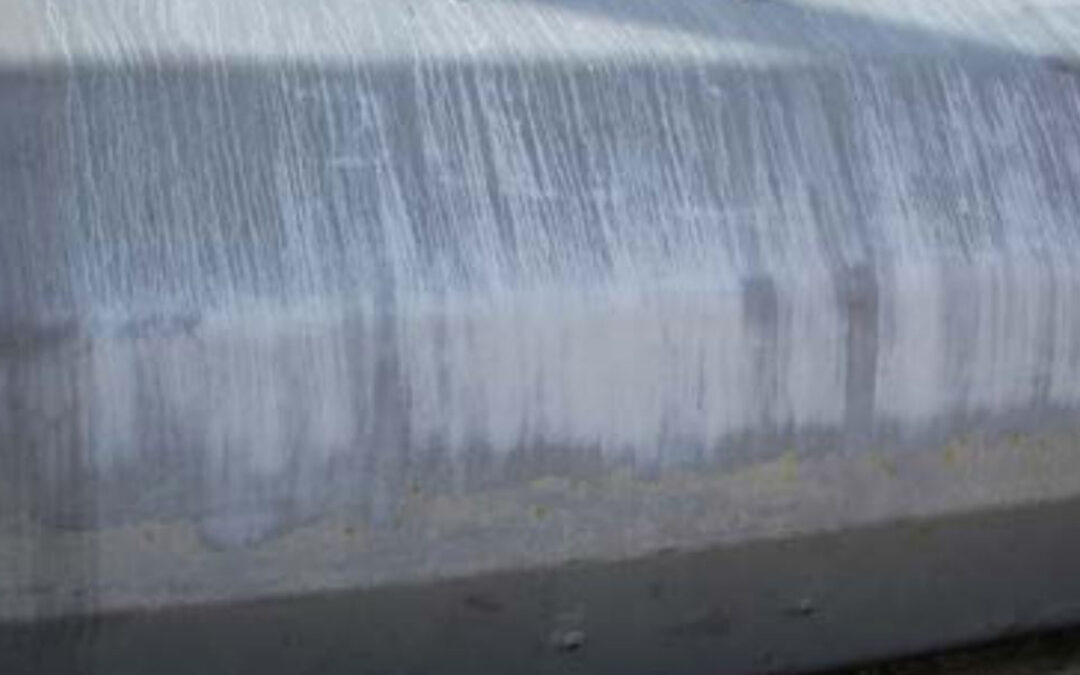
While it may appear concerning at first glance, wet storage stain is typically a storage and handling issue rather than an indication of poor galvanizing quality.
The condition most commonly develops during transportation, outdoor storage, or jobsite staging when freshly galvanized components are tightly nested, bundled, or exposed to prolonged moisture without adequate ventilation. Because newly galvanized steel has not yet fully developed its stable zinc patina, these conditions can temporarily interrupt the normal weathering process of the zinc coating.
What Causes Wet Storage Stain?
Hot-dip galvanized steel protects against corrosion through a zinc coating that reacts naturally with the environment over time. Under normal atmospheric exposure, the zinc develops a stable protective patina that significantly slows future corrosion and contributes to the long service life associated with galvanized steel.
However, when moisture becomes trapped between galvanized surfaces and oxygen circulation is restricted, the natural patina development process cannot occur properly. Instead, the zinc reacts with water and oxygen to form a powdery surface deposit known as wet storage stain.
Wet storage stain is most commonly associated with:
Newly galvanized steel
Tightly stacked or nested material
Components stored outdoors before installation
Exposure to condensation or standing water
Limited airflow during storage or shipment
Does Wet Storage Stain Affect Performance?
In many cases, wet storage stain is primarily cosmetic and does not significantly impact the long-term corrosion protection of the galvanized coating. Light surface staining will often weather away naturally once the material is exposed to normal outdoor conditions with proper airflow and regular wet-dry cycles.
More severe or prolonged cases, however, can consume portions of the zinc coating and potentially reduce the overall protective life of the galvanized steel if left unaddressed. This is why proper storage and handling immediately following galvanizing are important.
The presence of wet storage stain does not automatically indicate a problem with the galvanizing process itself. In fact, the zinc coating is still functioning sacrificially, reacting to environmental exposure to protect the underlying steel from corrosion.
Preventing Wet Storage Stain
Wet storage stain is largely preventable through proper handling and storage practices.
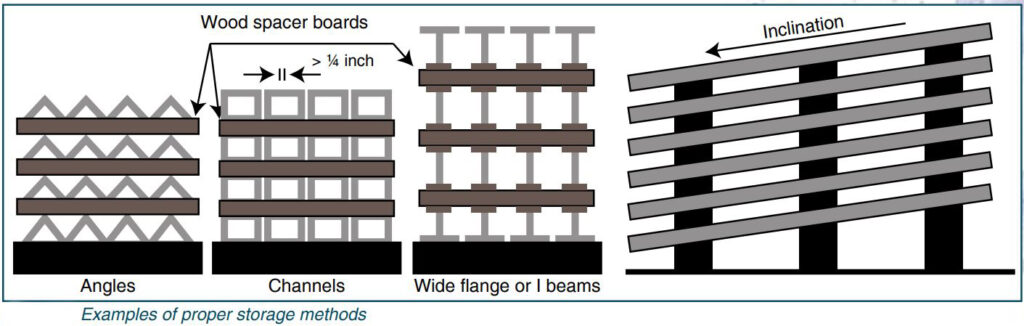
Recommended best practices include:
Storing galvanized steel in dry, well-ventilated areas
Avoiding tight stacking of freshly galvanized components
Allowing airflow between stored pieces
Storing material at an angle to encourage water drainage
Keeping galvanized steel elevated off the ground
Minimizing prolonged exposure to condensation or trapped moisture
These precautions help the zinc coating develop its stable protective patina naturally and reduce the likelihood of wet storage stain during storage or transportation.
Cleaning Wet Storage Stain
When wet storage stain does occur, the appropriate response depends on the severity of the condition.
For light staining, normal weathering may gradually remove the deposits over time. Heavier accumulations can often be cleaned using a nylon brush or approved cleaning solutions that will not damage the galvanized coating.
Aggressive cleaning methods or harsh chemicals should generally be avoided unless specifically recommended by galvanizing professionals or technical guidance.
The Bigger Picture
One of the primary advantages of hot-dip galvanizing is its ability to provide long-term corrosion protection in demanding environments. The zinc coating serves as both a durable barrier and a sacrificial layer that corrodes preferentially to protect the steel beneath.
While wet storage stain may temporarily affect the appearance of newly galvanized steel, it is typically manageable and preventable through proper storage and handling practices. With appropriate care, galvanized steel can continue delivering decades of corrosion protection across infrastructure, utility, transportation, industrial, and architectural applications.
Key Takeaways
Wet storage stain occurs when moisture becomes trapped between galvanized surfaces with limited airflow
It most commonly develops on newly galvanized steel during storage or transportation
Light cases are often cosmetic and may weather away naturally over time
Severe cases can reduce zinc coating thickness if left unaddressed
Proper storage, drainage, and ventilation are the best prevention methods
Wet storage stain does not automatically indicate poor galvanizing quality
Appropriate handling practices help galvanized steel achieve maximum service life
Note: Guidance related to wet storage stain, galvanized steel storage practices, coating performance, and cleaning methods was adapted from technical resources published by the American Galvanizers Association.