Hot-dip galvanizing for long-term steel protection and performance
Hot-dip galvanizing is a proven corrosion protection process that creates a durable hot dip galvanized zinc coating across fabricated steel surfaces. By fully immersing steel into molten zinc, the process forms tightly bonded zinc-iron alloy layers that help extend service life, reduce maintenance requirements, and provide long-term corrosion protection.
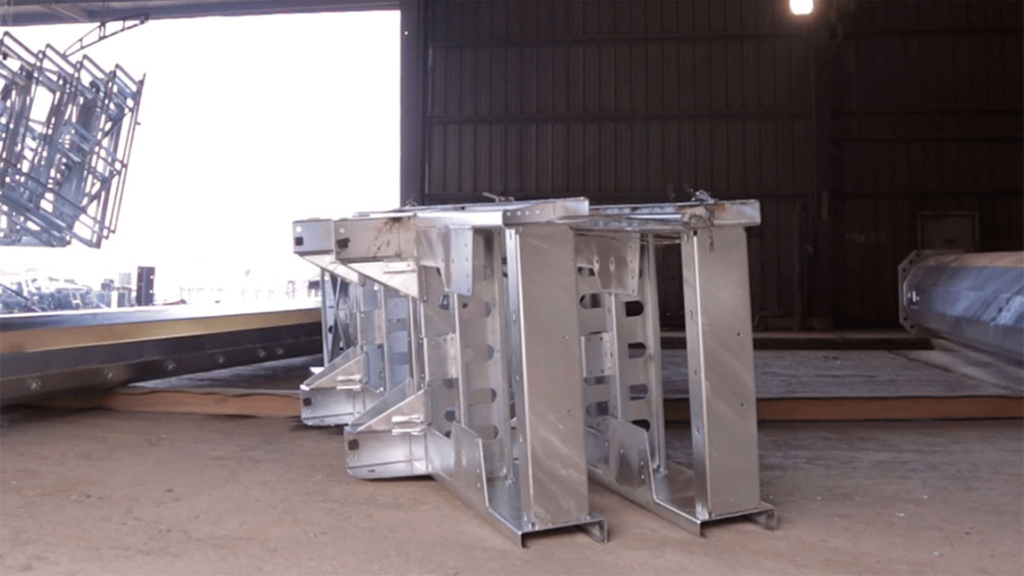
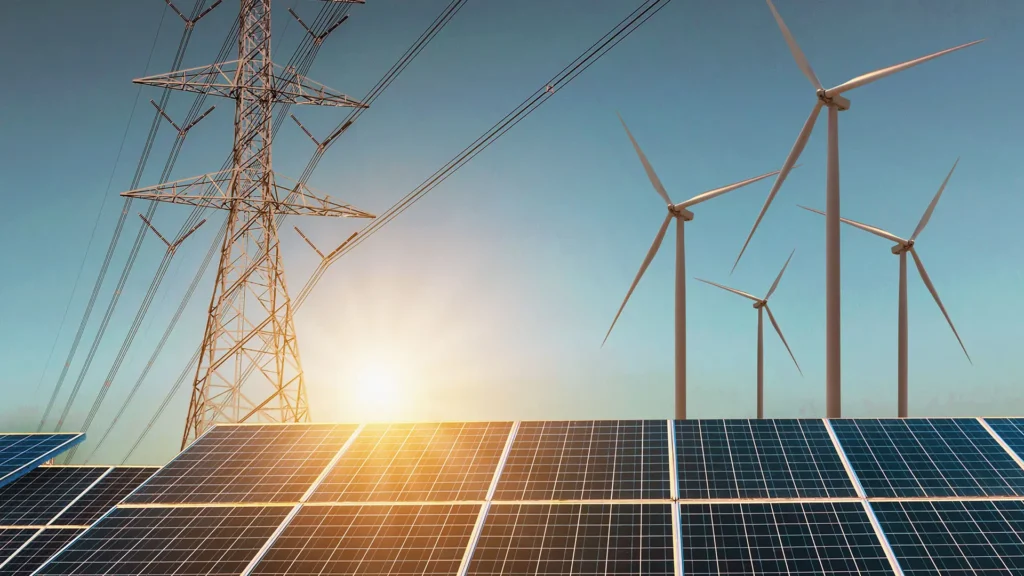
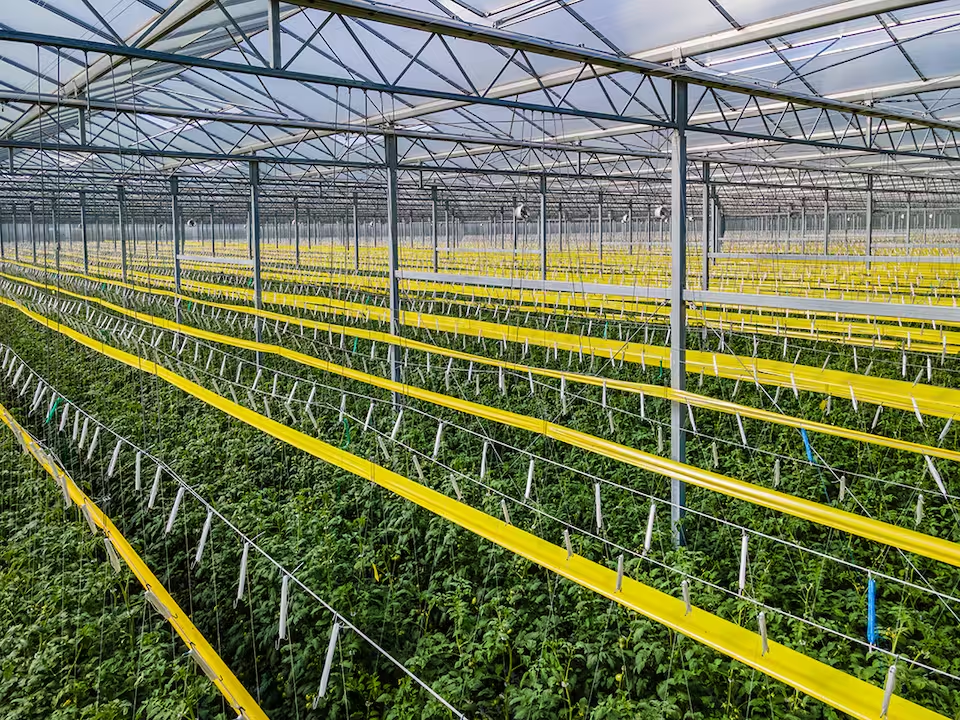
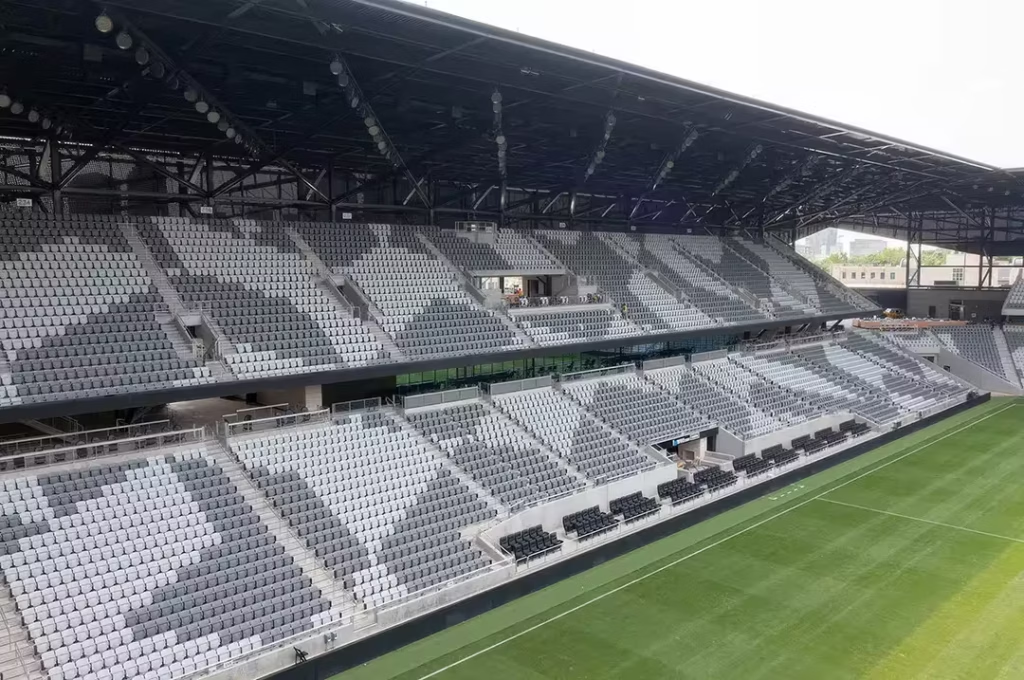
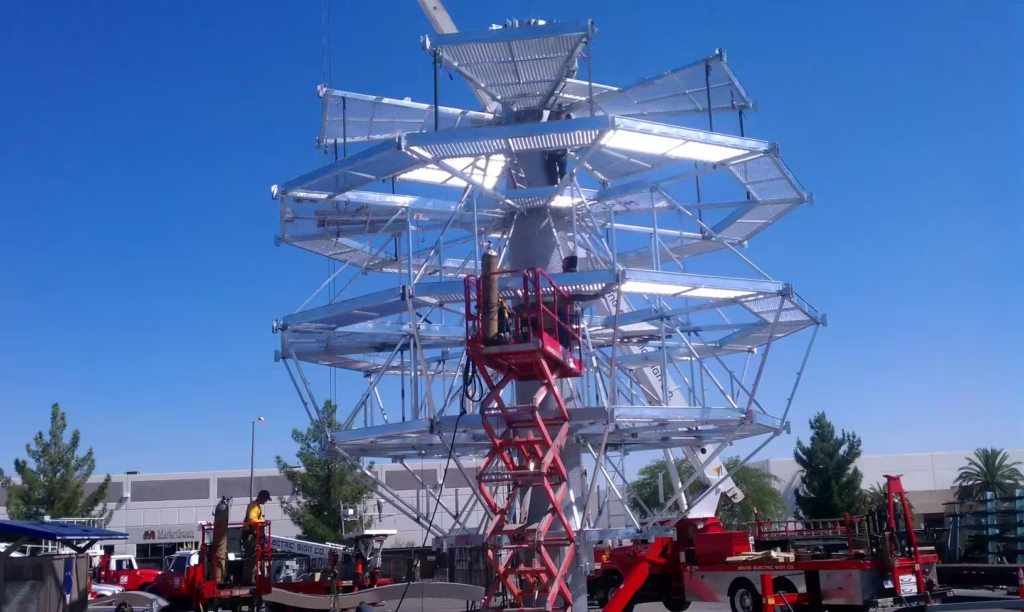
AZZ performs hot-dip galvanizing for fabricated steel used across a broad range of end markets, including construction, electrical, industrial, and transportation. From bridges, substations, transmission structures, and industrial facilities to renewable energy infrastructure, and engineered fabricated steel assemblies, AZZ delivers dependable corrosion protection backed by decades of galvanizing expertise and one of North America’s leading hot-dip galvanizer networks.

A tested and proven galvanizing process for modern applications
Hot-dip galvanizing protects steel through a multi-step process designed to properly prepare the steel surface, promote metallurgical bonding, and verify coating quality and specification compliance. The resulting hot dip galvanized zinc coating provides both barrier and sacrificial protection, helping protect steel in demanding environments.
Preparation
Steel arriving at an AZZ galvanizing facility undergoes a thorough inspection to ensure drainage and venting requirements are met. Once in the staging area, careful handling ensures the material is transported efficiently and effectively through the initial cleaning process.
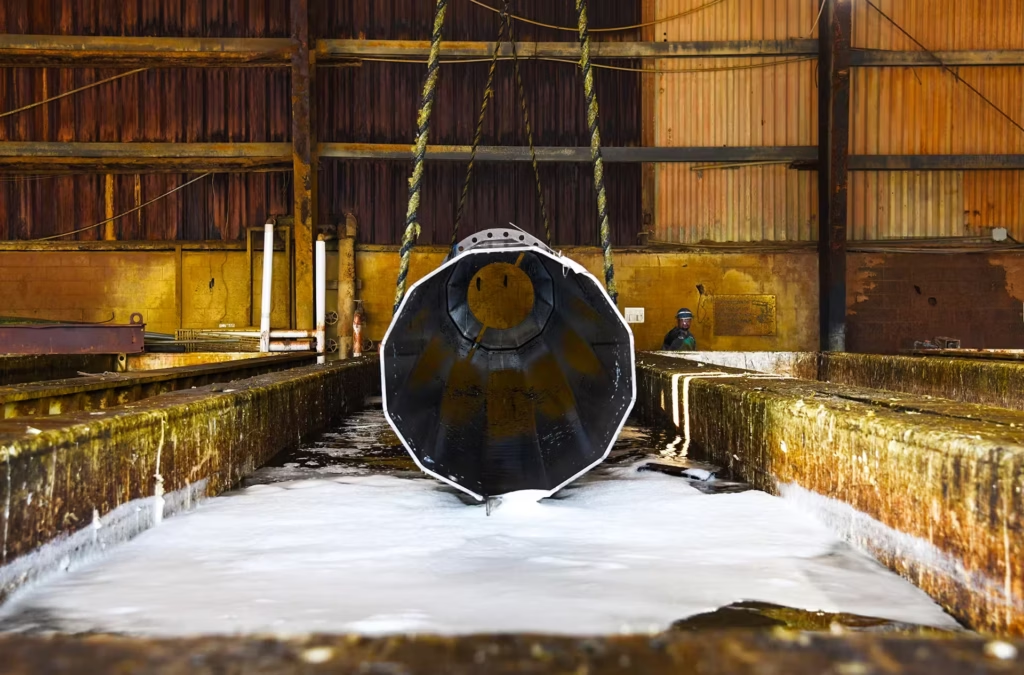
Cleaning
A critical part of the process is cleaning, which begins with a complete immersion in a hot alkali solution, to remove organic compounds and dirt. Next acid pickling removes rust or scale and finally fluxing eliminates surface oxides to promote intermetallic development.
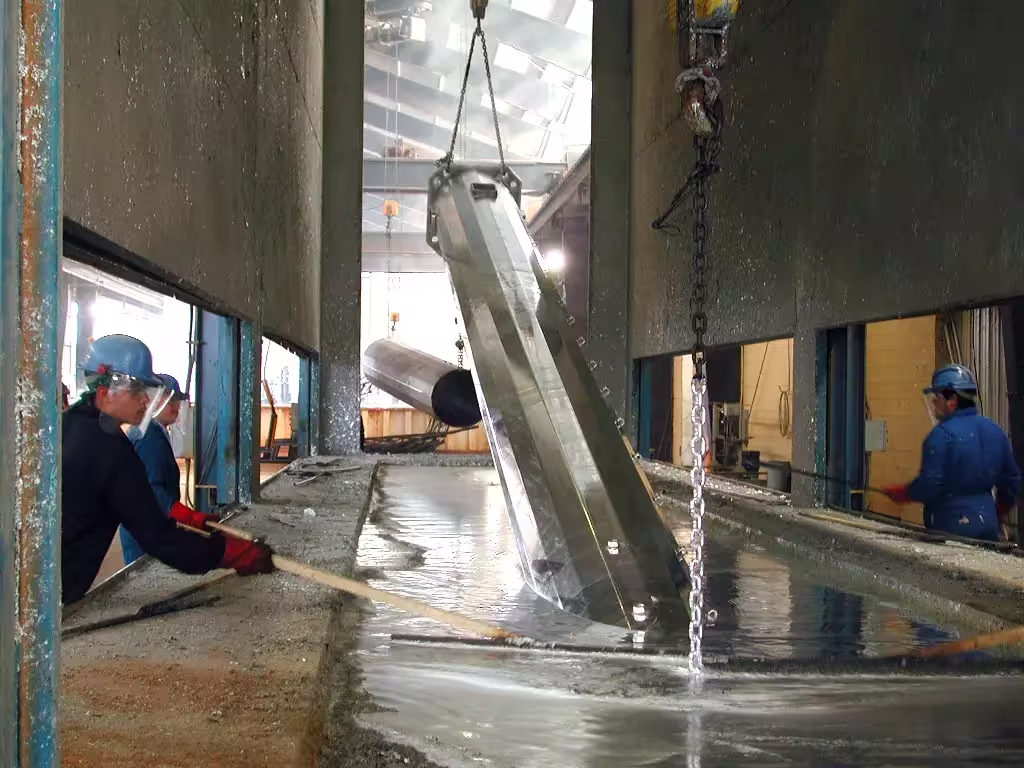
Hot-Dip Galvanizing
The steel is submerged in a bath of molten zinc until it reaches 840° F (449° C). At this point, the zinc reacts with the steel to form zinc/iron intermetallic layers on all surfaces inside and out.
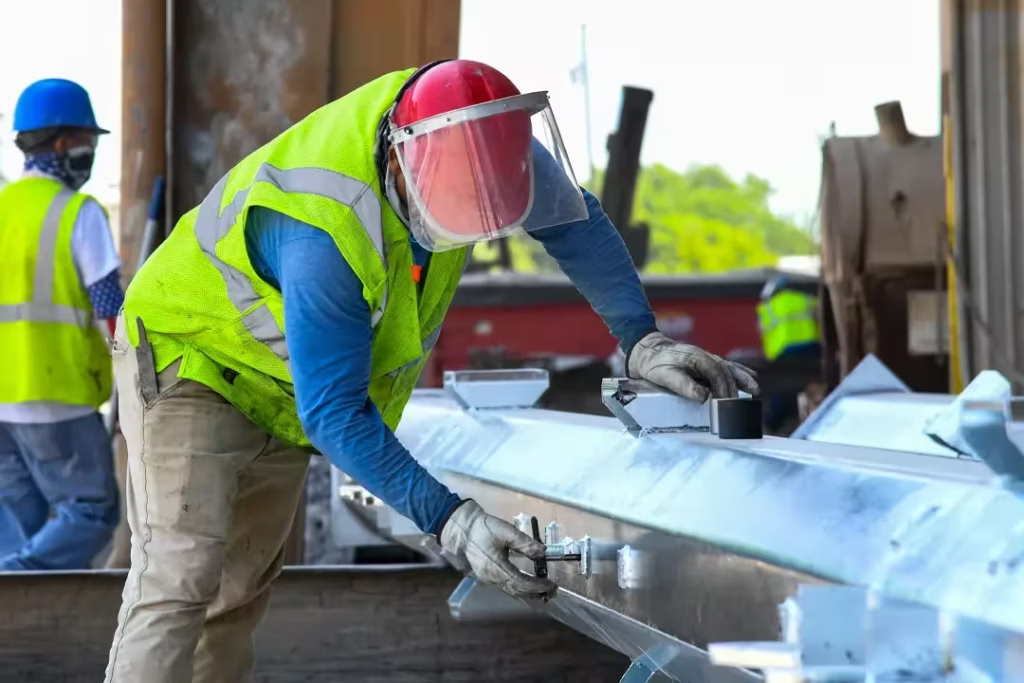
Post-Dip Quality Inspection
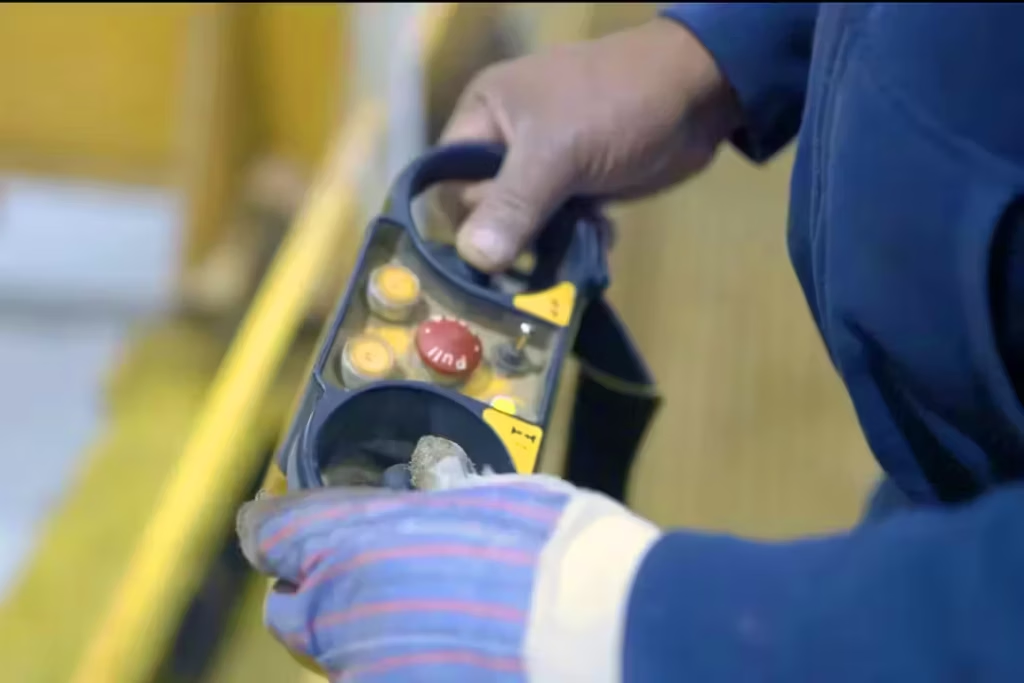
The galvanized steel is cleaned, weighed, and inspected. Calibrated instruments verify quality standards, coating thickness, appearance, and ASTM compliance before final approval. Once complete, the product is ready for shipment, and AZZ can assist with transportation requirements.
Complete coating coverage and durable performance
Hot-dip galvanized zinc coating provides uniform corrosion protection across the entire fabricated component through a metallurgically bonded coating that becomes part of the steel itself. Unlike barrier coatings that rely solely on surface adhesion, galvanizing forms multiple zinc-iron alloy layers that help resist abrasion, handling damage, moisture, and corrosive environments while providing sacrificial protection if minor surface damage occurs. This durable coating system helps reduce maintenance requirements, extend asset service life, and lower long-term repair and replacement costs.

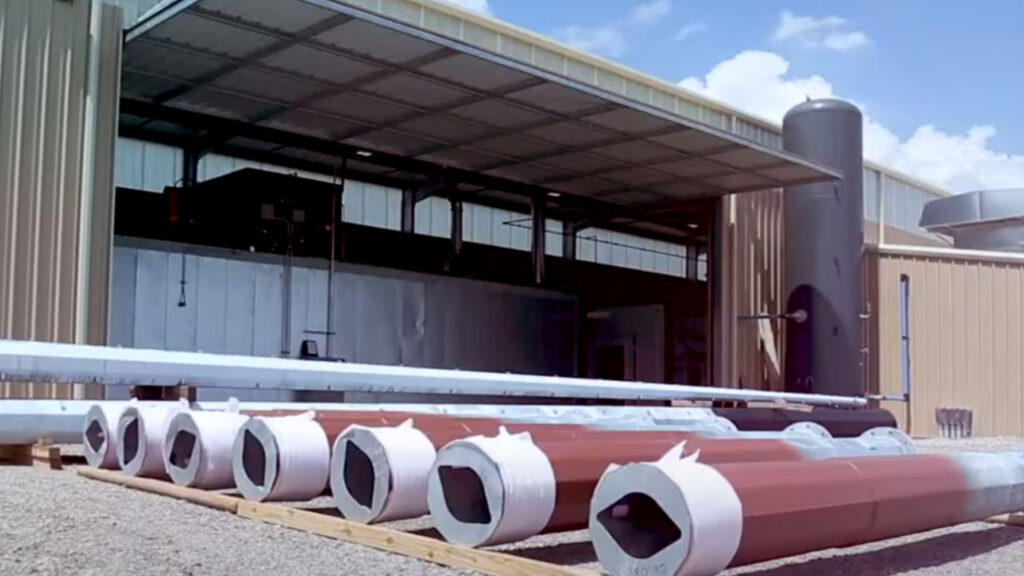
Value-added galvanizing services for enhanced protection
Beyond traditional hot-dip galvanizing, AZZ offers specialized services engineered to address application-specific requirements and challenging environments. Duplex coating combines galvanizing with powder coating or wet coating systems to provide enhanced corrosion protection, extended service life, and expanded finish options. For buried and ground-contact steel, below-grade coating delivers additional protection against soil, moisture, and underground exposure, helping improve durability and reduce maintenance requirements.
GalvXtra® proprietary galvanizing performance
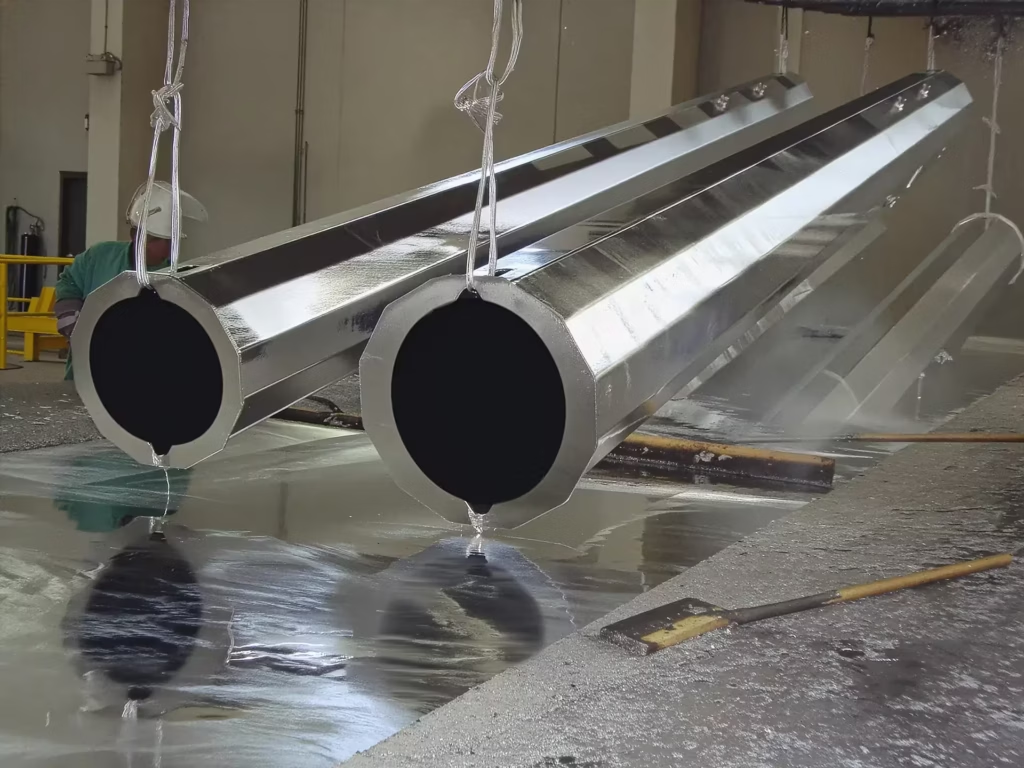
AZZ utilizes its proprietary GalvXtra® galvanizing formulation to help optimize the appearance and performance of hot-dipped galvanized steel while supporting coating consistency across a wide range of fabricated steel applications.
GalvXtra® has been field-tested and proven to help minimize irregular coating reactions while supporting durable, high-quality galvanized finishes. Combined with AZZ’s process controls and galvanizing expertise, GalvXtra® helps provide dependable coating performance across critical infrastructure and industrial applications.
Proven quality standards and specification compliance
AZZ galvanizing operations follow recognized ASTM standards and quality control procedures designed to support coating consistency, specification compliance, and corrosion protection performance. Common standards include ASTM A123, ASTM A153, ASTM B6, applicable ISO standards, and additional customer-specific requirements.
AZZ also supports ongoing process improvement, sustainability initiatives, and industry collaboration through Environmental Product Declaration (EPD) standards including ISO 14025, ISO 14040, and ISO 14044 developed through the American Galvanizers Association (AGA), participation in AGA environmental and sustainability initiatives, and a research and development partnership with Texas A&M focused on process efficiency, product quality, emissions mitigation, and operational improvements.
Sustainable corrosion protection
Hot-dip galvanizing provides sustainable corrosion protection that helps steel structures remain in service for decades with minimal maintenance. The durability, recyclability, and long service life associated with galvanized steel reflect the value of essential zinc as a protective coating material, while also supporting LEED initiatives and more sustainable infrastructure. AZZ's extensive galvanizing network further improves logistical efficiency through localized service and support.
Looking for corrosion protection for threaded or small components? Explore Spin Galvanizing