Does the station feel safe? Does it feel clean and well maintained? Does it feel like infrastructure designed to serve the community long term?
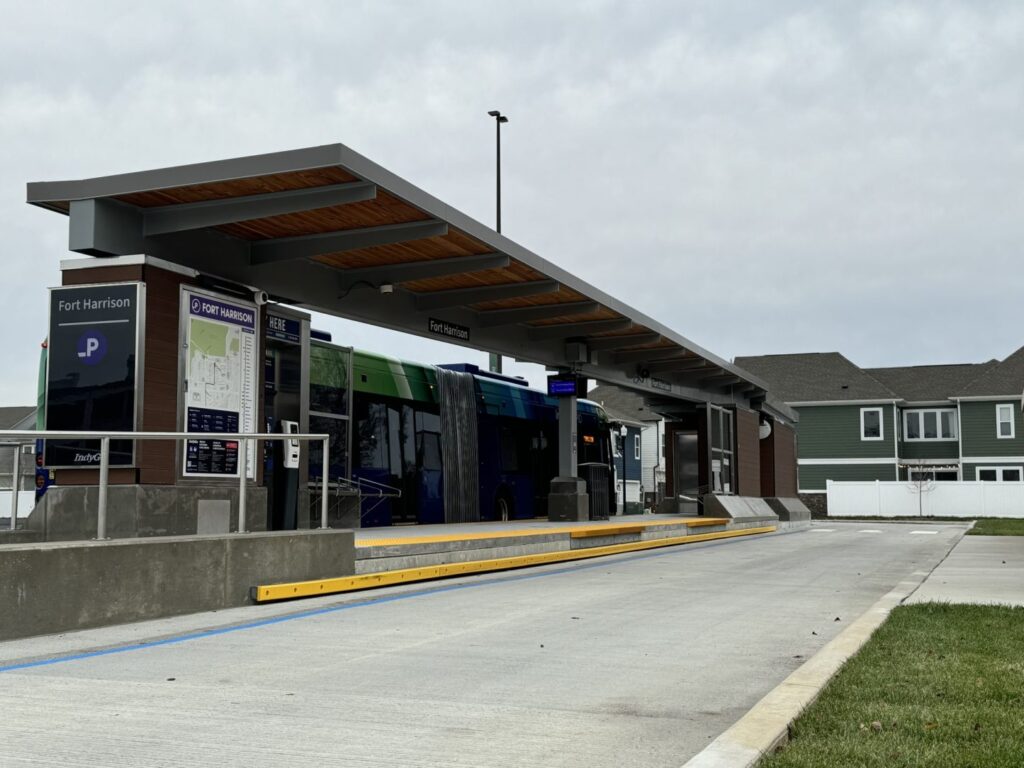
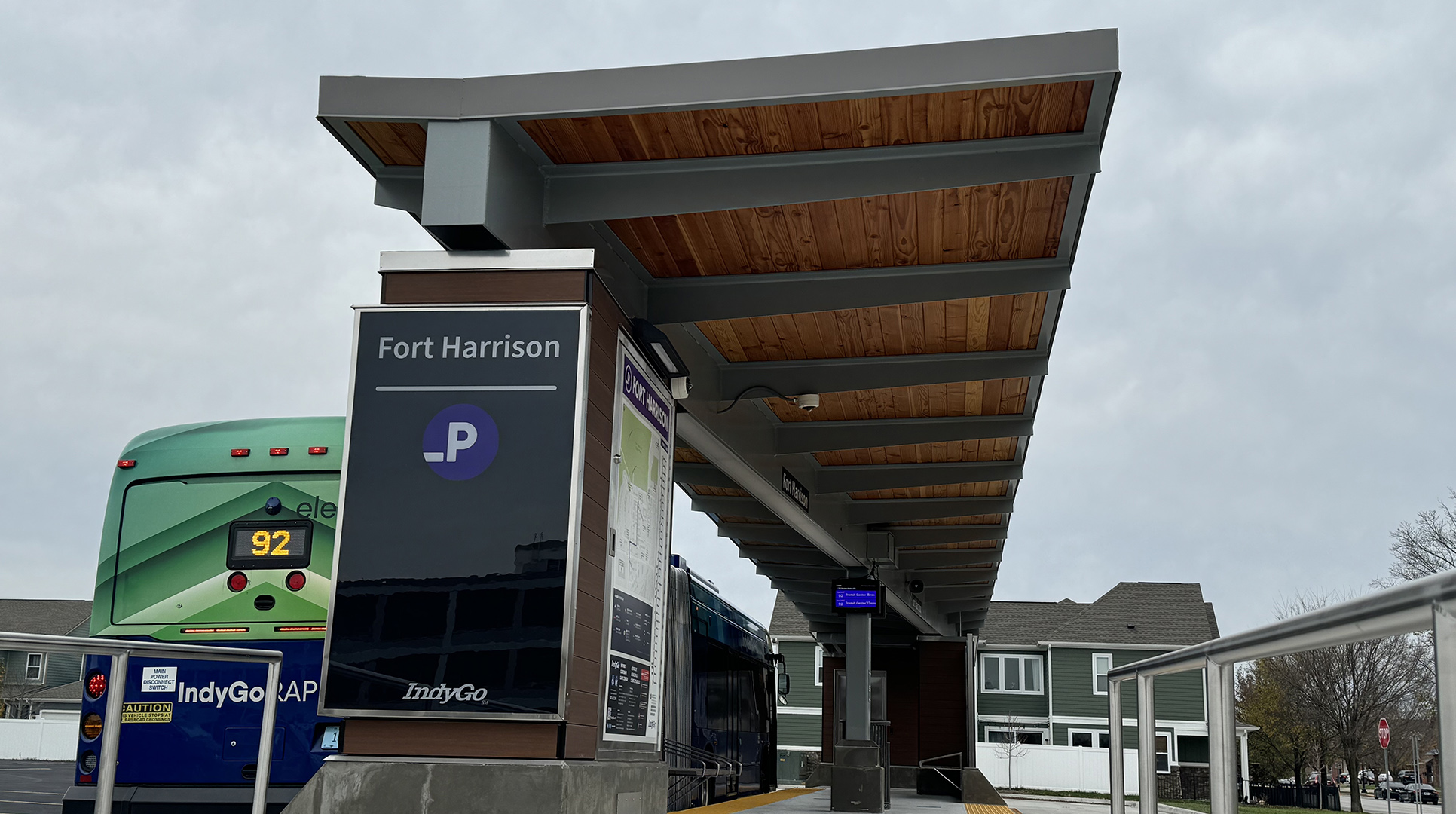
Those questions helped shape the design of Indianapolis’ IndyGo Bus Rapid Transit system, where station architecture and long-term durability became important parts of creating a more appealing public transportation experience.
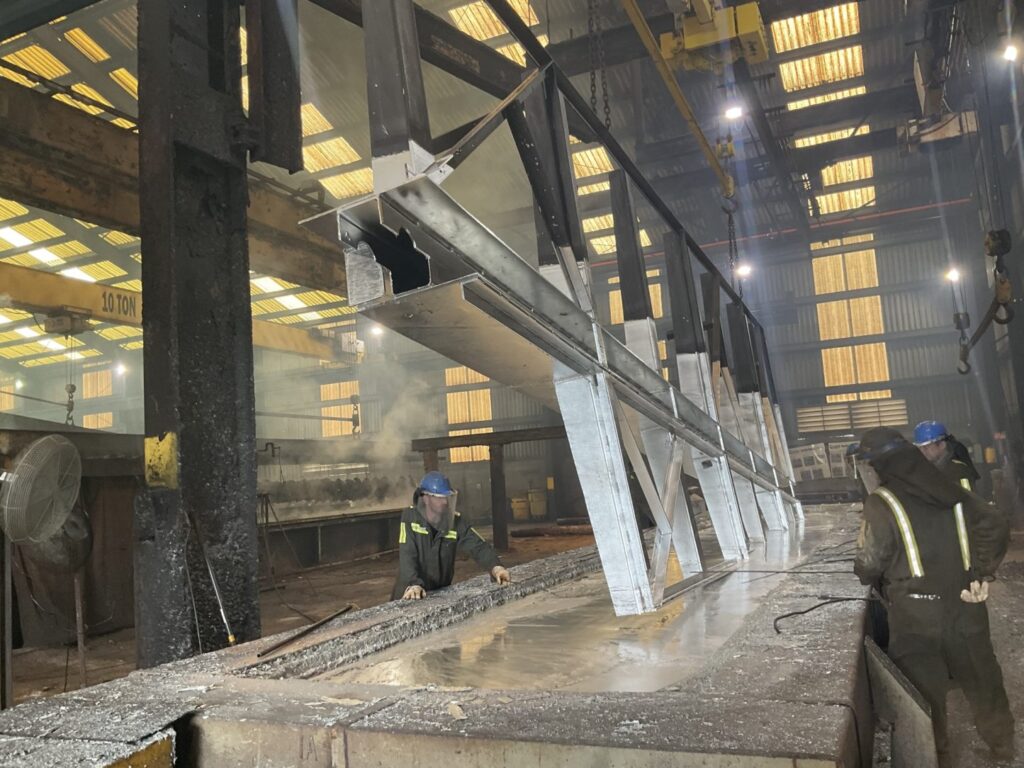
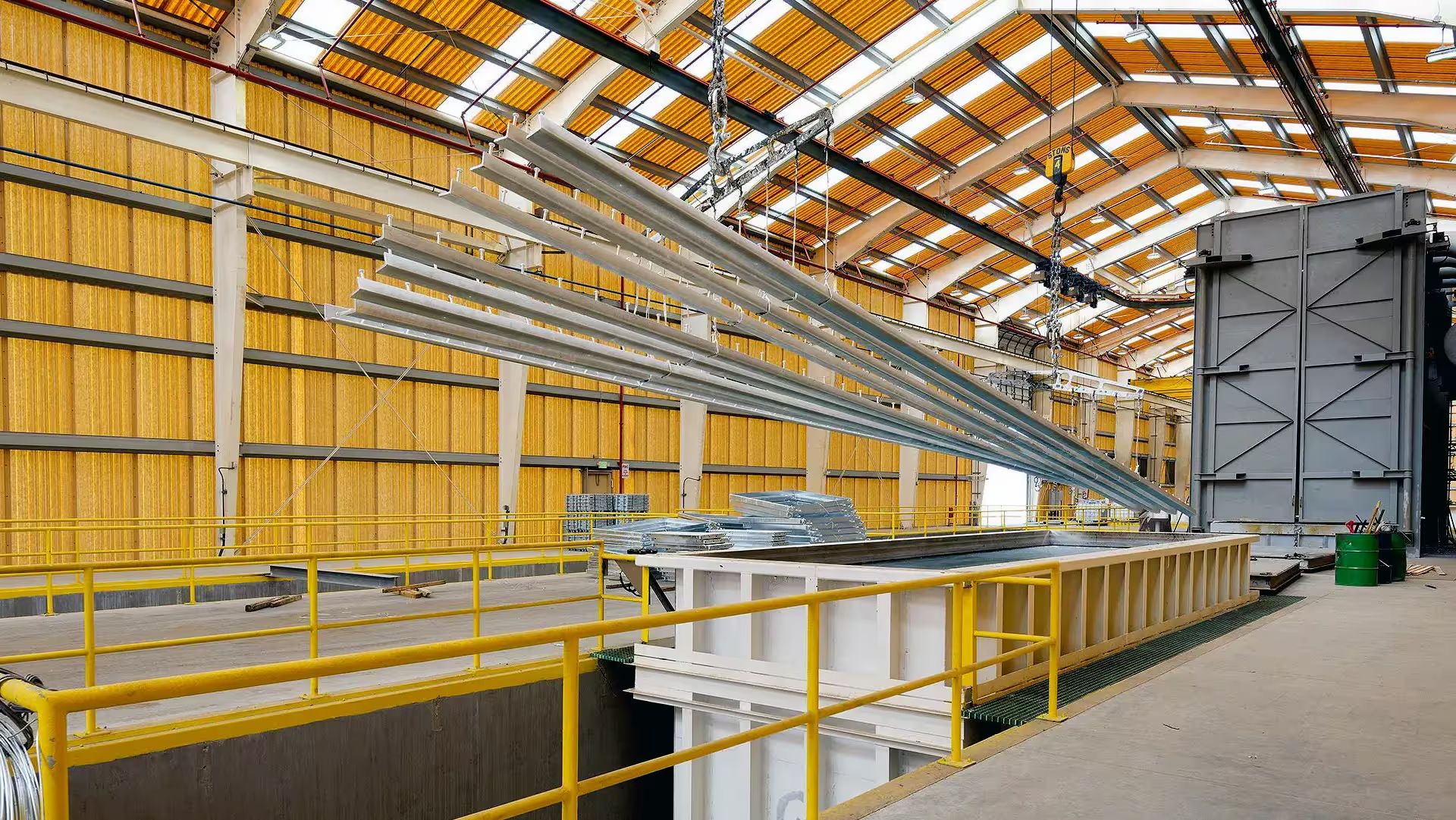
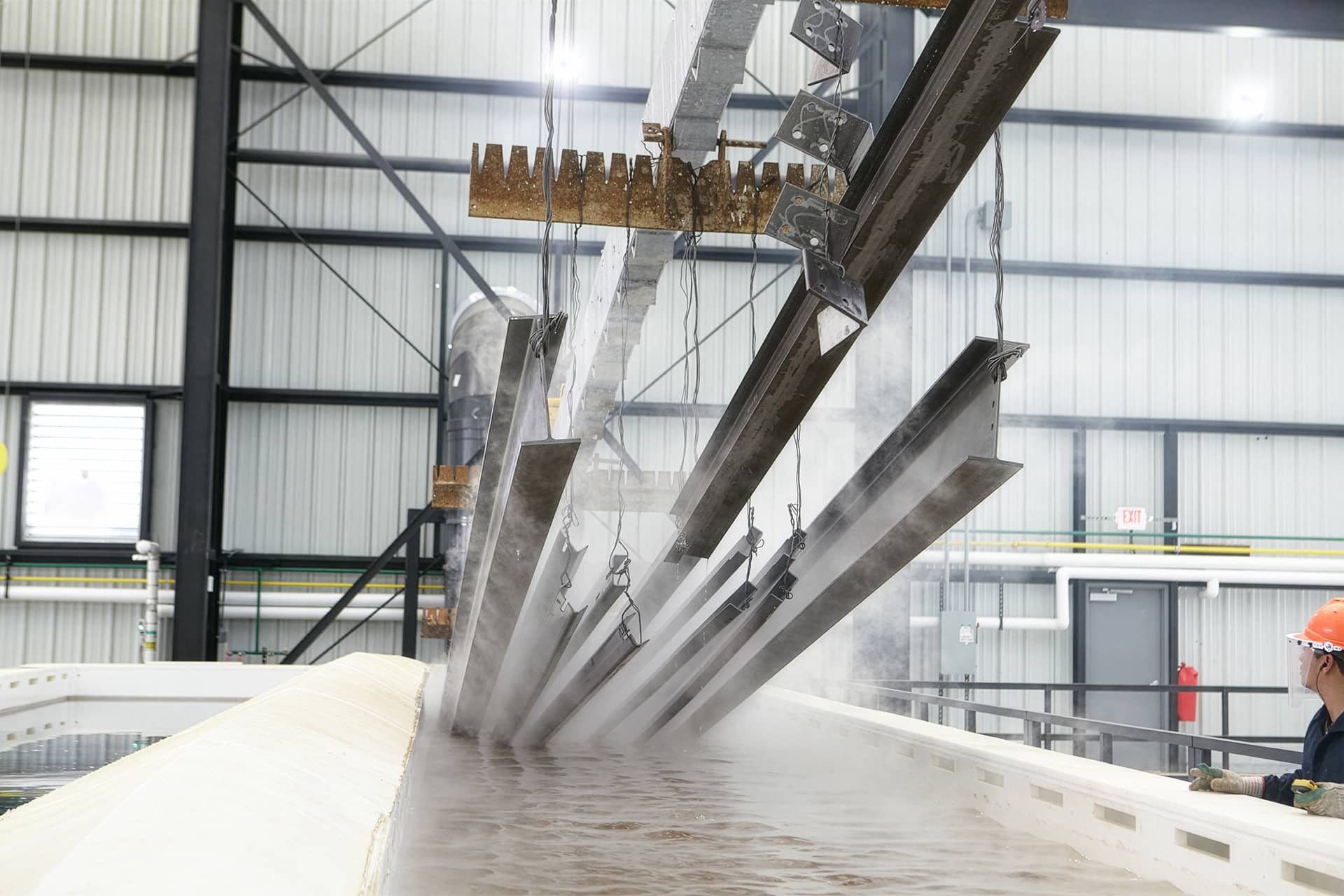
The IndyGo transit stations incorporated nearly 345,000 pounds of hot-dip galvanized steel to support durable, corrosion-resistant infrastructure built for long-term public use.
Attractive Infrastructure Encourages Ridership
People respond to their surroundings. Clean, modern, and thoughtfully designed public spaces influence how comfortable people feel using them, and transit systems are no exception.
A station that appears neglected or deteriorated can negatively affect how riders perceive the entire system. On the other hand, infrastructure that feels permanent, attractive, and well cared for can help reinforce confidence in public transportation and encourage broader community use.
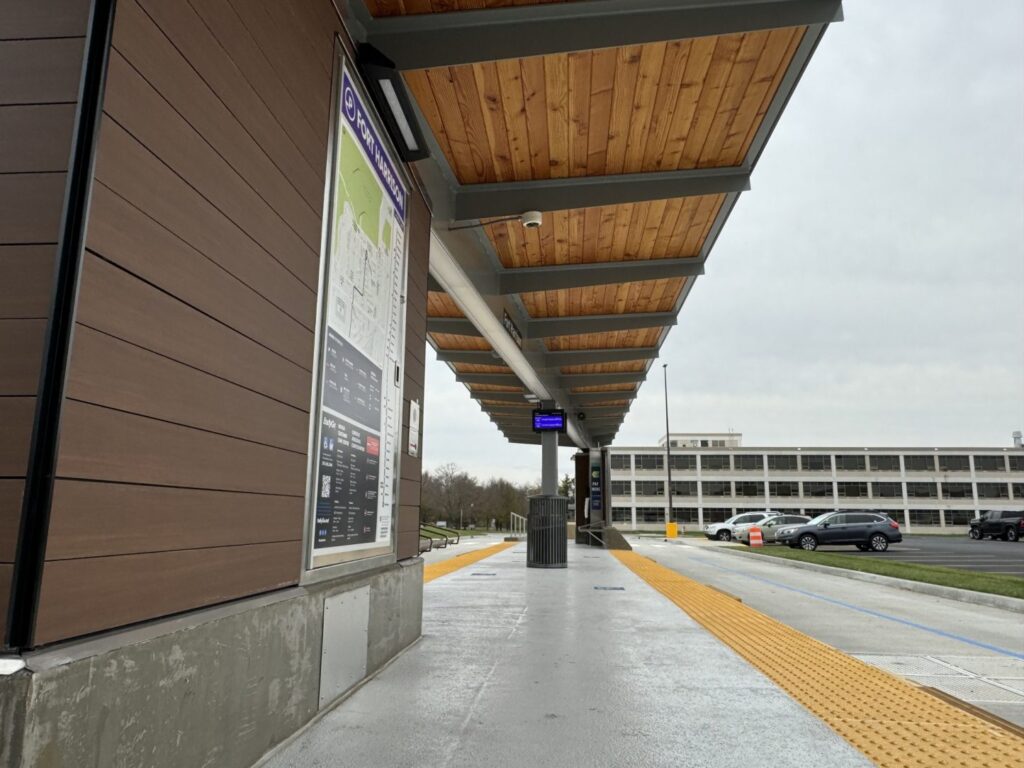
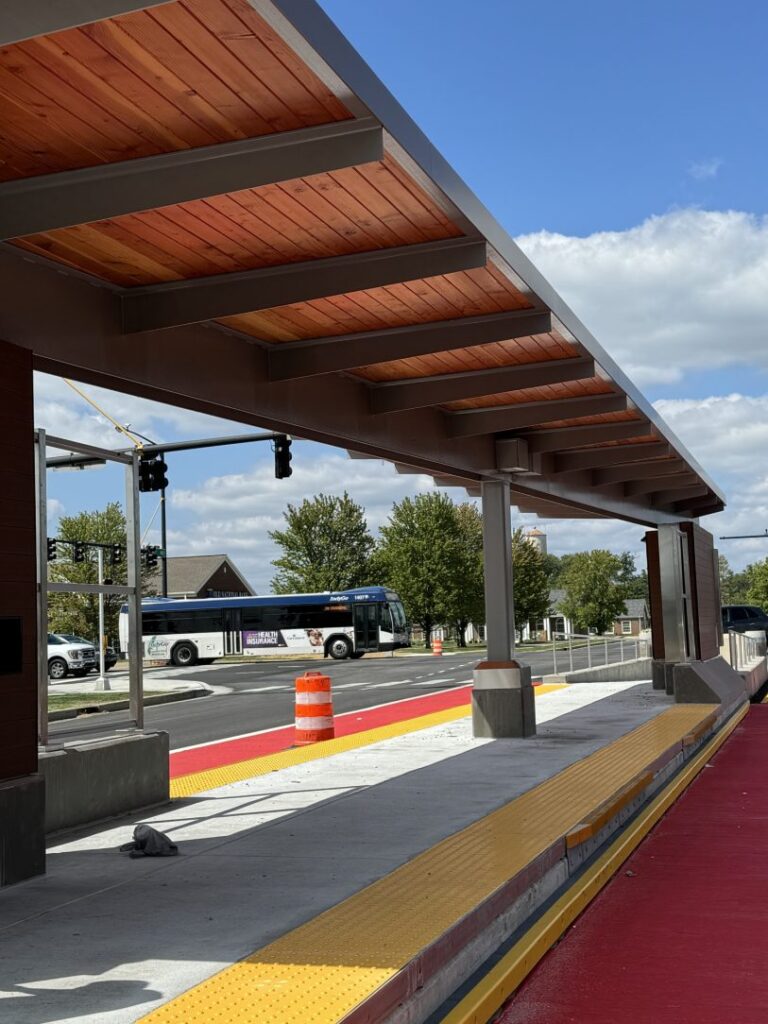
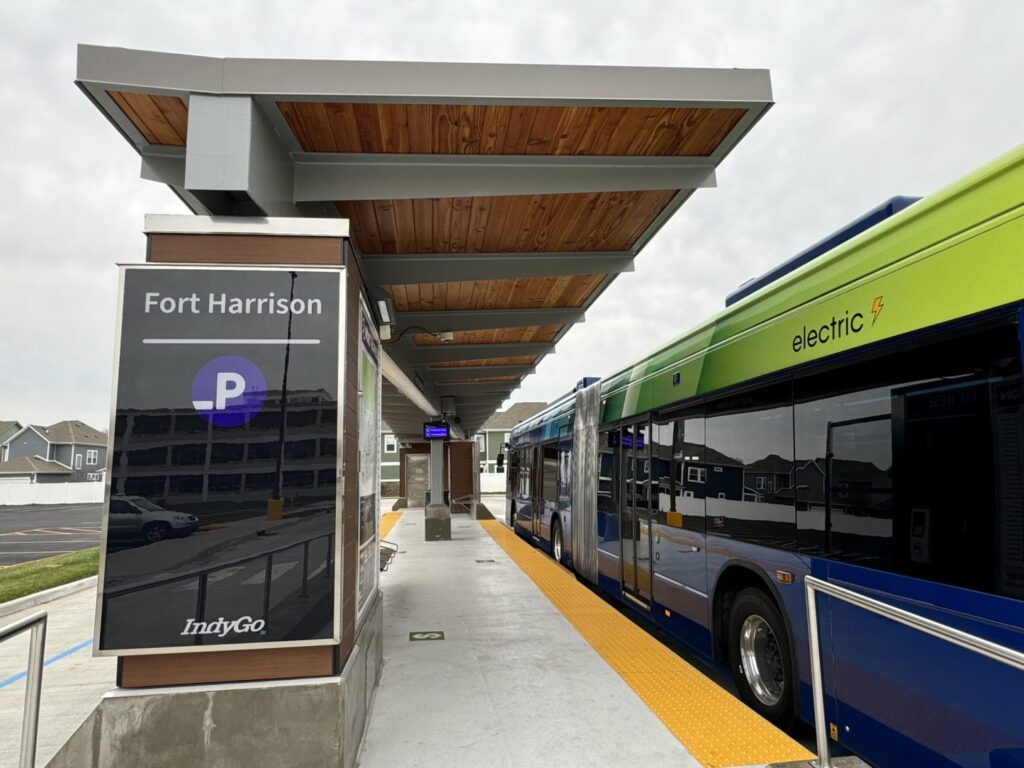
The IndyGo stations were designed with that experience in mind. Their modern canopies, clean structural lines, and cohesive appearance create stations that feel substantial and welcoming rather than temporary or purely utilitarian. In many ways, the stations communicate reliability before a rider ever steps onto a bus.
That investment in the rider experience supports a larger sustainability goal: making public transportation a more attractive option for everyday use.
Durability Supports Long-Term Sustainability
Creating sustainable infrastructure is not only about reducing emissions. It is also about building systems capable of performing reliably for decades while maintaining a clean, safe, and welcoming appearance for the public.
Public transit stations face constant exposure to rain, snow, humidity, UV exposure, road salt, and daily public interaction. Over time, corrosion and visible deterioration can affect not only maintenance costs, but also how riders perceive the quality and reliability of the transit system itself.
Hot-dip galvanizing helped address those concerns by providing long-term corrosion protection for the structural steel supporting the stations. The project also incorporated a duplex coating system combining galvanizing with paint to provide additional durability and a refined architectural finish.
This approach helps preserve the appearance and performance of the stations over time while reducing the need for ongoing maintenance and repair. The result is infrastructure designed not only to function well, but also to continue creating a positive rider experience for years to come.
For more information and project photography, visit the American Galvanizers Association Project Gallery entry for IndyGo Bus Transit Stations.