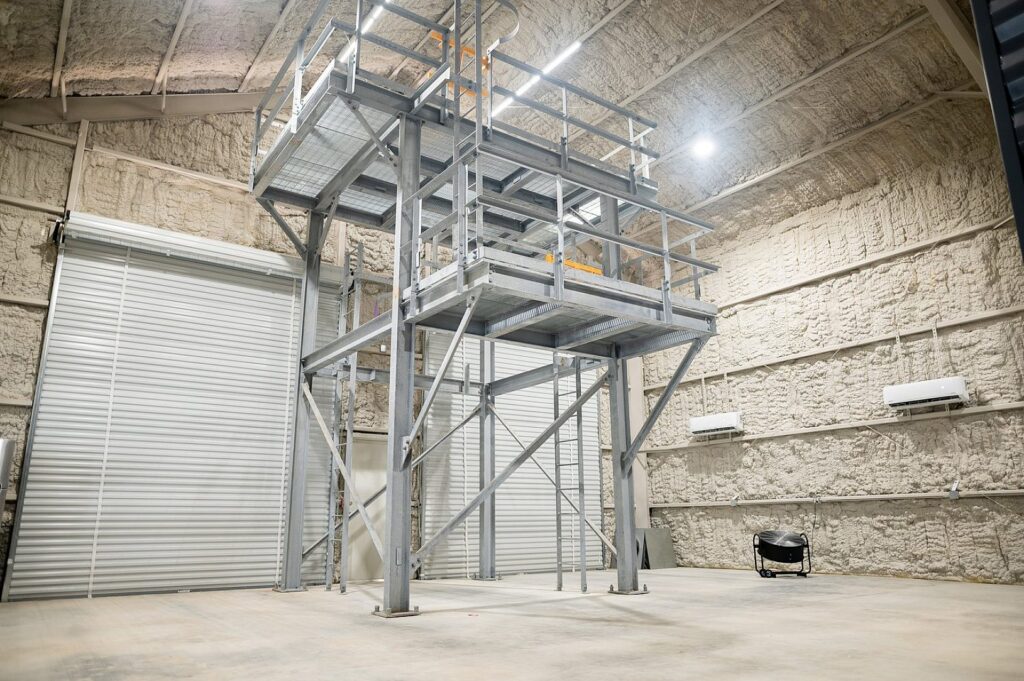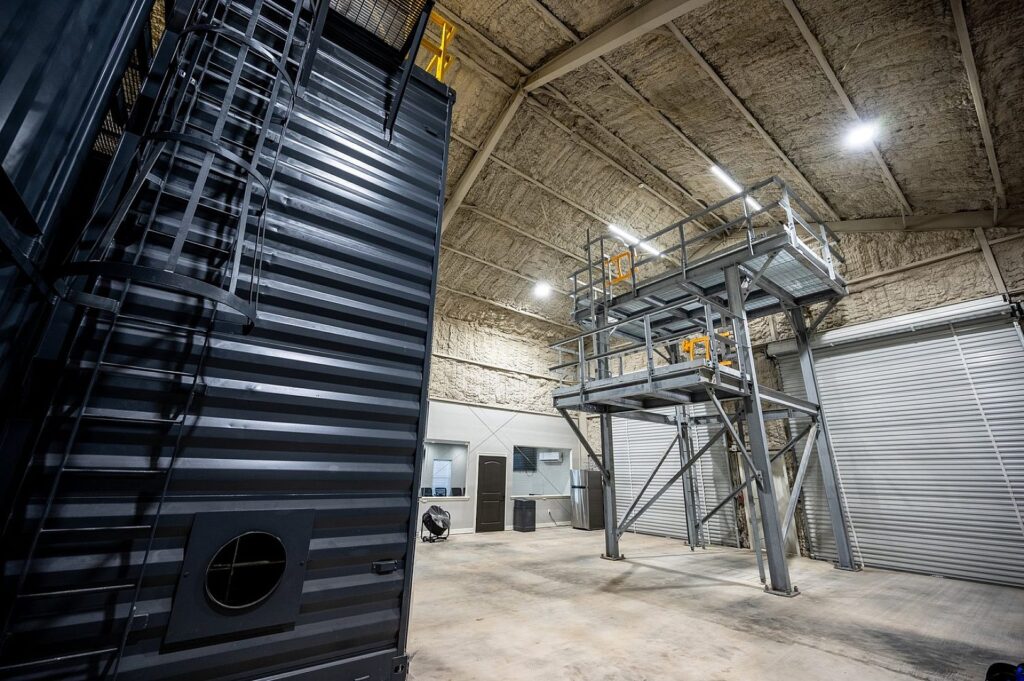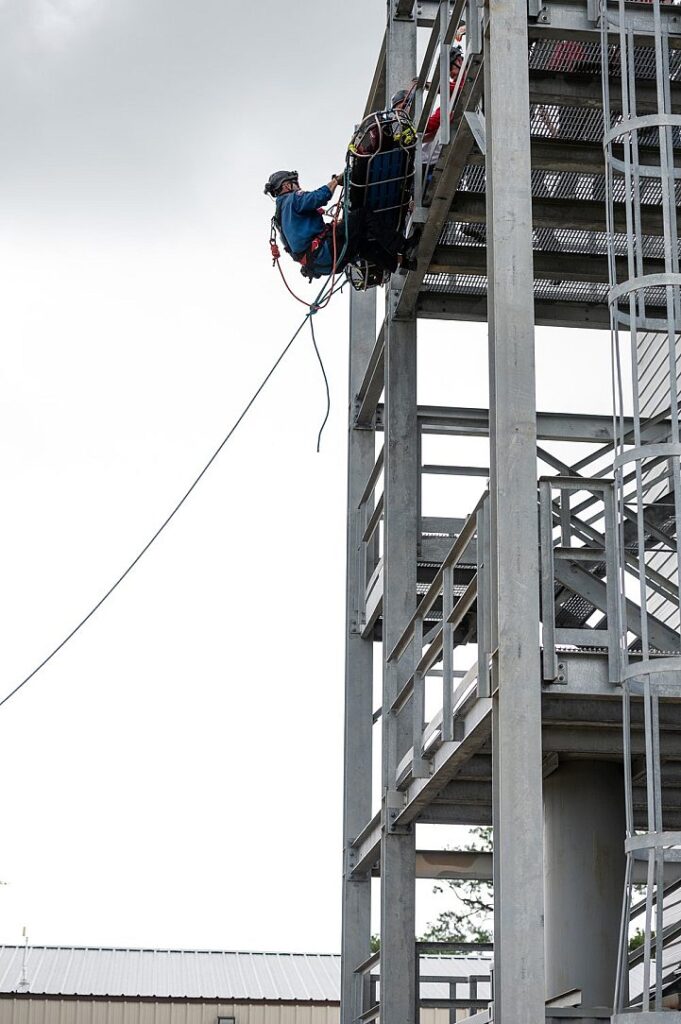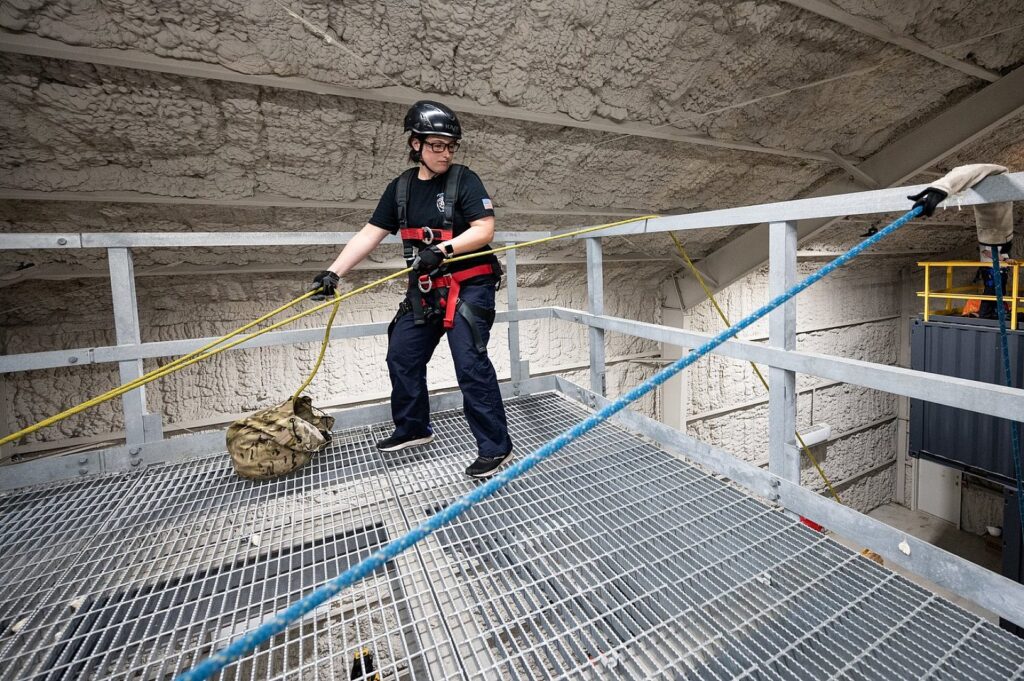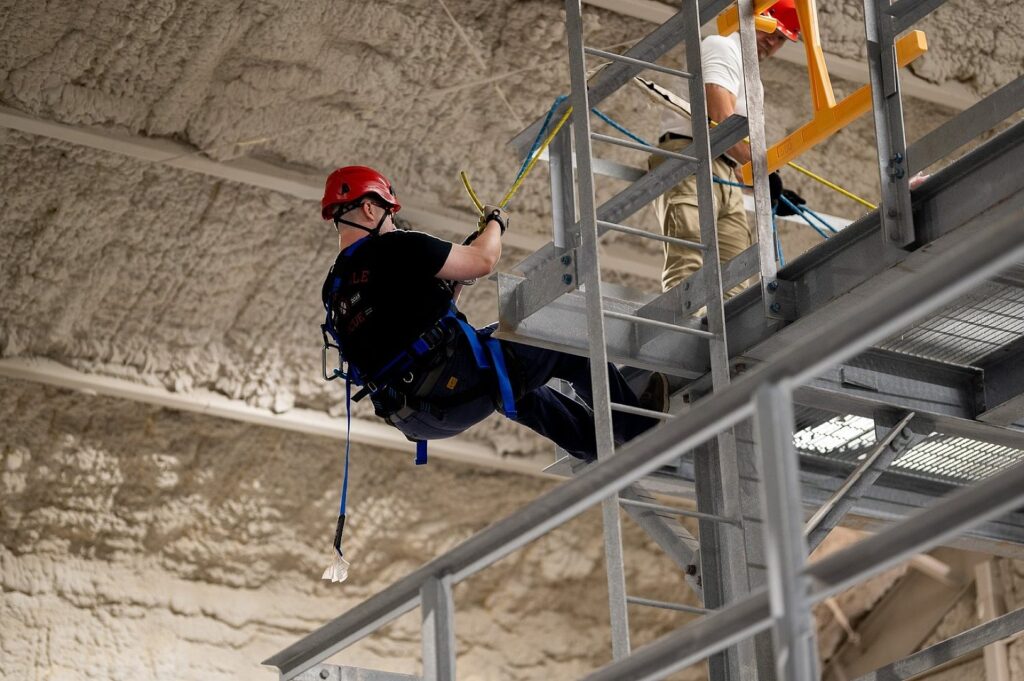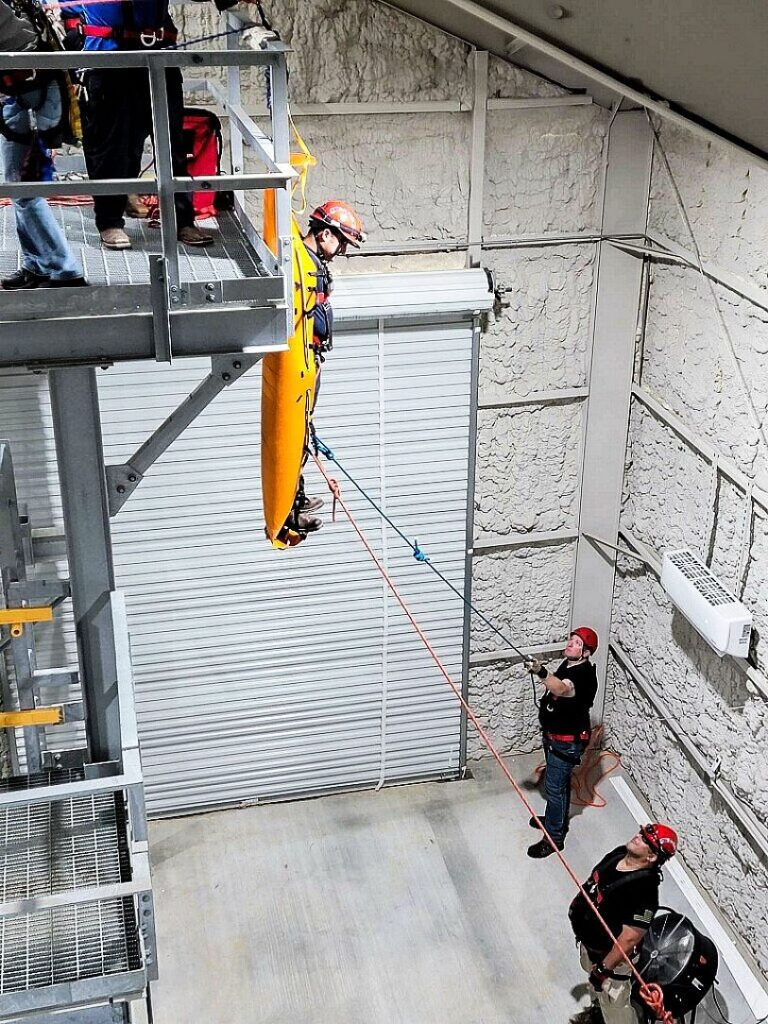
These structures simulate various industrial emergencies, such as chemical spills and flammable liquid fires, allowing workers to practice recognizing and responding to specific hazards they may encounter in their daily operations. The simulations extend to confined spaces and high-risk scenarios, enabling workers to develop skills in navigating challenging environments while ensuring their safety.
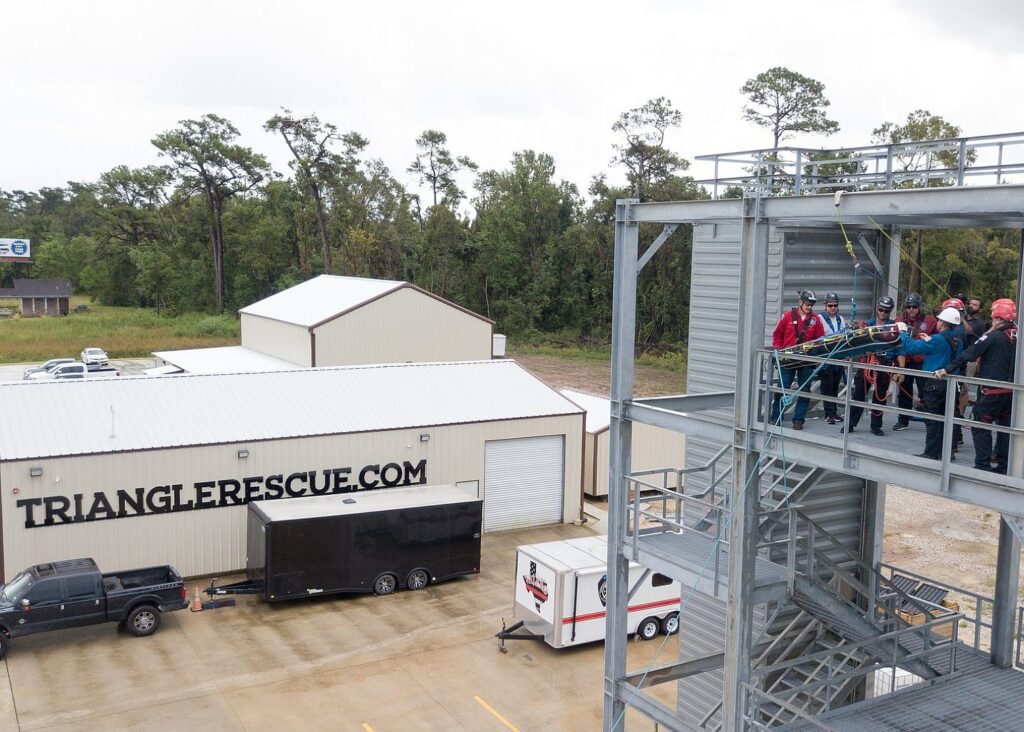
In Orange, Texas, Triangle Rescue provides the latest and most technologically advanced training on the market. As a key component of instruction, indoor and outdoor training towers help in providing hands-on training for all unforeseen, unplanned, and unexpected occurrences within industrial and petrochemical environments.
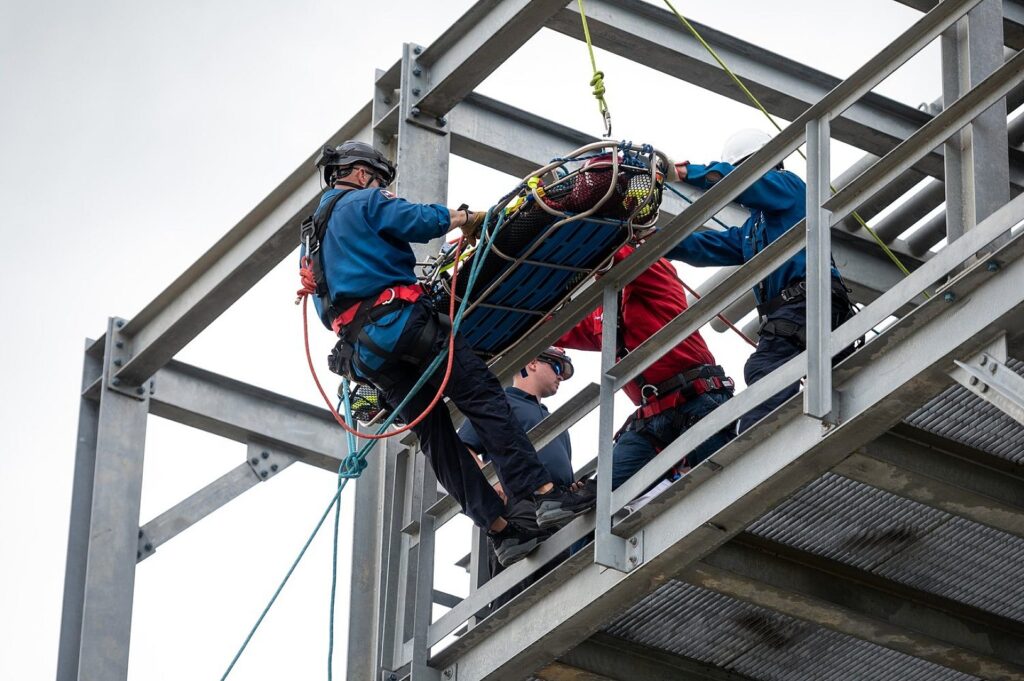
Training is offered for hazmat, rescue, confined space, fire, medical, and most all emergency incidents. Offering training to a wide variety of businesses, companies, and corporations. Including Chevron, Martin Gas, Shell, and Air Liquide. The structures range from 22’ to 40’ tall and provide more practical training in the local industrial plants and give students a chance to work in a real-world setting. These training towers have a clean sleek design and are very effective in rope rescues.
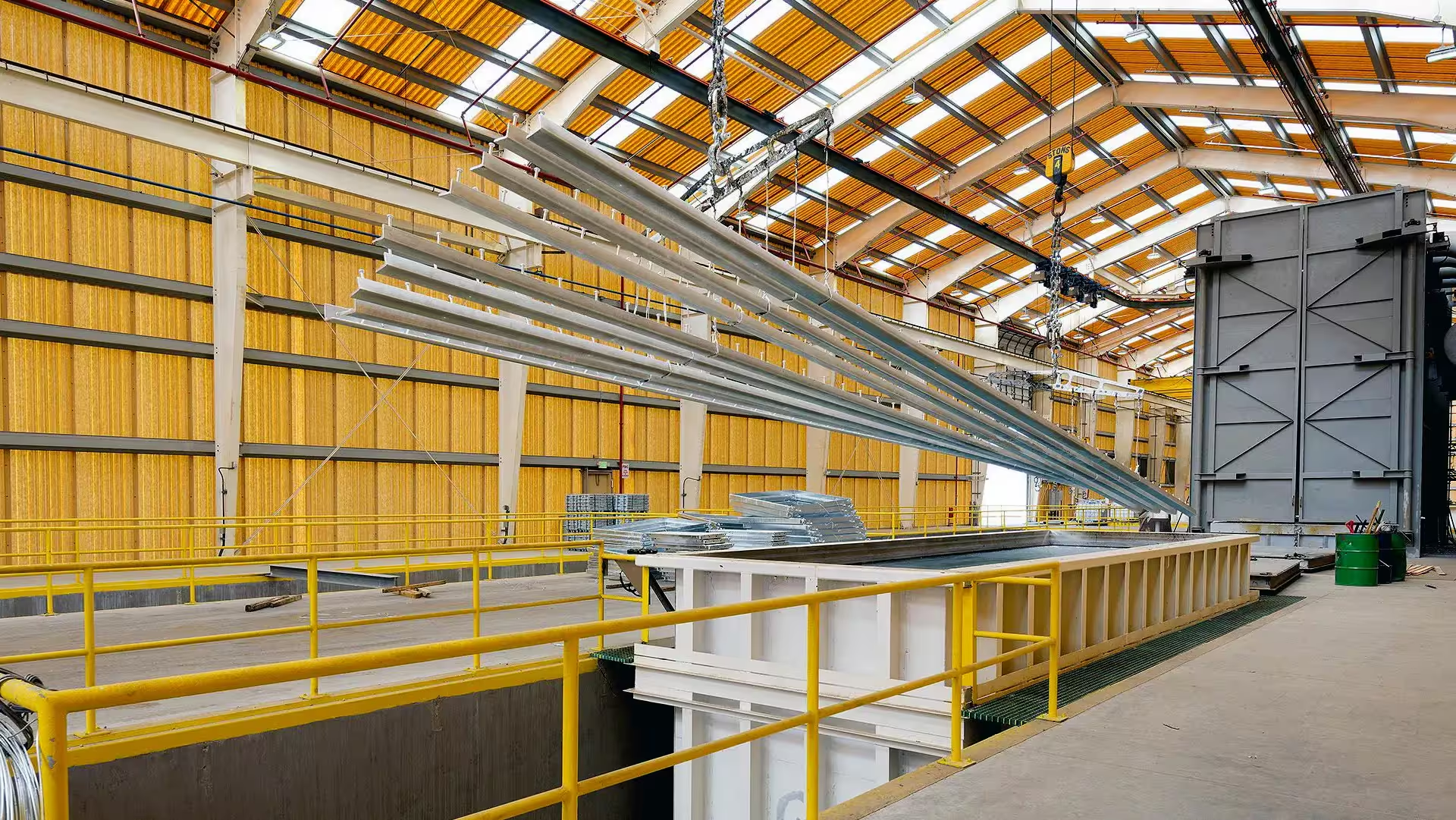
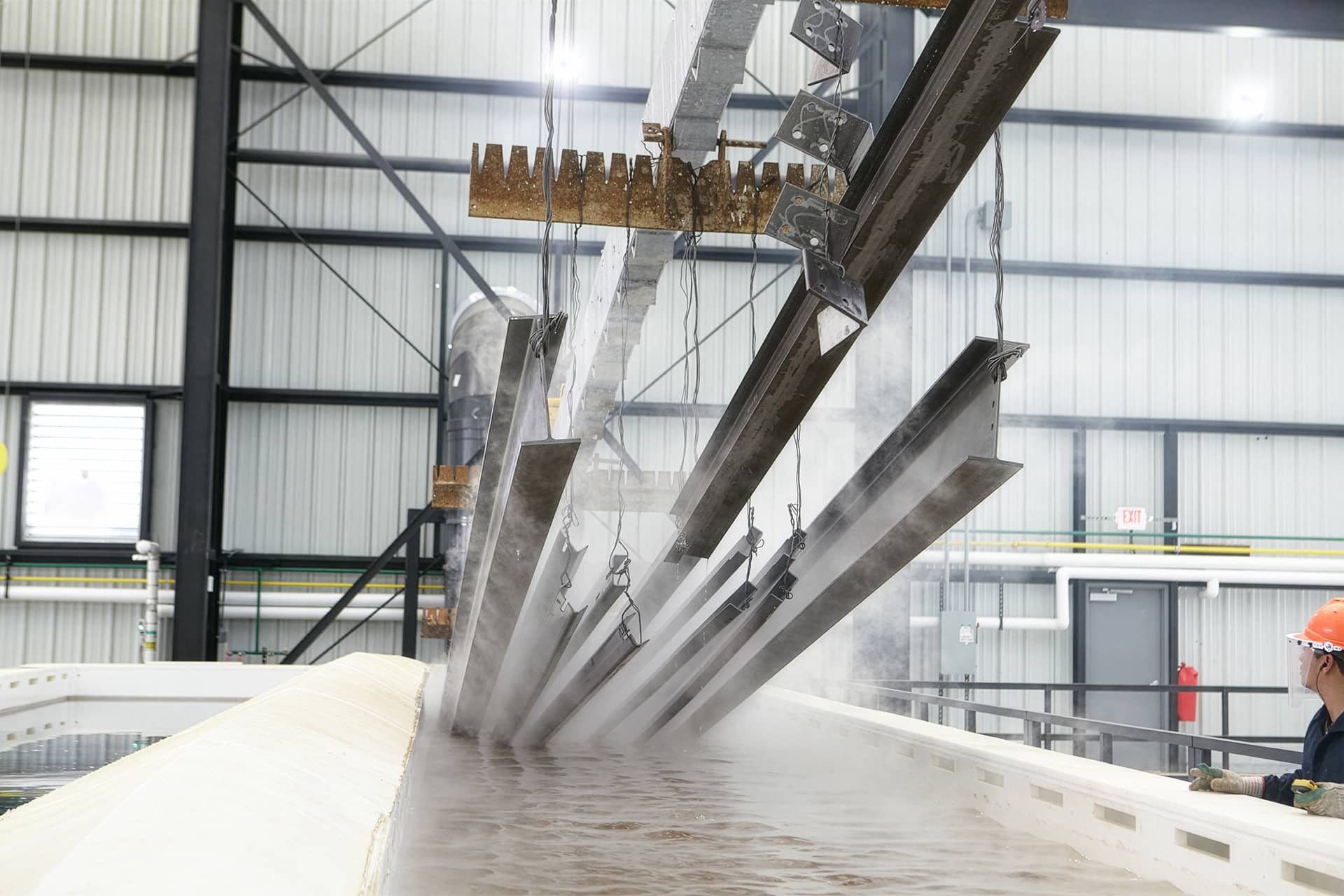
To protect the towers, hot-dip galvanizing (HDG) was selected due to its exceptional corrosion resistance, providing a durable shield against the harsh environmental conditions to which these structures are often exposed. At Triangle Rescue’s outdoor training facility, for example, towers might be exposed to rain, wind, sunlight, and temperature variations to provide a more realistic training environment for emergency responders. The virtually maintenance-free nature of HDG ensures that rescue training towers remain functional, reliable over an extended period, particularly beneficial for structures located in remote areas where access for maintenance may be challenging.
HDG's longevity and uniform coating contribute to structural integrity, withstanding the intense heat generated during simulated fire scenarios without degrading or peeling. Despite a potentially higher initial cost than paint, HDG proves cost-effective in the long run, as it minimizes the need for frequent inspections, repairs, and premature replacements. Moreover, its environmentally friendly attributes align with sustainability considerations in construction materials.
The comprehensive protection offered by HDG coatings equips training towers with the resilience needed for realistic training exercises, providing first responders with a controlled environment that mirrors real-world conditions. This ensures that these vital structures consistently perform at their best, enhancing the preparedness of first responders and, ultimately, bolstering safety and security in communities.
Rescue training towers significantly enhance the safety of workers in petrochemical and industrial plants by providing a controlled environment for realistic emergency response training.