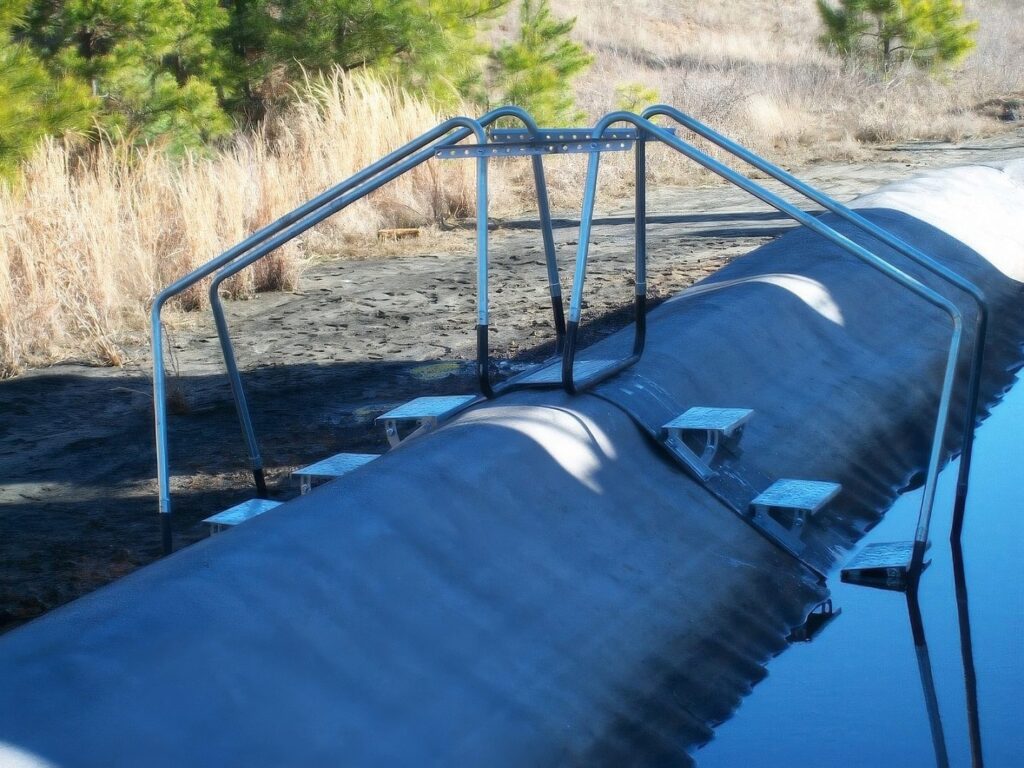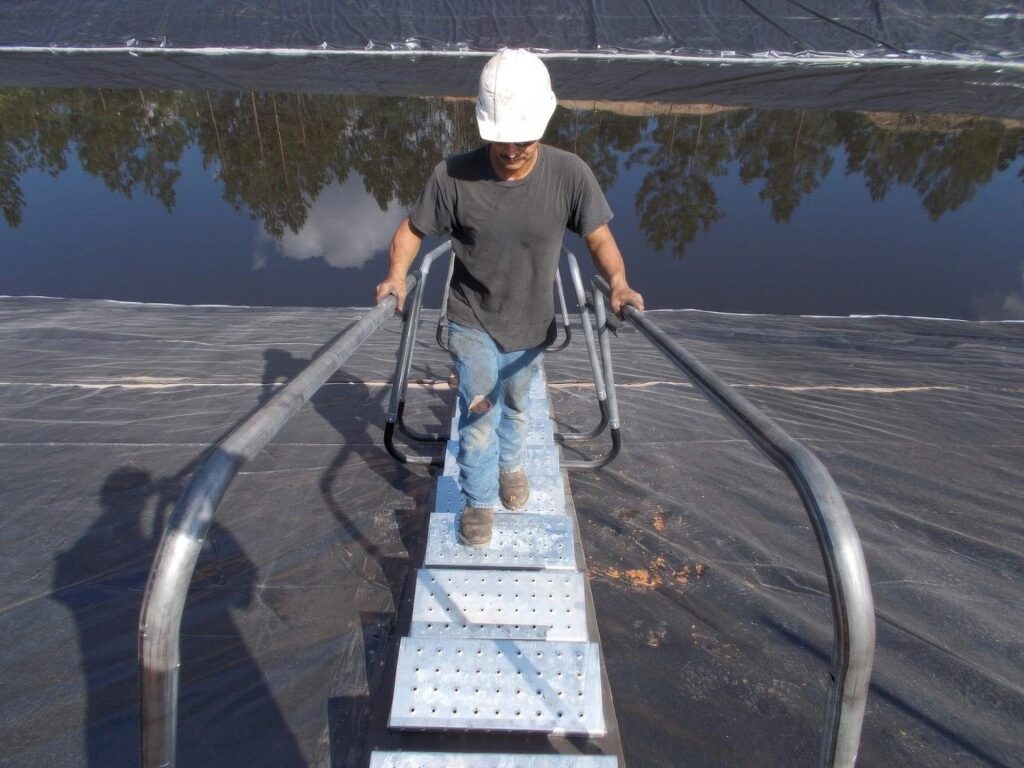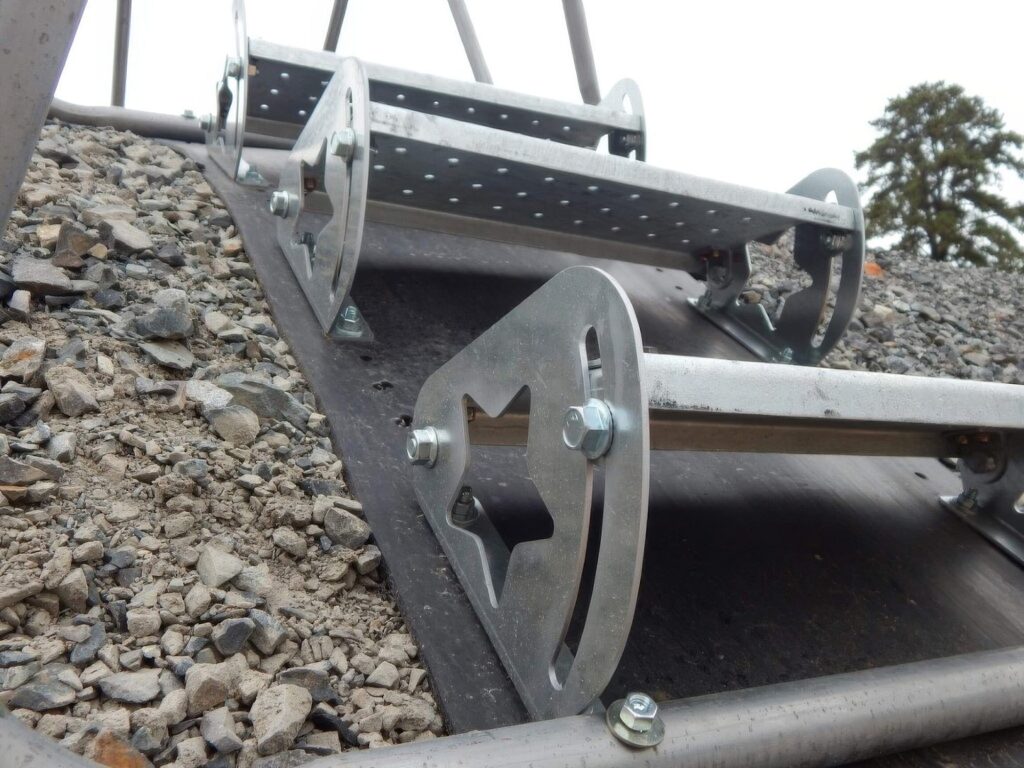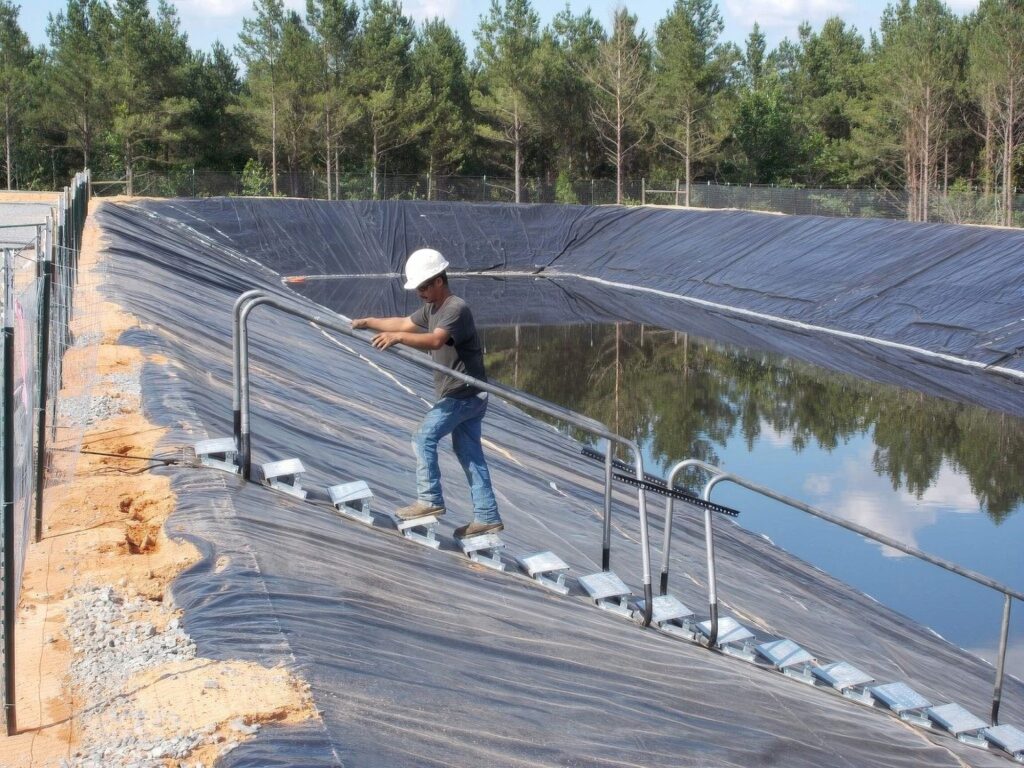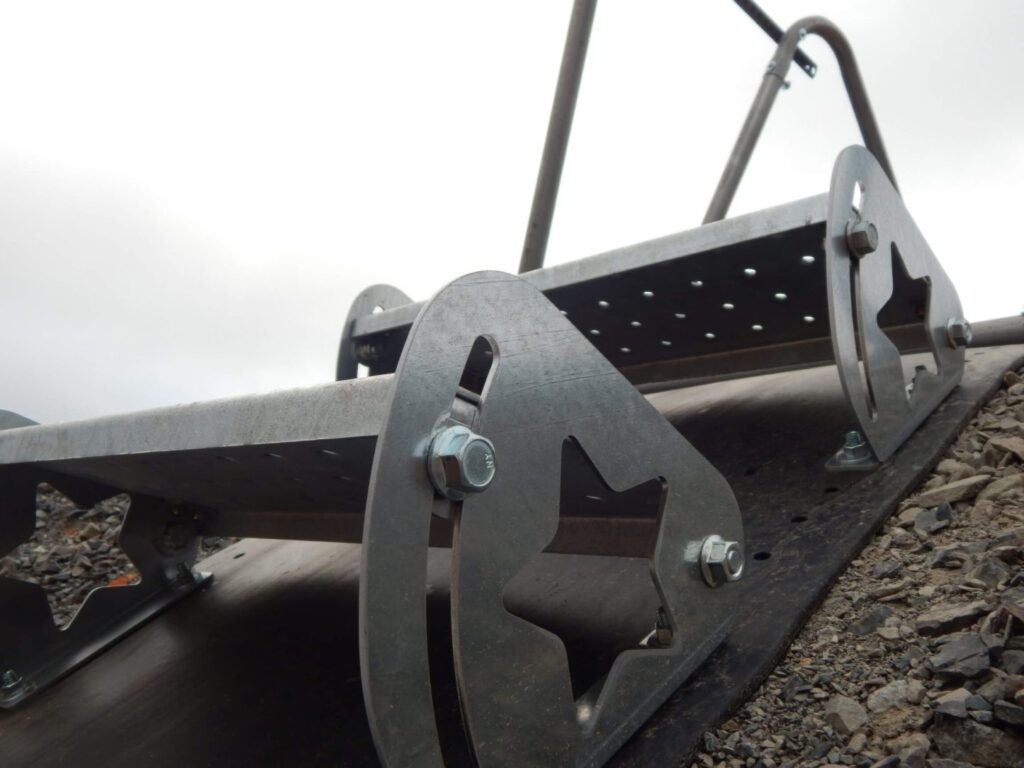
The Flexstep Containment Wall Catwalk Crossover, developed by The FlexStep, Inc. in Garrison, Texas, is a groundbreaking solution in the industrial safety equipment market. It combines safety and efficiency for accessing containment walls, featuring an adjustable, transportable stairway system for secure and convenient use. Its standout feature is a non-abrasive design, crafted from galvanized steel, which minimizes the risk of damage to fragile liners, protects critical containment systems, and ensures compliance with safety standards. Collaboration with the galvanizer can leverage the combined knowledge to identify potential challenges and develop solutions early in the design process. Fabricator involvement in design for hot-dip galvanizing leads to better-protected, longer lasting, and more aesthetically pleasing product. By incorporating galvanizing considerations from the outset, the fabricator was able to significantly improve the overall quality and value of their products.
Containment catwalks and steps are often exposed to harsh environmental conditions, such as moisture, chemicals, and extreme temperatures. These factors can cause untreated steel to corrode over time, leading to structural degradation and safety risks. Hot-dip galvanized (HDG) coatings provide a robust barrier against corrosion, significantly extending the lifespan of the metal. When exposed to air and moisture, zinc forms a protective zinc carbonate coating that helps prevent the underlying steel from rusting. Even if the coating is scratched or damaged, the zinc will continue to offer cathodic protection, preventing rust from spreading.
Galvanized steel is known for its durability, making it an excellent choice for high-traffic areas such as catwalks and steps. These surfaces must endure frequent foot traffic, vibrations, and potential impacts. The galvanized coating can withstand wear and tear without compromising its protective qualities, ensuring the structure remains safe and functional for years. The long-term benefits of hot-dip galvanizing make it a cost-effective solution. Galvanized steel's durability and low maintenance requirements significantly reduce repair and replacement expenses, offering a better return over the structure's lifespan.
Galvanizing is a sustainable choice due to the recyclability of steel and zinc. The long lifespan of galvanized structures reduces the need for frequent replacements, minimizing waste and resource consumption. This makes galvanized coatings an eco-friendly option for industrial applications, aligning with the industry's growing focus on sustainability.
Many industries, such as petrochemicals, water treatment, and manufacturing, have strict safety and durability standards for containment structures. Galvanized coatings help ensure compliance with these regulations, providing reliable performance in demanding environments. Hot-dip galvanizing offers unmatched protection for containment catwalks and steps, making them a superior choice for industrial applications.
The Flexstep Containment Wall Catwalk Crossover is more than just an access solution—it’s a game-changer for industrial environments. With its innovative features and emphasis on safety, durability, and efficiency, the Flexstep is the ideal choice for industries requiring reliable access solutions. By combining ease of use with superior performance, backed by the protective benefits of galvanizing, it provides peace of mind for operators and facility managers alike, making it an indispensable tool in maintaining operational integrity in demanding environments.