Once the metal is cleaned, treated, and painted, the strip is rewound into a coil size prescribed by the customer. From there, the coil is removed from the line and packaged for shipment or additional processing.
After the primer is applied and cured, then the metal strip enters the finish coat station where a topcoat is applied. Topcoats provide color, corrosion resistance, durability, flexibility and any other required physical properties. Like primers, the topcoat is cured using thermal cure ovens.
Oven
Coil coating ovens can range from 130 feet to 160 feet and will cure the coatings in 13 to 20 seconds.
During this stage, the strip enters the prime coat station whereby a primer is applied to the clean and treated metal. After the primer is applied, the metal strip travels through a thermal oven for curing. Primers are used to aid in paint adhesion, improve corrosion performance and enhance aesthetic and functional attributes of the topcoat.
S Wrap Coater
The S wrap coater design allows for primers and paints to be applied to the top and back side of the metal strip simultaneously in one continuous pass.
The cleaning and pretreating section of the coil coating process focuses on preparing the metal for painting. During the cleaning stage, dirt, debris, and oils are removed from the metal strip. From there, the metal enters the pretreatment section and/or a chemical coater whereby chemicals are applied to facilitate paint adhesion and enhance corrosion resistance.
Dried-In-Place
In this stage a chemical that provides enhanced corrosion performance is applied. This treatment can be chrome free if required.
The accumulator is a structure that adjusts up and down to store material, which makes continuous operation of the coil coating process possible. This accumulation will continue to feed the coil coating processes while the entry end has stopped for the stitching process. As much as 750 feet of metal can be collected.
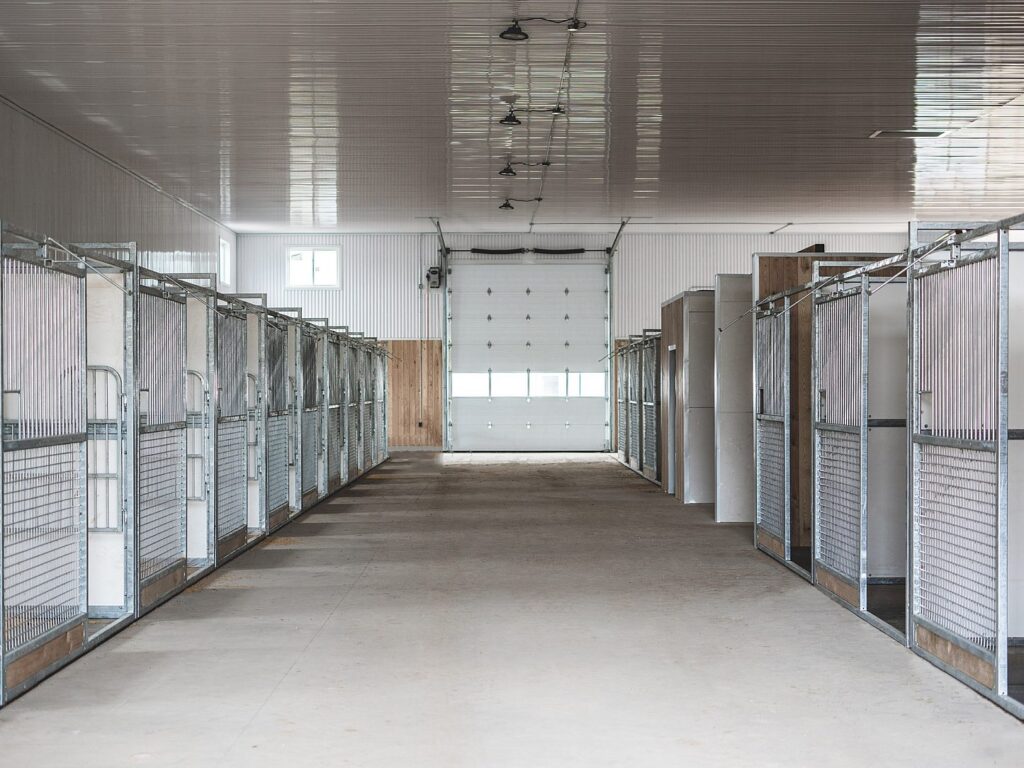
Gregg McNair Standardbred Training Facility Renovation
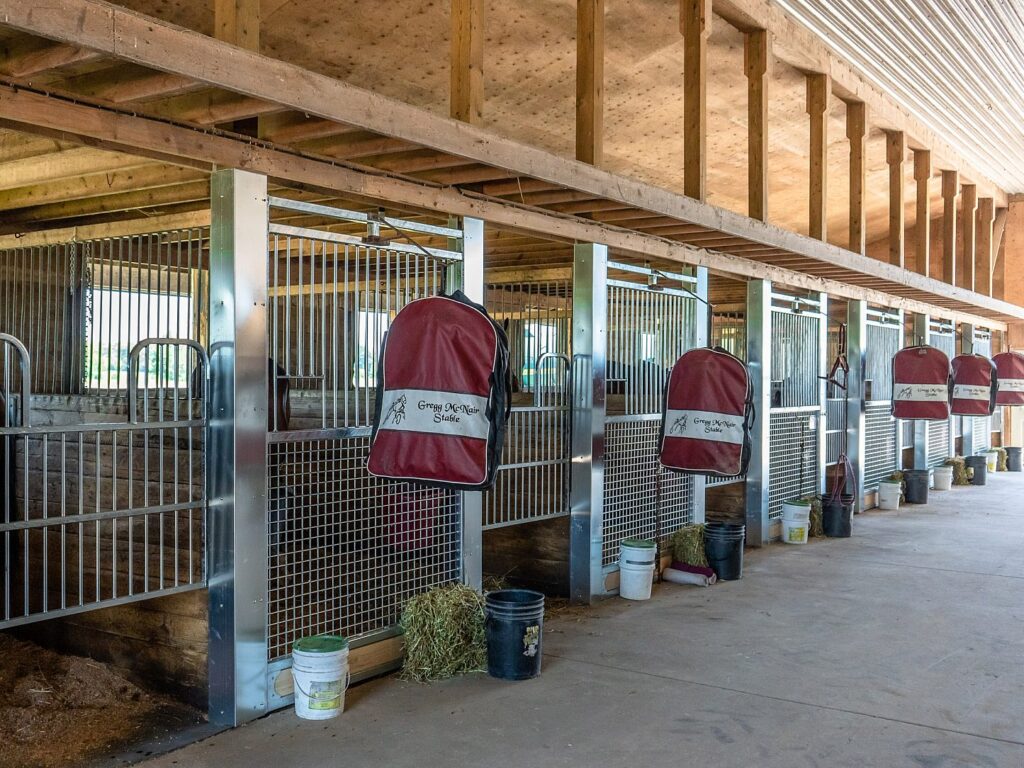
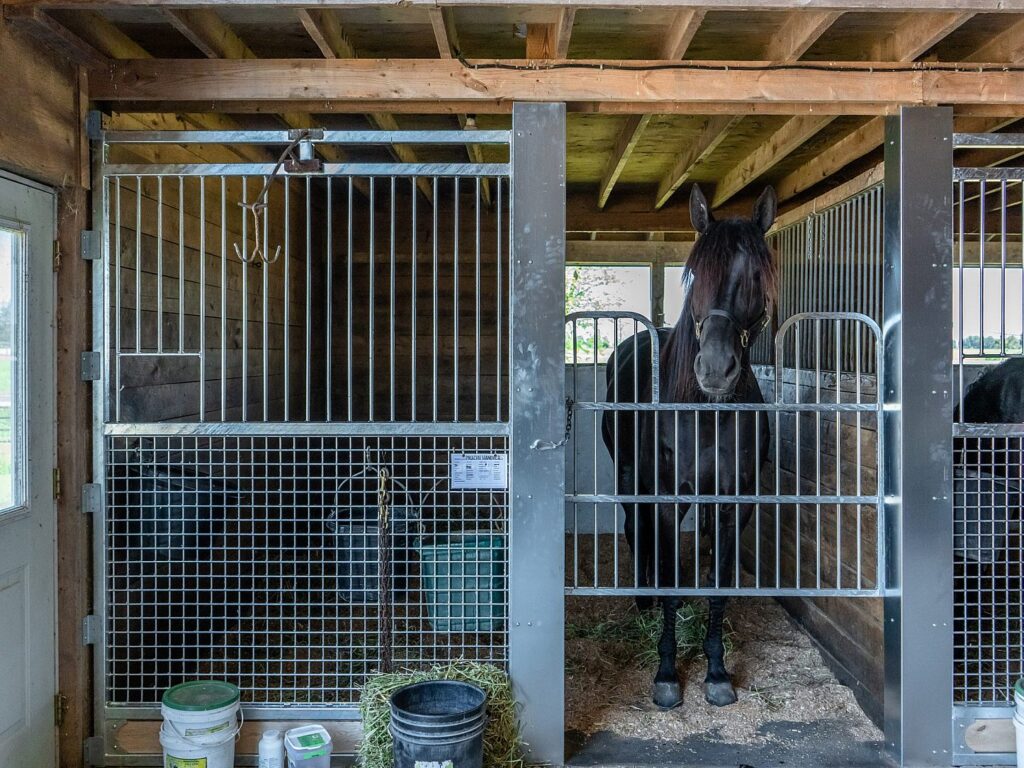
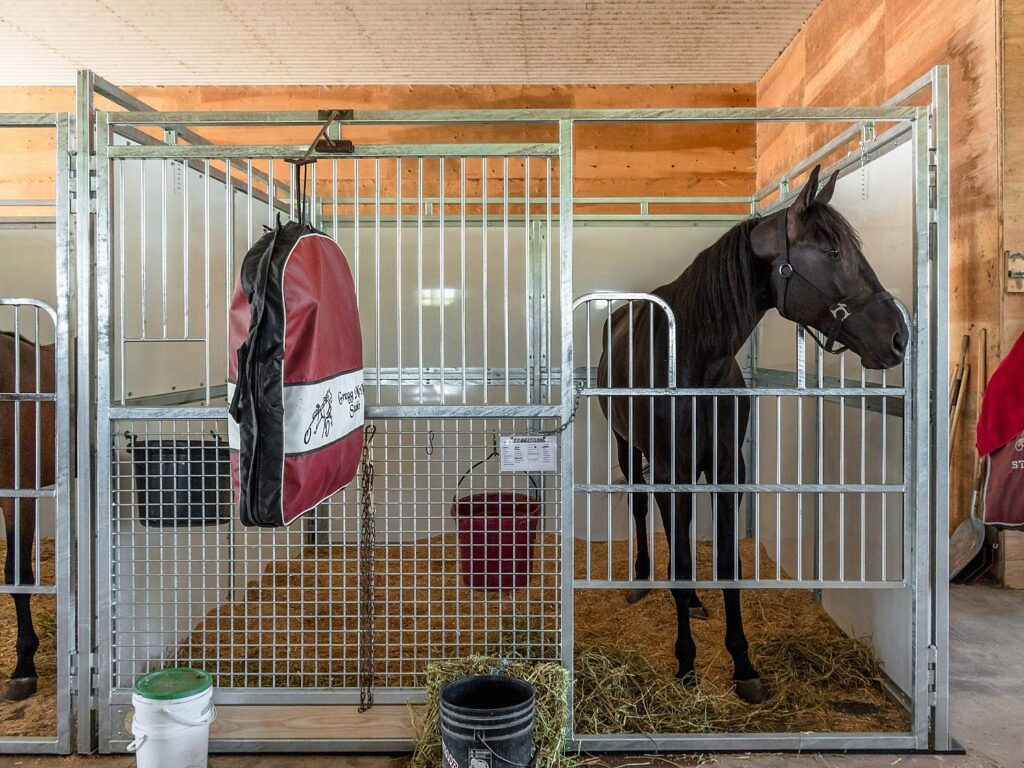
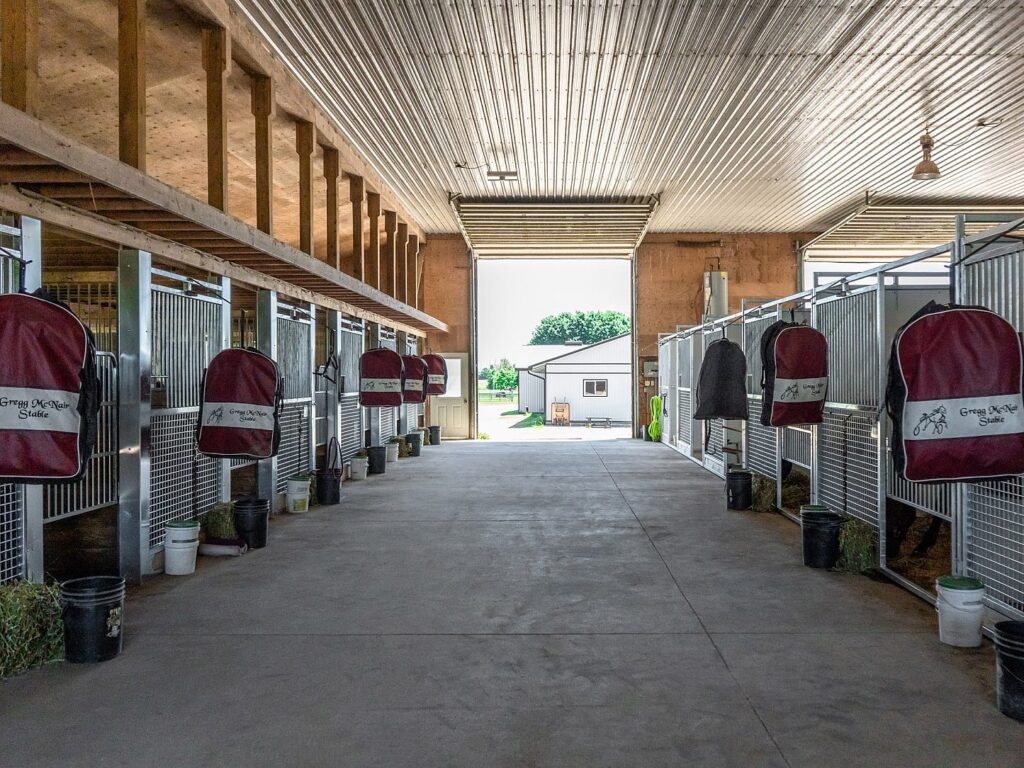
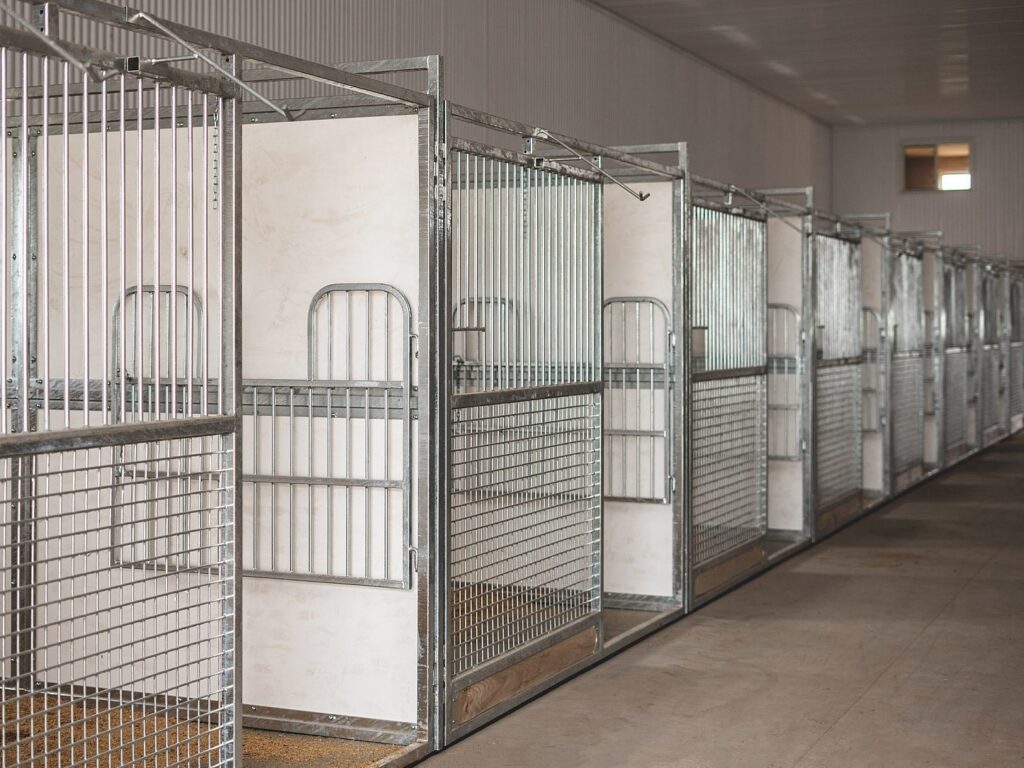
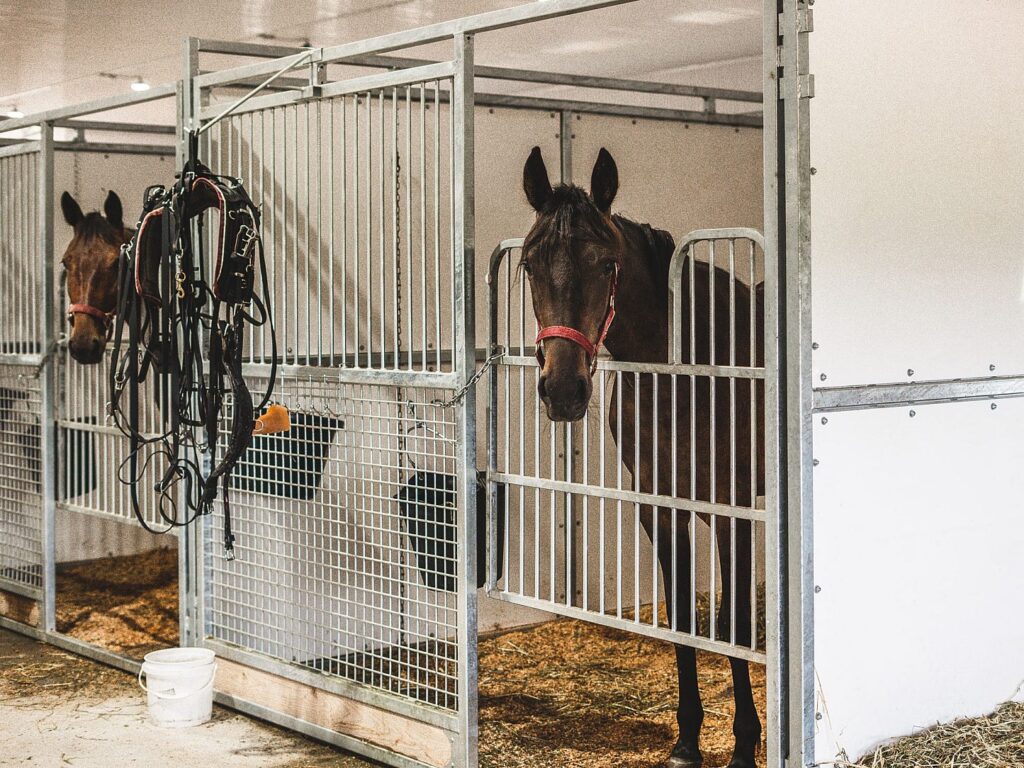
Gregg McNair Stable is a top-tier standardbred training facility known for its efficiency and success in the WEG circuit. Recently, the facility underwent a major renovation and the addition of a new barn, both of which incorporated Custom Finish Line galvanized horse stalls.
These galvanized stalls were chosen to meet the high-performance needs of the facility, offering corrosion protection, durability, and low-maintenance benefits that ensure the barn can withstand the rigors of daily use. With a blend of functionality, strength, and aesthetic appeal, this project highlights how galvanized steel can elevate equine care facilities to new standards of efficiency and longevity.
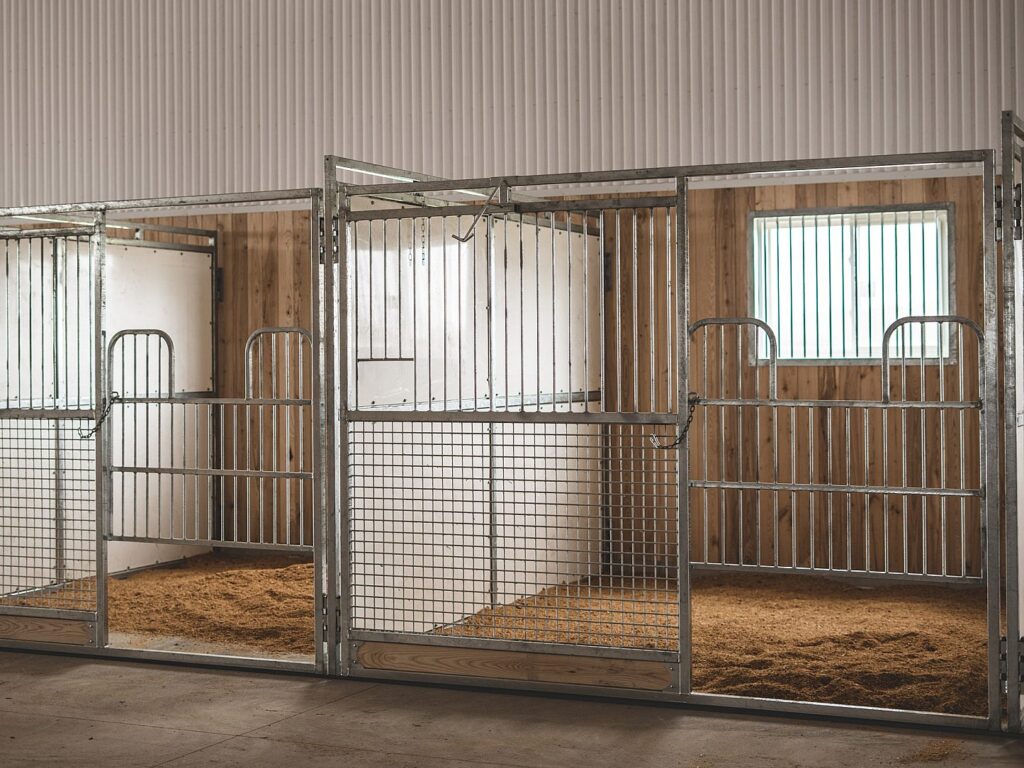
The purpose of the Gregg McNair Stable project was to create a secure, durable, and efficient environment for both horses and caretakers. Given the demanding nature of a Standardbred training facility, where daily cleaning and exposure to moisture are a constant, the decision to use hot-dip galvanized steel was crucial. Galvanizing was chosen for its corrosion resistance, which ensures the longevity of the barn’s infrastructure, reducing maintenance needs and repair costs. The galvanized horse stalls, combined with mesh-bottom stall fronts, create a functional space that promotes airflow, reduces waste buildup, and keeps the environment clean and comfortable for the horses.
The project also incorporated chew-proof post covers and Competition puckboard partitions, all of which were designed to provide a low-maintenance, durable, and easy-to-clean environment. The galvanized steel components not only meet the facility’s current needs but also contribute to its long-term sustainability by reducing the frequency of repairs and replacements. With its commitment to quality, the project ensures that Gregg McNair Stable can continue to operate efficiently, serving as a model for other high-performance barns in the industry. Thanks to hot-dip galvanizing, this stable is now a reliable, secure, and environmentally friendly facility that will stand the test of time, benefiting future generations of horses and caretakers.
In a high-performance environment where every detail matters, choosing galvanized steel wasn’t just about durability. It was about making sure our barn stays strong, secure, and reliable for years to come, no matter the daily wear and tear.