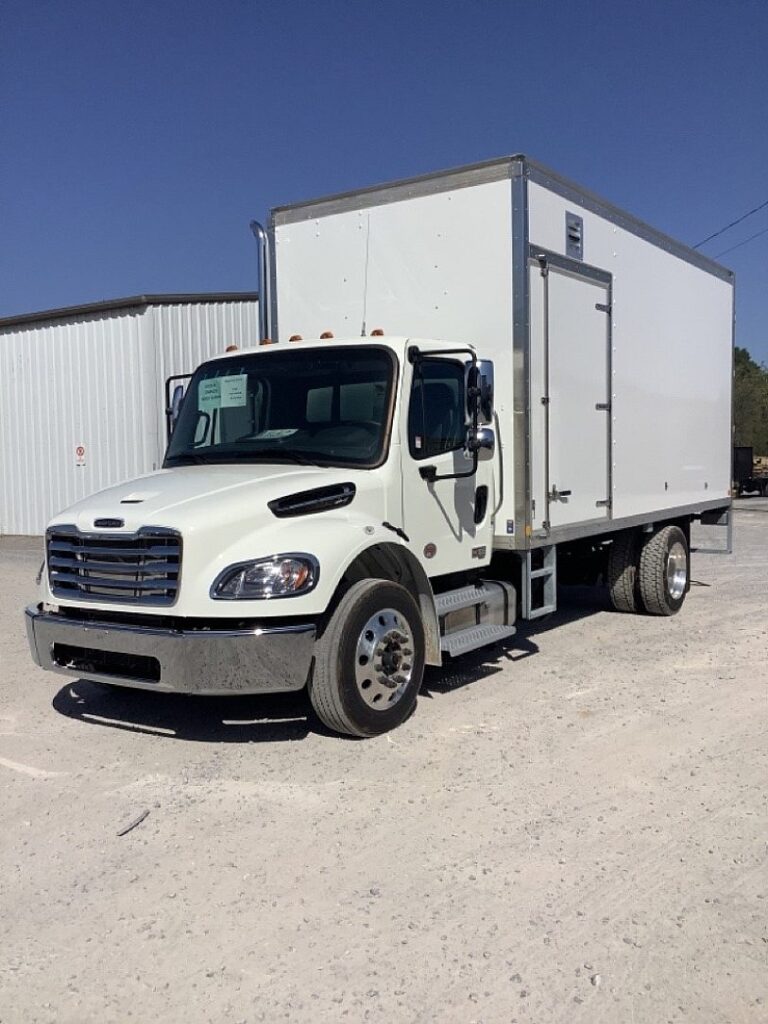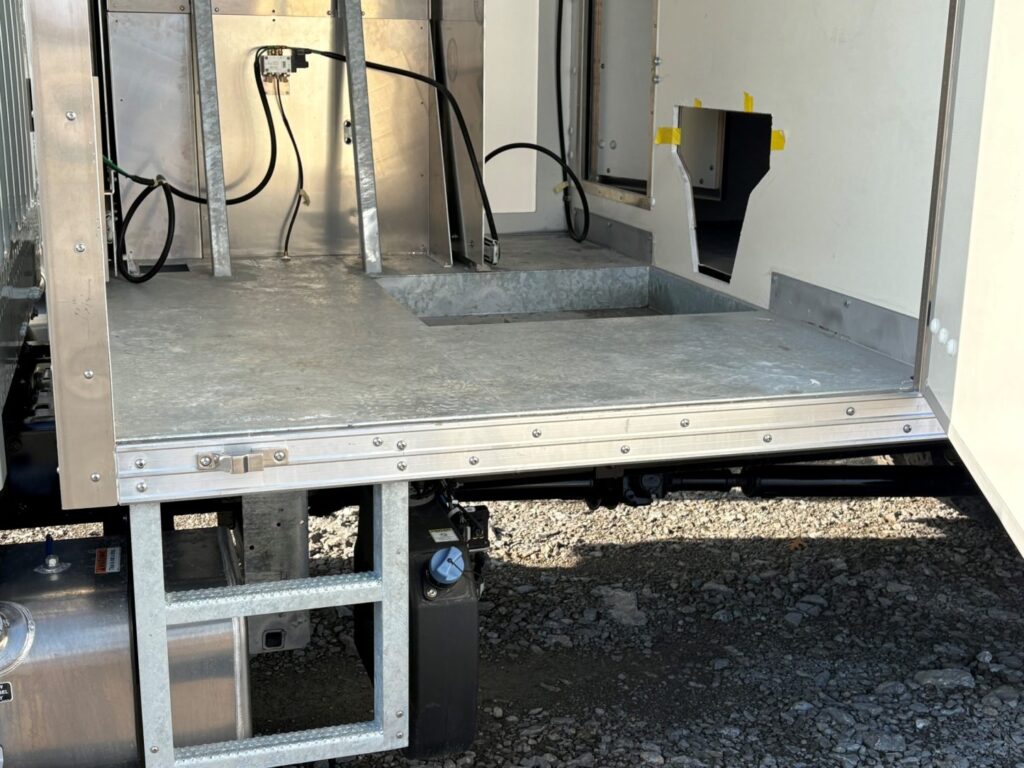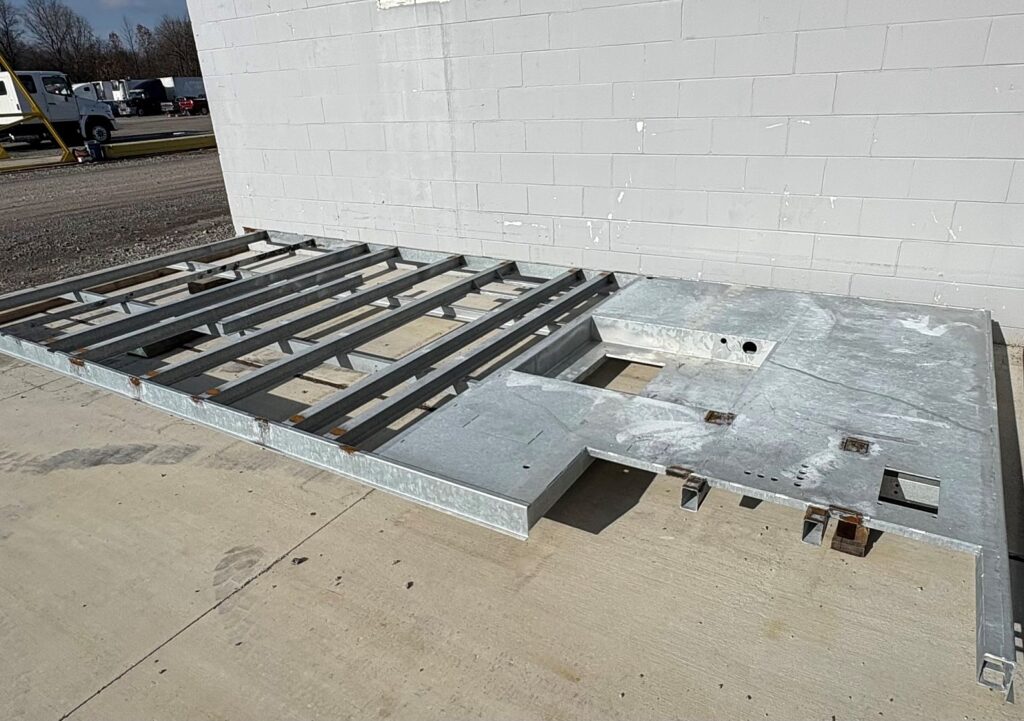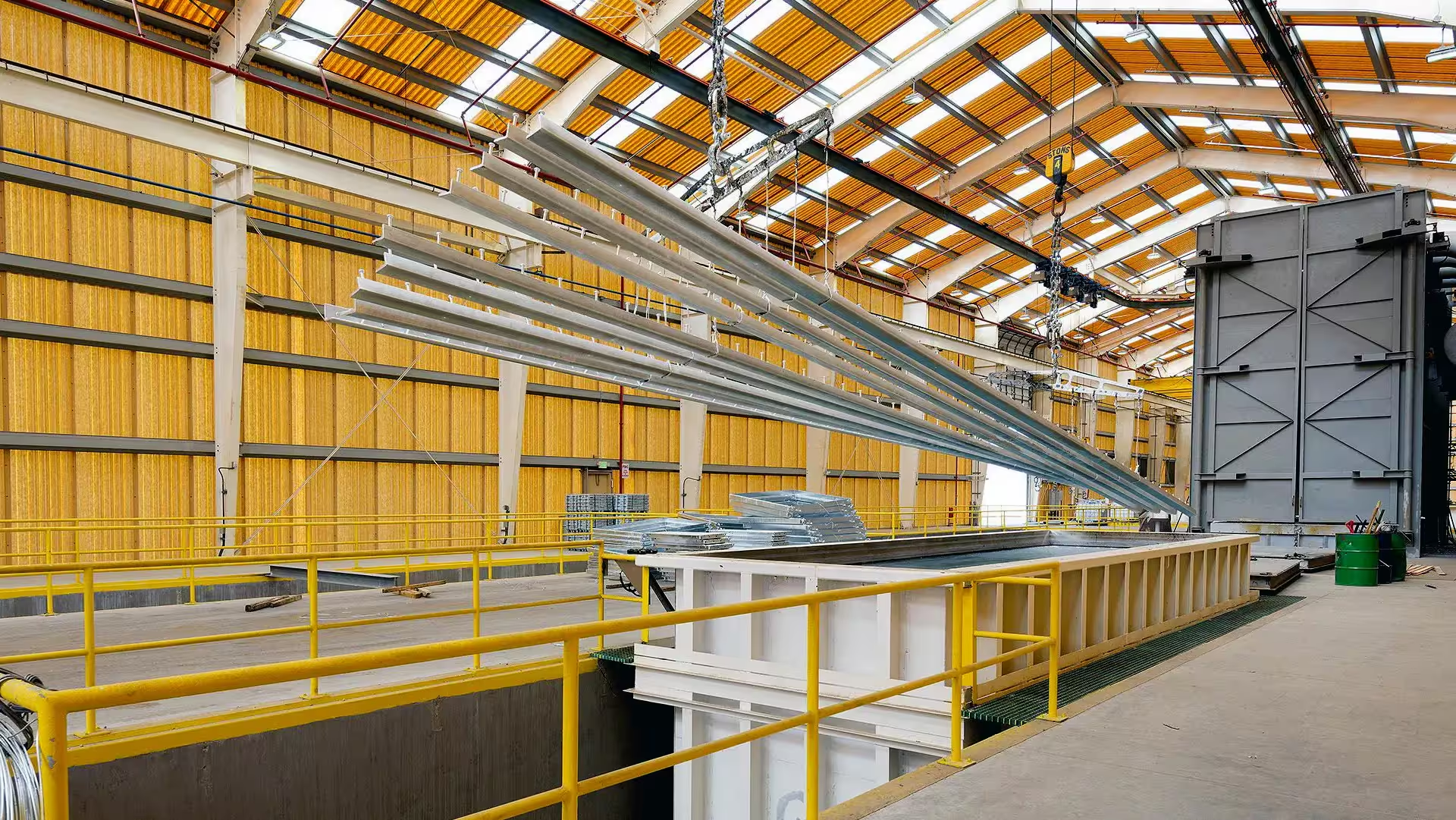
This innovative approach, a first for Shred-Tech's product line, promises to significantly enhance the lifespan and sustainability of these vehicles while showcasing the versatility and benefits of HDG to a new market segment.
Shred-Tech's mobile shredding trucks are a familiar sight in communities nationwide, providing essential document destruction services. Unlike ordinary trucks, they face tougher challenges, such as constant vibration and stress from onboard shredding equipment, heavy payloads, and the added heat generated during shredding operations. By adopting HDG for the truck bodies, Allvan and Shred-Tech show their dedication to creating a durable, long-lasting solution capable of handling these demanding conditions.
The "rugged" yet clean look of the galvanized steel offers a distinct appearance that speaks to the durability and reliability of the service. The elimination of rust degradation, particularly in hard-to-reach areas, will maintain a positive visual presence in the communities these trucks serve, reflecting well on both the shredding company and the forward-thinking approach of Allvan. This project visibly demonstrates the advantages of HDG in a new, high-profile application, enhancing the overall community perception of galvanized steel.
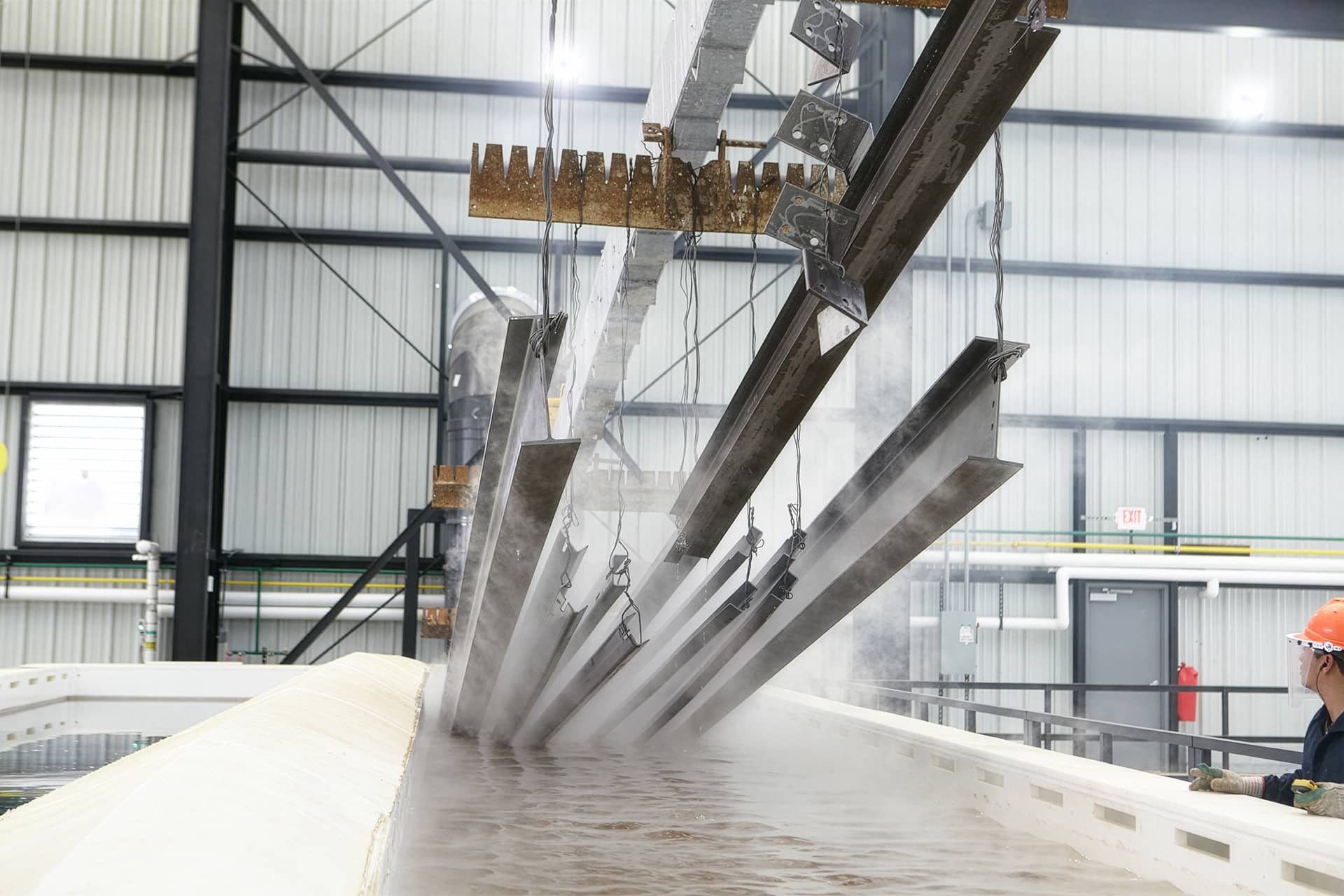
The initial cost analysis of transitioning to HDG proved its long-term financial benefits. While the original specifications from Shred-Tech initially presented a challenge due to the thin sheet metal, collaborative problem-solving between Allvan and their galvanizing partner resulted in a successful test run. Allvan was able to convince Shred-Tech that a slight increase in the weight of the sheet metal was necessary for a proper HDG finish, an important consideration for the overall success of the transition. By eliminating multiple layers of post-production painting and undercoating, the HDG process offers significant savings in labor, materials, and time. As Greg, the General Manager at Allvan, noted, "HDG requires some spot treatment touchups in areas degraded by welding. In general, HDG surface coating requires less effort and time during production." Moreover, the superior corrosion protection provided by HDG will drastically reduce maintenance costs and extend the service life of the trucks, resulting in substantial life-cycle cost savings. The increased lifespan of the truck bodies reduces the frequency of replacements, creating further cost savings for the customer and end-user.
This project represents a significant breakthrough for the HDG market in the mobile shredding industry. As Greg highlighted, "They [Shred-Tech] simply didn't know that this was an option for their product. No one on the staff knew about HDG." This successful implementation serves as a powerful case study, showcasing the applicability of HDG in a sector previously unfamiliar with its advantages. Allvan's proactive approach in educating Shred-Tech about the benefits of HDG has opened up a new market for galvanized steel, demonstrating its potential for growth in specialized vehicle manufacturing. This project is a testament to how educating potential customers about the value of HDG can unlock new market opportunities. It's a clear indication of market expansion, demonstrating that galvanizing can be successfully applied to areas where it was previously not considered. The project also demonstrates how effective communication and collaboration between the galvanizer and the client can drive the adoption of HDG in new markets.
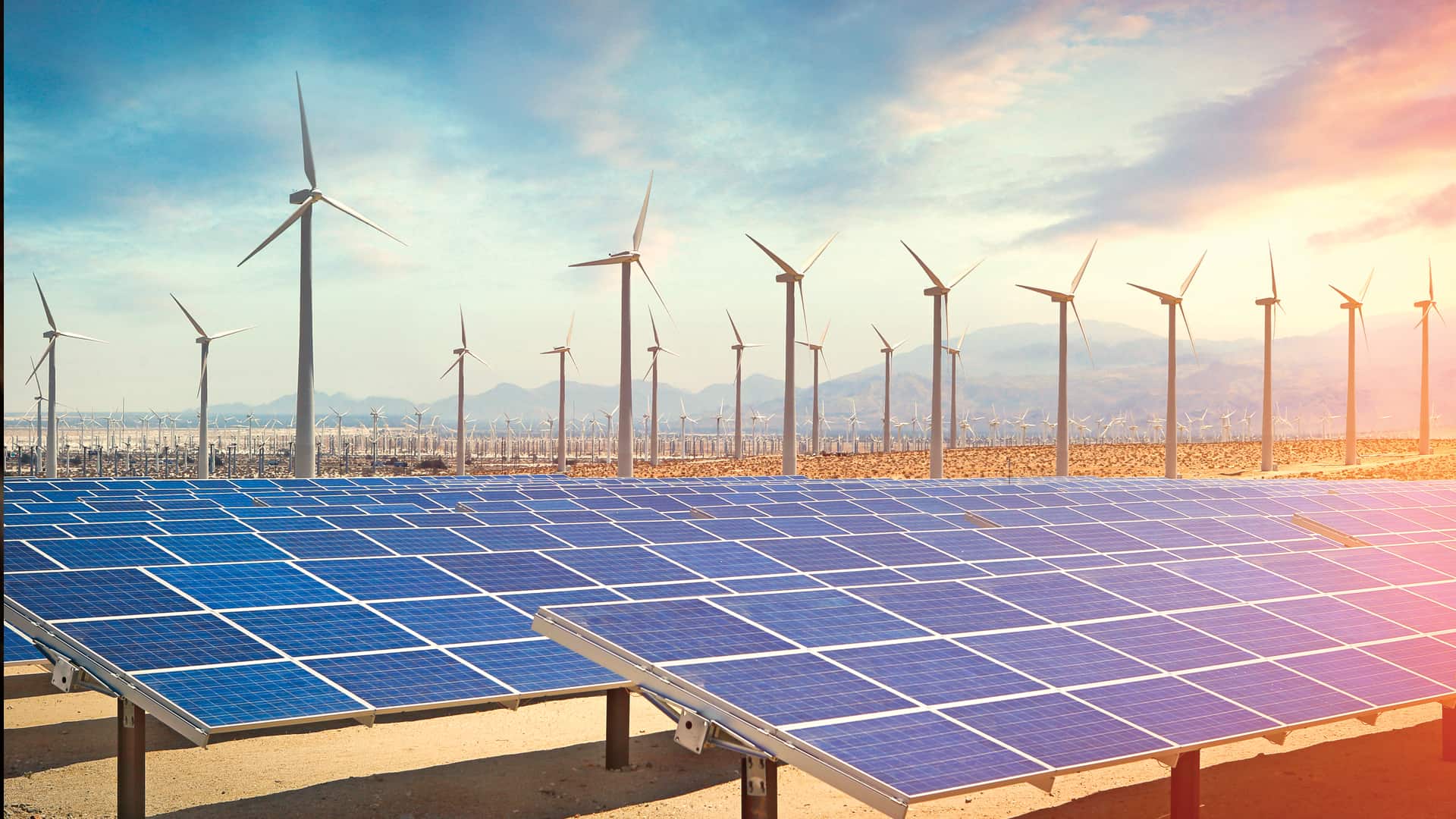
The shift to HDG aligns perfectly with the growing emphasis on sustainability in the transportation sector. The exceptional corrosion resistance provided by galvanizing significantly extends the lifespan of the truck bodies, reducing the need for premature replacements and minimizing the environmental impact associated with manufacturing new vehicles. As Greg stated, "Many of the truck bodies produced by Shred-Tech in the past experience long-term rust degradation... HDG protects these vulnerable areas." By preventing rust and extending the lifespan of the product, less steel is used overall, making HDG a sustainable choice. Zinc, the primary component of galvanizing, is a naturally abundant and recyclable material. Furthermore, the elimination of volatile organic compounds (VOCs) associated with traditional painting processes contributes to a cleaner and healthier environment. The longer service life and reduced maintenance requirements associated with HDG contribute to a lower overall carbon footprint for the mobile shredding trucks.
The collaboration between Allvan and AZZ on this project exemplifies the transformative potential of HDG in the transportation industry. By embracing this innovative approach, Allvan has not only enhanced the durability and longevity of Shred-Tech's mobile shredding trucks but also set a new standard for sustainability and cost-effectiveness in this sector. The project serves as a compelling example of how HDG can expand into new markets, offering superior performance and long-term value. As Allvan continues to explore the use of HDG to replace stainless and galvannealed components, this project stands as a beacon for future innovation.
Many of the truck bodies produced by Shred-Tech in the past experience long-term rust degradation... HDG protects these vulnerable areas.