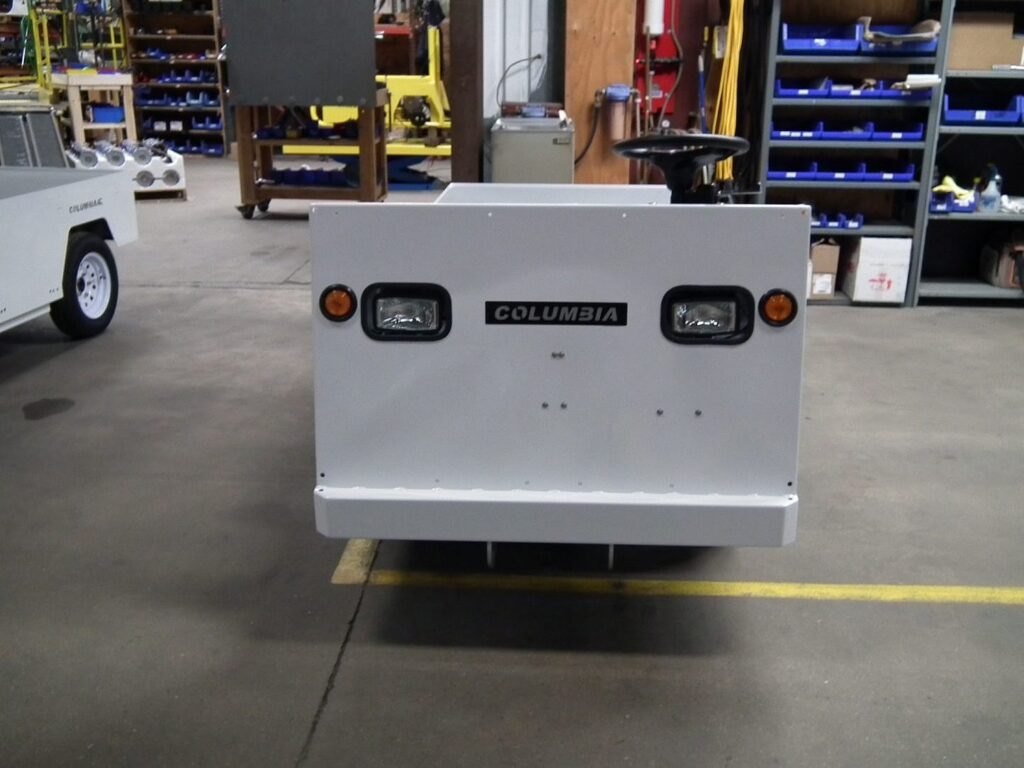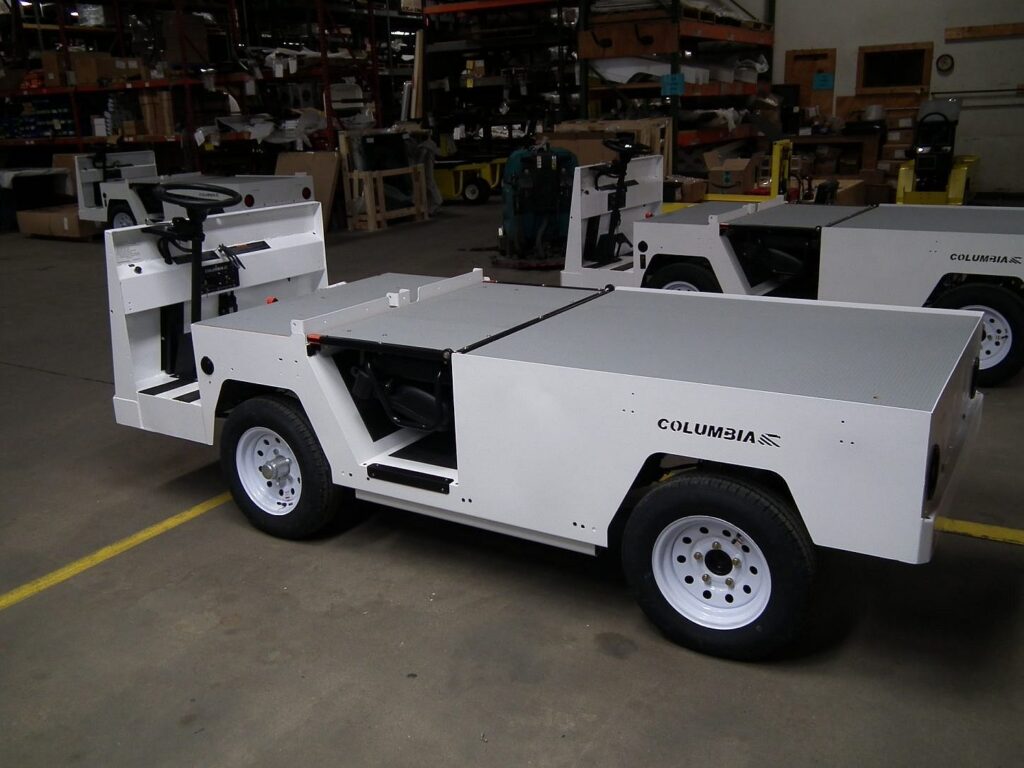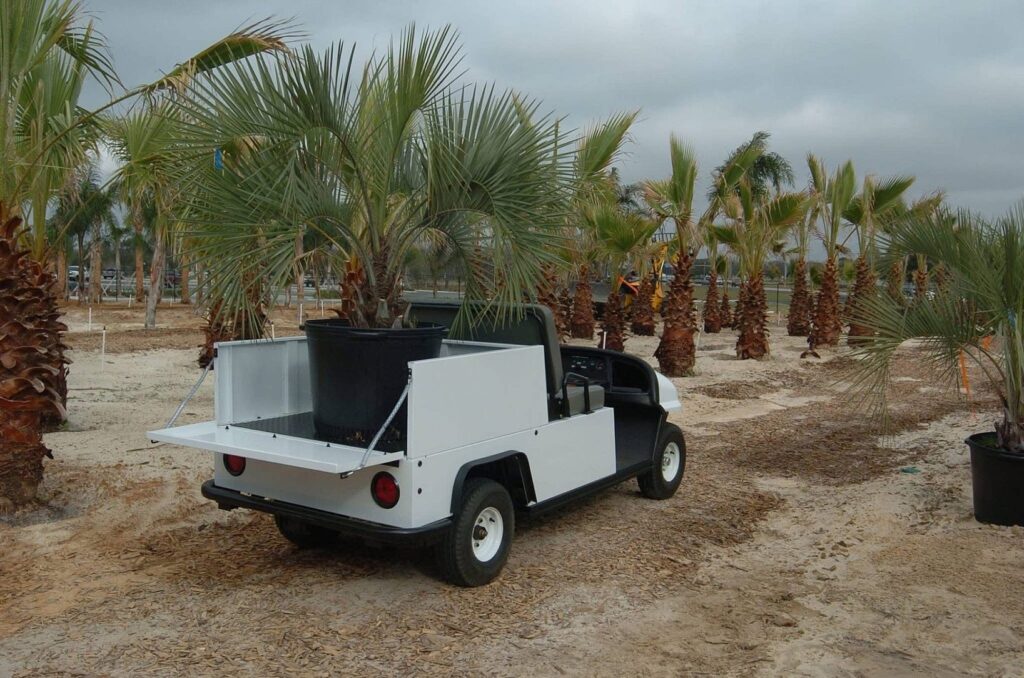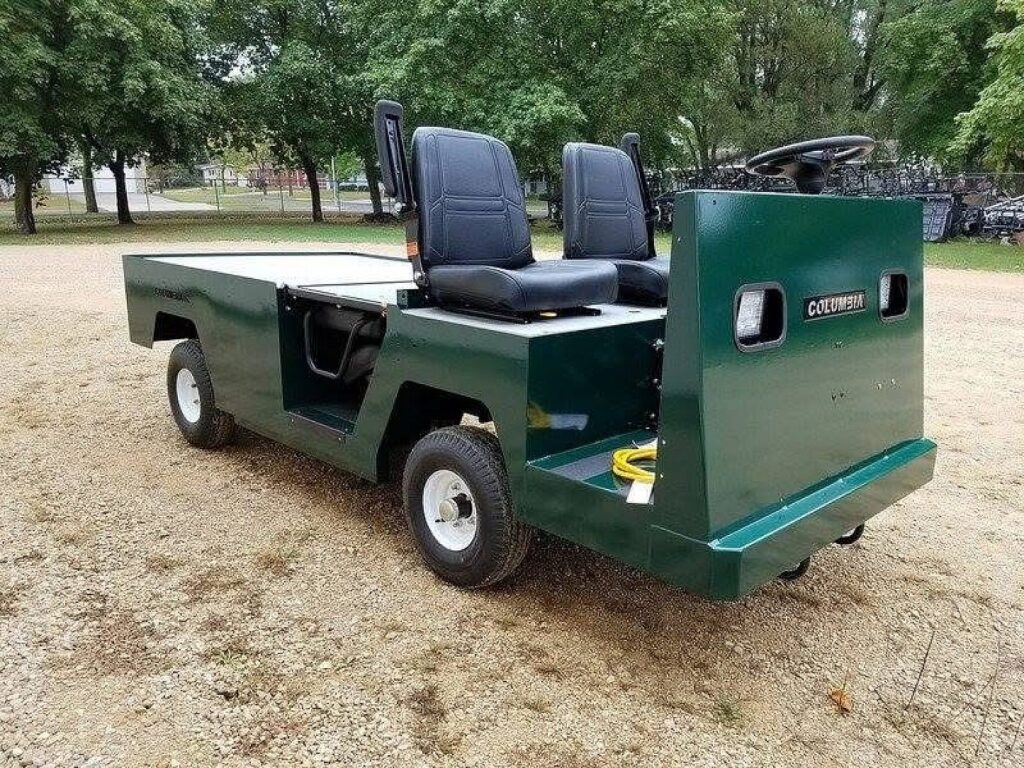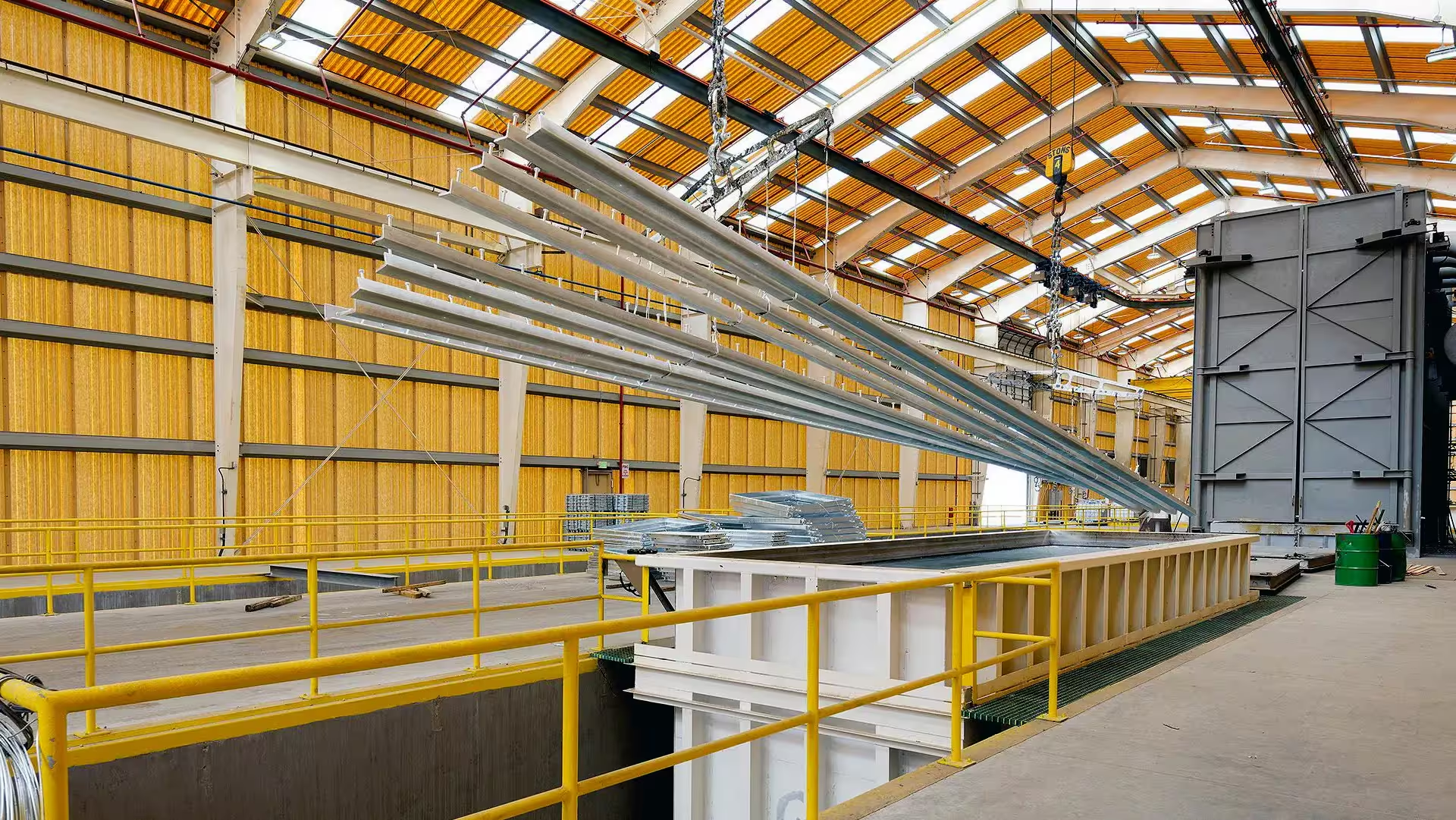

Salt from the ocean water mixed with air and heat can wreak just as much havoc on steel as the salt combined with snow and wind up north. Most may not think of Hawaii as having a harsh environment, but the crew at Columbia Vehicle Group in Reedsburg, WI understood the challenge of making utility vehicles built to last in any climate. They turned to hot-dip galvanizing to help them achieve their goal.
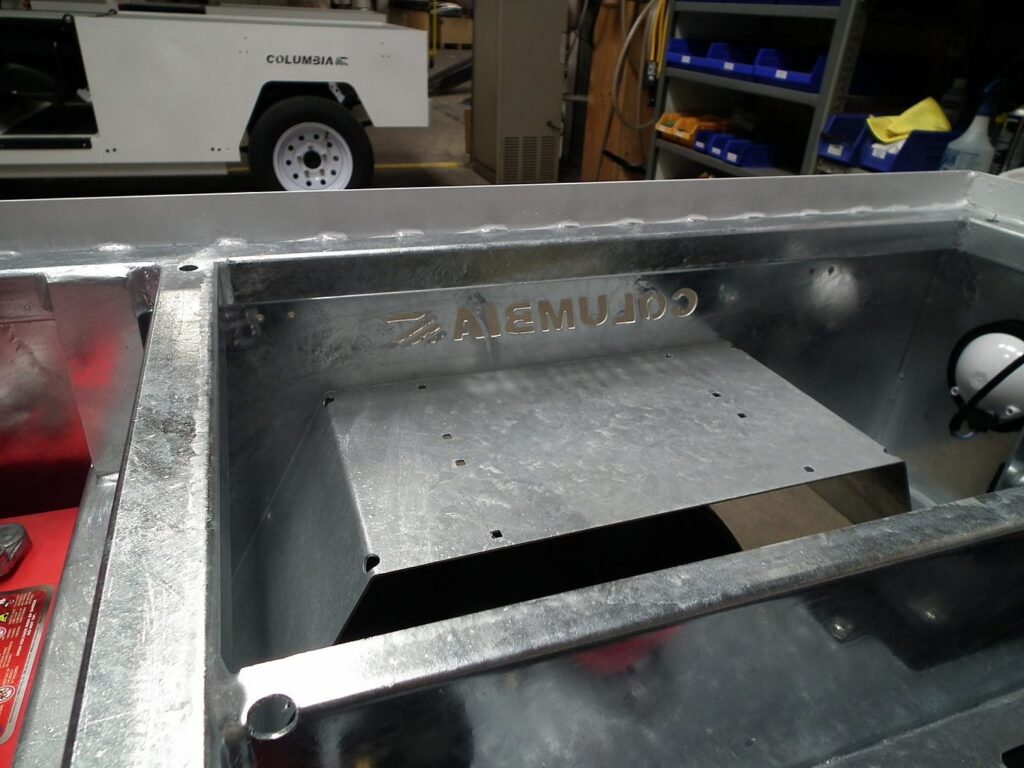
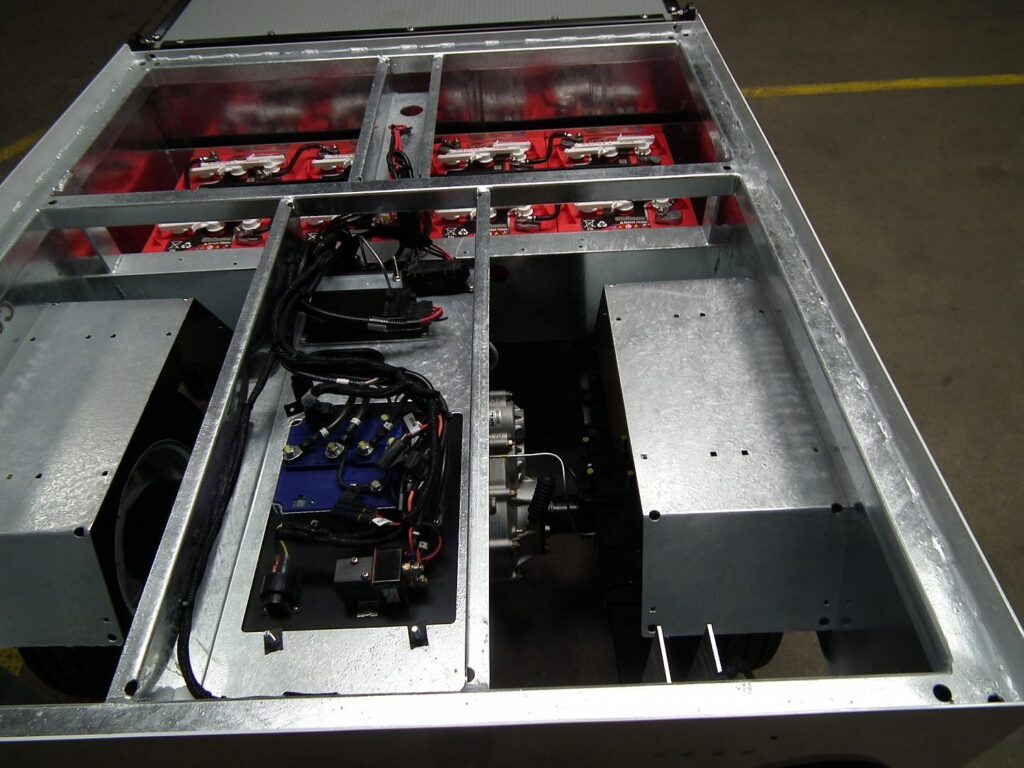
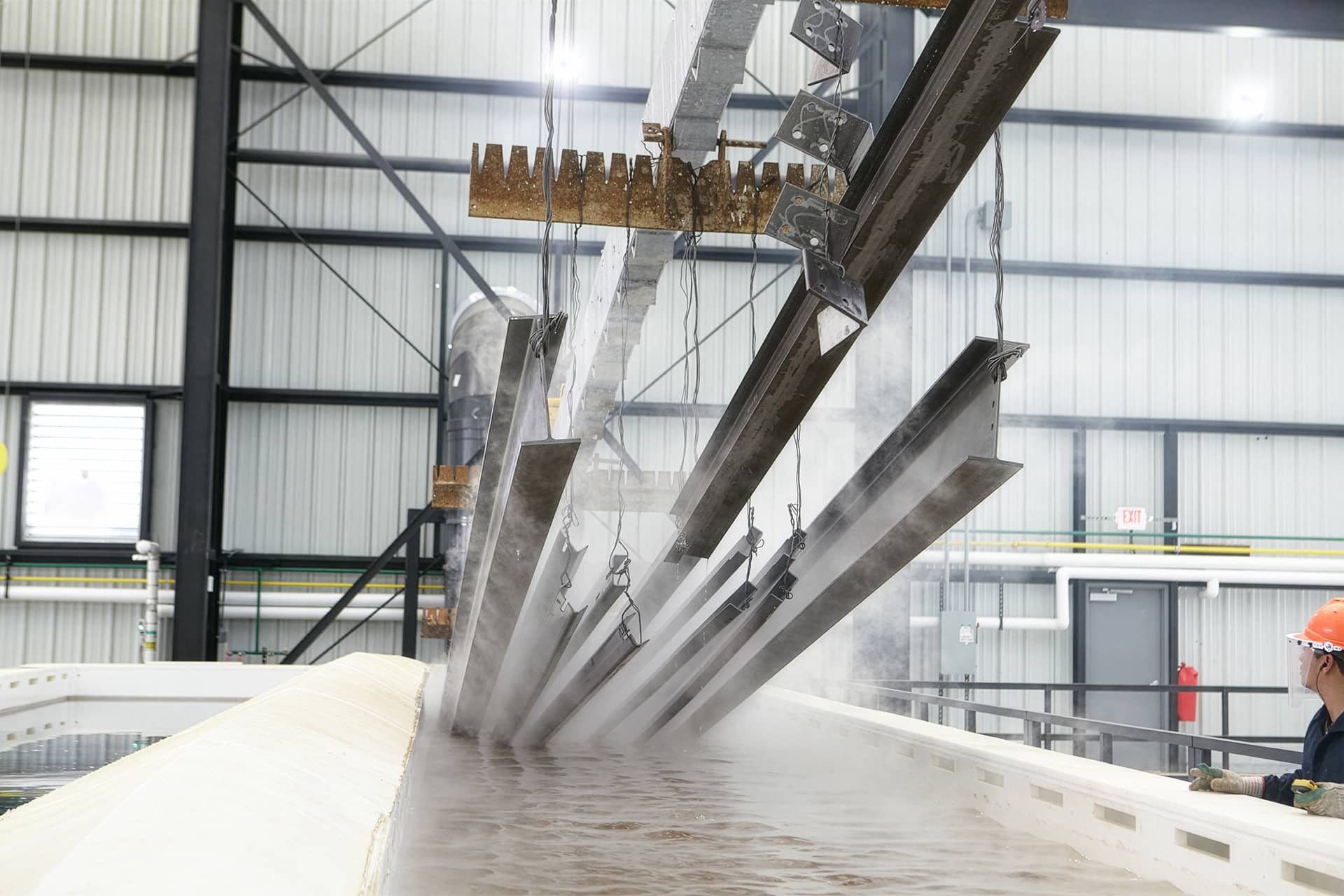
While not much bigger than a golf cart in size, these small machines pack some serious work capability. With up to 5,200 lbs of payload and 14,000 lbs of towing, a machine built to work also needs to be built to take a beating. This is where galvanizing came into play. With the ever present salty air in Hawaii, painted versions of the utility vehicle can ding and chip removing the protection giving corrosion an easy entrance to start to break down the machines. Because galvanizing offers cathodic protection and a metallurgical bond that increases the Diamond Pyramid Number, it is much less susceptible to dings and scratches that cause corrosion problems.
The benefits of HDG are only the beginning of the story here. Working with galvanizers helps to ensure that projects can live up to the expectations. Proper ventilation in the design process was one of the steps where communication with the galvanizer can eliminate problems. Also, since an emphasis on capacity is key for Columbia Vehicle Group, they chose 10 and 12 gauge high strength steel in sections of the body to save weight. Knowing the design parameters ahead of time allowed the galvanizer a chance to plan dip times to avoid any distortion in the steel as the metallurgical bond is taking place.
The Hawaiian Airport previously had used a painted only version of the vehicles but, with the corrosive air, the machines lasted a little over 2 years before becoming too rusted to use. HDG has expanded possible avenues for Columbia Vehicle Group. Their ingenuity to see HDG as a solution to a corrosion problem of a customer thousands of miles away shows their care and willingness to supply the best product they are capable of. Brining HDG into the mix pushes their machines limits further. With the synergistic effect between paint and galvanizing, the duplex protection system can extend the life expectancy of each of the coatings by more than 2x, greatly increasing the life of the vehicles in this instance.
What does a project like this mean for the HDG market? As these vehicles make their way across state lines and over ocean boundaries, the unpainted versions act as rolling billboards for what HDG is capable of, and the duplex coatings shows just how versatile HDG can be. These utility vehicles may not bring the grandiose awe of a sky scraper, but they act as a reminder as to many of the little things in our world that can be enhanced by galvanizing.
This is in Hawaii, and the non-galvanized vehicle we sold this customer previously had rusted significantly in a similar timeframe