Once the metal is cleaned, treated, and painted, the strip is rewound into a coil size prescribed by the customer. From there, the coil is removed from the line and packaged for shipment or additional processing.
After the primer is applied and cured, then the metal strip enters the finish coat station where a topcoat is applied. Topcoats provide color, corrosion resistance, durability, flexibility and any other required physical properties. Like primers, the topcoat is cured using thermal cure ovens.
Oven
Coil coating ovens can range from 130 feet to 160 feet and will cure the coatings in 13 to 20 seconds.
During this stage, the strip enters the prime coat station whereby a primer is applied to the clean and treated metal. After the primer is applied, the metal strip travels through a thermal oven for curing. Primers are used to aid in paint adhesion, improve corrosion performance and enhance aesthetic and functional attributes of the topcoat.
S Wrap Coater
The S wrap coater design allows for primers and paints to be applied to the top and back side of the metal strip simultaneously in one continuous pass.
The cleaning and pretreating section of the coil coating process focuses on preparing the metal for painting. During the cleaning stage, dirt, debris, and oils are removed from the metal strip. From there, the metal enters the pretreatment section and/or a chemical coater whereby chemicals are applied to facilitate paint adhesion and enhance corrosion resistance.
Dried-In-Place
In this stage a chemical that provides enhanced corrosion performance is applied. This treatment can be chrome free if required.
The accumulator is a structure that adjusts up and down to store material, which makes continuous operation of the coil coating process possible. This accumulation will continue to feed the coil coating processes while the entry end has stopped for the stitching process. As much as 750 feet of metal can be collected.
Not every architectural feature is meant to sit still. Some are designed to capture a sense of motion and variation through form.
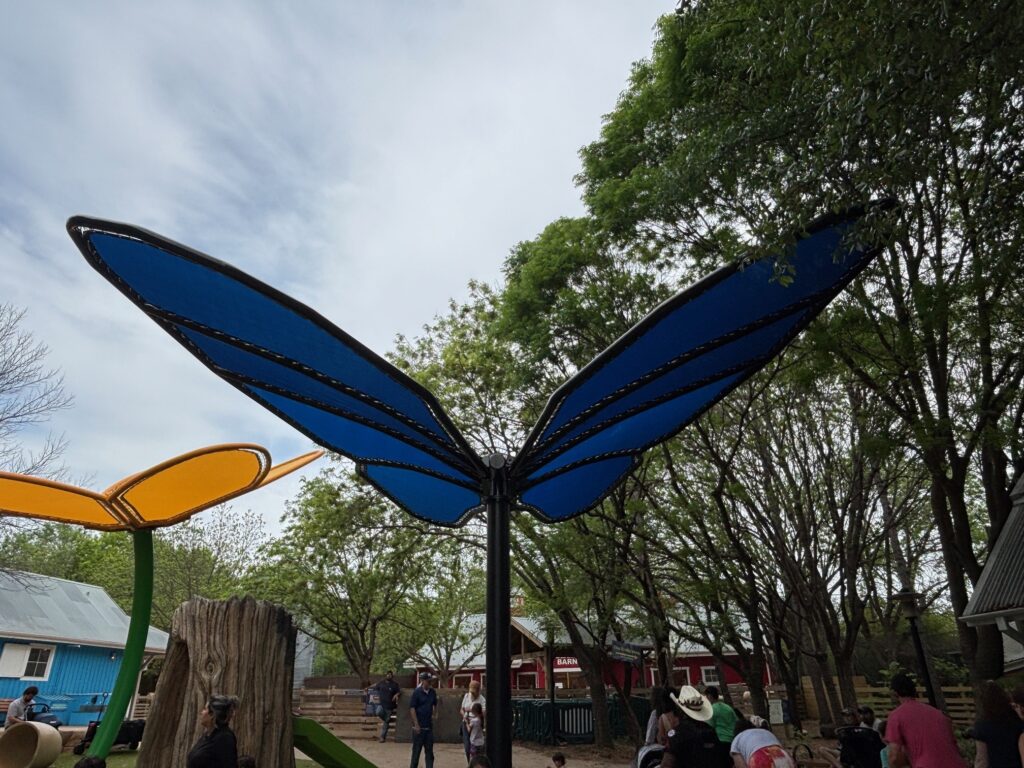
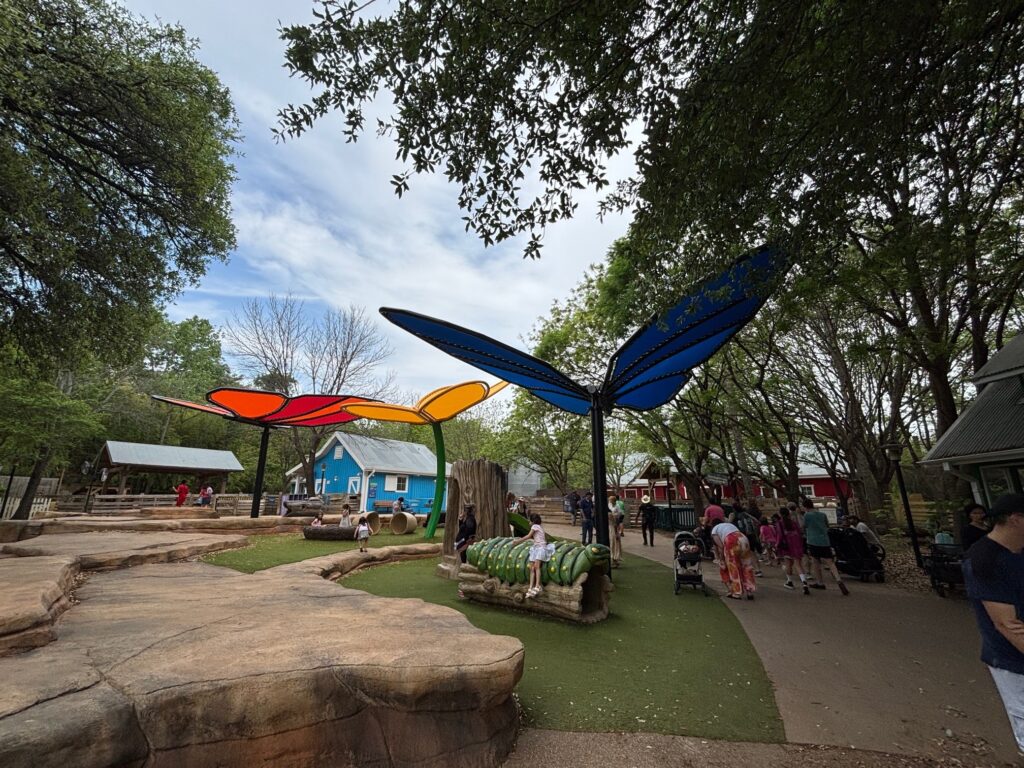
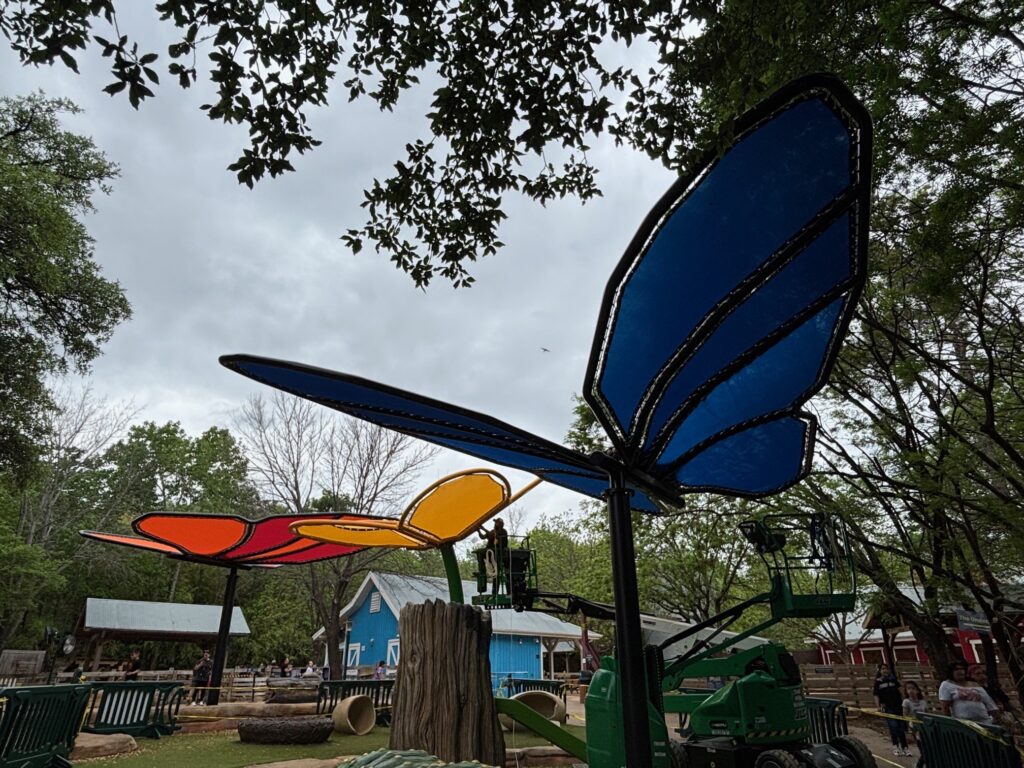
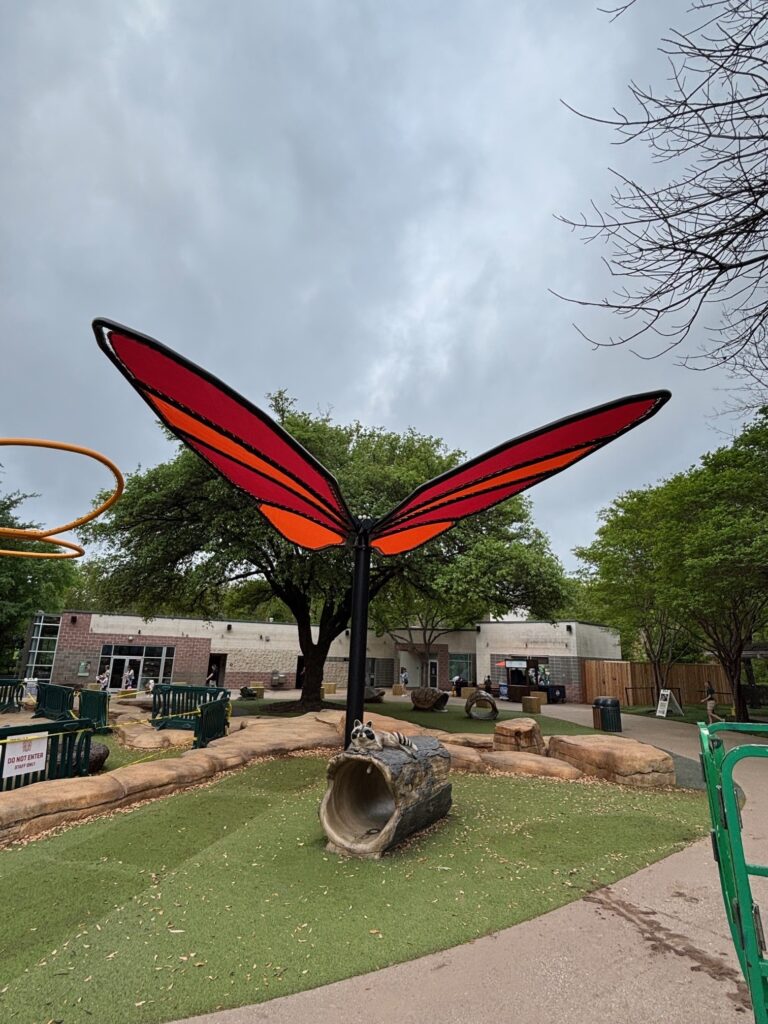
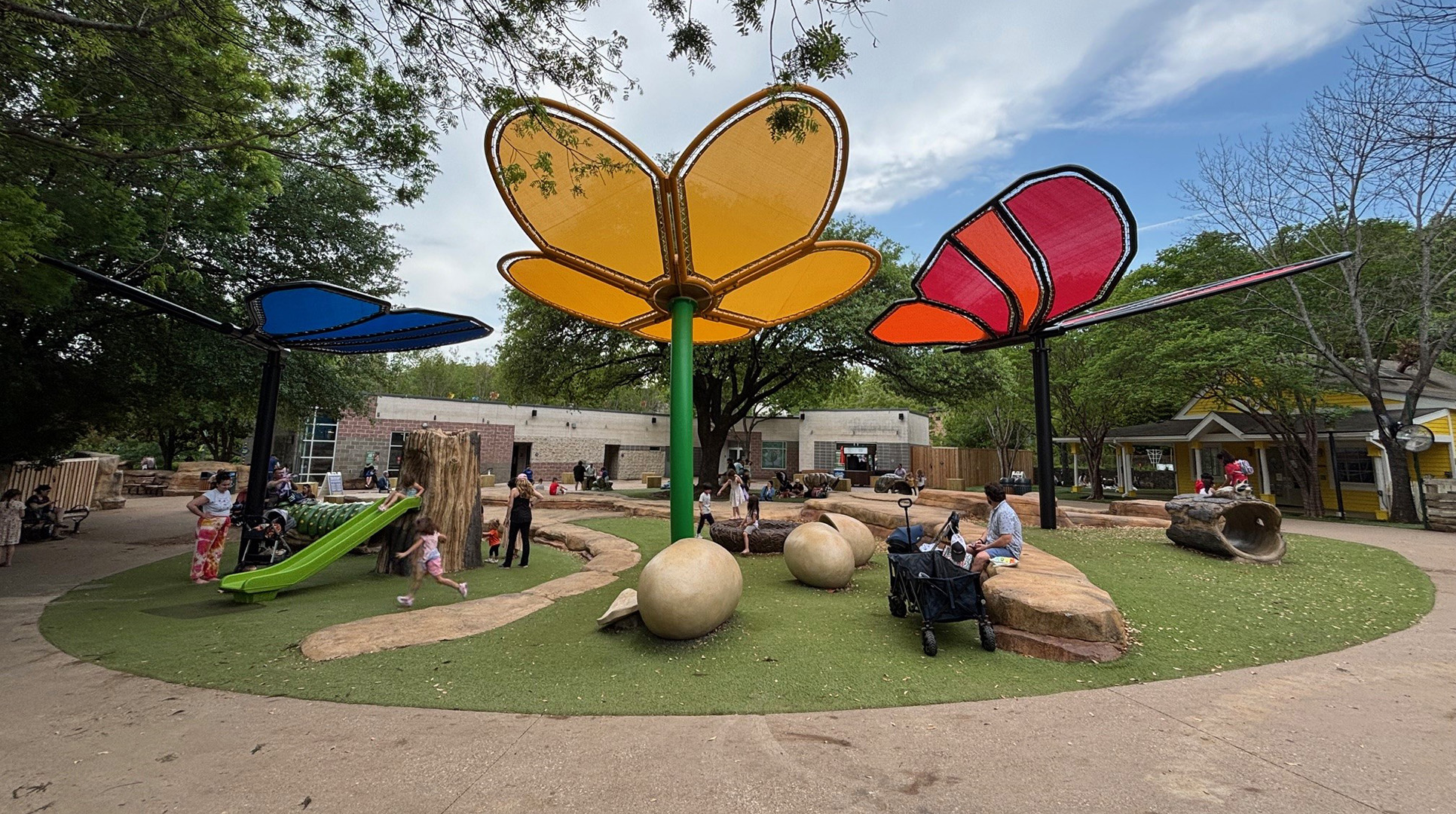
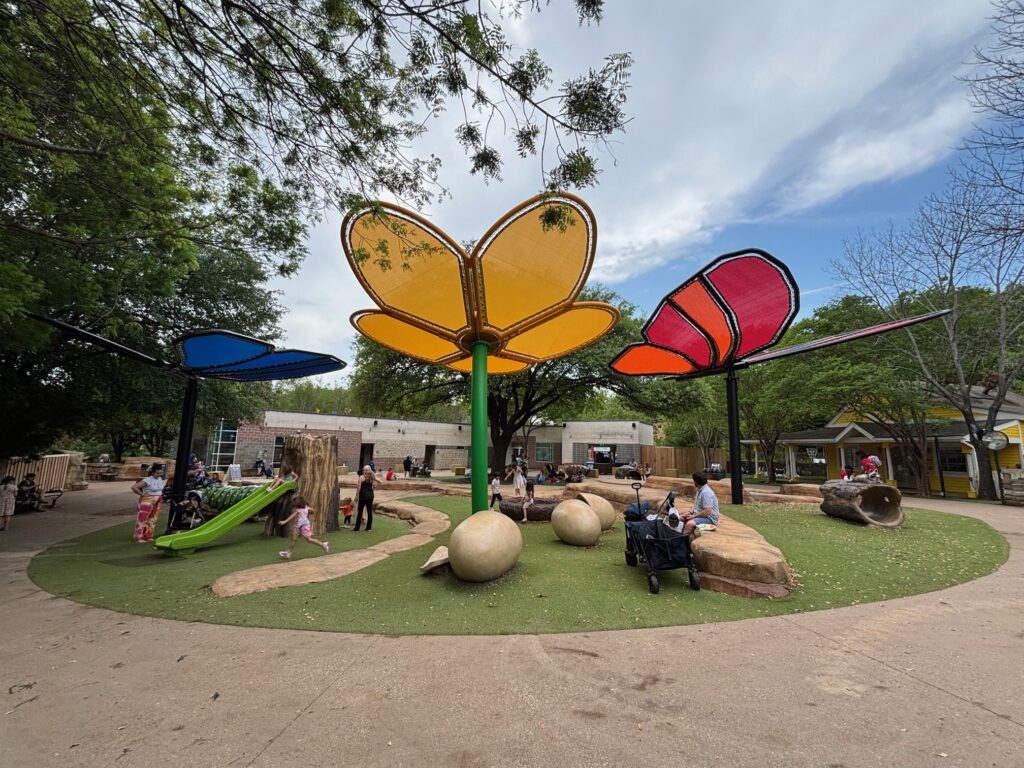
This awning system, installed at a Texas zoo, does exactly that, combining structural performance with a dynamic, design-forward aesthetic.
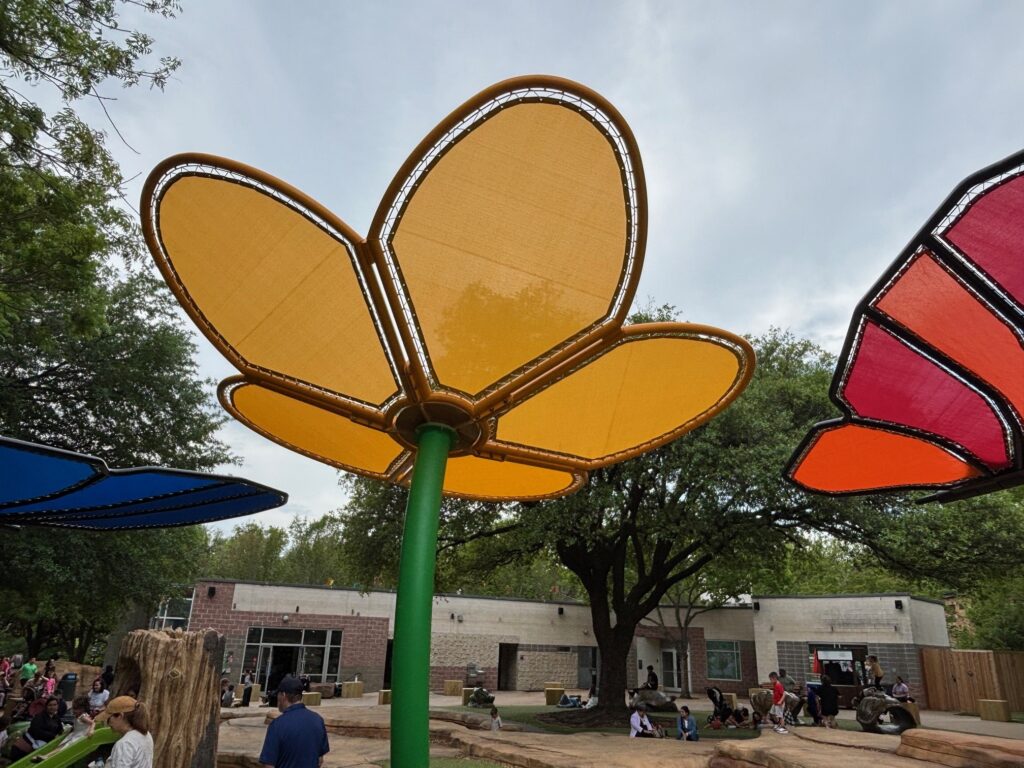
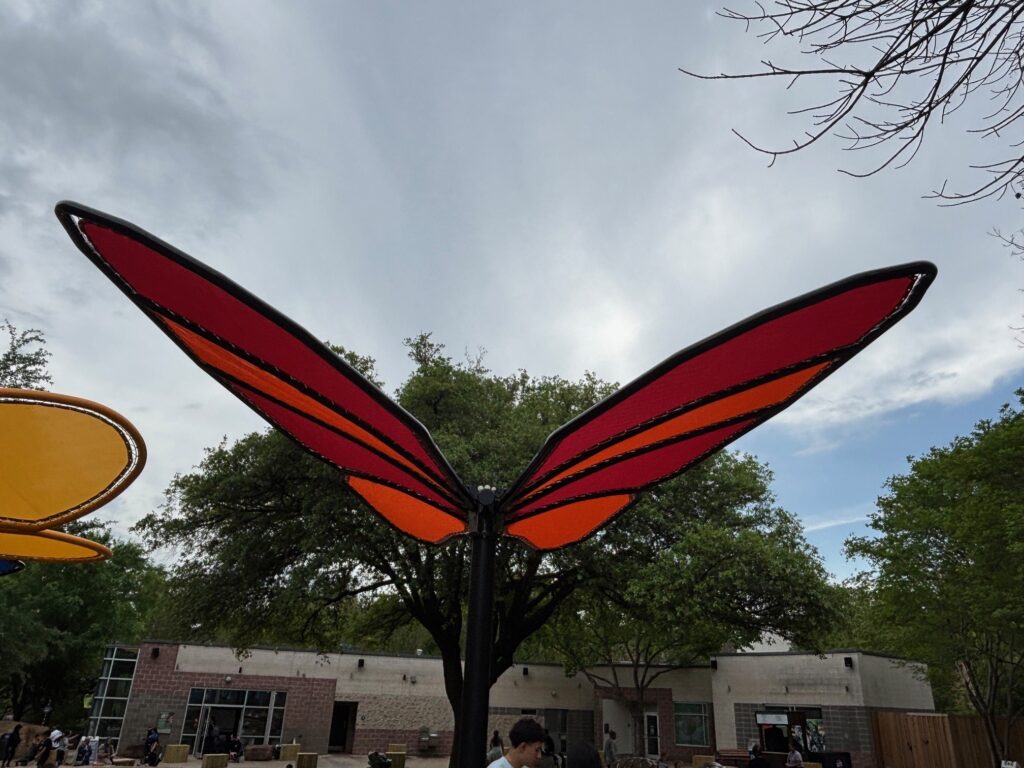
At the center of the concept is a winged structure engineered in a range of fixed configurations, including Wings-Up, Wings-Flat, and Wings-Down formations. Each installation is designed with a specific orientation in mind, allowing the structure to deliver a distinct visual identity while complementing its surroundings. Paired with fabric panels available in a variety of colors, the system brings both flexibility in design and visual energy to a high-traffic public setting.
Where Performance Meets Design
Projects like this highlight the role powder coating can play beyond basic protection. In an outdoor environment like a zoo, coatings must stand up to constant exposure while supporting the overall design vision.
In this case, powder coating delivers:
Long-term resistance to weathering and UV exposure
Color consistency across complex geometries
A clean, uniform finish that enhances the visual impact of the structure
The result is a finish that performs reliably while helping the structure maintain its appearance over time.
Inspired by Nature, Designed for Impact
Installed in a setting centered around nature and exploration, the structure draws inspiration from organic forms.
Even in a fixed position, the variation in wing orientation creates shifting patterns of light and shadow, adding depth and visual interest throughout the day.
Built for Custom Applications
Applications like this demonstrate the versatility of powder coating in custom architectural projects. Whether the goal is bold visual expression or seamless integration into a themed environment, powder coating provides the flexibility to support a wide range of outcomes.
For designers and fabricators, that means fewer compromises between performance and appearance and more opportunities to bring creative concepts to life.
As demand for data storage and processing continues to accelerate, the infrastructure supporting modern data centers must perform at the highest level.