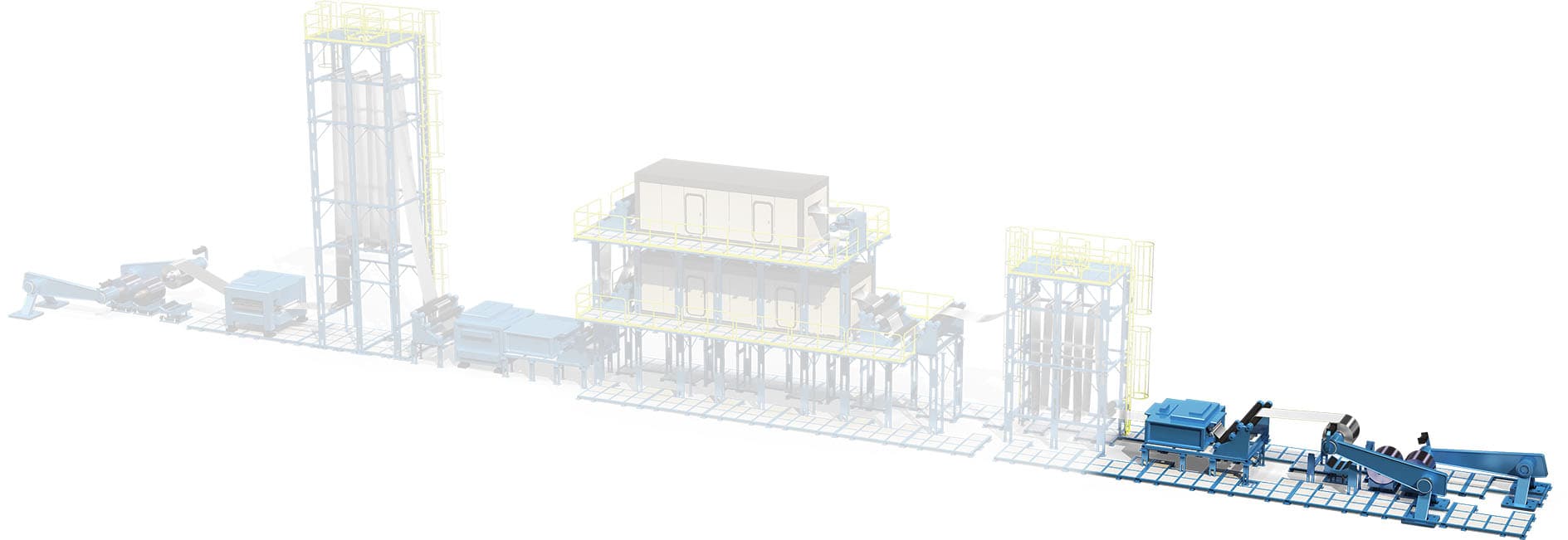
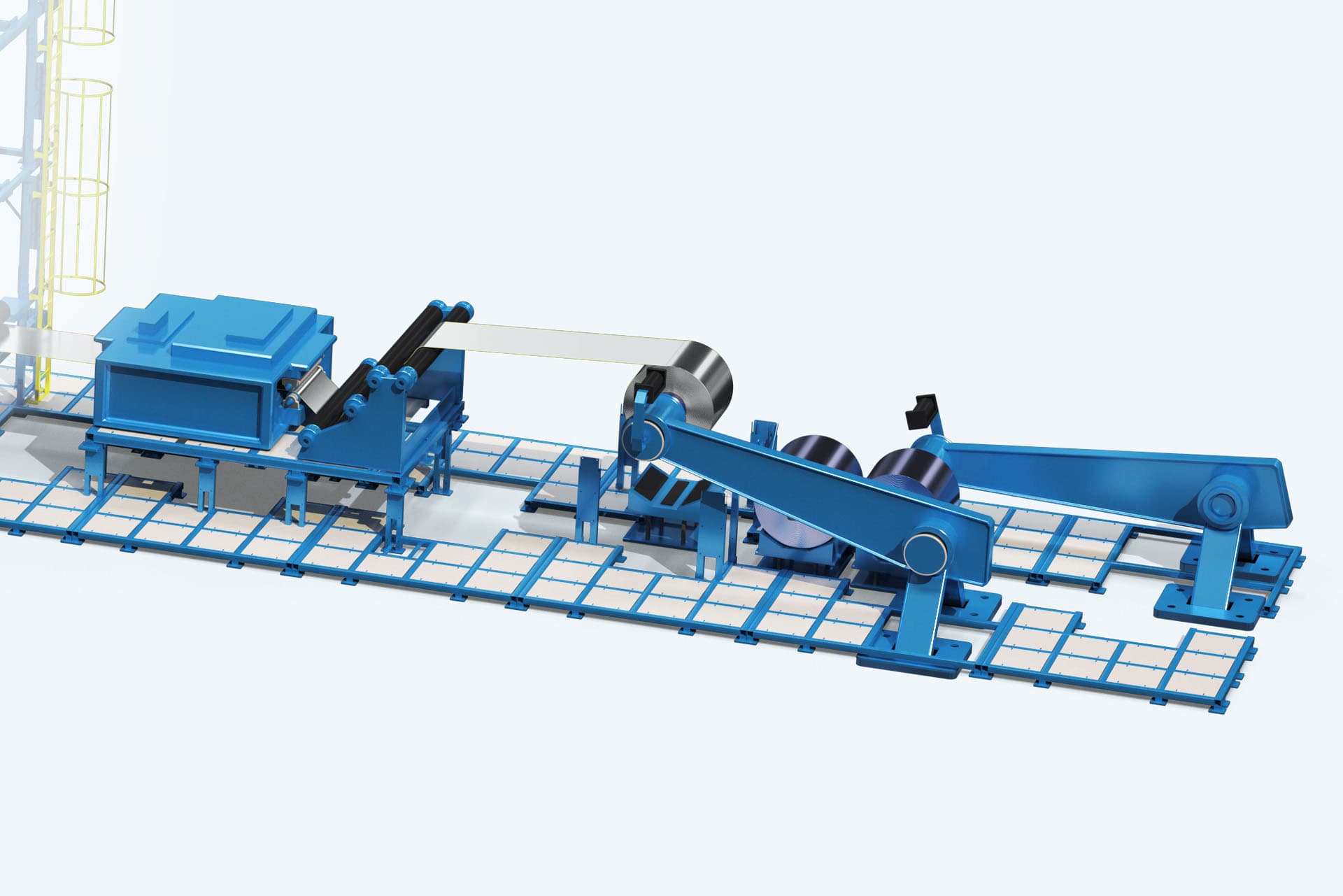
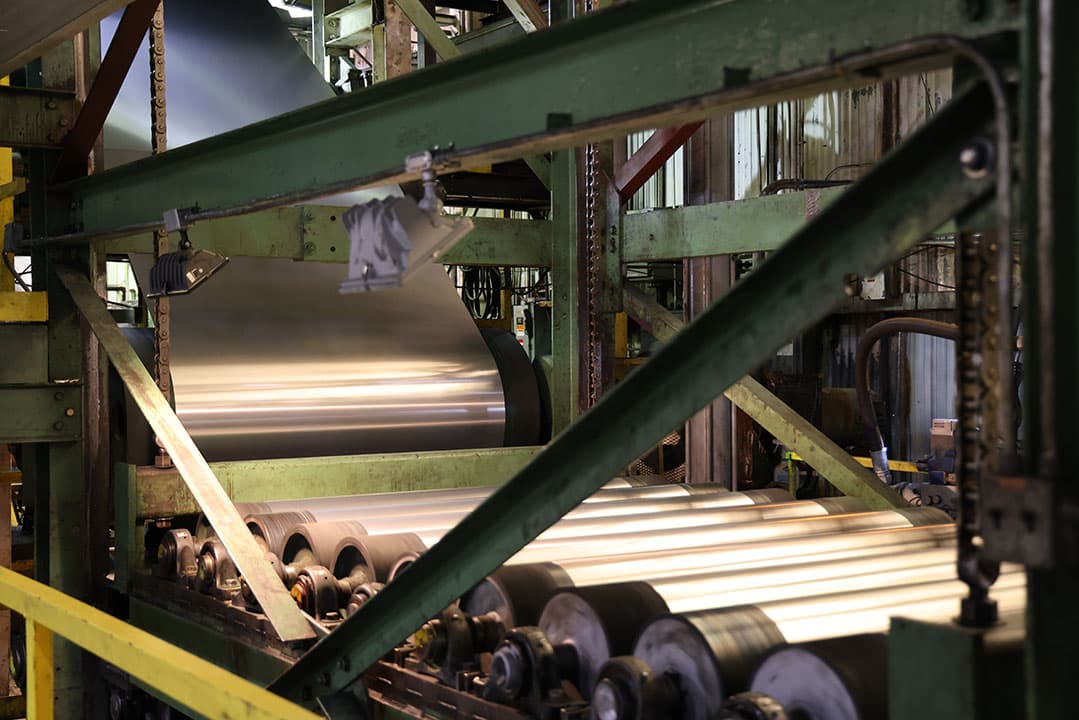
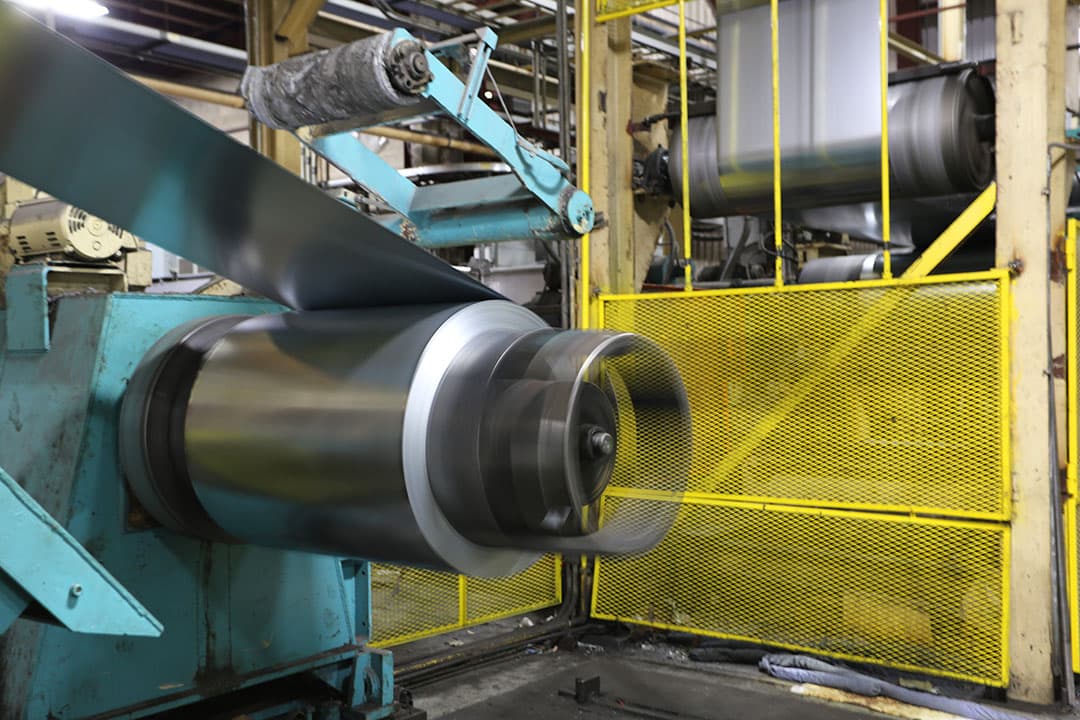
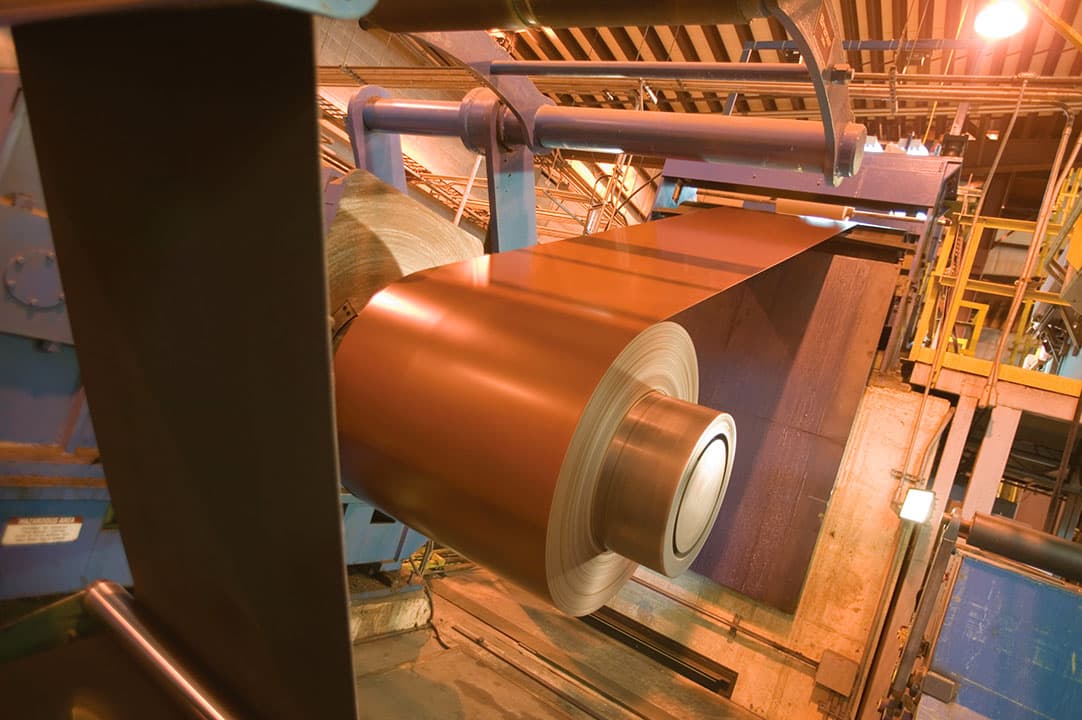
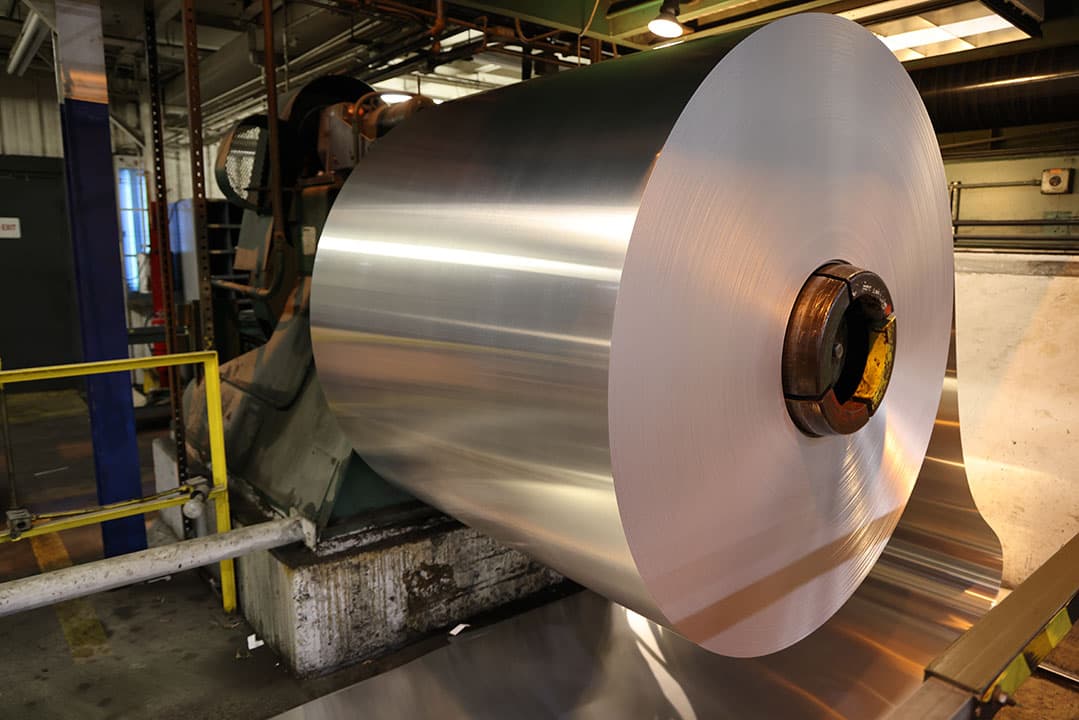
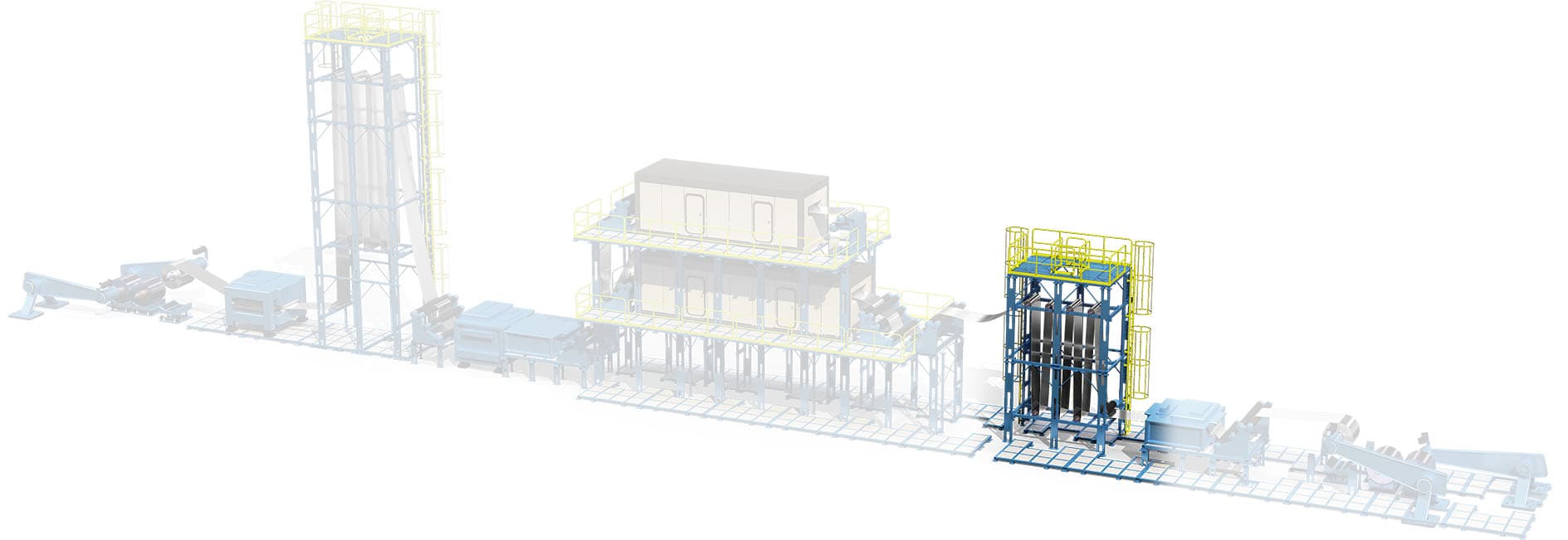
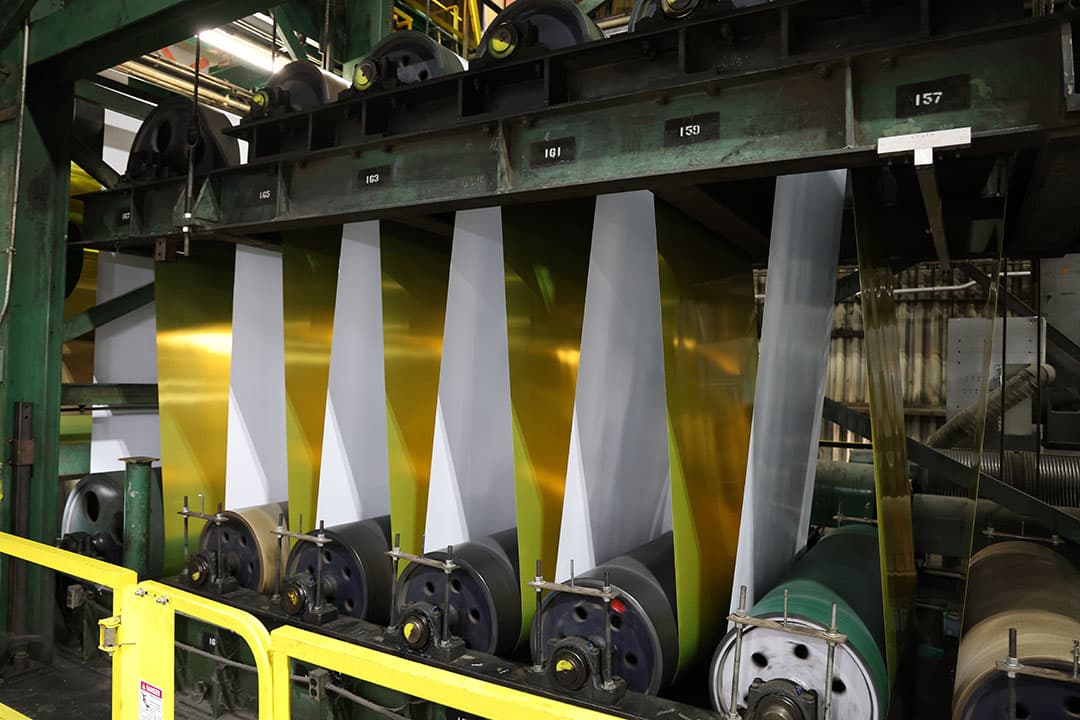
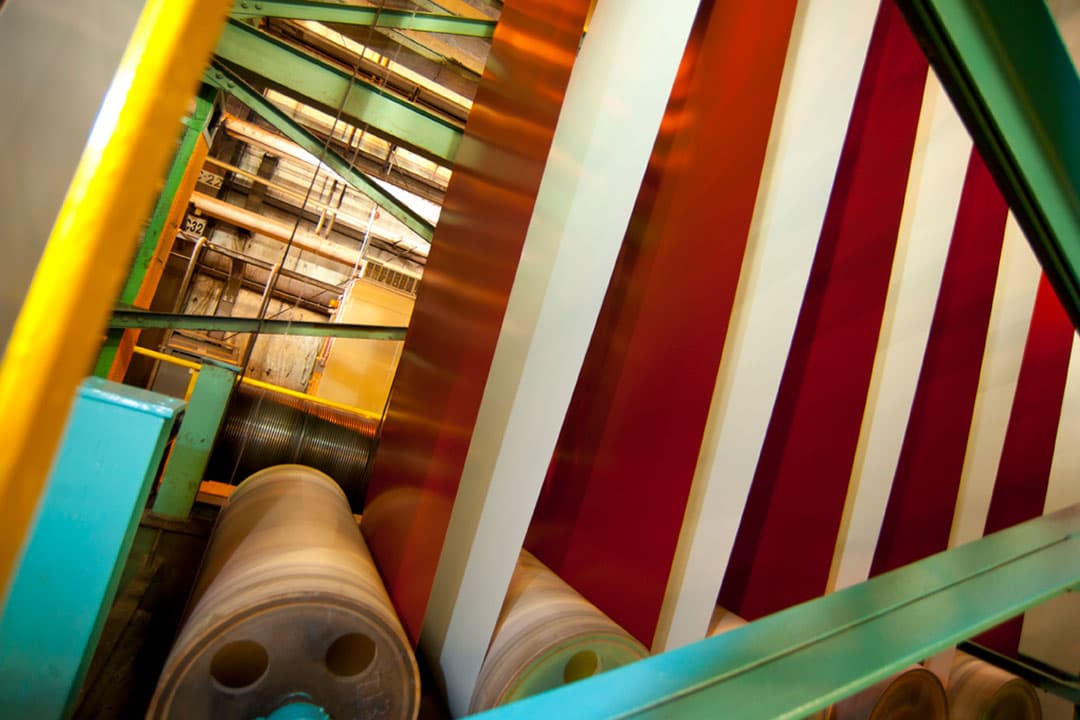
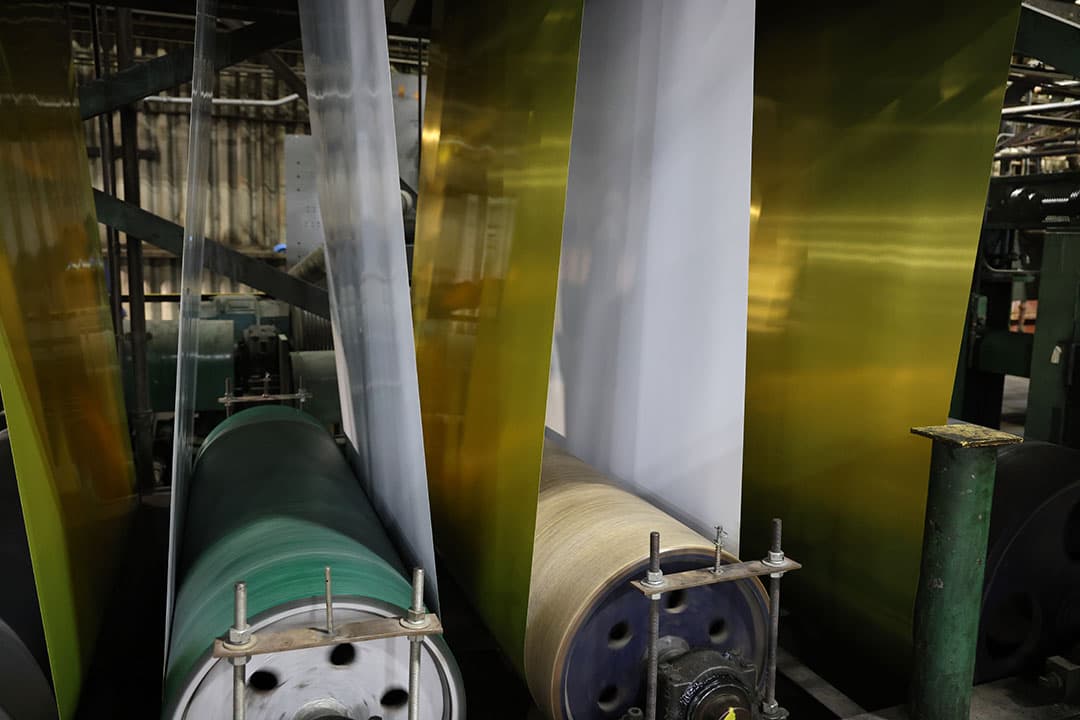
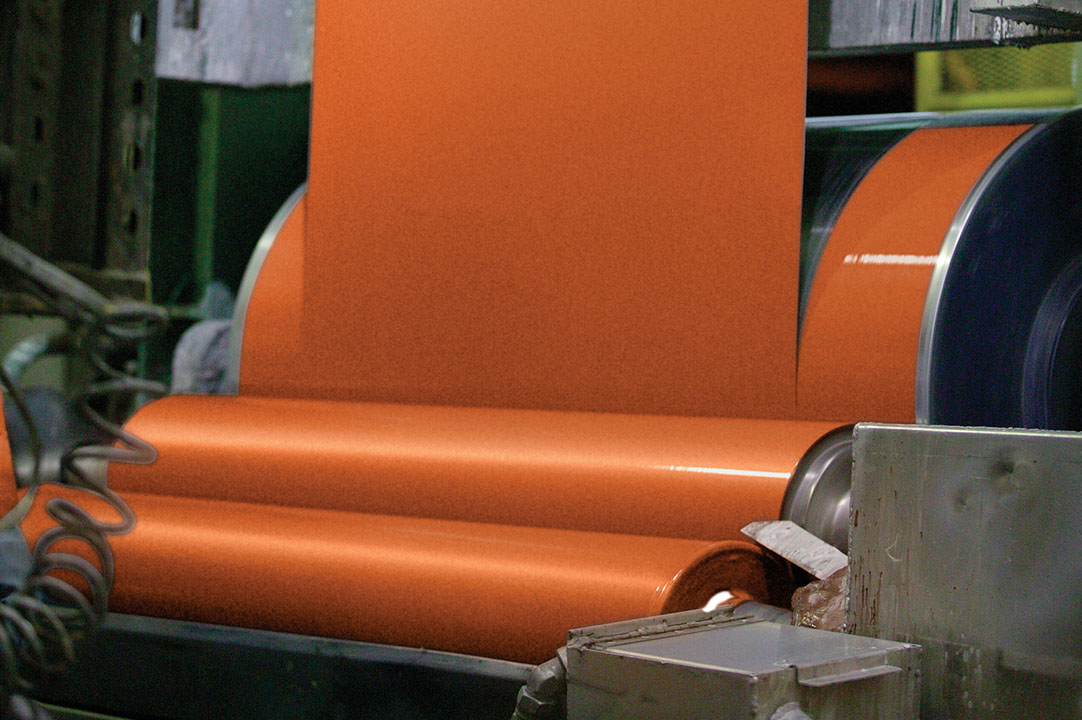
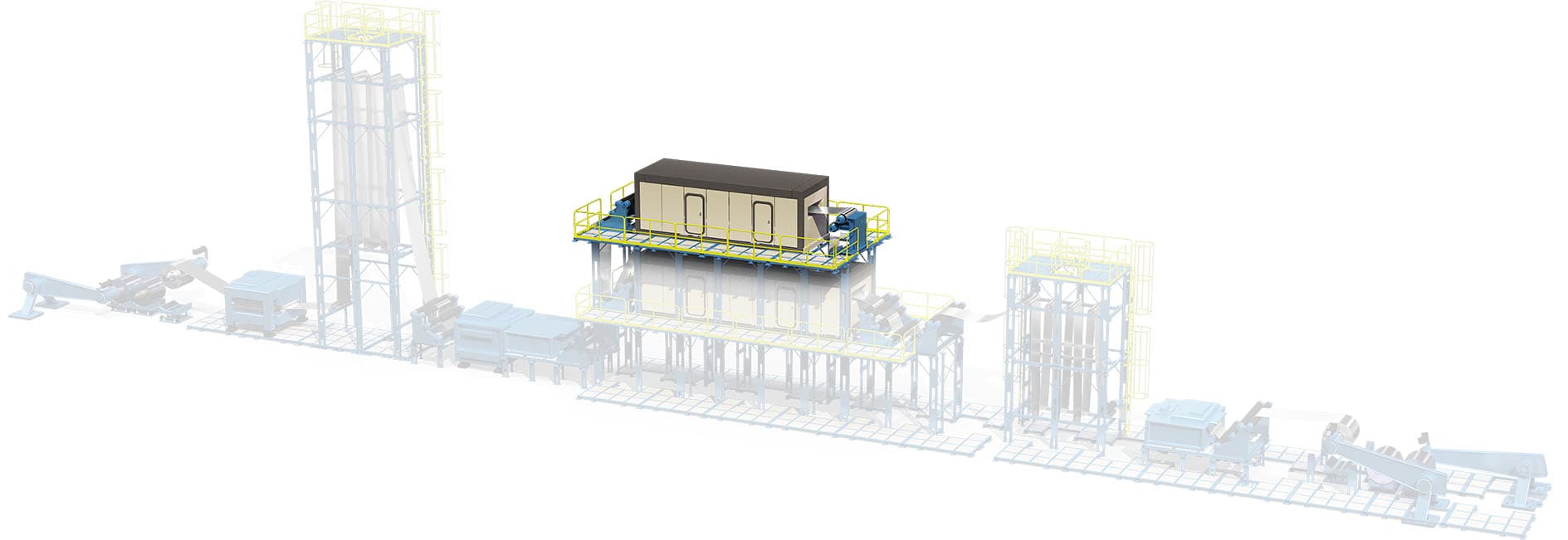
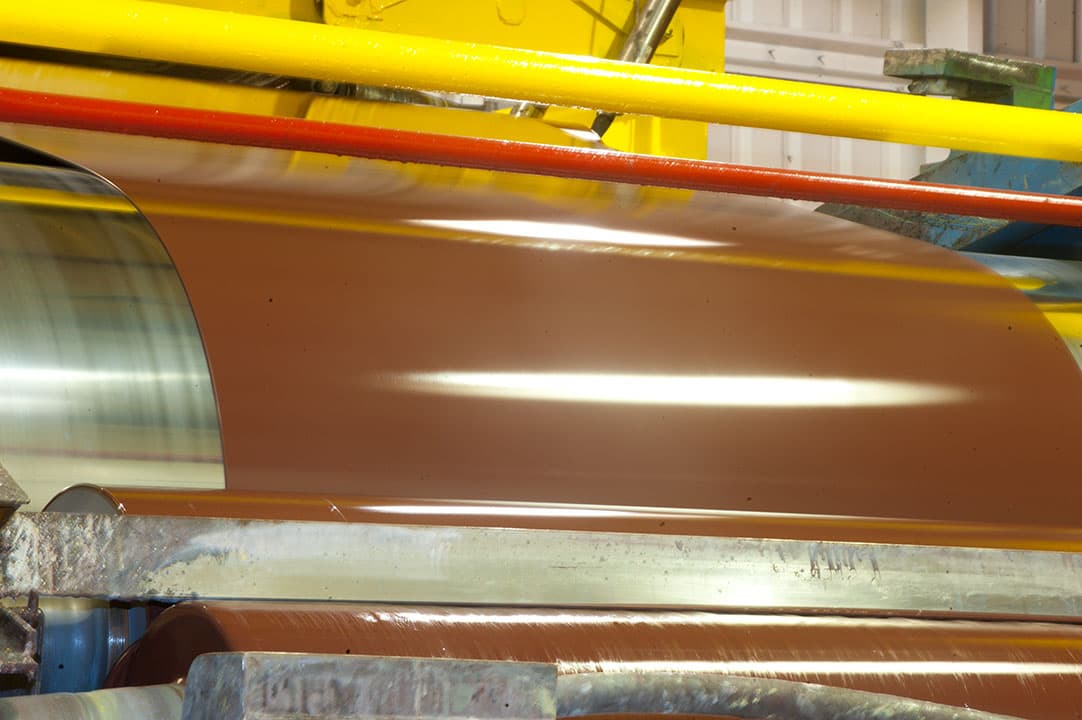
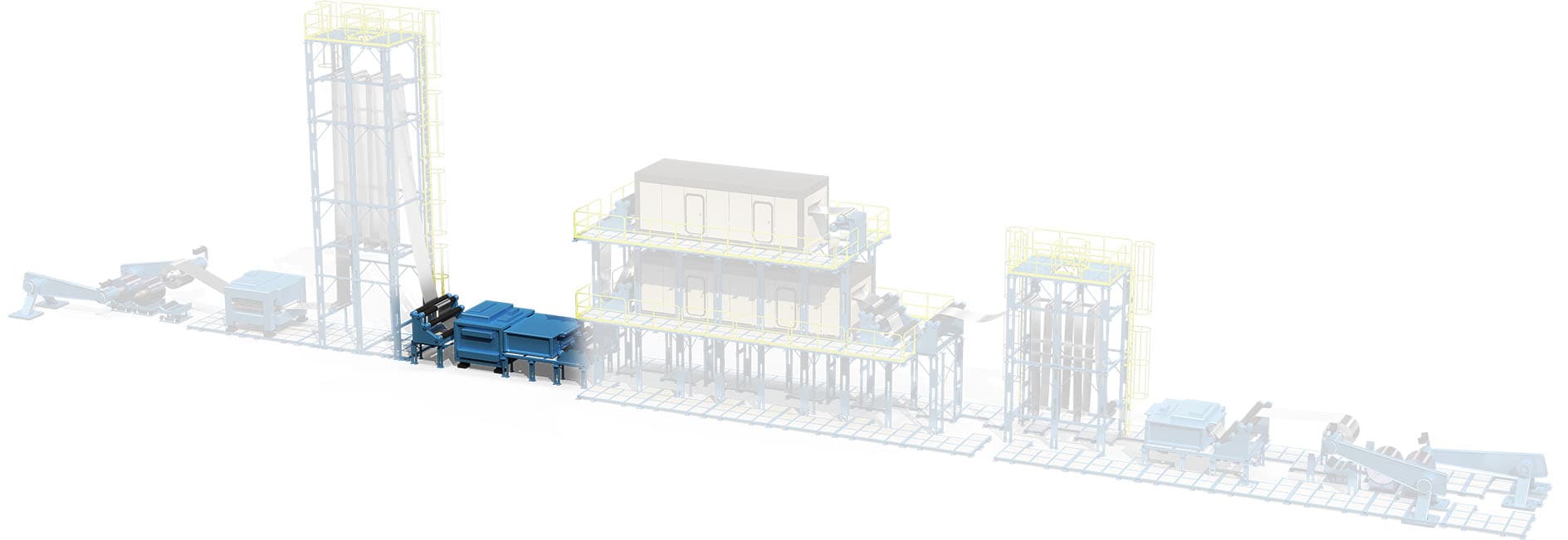
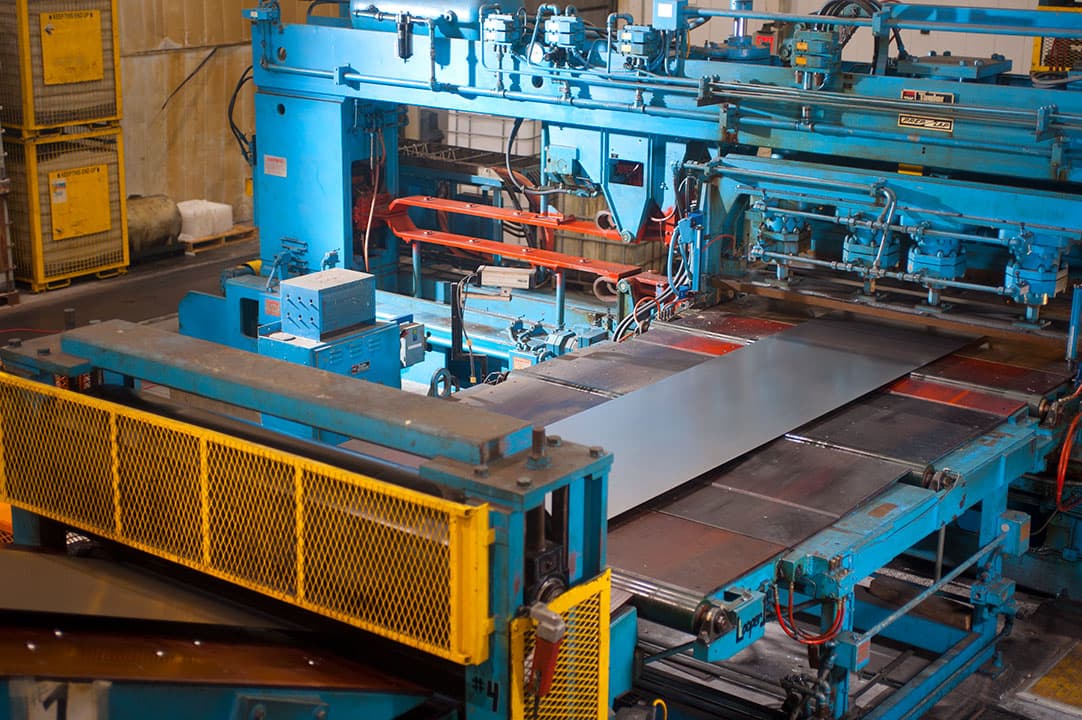
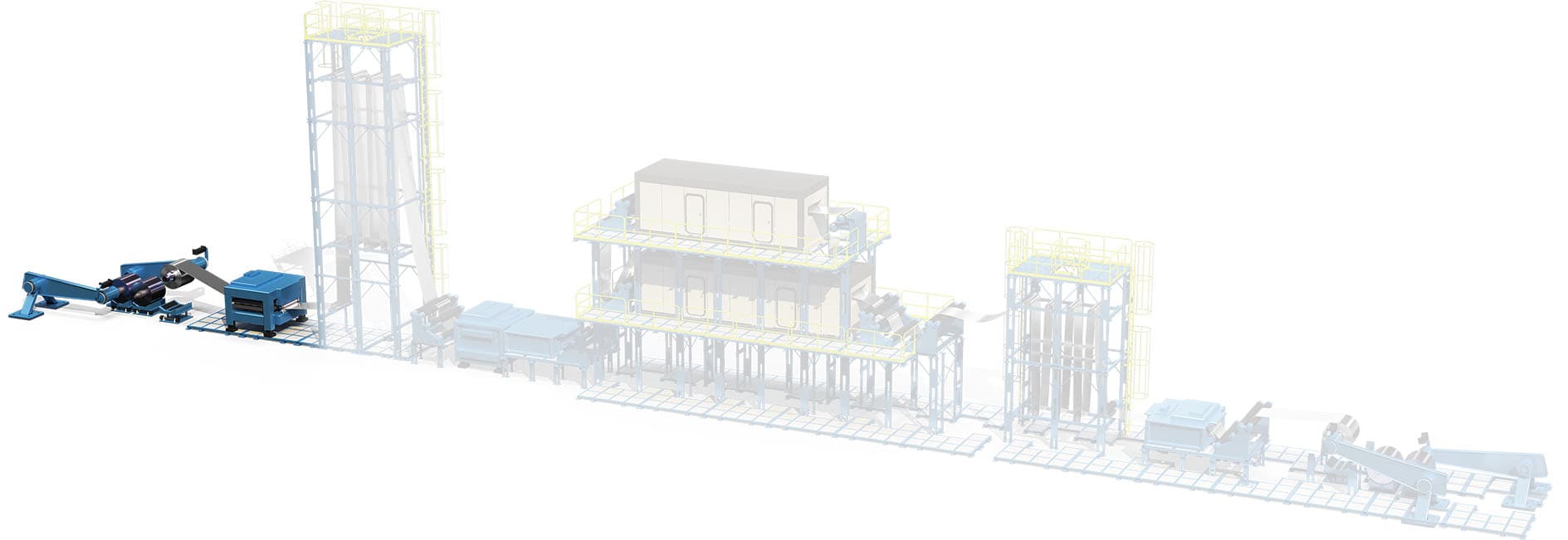
Once the metal is cleaned, treated, and painted, the strip is rewound into a coil size prescribed by the customer. From there, the coil is removed from the line and packaged for shipment or additional processing.
After the primer is applied and cured, then the metal strip enters the finish coat station where a topcoat is applied. Topcoats provide color, corrosion resistance, durability, flexibility and any other required physical properties. Like primers, the topcoat is cured using thermal cure ovens.
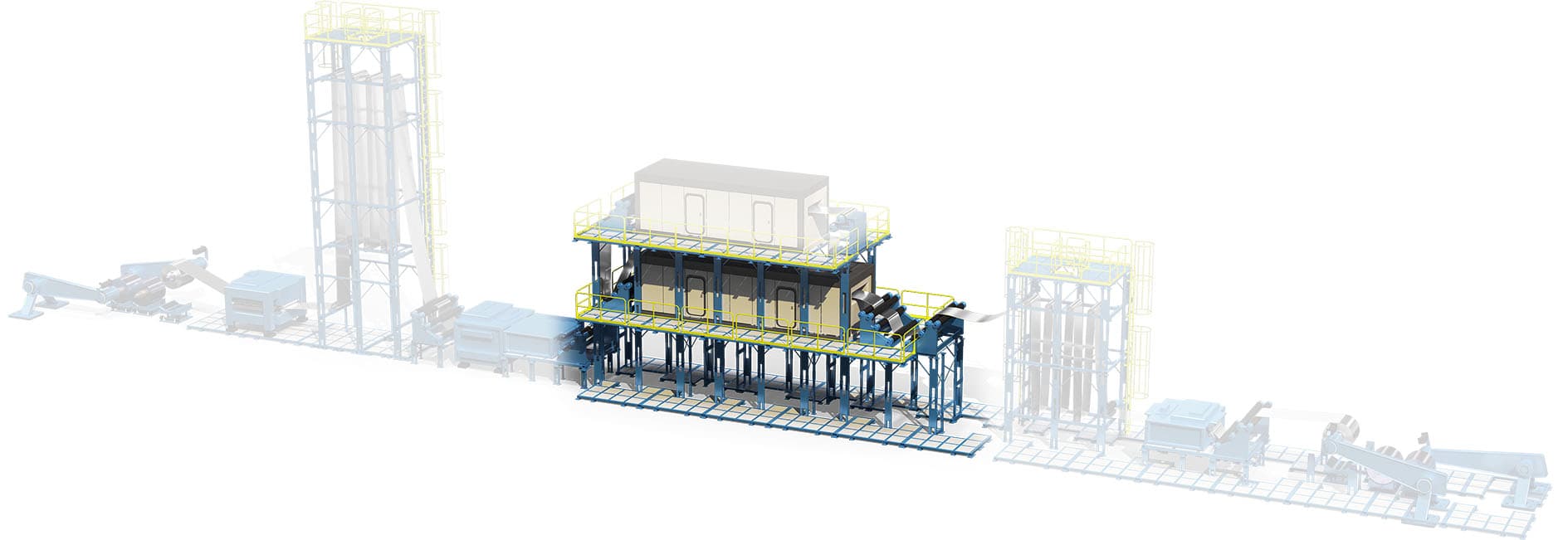
Oven
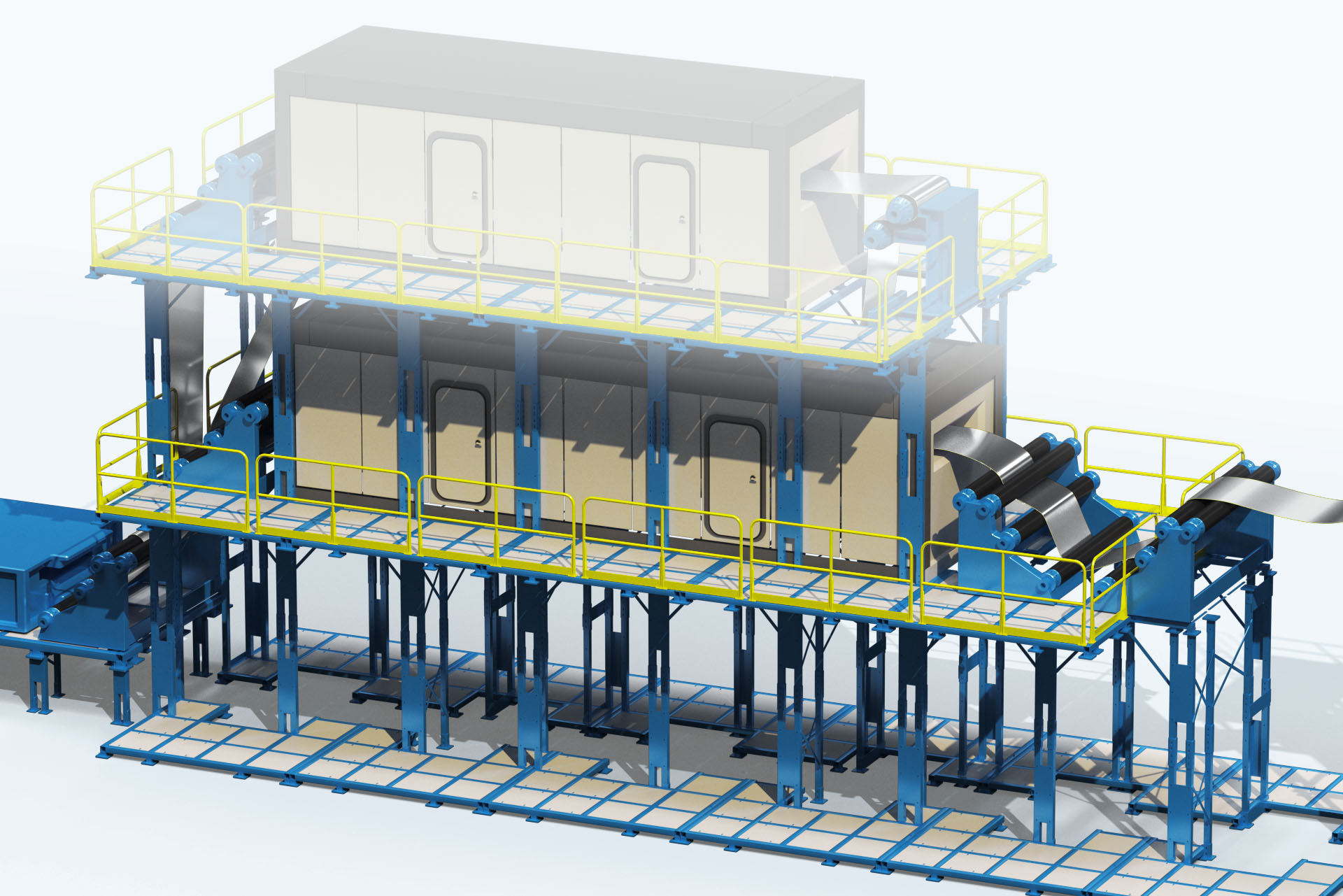
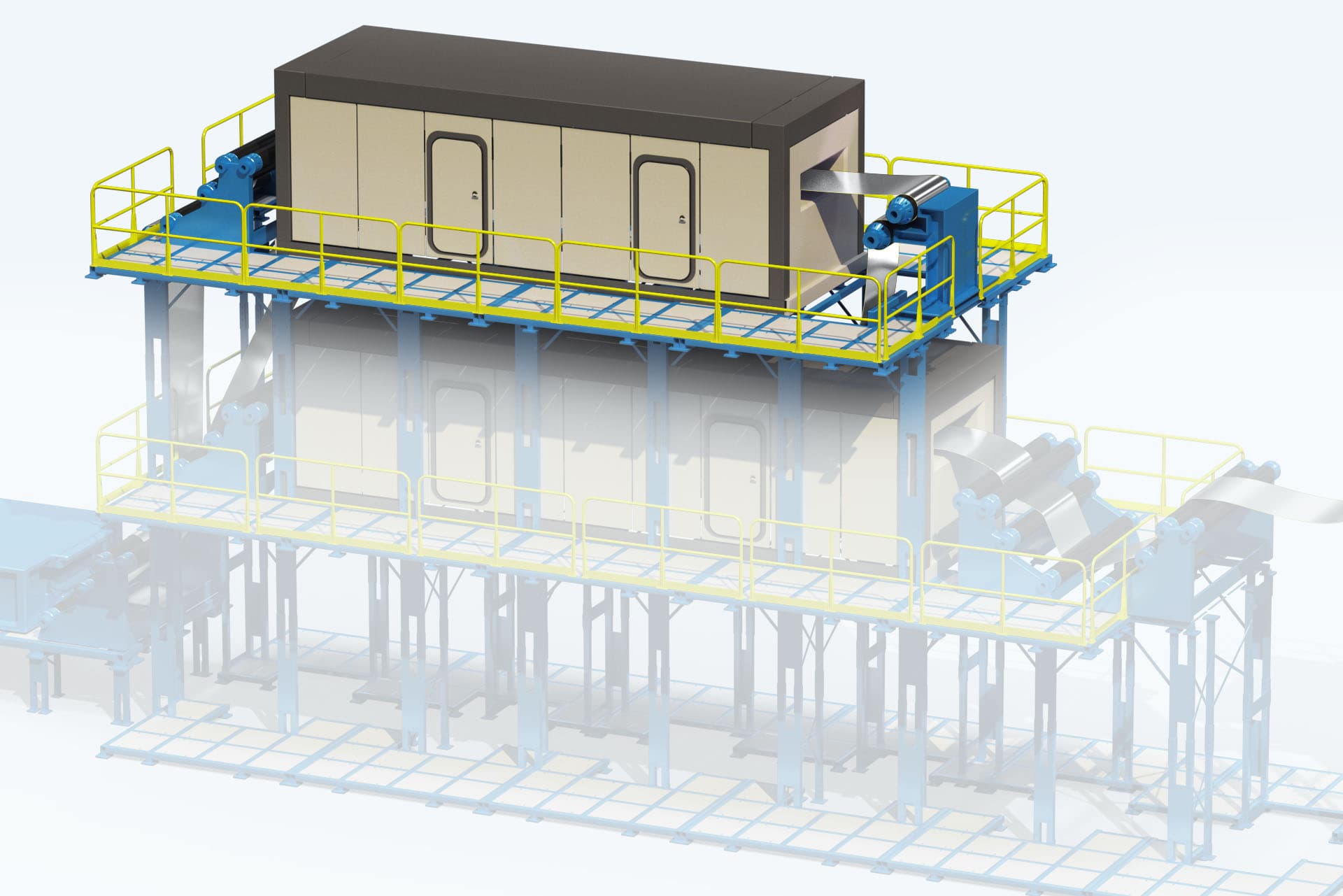
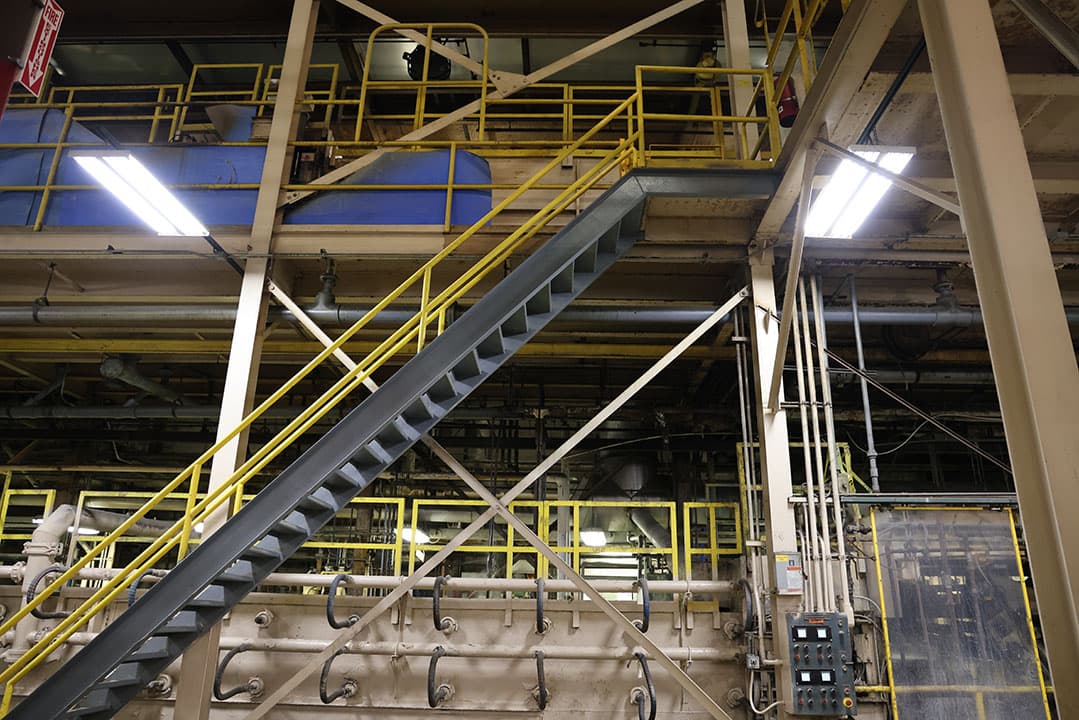
Coil coating ovens can range from 130 feet to 160 feet and will cure the coatings in 13 to 20 seconds.
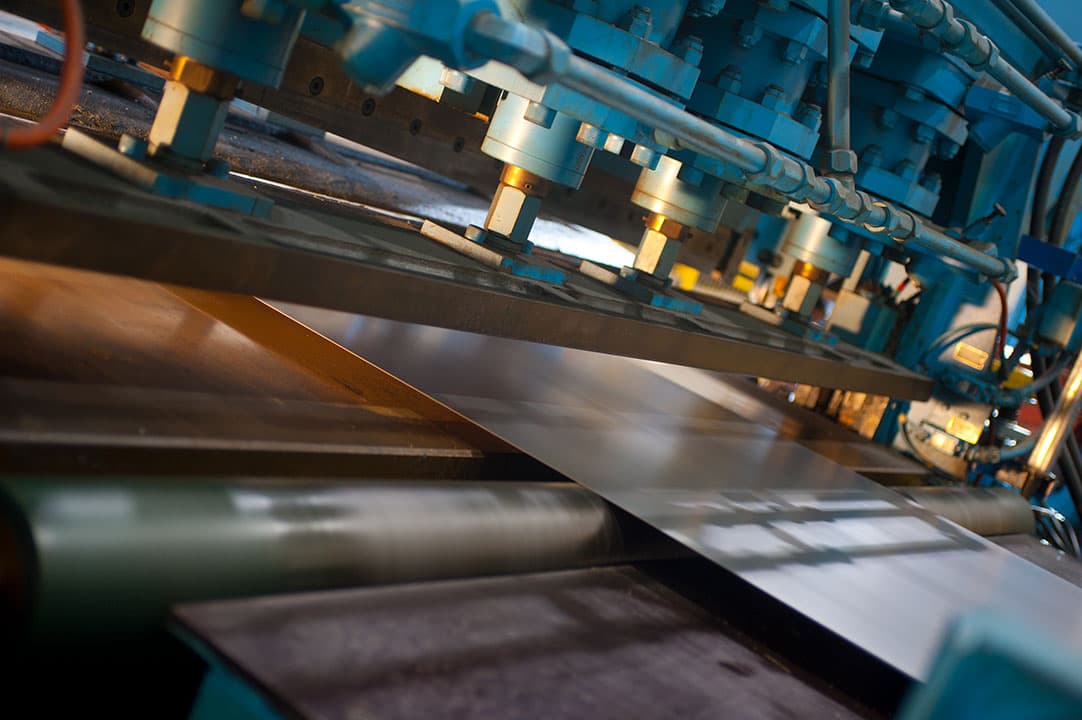
During this stage, the strip enters the prime coat station whereby a primer is applied to the clean and treated metal. After the primer is applied, the metal strip travels through a thermal oven for curing. Primers are used to aid in paint adhesion, improve corrosion performance and enhance aesthetic and functional attributes of the topcoat.
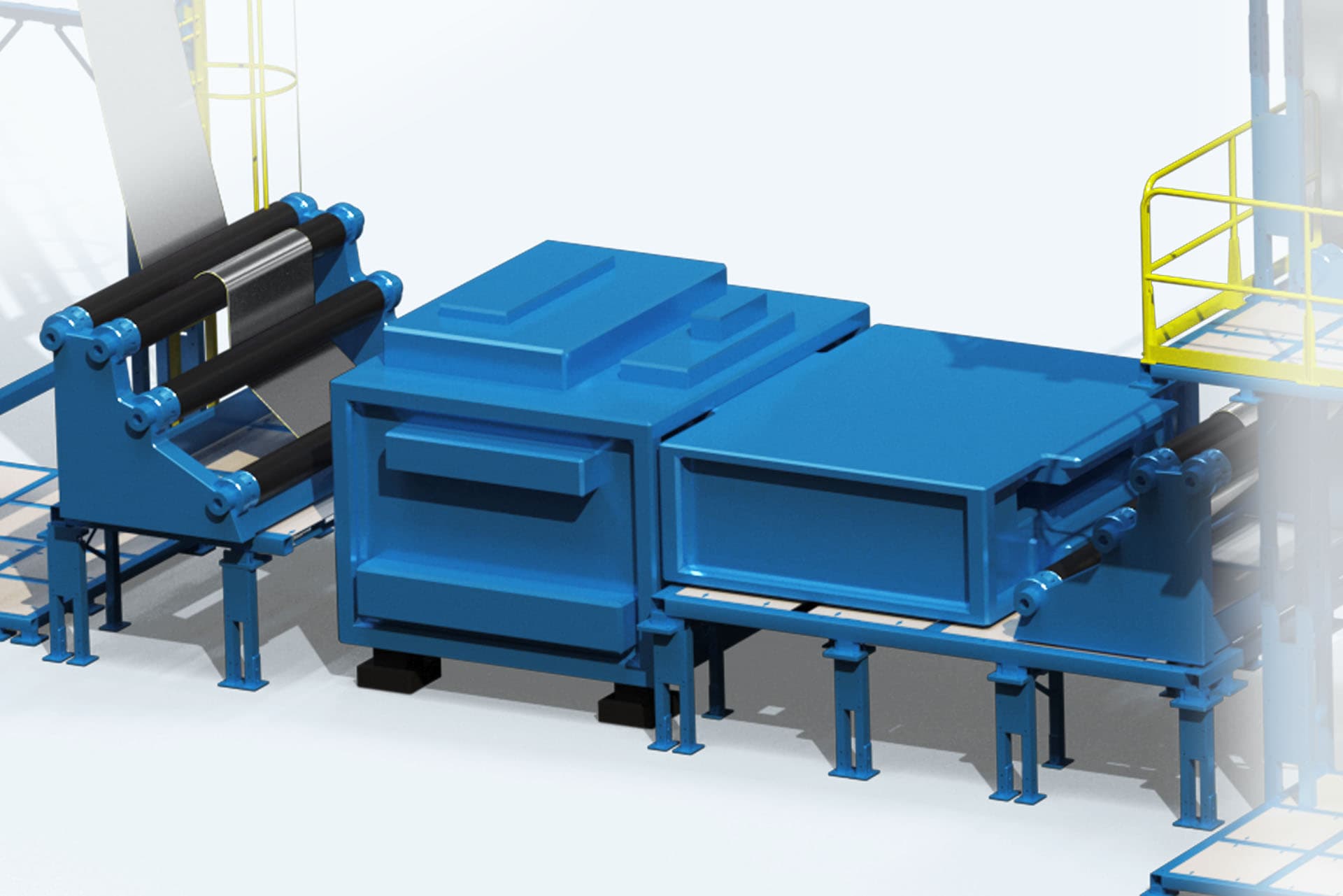
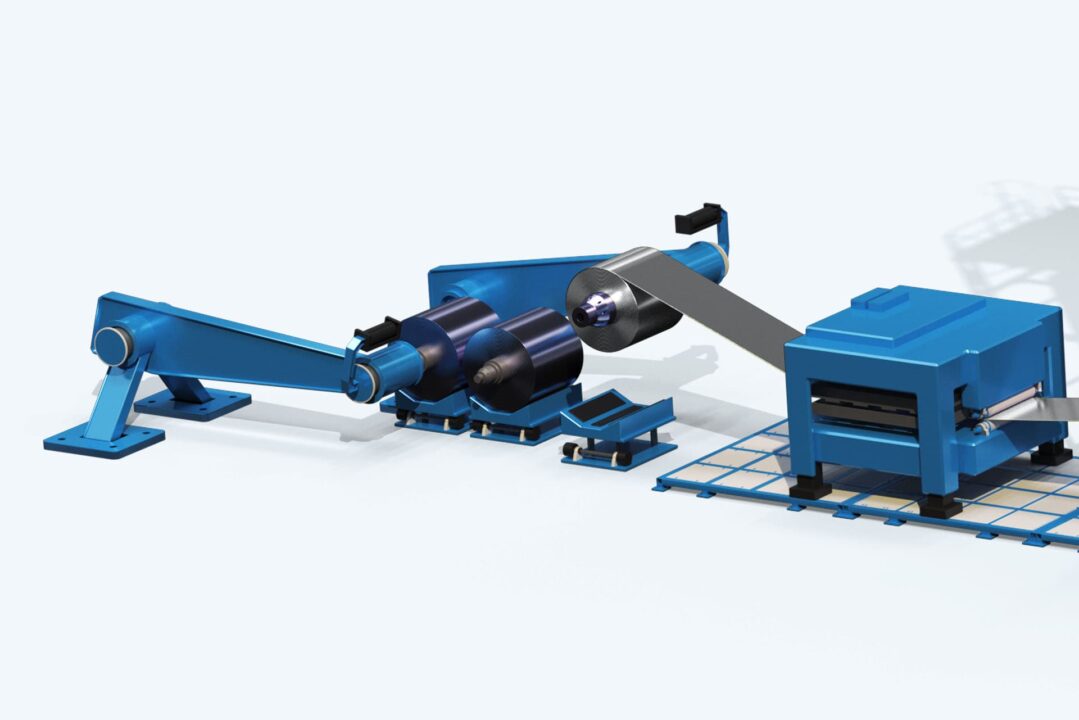
S Wrap Coater
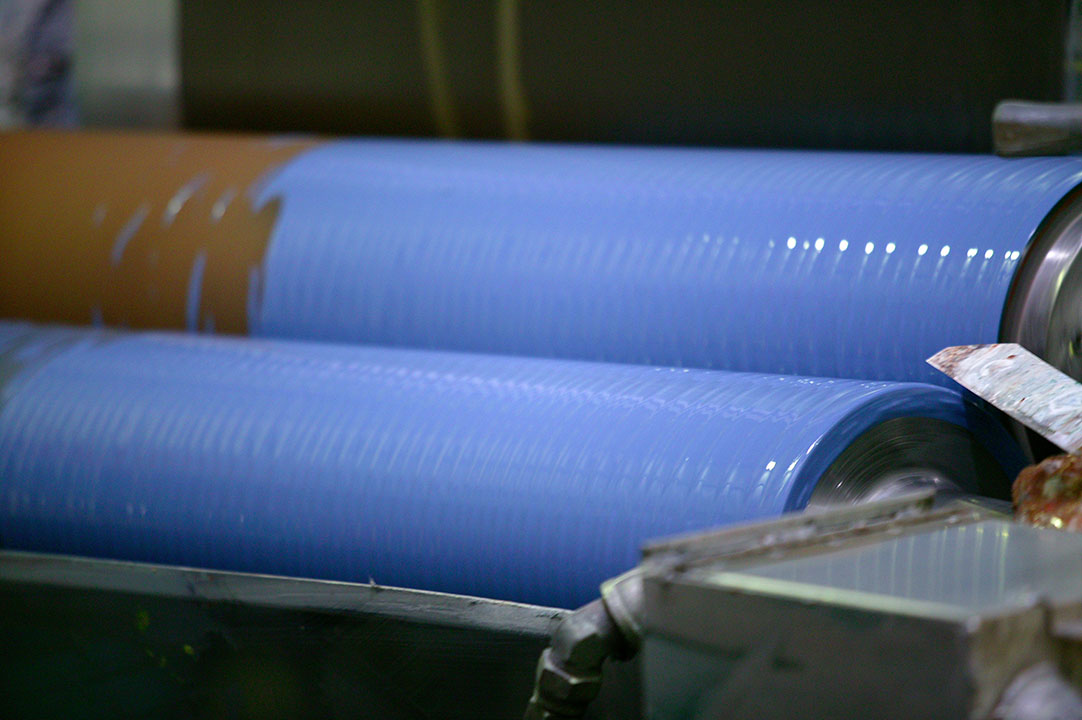
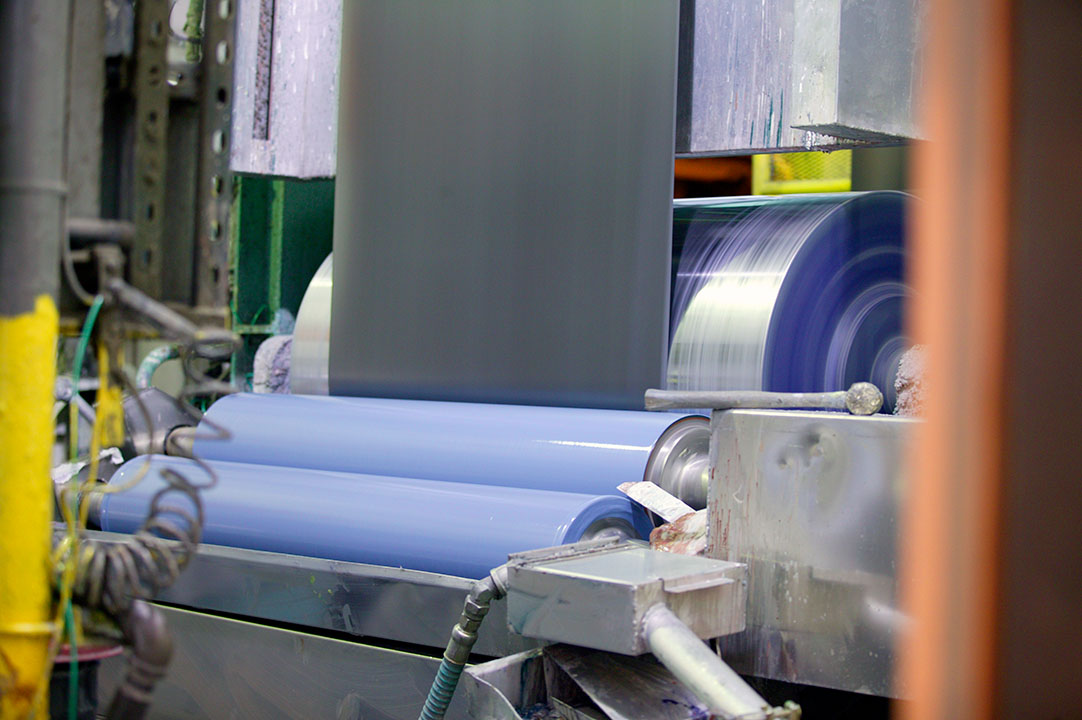
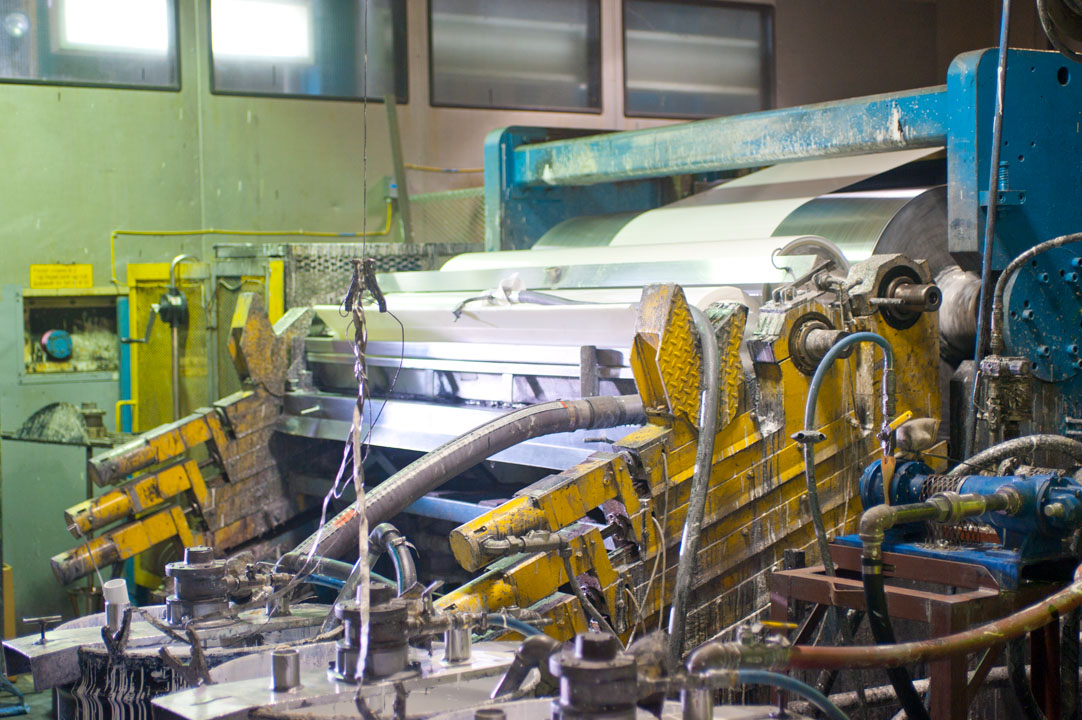
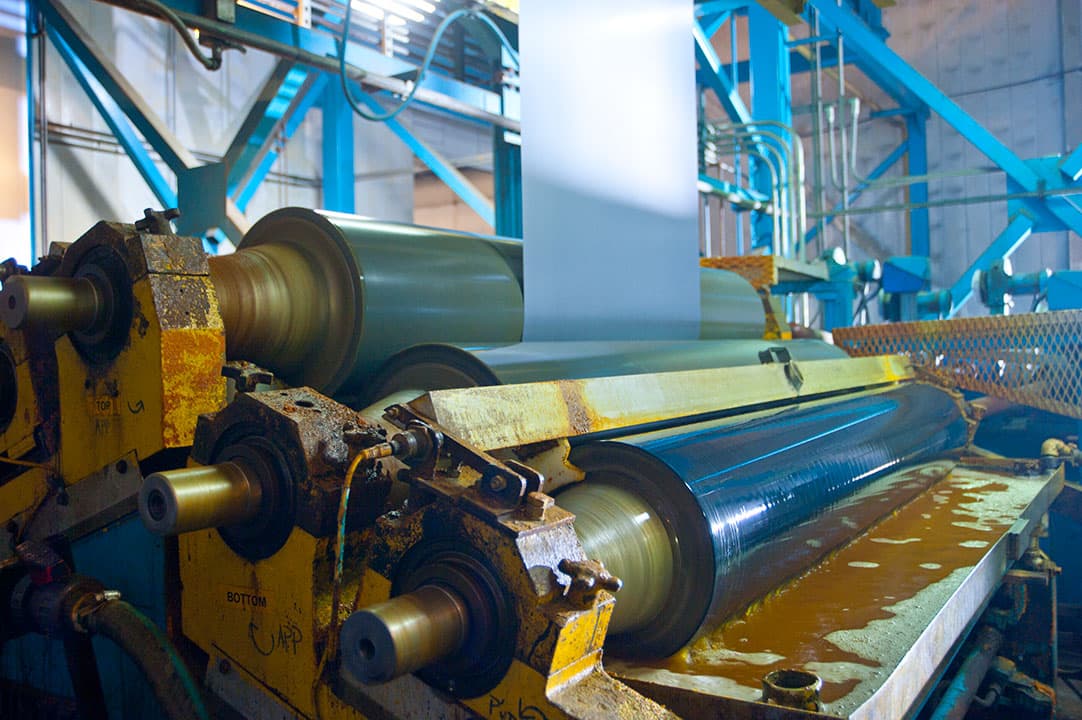
The S wrap coater design allows for primers and paints to be applied to the top and back side of the metal strip simultaneously in one continuous pass.
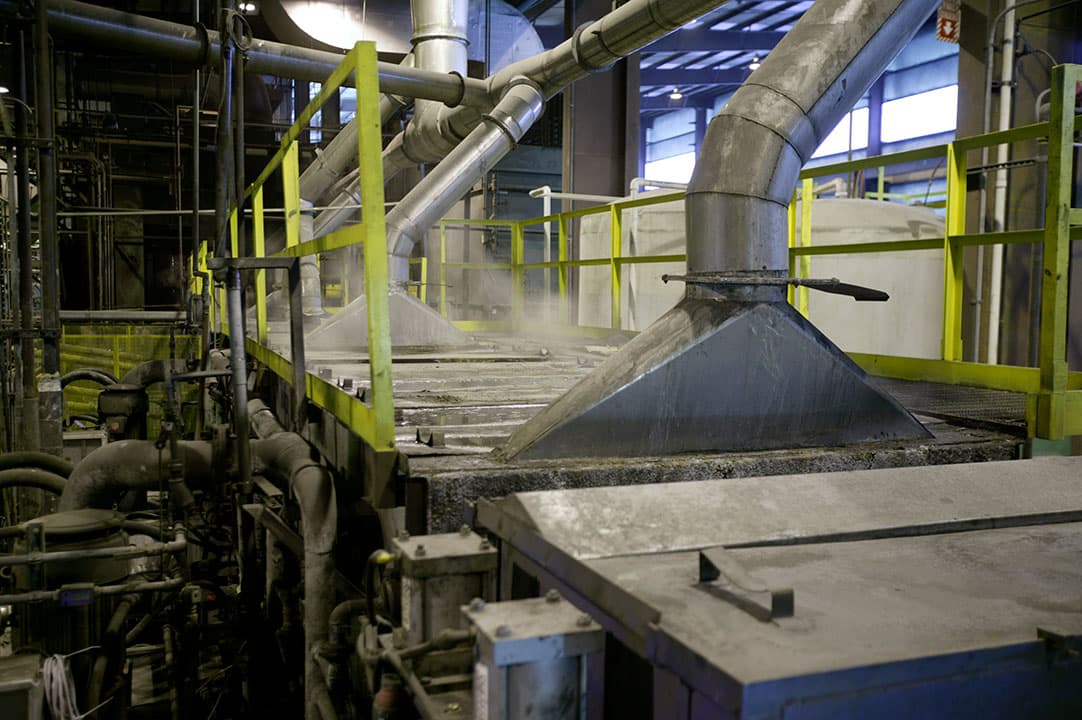
The cleaning and pretreating section of the coil coating process focuses on preparing the metal for painting. During the cleaning stage, dirt, debris, and oils are removed from the metal strip. From there, the metal enters the pretreatment section and/or a chemical coater whereby chemicals are applied to facilitate paint adhesion and enhance corrosion resistance.
Dried-In-Place
In this stage a chemical that provides enhanced corrosion performance is applied. This treatment can be chrome free if required.
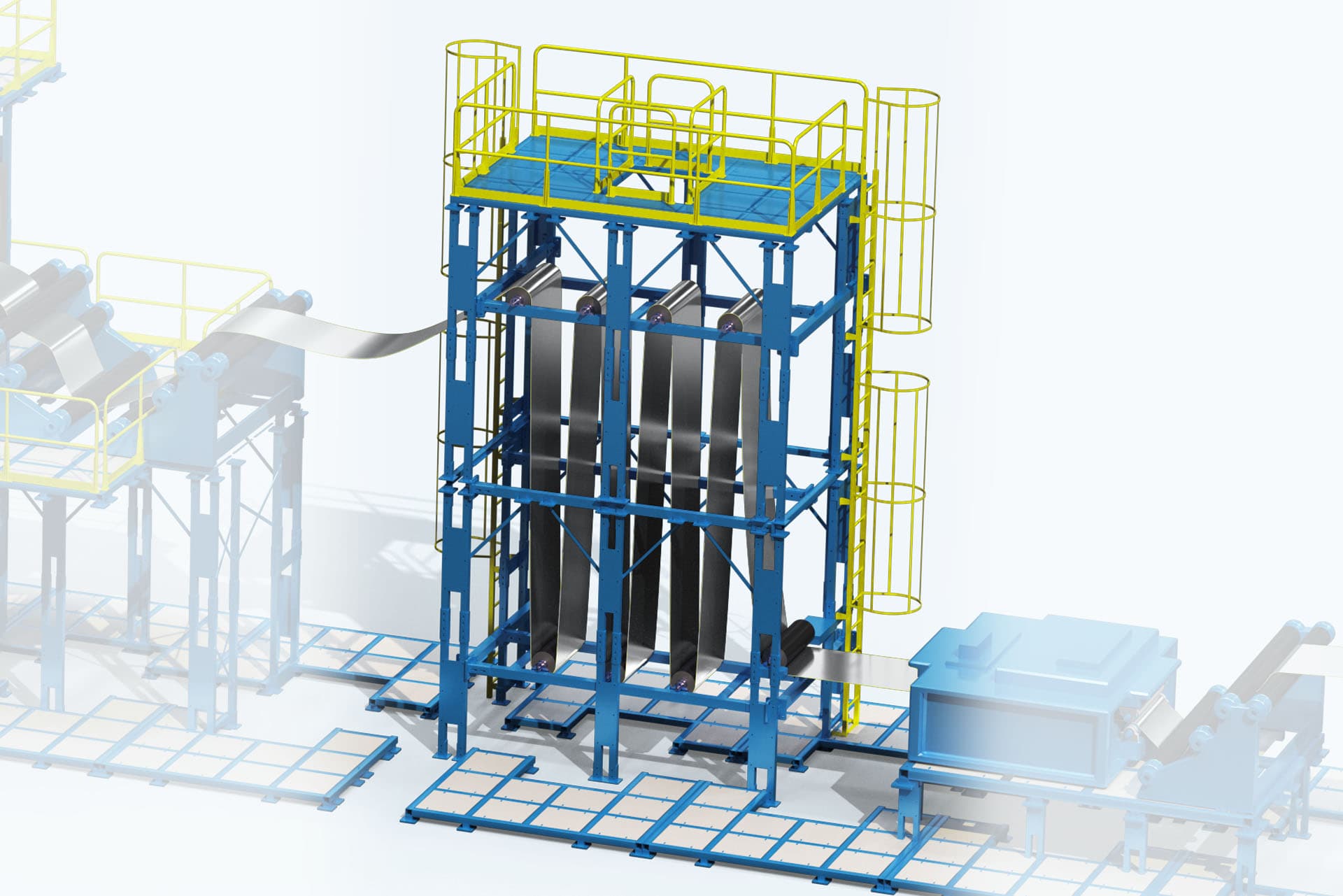
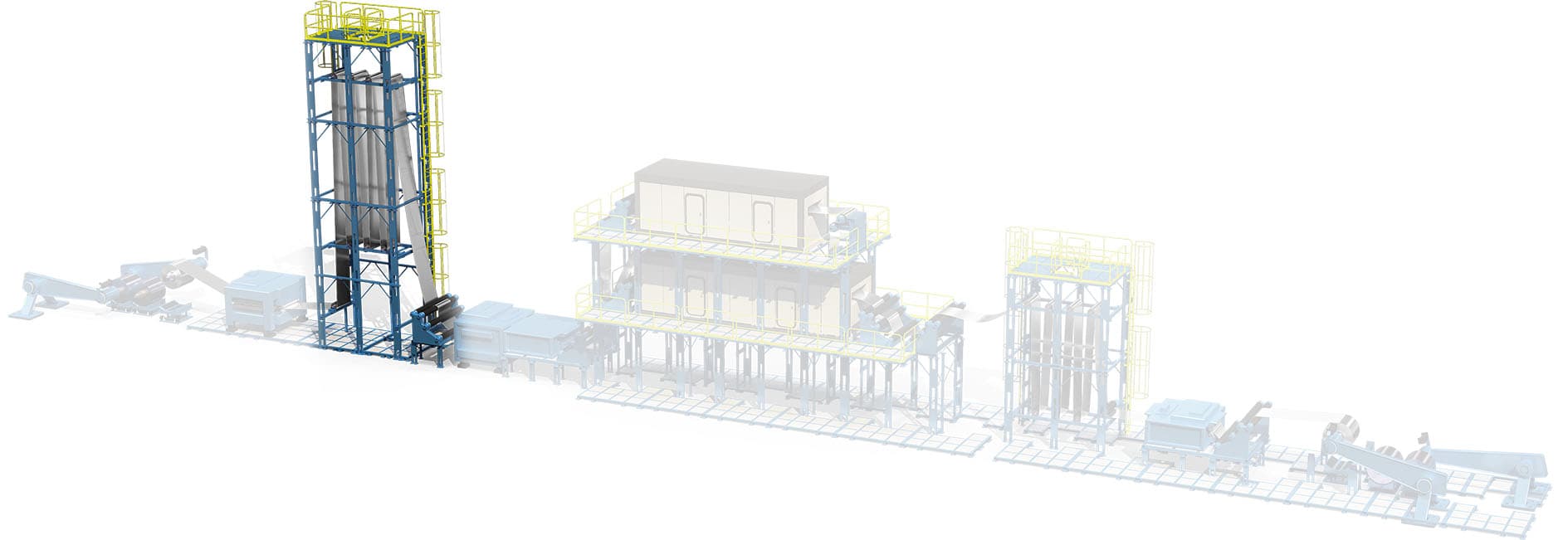
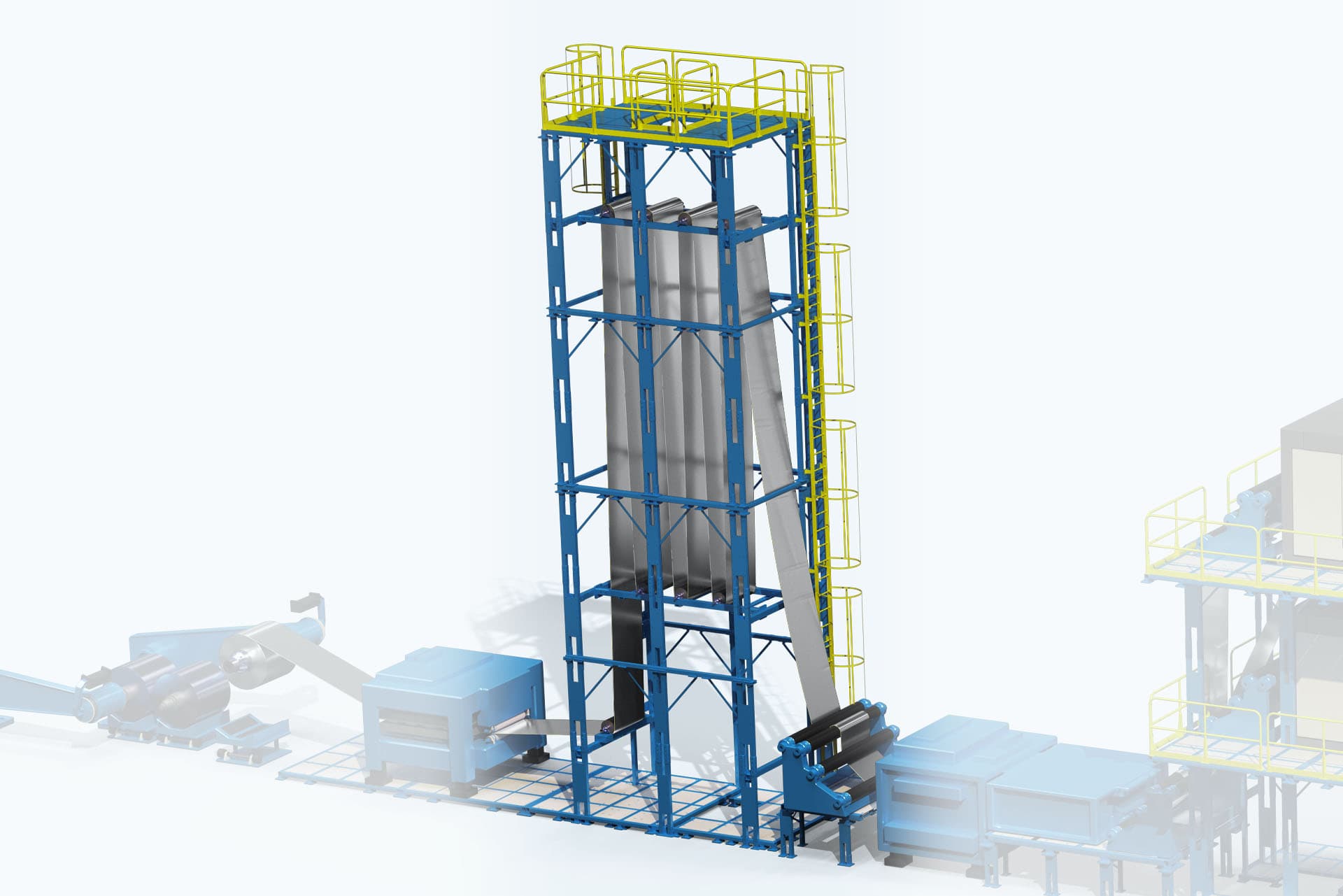
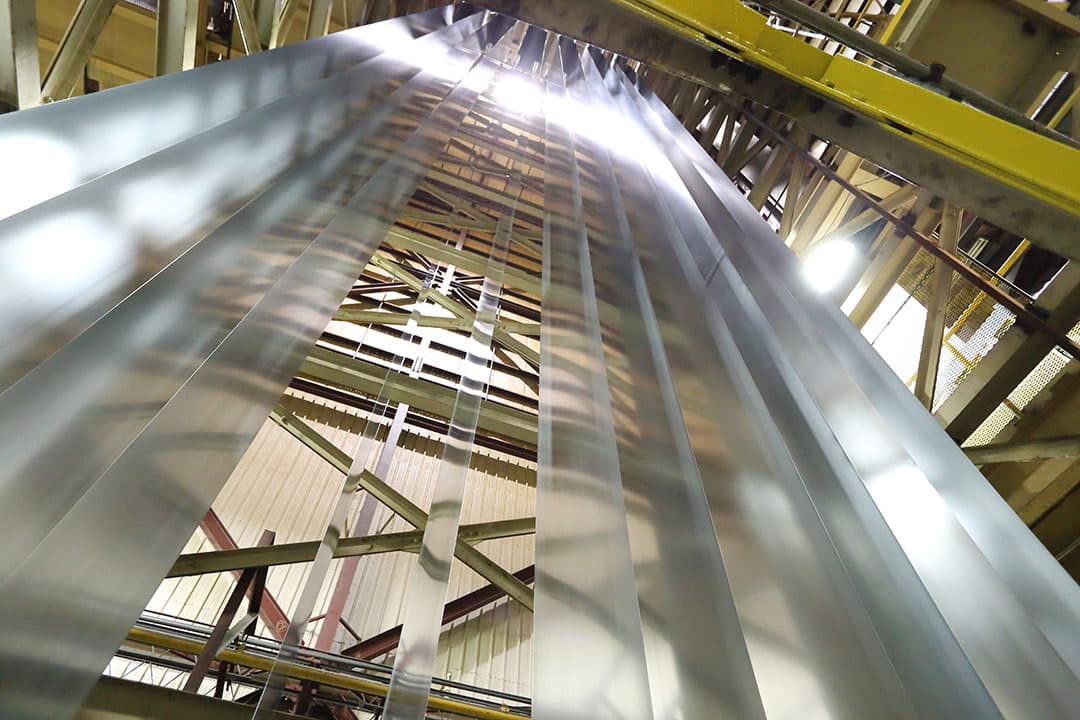
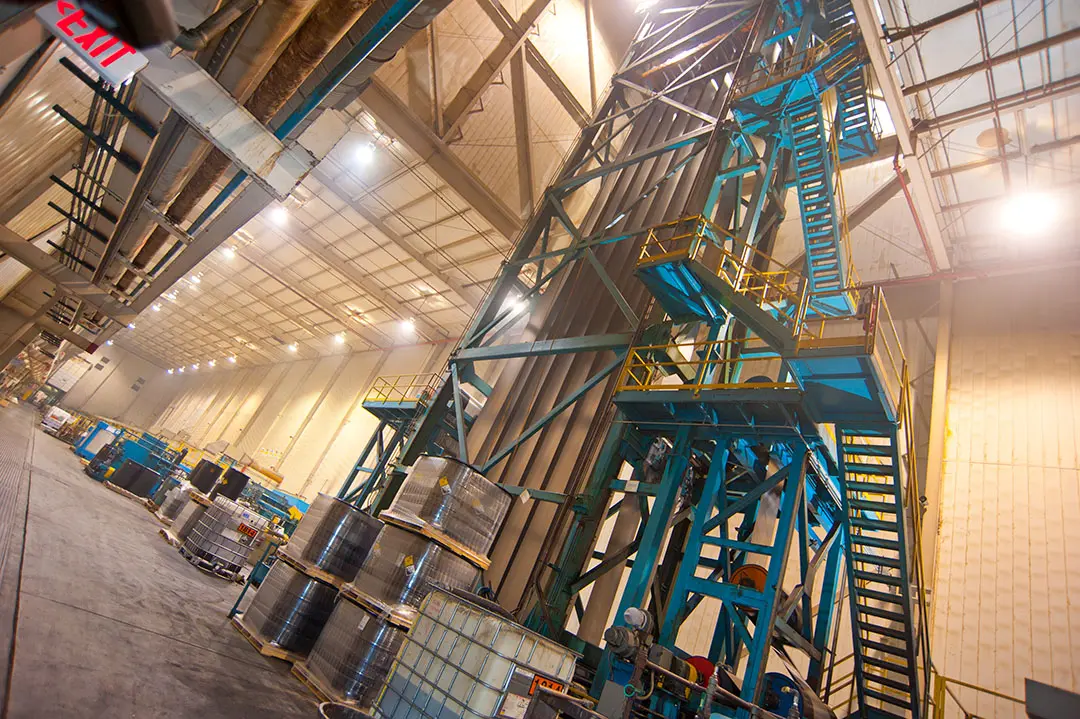
The accumulator is a structure that adjusts up and down to store material, which makes continuous operation of the coil coating process possible. This accumulation will continue to feed the coil coating processes while the entry end has stopped for the stitching process. As much as 750 feet of metal can be collected.
Waterfront infrastructure faces relentless exposure to moisture, heavy use, and changing conditions. Discover how thoughtful material selection helps marinas and public access structures deliver decades of reliable service.
Every boating season begins long before the first boat leaves the dock.
As the sun rises, marina staff prepare for the day, anglers make their way to the water, and families begin gathering along the shoreline. Beneath every step lies a network of gangways, floating docks, access ramps, piers, and structural steel that quietly supports these experiences. Few visitors ever notice it, yet this infrastructure performs one of the toughest jobs in construction, enduring constant moisture, fluctuating water levels, heavy use, and an environment where corrosion never takes a day off.
Unlike many structures, waterfront infrastructure isn’t designed to pause for maintenance. When repairs become necessary, the consequences extend well beyond replacing steel. Dock closures can interrupt marina operations, limit public access, disrupt tourism, and increase costs for owners and municipalities. The true cost of corrosion isn’t simply measured in repair bills. It’s measured in downtime, lost access, and interrupted experiences.
For engineers, owners, and public agencies, selecting a corrosion protection system isn’t simply about preserving steel. It’s about protecting an investment and keeping the waterfront open.
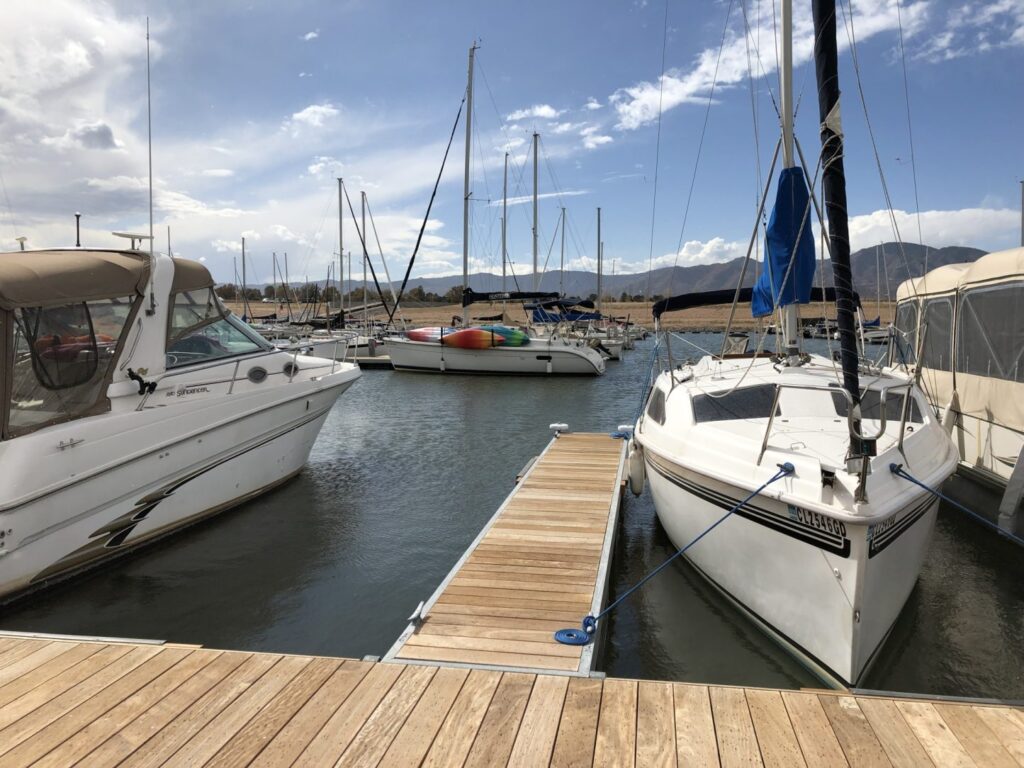
Chatfield Marina – Littleton, Colorado
Designed for Decades, Not Seasons
Building a marina or waterfront facility represents a long-term investment in recreation, tourism, and community infrastructure. Whether privately owned or publicly funded, these facilities are expected to provide reliable service for decades while operating in one of the harshest environments for exposed steel.
Maintenance over water presents challenges that simply don’t exist on land. Repairs often require specialized equipment, restricted access, careful coordination around boat traffic, and, in many cases, temporary closures that interrupt the very purpose the facility was built to serve. Every maintenance cycle carries both direct costs and operational consequences.
That’s why hot-dip galvanizing has become a trusted solution for waterfront infrastructure. The metallurgically bonded zinc coating provides durable corrosion protection that helps reduce maintenance requirements and extend the service life of structural steel. For owners and engineers, the value extends well beyond corrosion resistance. It means fewer interruptions, lower life-cycle costs, and infrastructure that remains focused on serving the public.
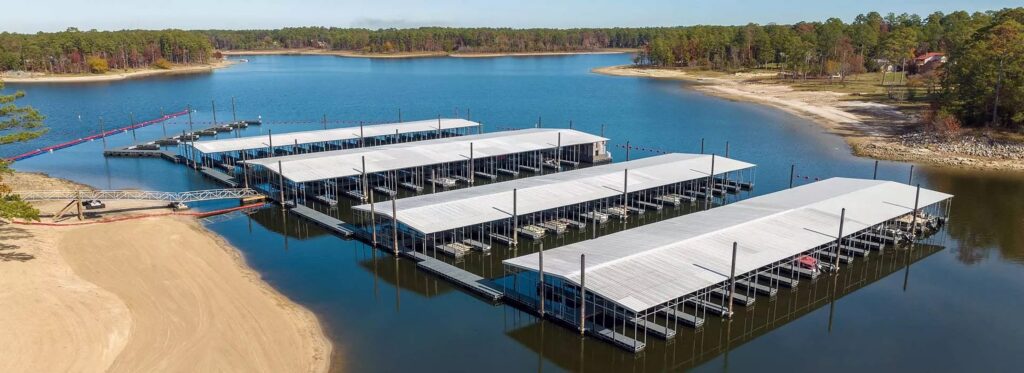
Sam Rayburn Resort Marina – Sam Rayburn, Texas
Protecting the Investment
Every waterfront project has its own goals, but the priorities are remarkably consistent: maximize service life, minimize maintenance, and provide dependable access for years to come.
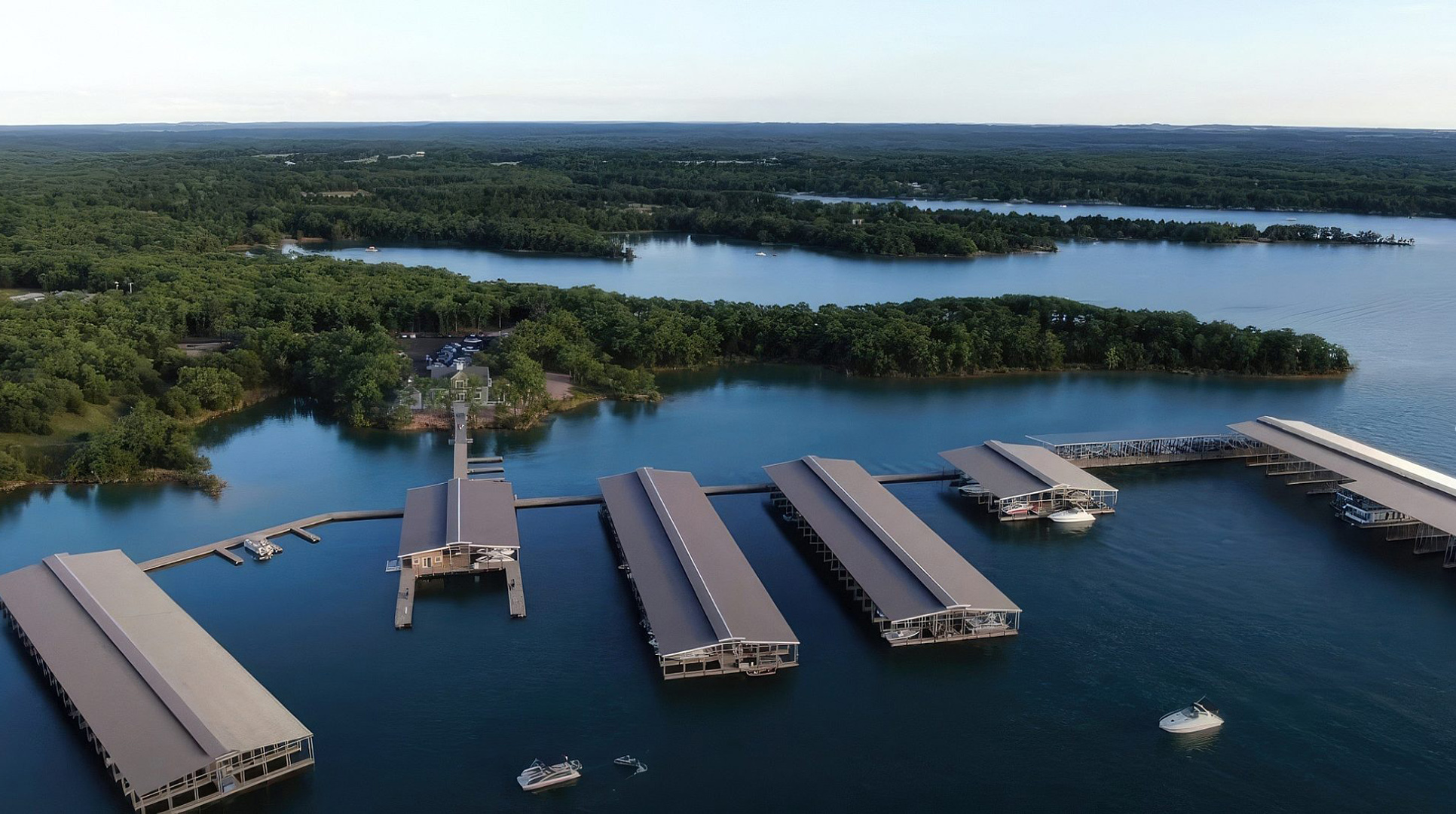
Murray Harbor Marina in Oklahoma exemplifies this approach. Designed as a destination marina with hundreds of boat slips, fueling facilities, and room for future expansion, the project demonstrates how thoughtful material selection contributes to the long-term success of a significant waterfront investment.
A similar philosophy guided the construction of Chatfield Marina in Colorado. Serving more than 300 seasonal boat slips, the project team selected hot-dip galvanized steel because the added durability was expected to offset the initial investment through reduced maintenance over the marina’s service life. Beyond corrosion protection, the galvanized coating also provides added resistance to the scrapes and impacts that naturally occur in active marina environments.
For owners, those decisions help preserve more than the structure itself. They help preserve the reliability and reputation of the facility.
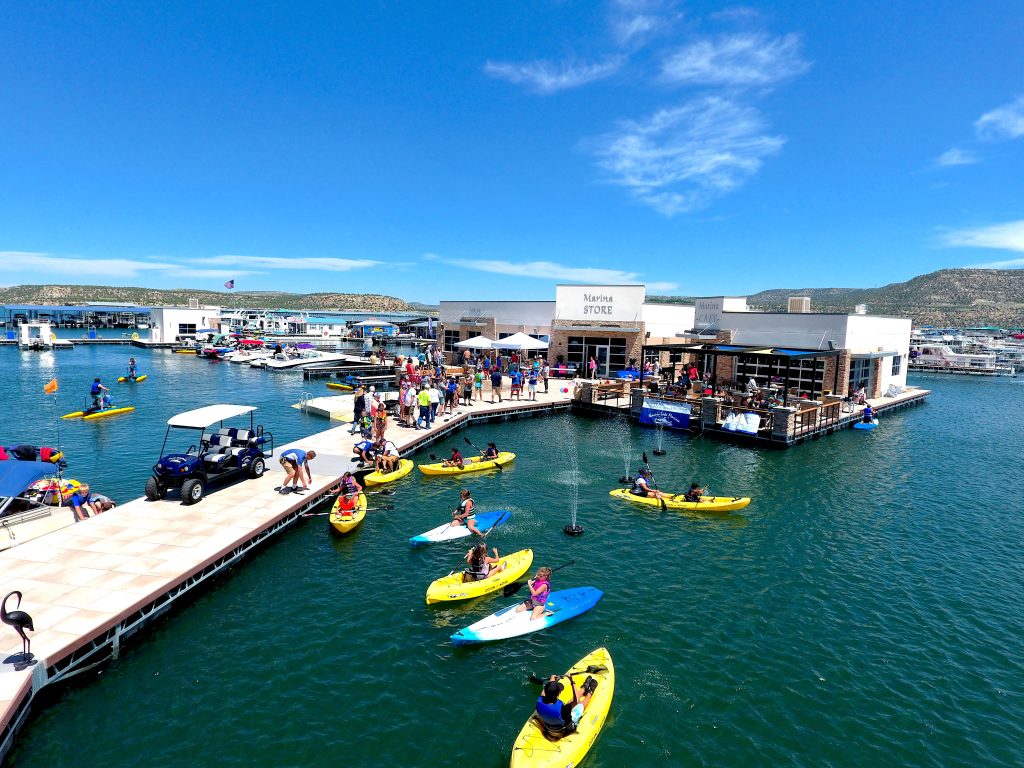
Navajo Lake Marina Expansion – Navajo Dam, NM
Supporting Growth Without Sacrificing Durability
As recreational demand grows, marinas often expand with additional slips, docks, and public amenities. Those improvements are expected to perform just as reliably as the original infrastructure, making material selection just as important during expansion as it is during initial construction.
The Navajo Lake Marina Expansion illustrates this philosophy. New dock infrastructure increased capacity while maintaining the durability expected of a major recreational destination. By incorporating hot-dip galvanized steel into the expansion, the project team invested in infrastructure designed to withstand continuous freshwater exposure while helping reduce future maintenance demands.
For marina operators, that means spending less time planning repairs and more time welcoming visitors to the water.
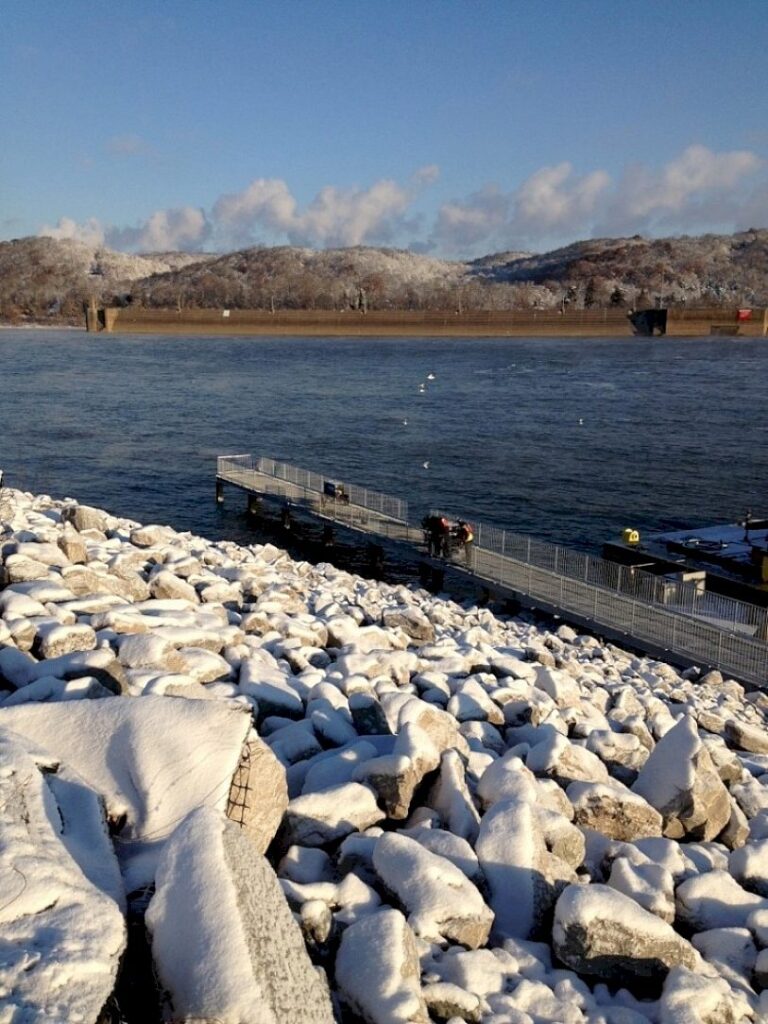
Meldahl Fishing Pier – Foster, Kentucky
Keeping Communities Connected to the Water
Waterfront infrastructure extends well beyond marinas. Fishing piers, public docks, pedestrian access structures, and observation areas all share the same purpose: connecting people with the water.
Sam Rayburn Resort Marina in East Texas serves one of the state’s premier recreational lakes, welcoming boaters and anglers throughout the year. Designed for long-term performance in a demanding freshwater environment, its galvanized dock system helps support a destination where reliability is just as important as recreation.
Along the Ohio River, the Meldahl Fishing Pier demonstrates how the same principles apply to public access infrastructure. Designed to withstand years of environmental exposure with minimal maintenance, the structure allows anglers to enjoy the river while providing dependable service season after season.
Whether supporting boats or pedestrians, these projects reinforce a common principle: the best waterfront infrastructure spends its life serving the public, not undergoing repairs.
Built for the Long Haul
Waterfront environments demand more from structural steel than almost any other application. Constant moisture, wet-dry cycling, fluctuating water levels, ultraviolet exposure, and years of daily use create conditions where durability becomes essential—not only for the structure itself, but for the people and communities that rely on it.
From destination marinas and expanding recreational facilities to public fishing piers and waterfront access structures, hot-dip galvanized steel helps owners reduce maintenance demands, extend service life, and protect significant infrastructure investments.
While visitors may never notice the galvanized steel beneath their feet, they experience its value every time a dock remains open, a marina stays in service, or a fishing pier welcomes another season of use.
The best waterfront infrastructure isn’t remembered for the repairs it required. It’s remembered for the memories it helped create.
Featured AZZ Projects
The following projects illustrate how AZZ teams across North America have helped deliver durable waterfront infrastructure designed to serve communities, support recreation, and reduce long-term maintenance demands.
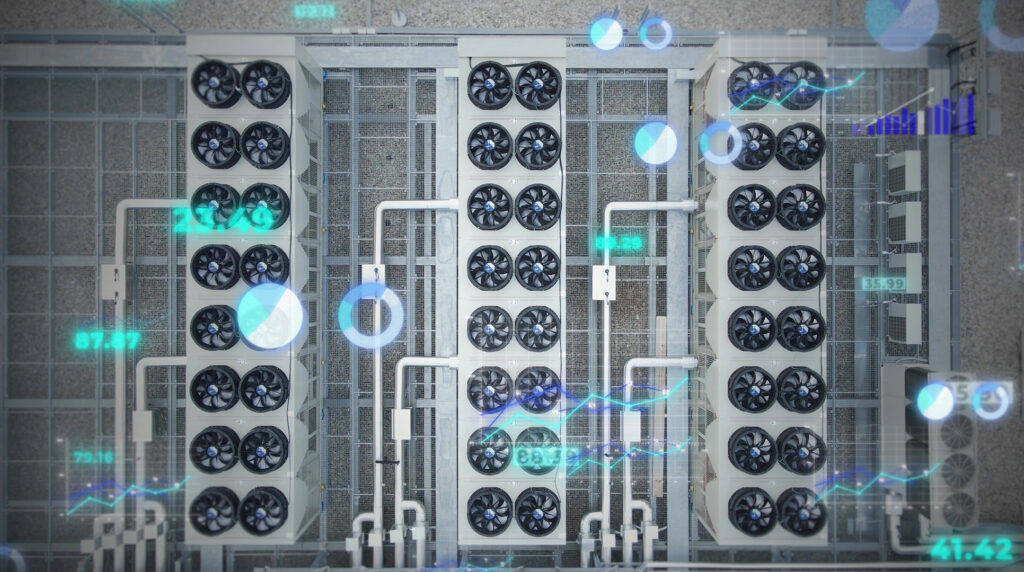
Modern data centers are expected to deliver uninterrupted performance while supporting decades of technological evolution. That makes the durability of the underlying infrastructure just as important as the technology it supports.