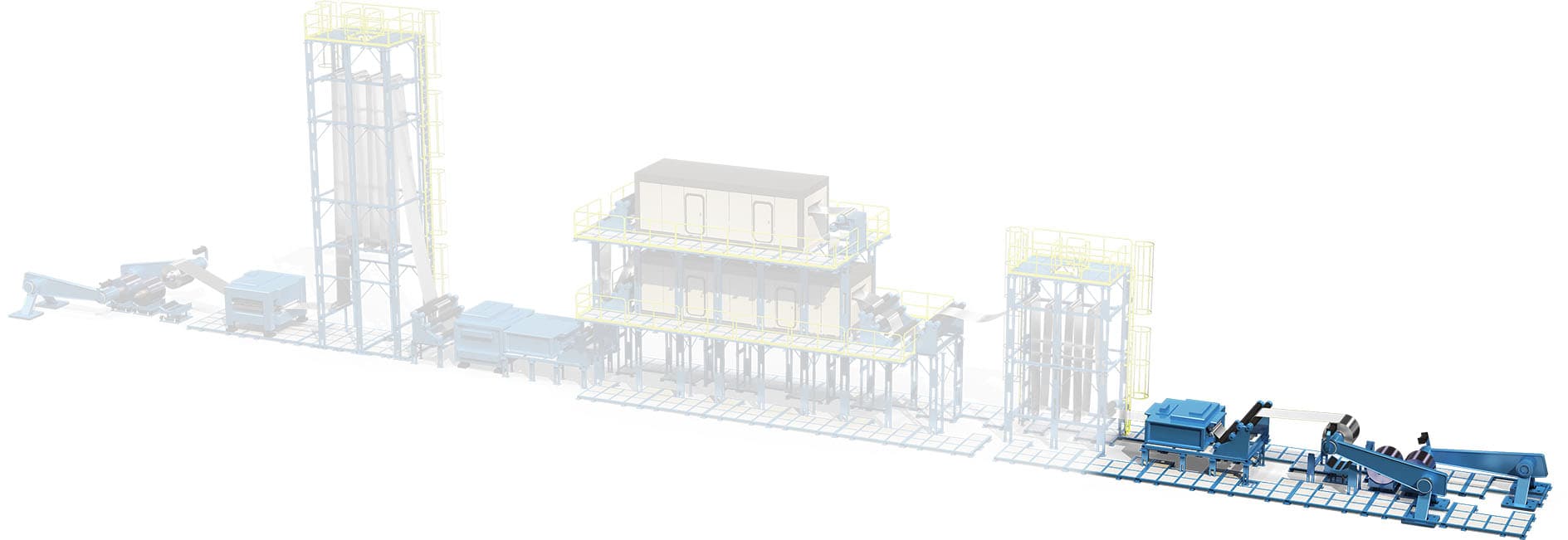
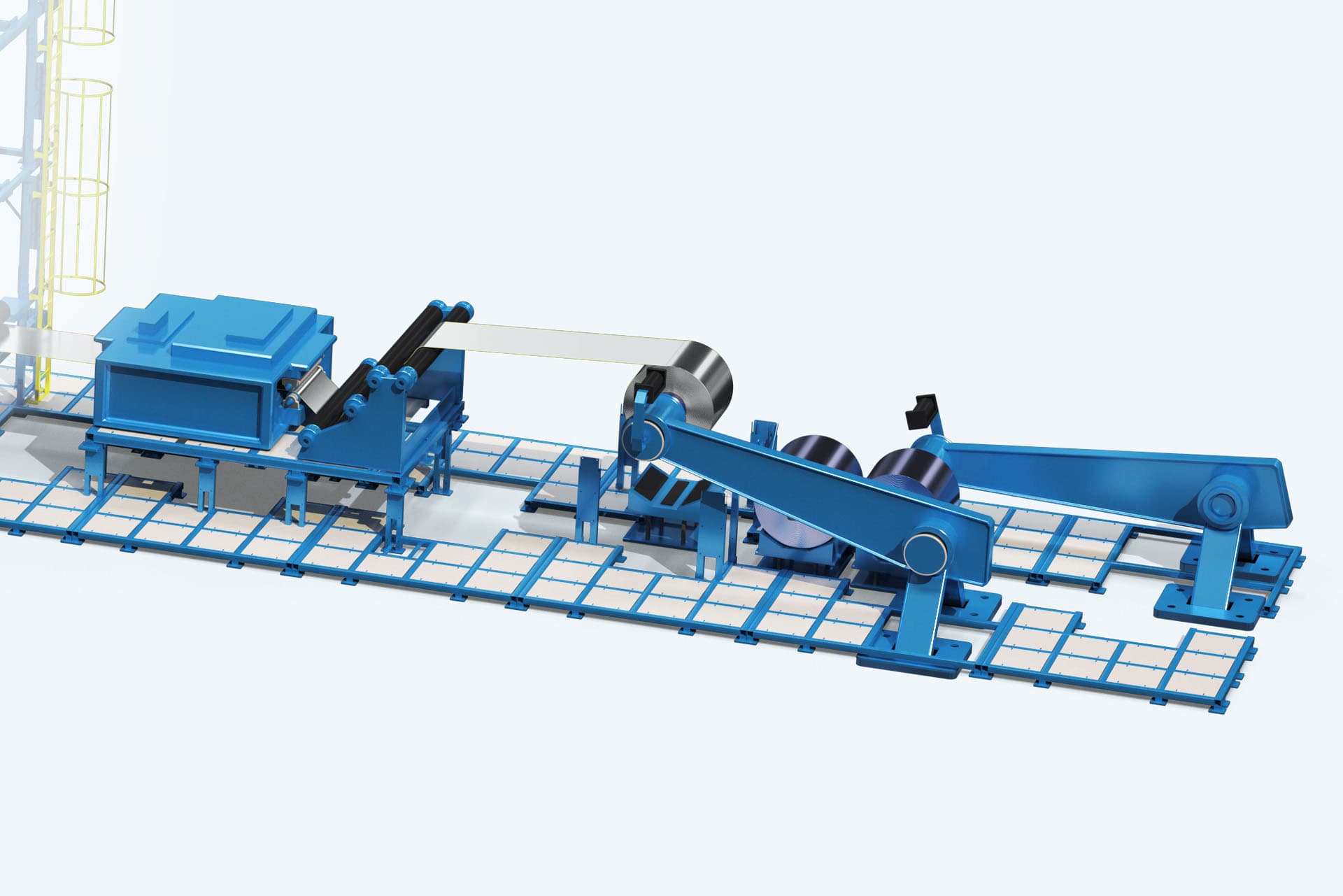
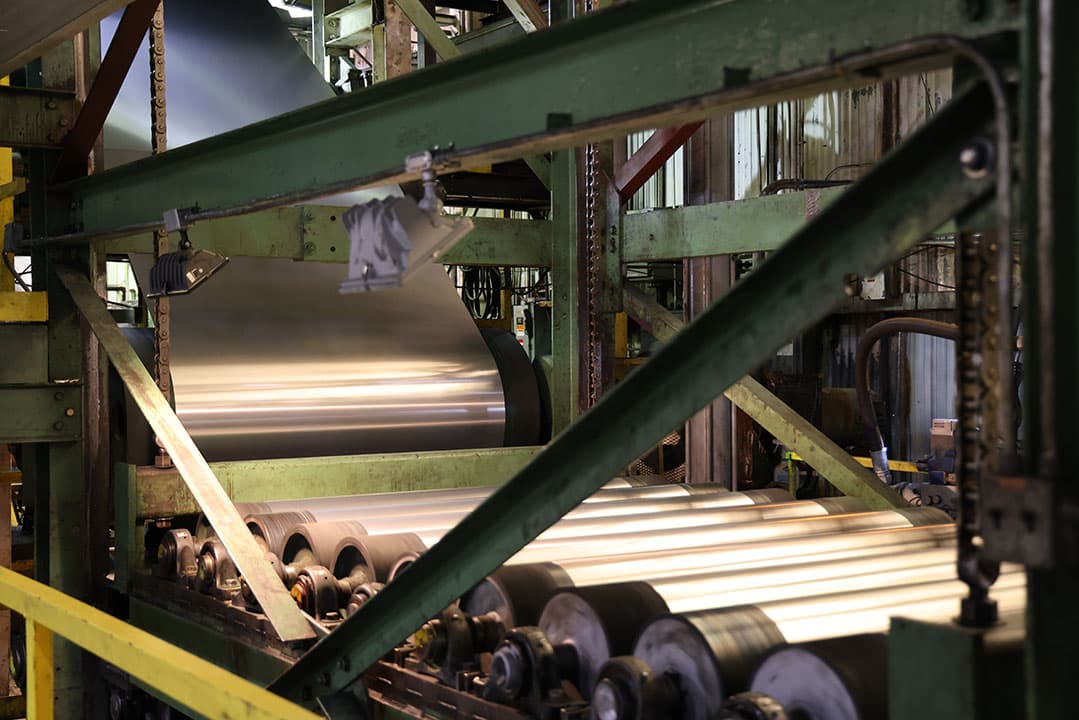
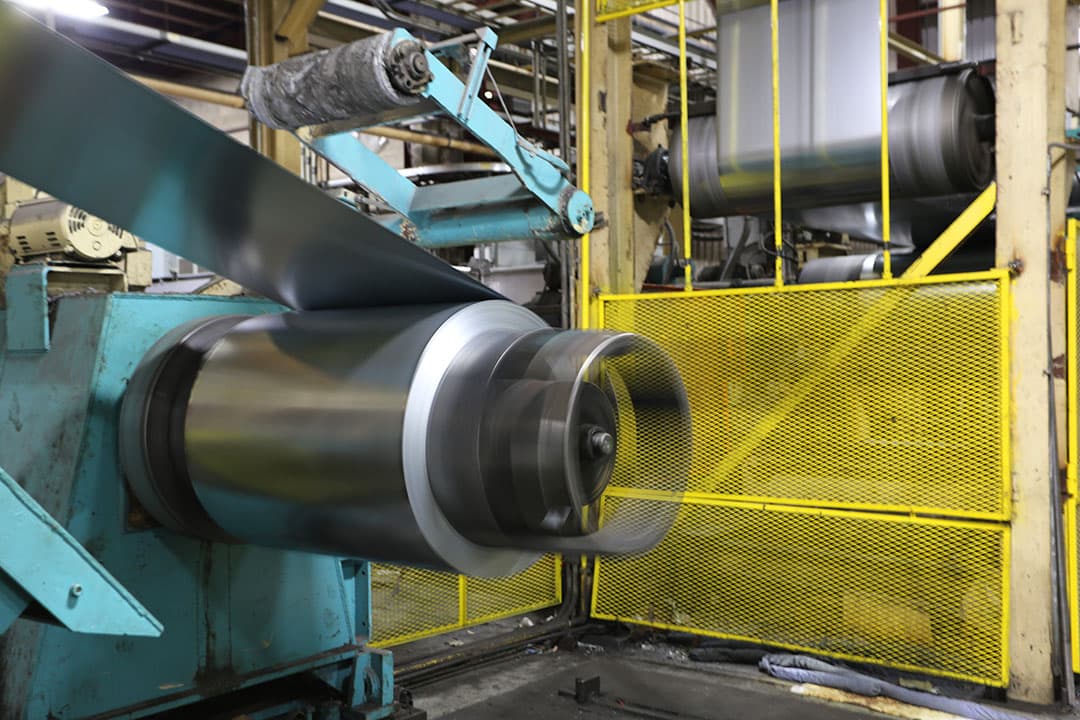
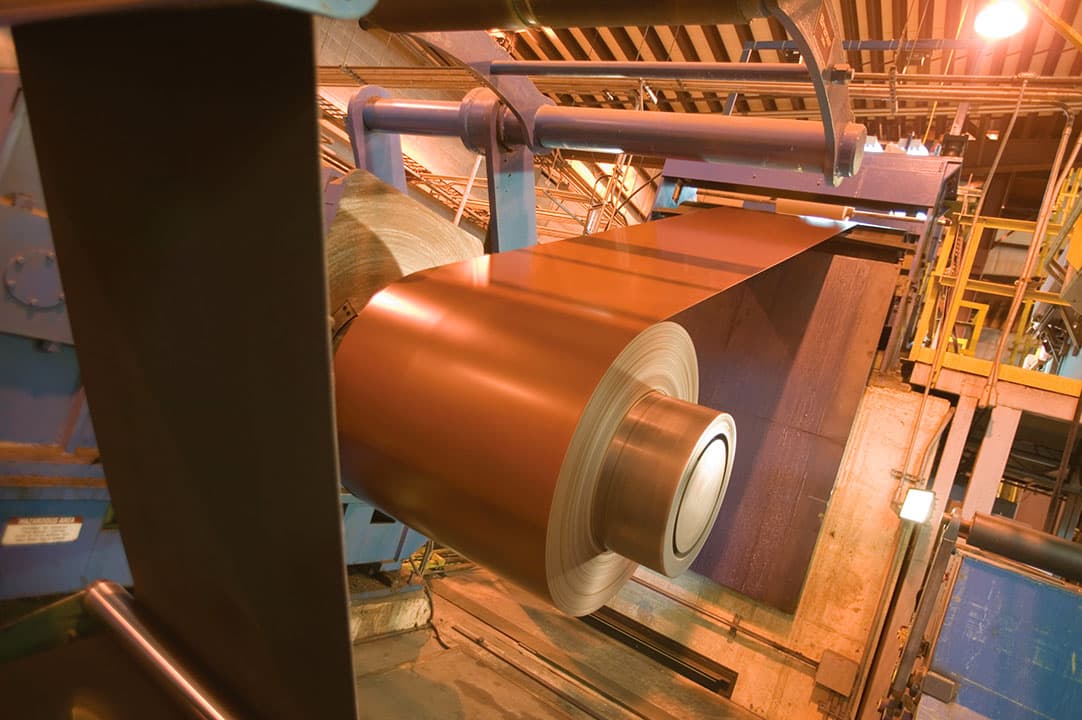
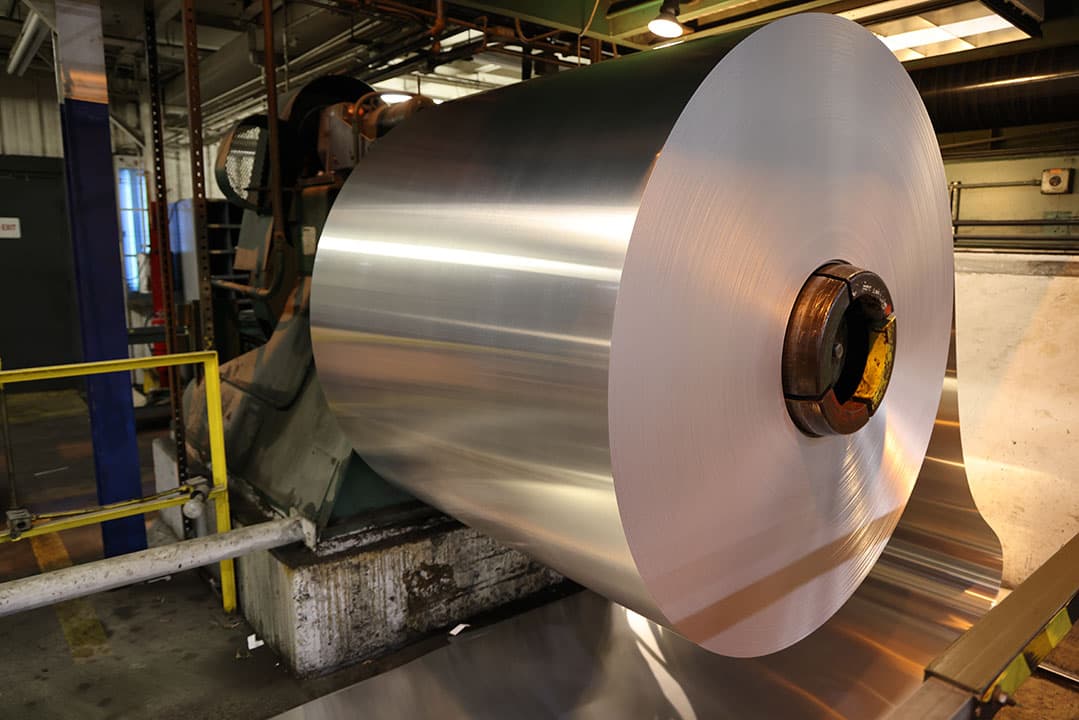
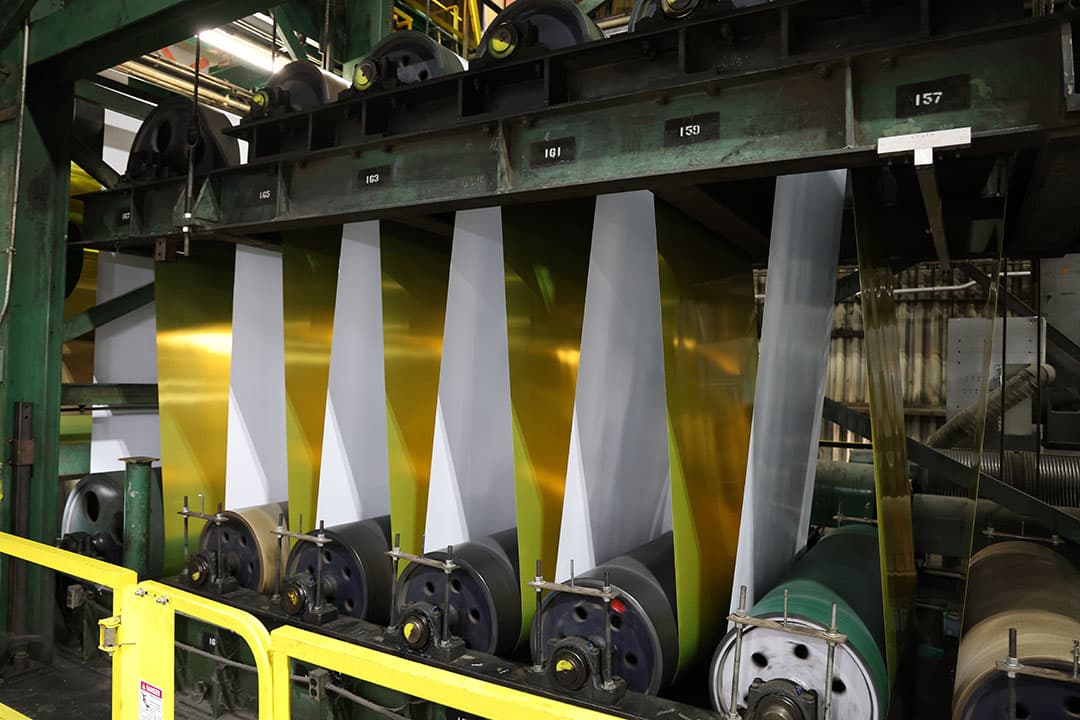
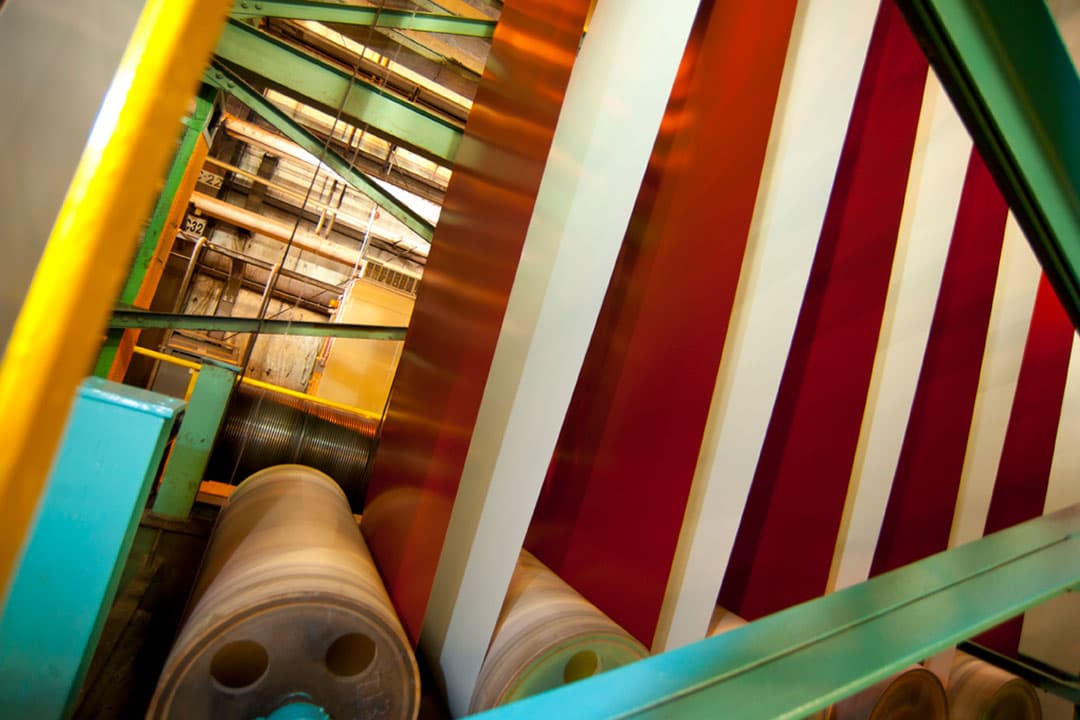
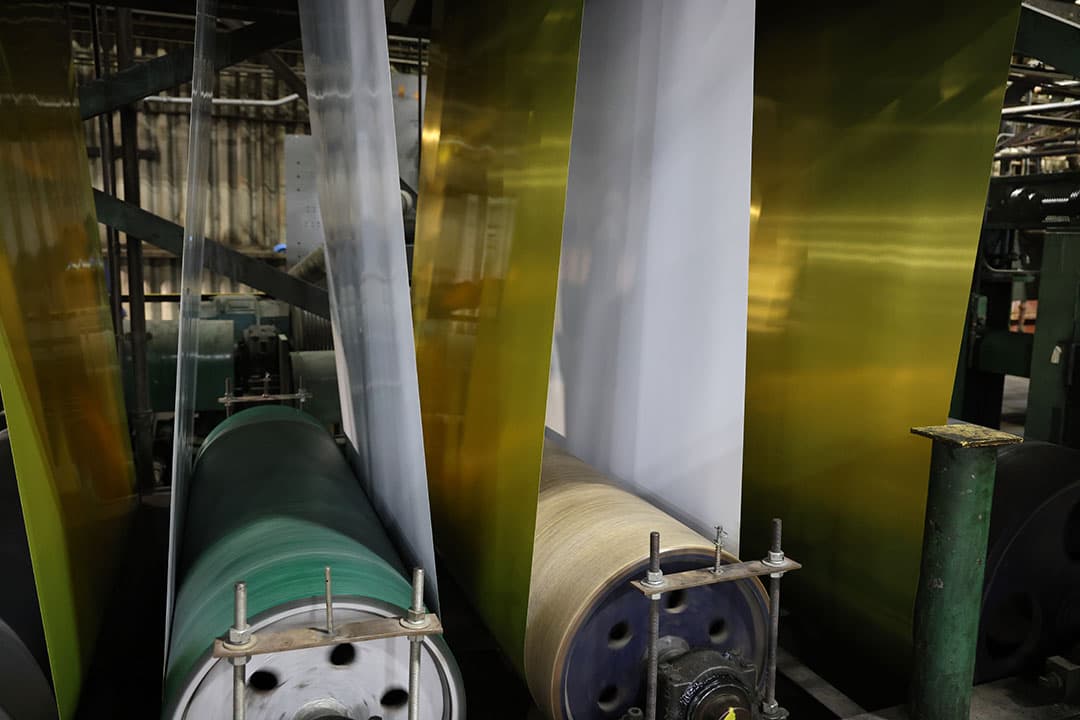
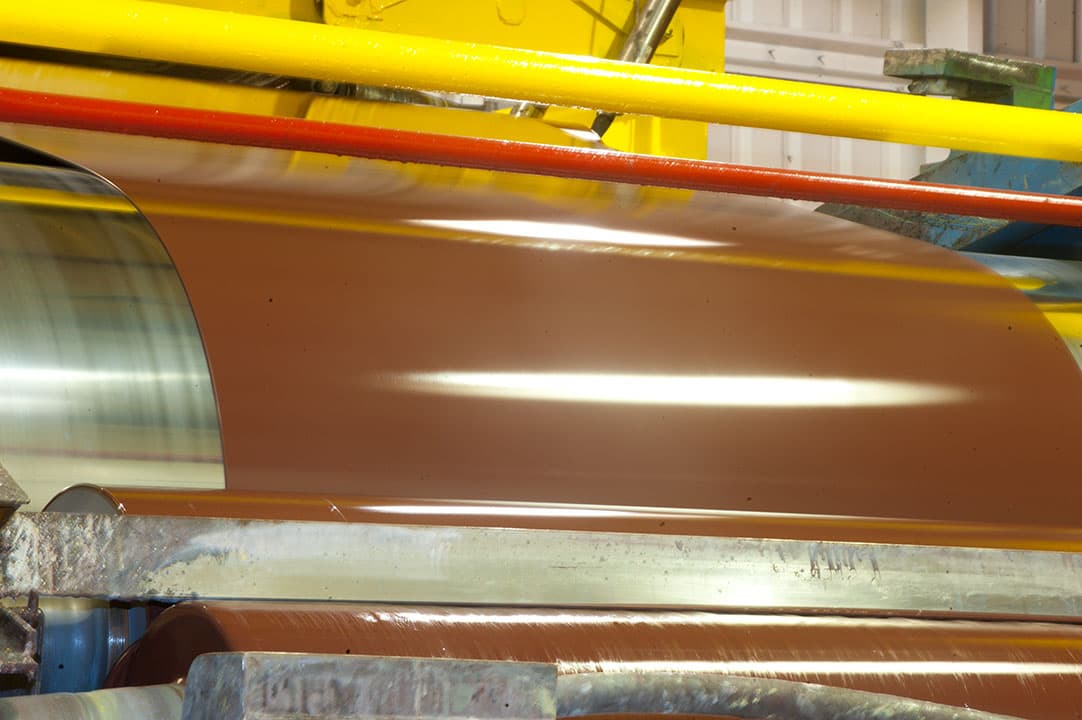
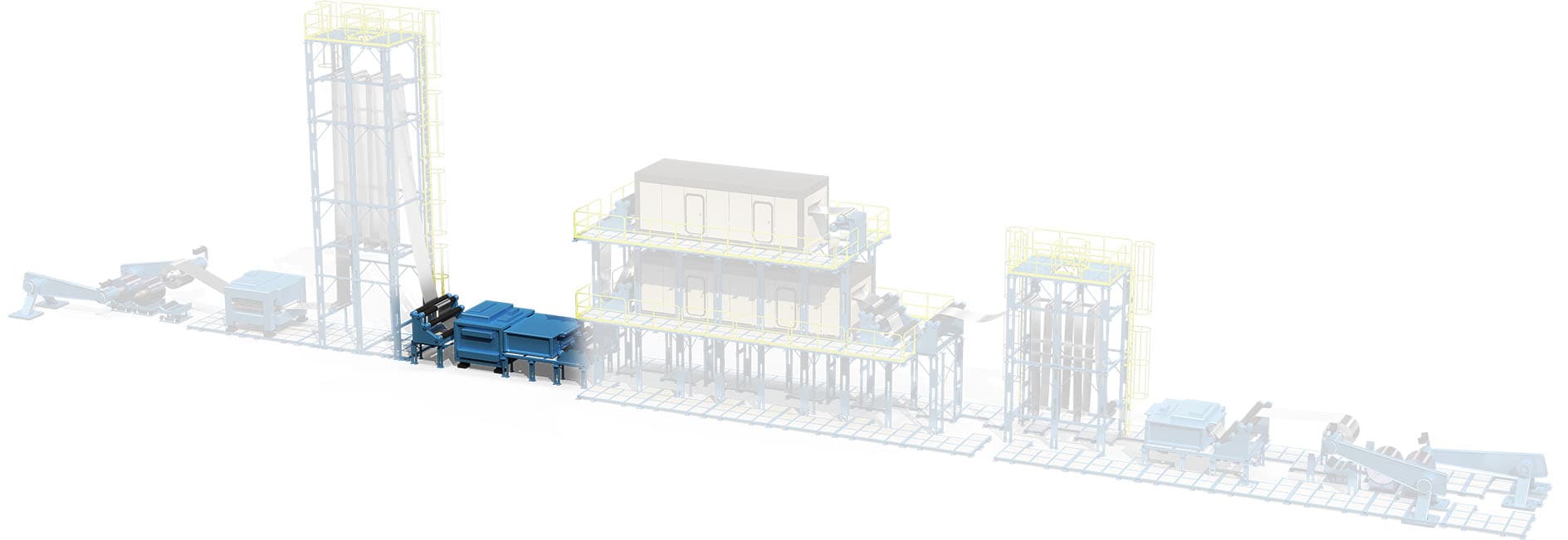
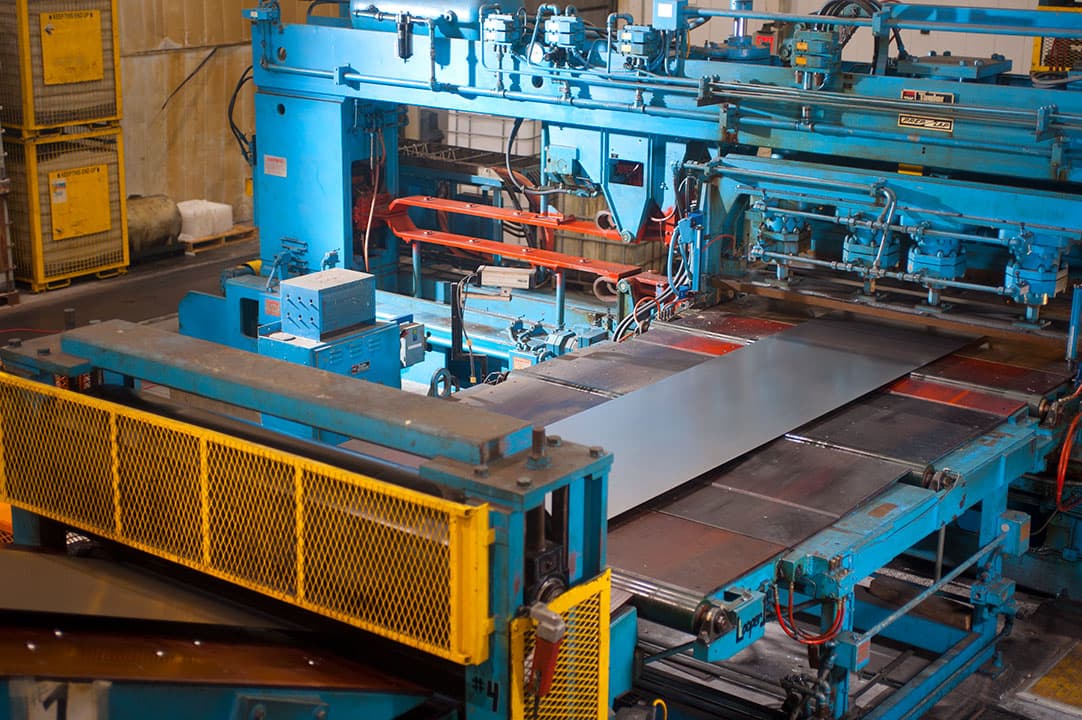
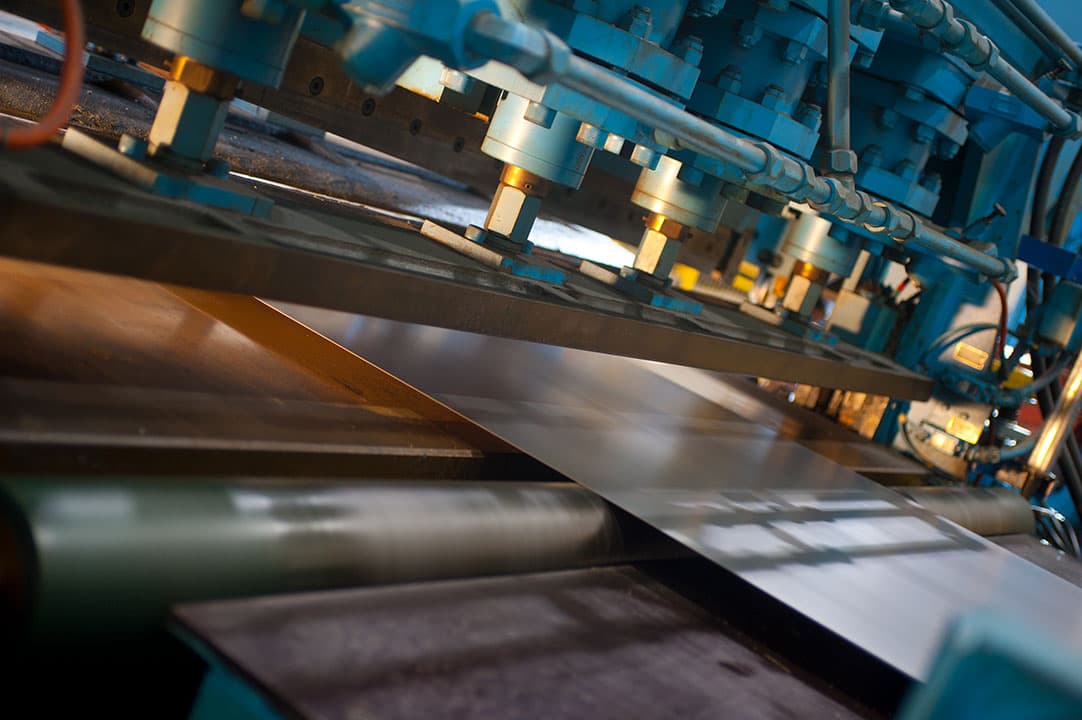
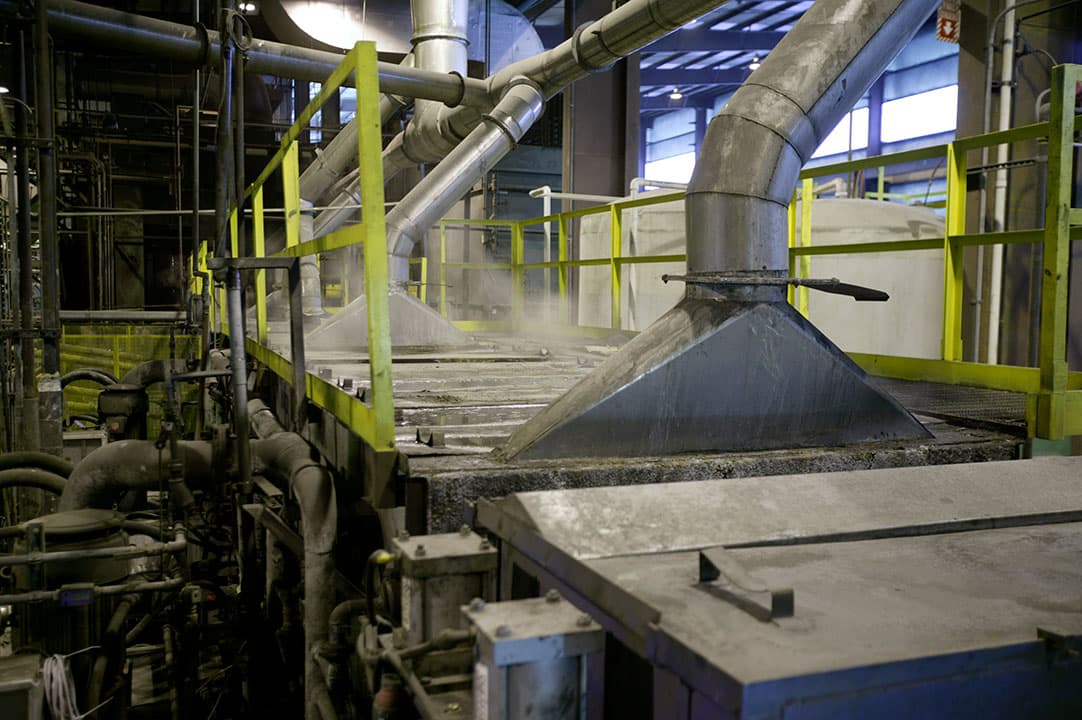
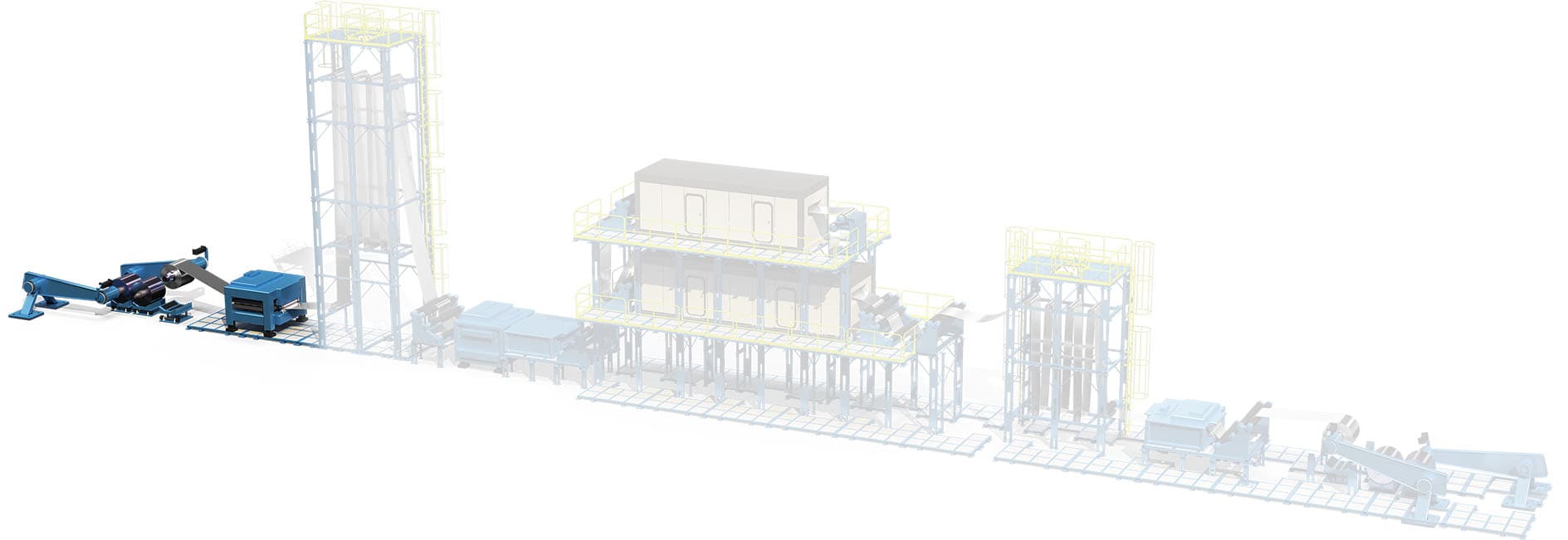
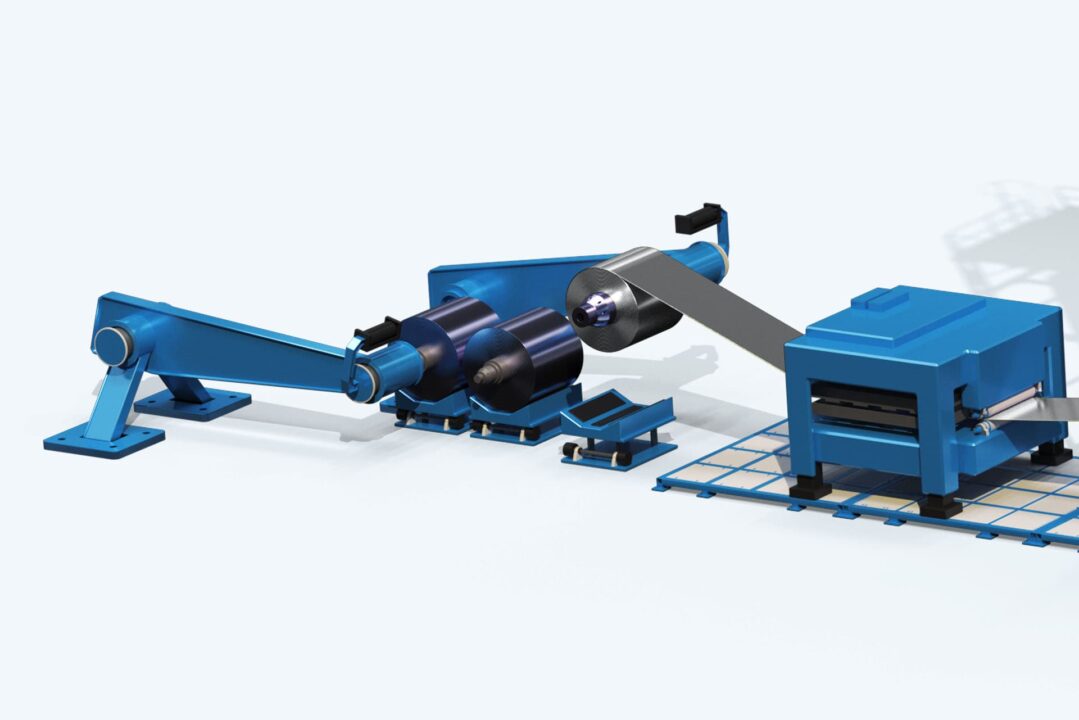
Once the metal is cleaned, treated, and painted, the strip is rewound into a coil size prescribed by the customer. From there, the coil is removed from the line and packaged for shipment or additional processing.
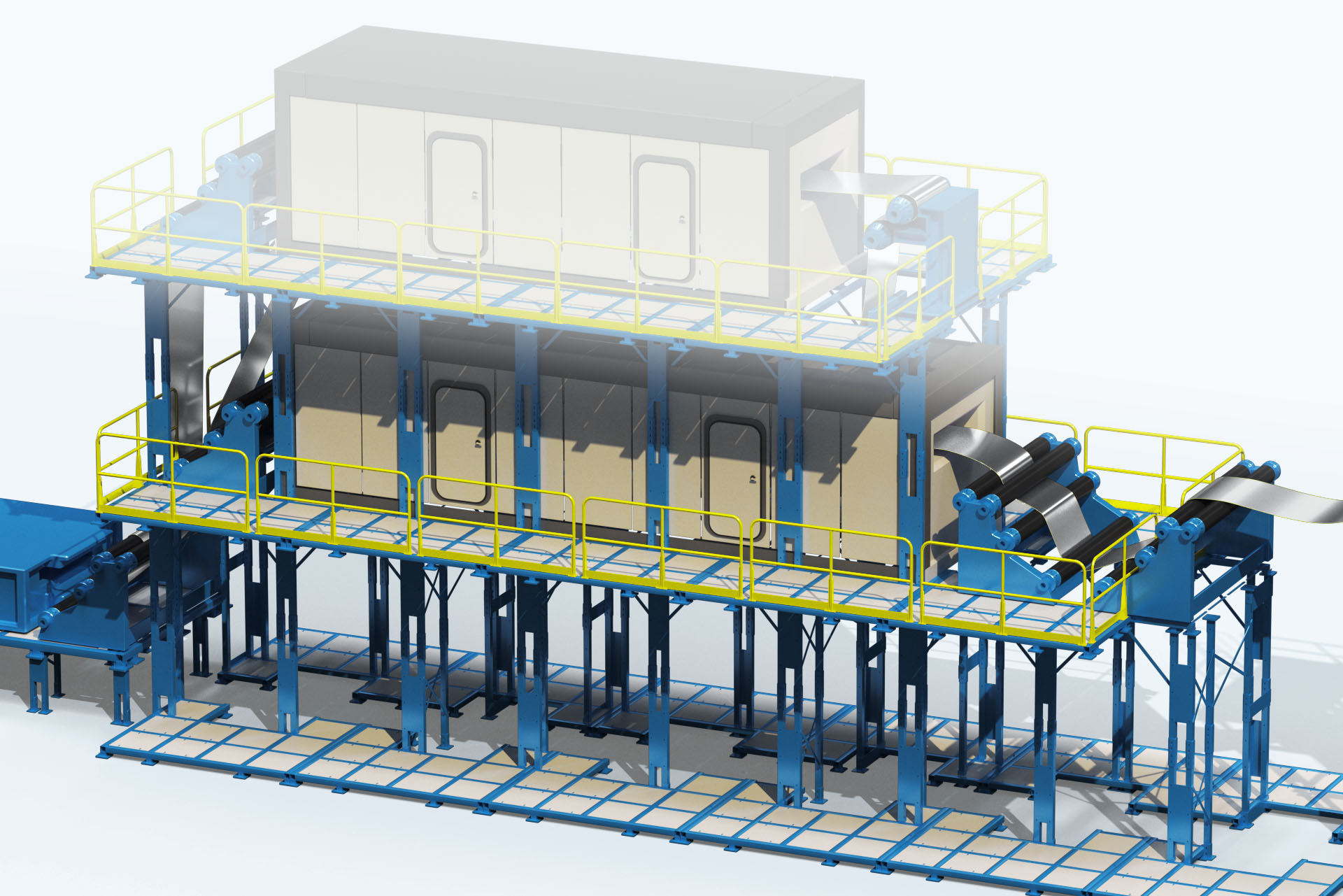
After the primer is applied and cured, then the metal strip enters the finish coat station where a topcoat is applied. Topcoats provide color, corrosion resistance, durability, flexibility and any other required physical properties. Like primers, the topcoat is cured using thermal cure ovens.
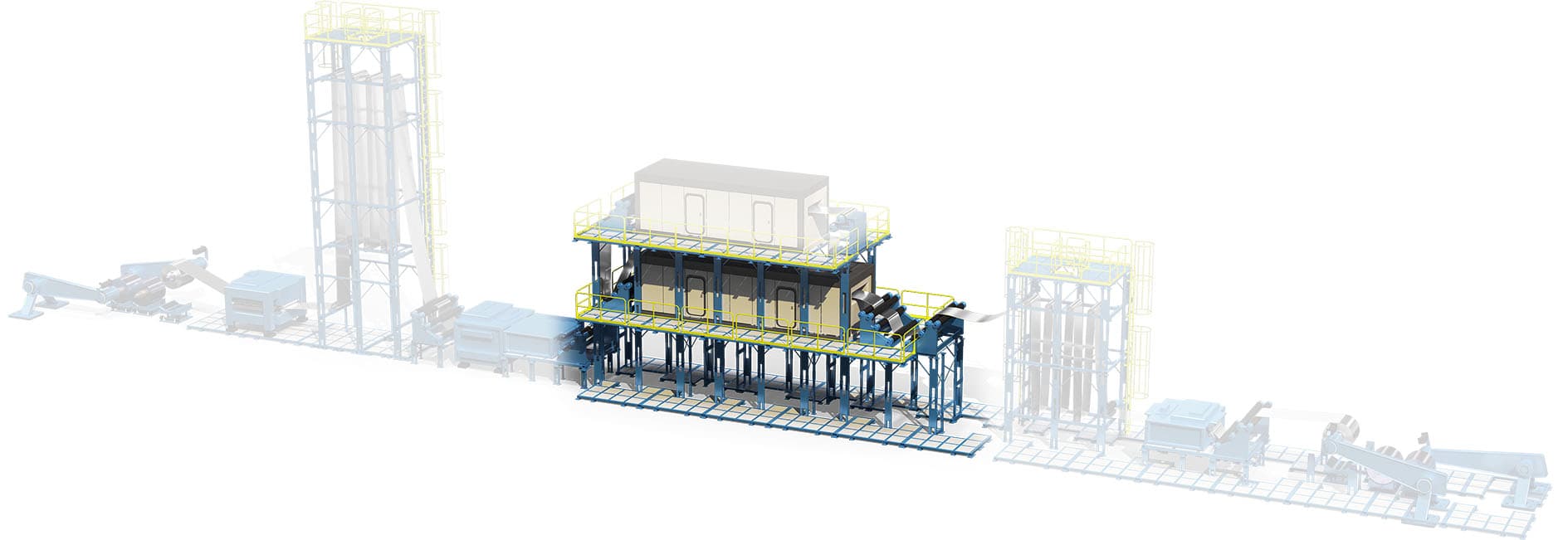
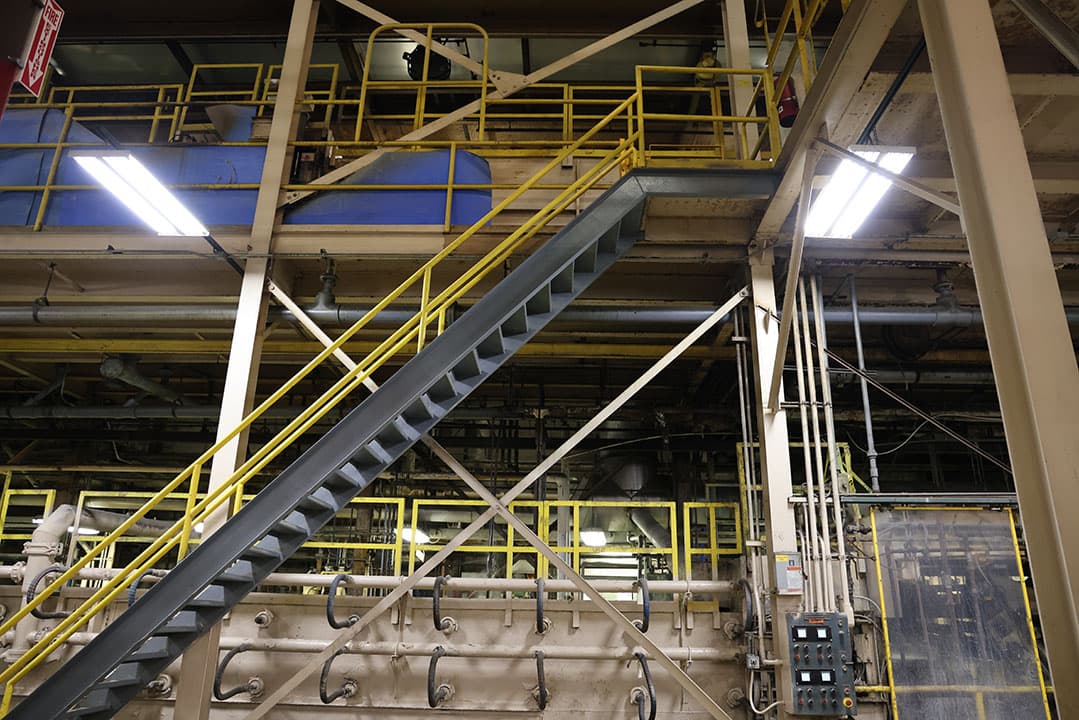
Oven
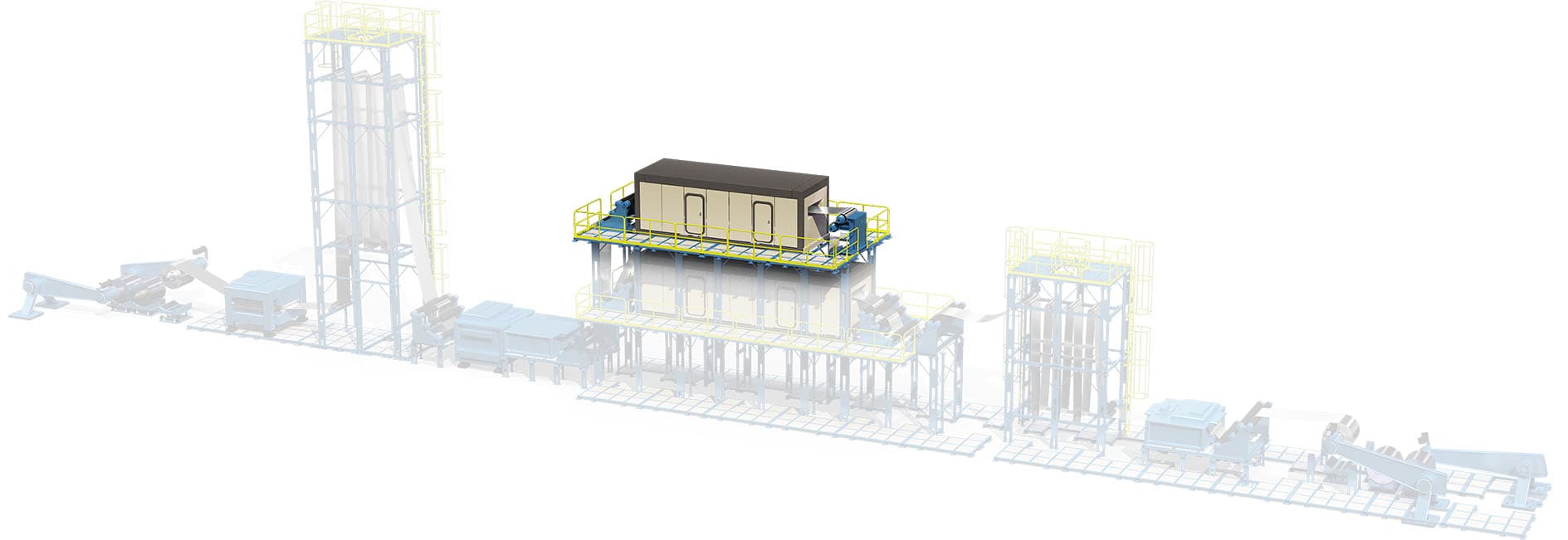
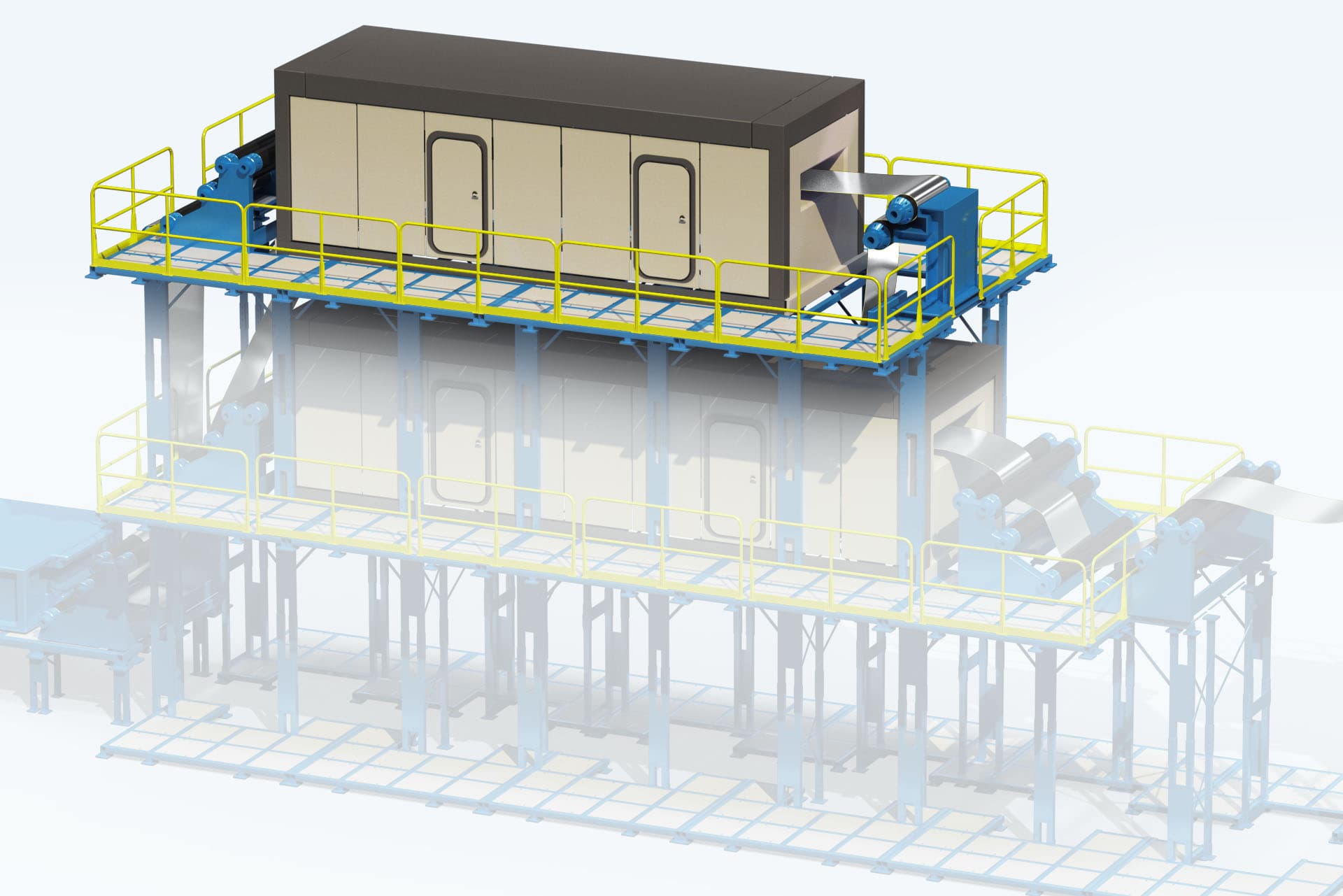
Coil coating ovens can range from 130 feet to 160 feet and will cure the coatings in 13 to 20 seconds.
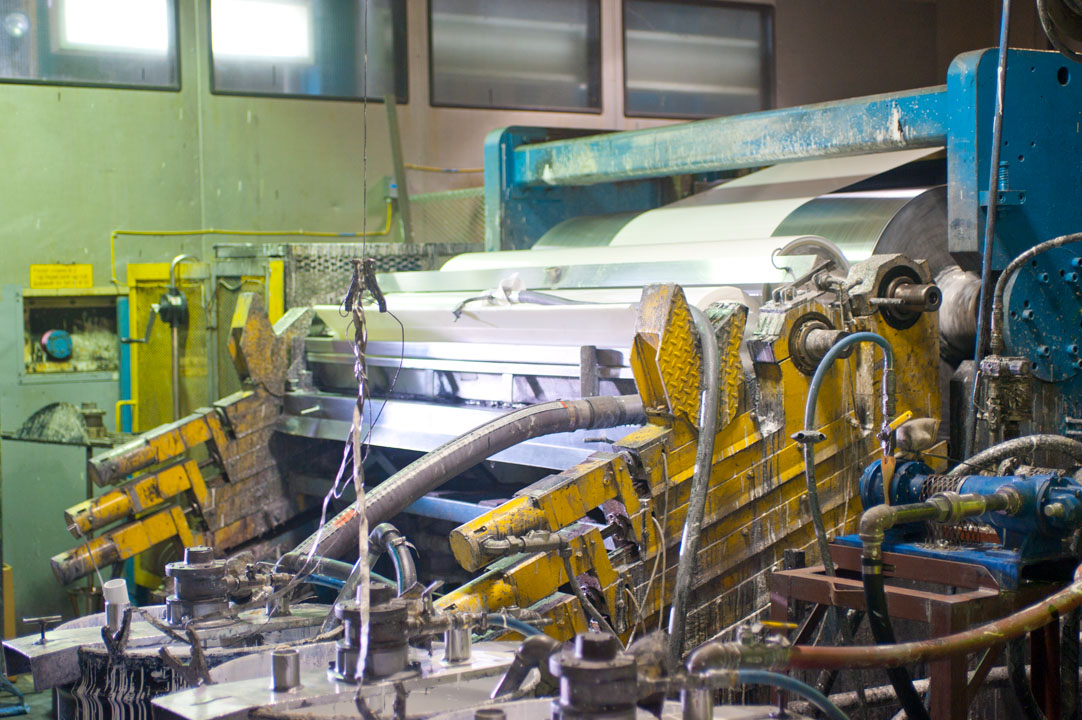
During this stage, the strip enters the prime coat station whereby a primer is applied to the clean and treated metal. After the primer is applied, the metal strip travels through a thermal oven for curing. Primers are used to aid in paint adhesion, improve corrosion performance and enhance aesthetic and functional attributes of the topcoat.
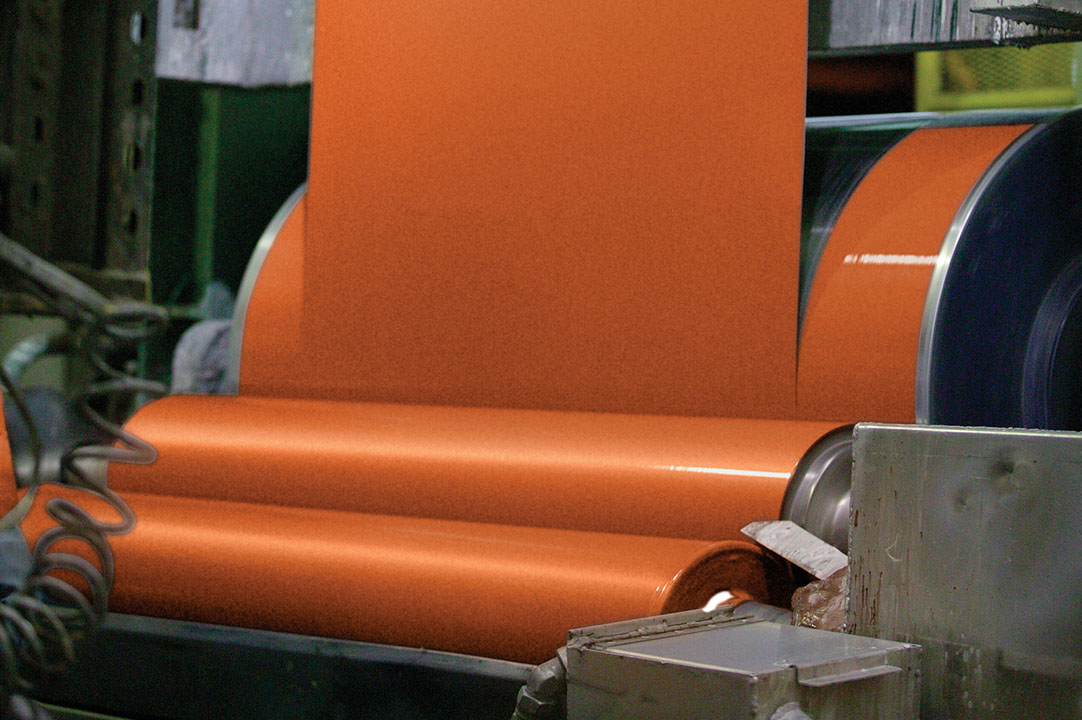
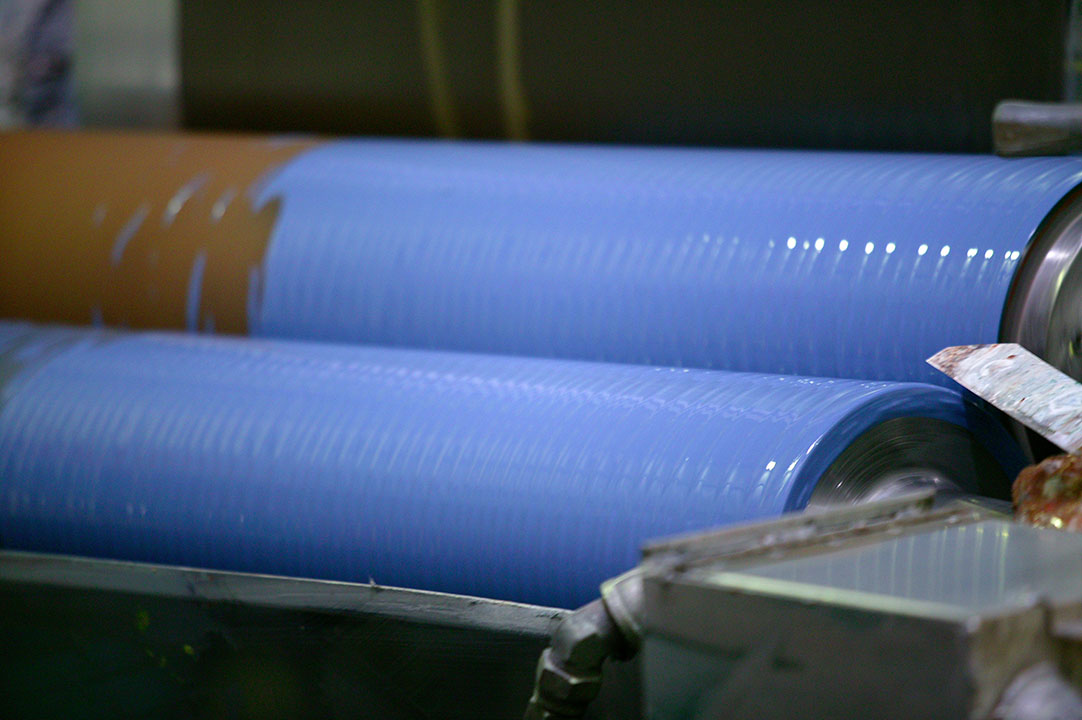
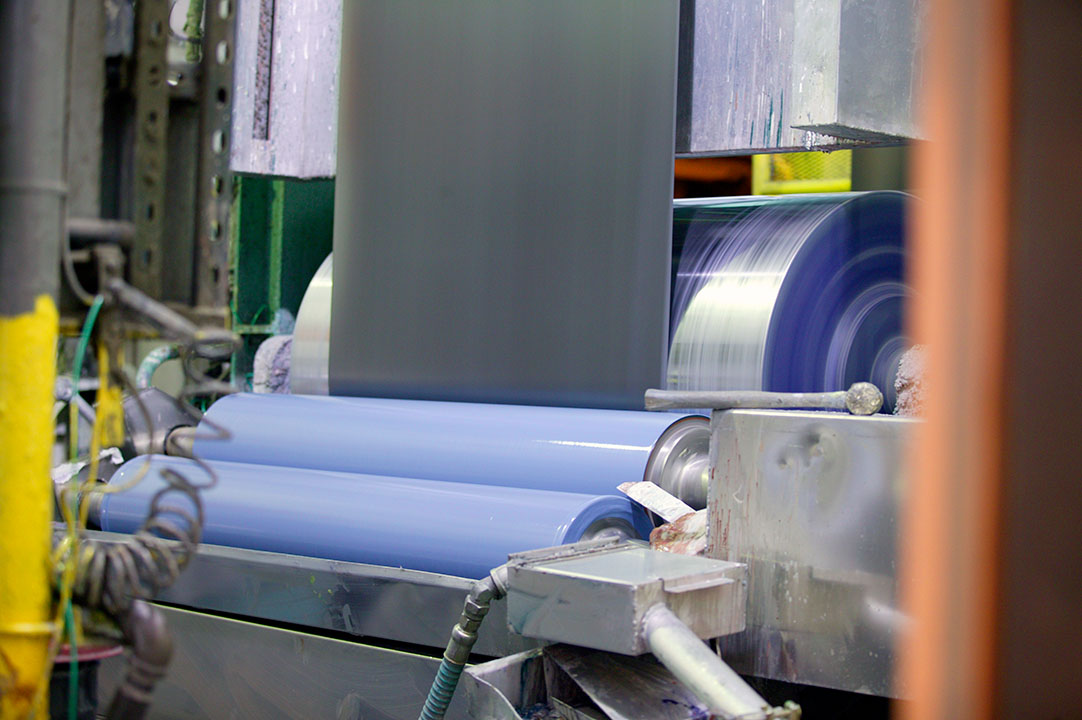
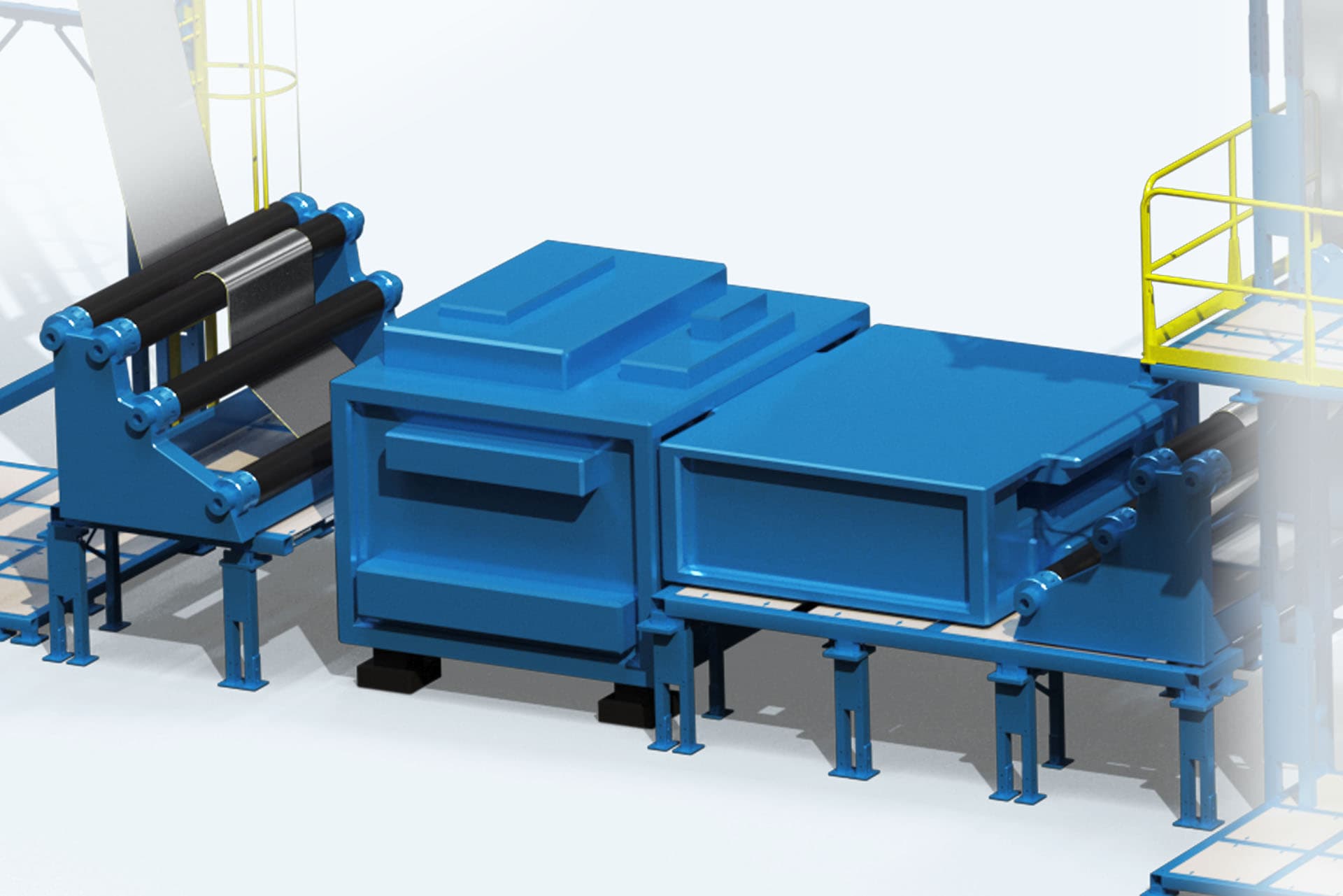
S Wrap Coater
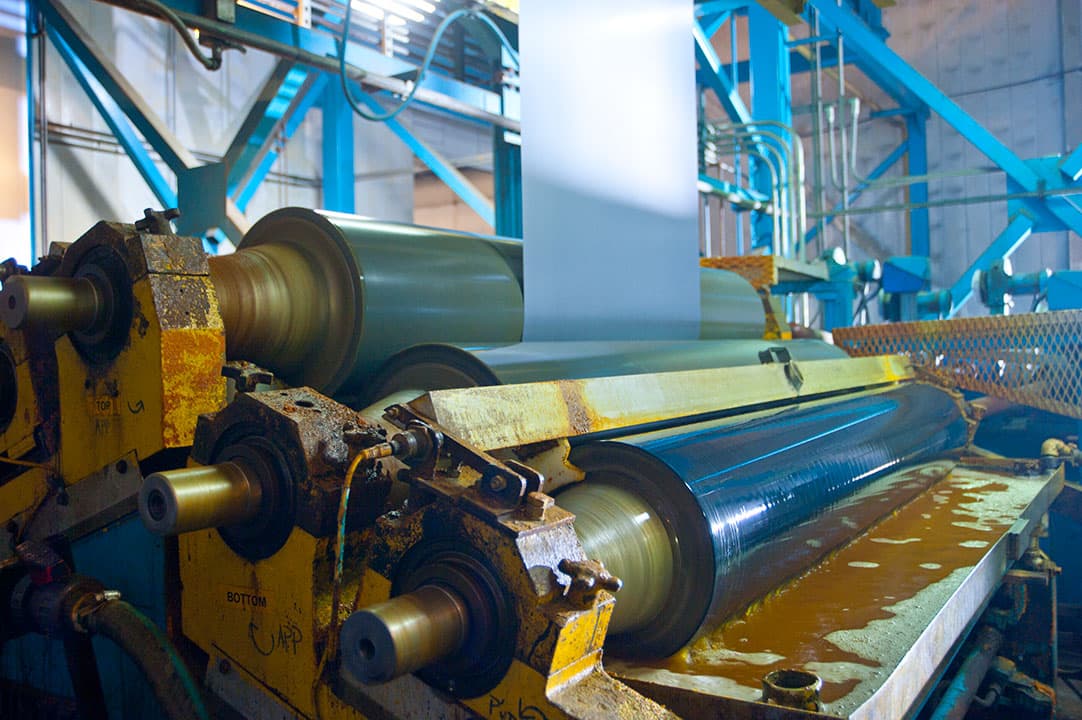
The S wrap coater design allows for primers and paints to be applied to the top and back side of the metal strip simultaneously in one continuous pass.
The cleaning and pretreating section of the coil coating process focuses on preparing the metal for painting. During the cleaning stage, dirt, debris, and oils are removed from the metal strip. From there, the metal enters the pretreatment section and/or a chemical coater whereby chemicals are applied to facilitate paint adhesion and enhance corrosion resistance.
Dried-In-Place
In this stage a chemical that provides enhanced corrosion performance is applied. This treatment can be chrome free if required.
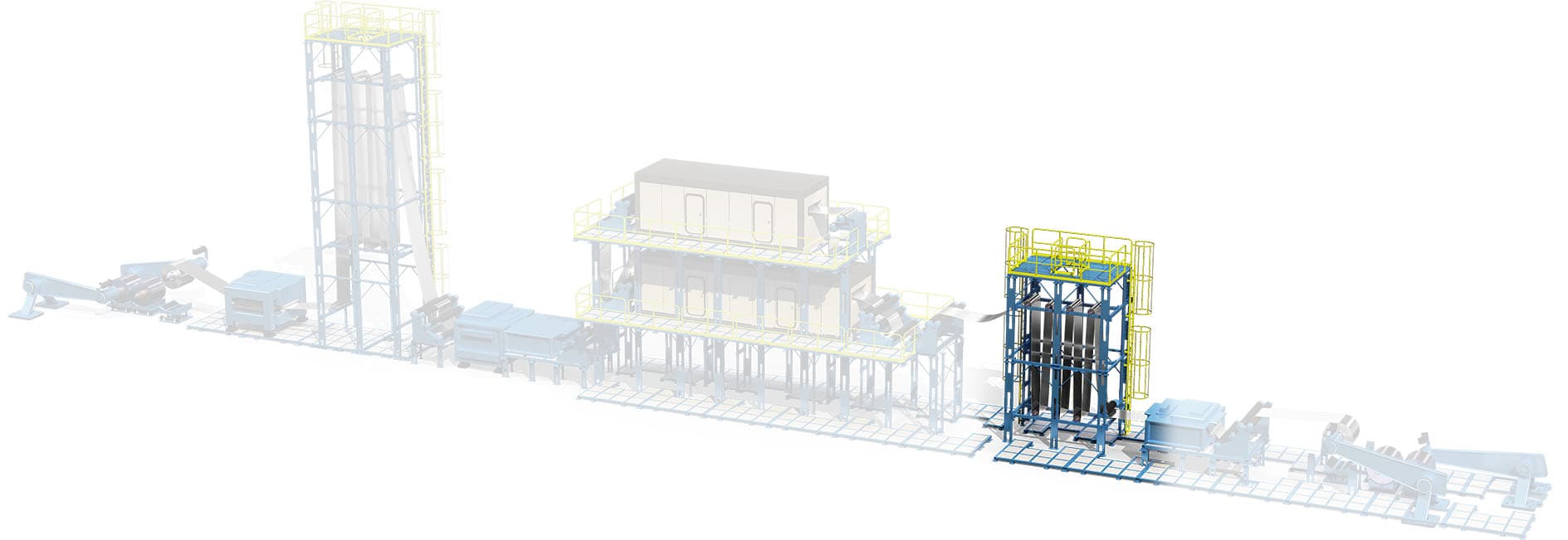
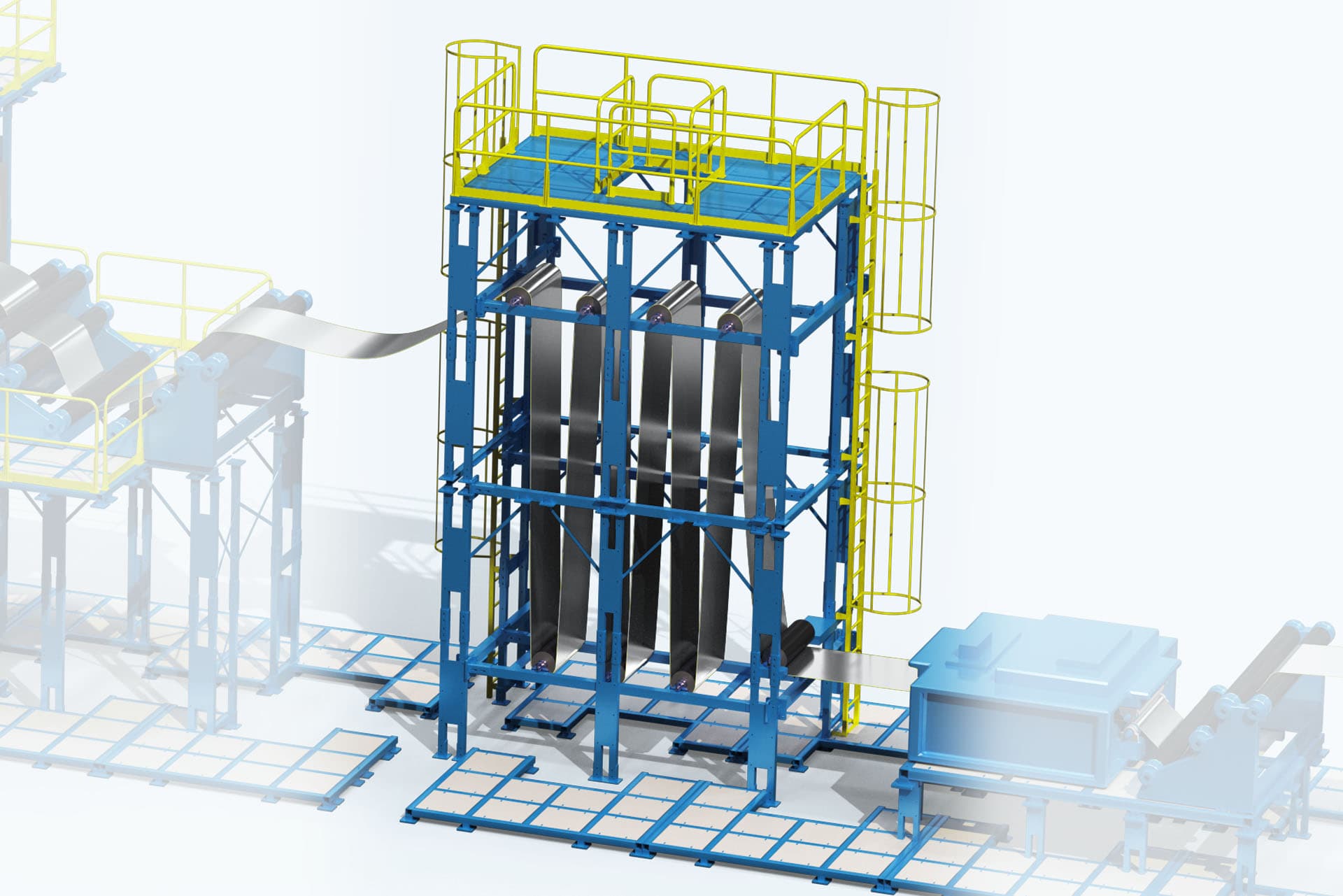
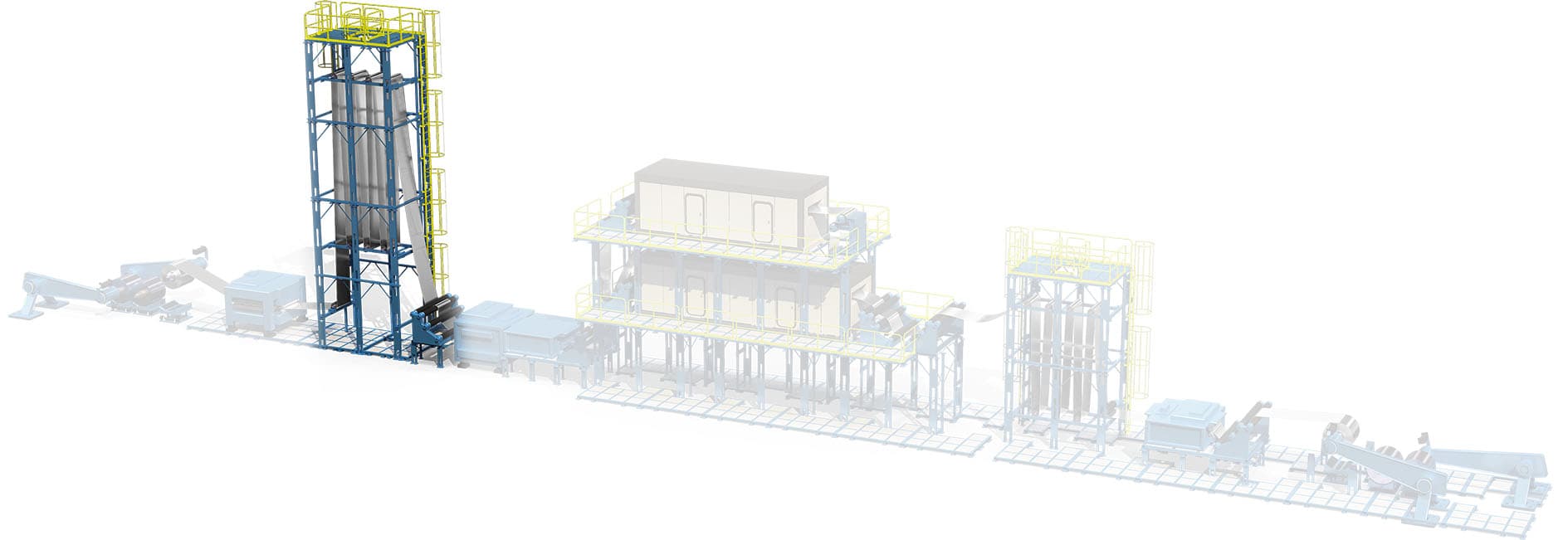
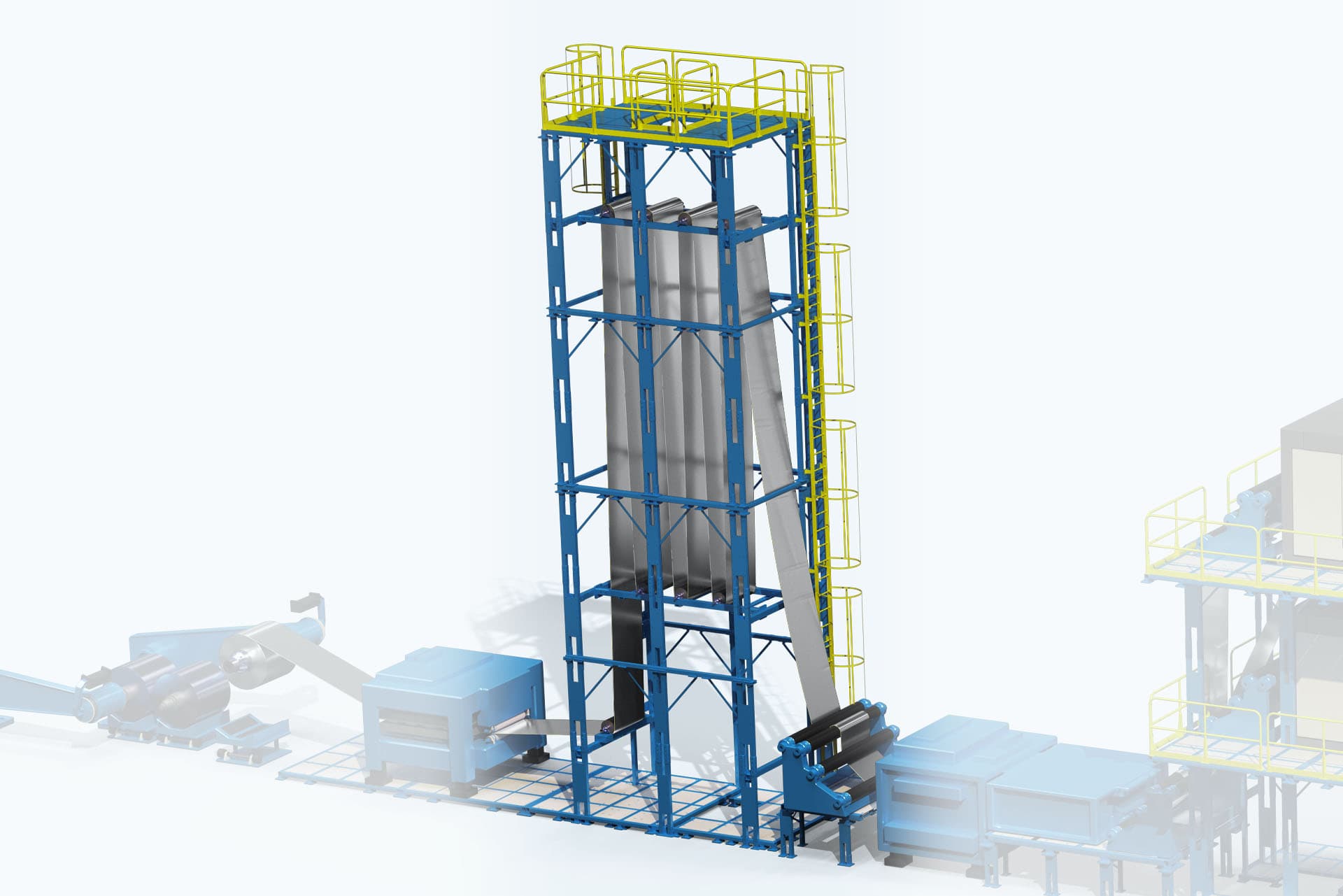
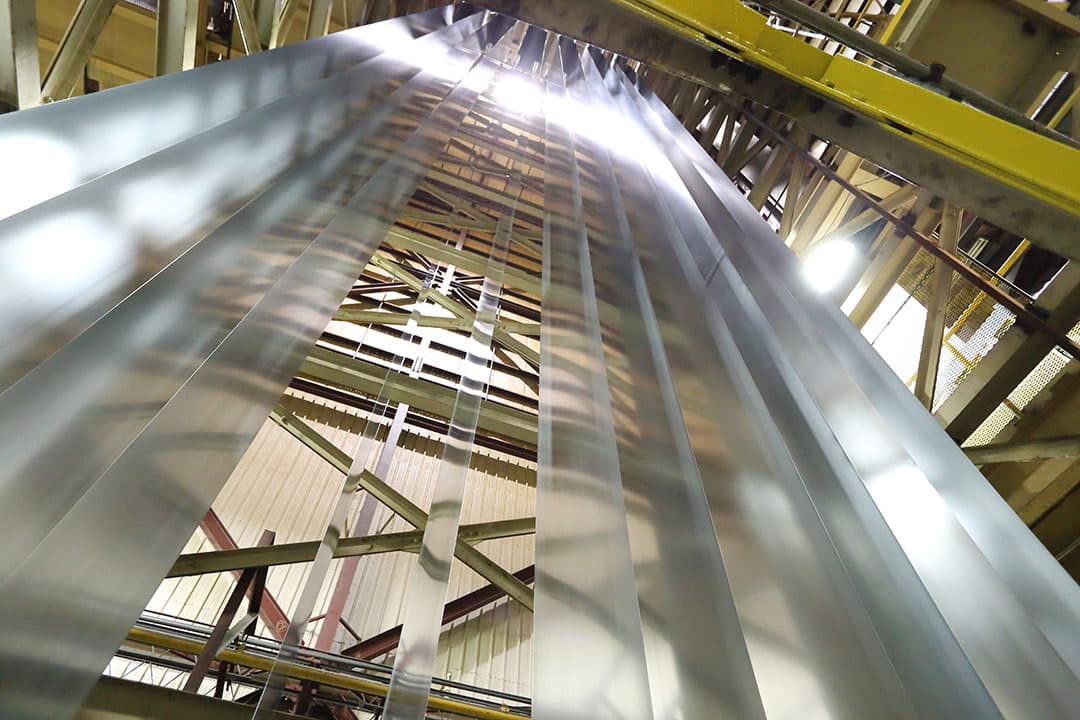
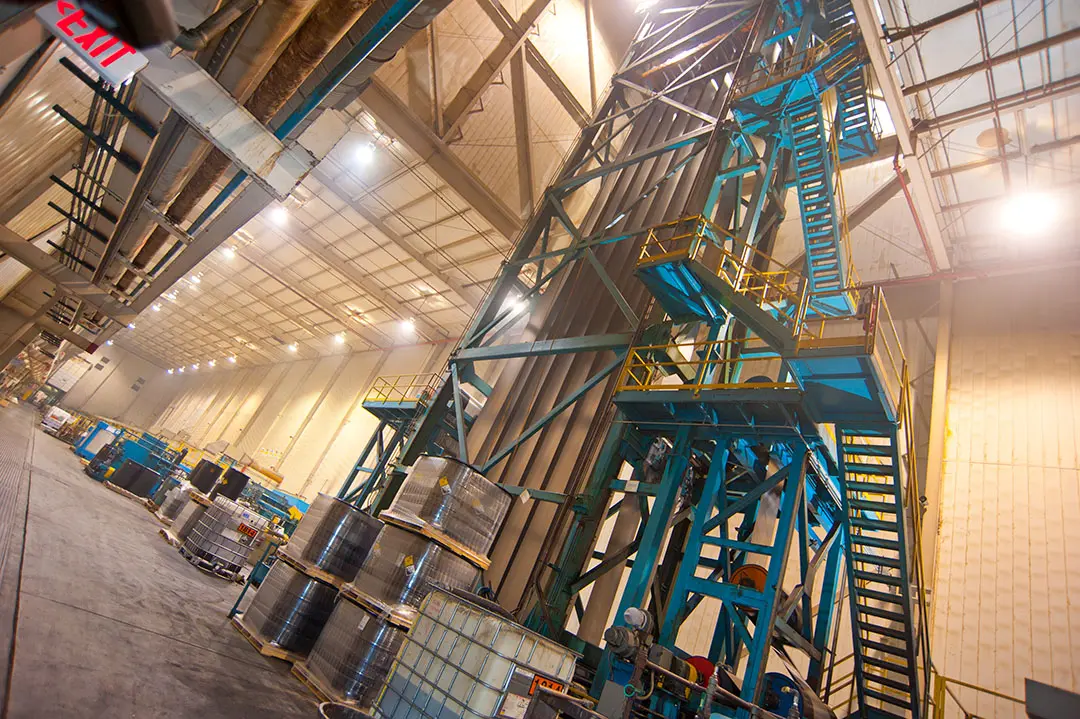
The accumulator is a structure that adjusts up and down to store material, which makes continuous operation of the coil coating process possible. This accumulation will continue to feed the coil coating processes while the entry end has stopped for the stitching process. As much as 750 feet of metal can be collected.
Renewable Natural Gas (RNG) offers a transformative opportunity to turn waste into wealth by converting organic matter such as landfill solids into energy and is uniquely positioned to power local economies. The U.S. alone produces over 250 million tons of waste each year, 140 million of which goes to landfills.
The natural decomposition process of this waste releases methane directly into the atmosphere. Methane accounts for about 20 percent of global emissions and is more than 25 times as potent as carbon dioxide at trapping heat in the atmosphere. RNG production captures emissions from organic waste, converting methane from a liability into an asset by bringing it to market as energy.
RNG’s economic promise includes decarbonization and job market expansion within the energy sector, providing new opportunities in engineering, manufacturing, construction, maintenance, and operations. Governments and markets currently offer financial incentives that encourage investors and corporations to purchase RNG, providing them a viable path to meeting carbon emission reduction goals. Additionally, energy recovery gives communities and landfill owners the opportunity to reduce the costs associated with regulatory compliance by turning pollution into a valuable community resource.
Unlike other renewable alternatives such as wind and solar, RNG offers a consistent and reliable energy source, rain or shine, and it can be injected into existing natural gas systems. From there, RNG can be used as fuel for equipment such as generators, heaters, boilers, reciprocating engines, and gas turbines.
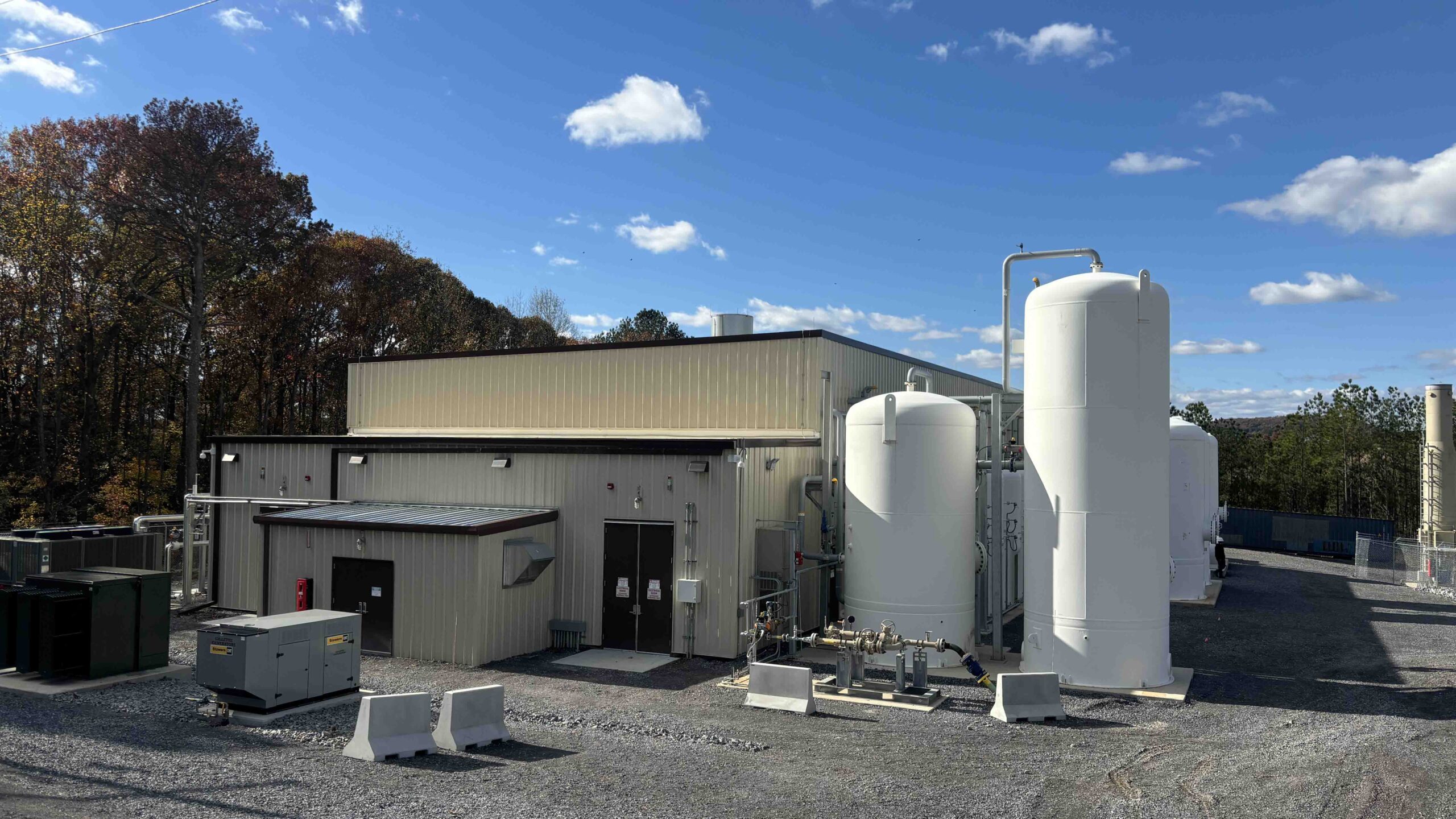
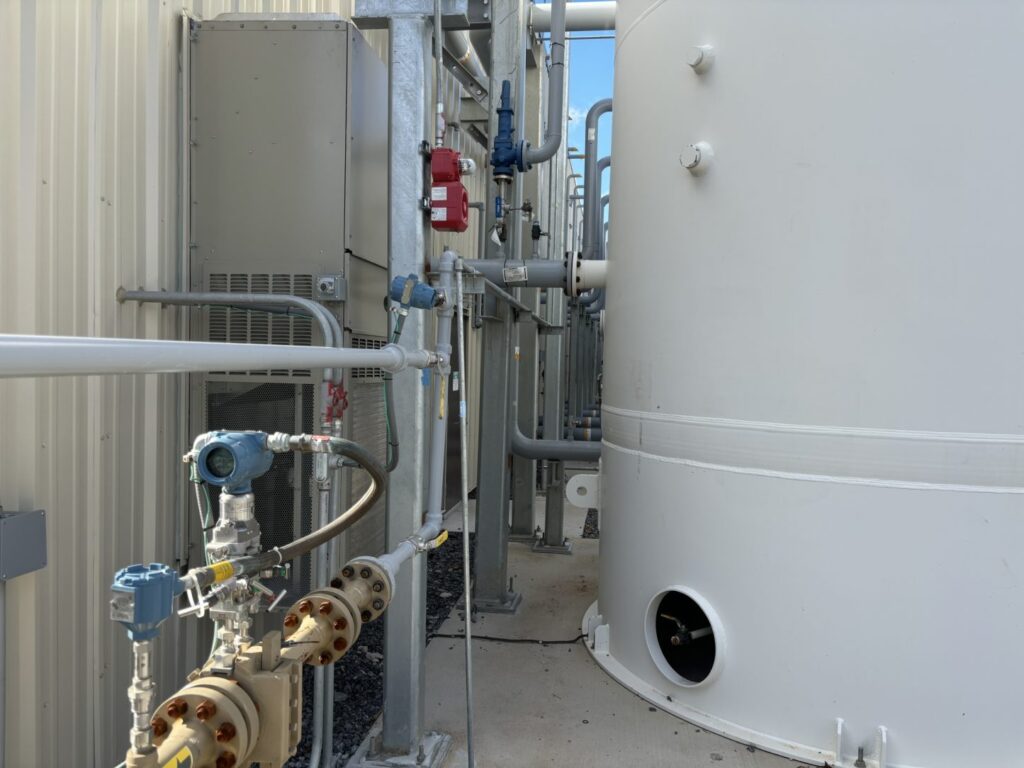
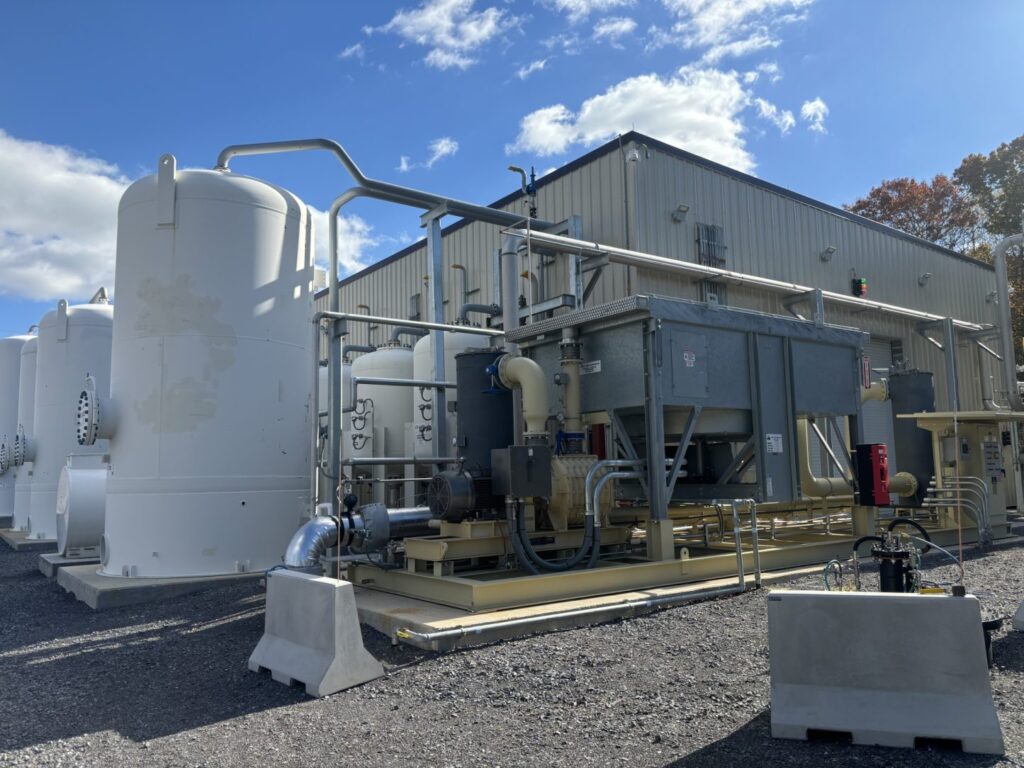
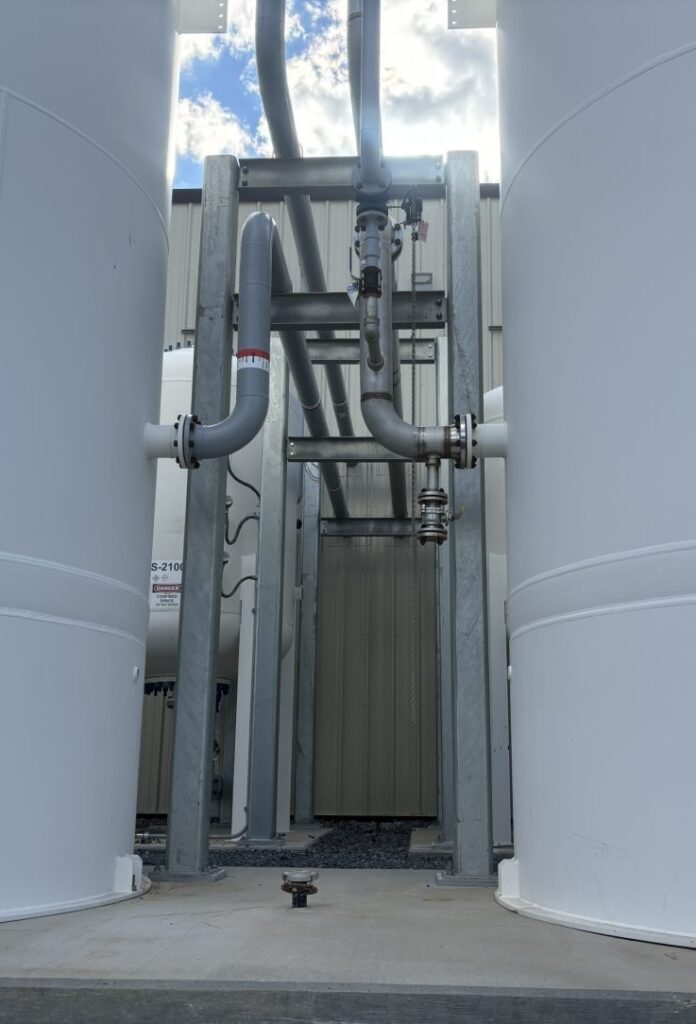
The Bradley County RNG facility was commissioned on May 8th, 2024, and each day since has been producing clean RNG for use in vehicles, with an energy equivalent of 6,000 gallons of gasoline. When it comes to the construction and operation of the Bradley County RNG Facility, the stakeholders chose hot-dip galvanizing as the metal coating tasked to protect all steel pipe supports from corrosion in the tough and hazardous environment of the Bradley County landfill.
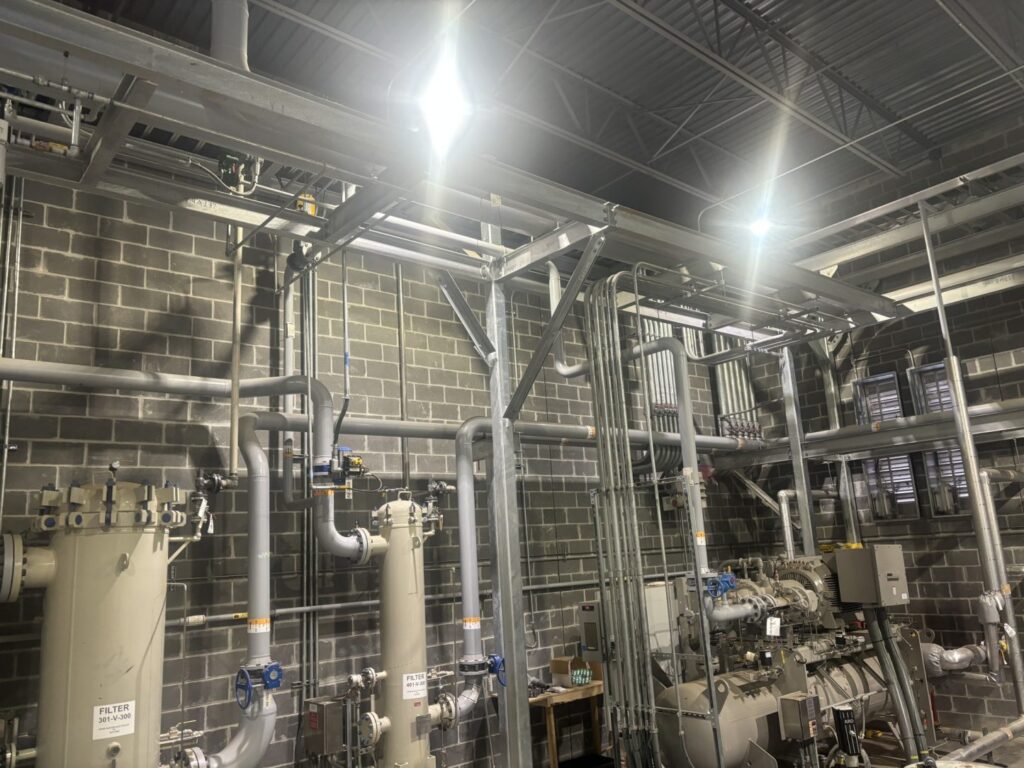
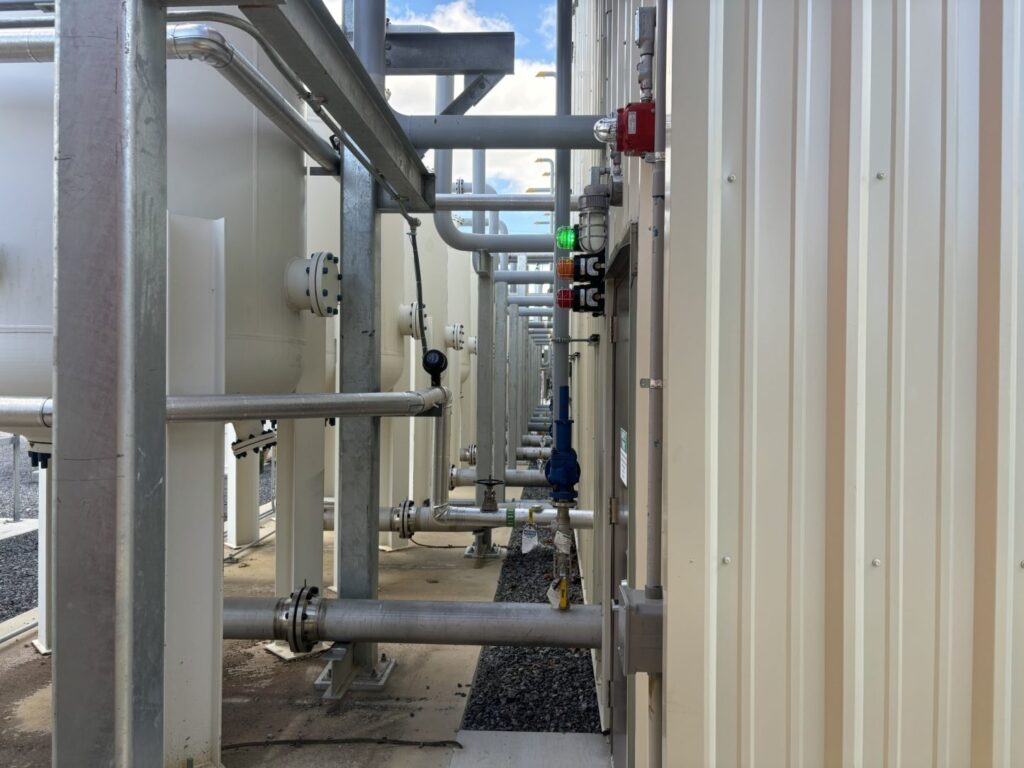
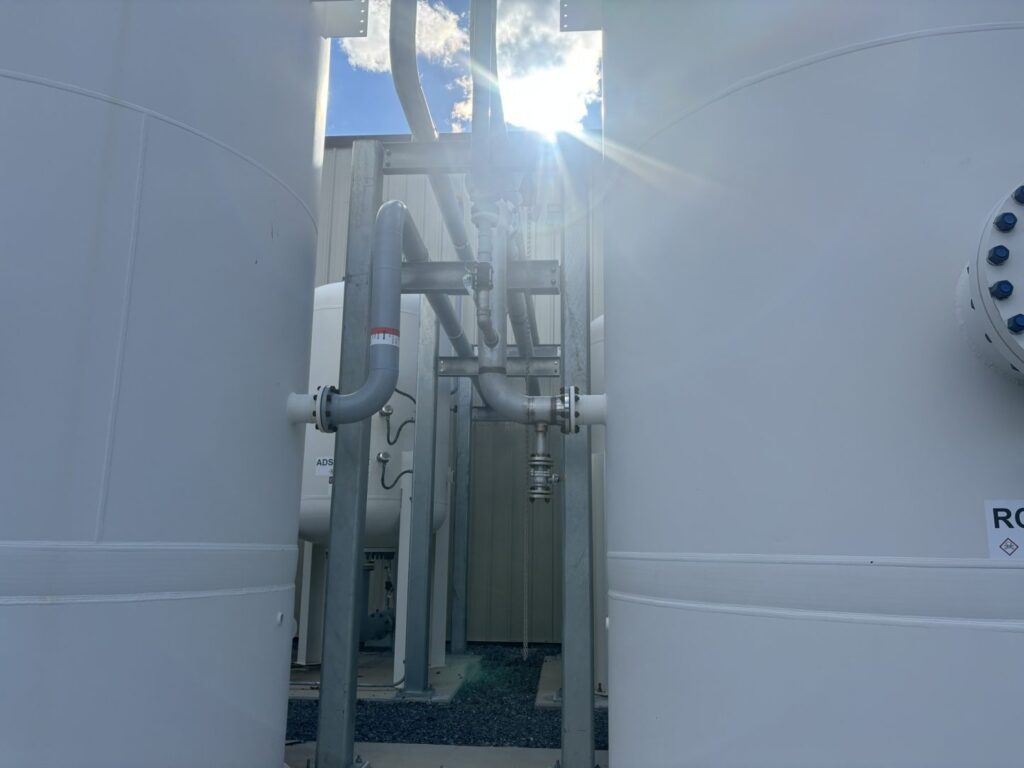
Galvanizing provided not only a low initial cost but also the resilience, durability, appearance, and lowest maintenance cost mandated to ensure safe and reliable operation. The outside portion of the structure, holding the critical process piping, instrumental to the transport of various gases, is constantly exposed to the corrosive ambiance of the landfill. Even in this harsh environment, galvanizing can last for decades, significantly reducing or even eliminating the need for costly maintenance and repairs over the system’s lifetime.
Thanks to the use of hot-dip galvanizing, the 60 tons of piping and structural supports will carry the weight of the RNG facility for many years to come and play a pivotal role in this fascinating tale of turning trash into treasure!
Thanks to the use of hot-dip galvanizing, the 60 tons of piping and structural supports will carry the weight of the RNG facility for many years to come and play a pivotal role in this fascinating tale of turning trash into treasure!