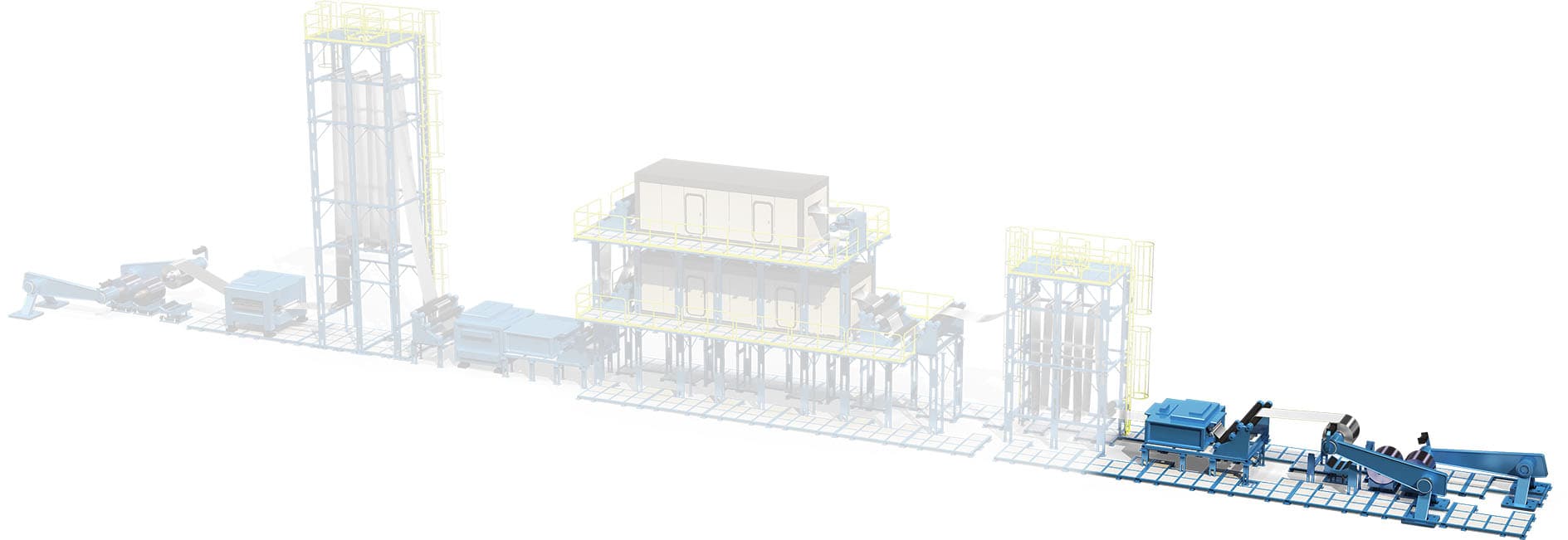
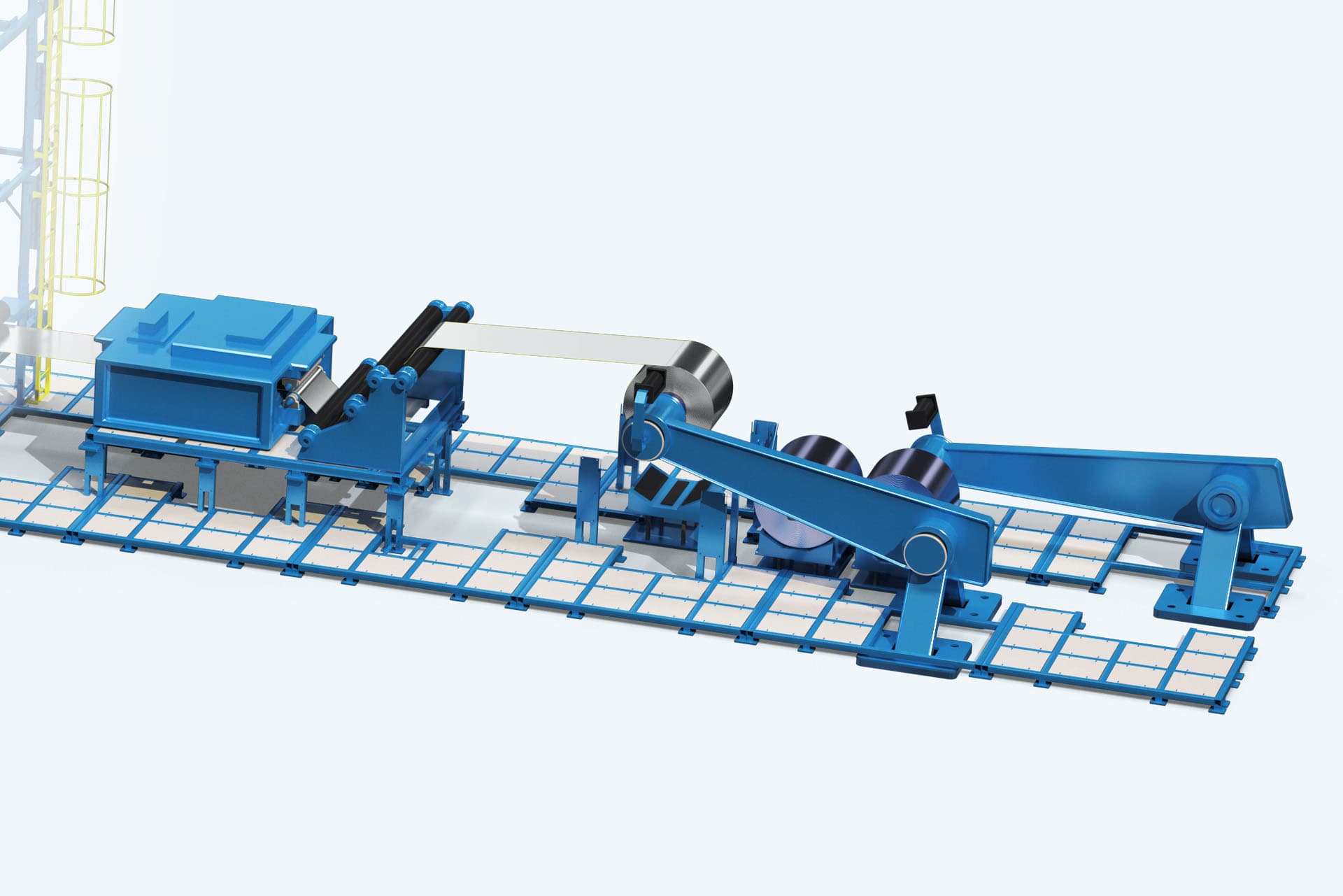
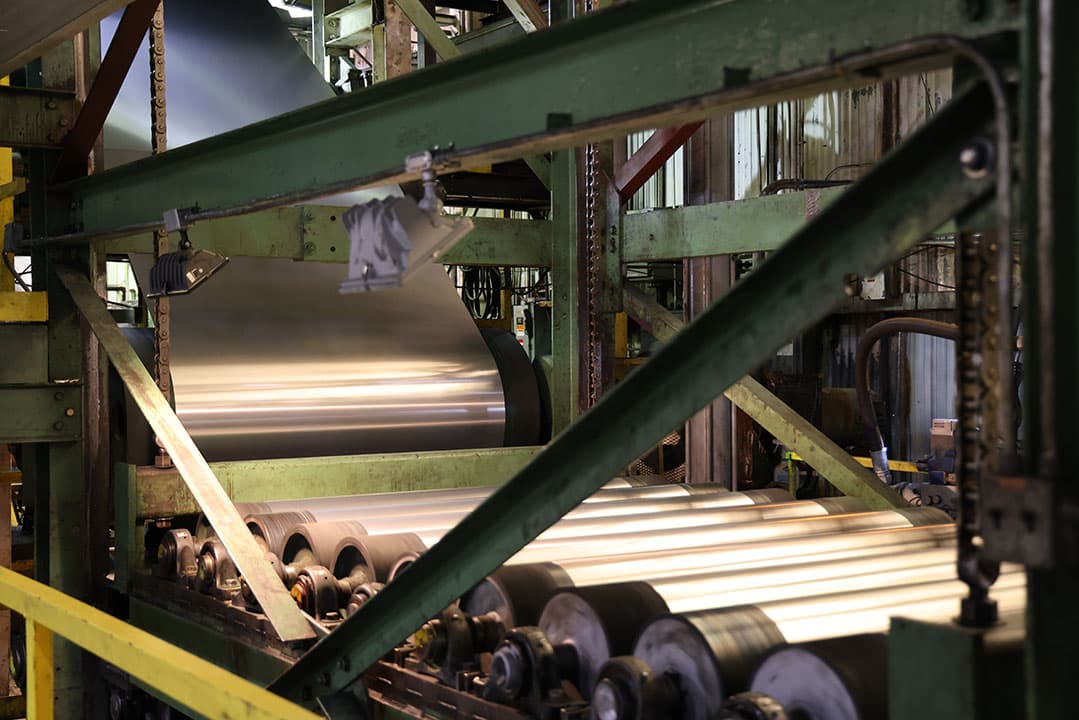
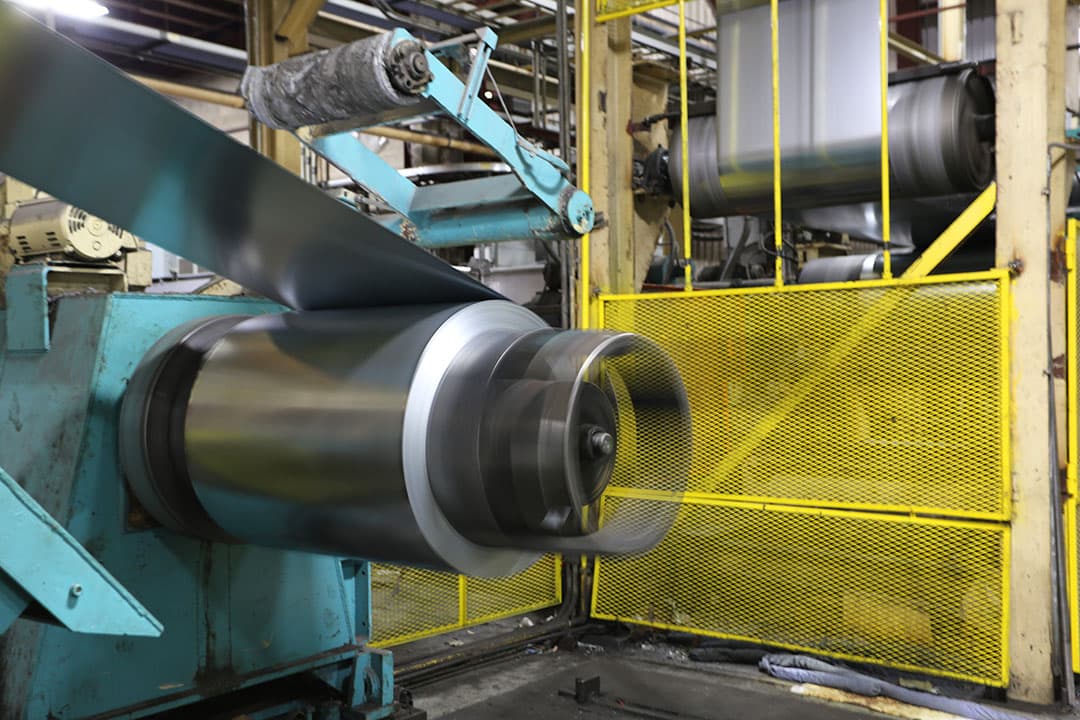
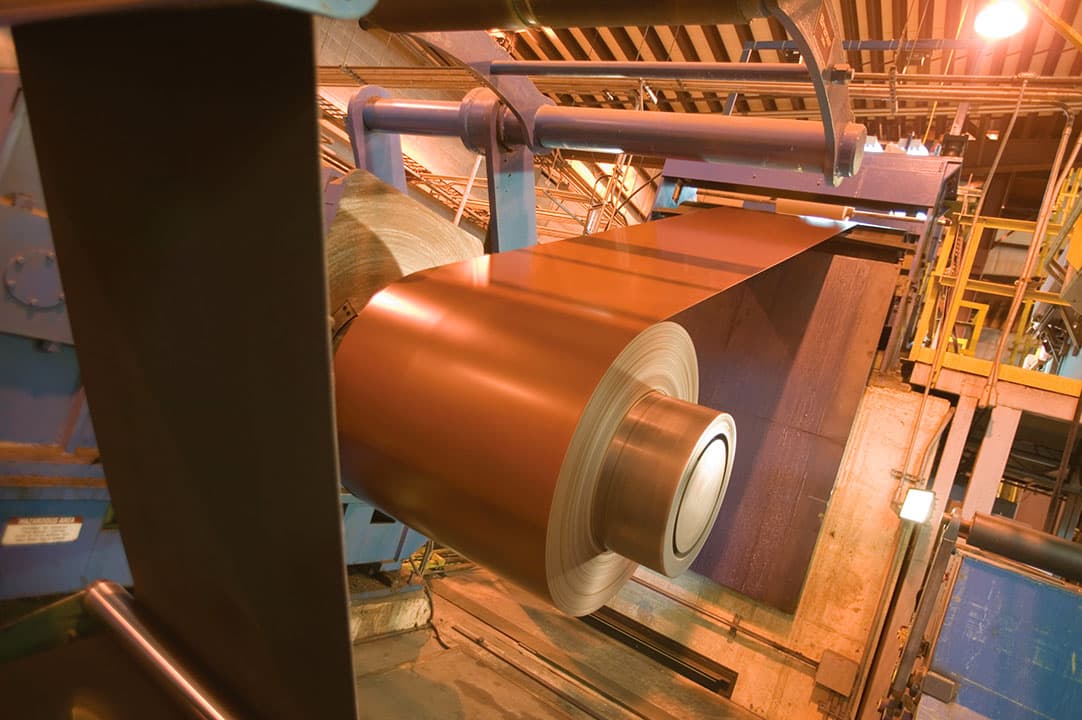
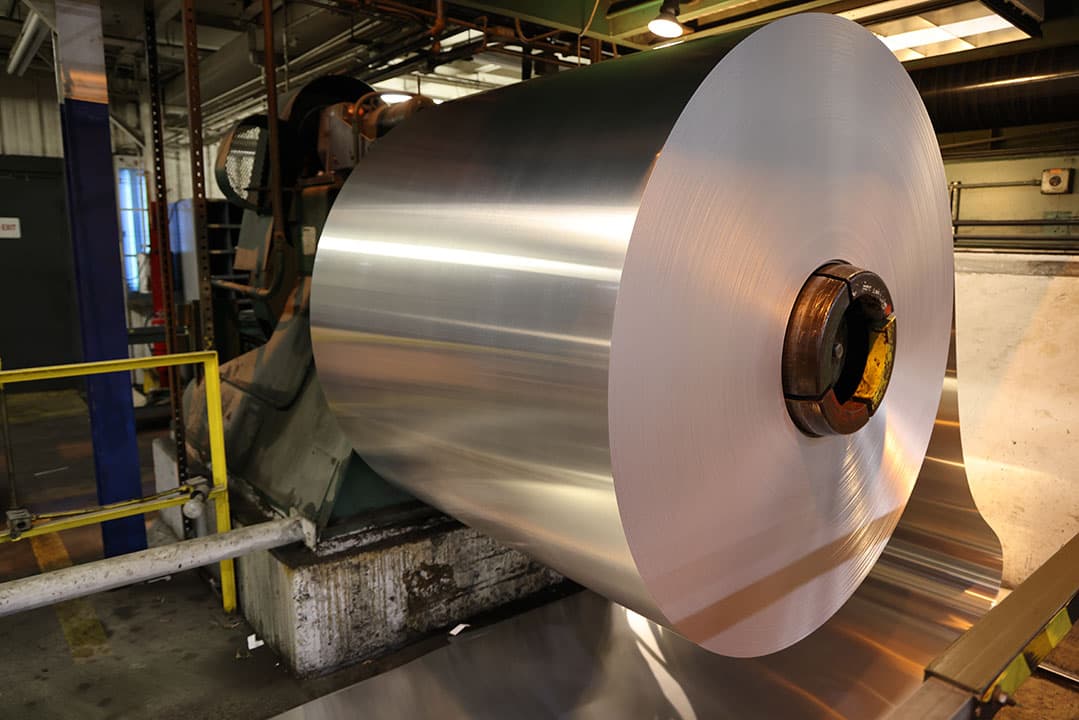
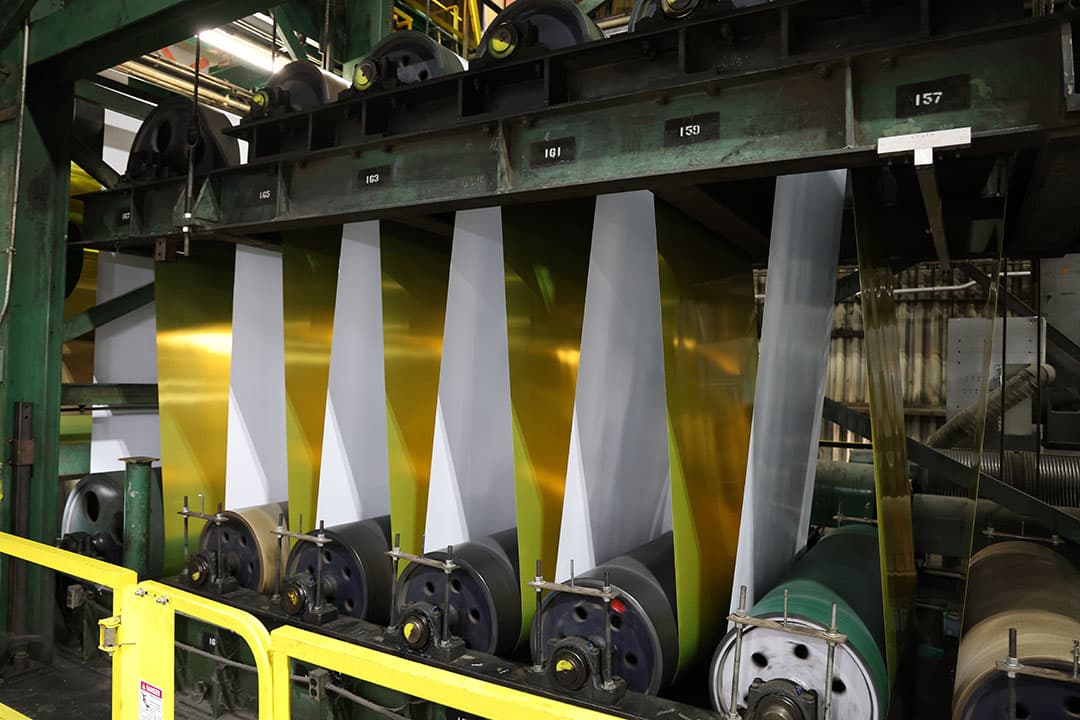
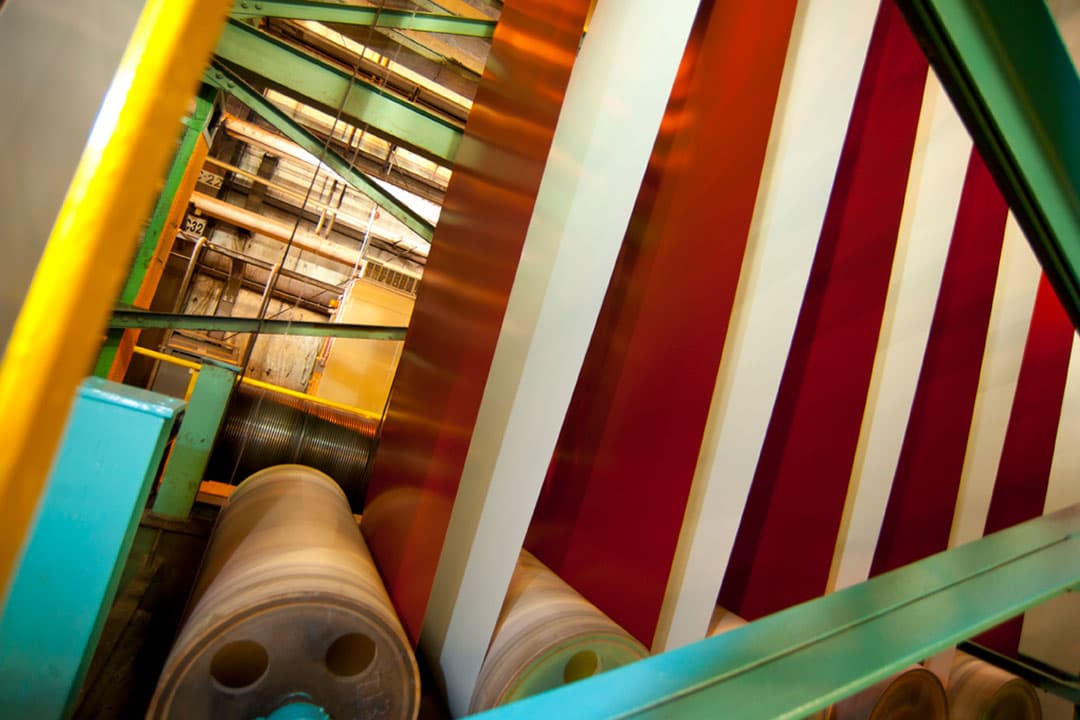
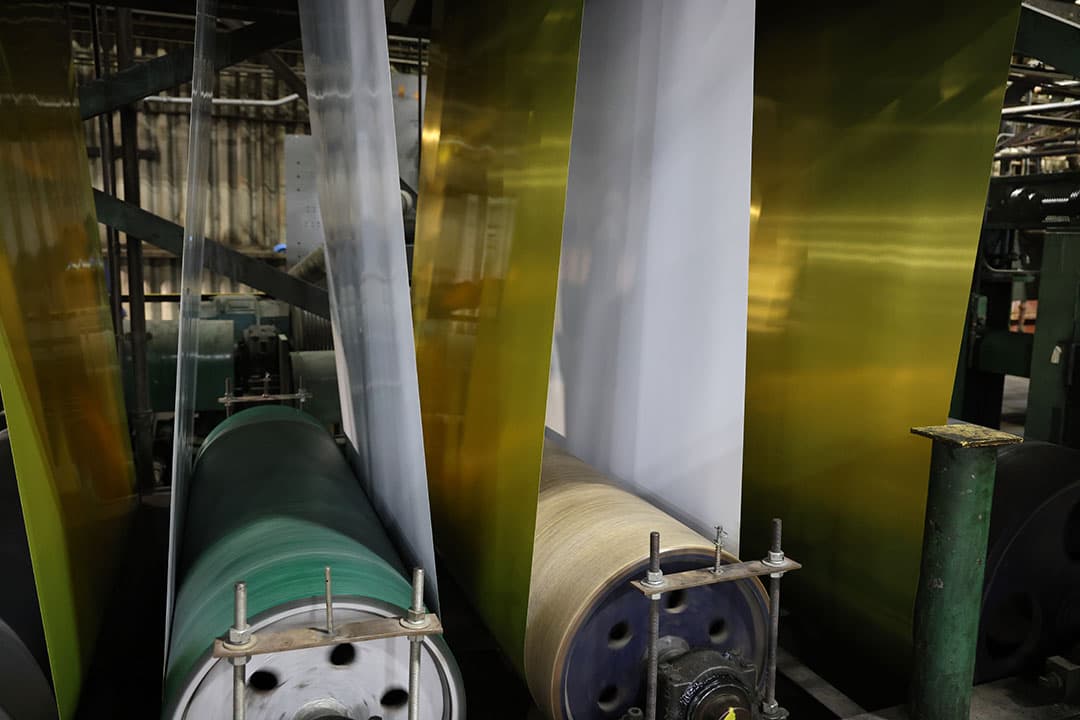
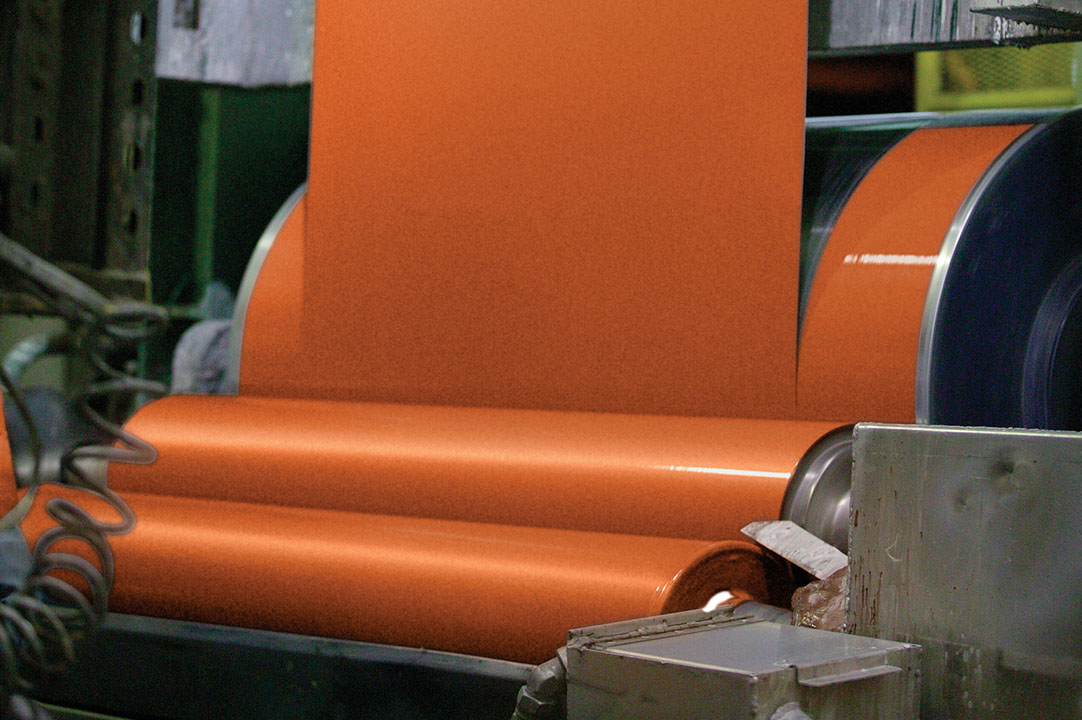
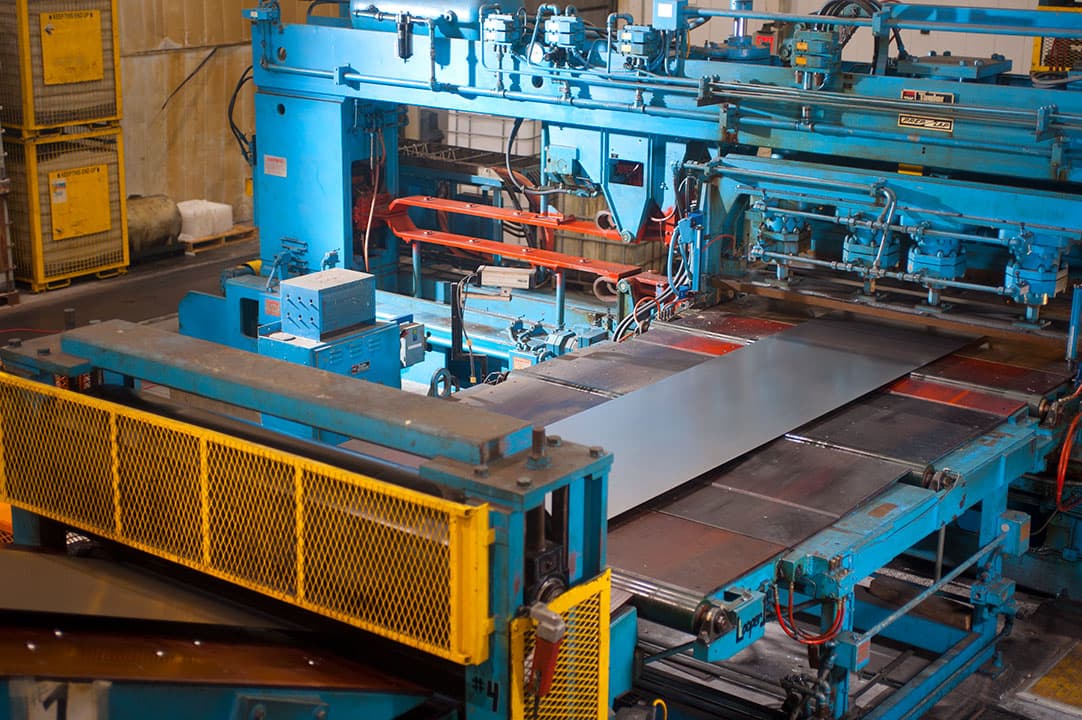
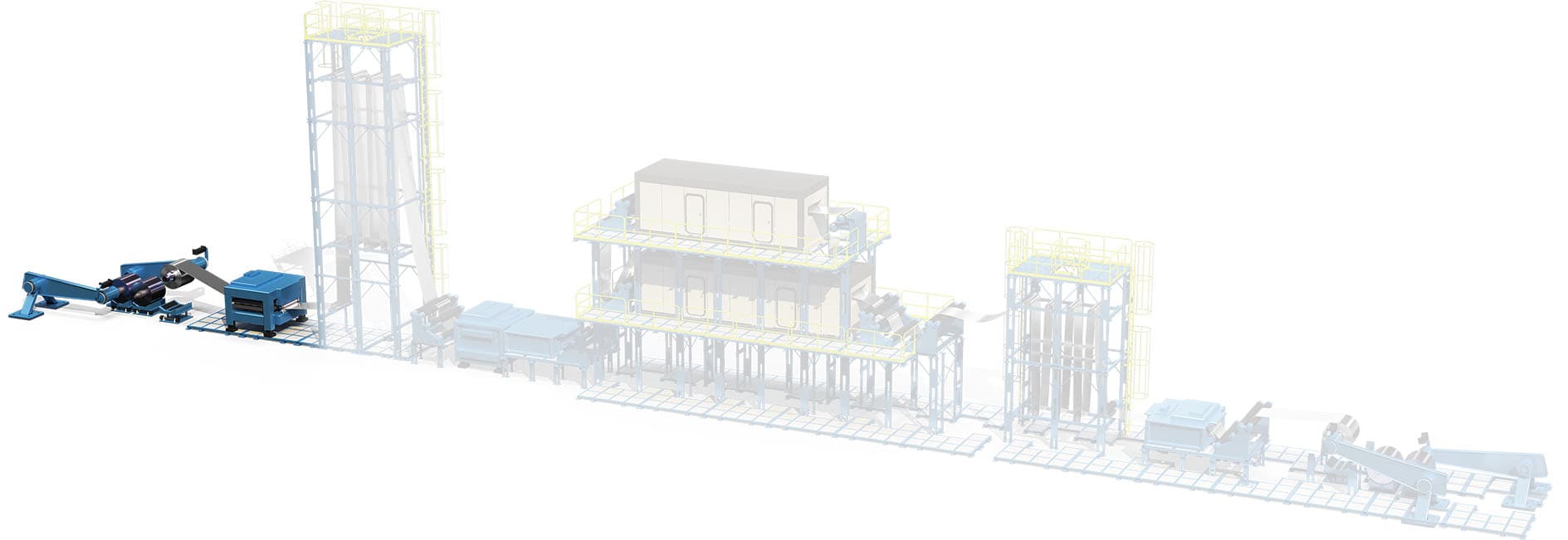
Once the metal is cleaned, treated, and painted, the strip is rewound into a coil size prescribed by the customer. From there, the coil is removed from the line and packaged for shipment or additional processing.
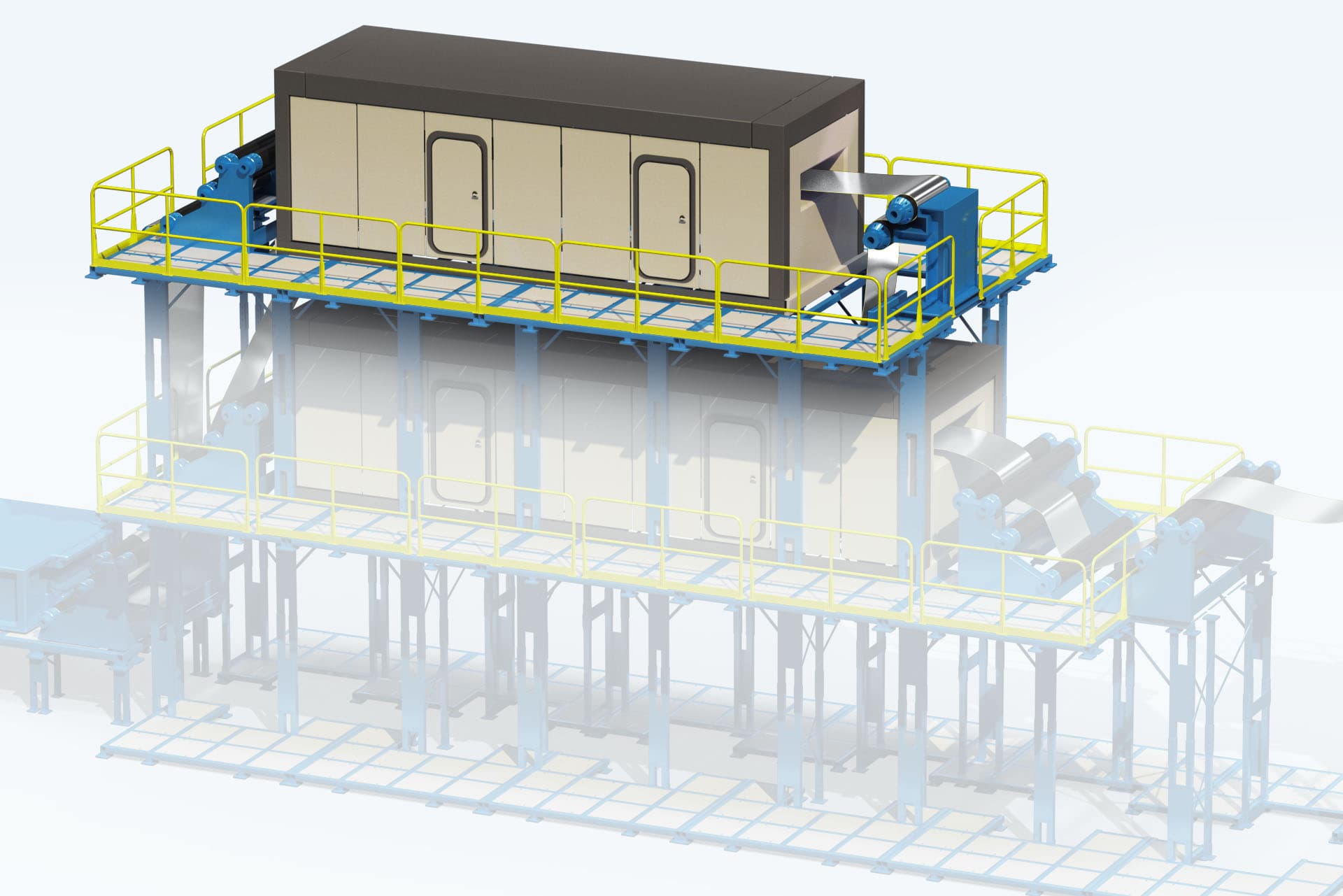
After the primer is applied and cured, then the metal strip enters the finish coat station where a topcoat is applied. Topcoats provide color, corrosion resistance, durability, flexibility and any other required physical properties. Like primers, the topcoat is cured using thermal cure ovens.
Oven
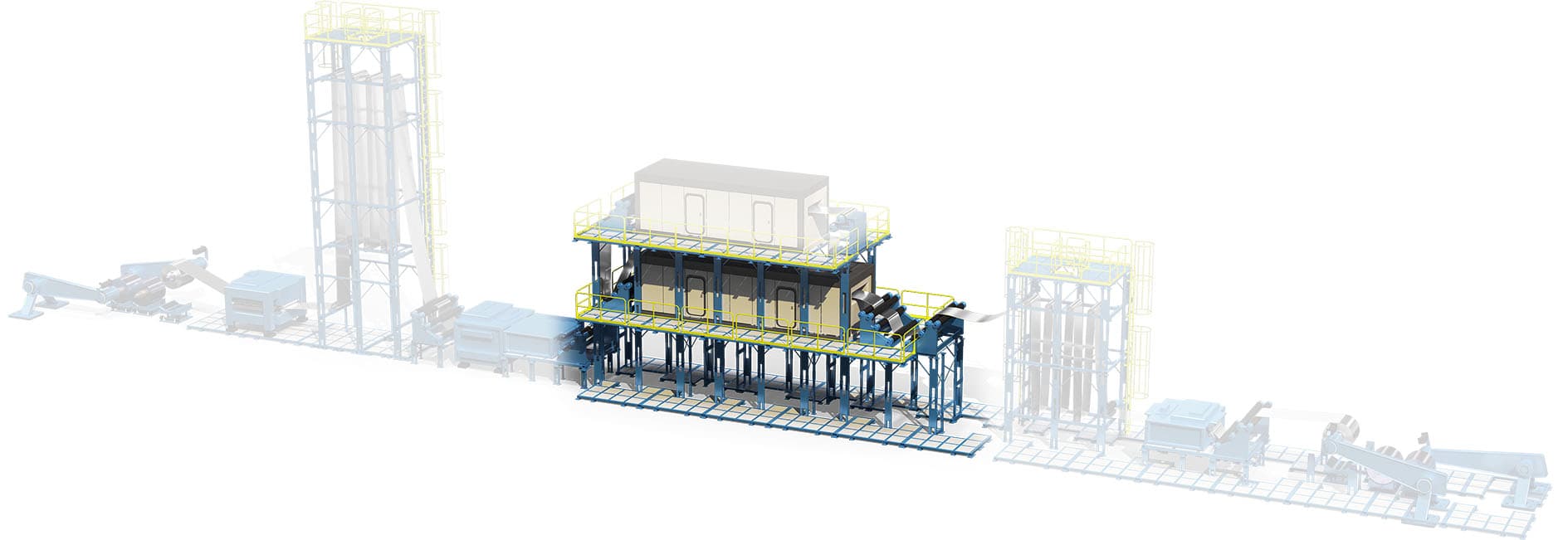
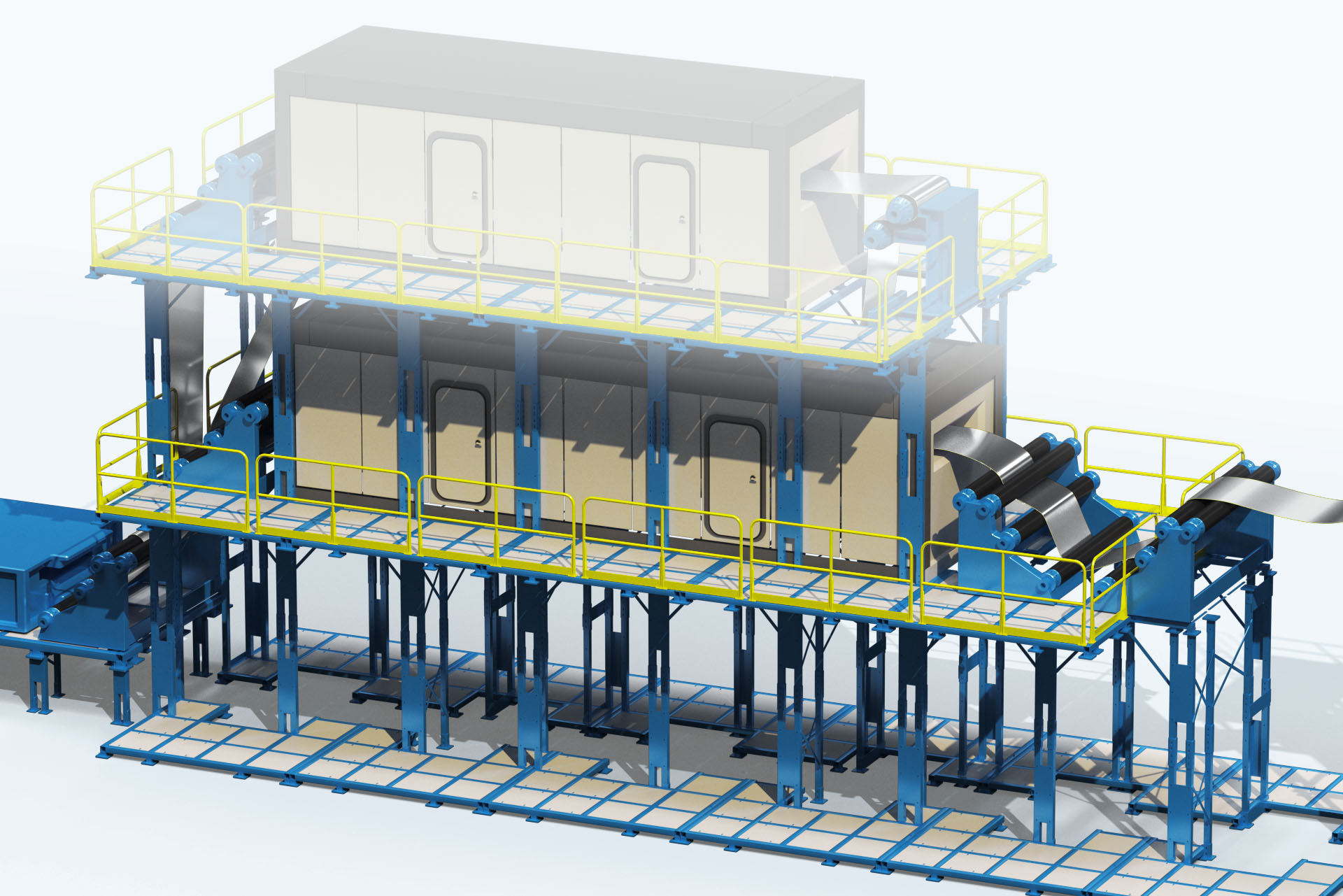
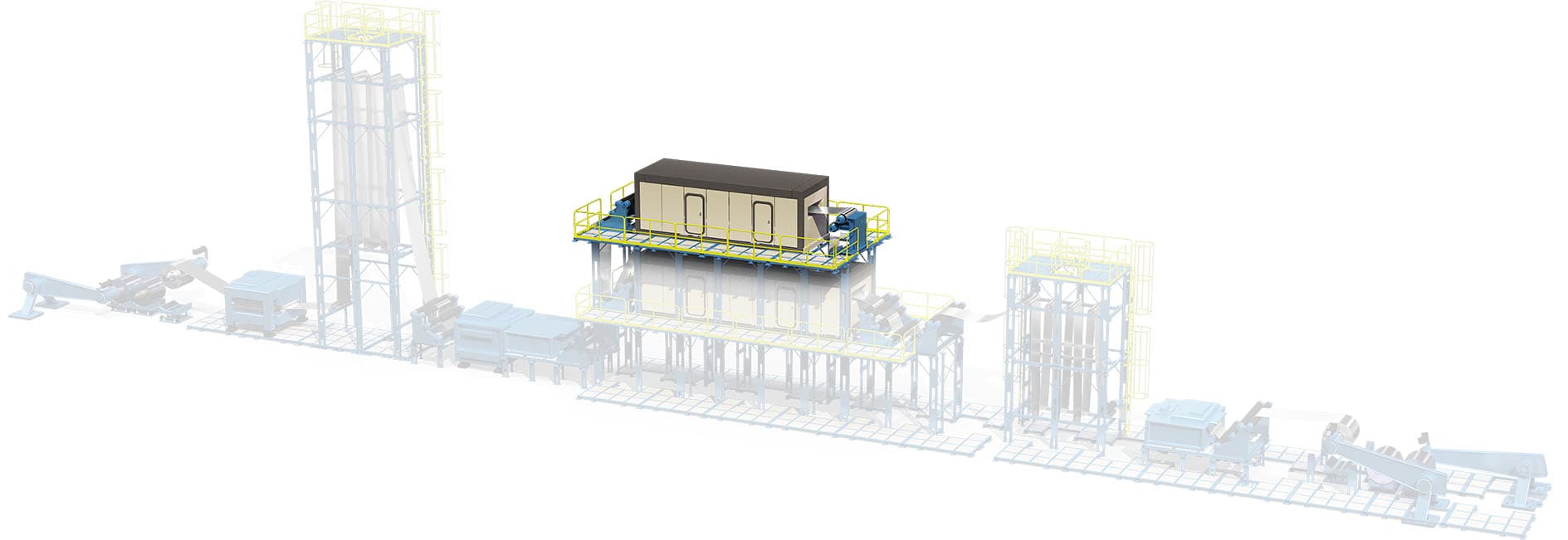
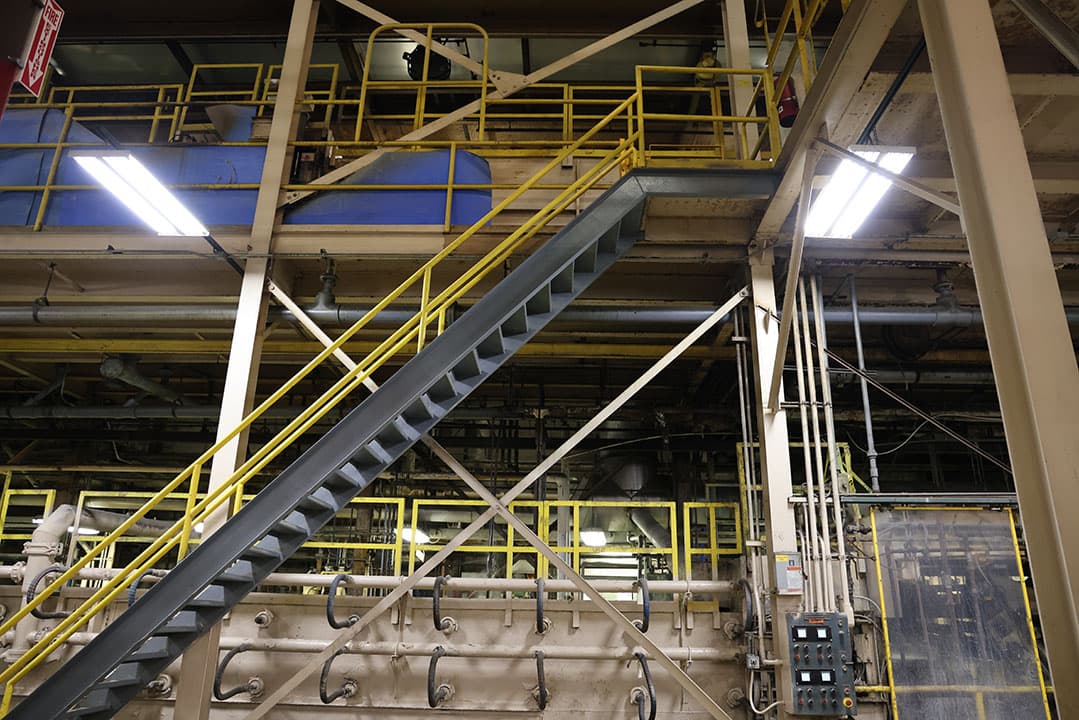
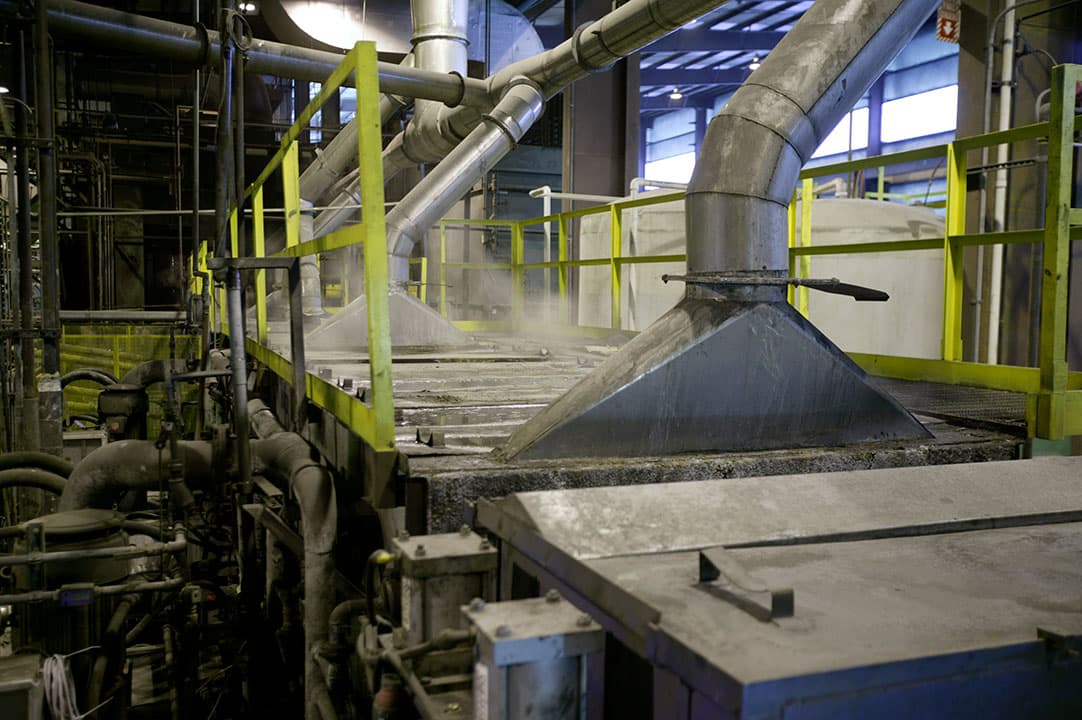
Coil coating ovens can range from 130 feet to 160 feet and will cure the coatings in 13 to 20 seconds.
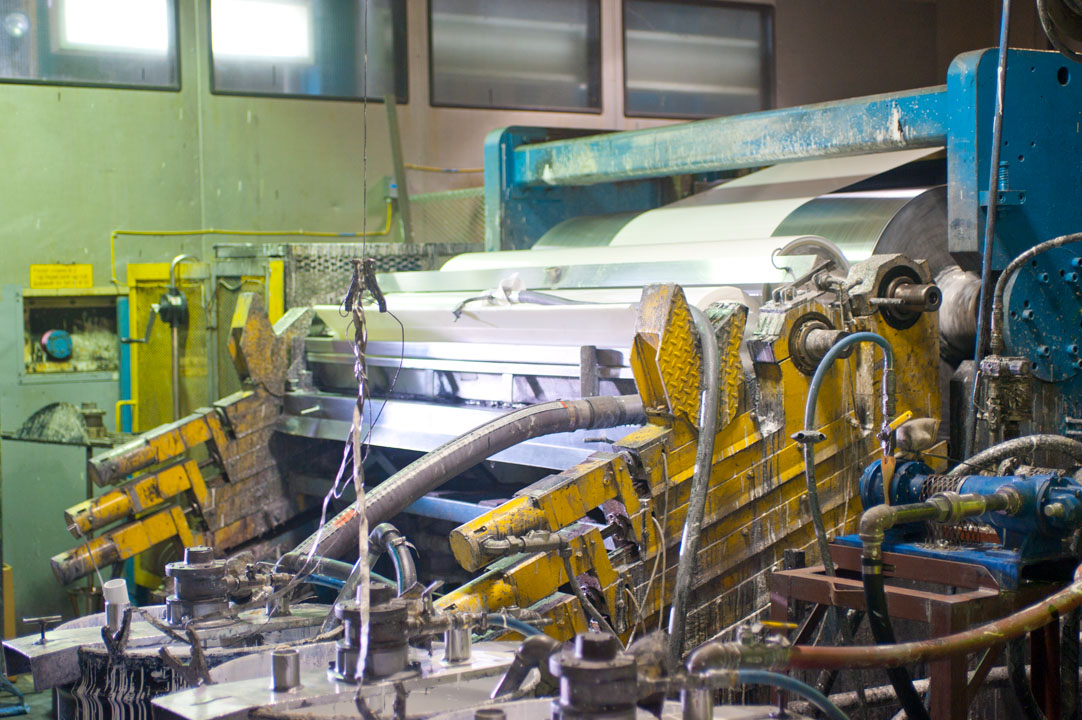
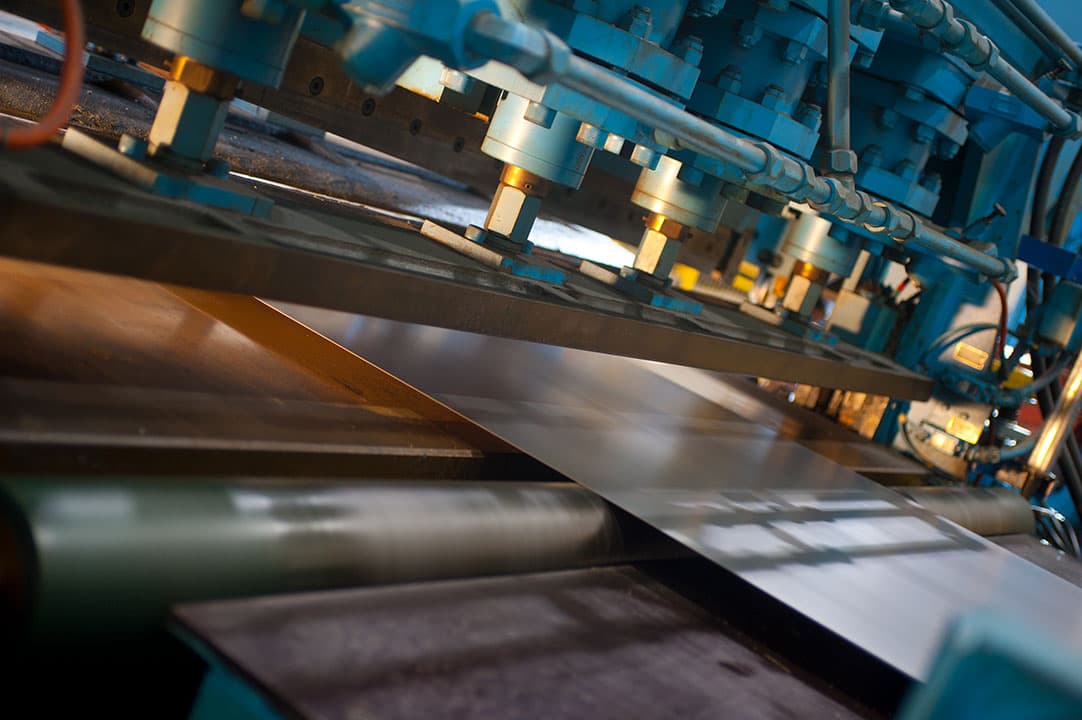
During this stage, the strip enters the prime coat station whereby a primer is applied to the clean and treated metal. After the primer is applied, the metal strip travels through a thermal oven for curing. Primers are used to aid in paint adhesion, improve corrosion performance and enhance aesthetic and functional attributes of the topcoat.
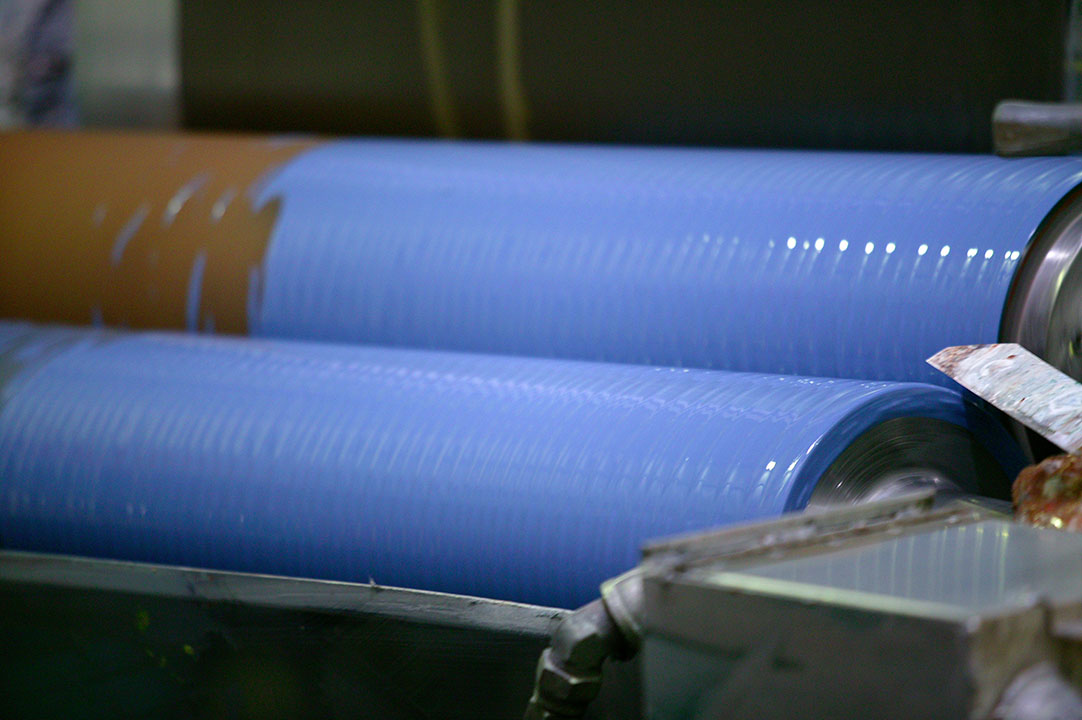
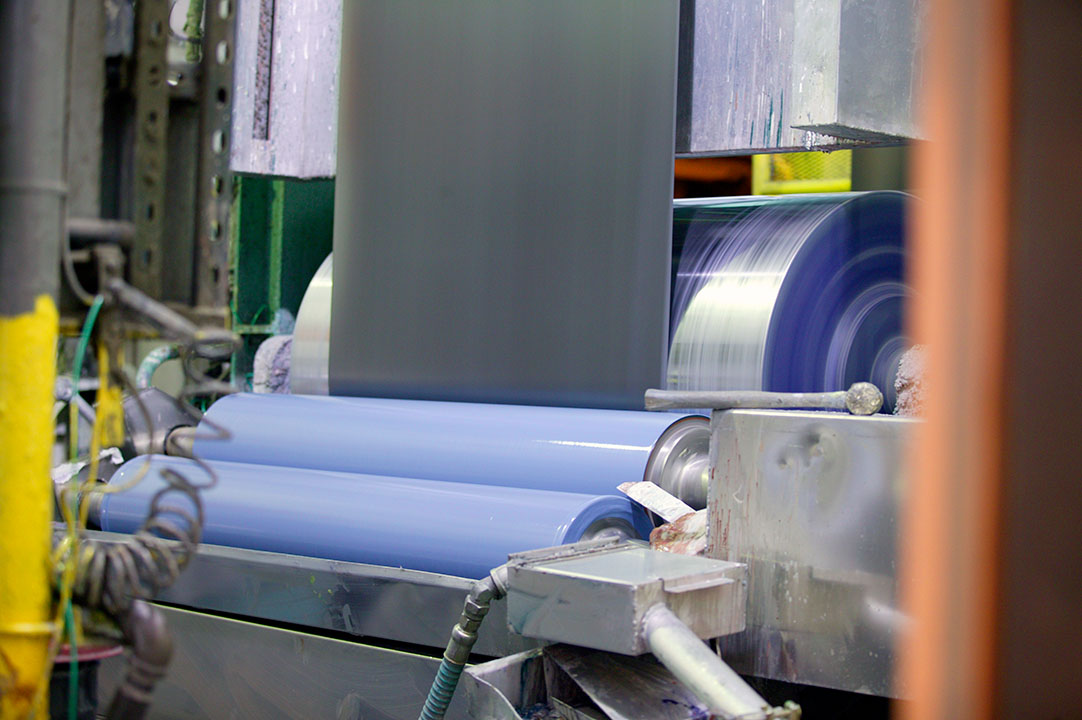
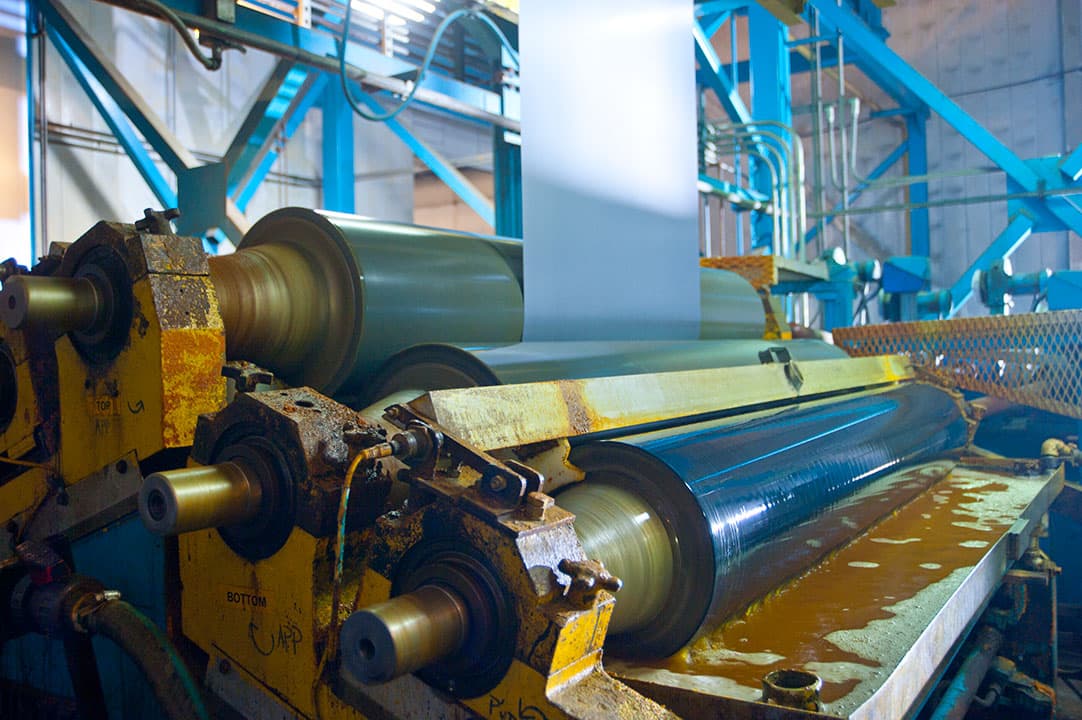
S Wrap Coater
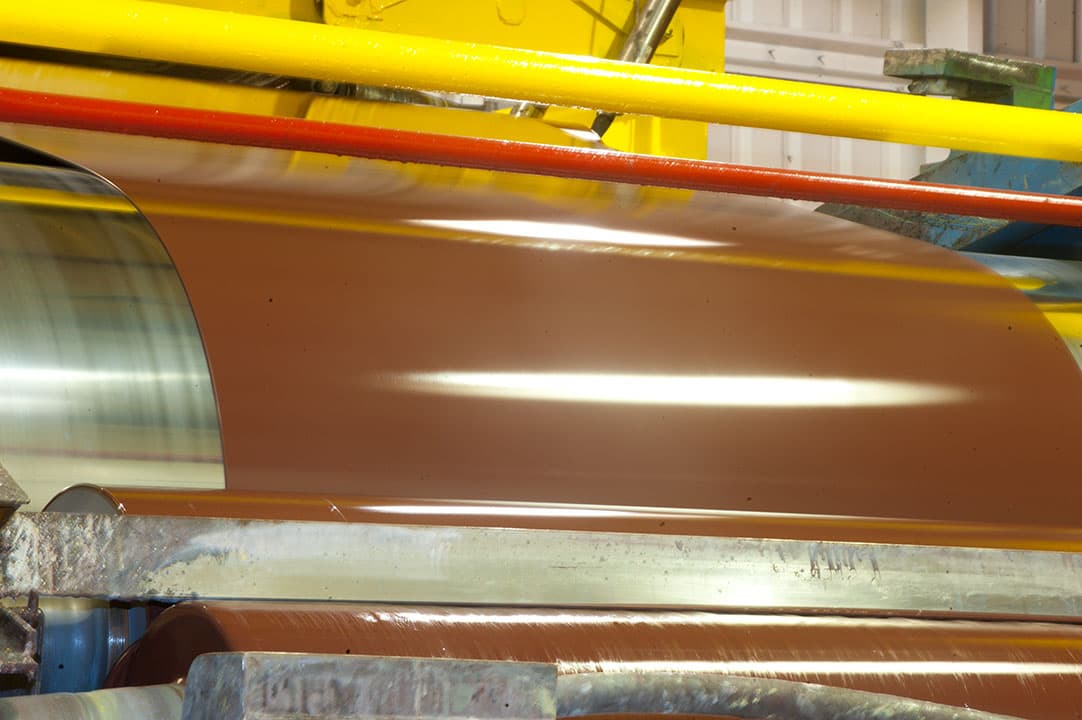
The S wrap coater design allows for primers and paints to be applied to the top and back side of the metal strip simultaneously in one continuous pass.
The cleaning and pretreating section of the coil coating process focuses on preparing the metal for painting. During the cleaning stage, dirt, debris, and oils are removed from the metal strip. From there, the metal enters the pretreatment section and/or a chemical coater whereby chemicals are applied to facilitate paint adhesion and enhance corrosion resistance.
Dried-In-Place
In this stage a chemical that provides enhanced corrosion performance is applied. This treatment can be chrome free if required.
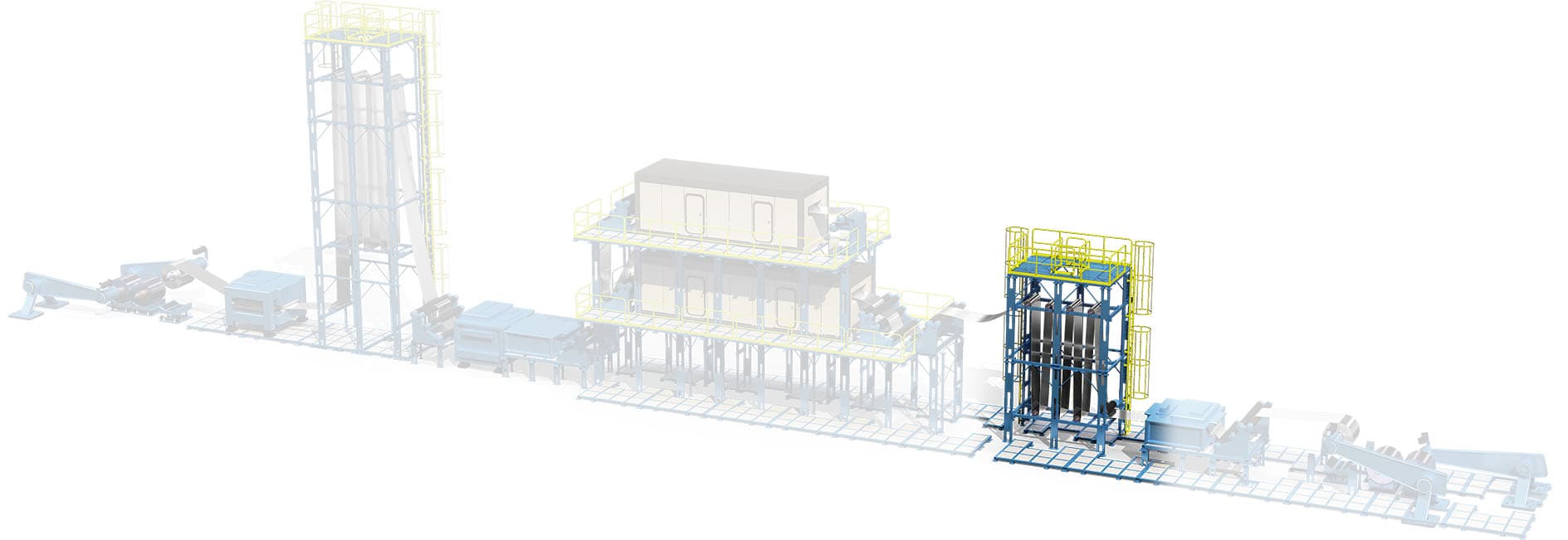
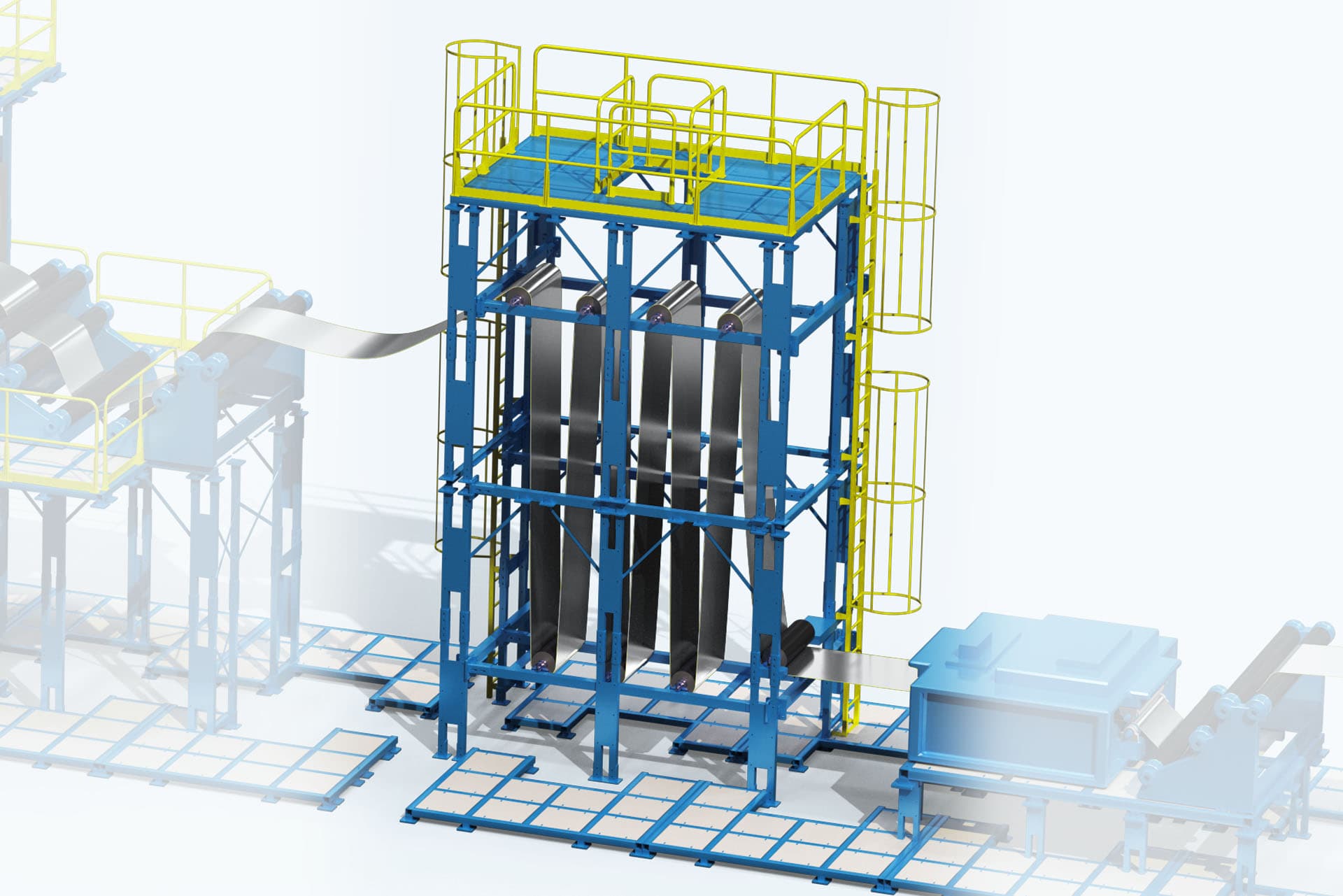
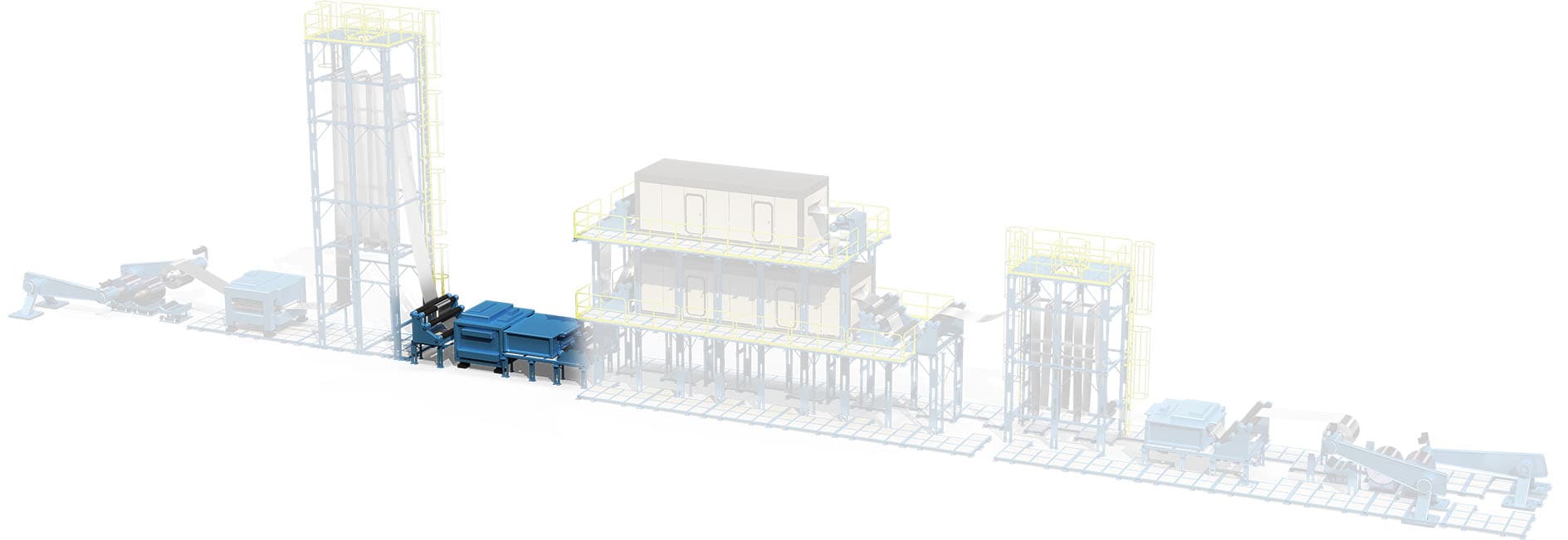
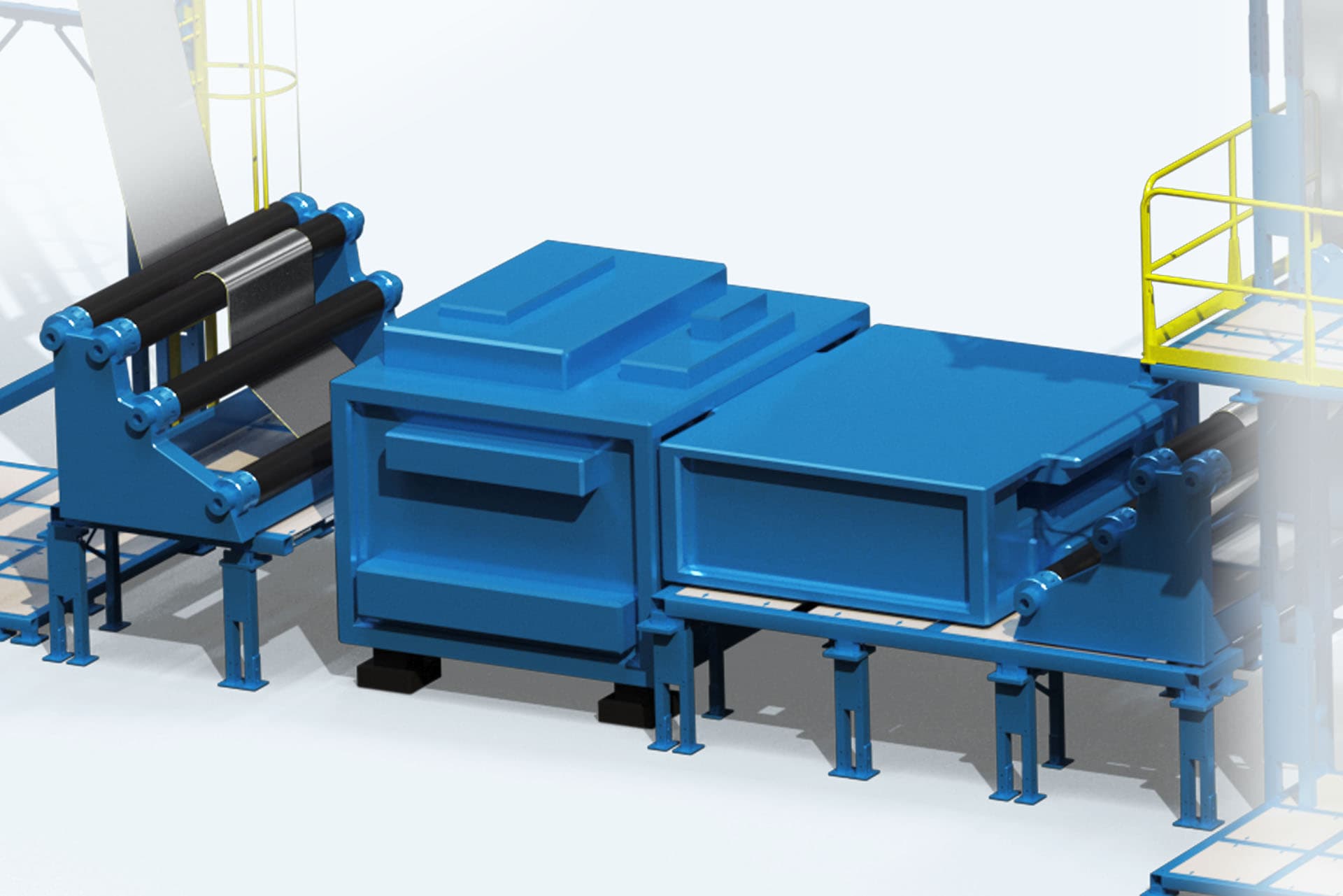
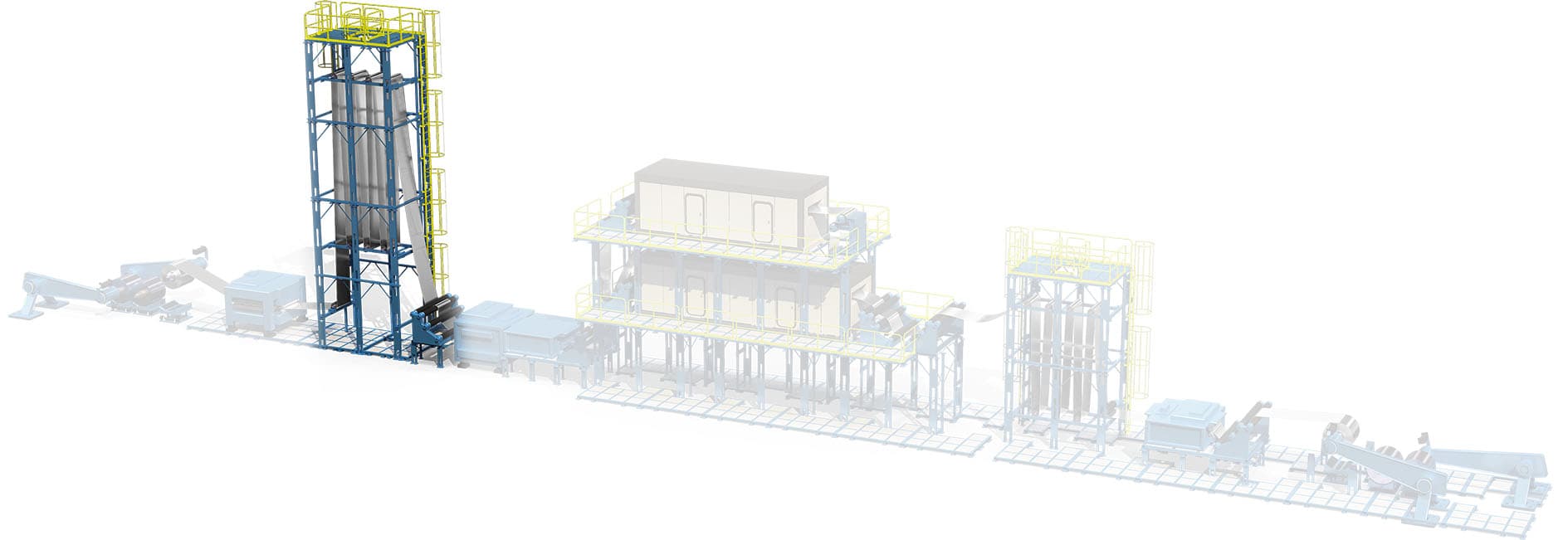
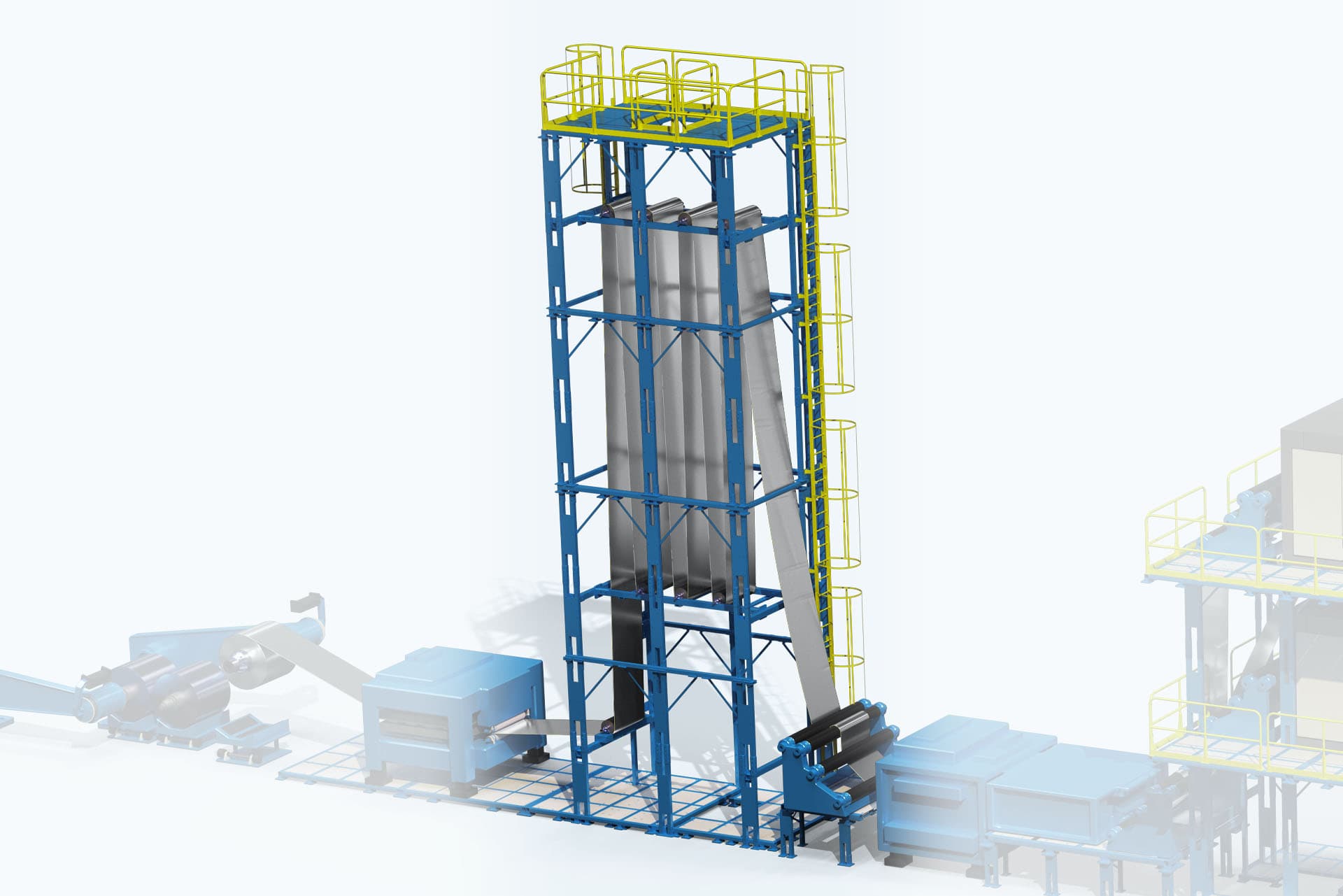
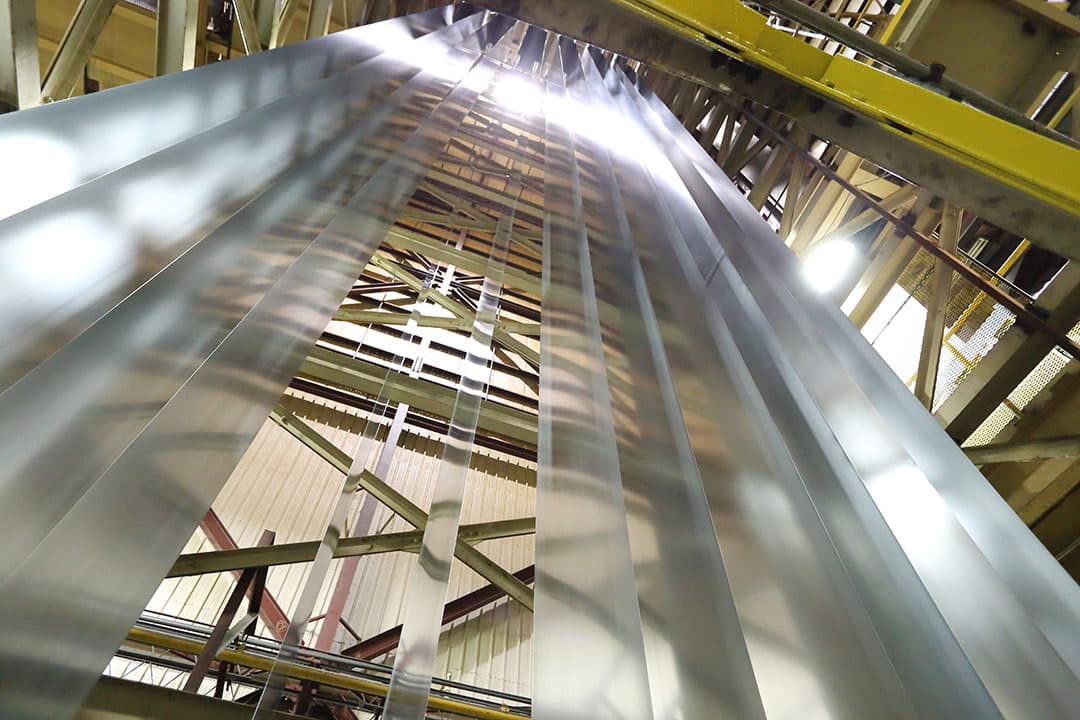
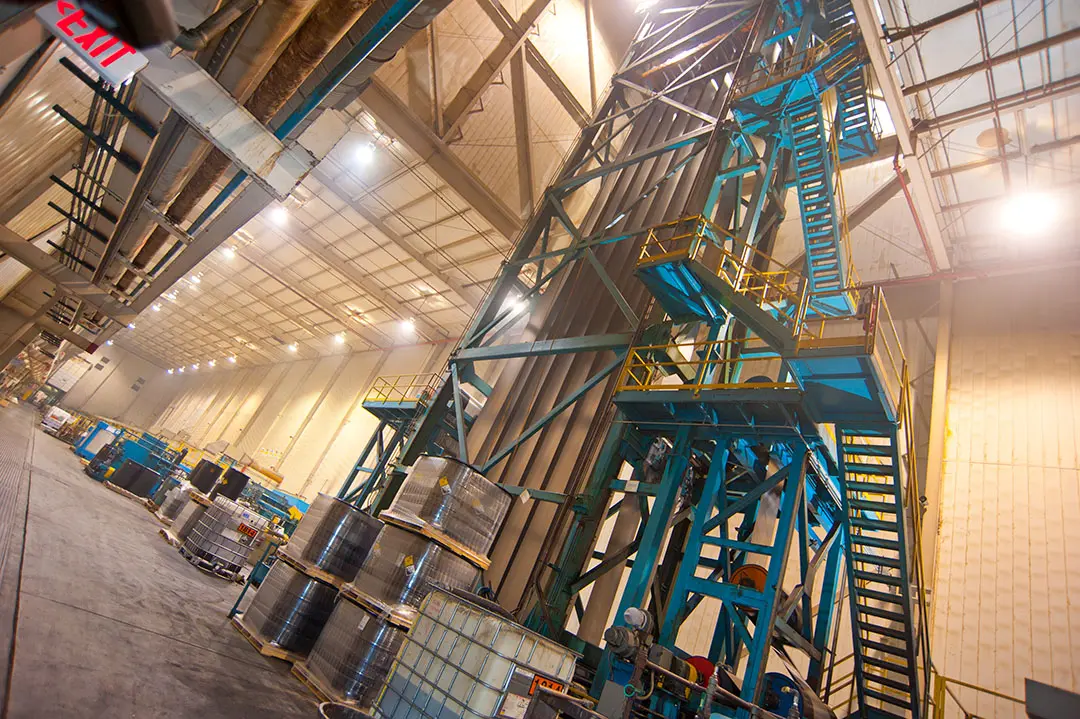
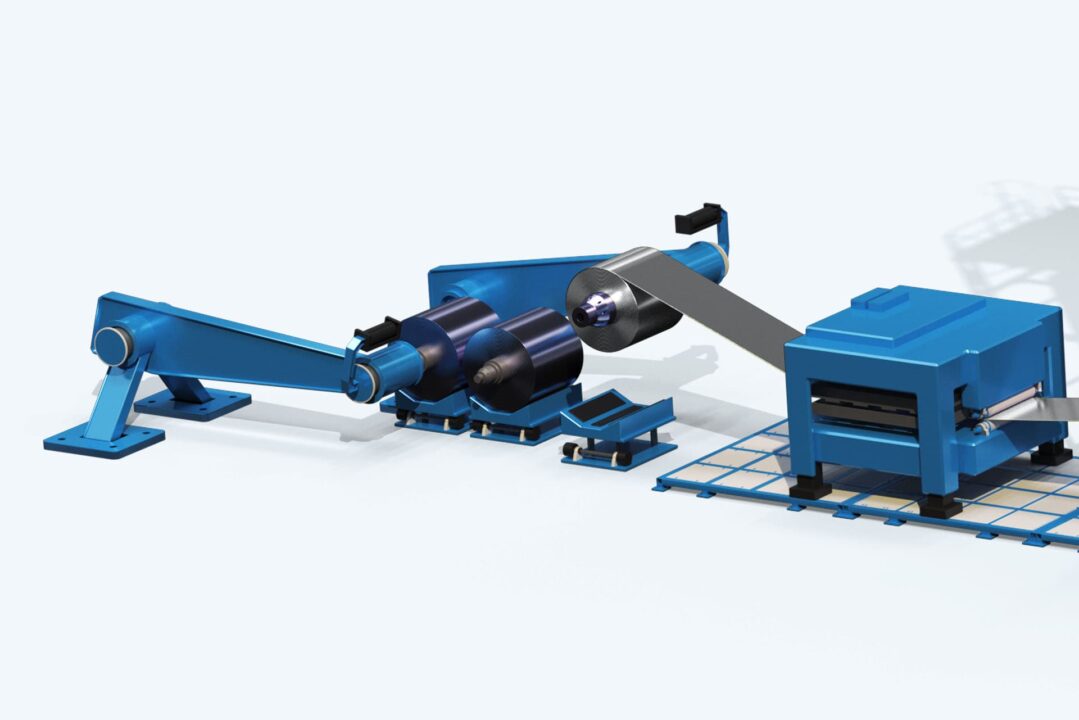
The accumulator is a structure that adjusts up and down to store material, which makes continuous operation of the coil coating process possible. This accumulation will continue to feed the coil coating processes while the entry end has stopped for the stitching process. As much as 750 feet of metal can be collected.
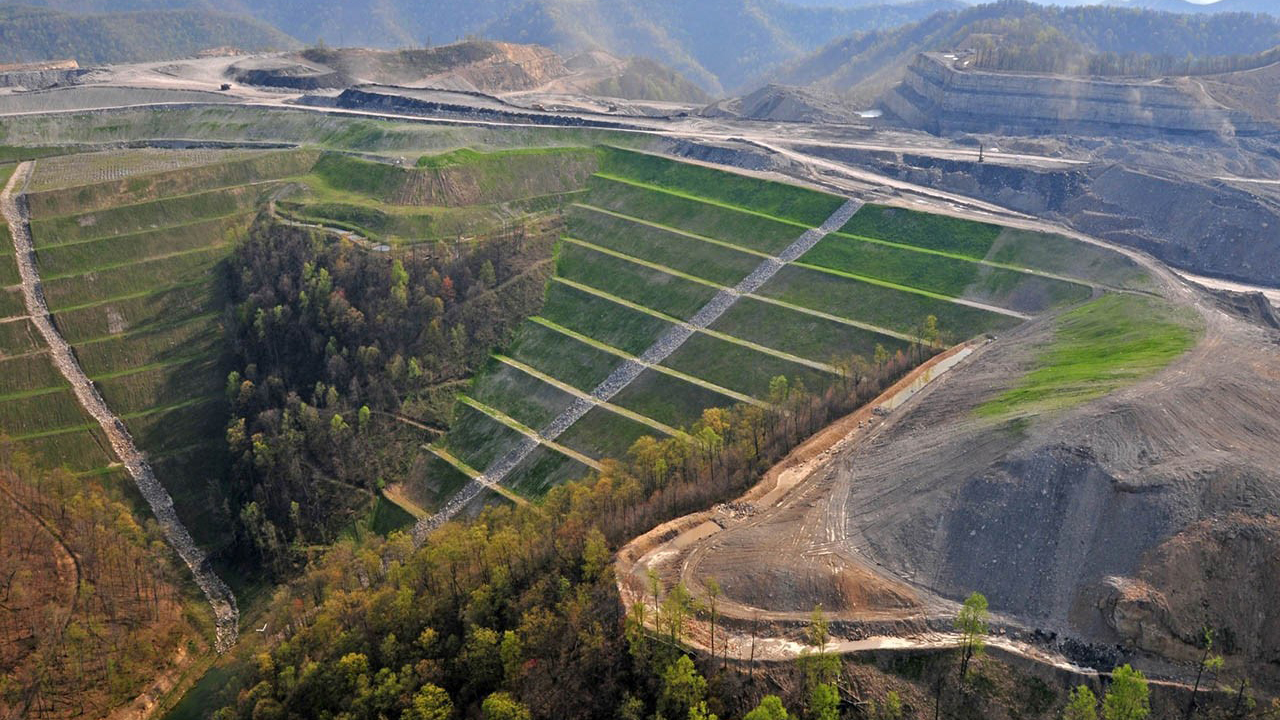
In the Appalachian Mountains of Virginia, coal mining has long been central to the culture and livelihood of the community. Over the past decade, many coal mines have closed due to green energy initiatives. However, one mine, the Buchanan Mine in Oakwood, Virginia, has remained open and thriving thanks to the type of coal it produces. Owned and operated by Coronado Coal Company, the mine specializes in metallurgical coal, or "met coal," a crucial ingredient in producing coal for steel manufacturing.
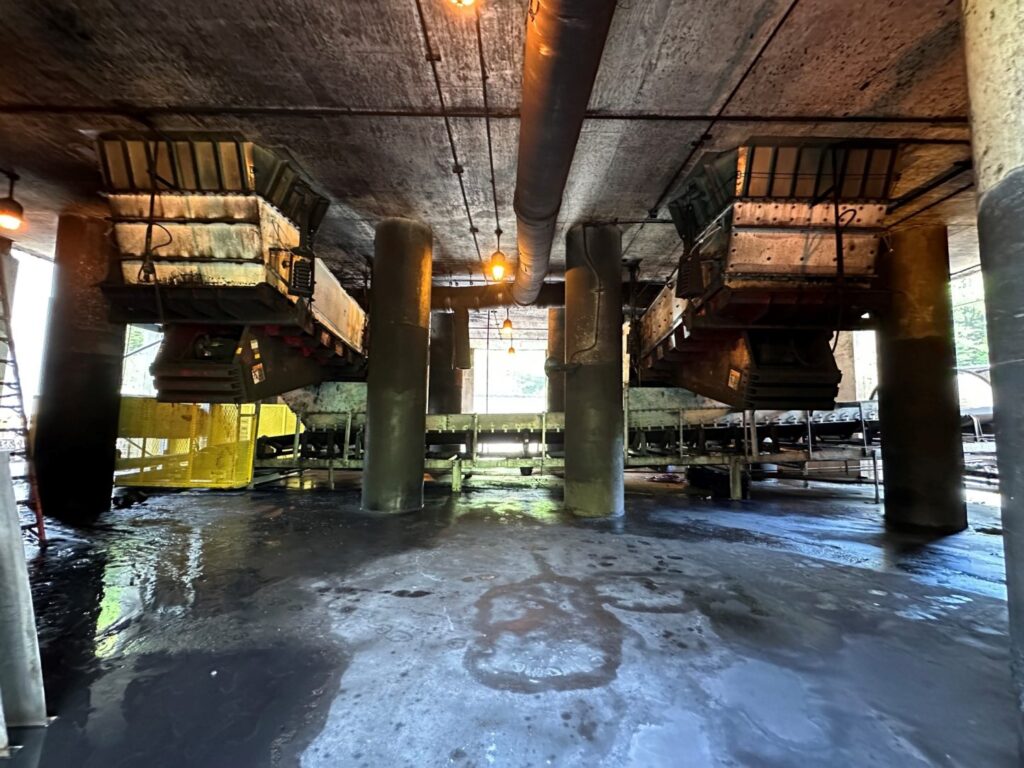
Coal mines present an incredibly harsh environment for infrastructure and equipment. The constant exposure to moisture, coal dust, and abrasive byproducts accelerates wear and corrosion on steel structures. Additionally, the high humidity and temperature fluctuations underground amplify the challenges, leading to rapid material degradation without proper protection. This makes it critical to use materials and coatings that can withstand such conditions while maintaining performance over time.
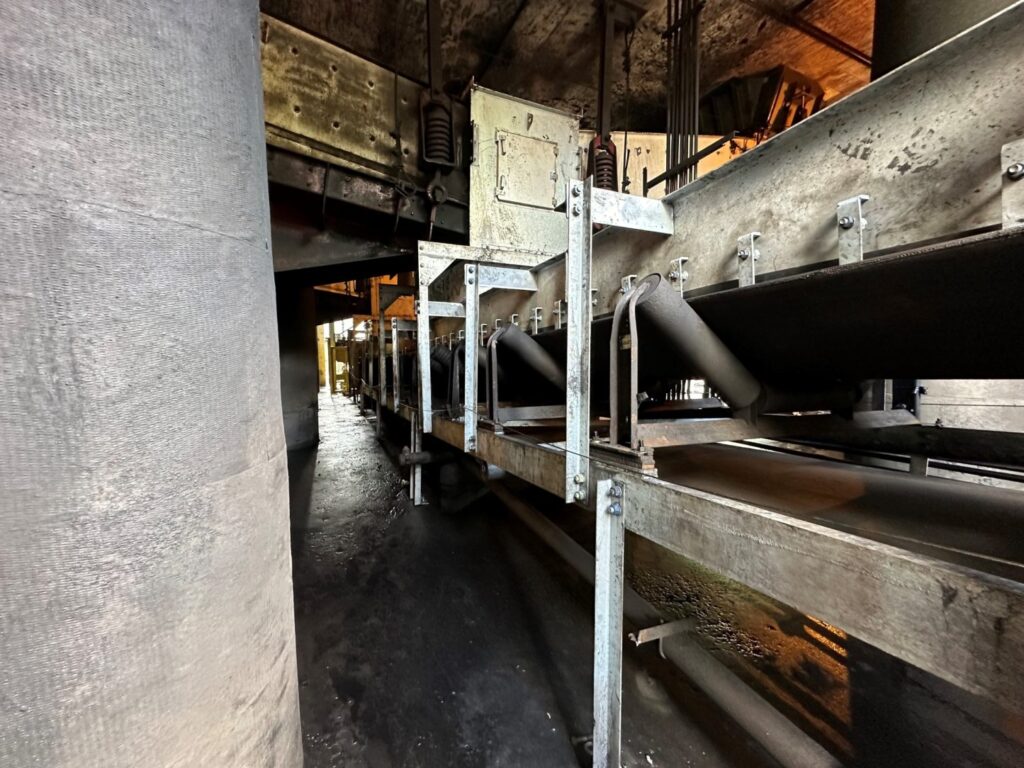
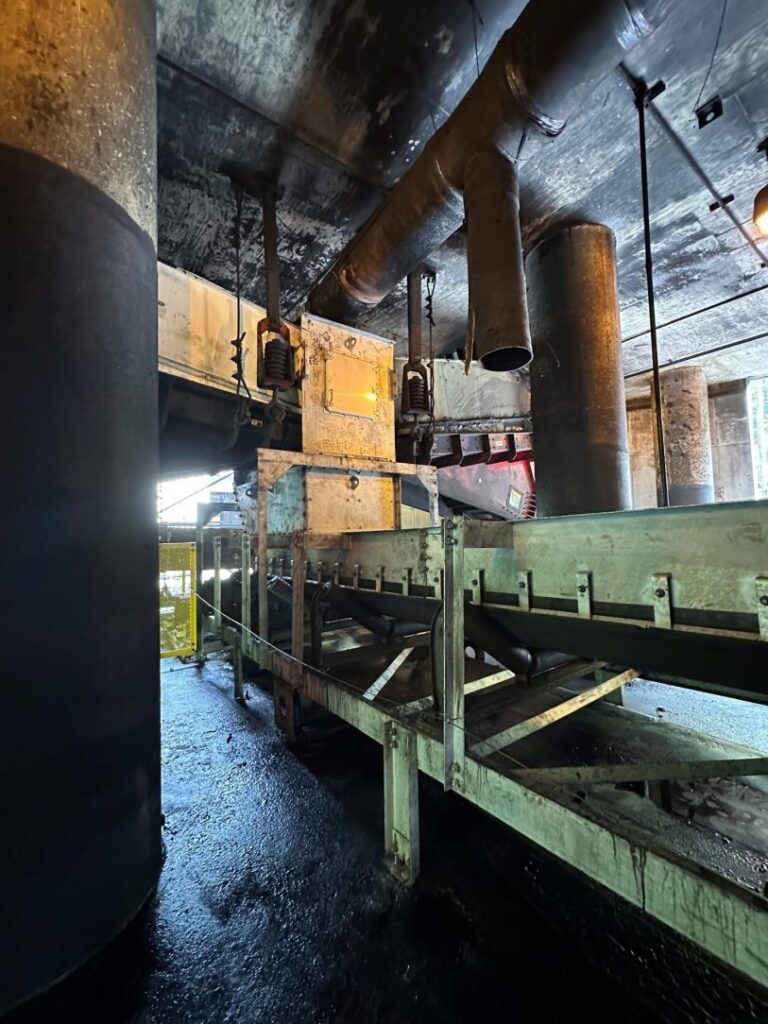
Coronado Coal Company has invested heavily in upgrading and expanding the Buchanan Mine to ensure long-term production of met coal. Hot-dip galvanizing was selected for its exceptional corrosion resistance and durability in the harsh conditions created by coal and its abrasive byproducts. It has proven to be highly cost-effective for this application, offering superior longevity and minimizing the need for ongoing maintenance or replacements. Structures and equipment treated with galvanizing have consistently outperformed other coatings, resisting corrosion and deterioration more effectively.
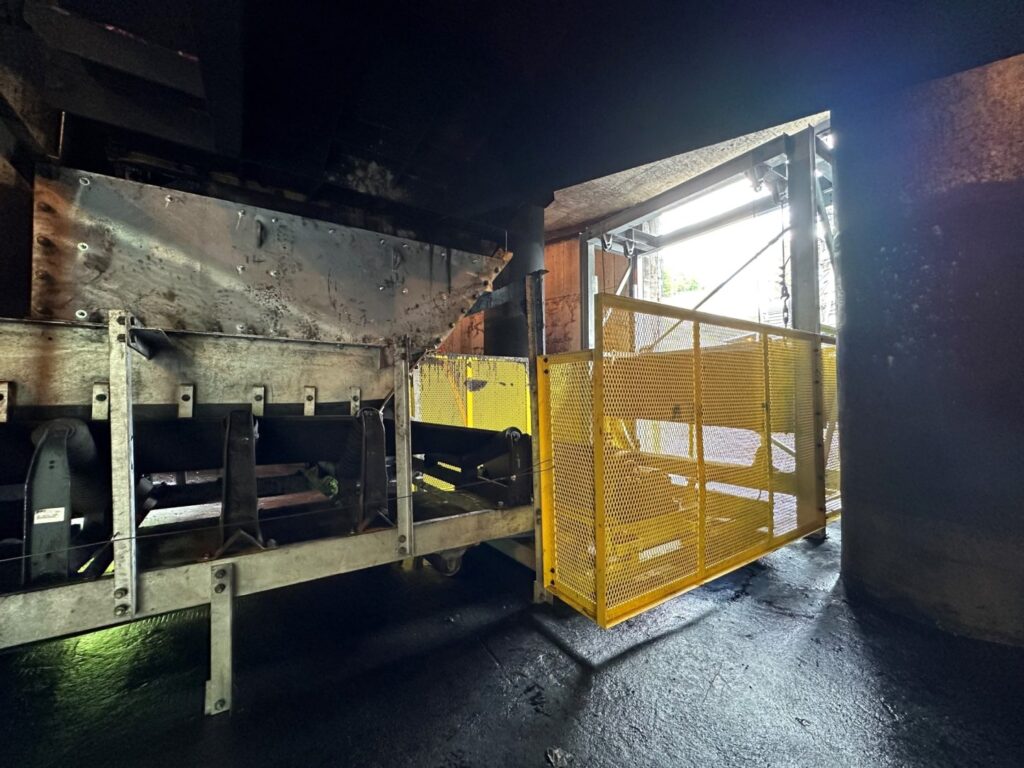
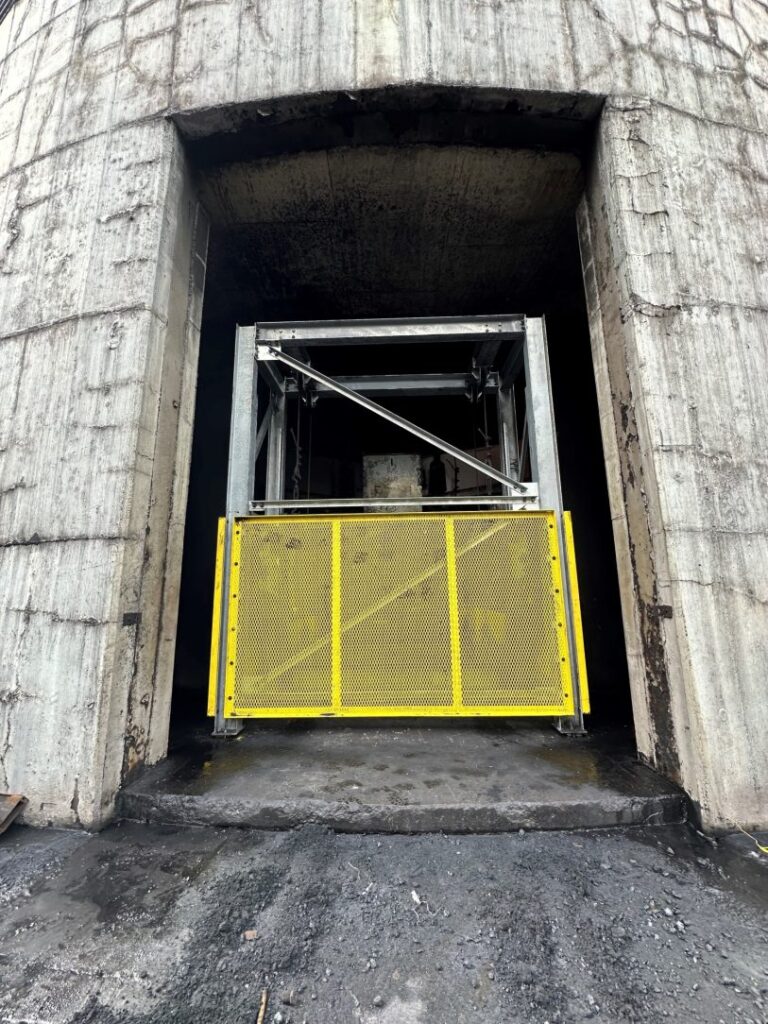
For a recent conveyor upgrade, Coronado Coal Company worked with Peters Equipment Company to install a galvanized steel frame to move coal from the mine shafts to the scrubbers. This project required 15 tons of steel to be hot-dip galvanized, including frames, cross members, brackets, and hardware. Peters Equipment’s project managers coordinated with the mine and galvanizer to ensure the steel was processed promptly, minimizing interruptions to the mine’s production schedule. The conveyor system was installed and operational within days of arriving on-site.
In such a demanding environment, where materials are constantly tested by moisture, abrasion, and corrosive elements, hot-dip galvanizing stands out as the ideal solution. Its unparalleled durability, cost-effectiveness, and ability to perform under extreme conditions make it indispensable for coal mining operations like those at Buchanan Mine. By choosing galvanized steel, Coronado Coal Company ensures their infrastructure remains reliable and resilient, allowing them to focus on efficient production and long-term success.
Hot-dip galvanizing was selected for its exceptional corrosion resistance and durability in the harsh conditions created by coal and its abrasive byproducts