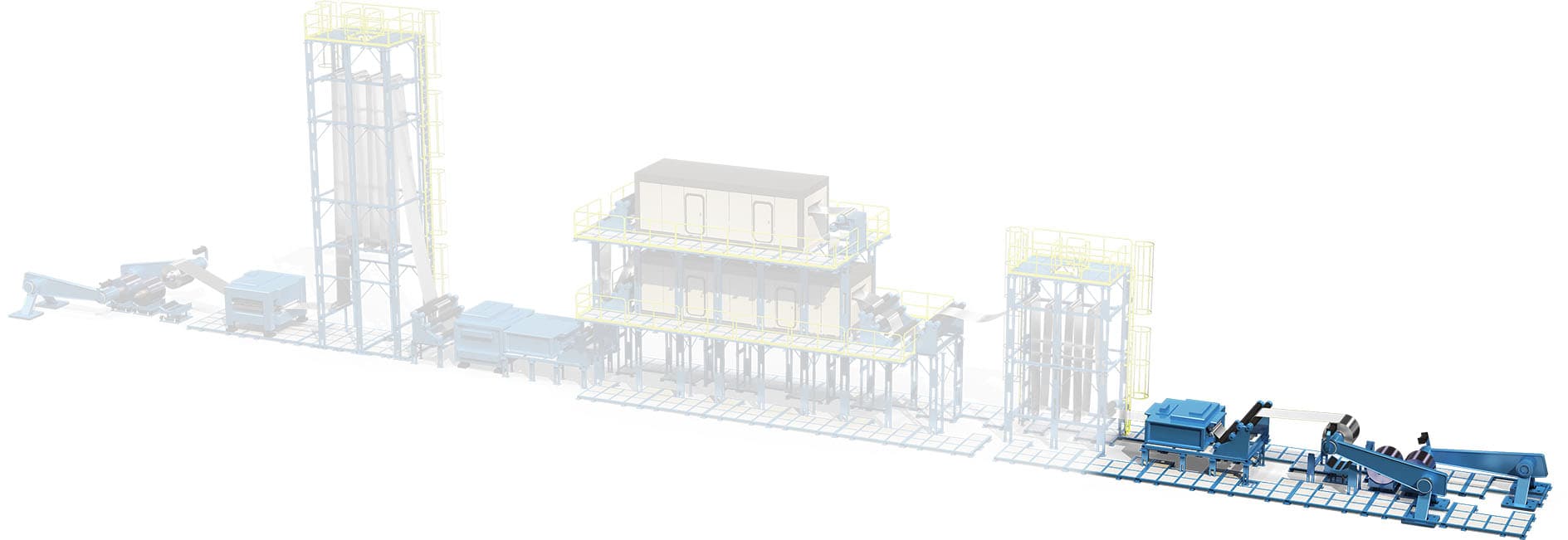
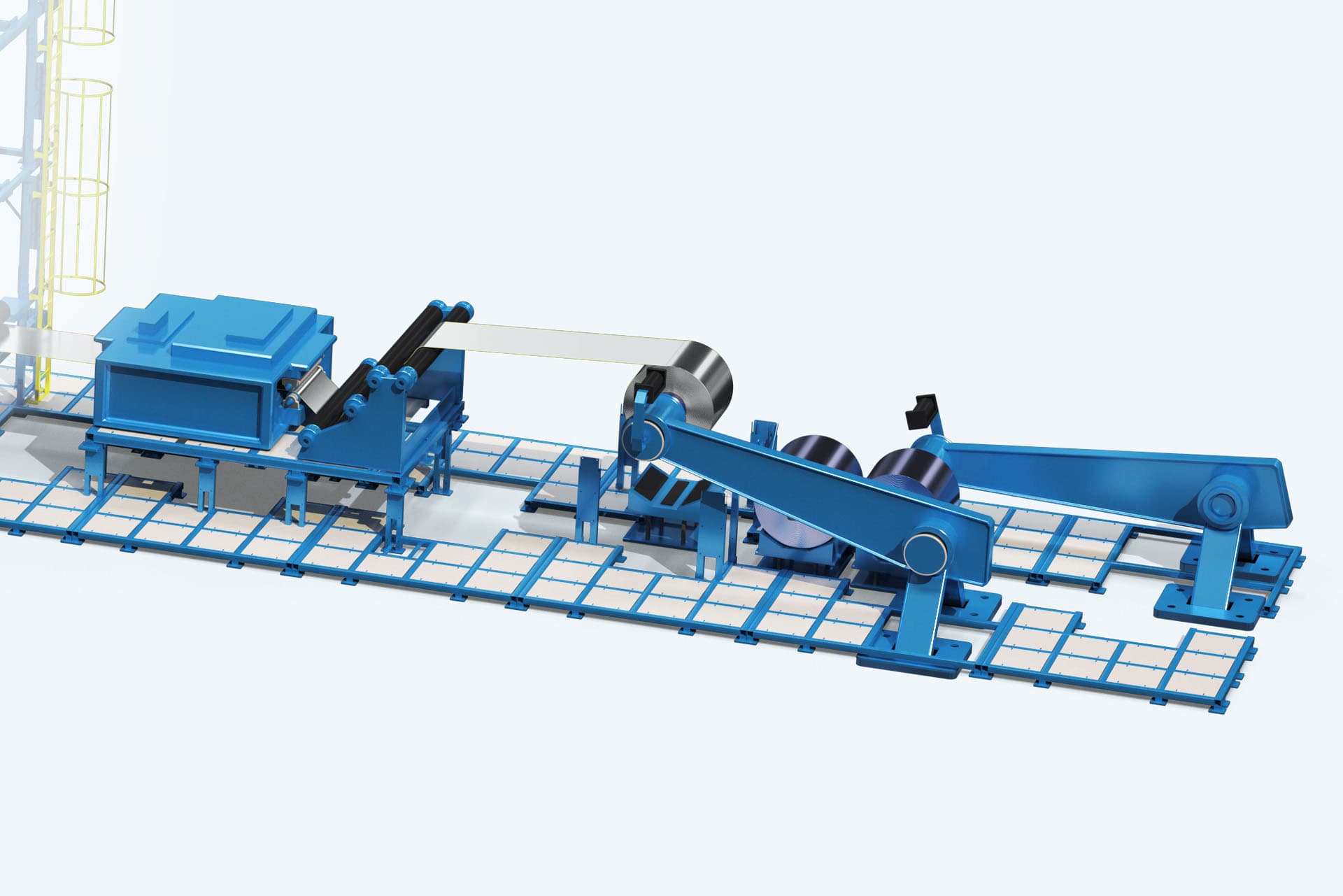
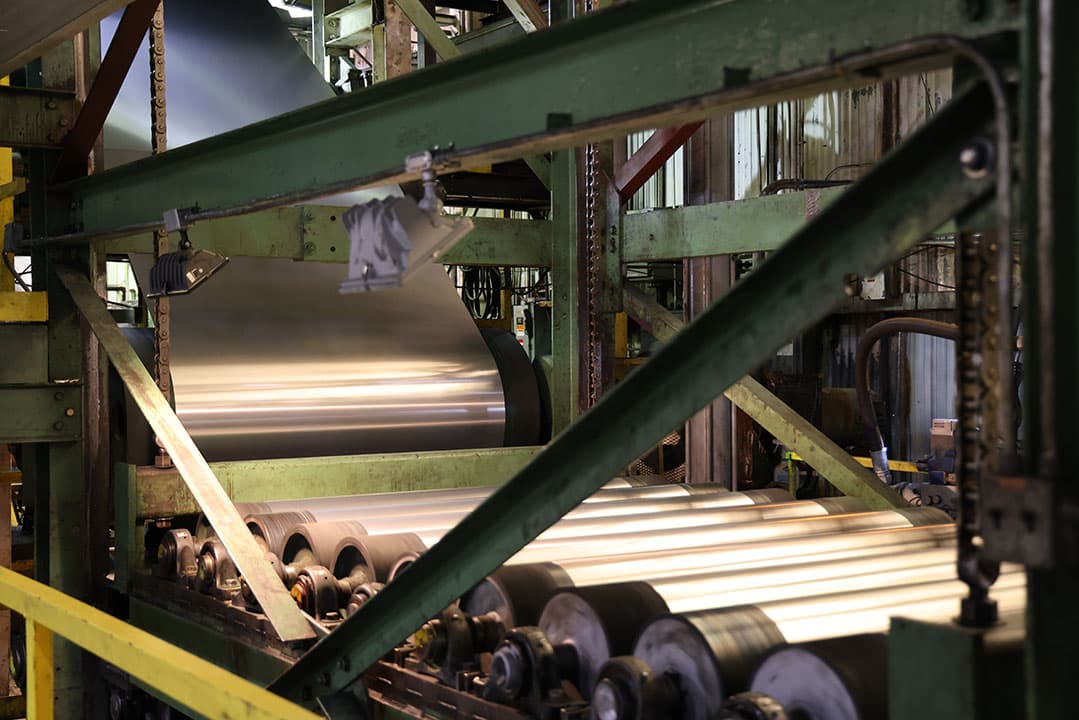
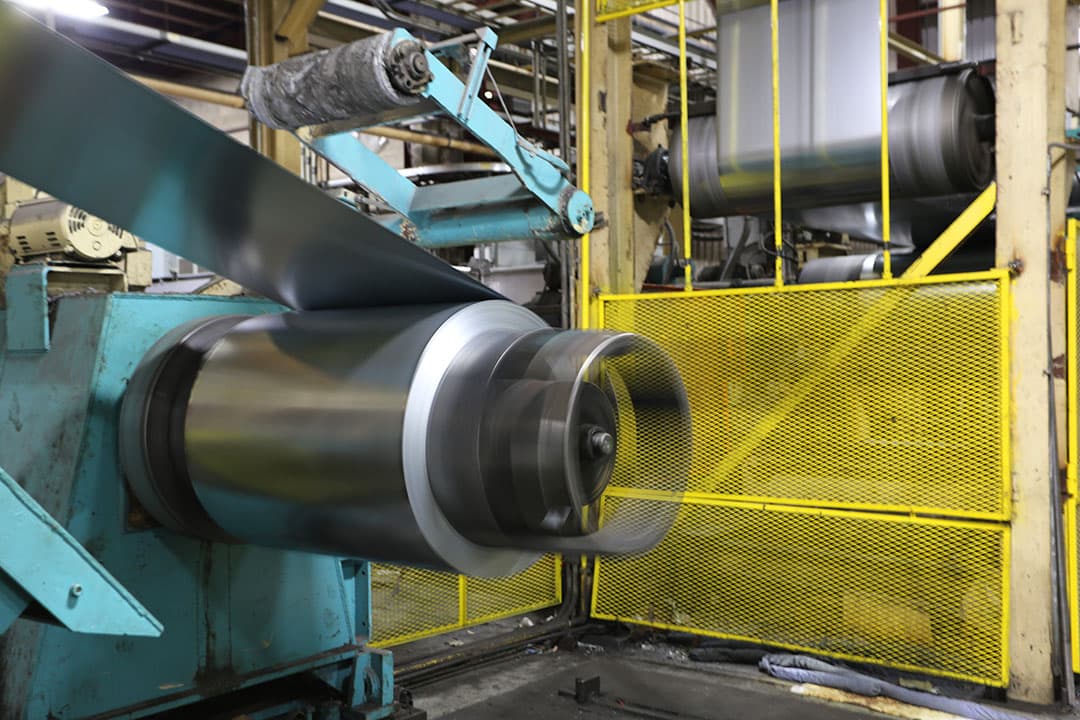
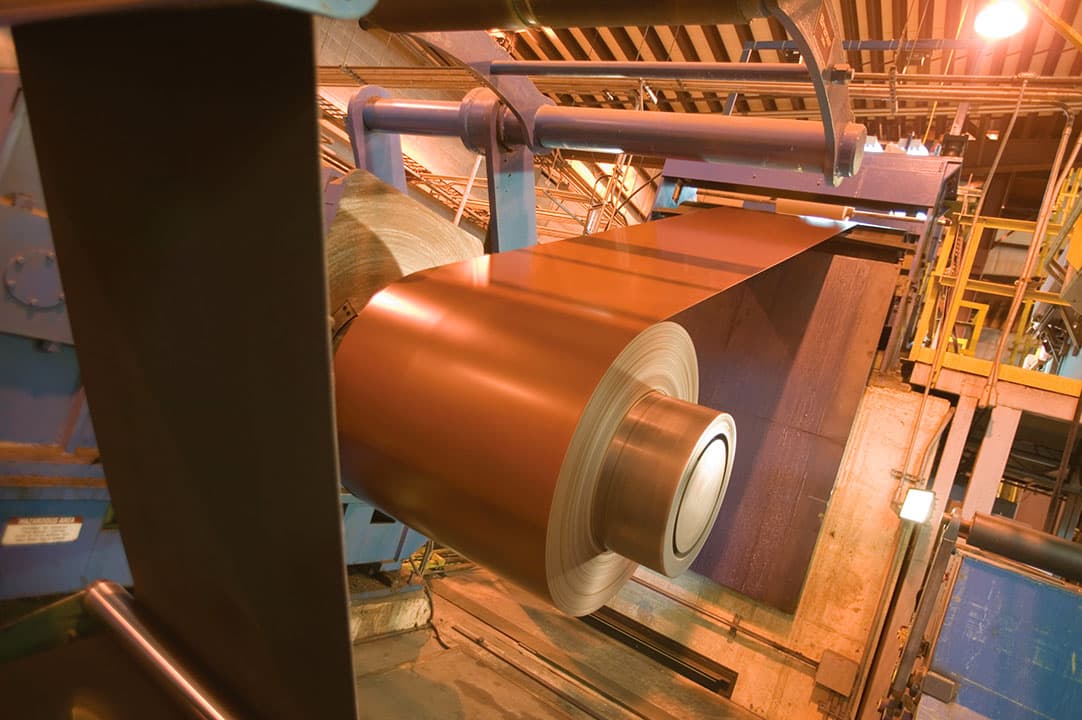
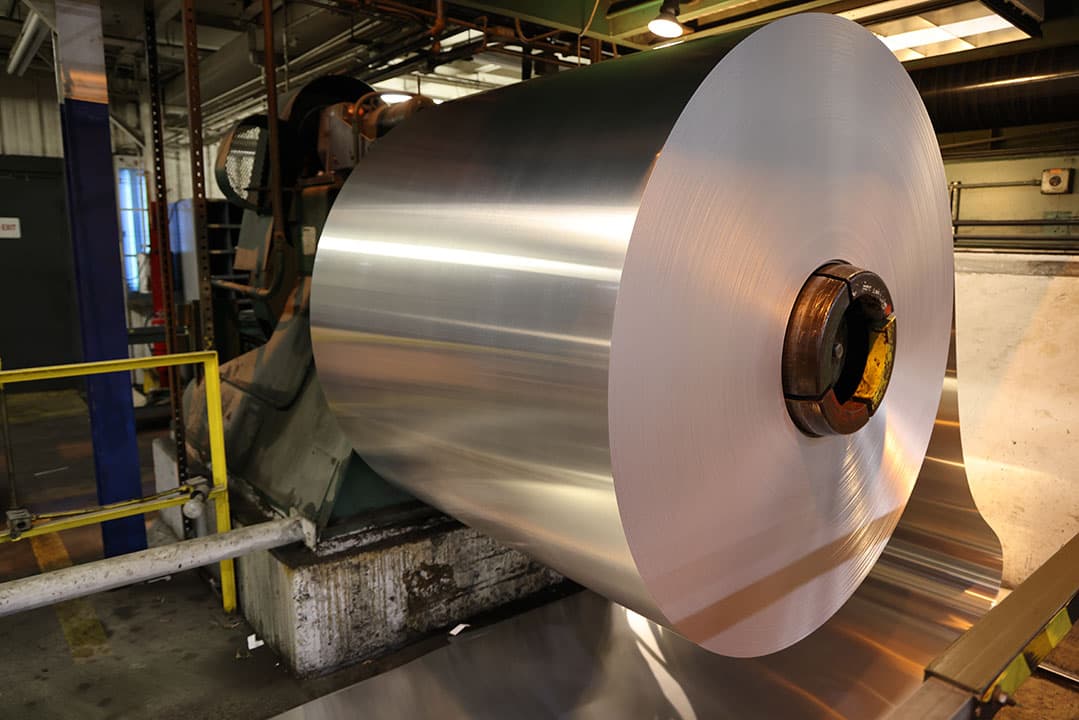
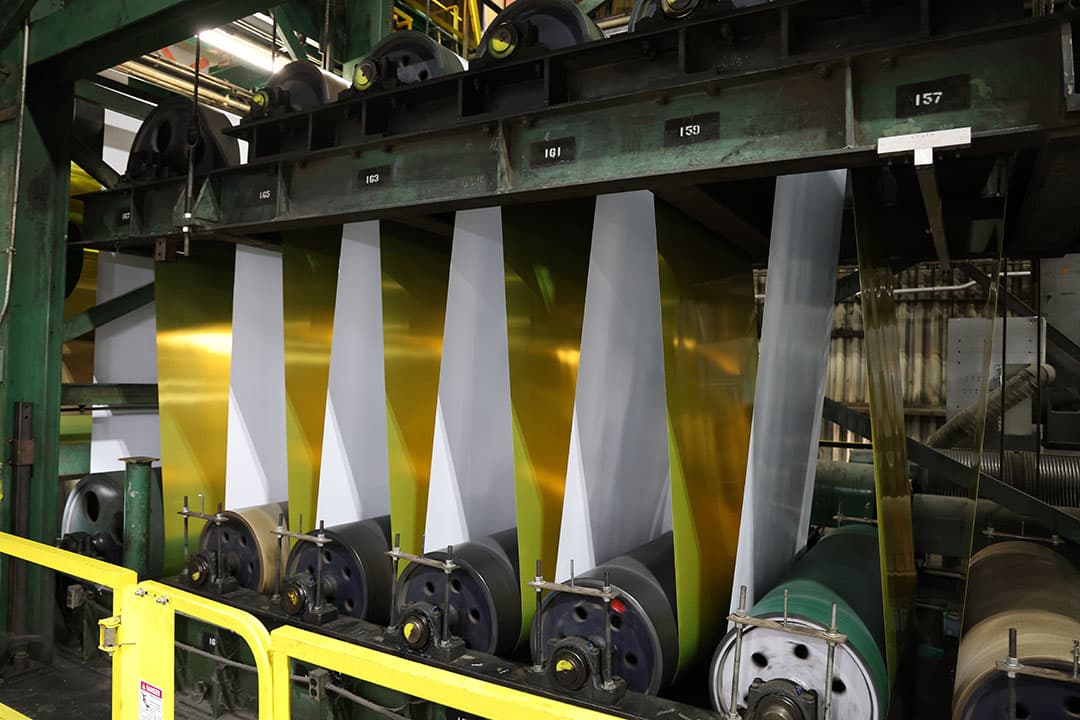
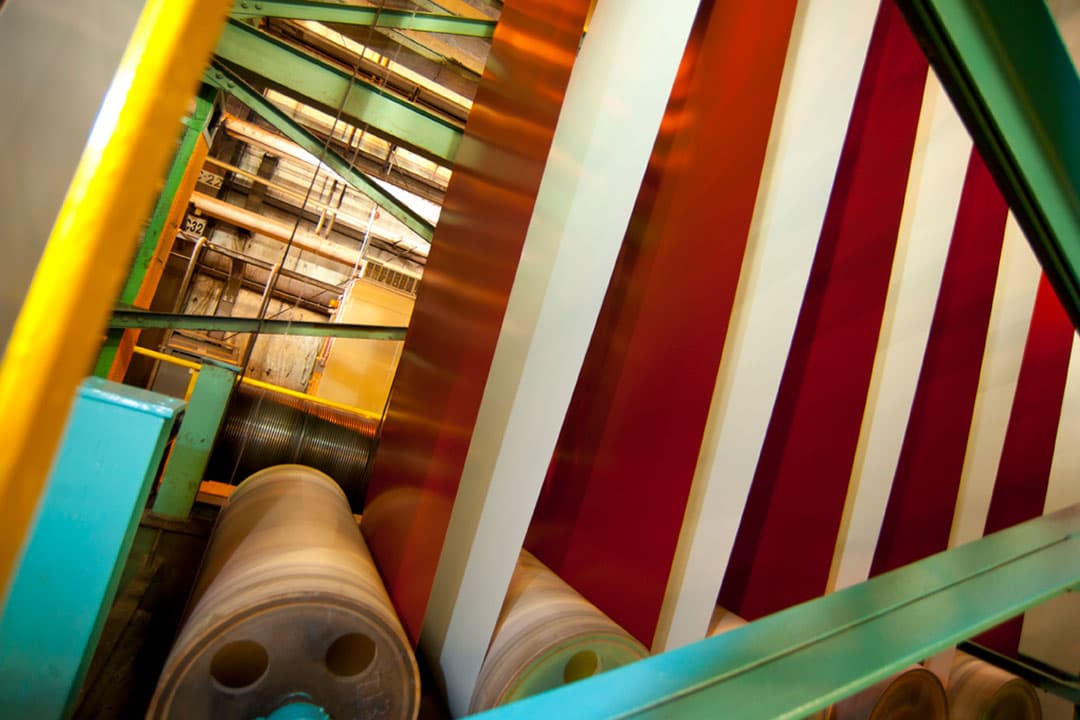
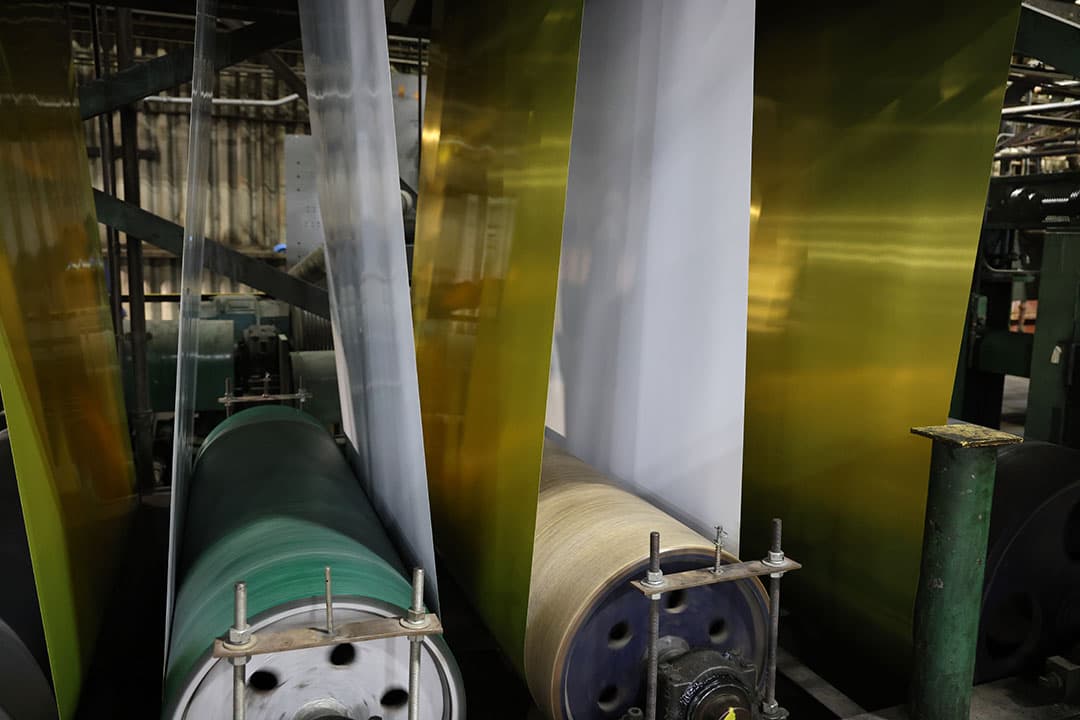
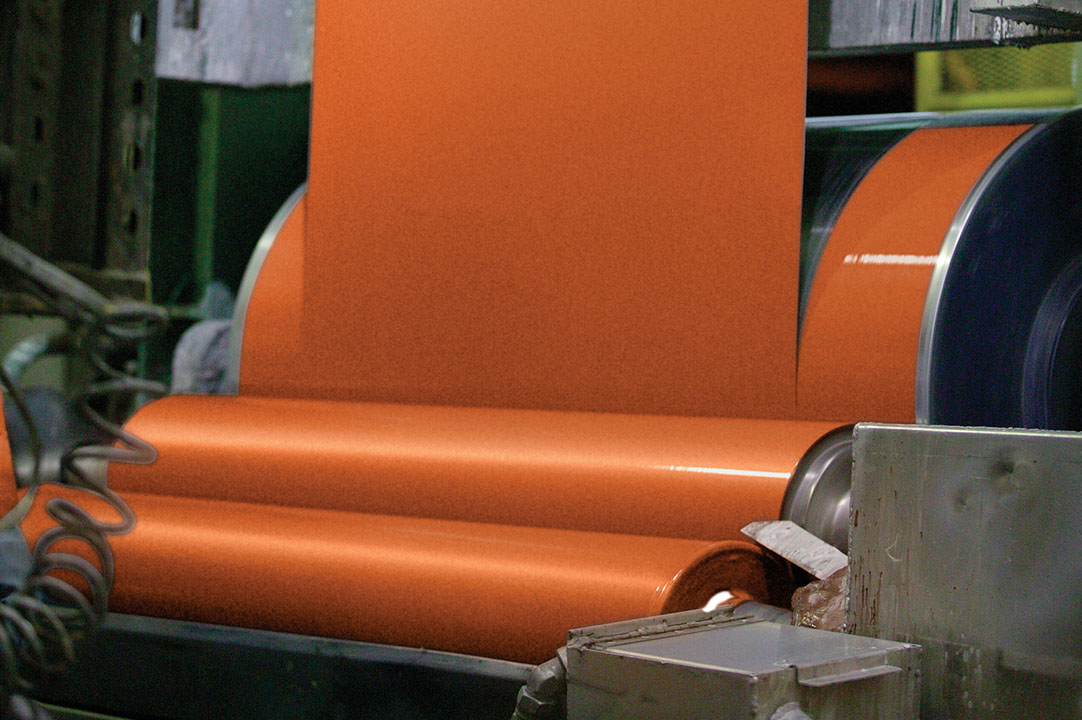
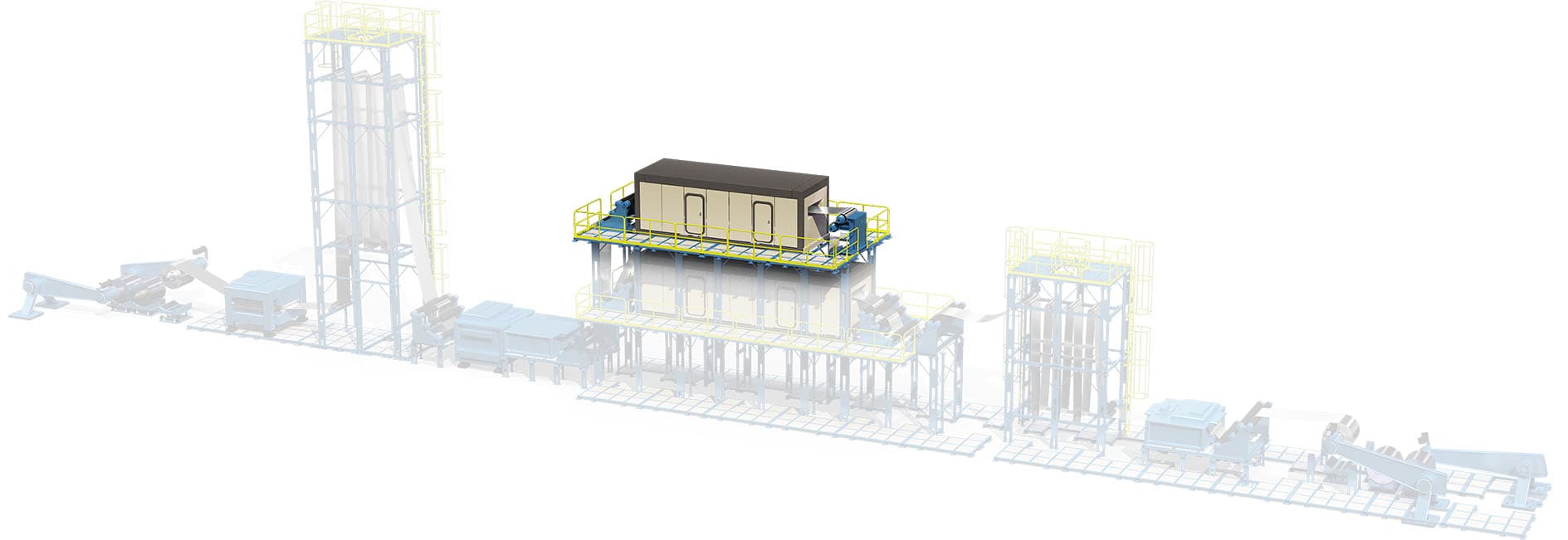
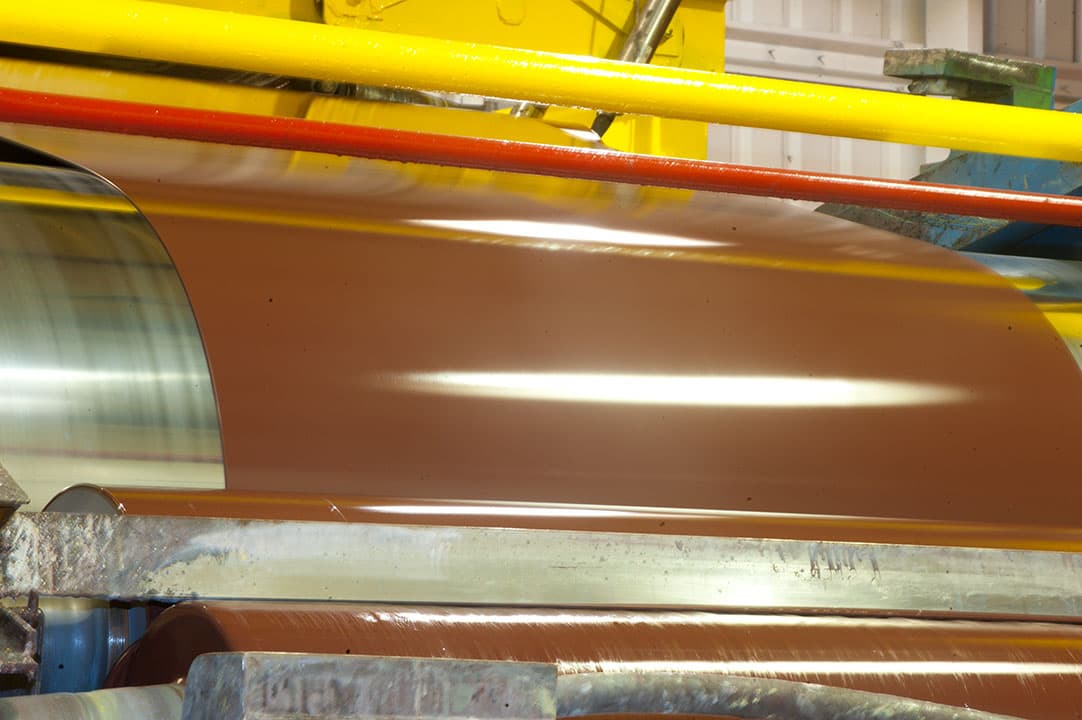
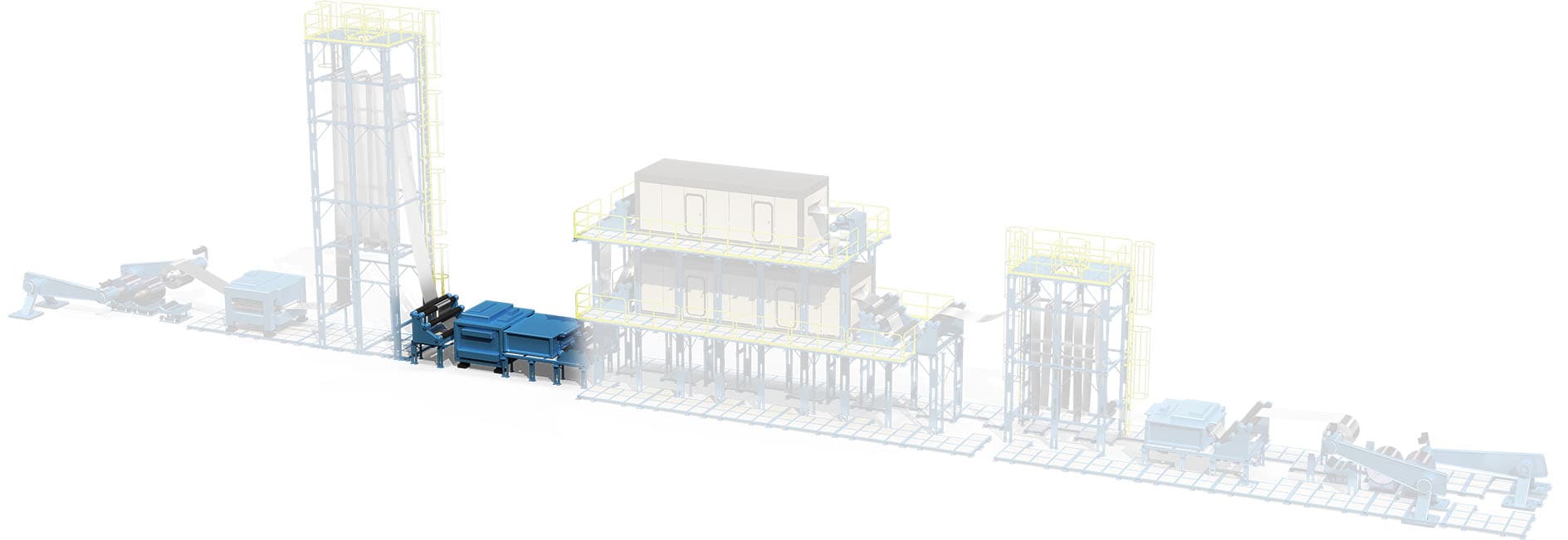
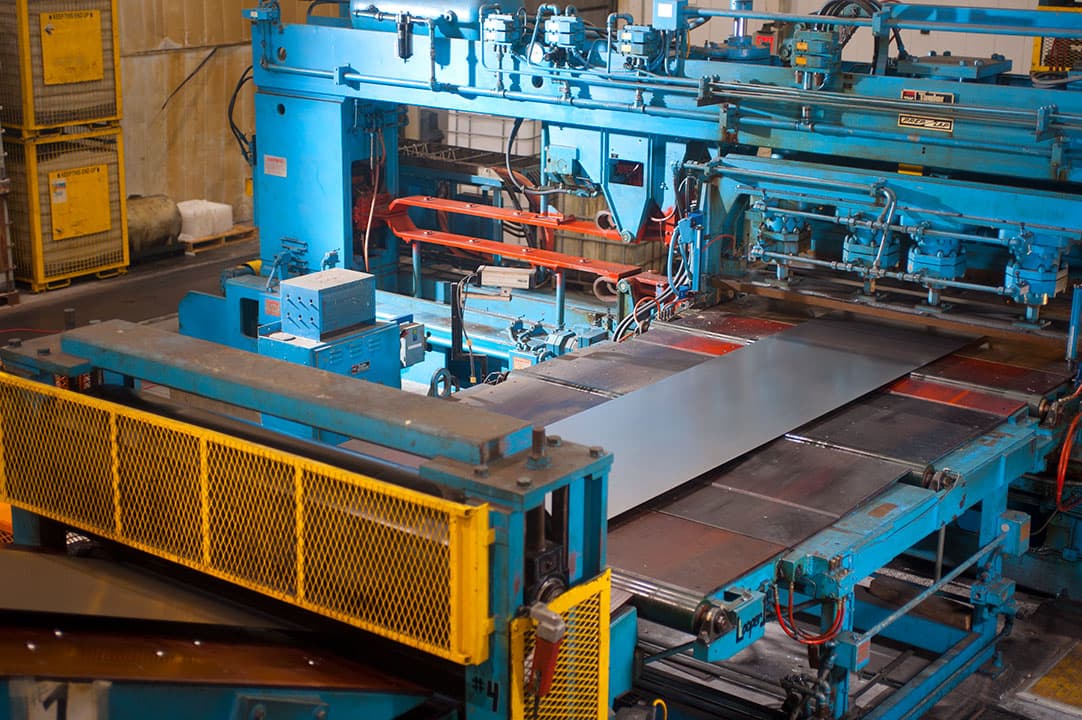
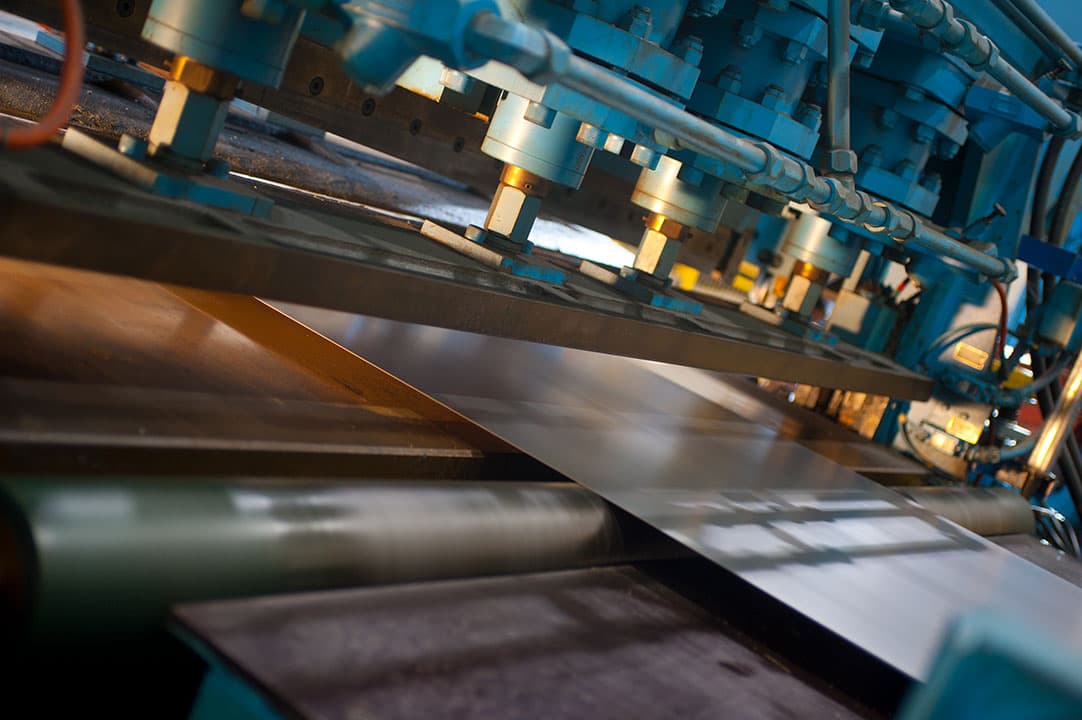
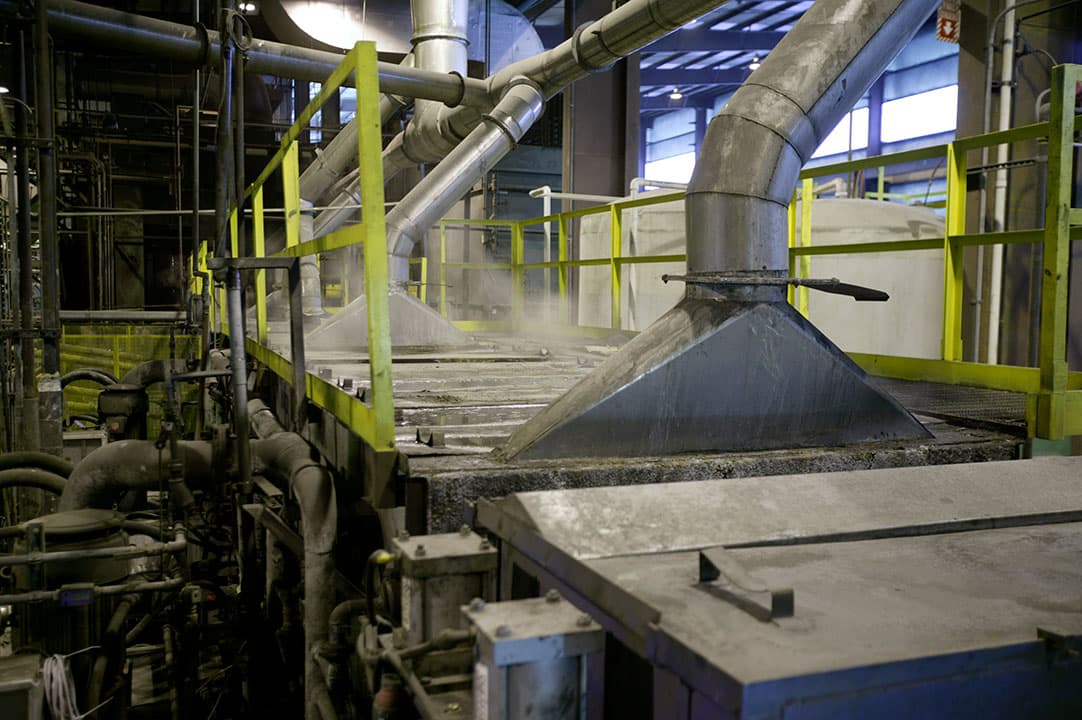
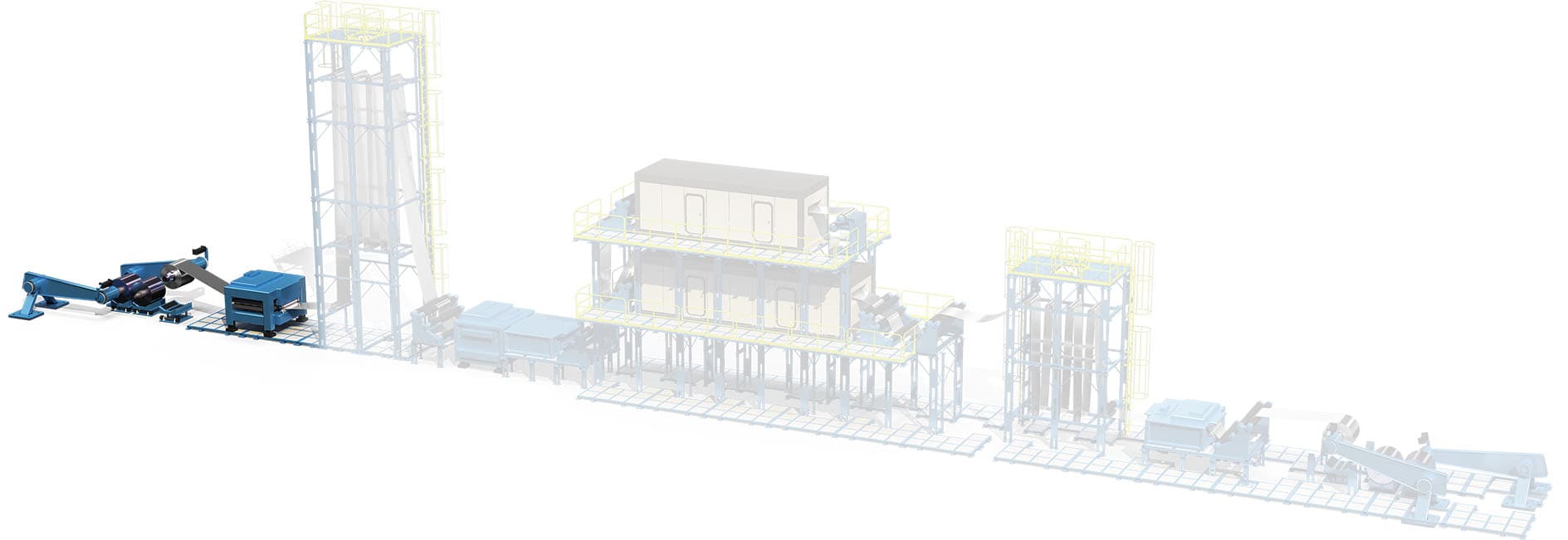
Once the metal is cleaned, treated, and painted, the strip is rewound into a coil size prescribed by the customer. From there, the coil is removed from the line and packaged for shipment or additional processing.
After the primer is applied and cured, then the metal strip enters the finish coat station where a topcoat is applied. Topcoats provide color, corrosion resistance, durability, flexibility and any other required physical properties. Like primers, the topcoat is cured using thermal cure ovens.
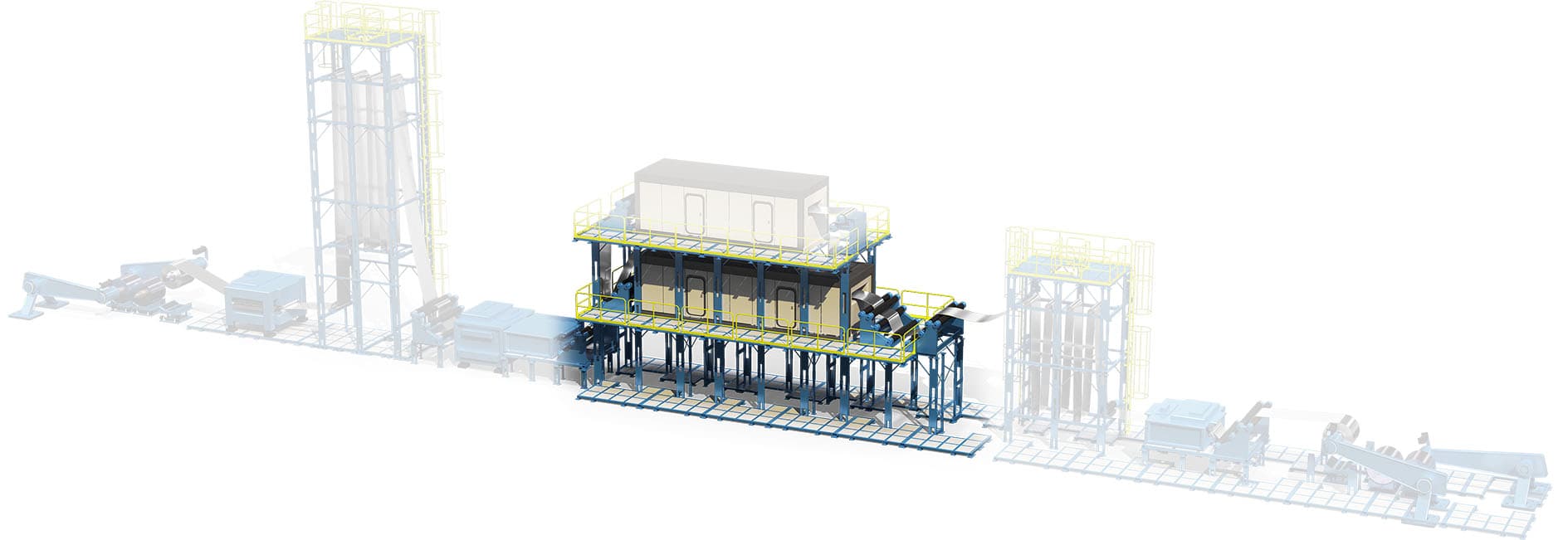
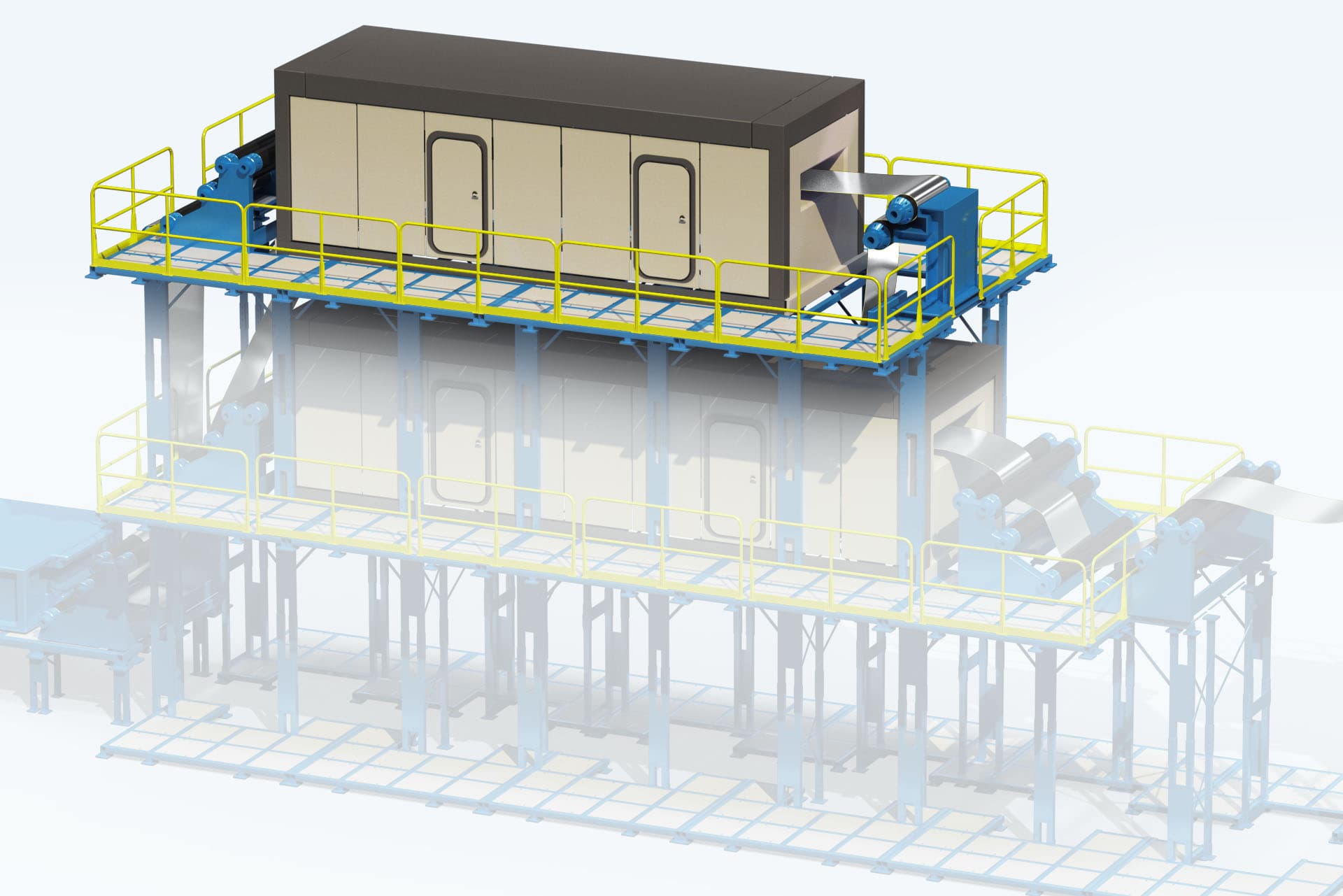
Oven
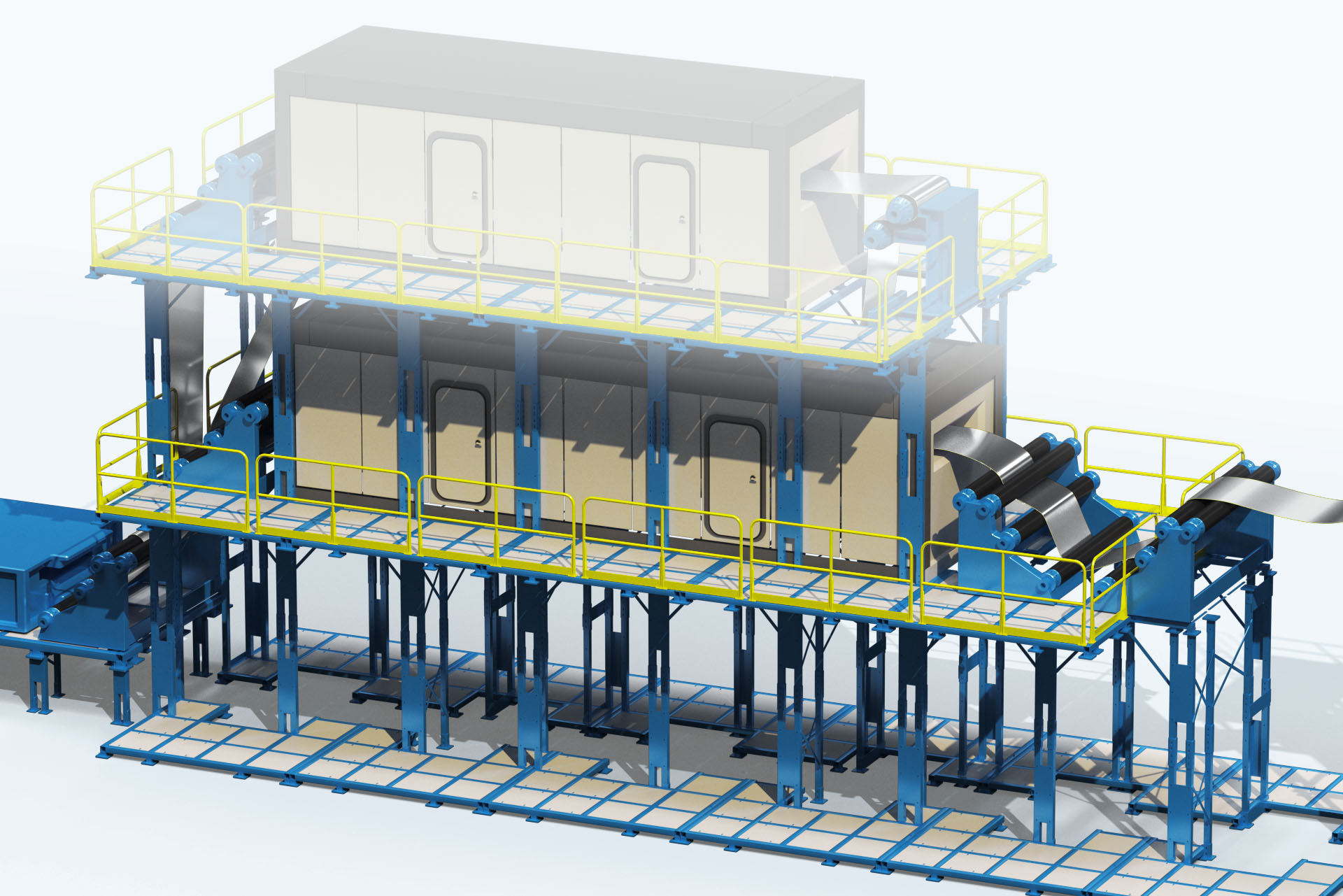
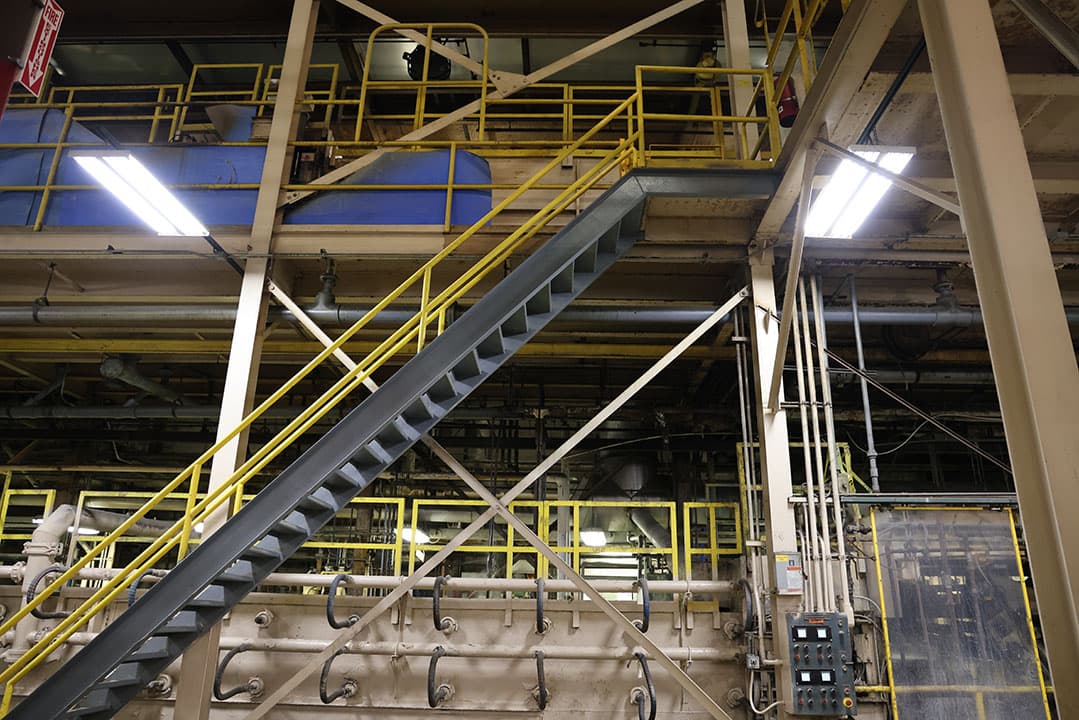
Coil coating ovens can range from 130 feet to 160 feet and will cure the coatings in 13 to 20 seconds.
During this stage, the strip enters the prime coat station whereby a primer is applied to the clean and treated metal. After the primer is applied, the metal strip travels through a thermal oven for curing. Primers are used to aid in paint adhesion, improve corrosion performance and enhance aesthetic and functional attributes of the topcoat.
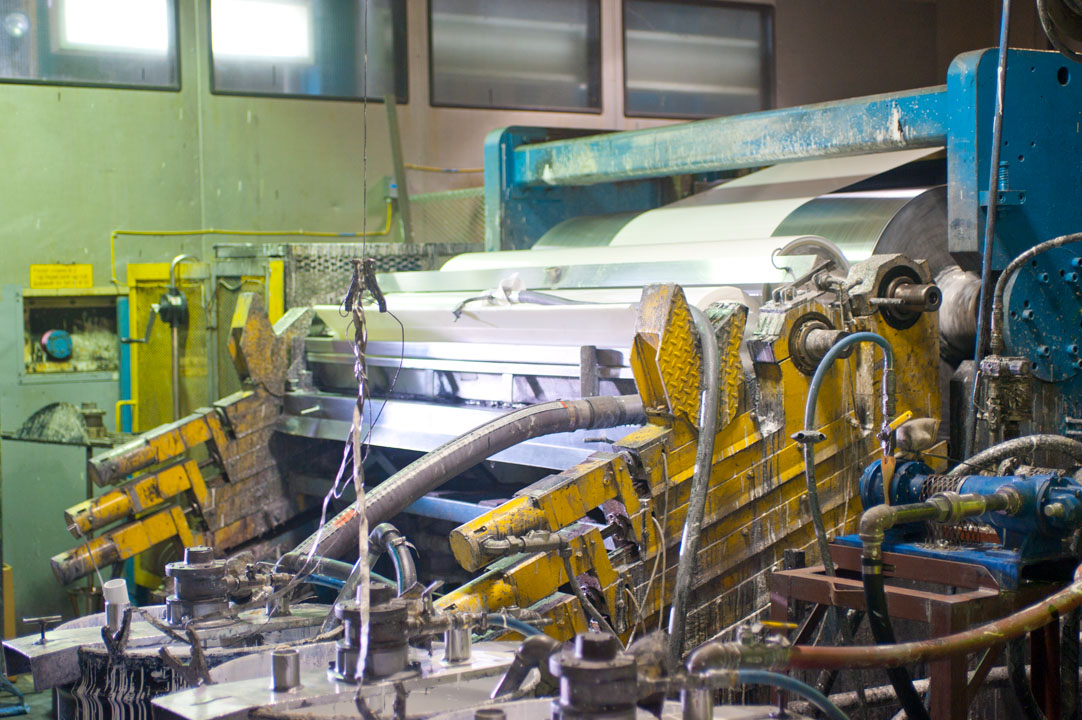
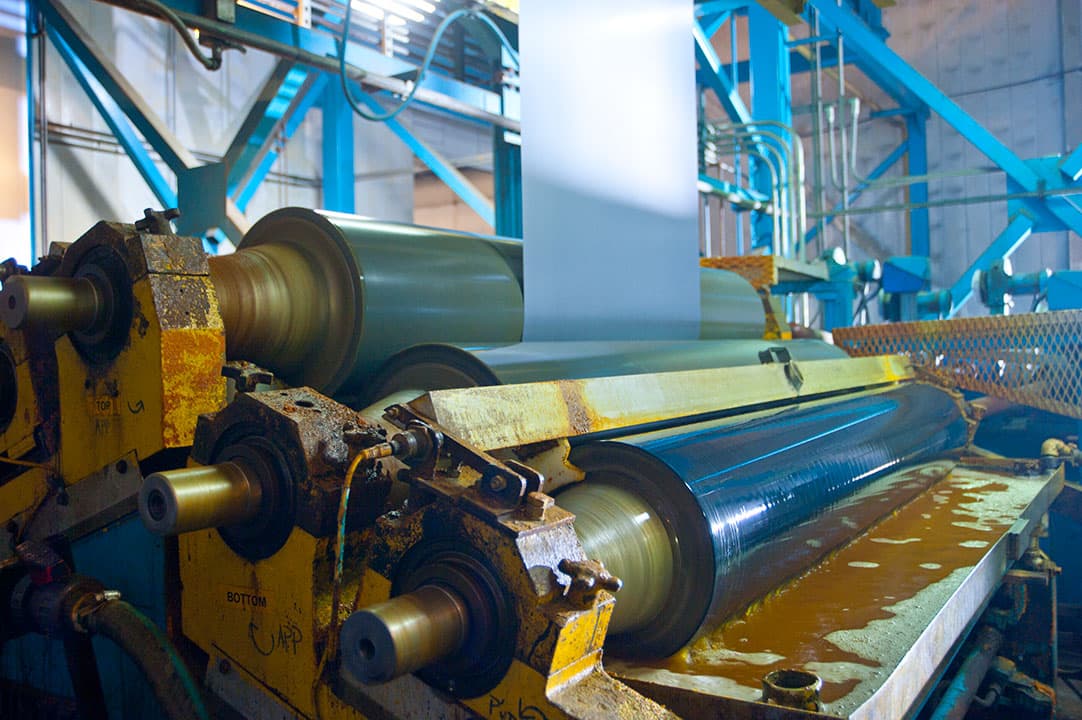
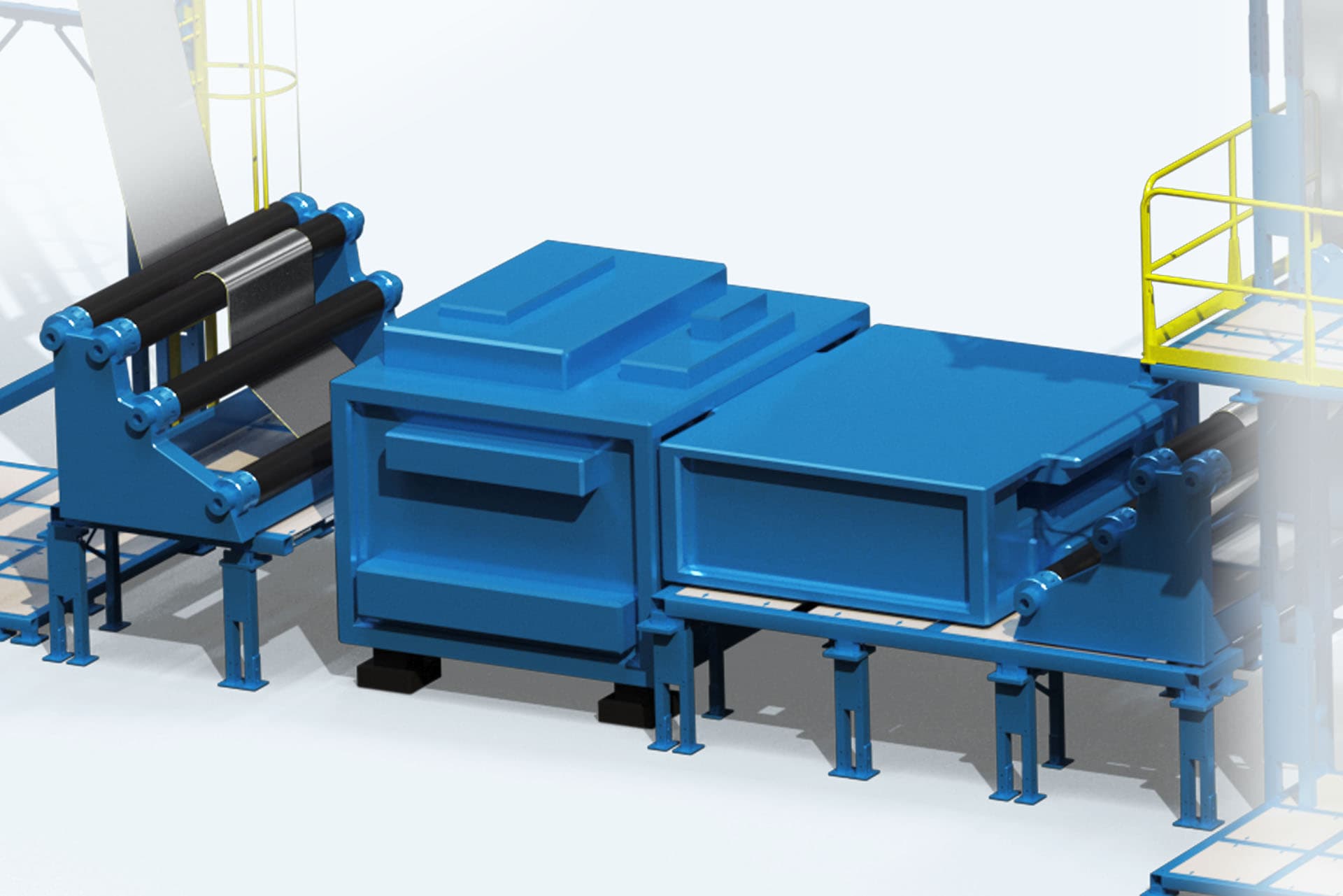
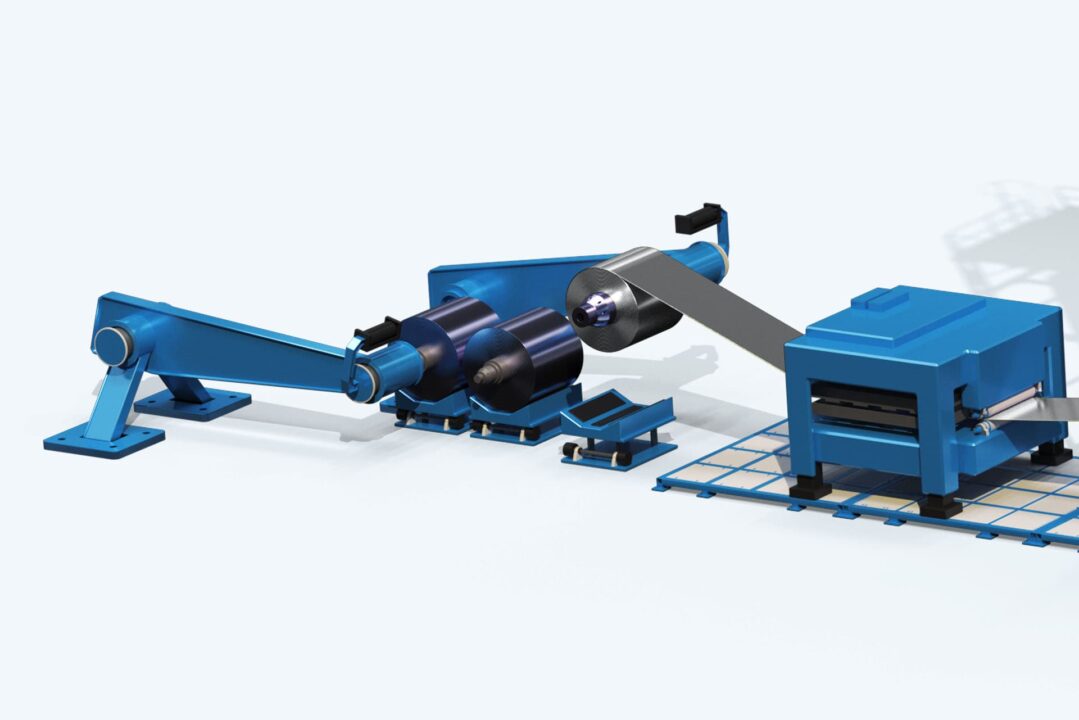
S Wrap Coater
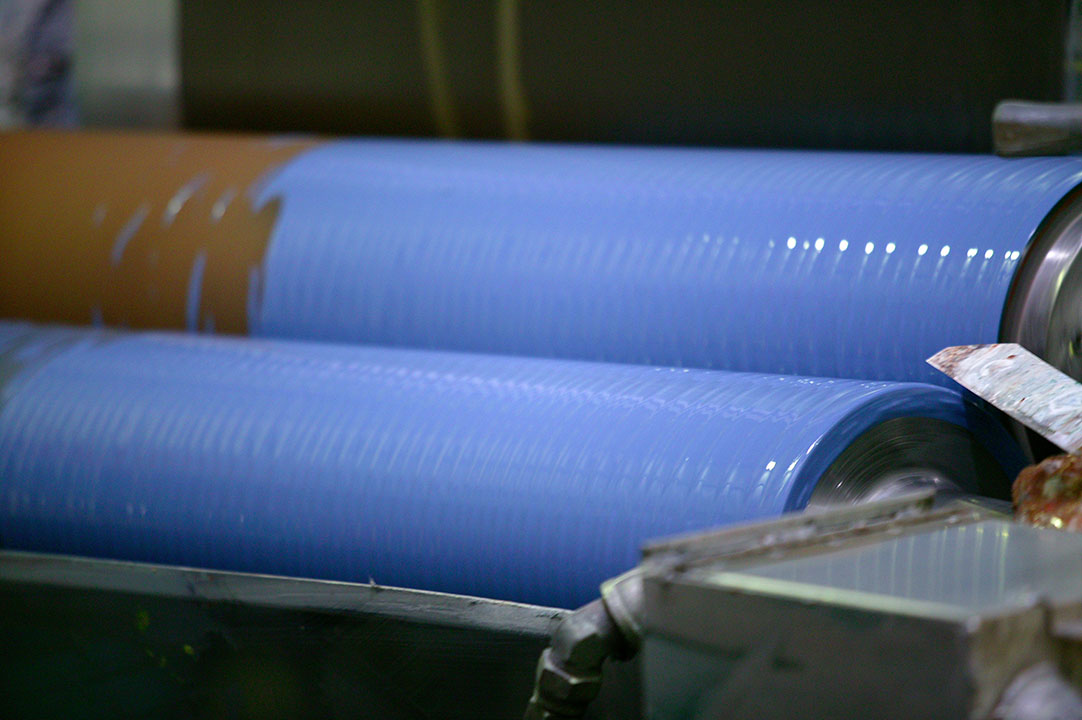
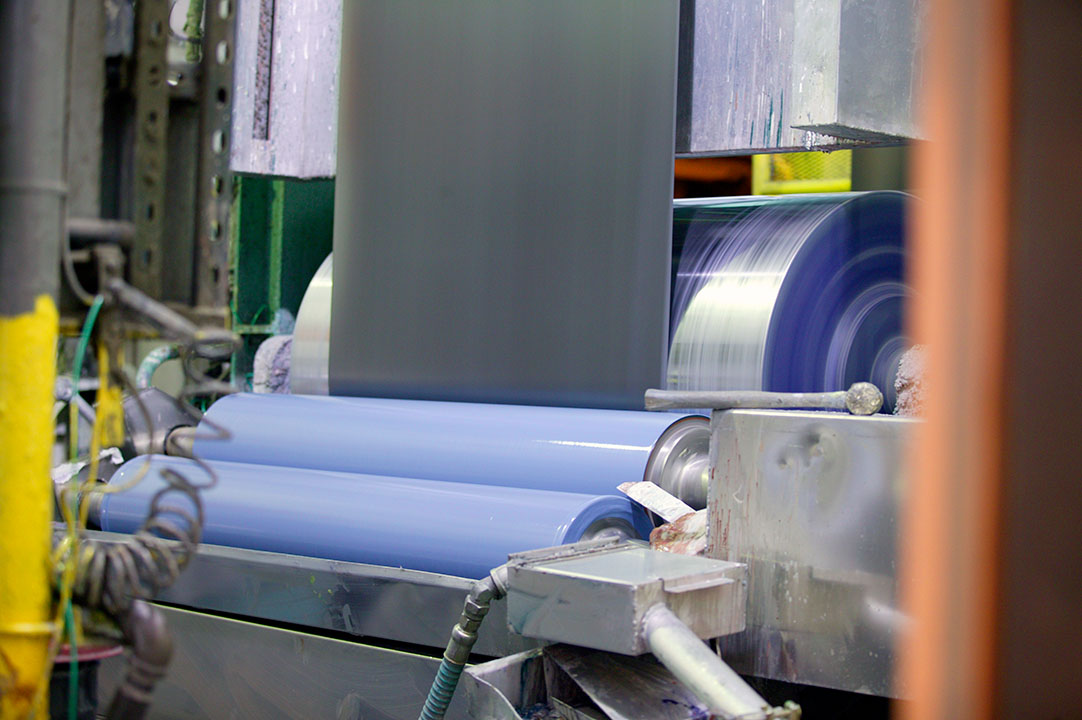
The S wrap coater design allows for primers and paints to be applied to the top and back side of the metal strip simultaneously in one continuous pass.
The cleaning and pretreating section of the coil coating process focuses on preparing the metal for painting. During the cleaning stage, dirt, debris, and oils are removed from the metal strip. From there, the metal enters the pretreatment section and/or a chemical coater whereby chemicals are applied to facilitate paint adhesion and enhance corrosion resistance.
Dried-In-Place
In this stage a chemical that provides enhanced corrosion performance is applied. This treatment can be chrome free if required.
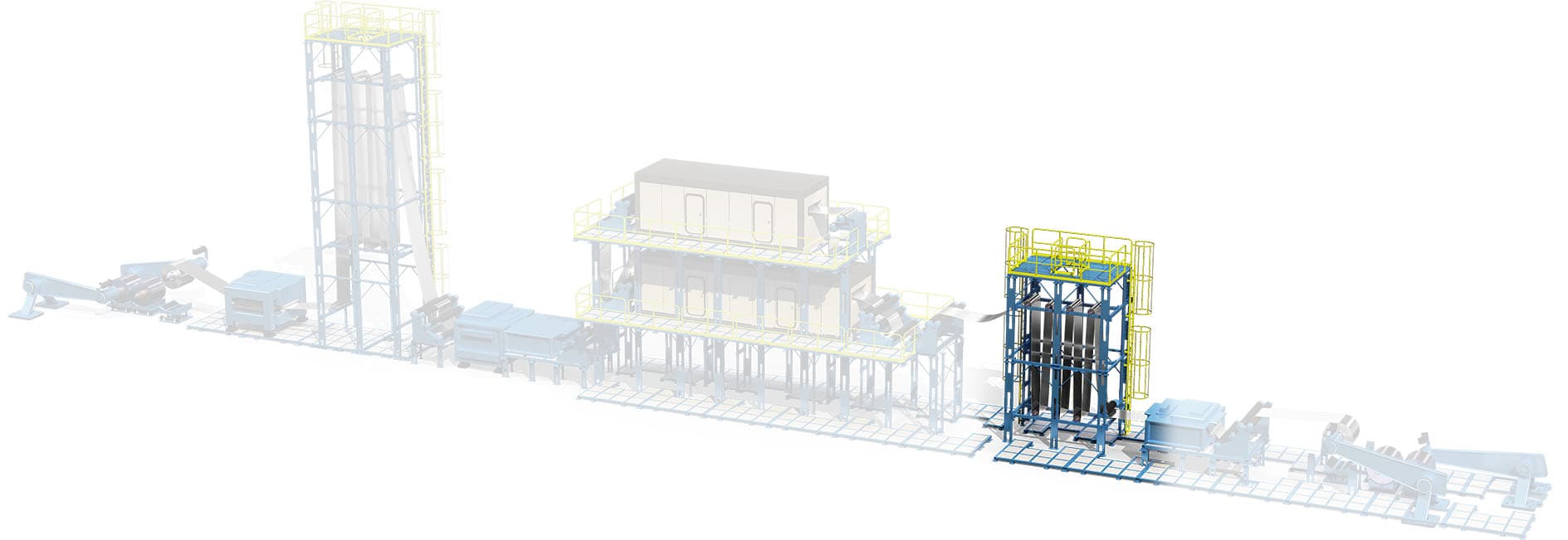
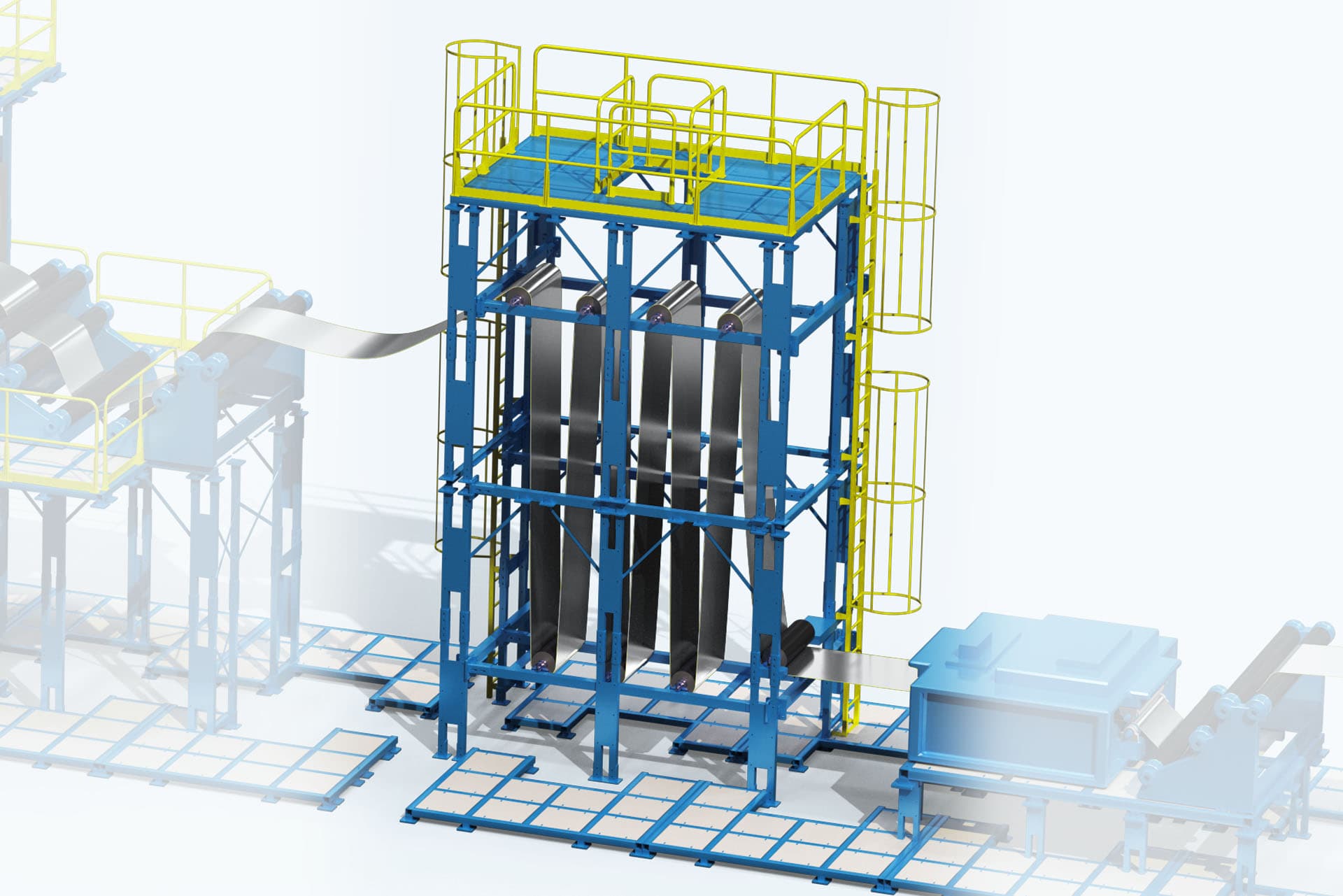
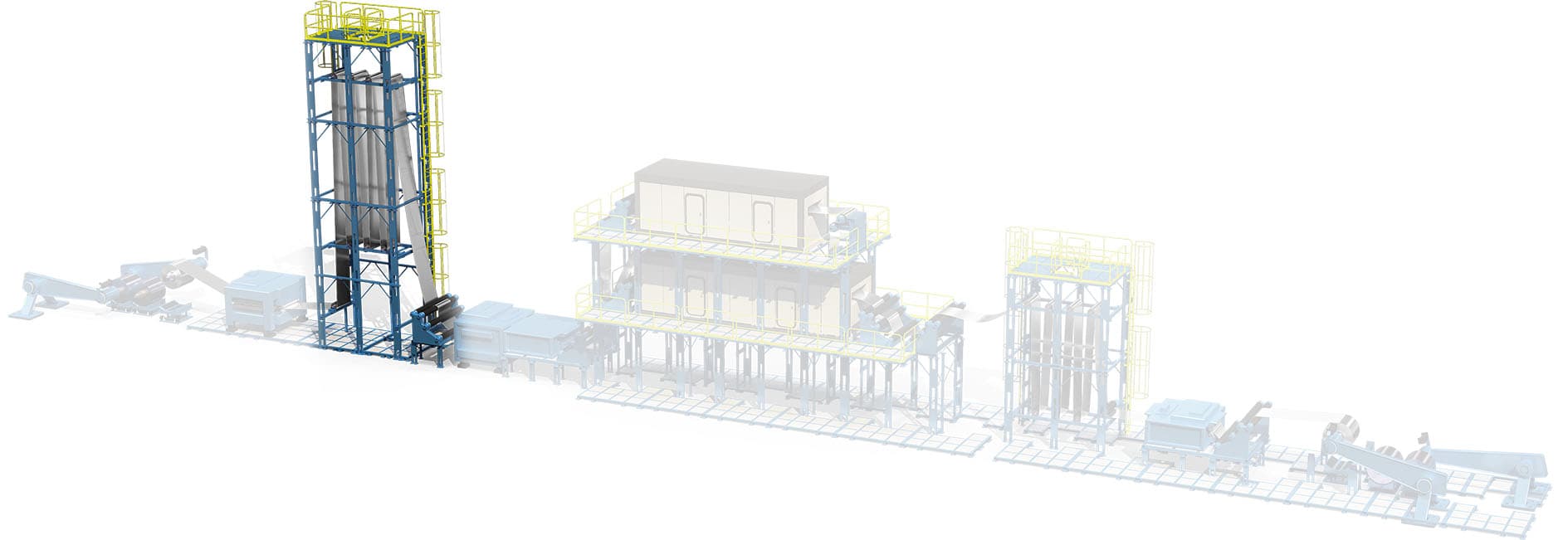
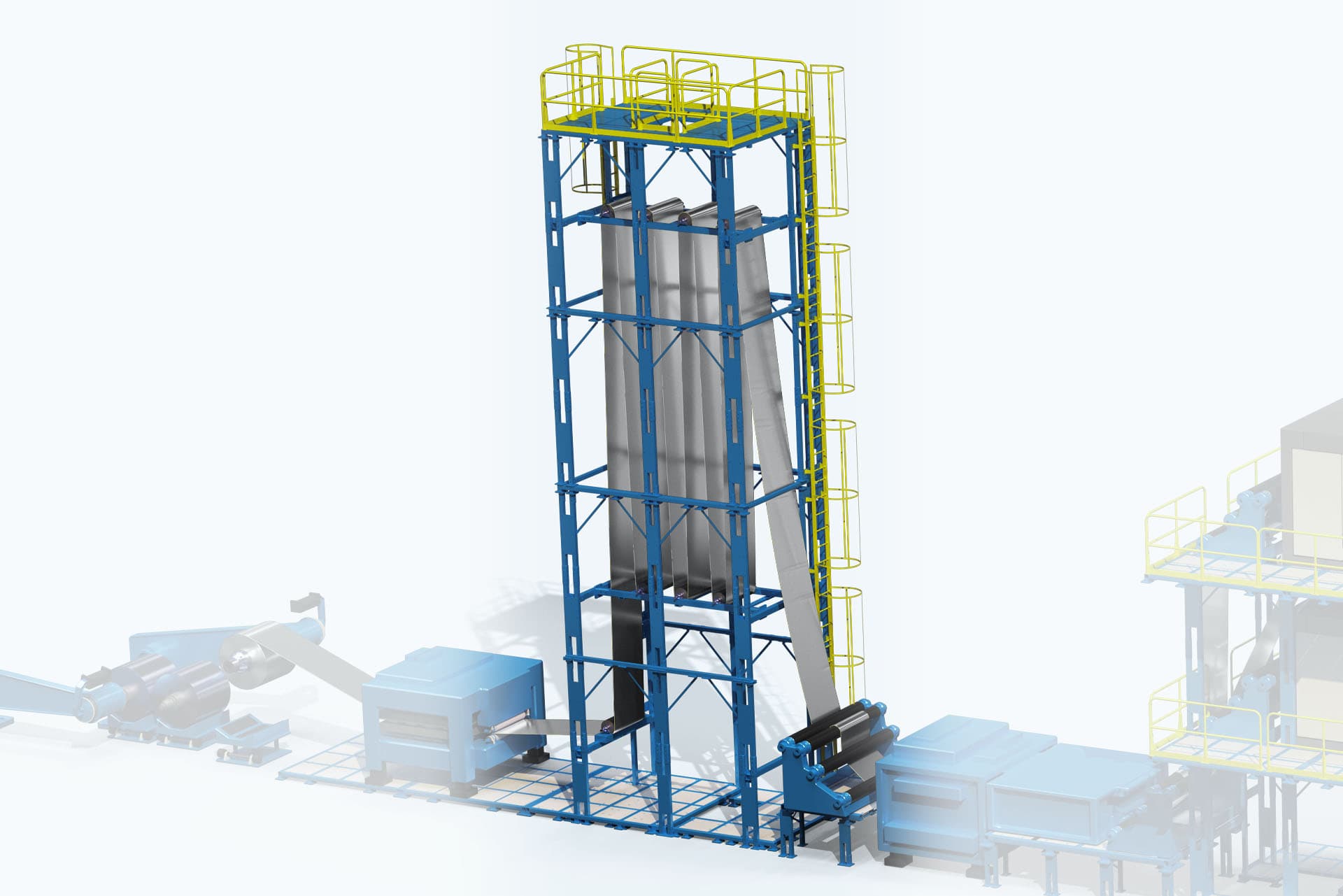
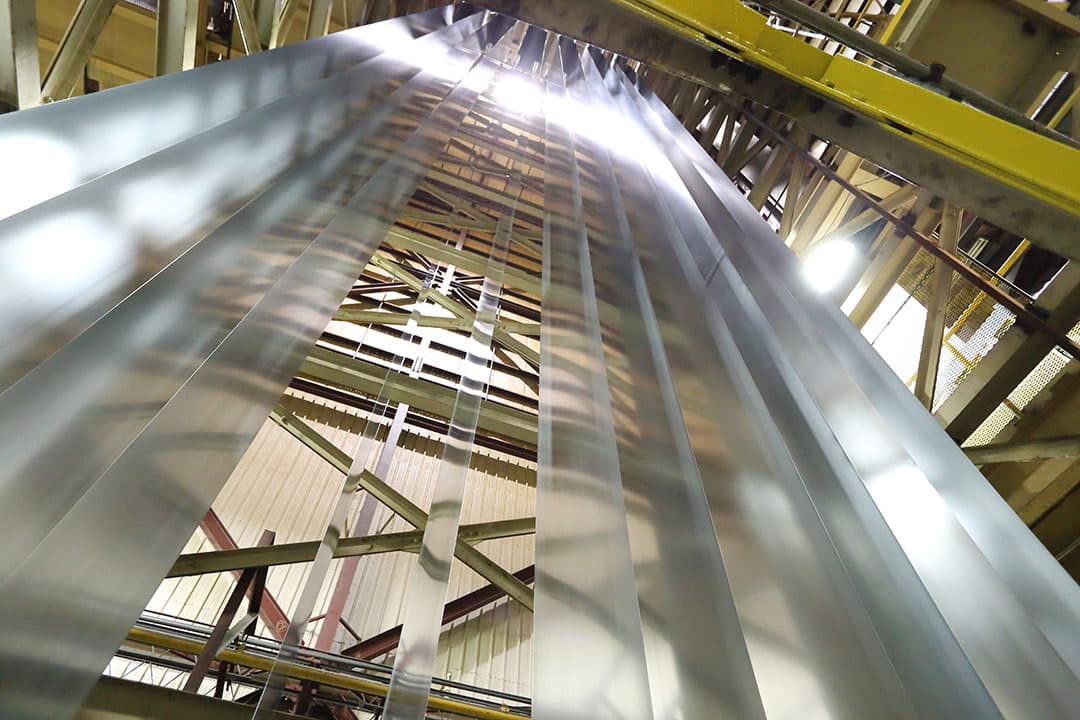
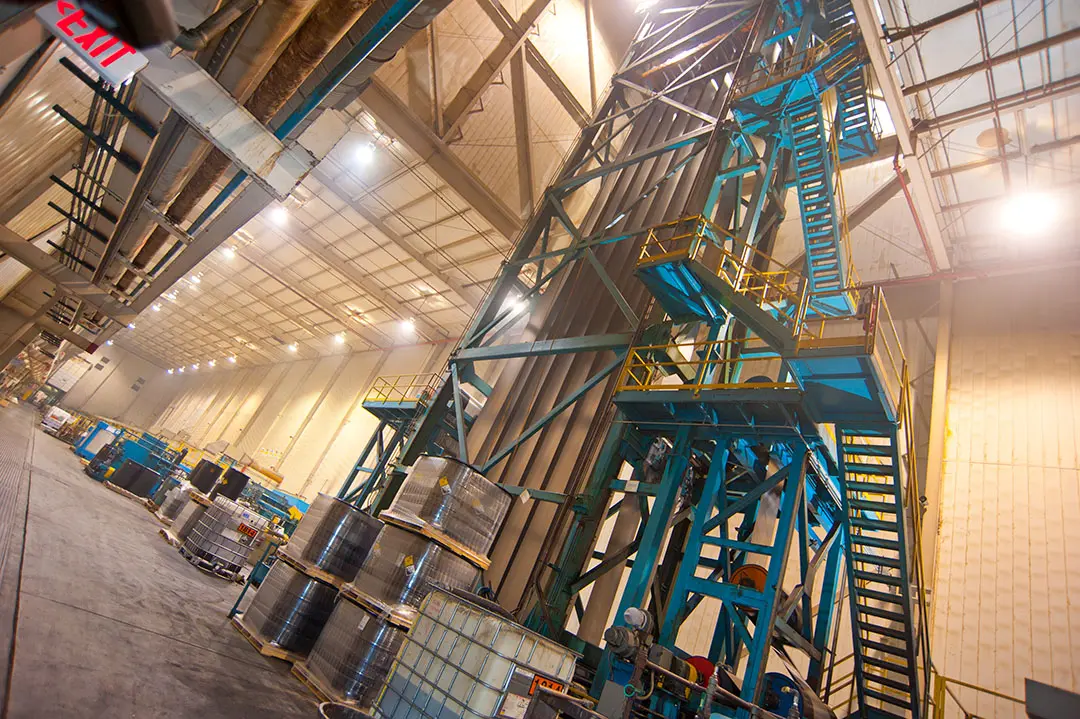
The accumulator is a structure that adjusts up and down to store material, which makes continuous operation of the coil coating process possible. This accumulation will continue to feed the coil coating processes while the entry end has stopped for the stitching process. As much as 750 feet of metal can be collected.
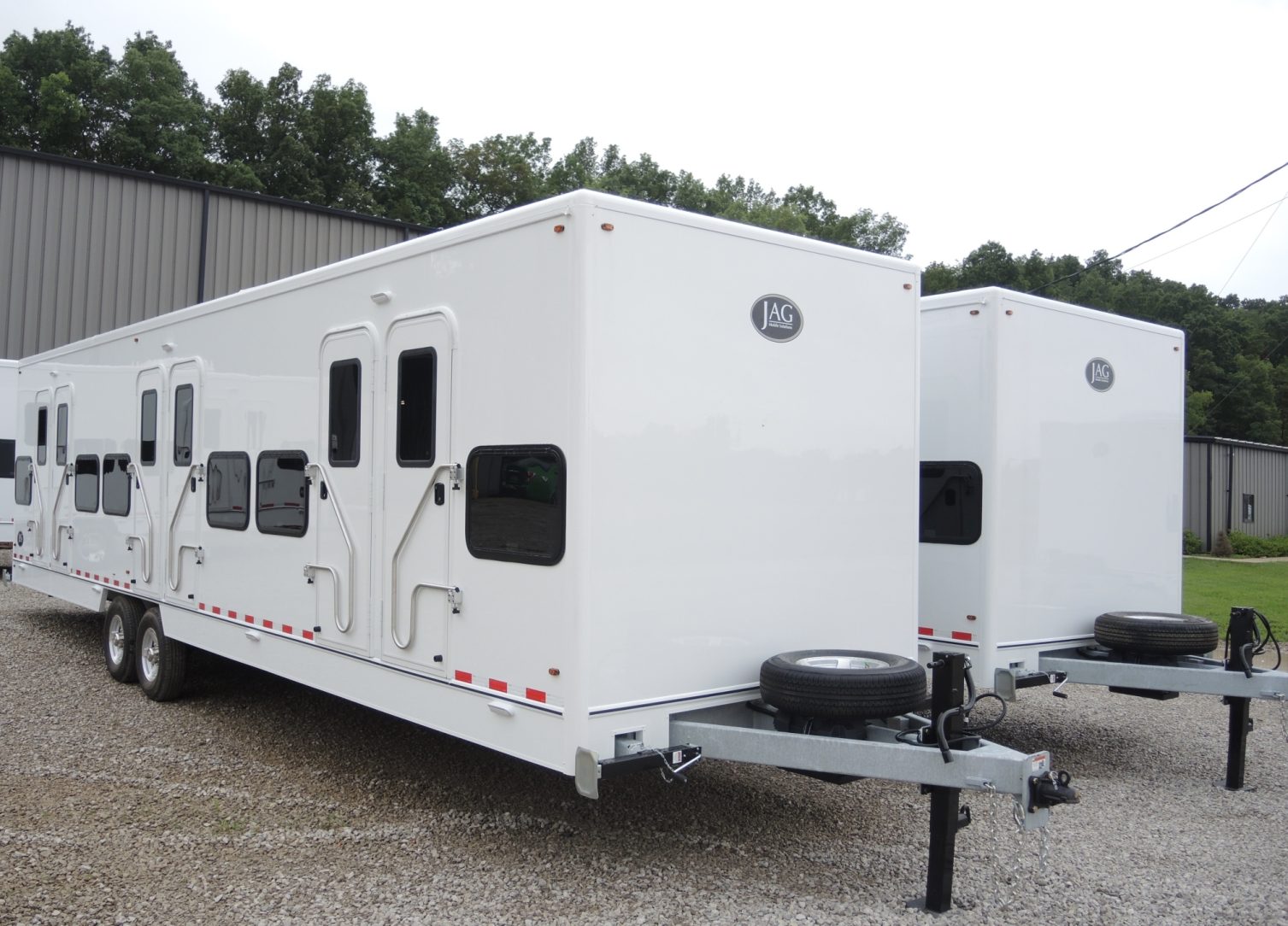
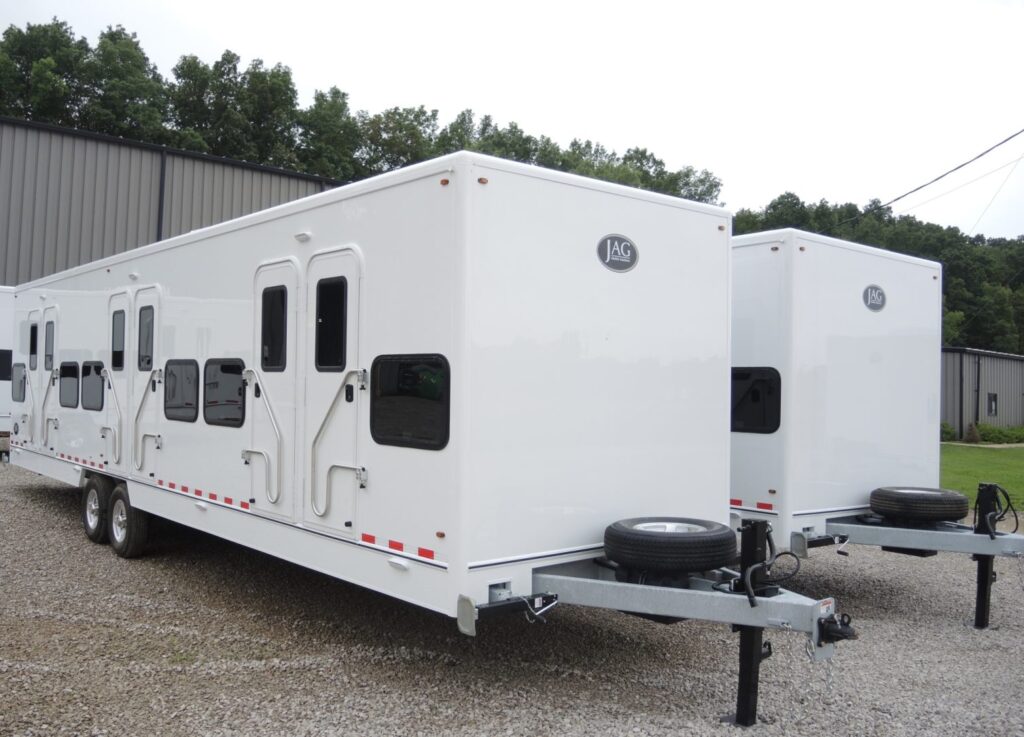
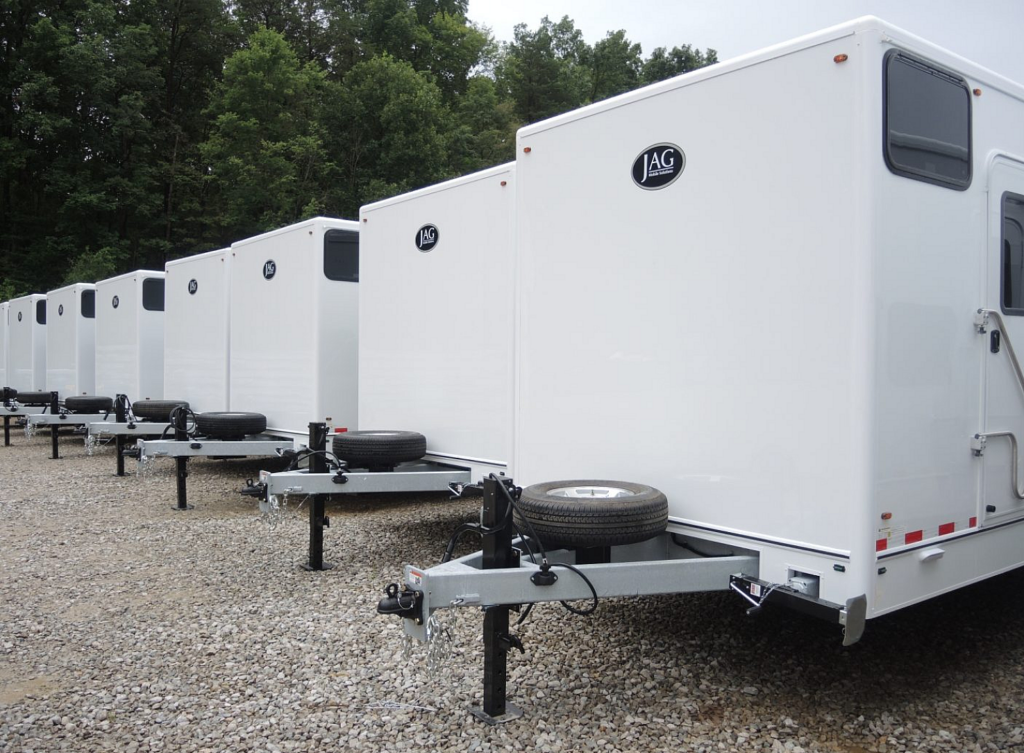
Bunkhouse specialty trailers are a great option for temporary or emergency housing when traditional lodging isn't available. They are a critical aspect of post-disaster recovery efforts for individuals and families. Bunkhouses offer a level of comfort and mobility to victims of hurricanes, tornados, wildfires, floods, and other natural disasters.
These trailers frequently operate in rugged, post-disaster locales and are often exposed to various environmental conditions, including rain, snow, road salt, and tropical humidity. Such conditions can lead to the corrosion of metal components, which can quickly compromise the structural integrity and appearance of the trailer.
JAG Mobile Solutions Inc., located in Howe, Indiana wanted to offer corrosion protection for their custom-built bunkhouse product, an impressive unit equipped with 12 private bedrooms, HVAC and electrical capabilities. A variety of floor plans are available including models with shower and restroom facilities. Separate mobile restroom and portable shower trailers are also available.
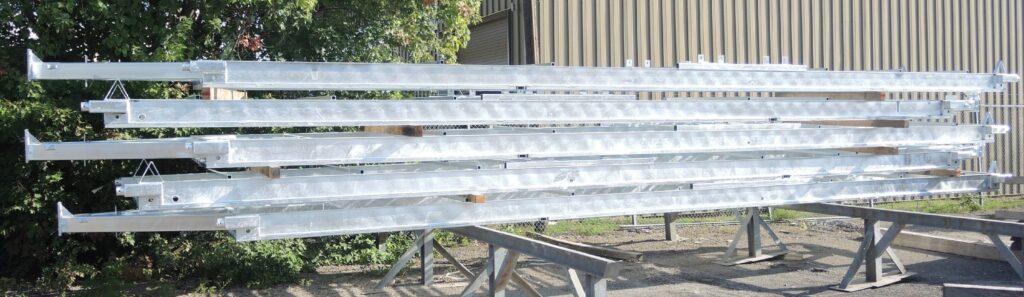
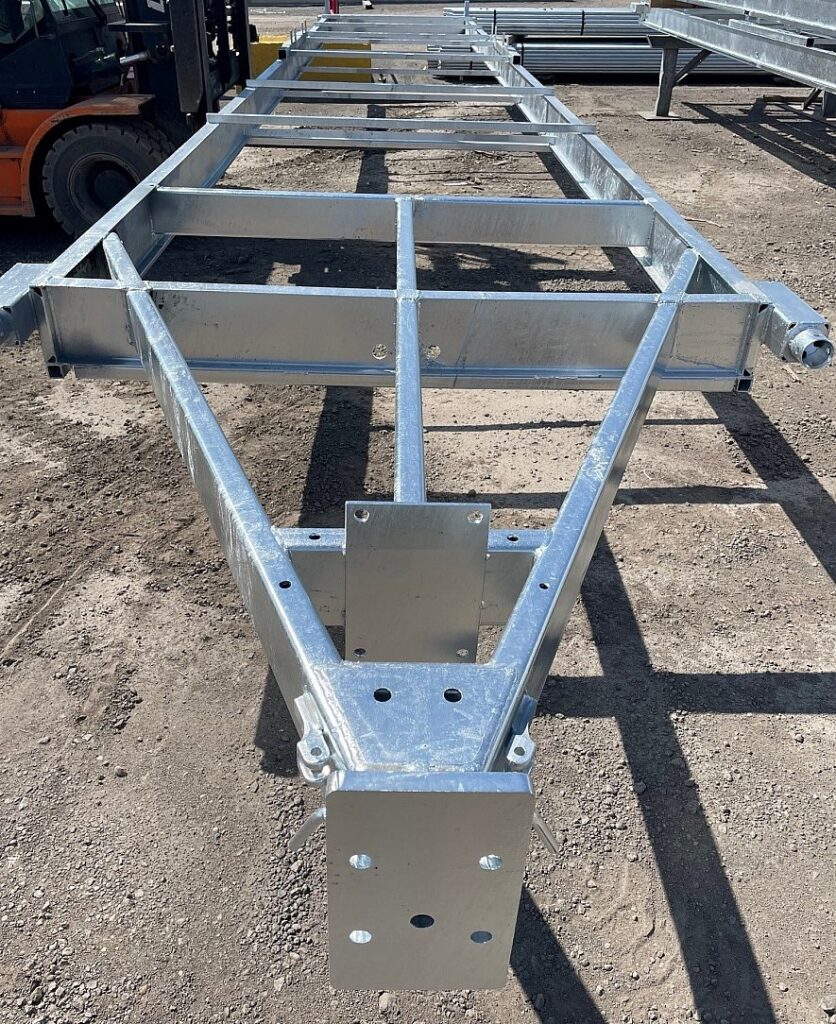
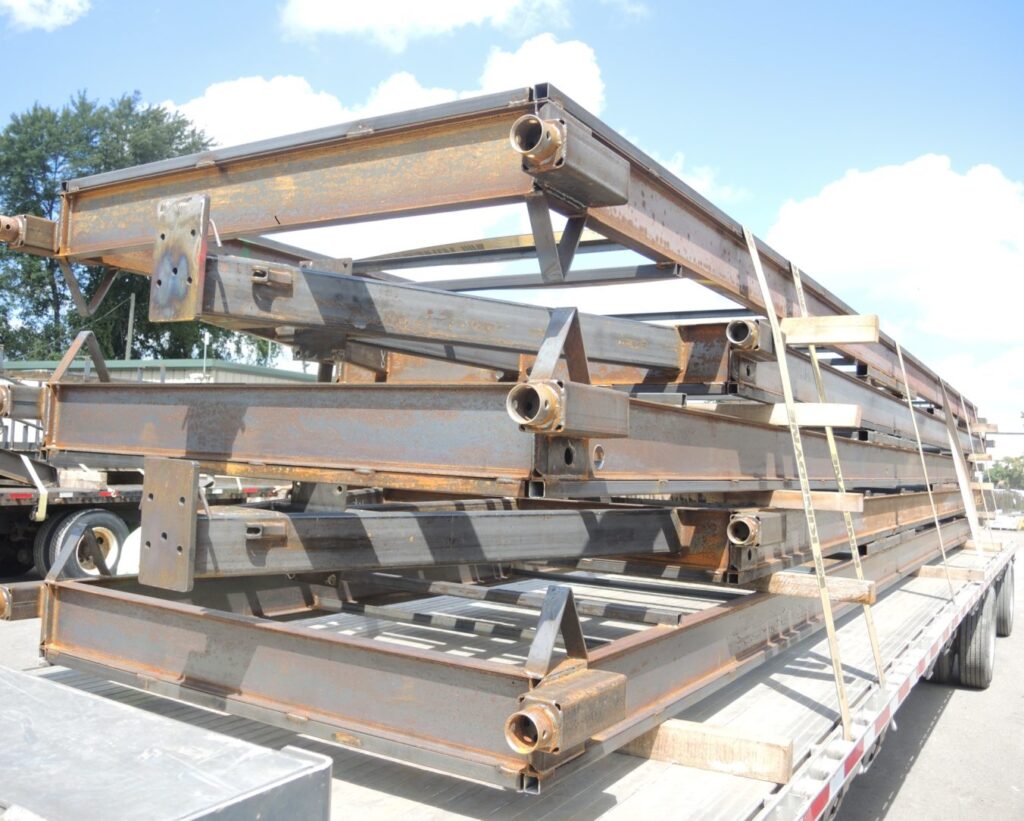
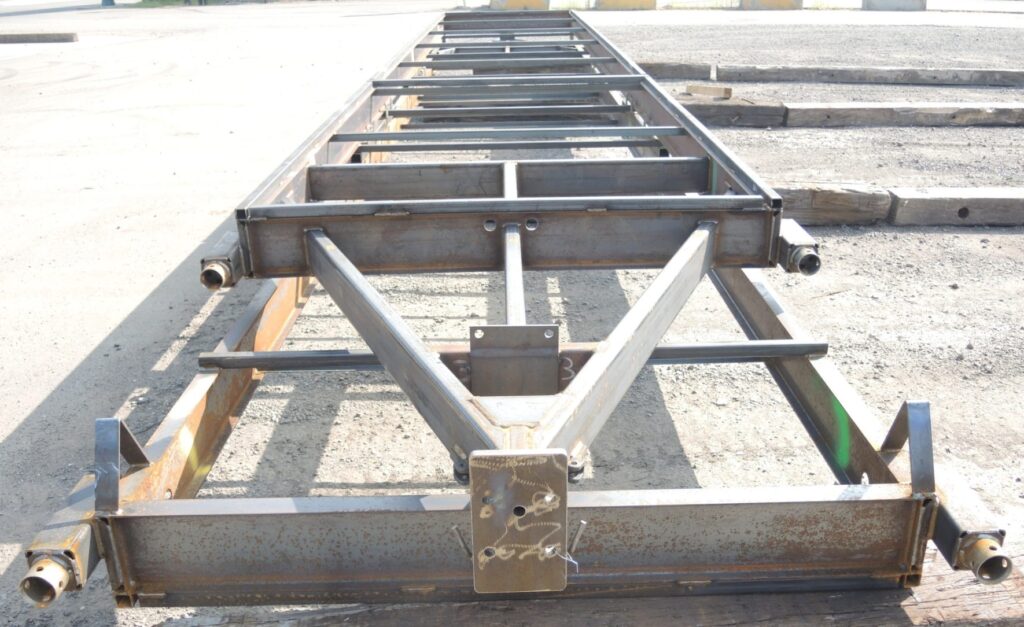
JAG, a quality-focused company with a demonstrated appreciation for the advantages provided by hot-dip galvanizing, made the choice to have their chassis, tongues, service area boxes, and waste tanks hot-dip galvanized over other coating options. By galvanizing the trailers’ vital metal components, JAG ensures their products remain in good condition for an extended period, reducing the need for frequent repairs or replacements.
Additionally, thanks to regular communication with AZZ early in the design phase, JAG was able to explore design options that maximize the benefits of galvanizing while ensuring that the final product met functional and aesthetic requirements. Details such as properly sized vent and drain holes may seem trivial, but their implementation is critical to the long-term success of a project.
It should also be noted that hot-dip galvanizing is a versatile process that can be applied to a wide range of shapes and sizes. As the trailer’s chassis design includes hollow sections, galvanizing provides the unique advantage of equal, internal protections again undetectable corrosion from perpetuating inside the hollow members.
Moving forward, the specialty trailer market has been experiencing growth and innovation in recent years due to increased demand for both post-disaster recovery and family-friendly RV options. Manufacturers have been introducing new models with improved features and designs to cater to a broader customer base. This unique bunkhouse application has the potential to favorably impact the hot-dip galvanizing market, and sharing the success of galvanizing this product has opened doors to provide the HDG advantage for several other similar applications experiencing corrosion concerns.
By galvanizing the trailers’ vital metal components, JAG ensures their products remain in good condition for an extended period, reducing the need for frequent repairs or replacements.