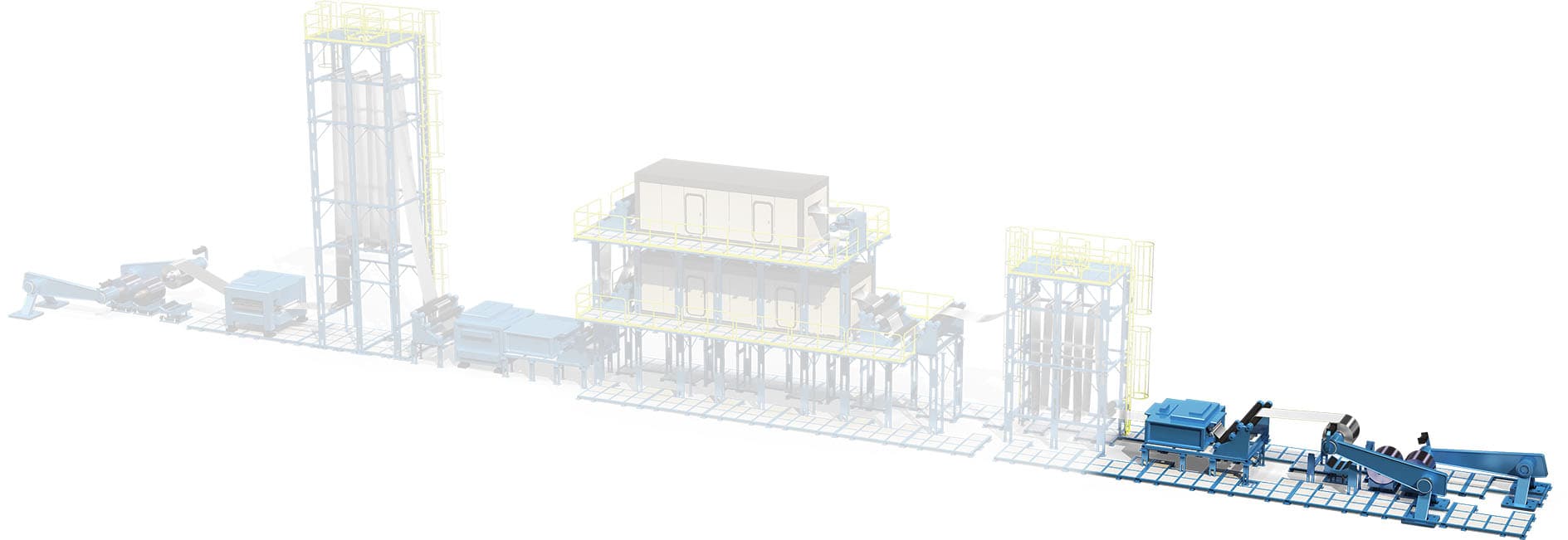
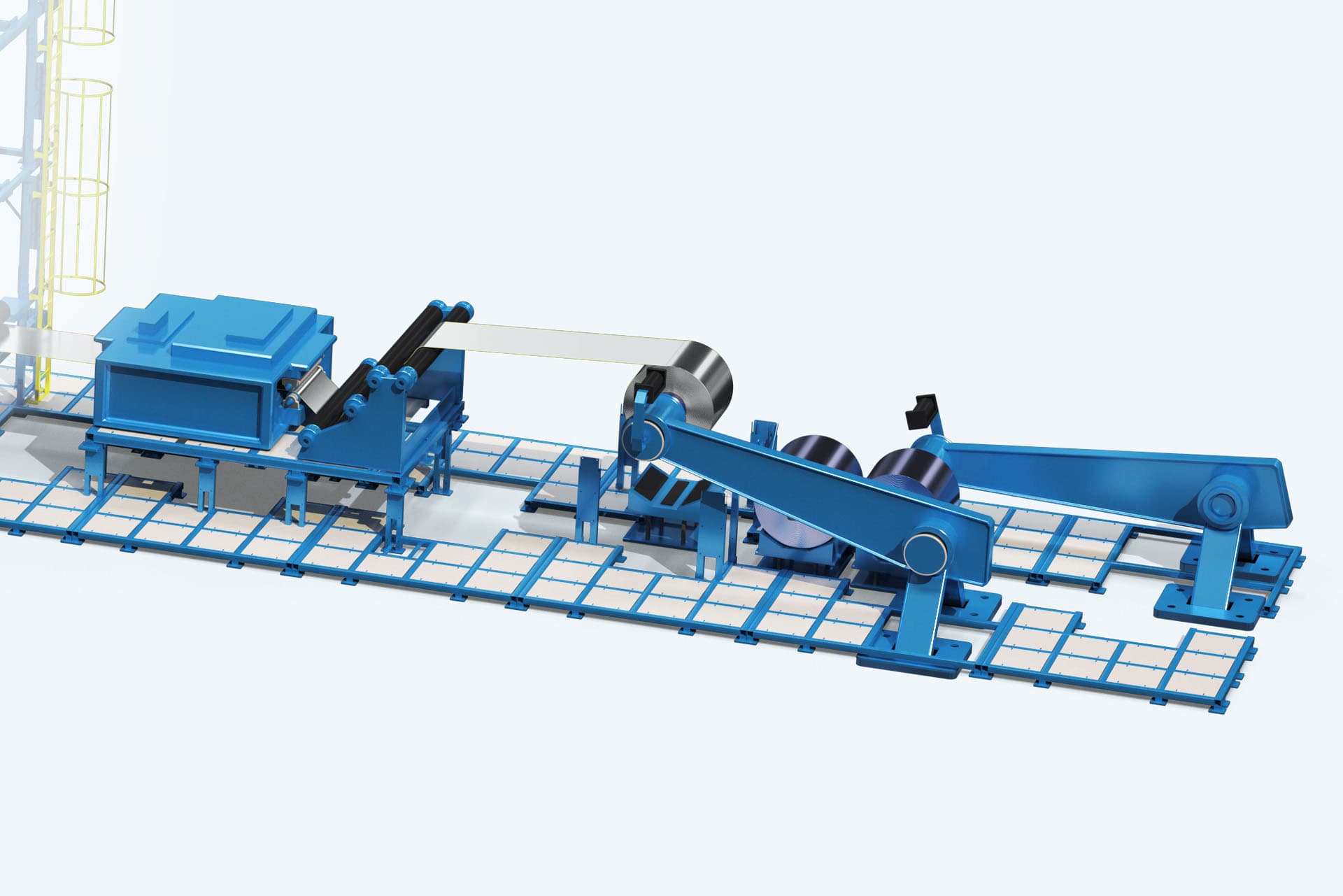
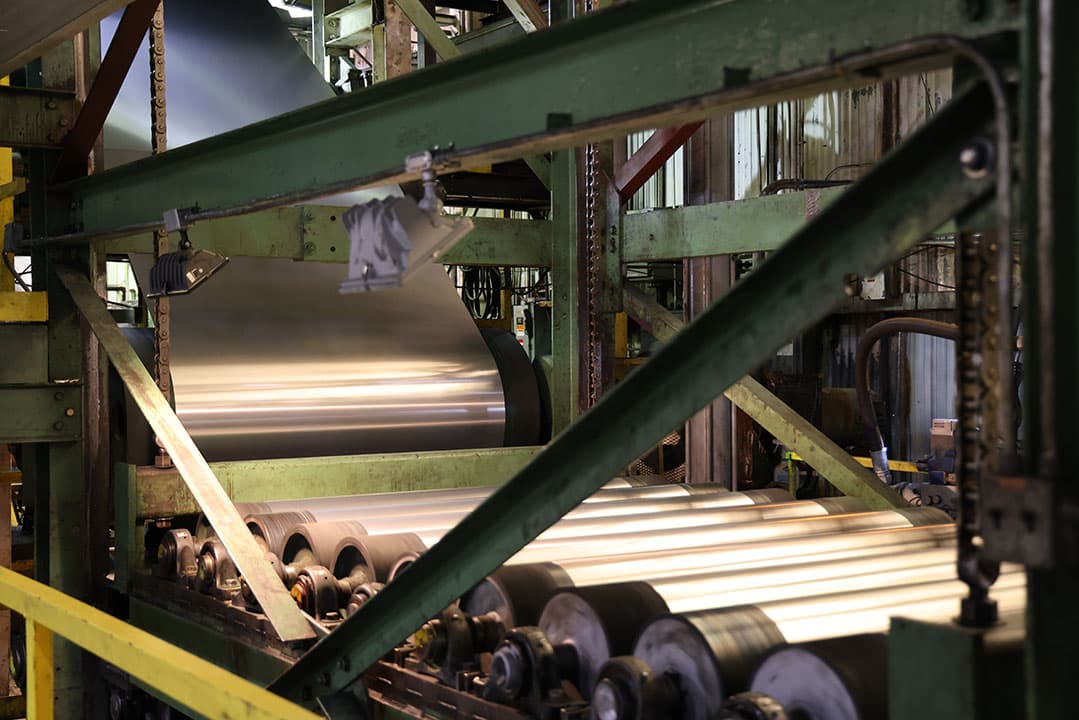
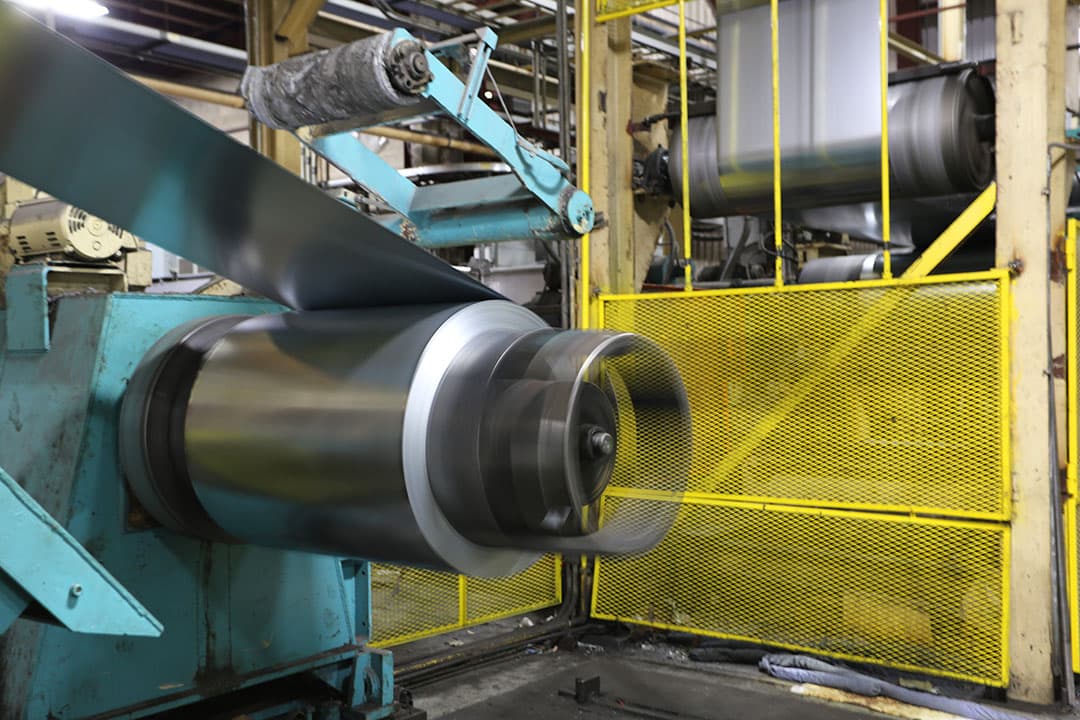
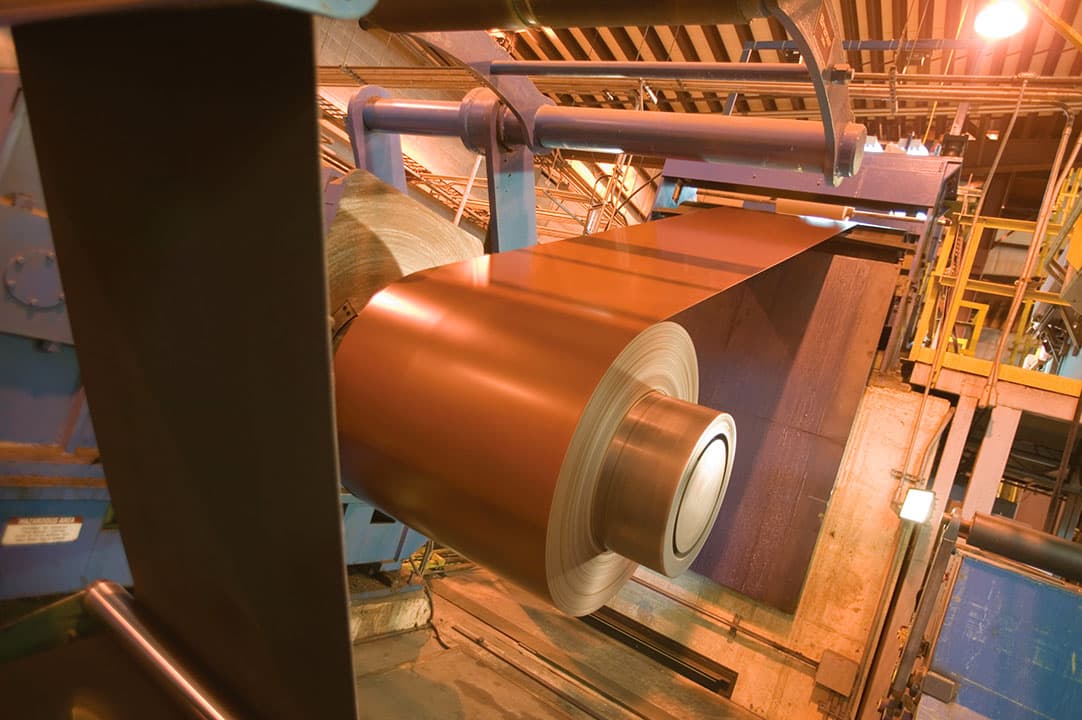
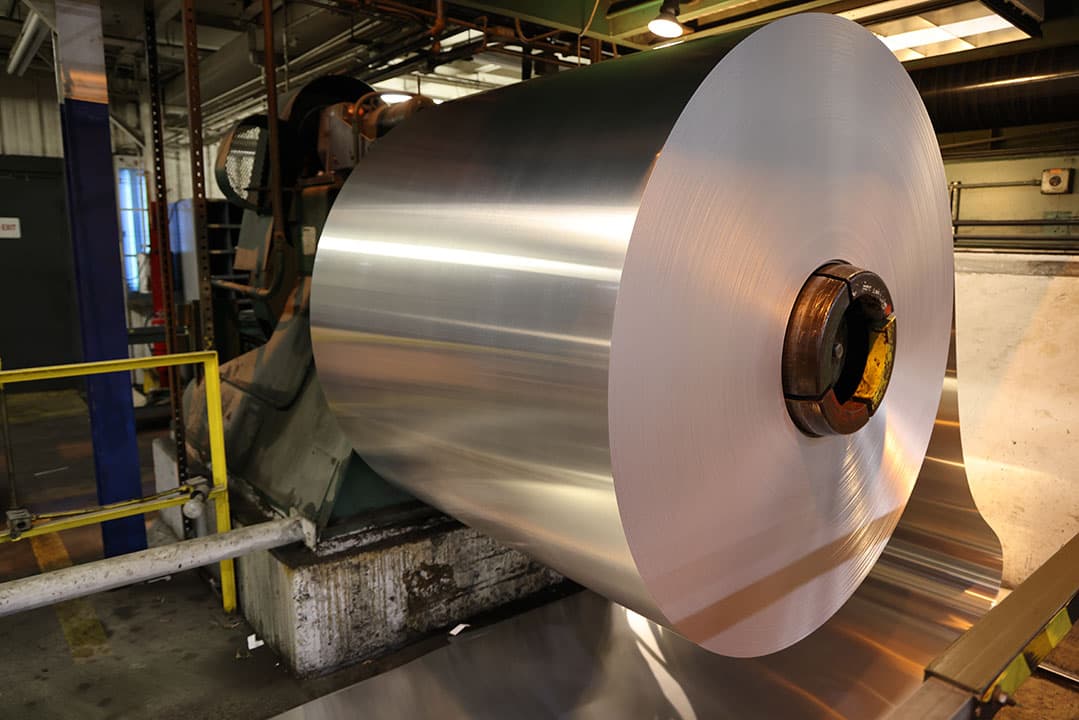
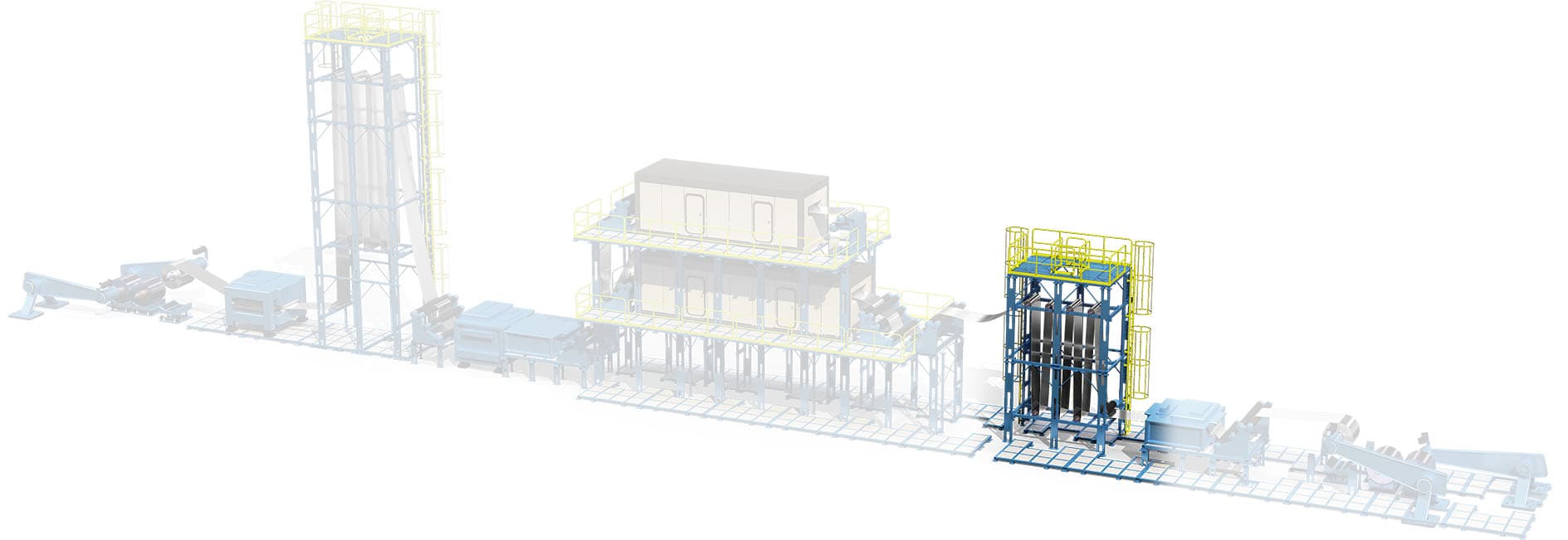
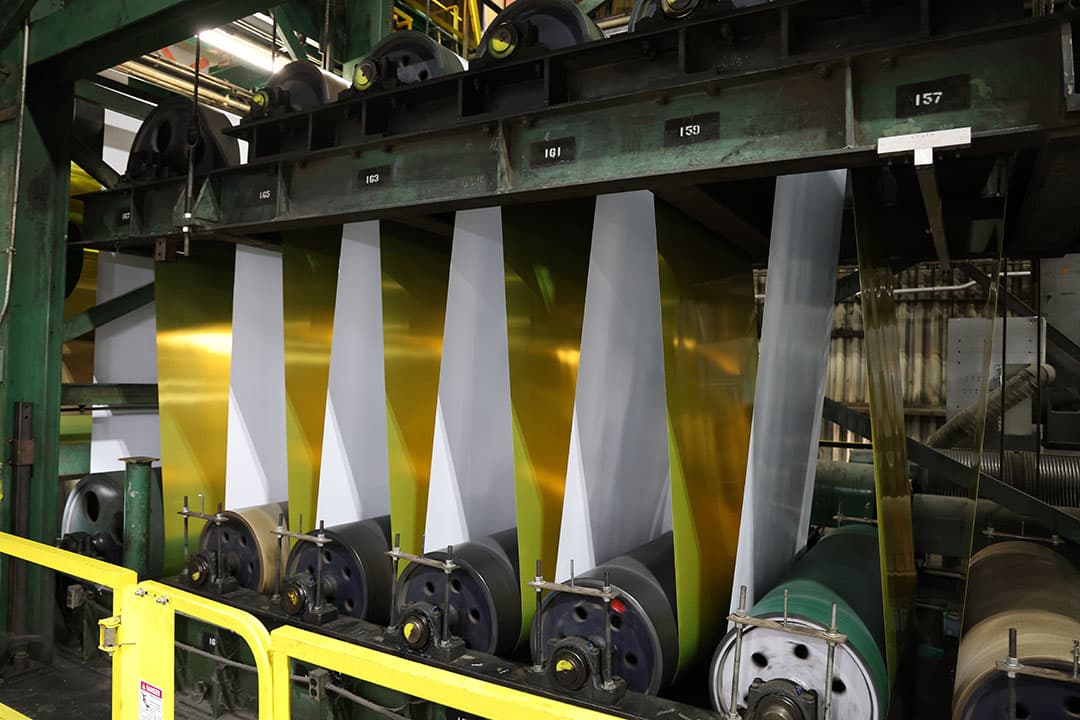
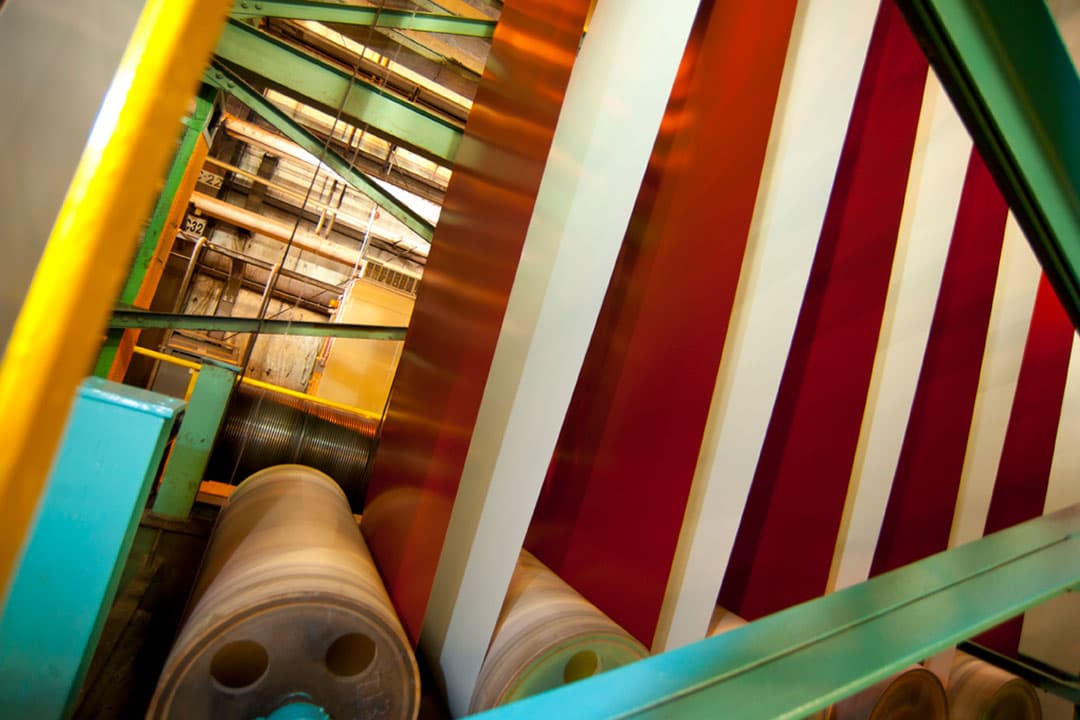
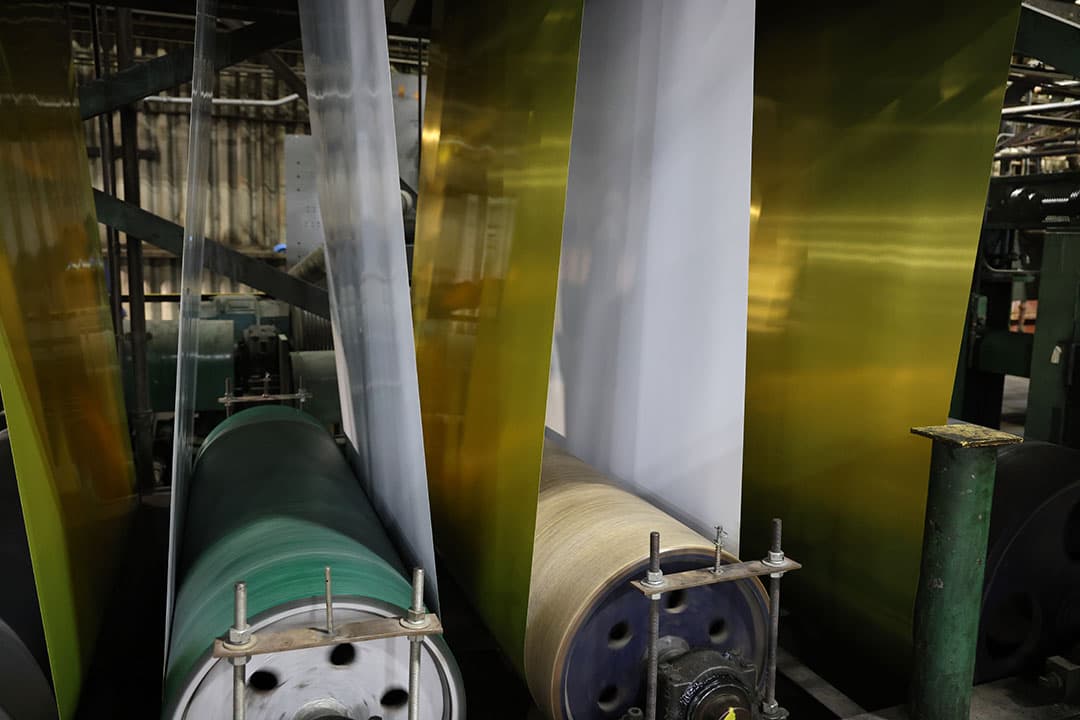
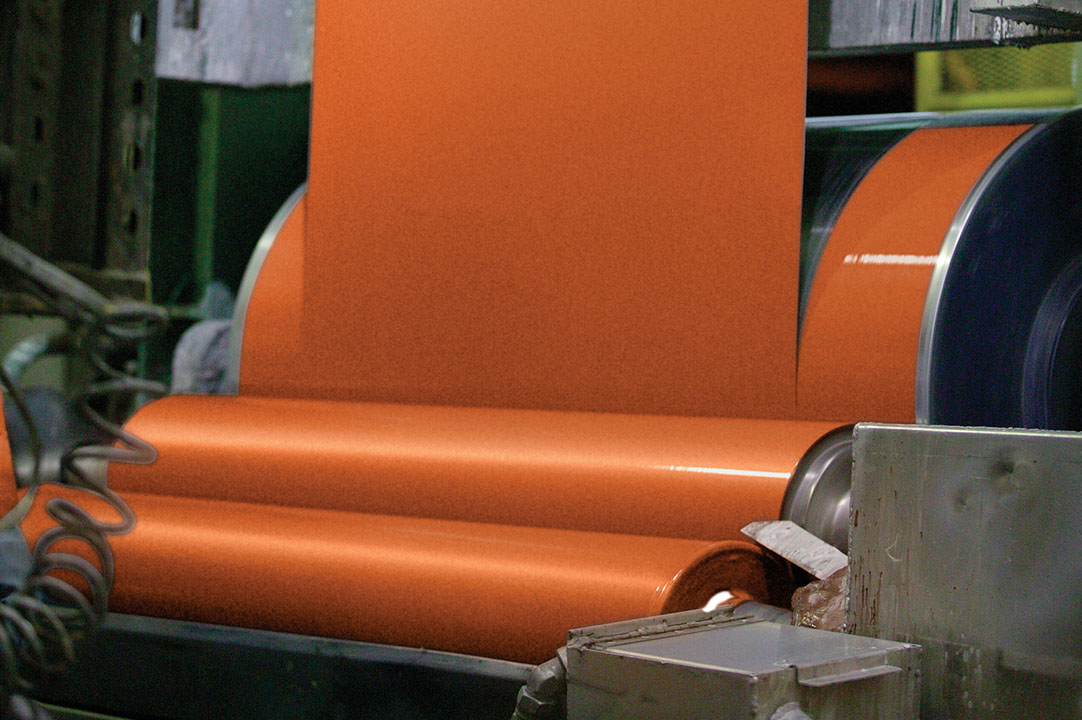
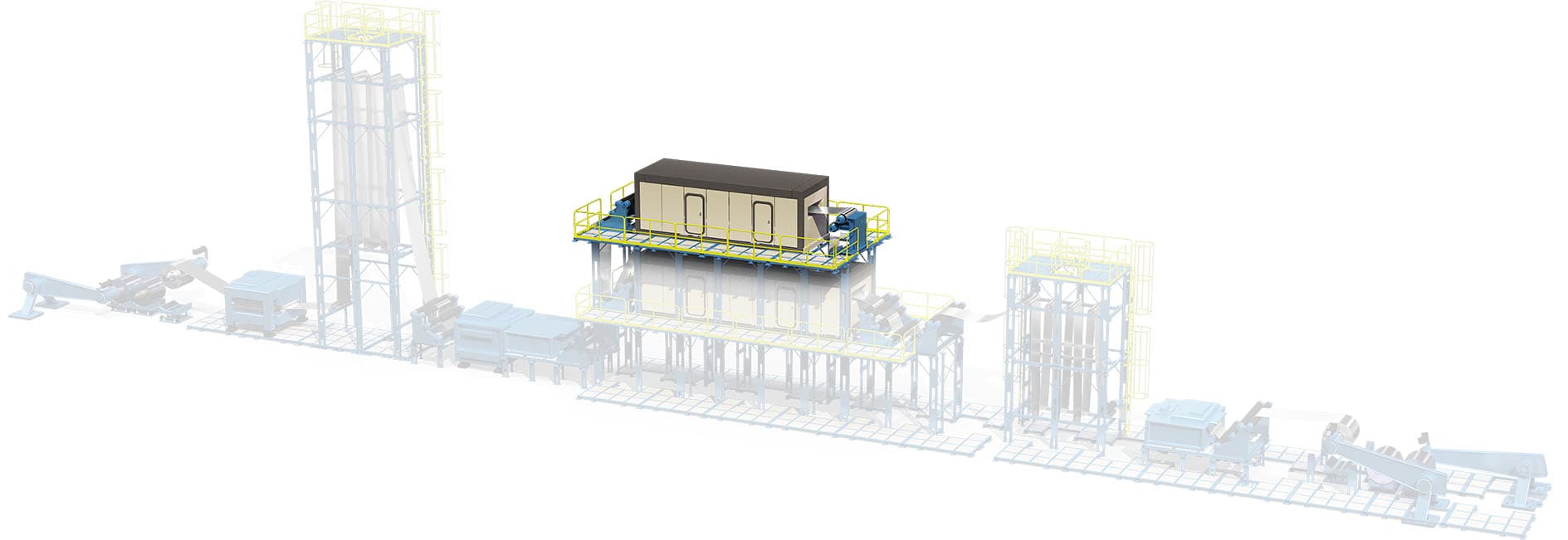
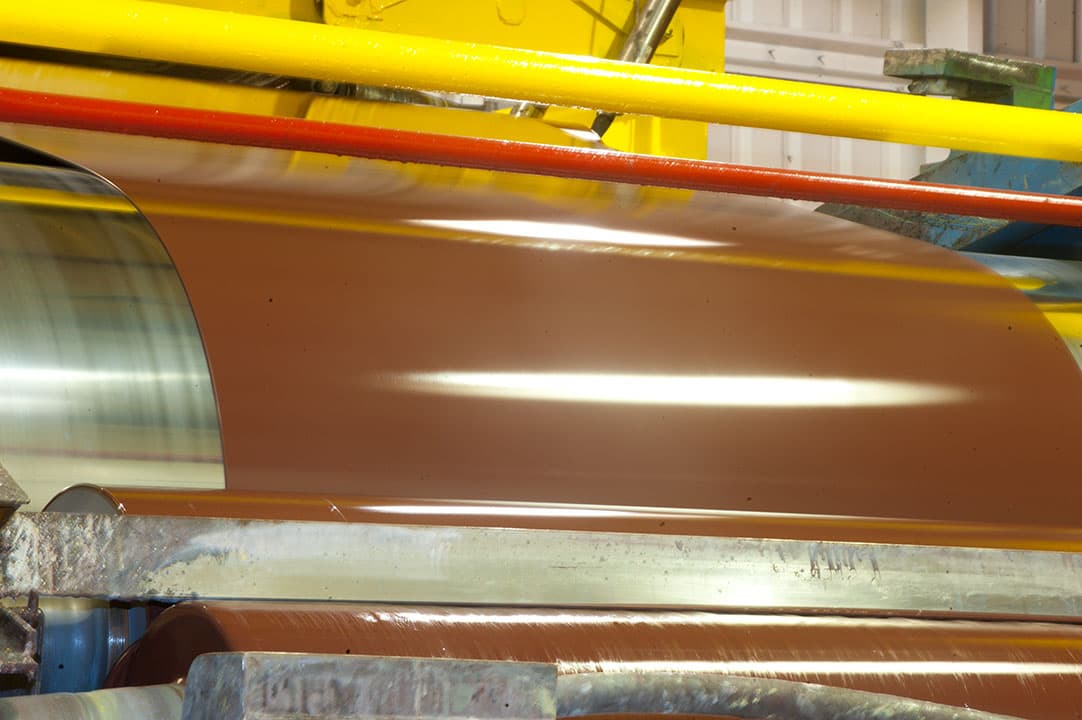
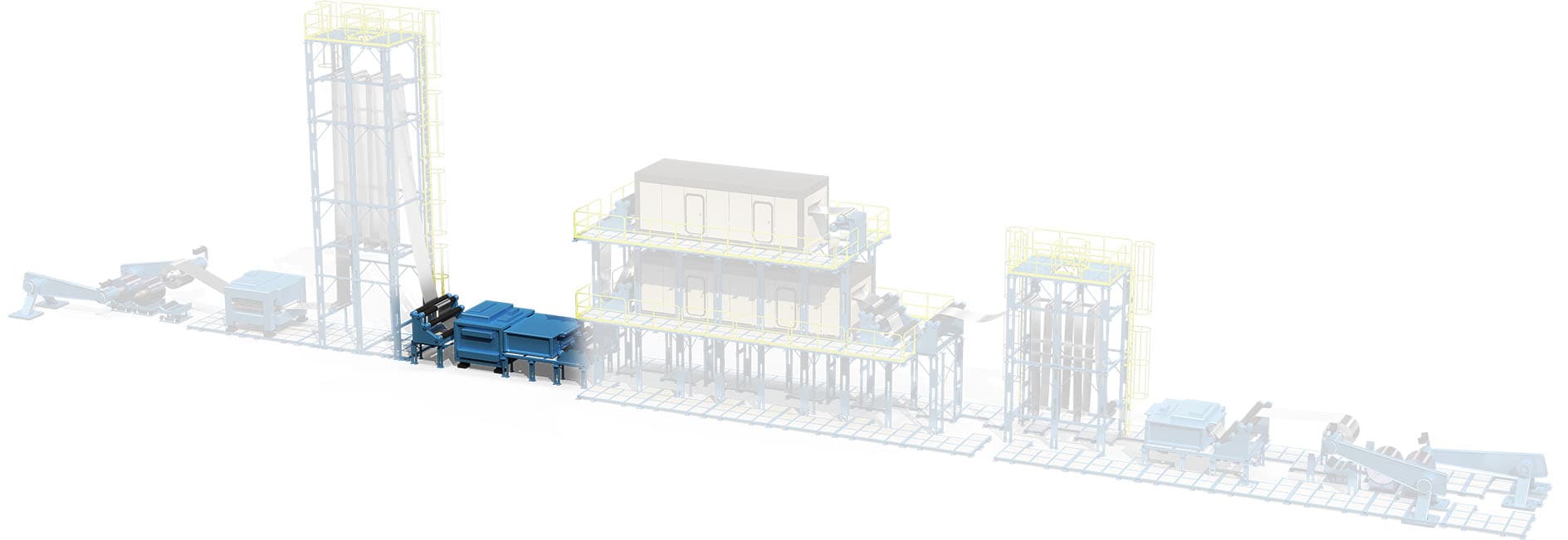
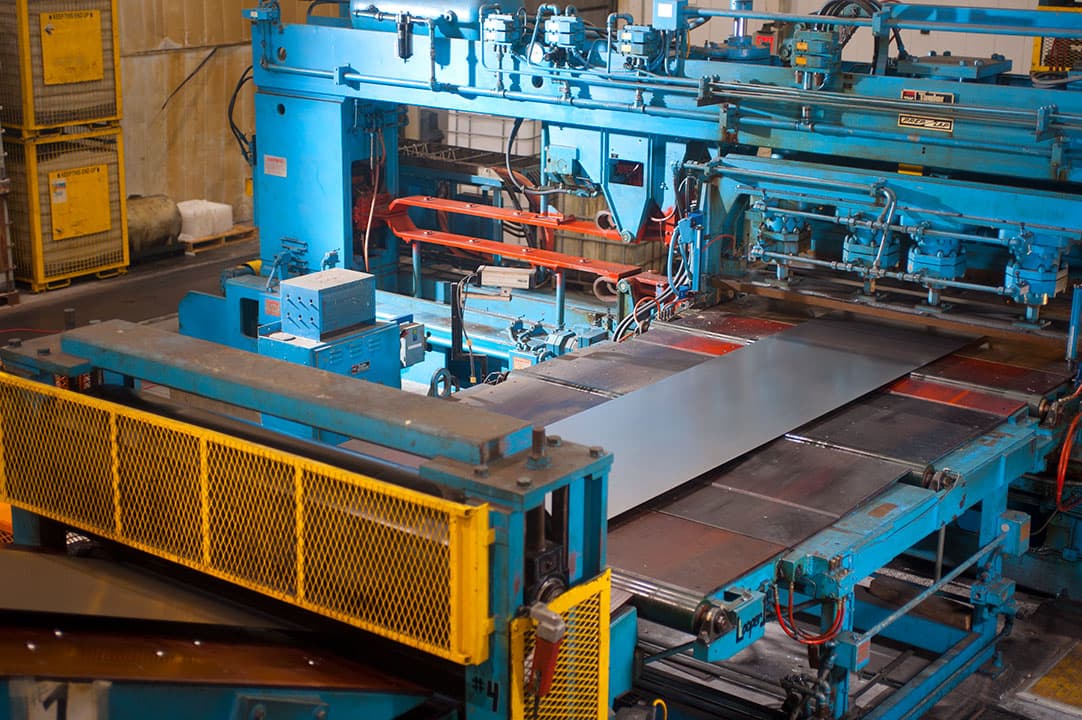
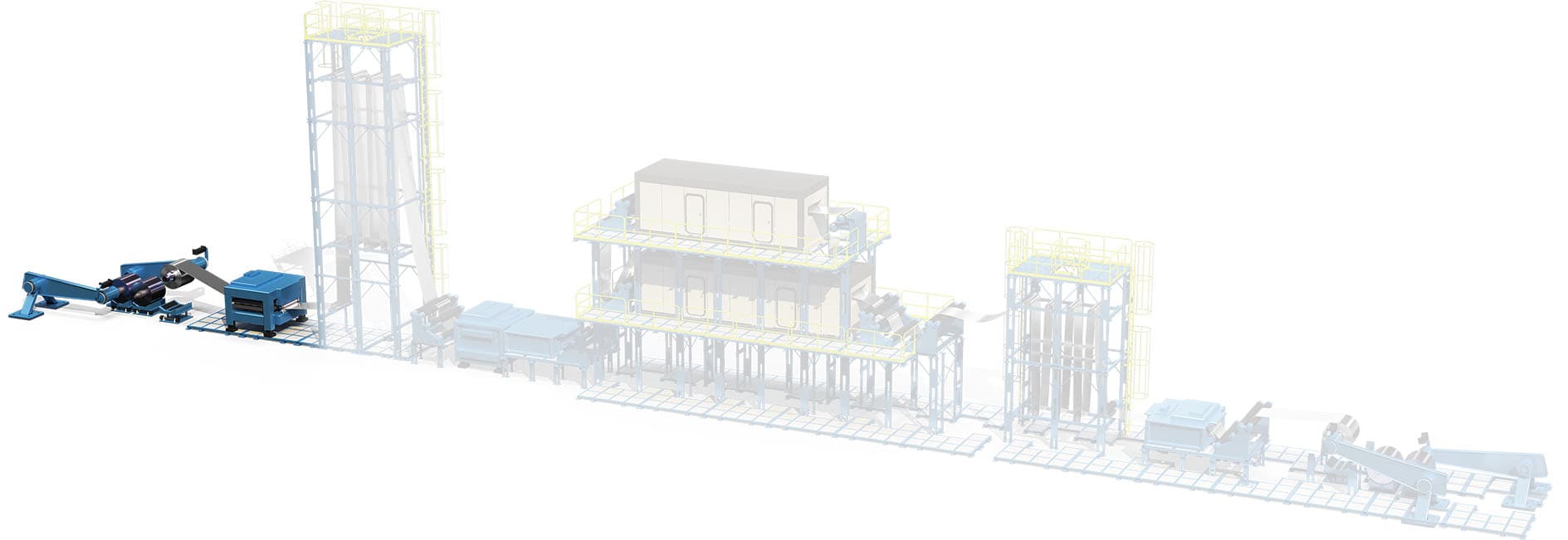
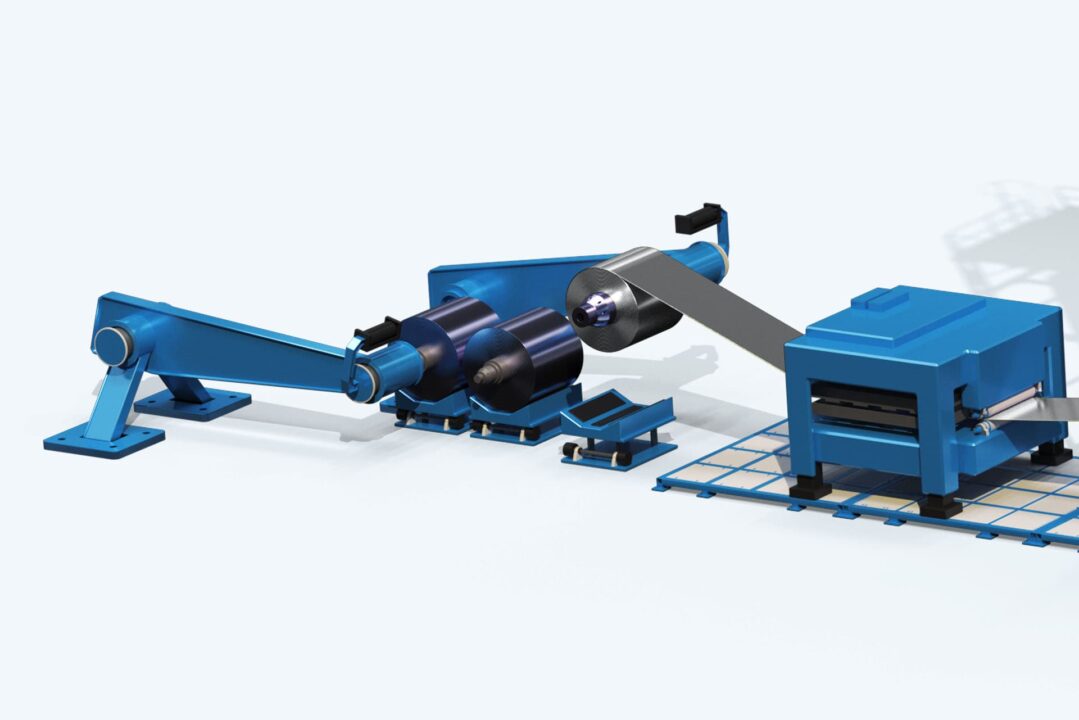
Once the metal is cleaned, treated, and painted, the strip is rewound into a coil size prescribed by the customer. From there, the coil is removed from the line and packaged for shipment or additional processing.
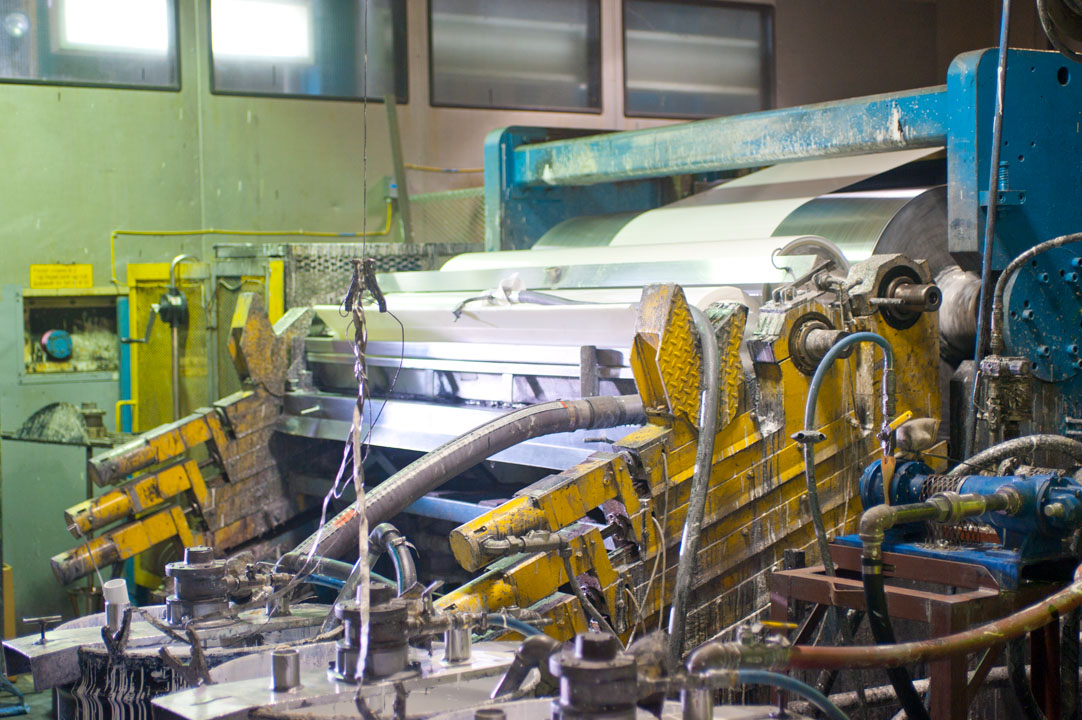
After the primer is applied and cured, then the metal strip enters the finish coat station where a topcoat is applied. Topcoats provide color, corrosion resistance, durability, flexibility and any other required physical properties. Like primers, the topcoat is cured using thermal cure ovens.
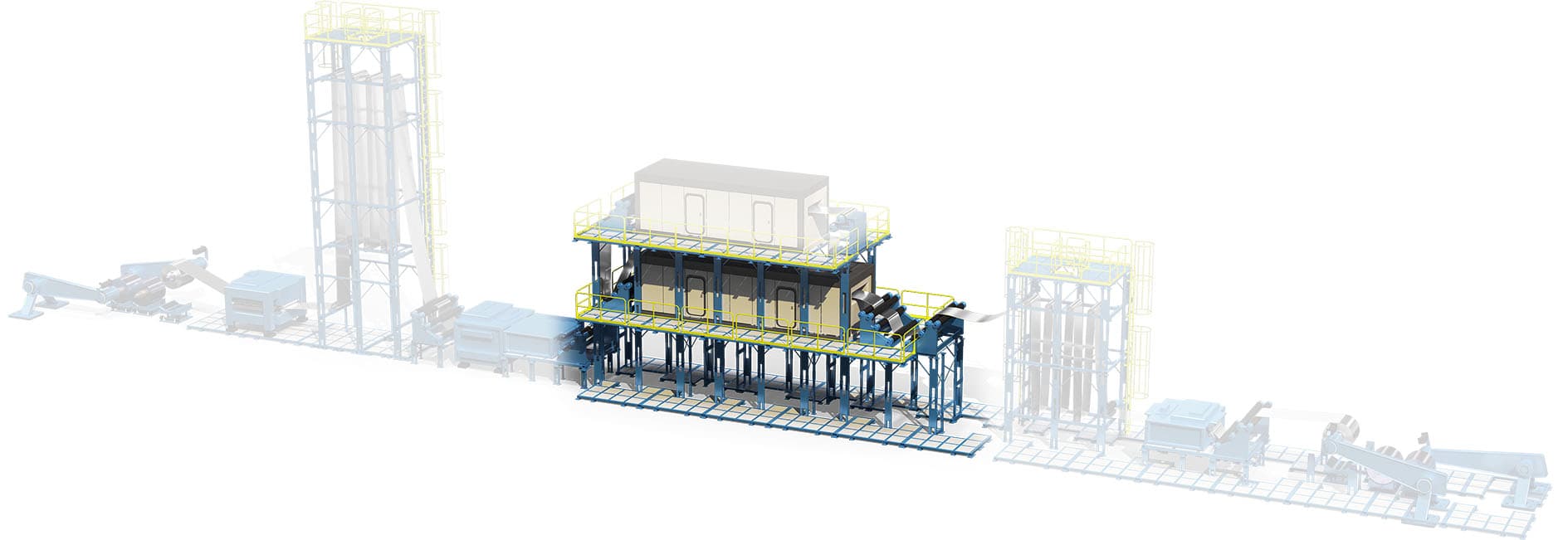
Oven
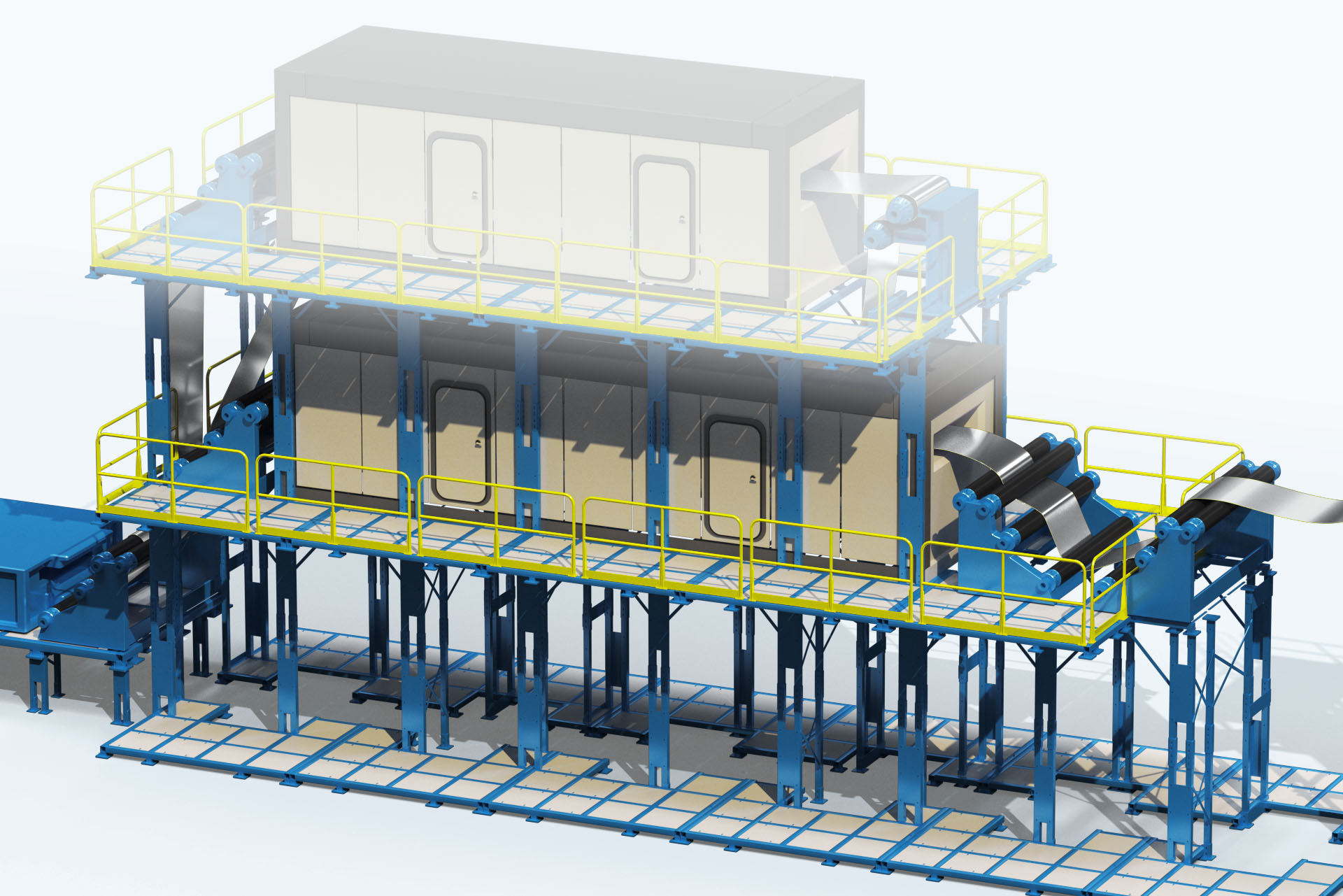
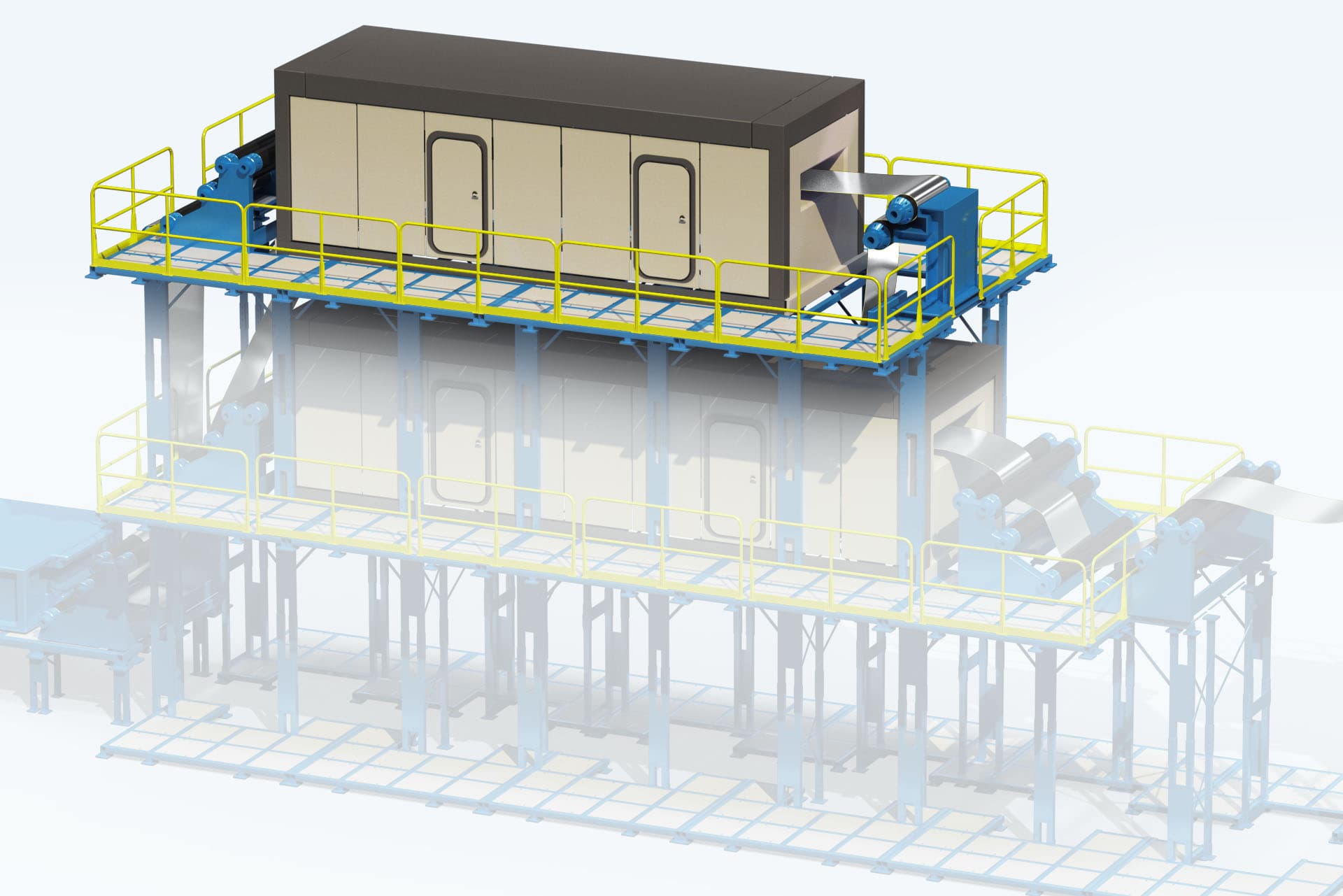
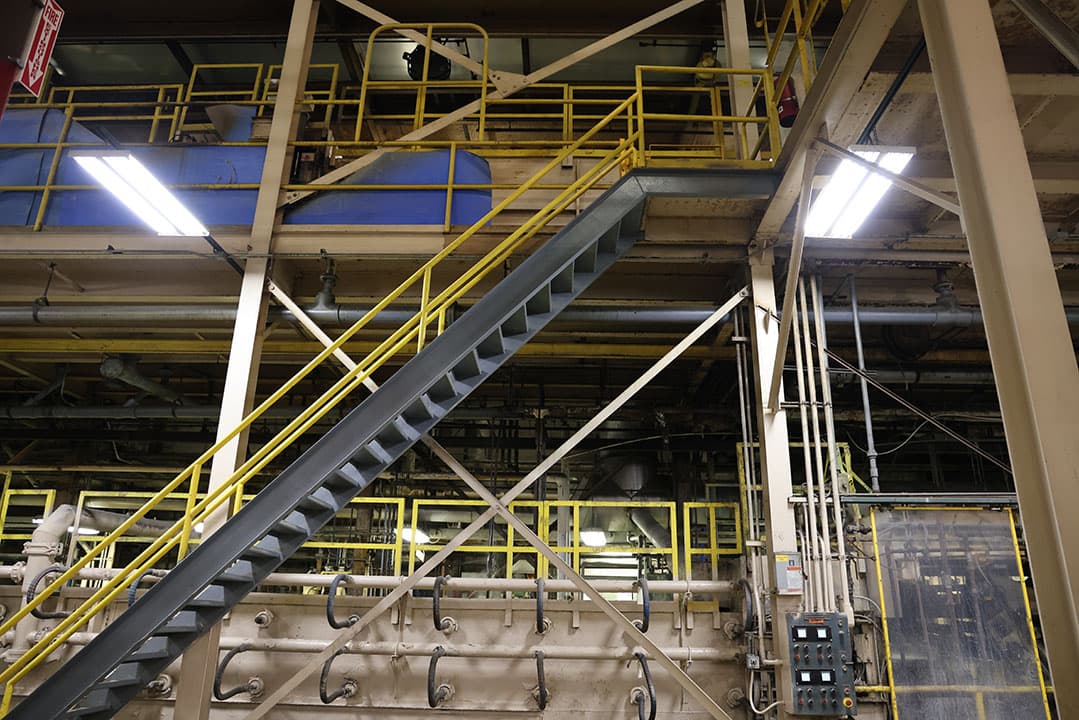
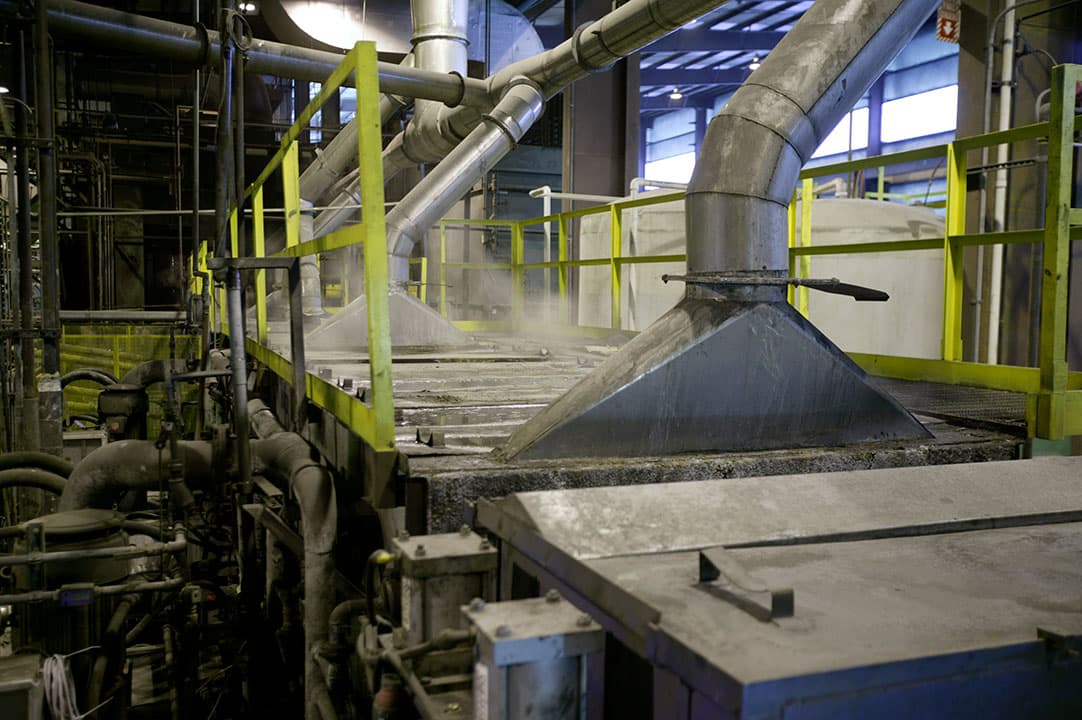
Coil coating ovens can range from 130 feet to 160 feet and will cure the coatings in 13 to 20 seconds.
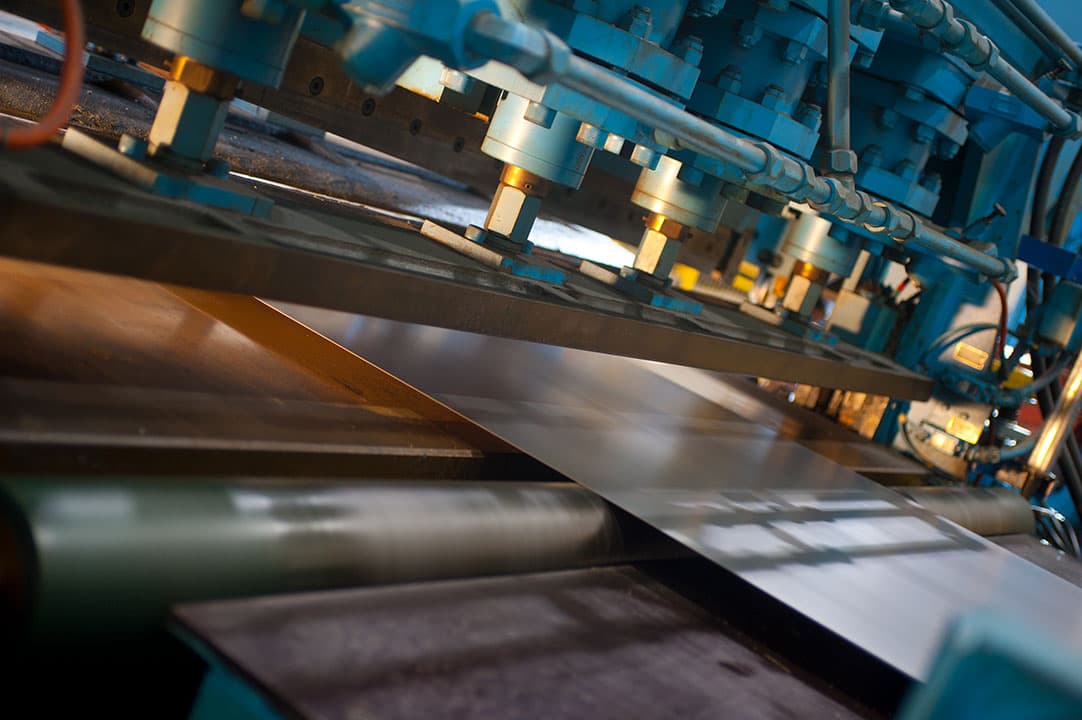
During this stage, the strip enters the prime coat station whereby a primer is applied to the clean and treated metal. After the primer is applied, the metal strip travels through a thermal oven for curing. Primers are used to aid in paint adhesion, improve corrosion performance and enhance aesthetic and functional attributes of the topcoat.
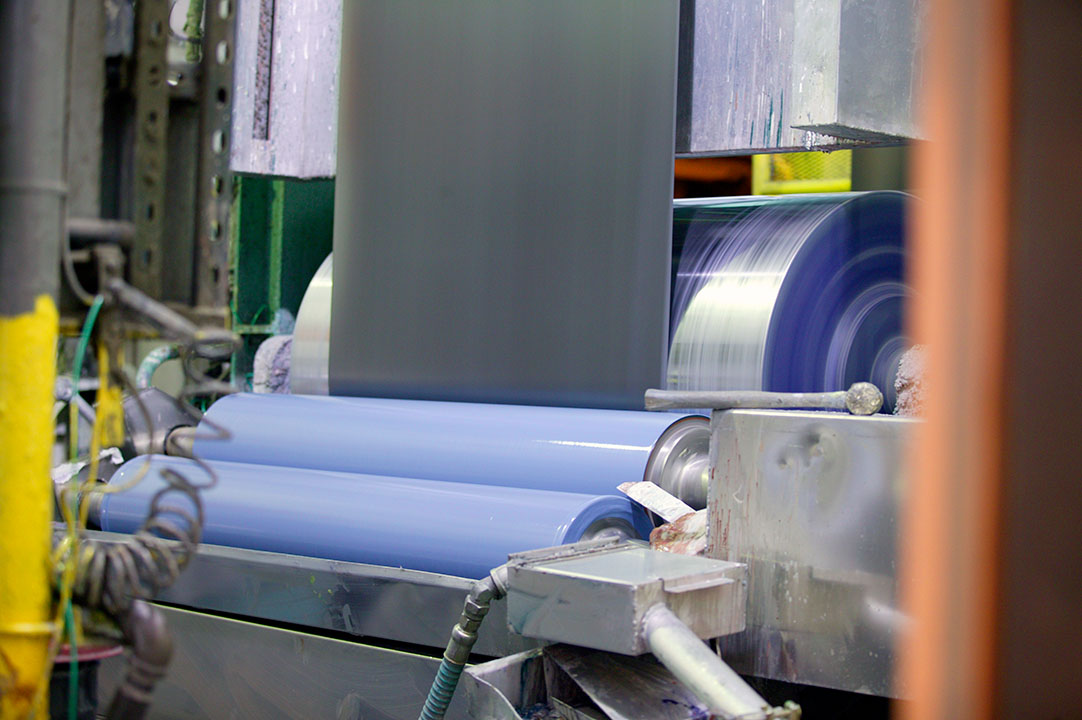
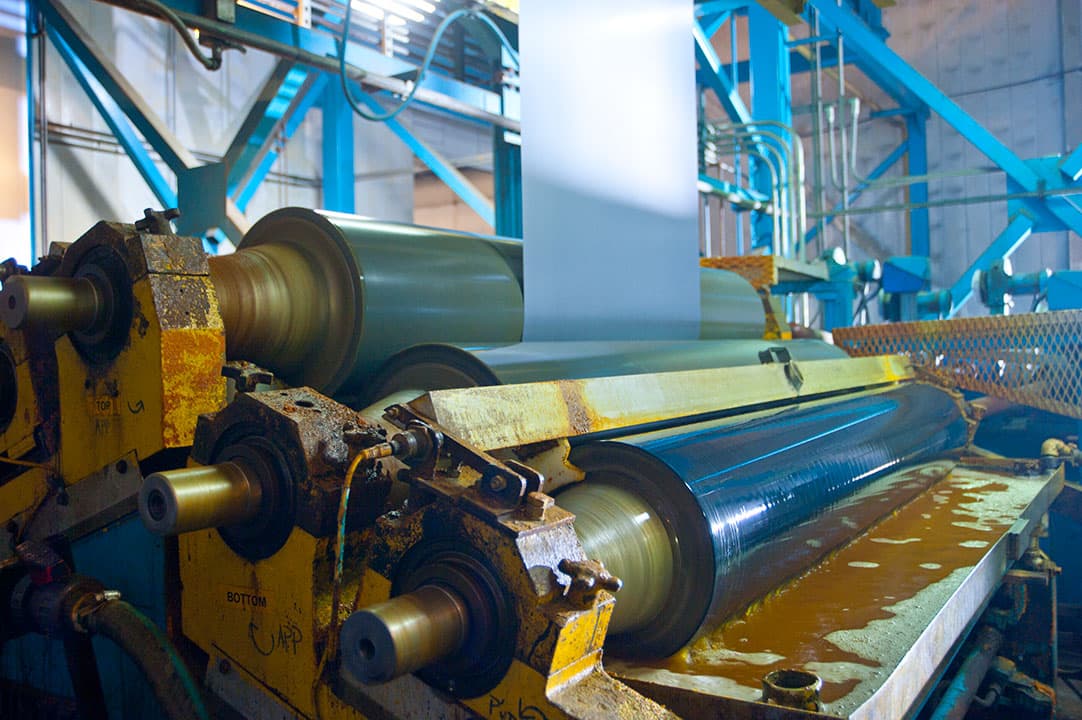
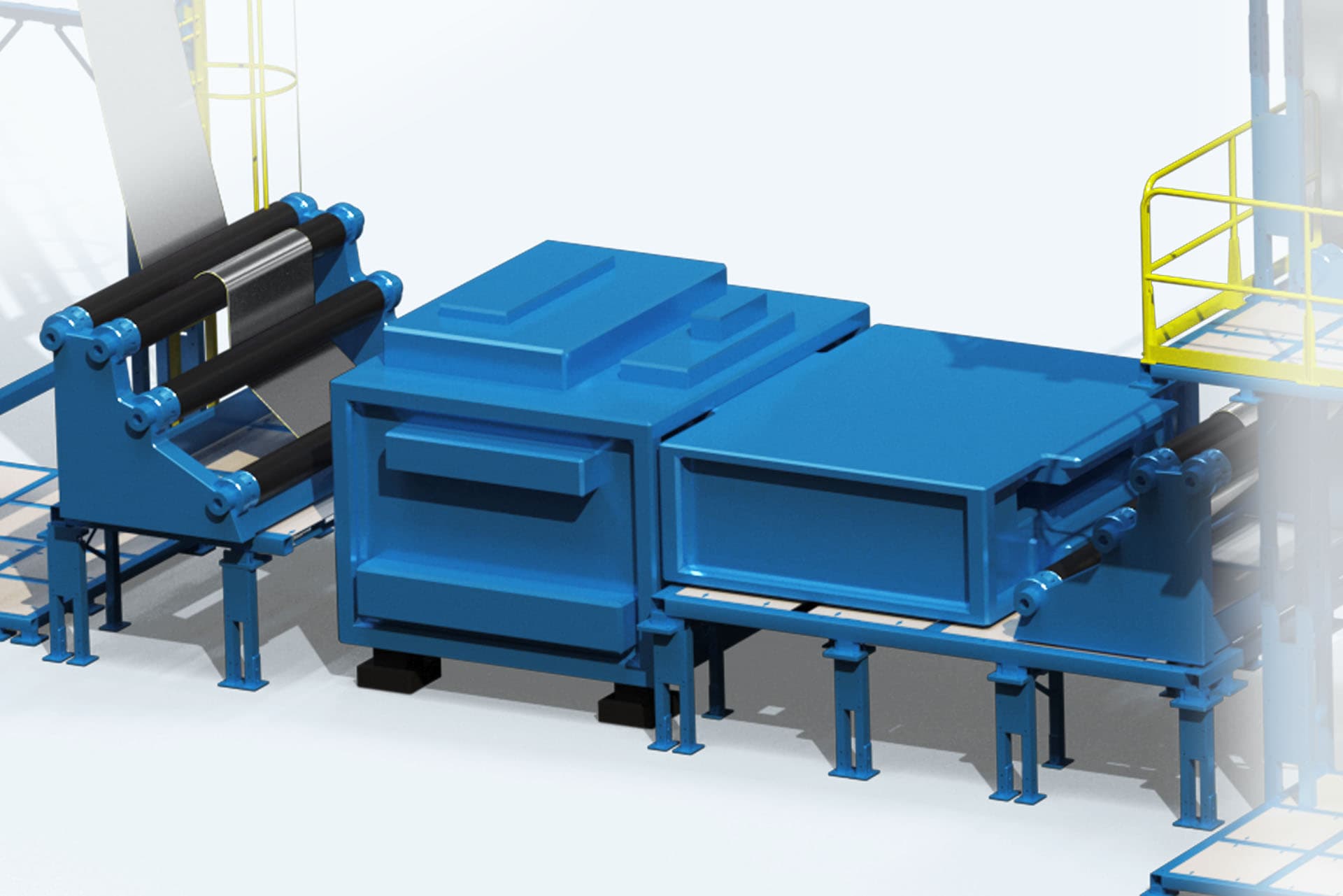
S Wrap Coater
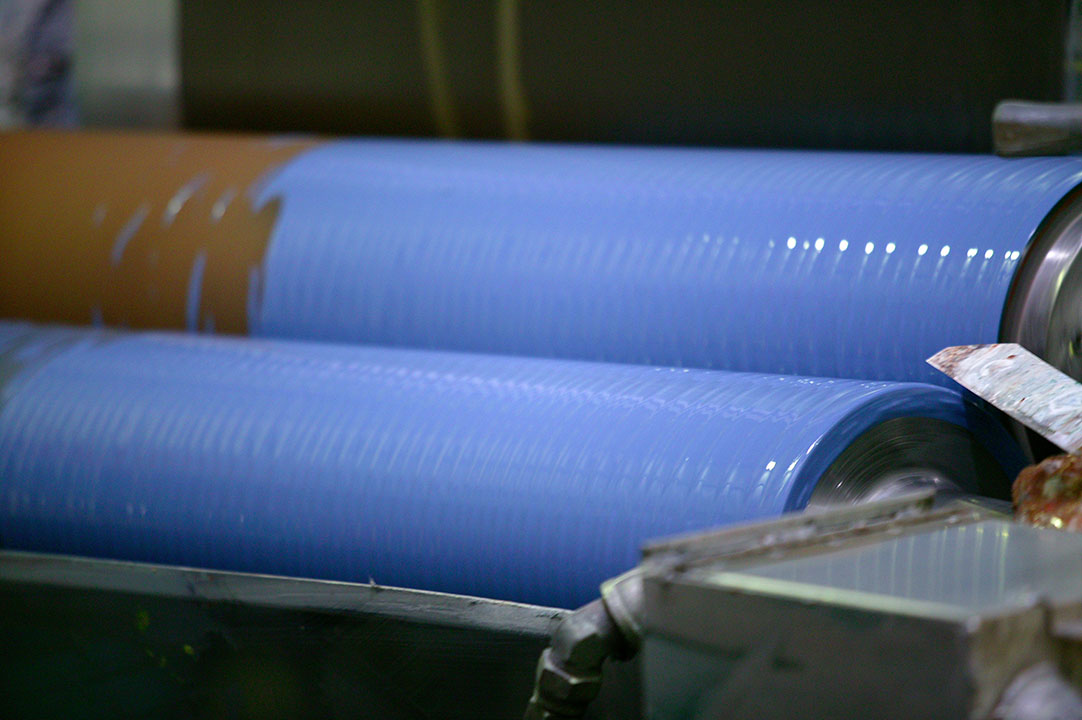
The S wrap coater design allows for primers and paints to be applied to the top and back side of the metal strip simultaneously in one continuous pass.
The cleaning and pretreating section of the coil coating process focuses on preparing the metal for painting. During the cleaning stage, dirt, debris, and oils are removed from the metal strip. From there, the metal enters the pretreatment section and/or a chemical coater whereby chemicals are applied to facilitate paint adhesion and enhance corrosion resistance.
Dried-In-Place
In this stage a chemical that provides enhanced corrosion performance is applied. This treatment can be chrome free if required.
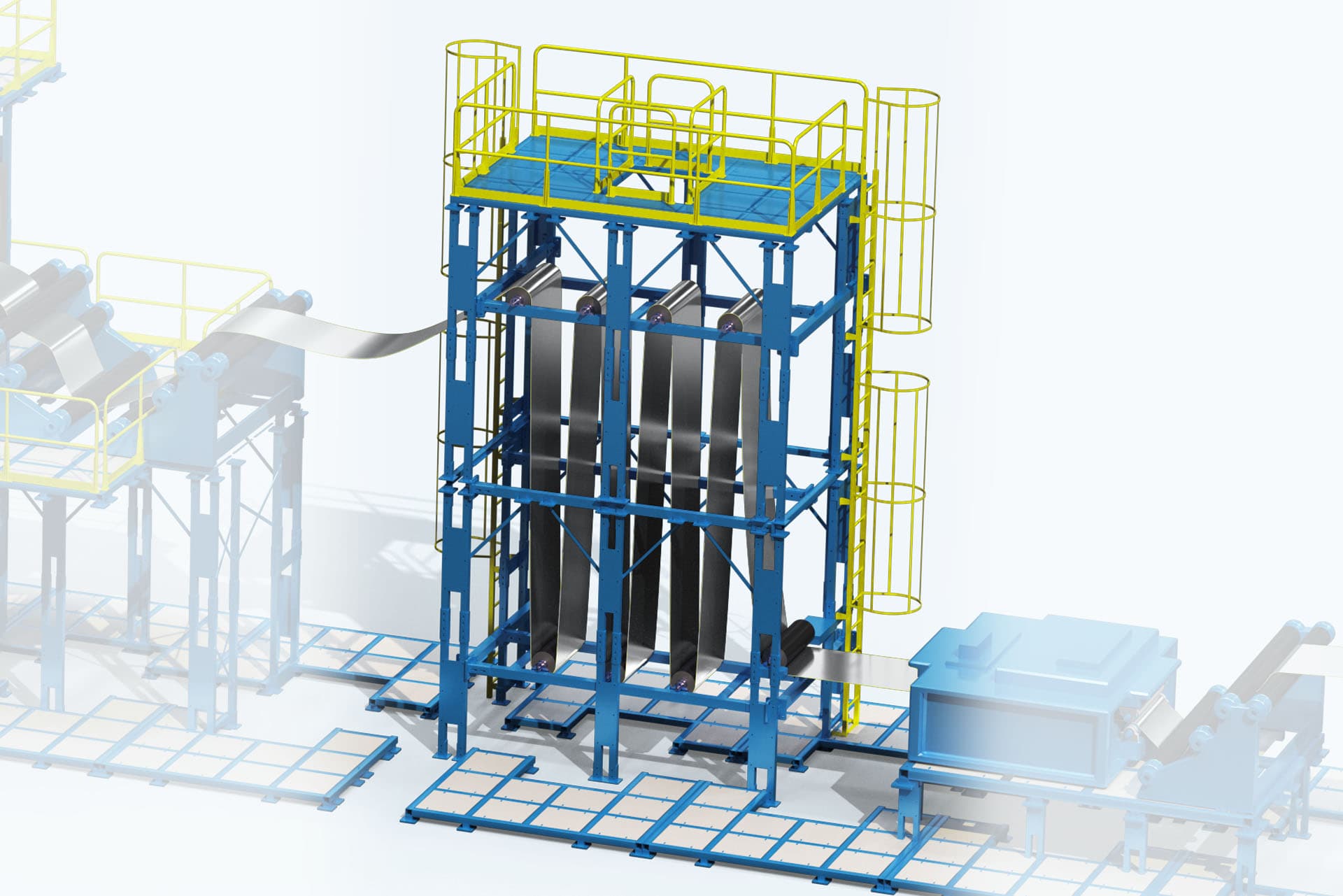
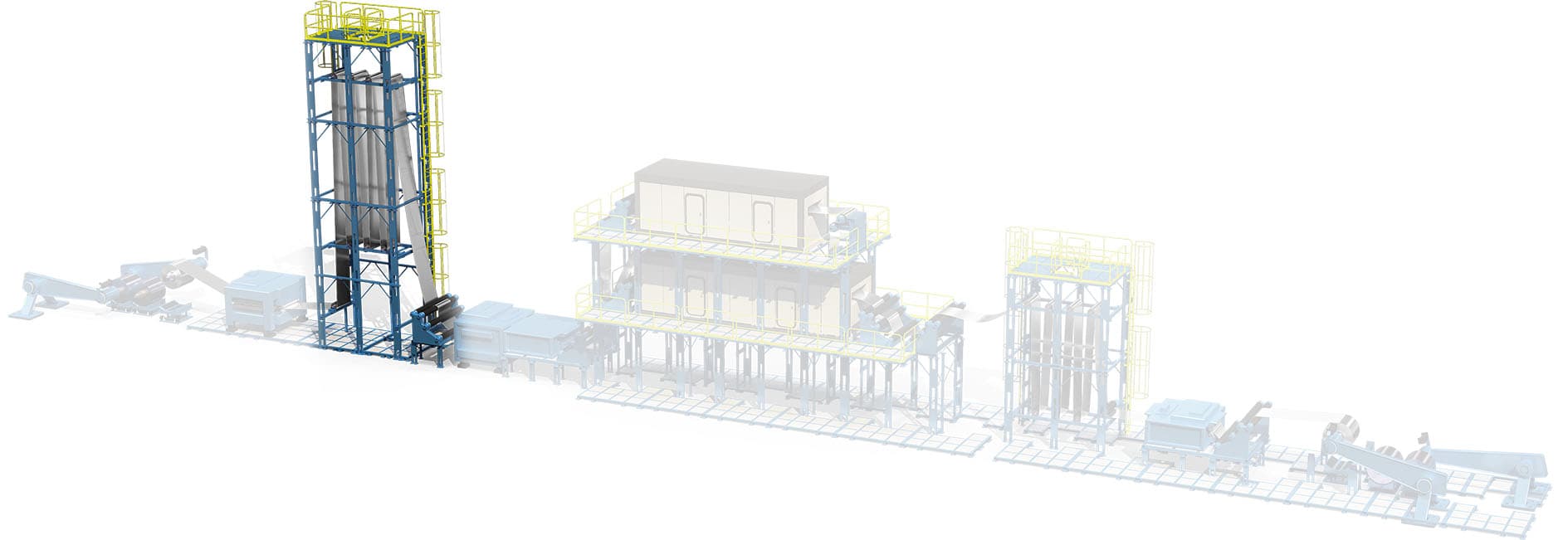
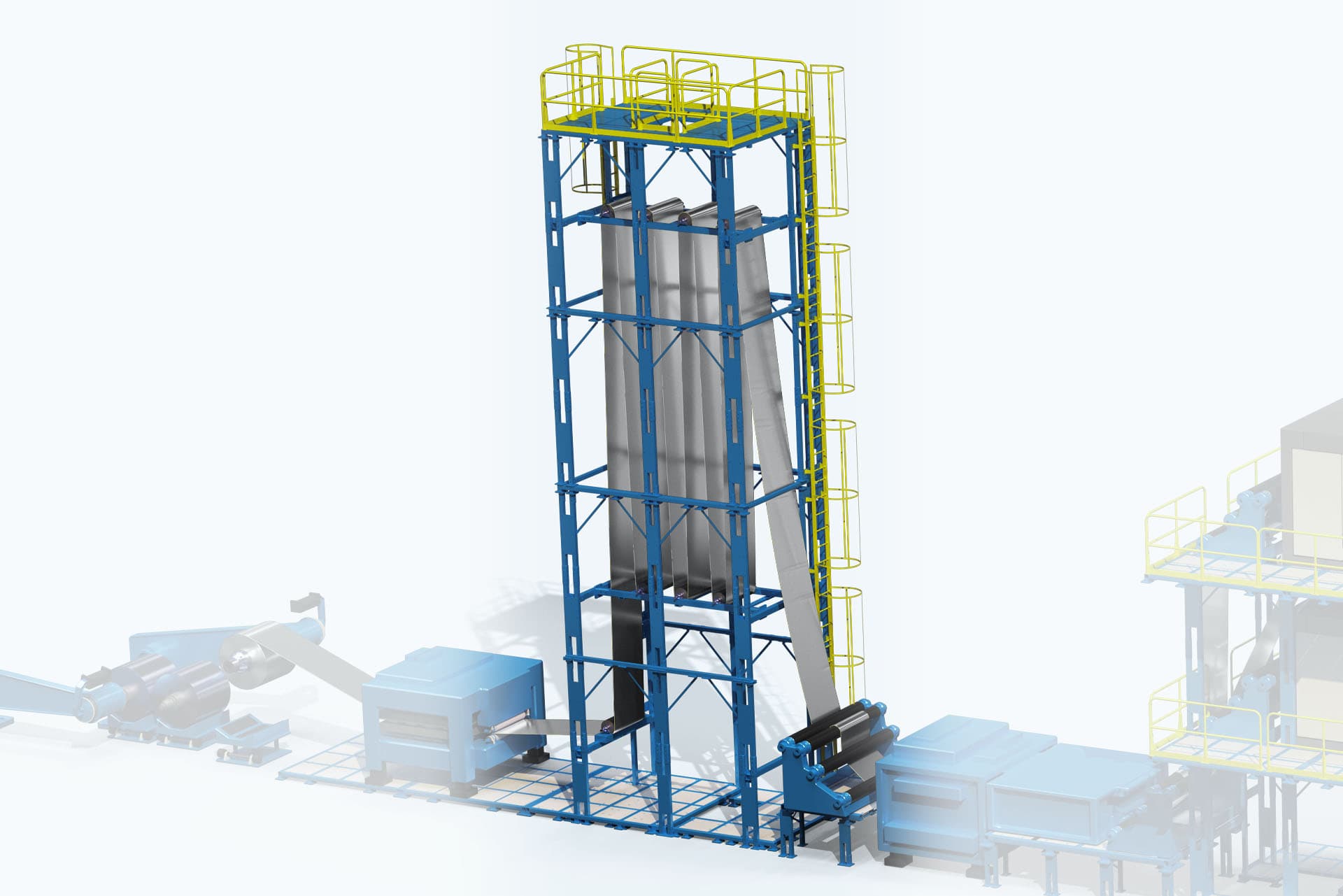
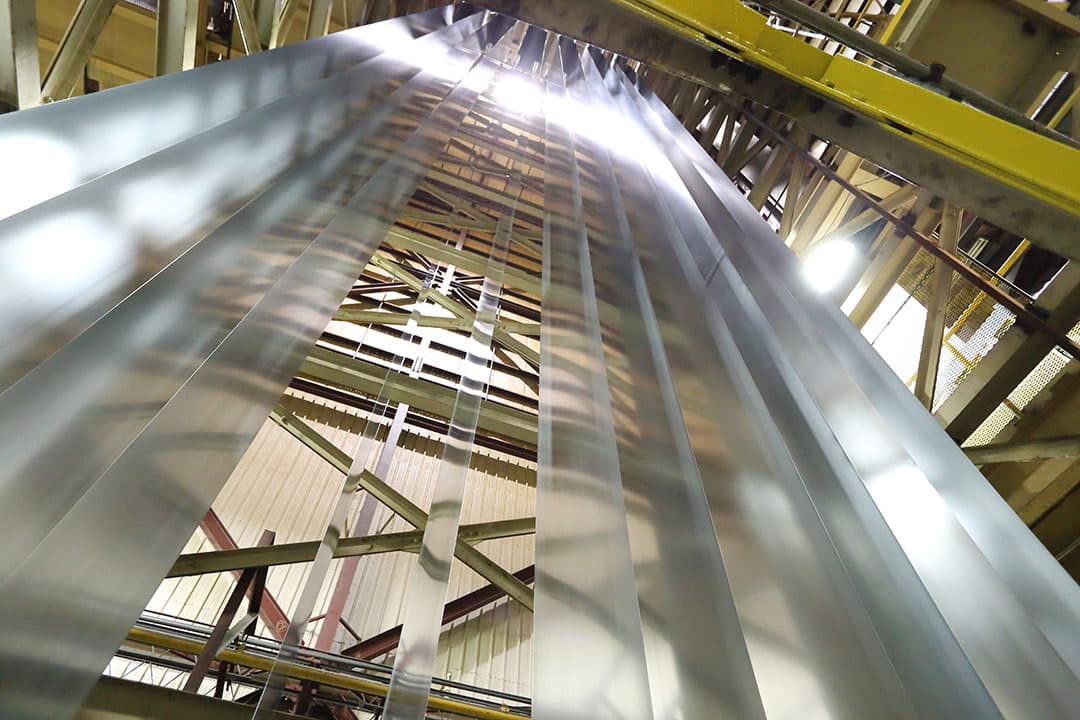
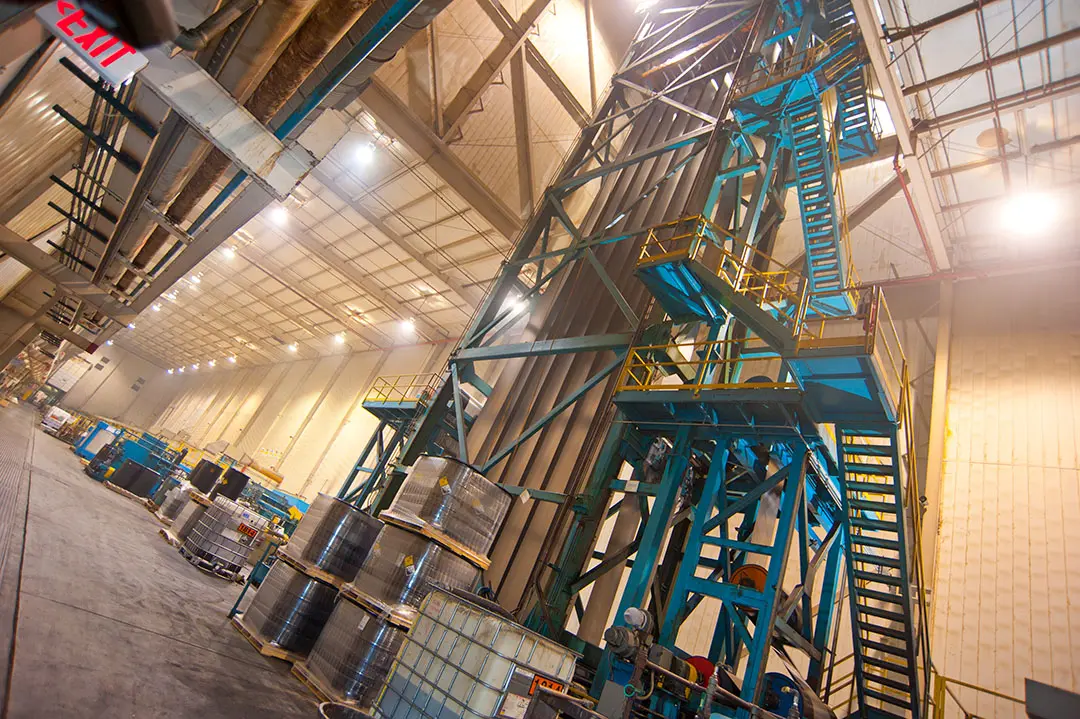
The accumulator is a structure that adjusts up and down to store material, which makes continuous operation of the coil coating process possible. This accumulation will continue to feed the coil coating processes while the entry end has stopped for the stitching process. As much as 750 feet of metal can be collected.
Nurturing healthy dairy calves presents a significant challenge. The shift from individual housing to a group environment marks a crucial transition that not only socializes the animals but also profoundly influences their long-term health.
A well-maintained, expansive enclosure enables calves to move with freedom, encouraging natural behaviors like lying down, standing, and exploration. This, in turn, fosters improved muscle development and enhances their overall well-being. Moreover, the provision of a clean, spacious, and sanitary environment reflects a dedication to upholding animal welfare standards and ethical principles. It underscores a firm commitment to the well-being of animals entrusted to human care.
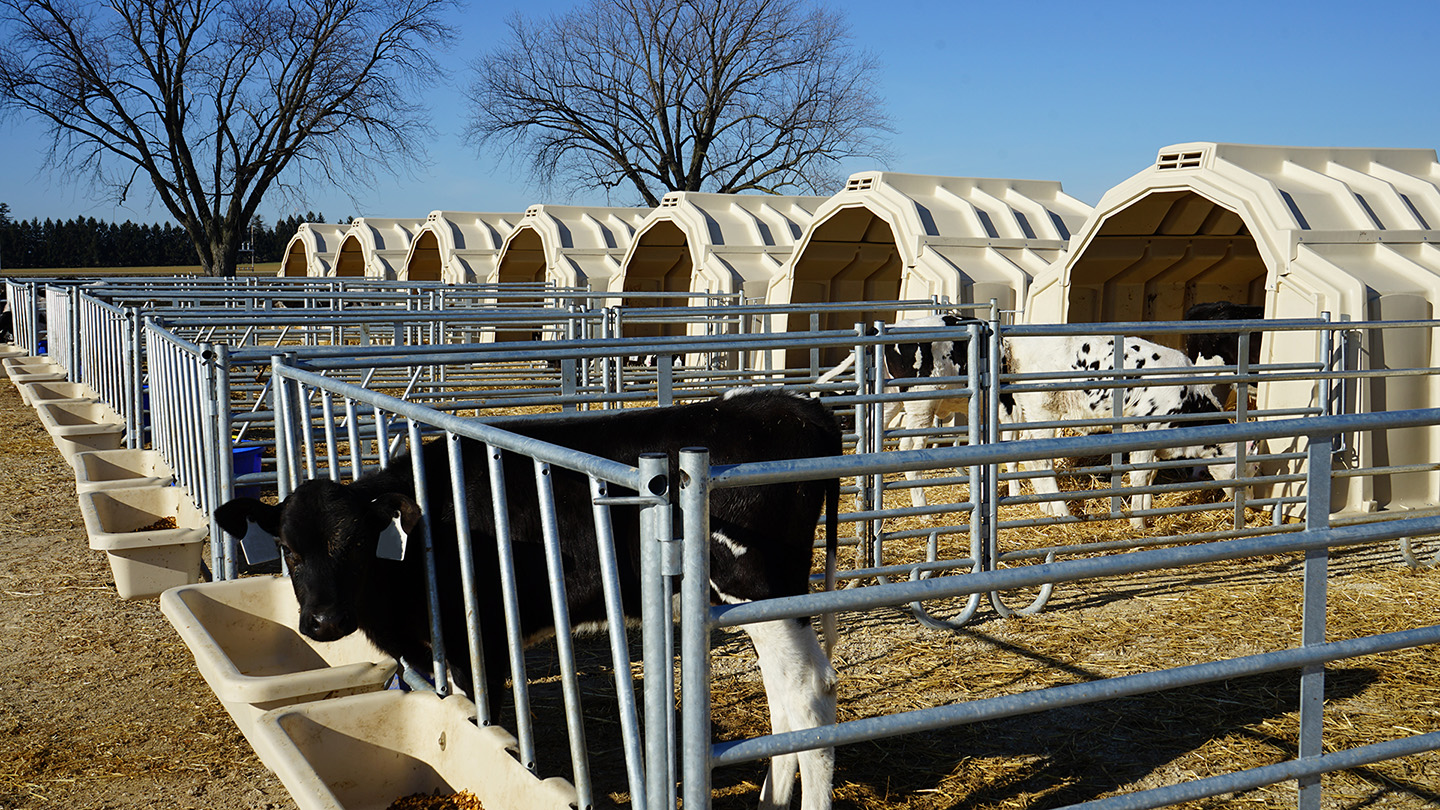
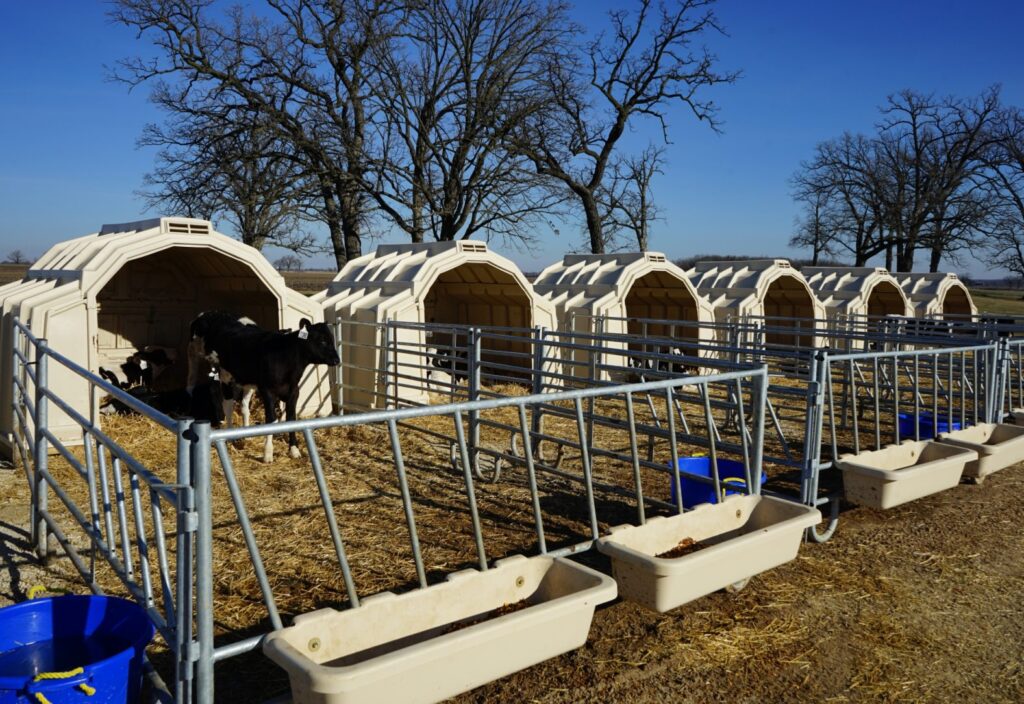
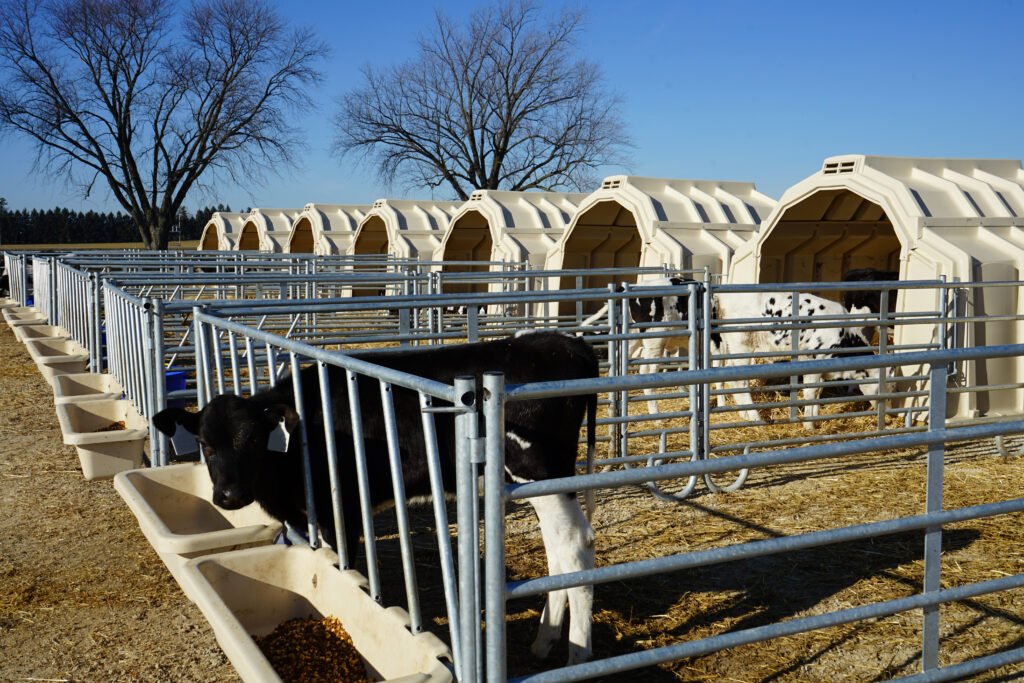
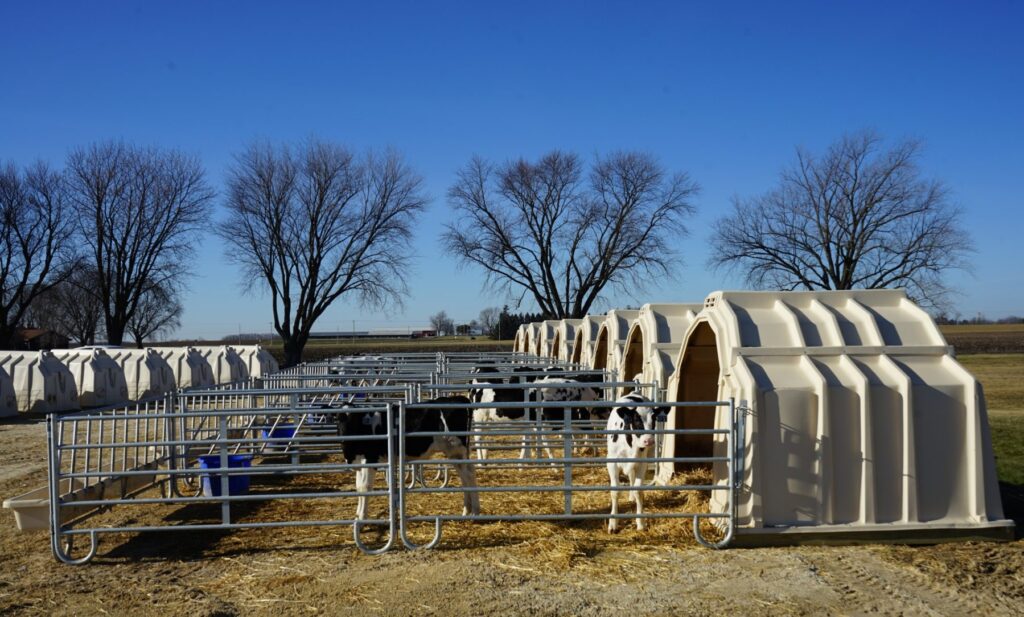
Calf-Tel, a dairy farm equipment supplier situated in Germantown, Wisconsin, specializes in crafting enclosure systems that annually provide a secure haven for approximately two million calves. At the forefront of their offerings is the pioneering Group Yard System, a comprehensive housing and steel fencing solution that not only grants calves access to natural light, improved ventilation, and extra legroom but also creates an environment conducive to embracing their innate behaviors. According to Calf-Tel, weaned calves may not be fully prepared for the challenges of the “real world,” yet they derive significant benefits from socializing, and the group housing setting is precisely tailored to cater to this crucial stage of development.
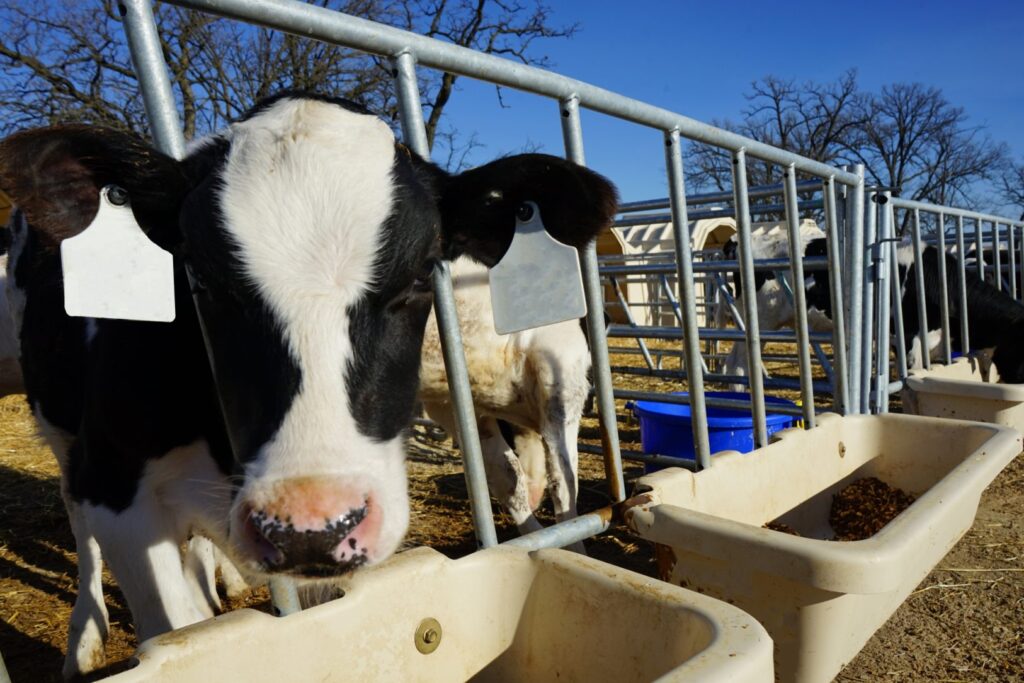
The Calf-Tel system contributes to lower mortality rates, and limit overall treatment cost, resulting in enhanced calf growth. The durable high strength galvanized fencing system of this modular setup provides extra space for calves that results in a cleaner and healthier environment.
Livestock produce waste that can contain corrosive substances, such as ammonia and acids. Over time, exposure to these substances can accelerate corrosion of metal components. Additionally, humidity and exposure to rain or other forms of moisture can contribute to the corrosion of metal structures, particularly if proper drainage is not in place. Even behaviors like chewing or licking, which can expose metal surfaces to moisture and saliva, can lead to corrosion.
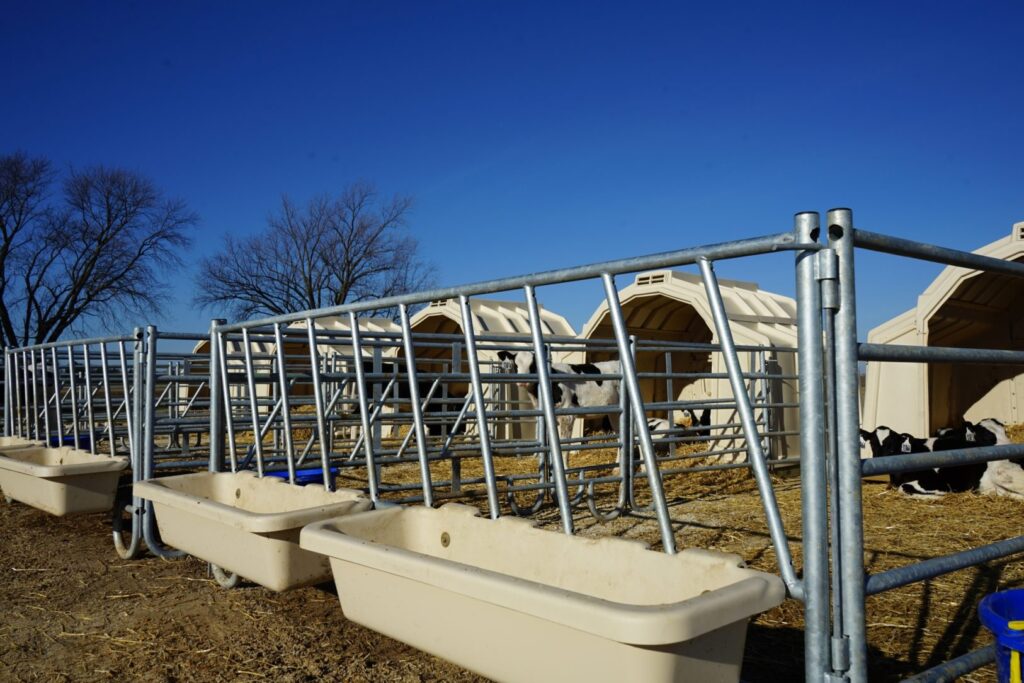
Earlier iterations of a comparable product utilized pre-galvanized pipe or tube, but the visible deterioration and failures resulting from corrosion in open sea containers were deemed unacceptable by the market. The decision to transition to local hot-dip galvanizing has proven highly effective, offering comprehensive protection to the pipe both internally and externally in the corrosive environment of dairies. This shift ensures a lasting defense against corrosion. Unlike the cold galvanizing joints found in prior versions, hot-dip galvanizing delivers a significantly superior finish.
The horizontal tubing seamlessly passes through the vertical member and undergoes welding, creating a robust and high-strength gate system. This design ensures durability, making it well-equipped to withstand the daily wear and tear of farm use. Although galvanized gates and fencing like this may entail a higher initial cost compared to painted fencing, the corrosion resistance offered by the Thru-Tube system surpasses that of standard fencing commonly found on dairy farms. Additionally, the comprehensive galvanizing of both the outside and inside of the tube guarantees weather-resistant durability and a sustained cost advantage over the long term, benefiting the dairy farm for many years to come.
Inside-out hot-dip galvanization process provides pervasive protection against rust and corrosion protection resulting in superior longevity.