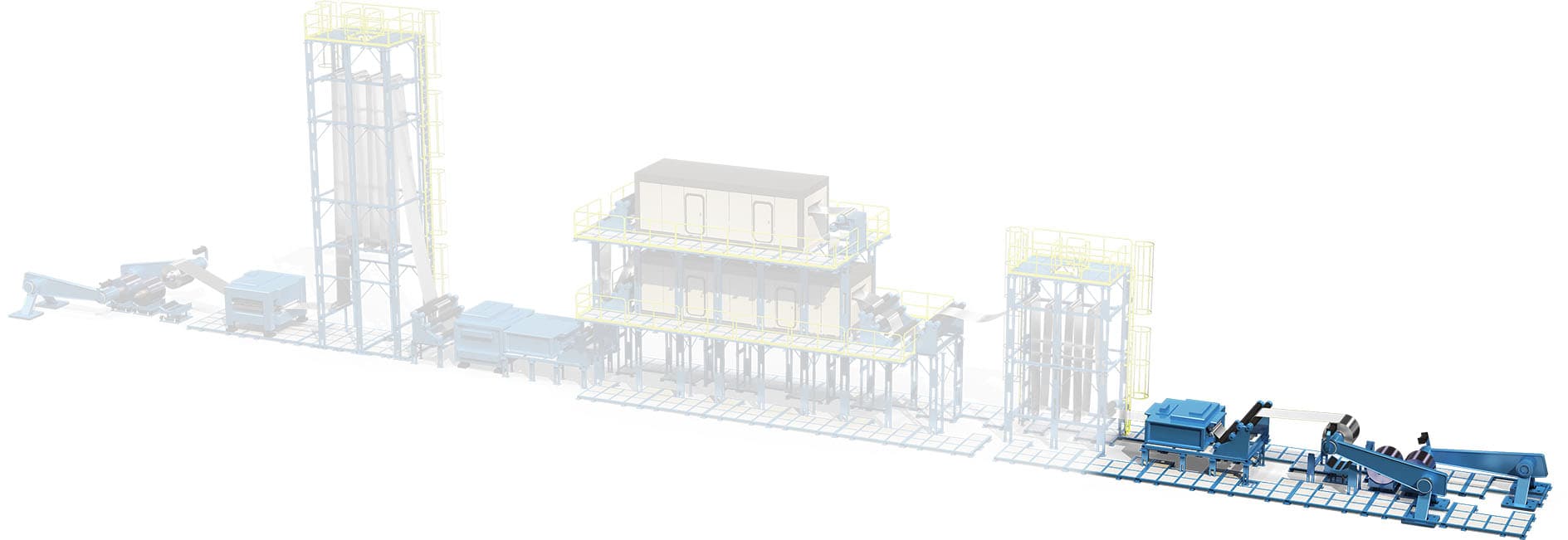
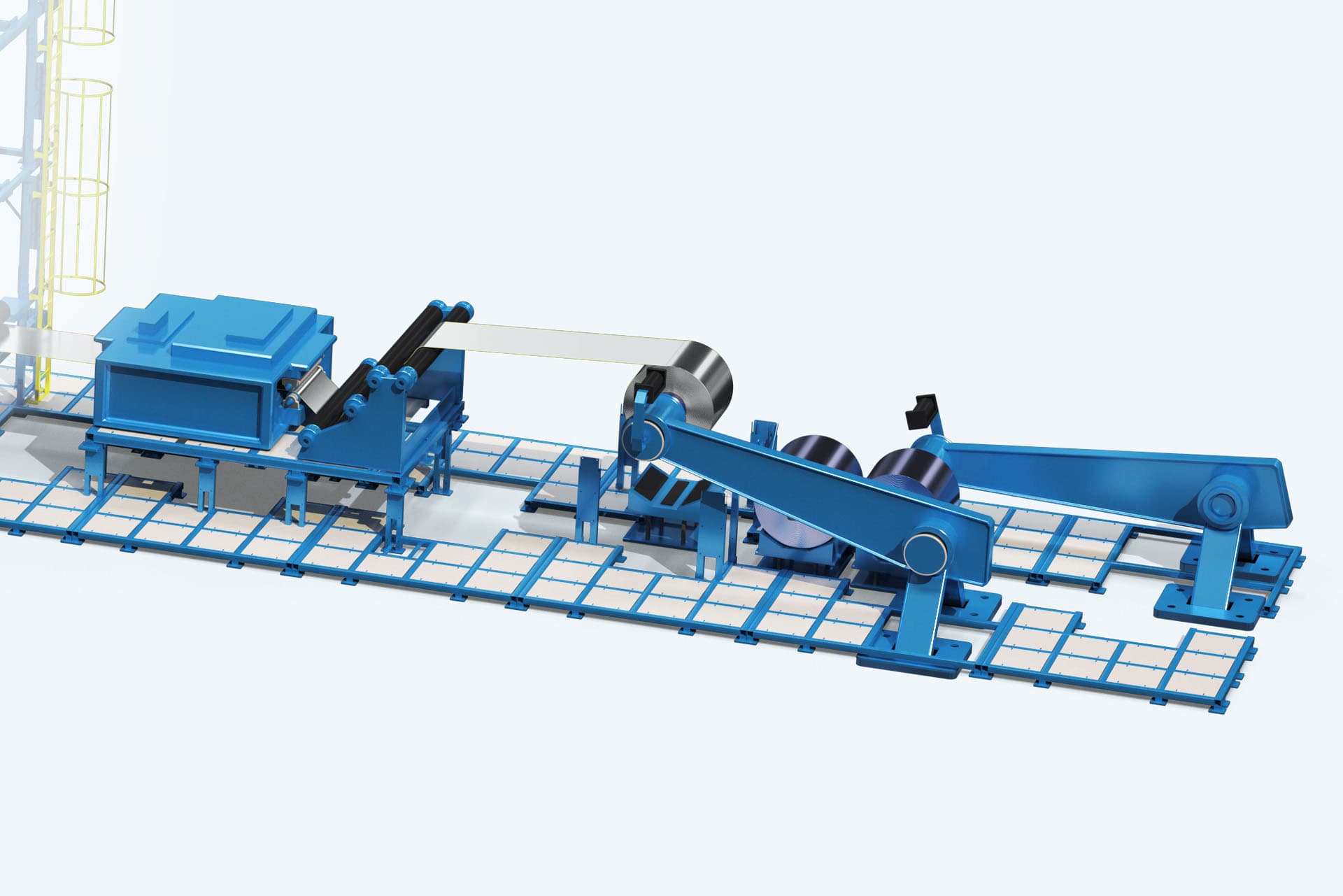
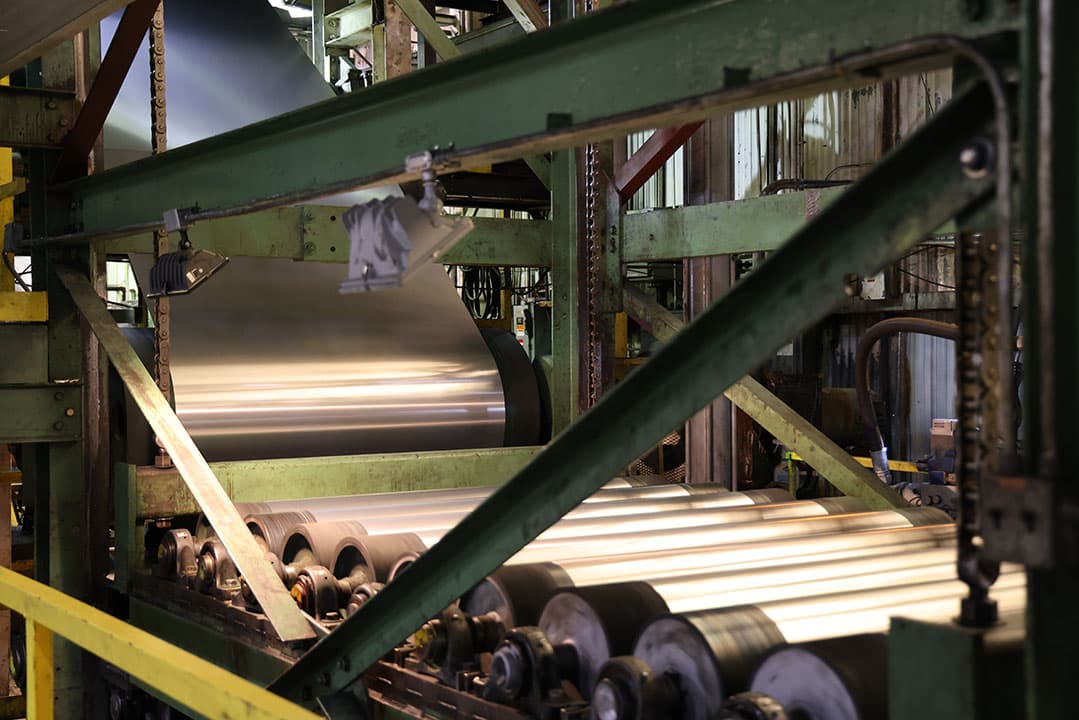
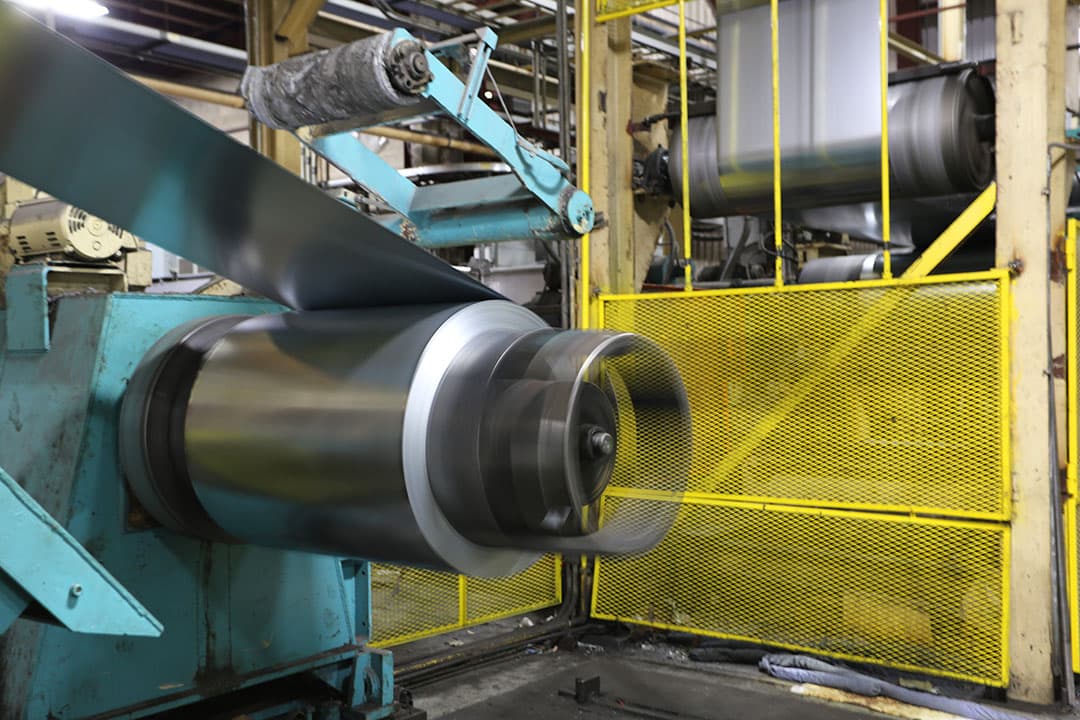
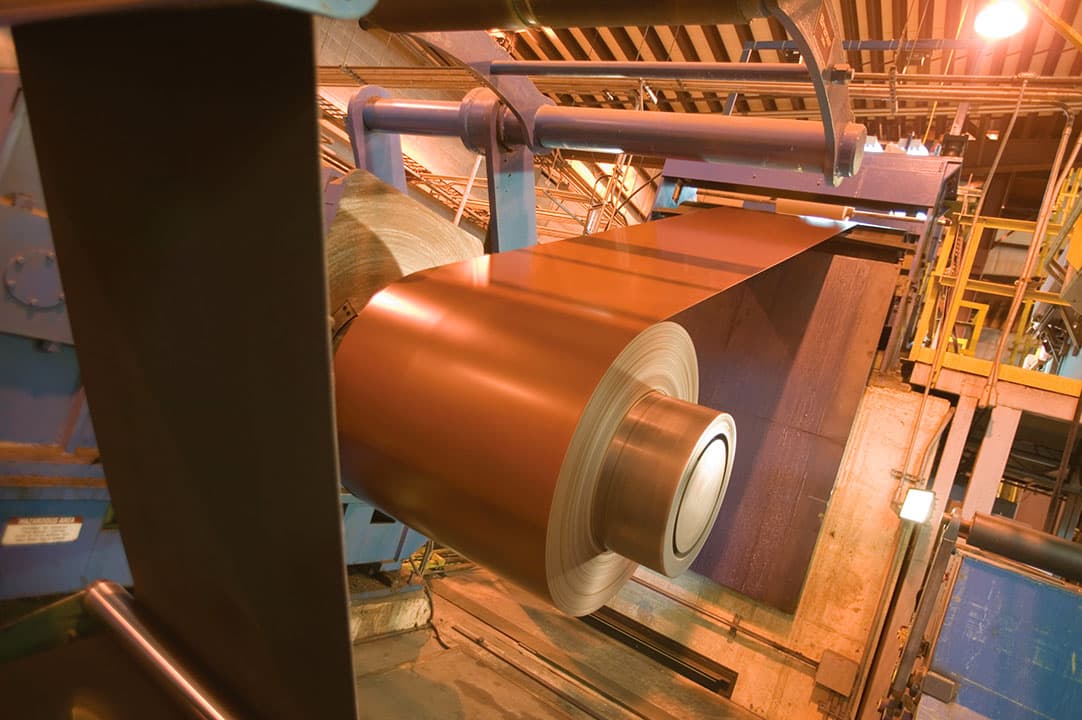
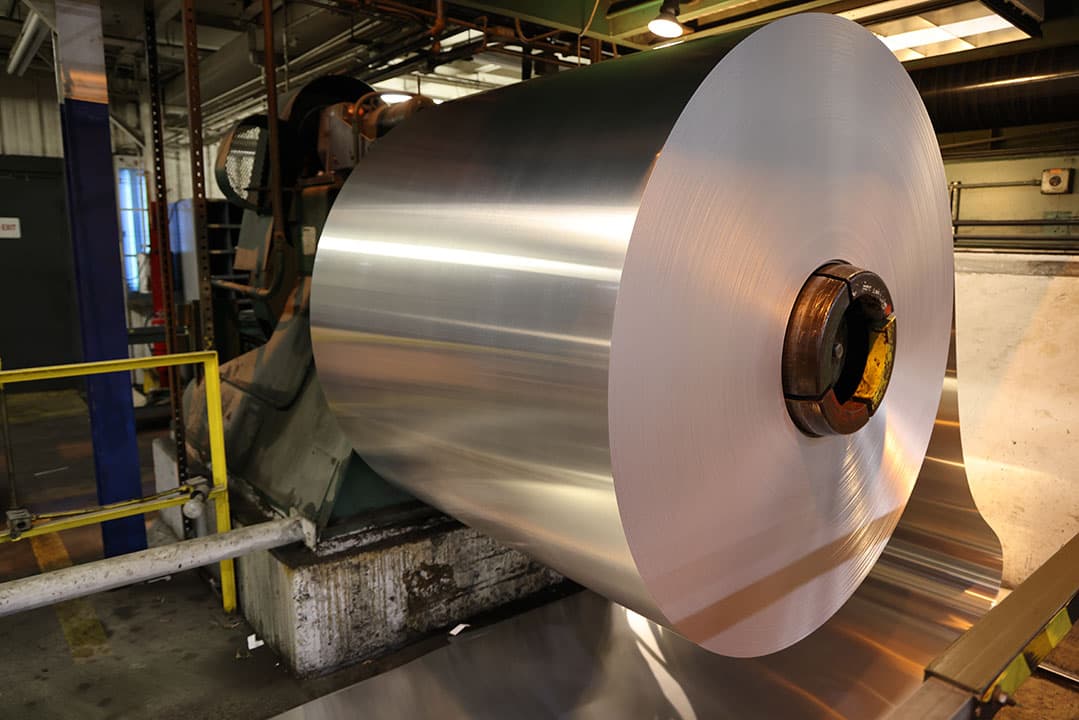
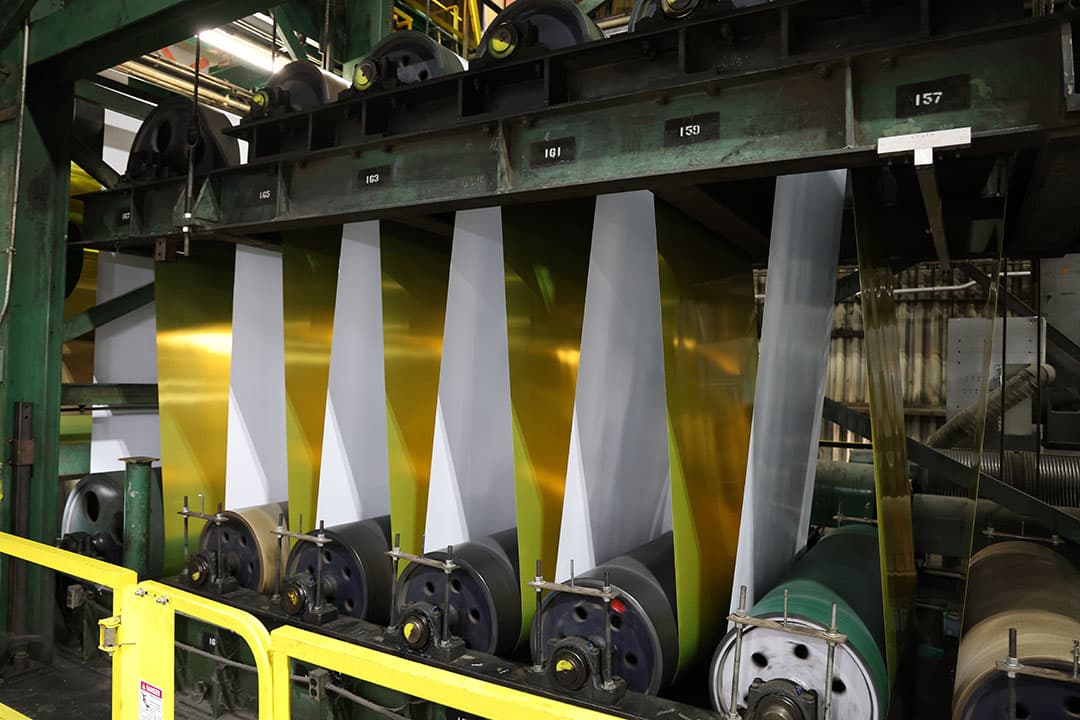
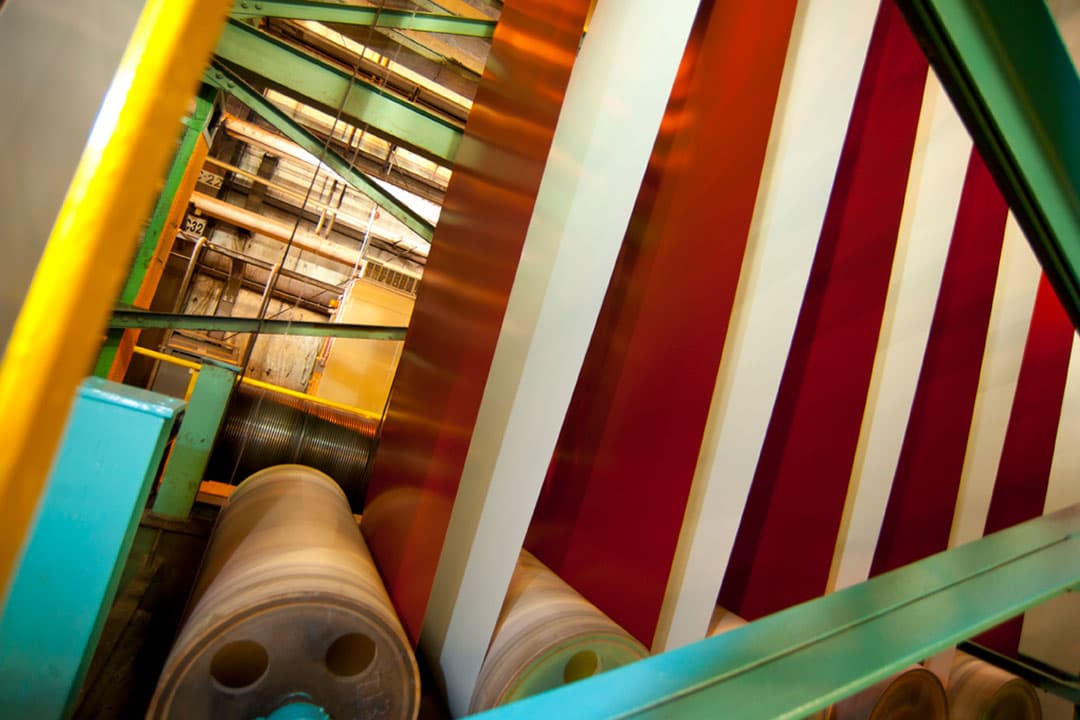
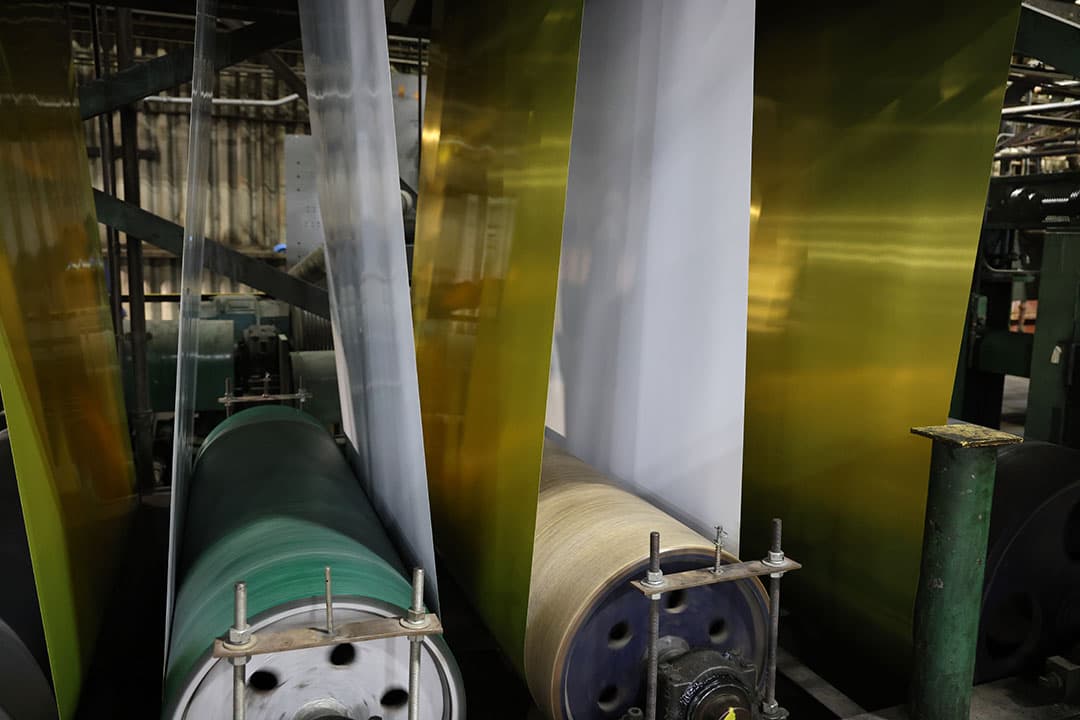
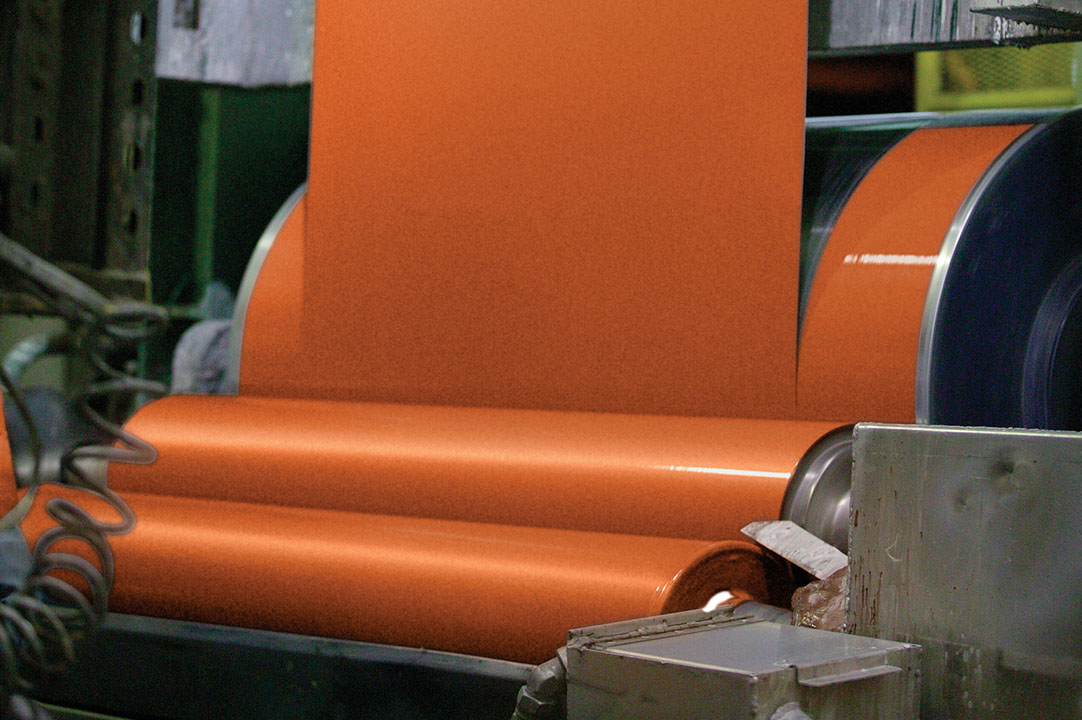
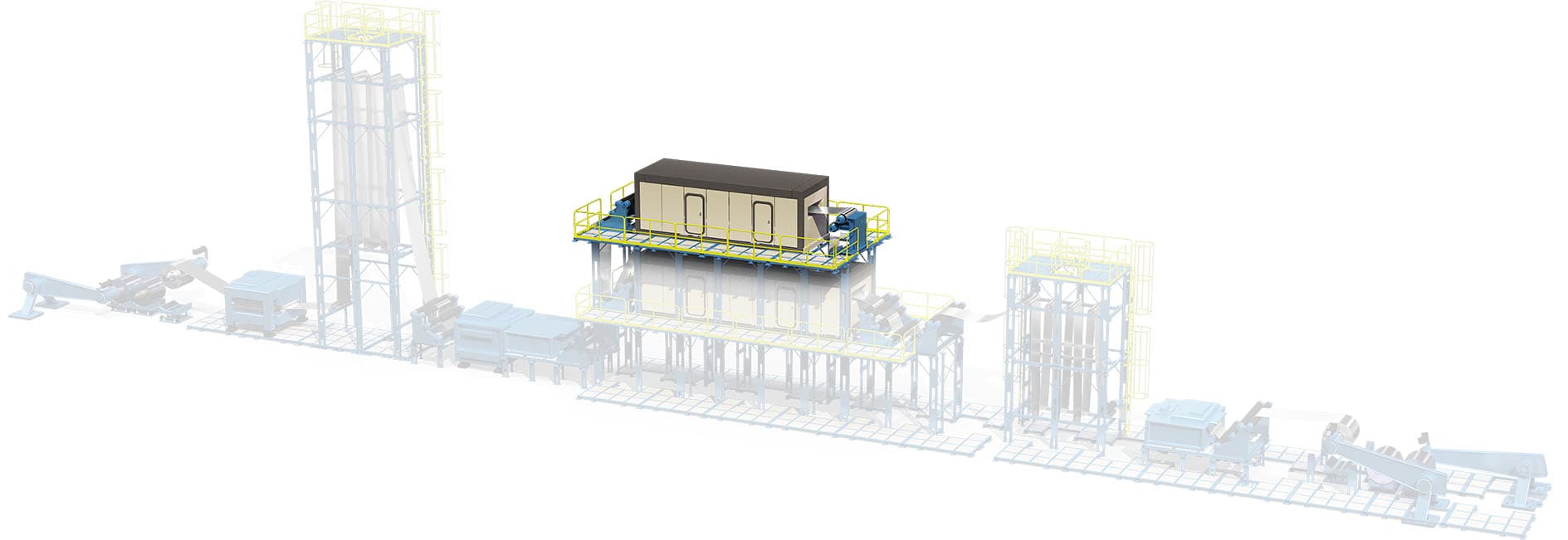
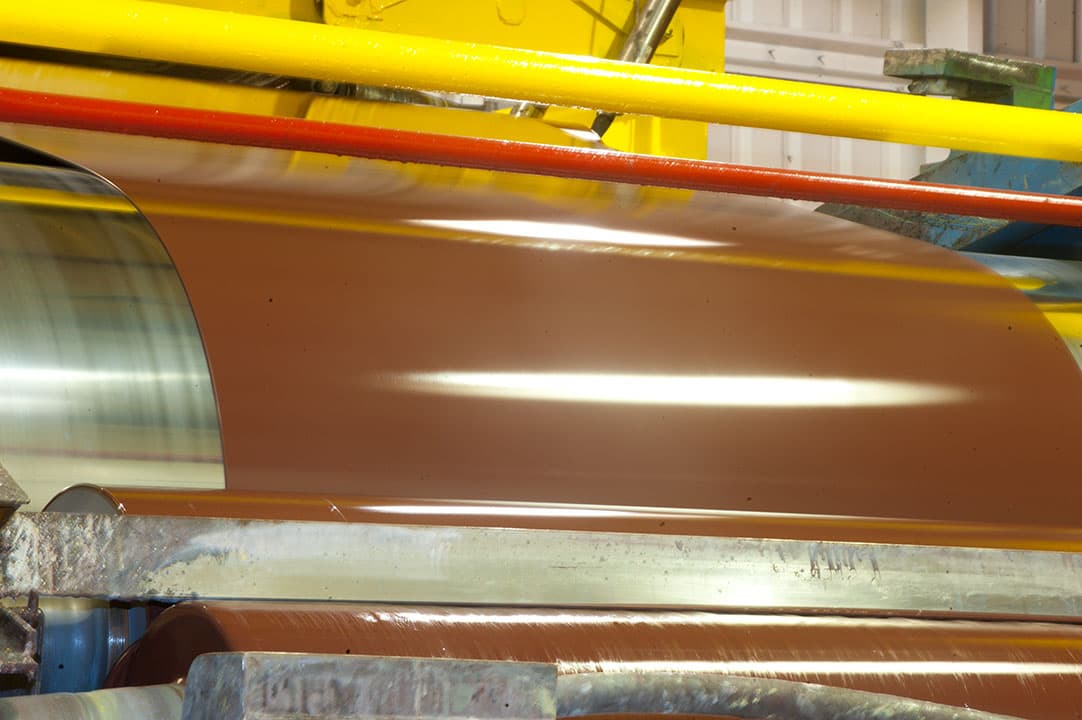
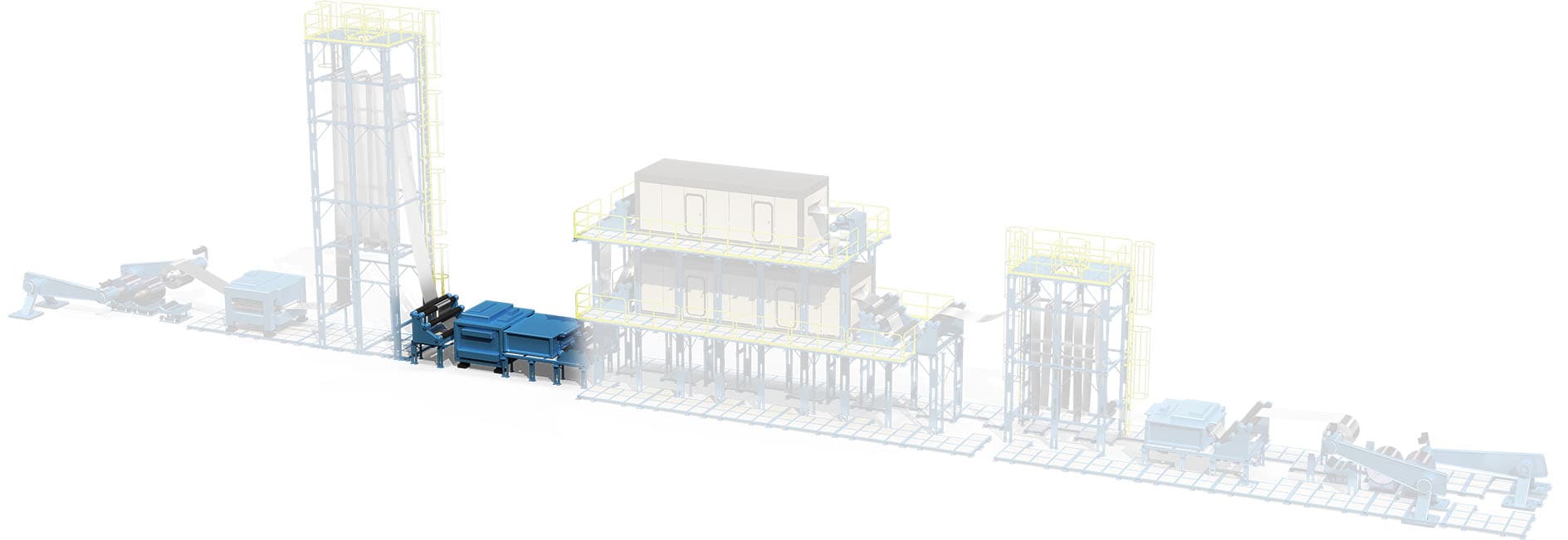
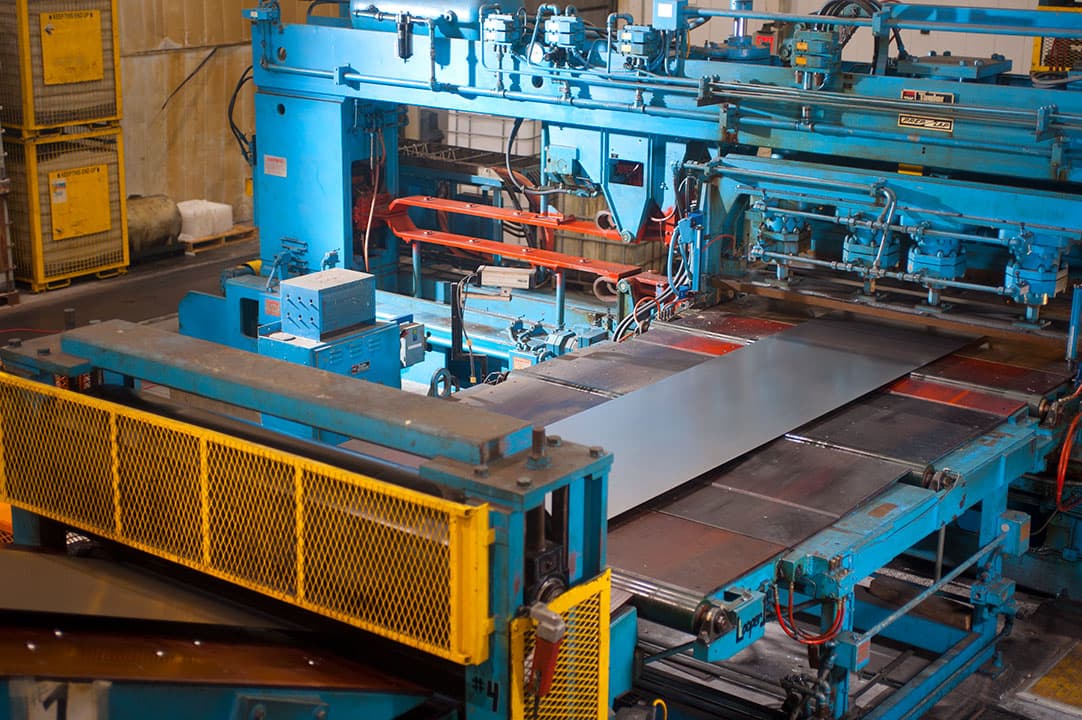
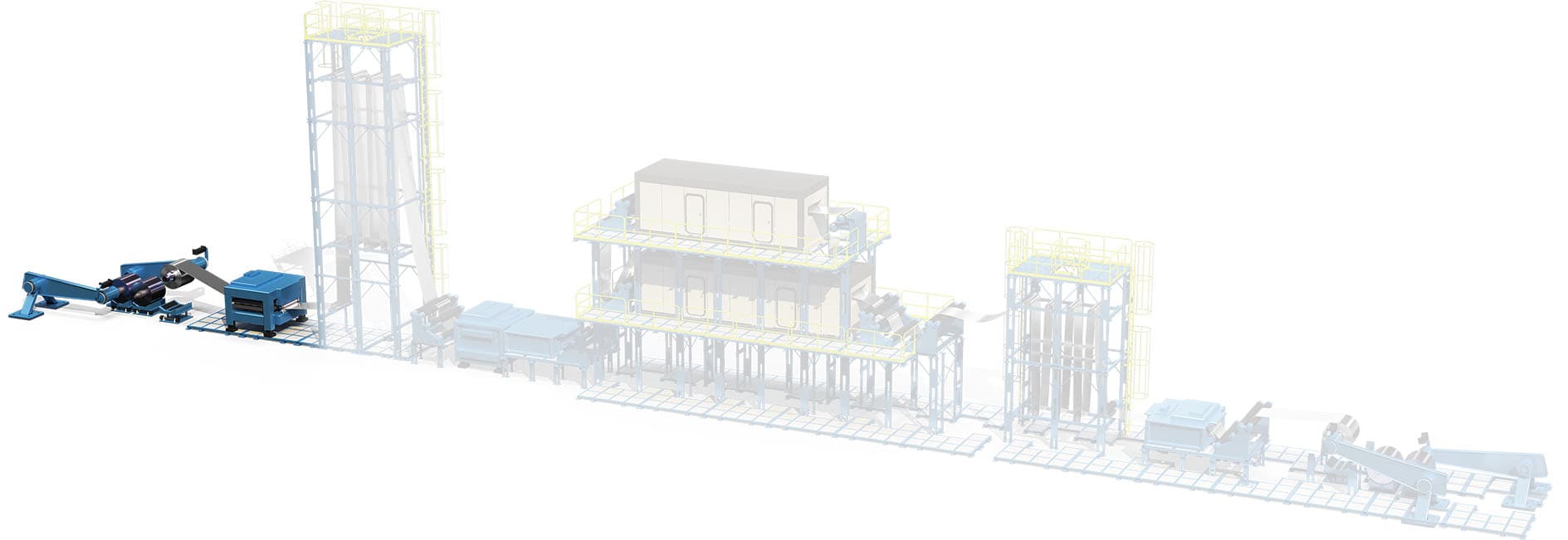
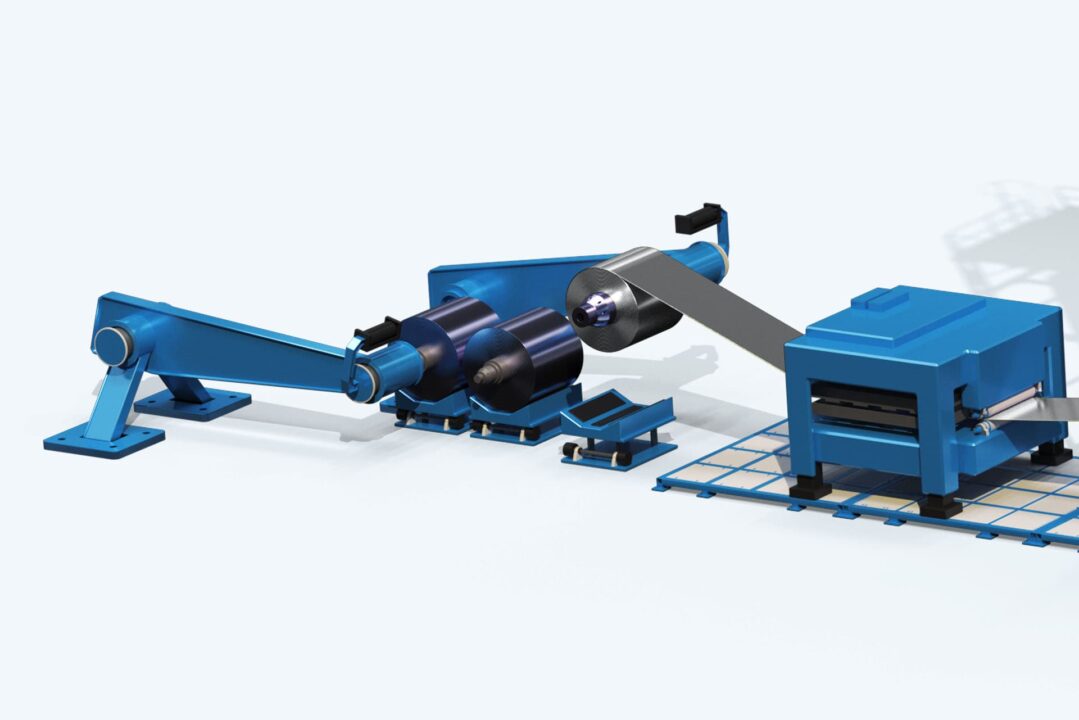
Once the metal is cleaned, treated, and painted, the strip is rewound into a coil size prescribed by the customer. From there, the coil is removed from the line and packaged for shipment or additional processing.
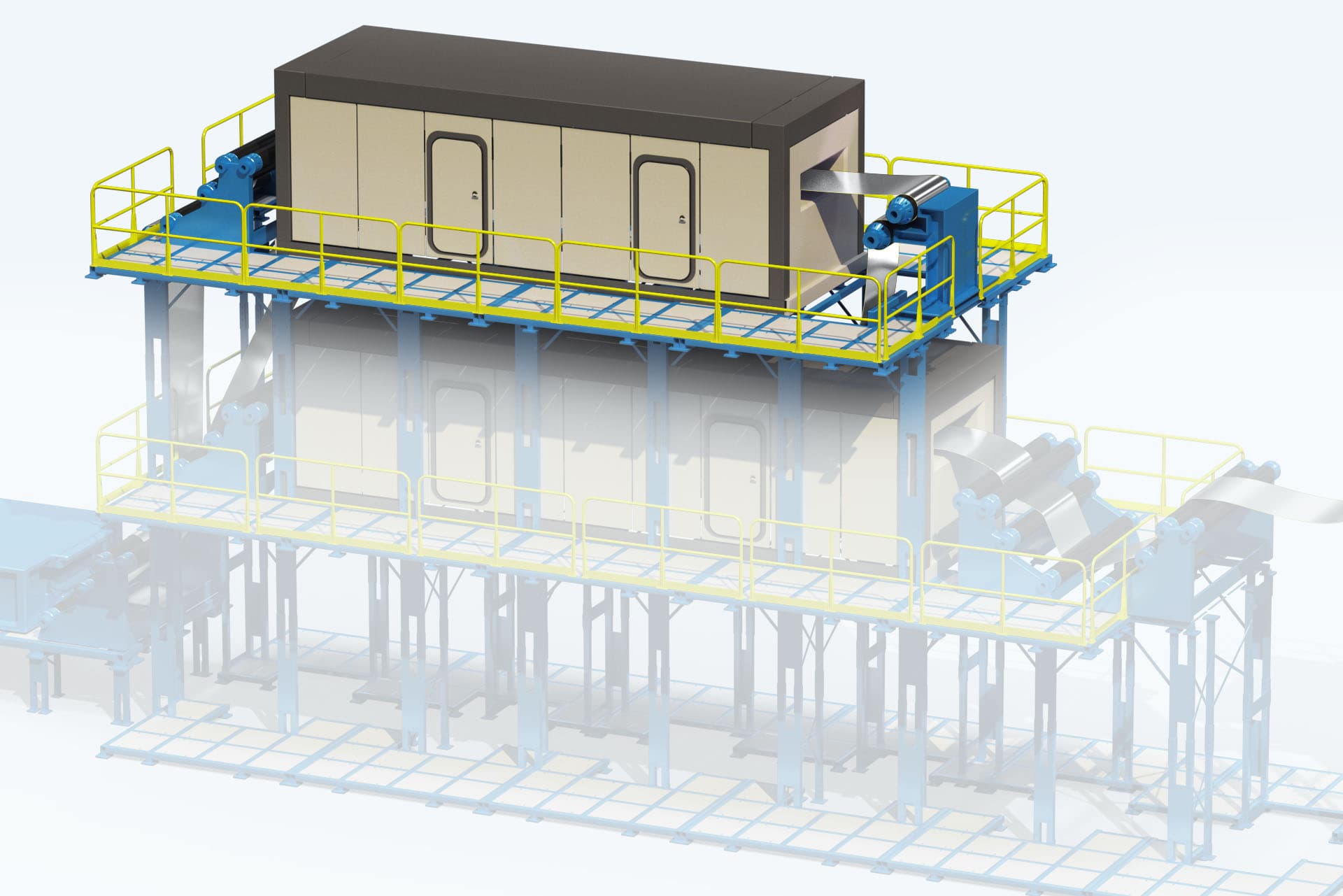
After the primer is applied and cured, then the metal strip enters the finish coat station where a topcoat is applied. Topcoats provide color, corrosion resistance, durability, flexibility and any other required physical properties. Like primers, the topcoat is cured using thermal cure ovens.
Oven
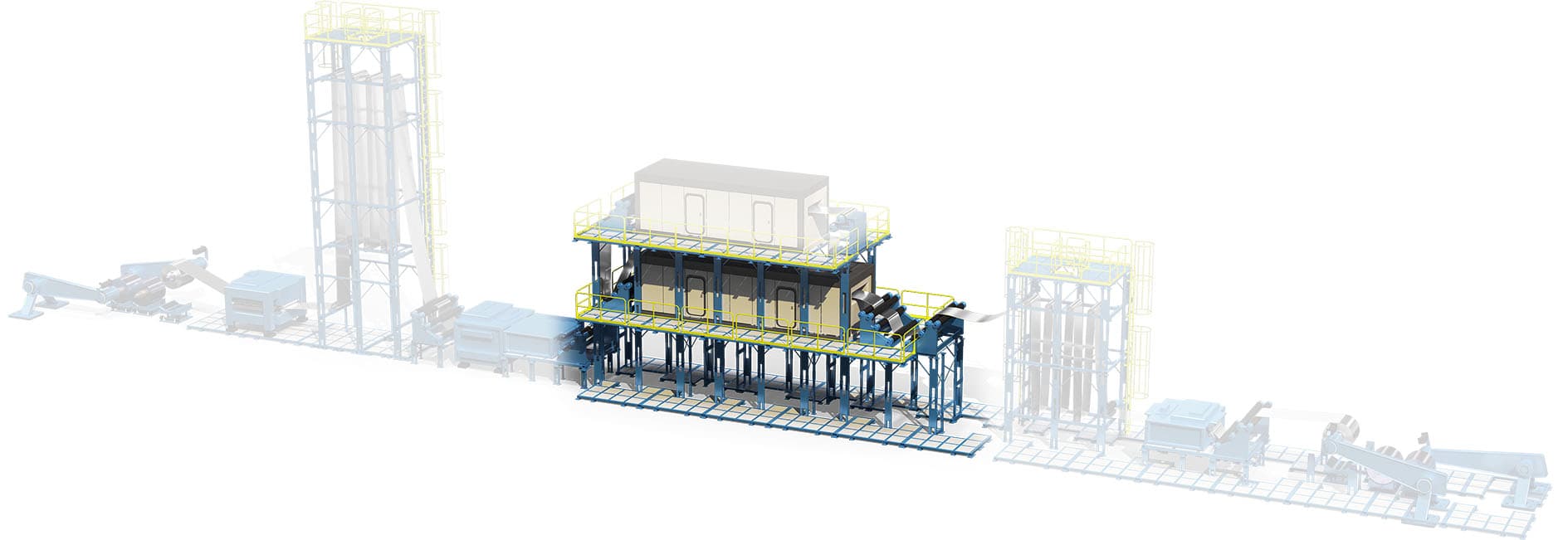
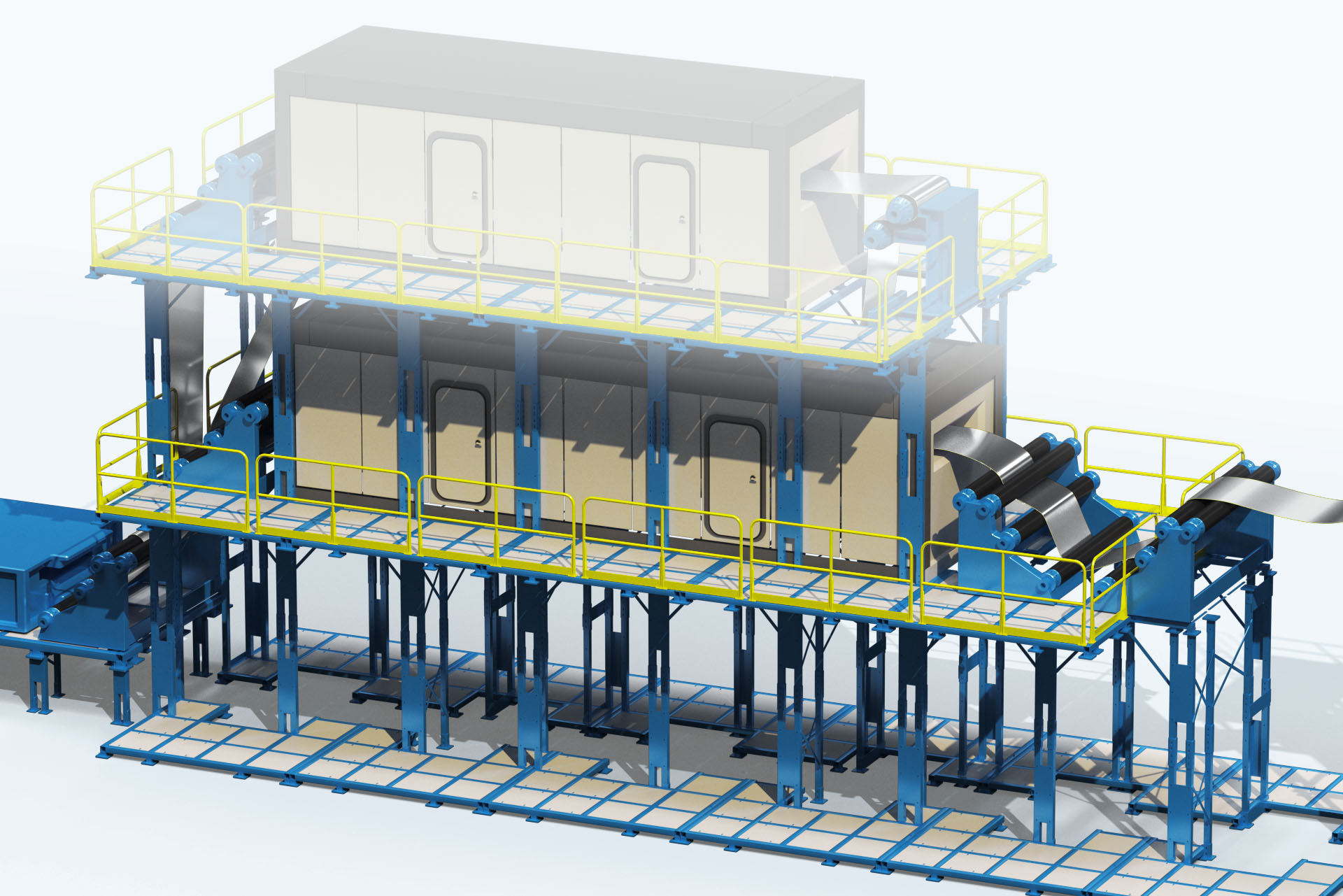
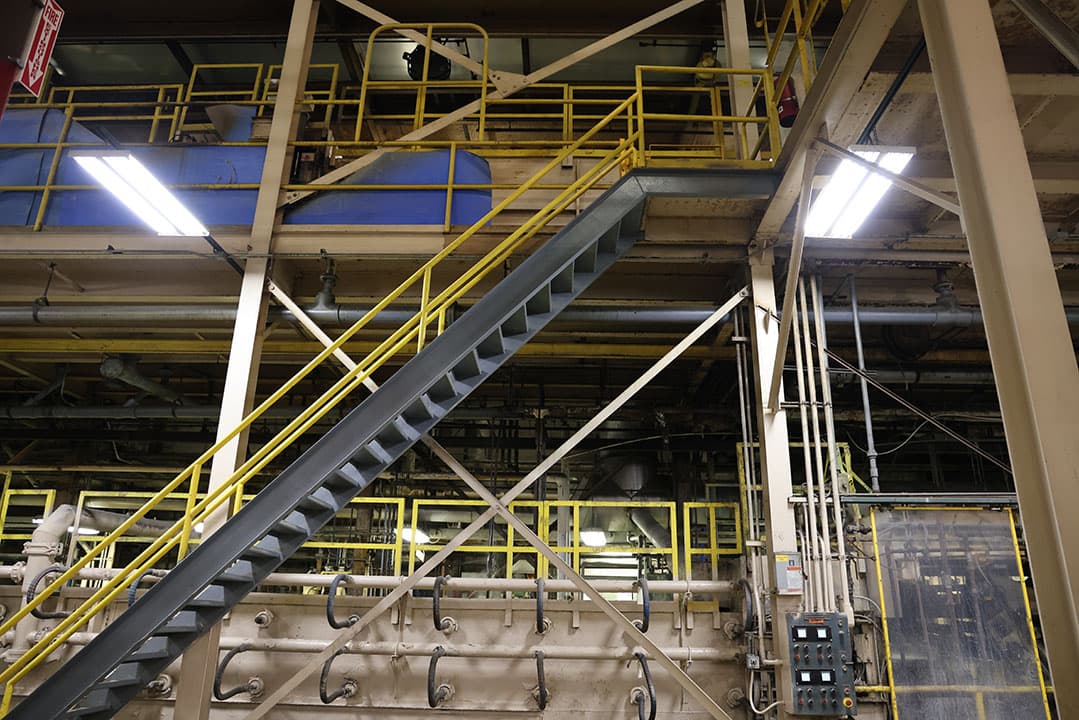
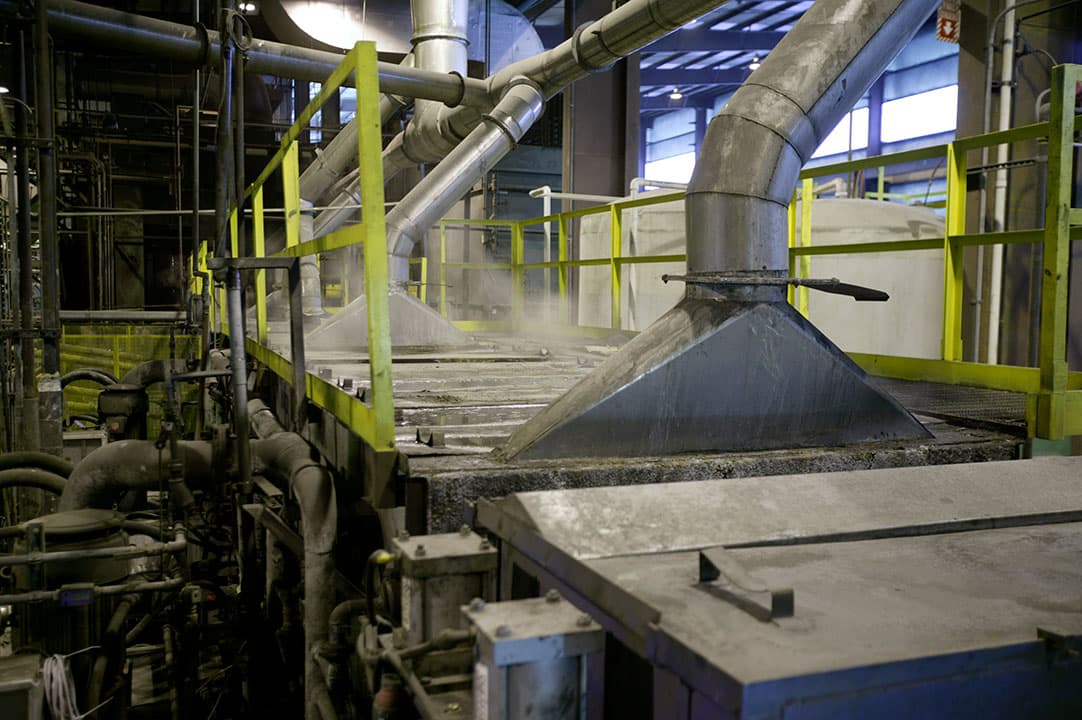
Coil coating ovens can range from 130 feet to 160 feet and will cure the coatings in 13 to 20 seconds.
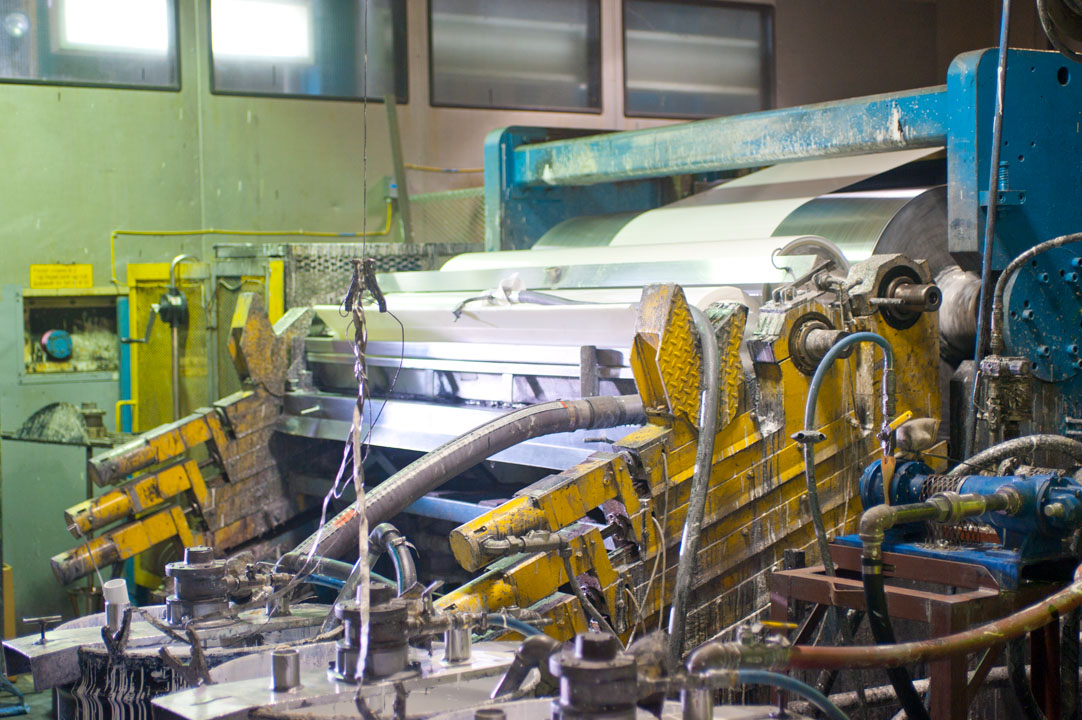
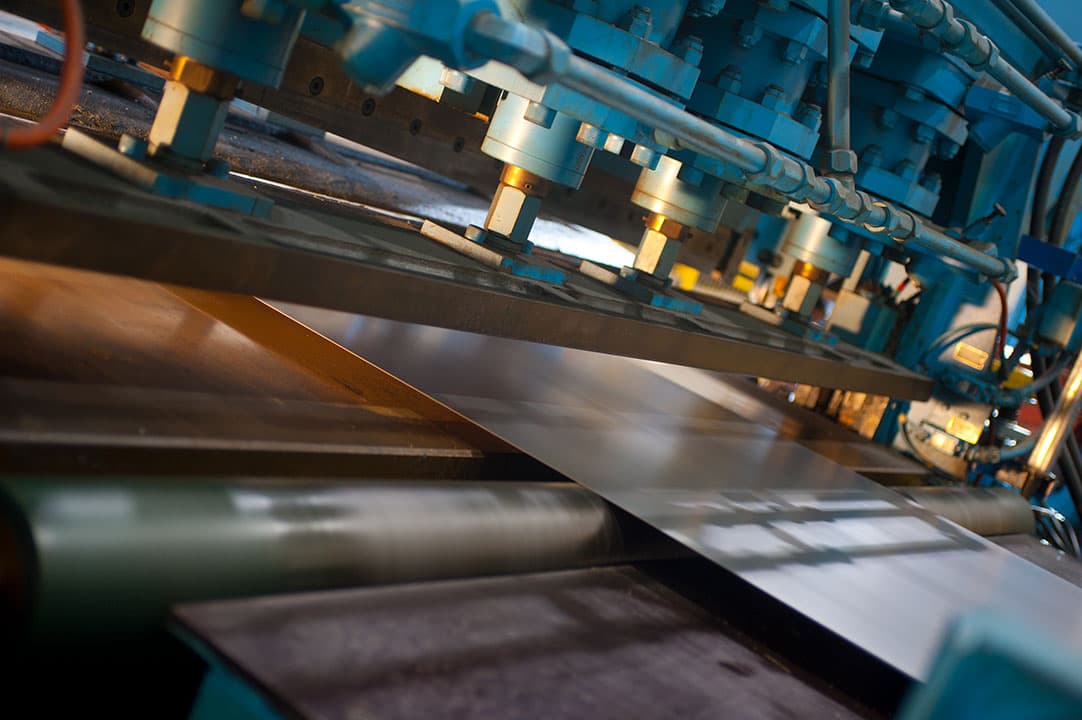
During this stage, the strip enters the prime coat station whereby a primer is applied to the clean and treated metal. After the primer is applied, the metal strip travels through a thermal oven for curing. Primers are used to aid in paint adhesion, improve corrosion performance and enhance aesthetic and functional attributes of the topcoat.
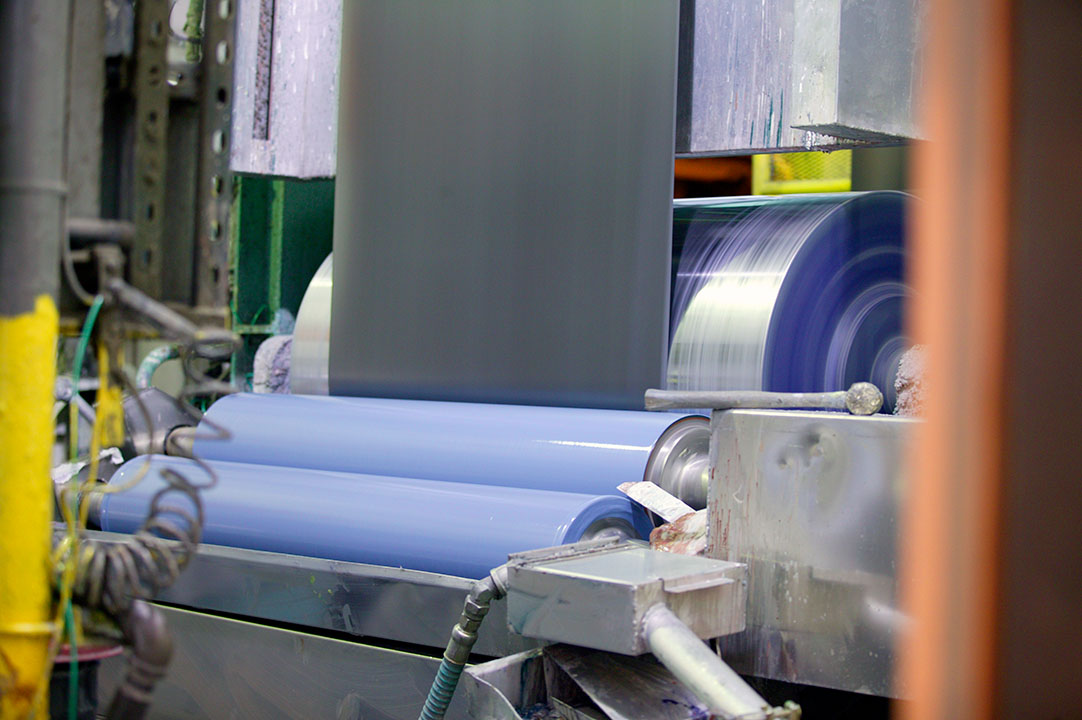
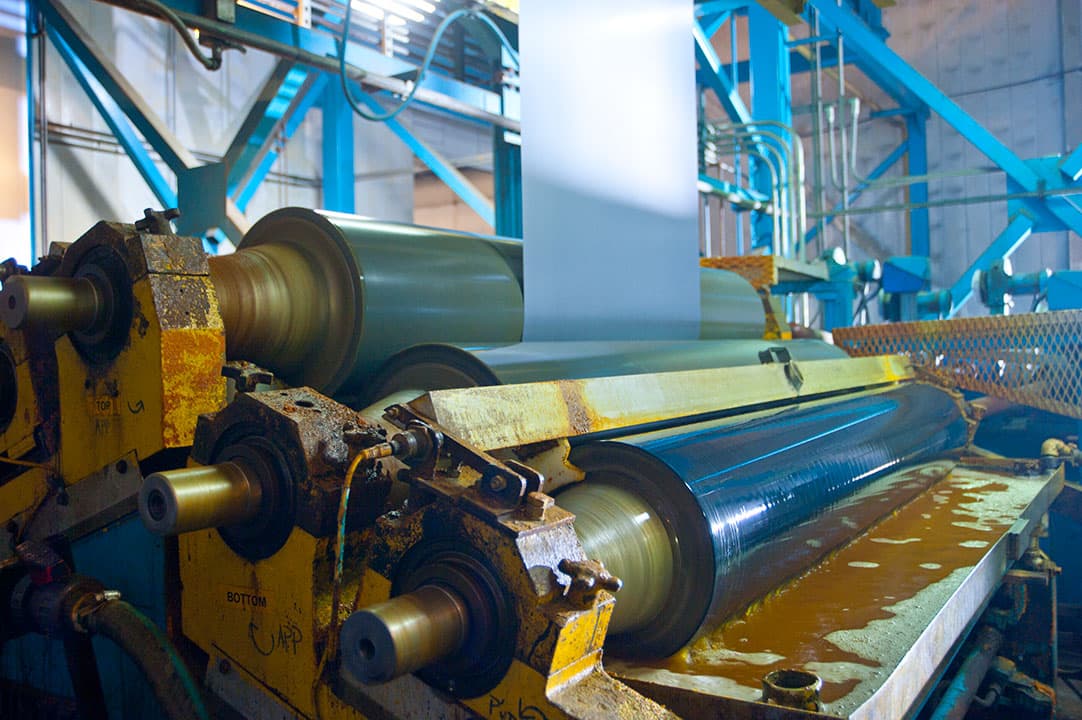
S Wrap Coater
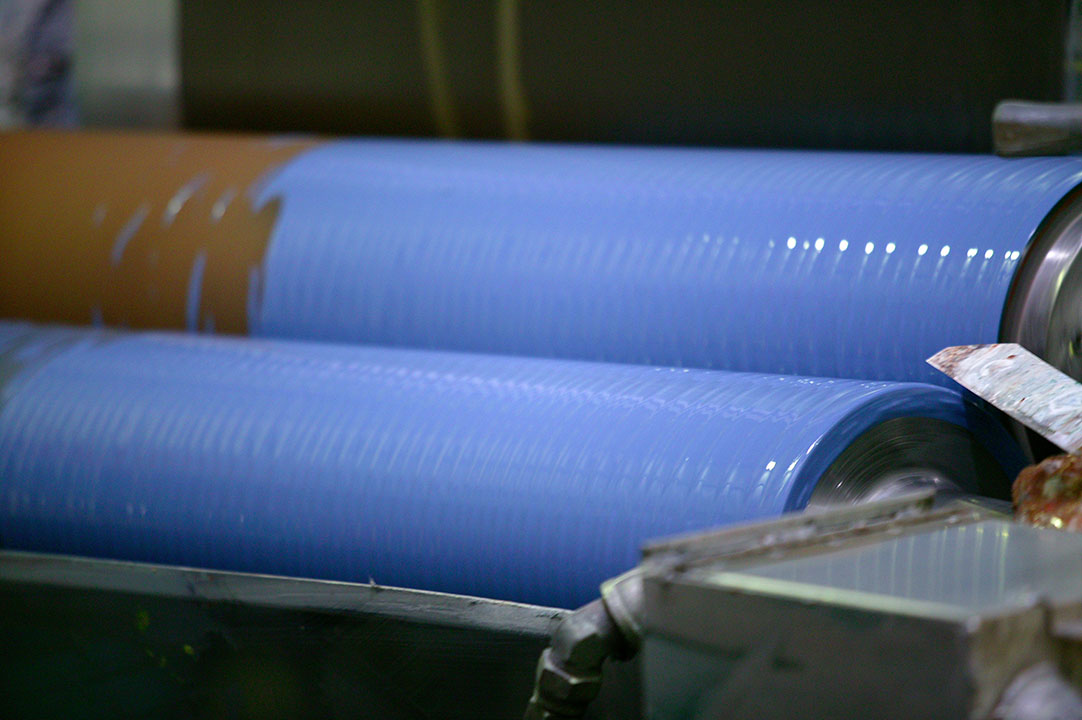
The S wrap coater design allows for primers and paints to be applied to the top and back side of the metal strip simultaneously in one continuous pass.
The cleaning and pretreating section of the coil coating process focuses on preparing the metal for painting. During the cleaning stage, dirt, debris, and oils are removed from the metal strip. From there, the metal enters the pretreatment section and/or a chemical coater whereby chemicals are applied to facilitate paint adhesion and enhance corrosion resistance.
Dried-In-Place
In this stage a chemical that provides enhanced corrosion performance is applied. This treatment can be chrome free if required.
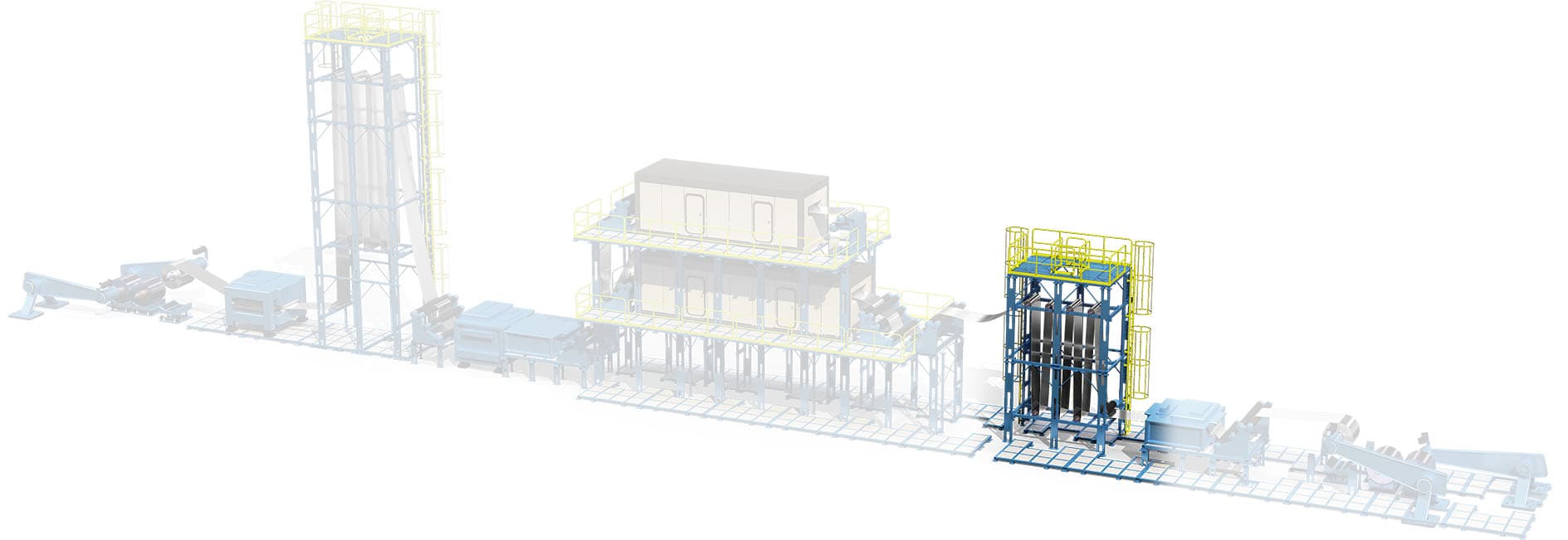
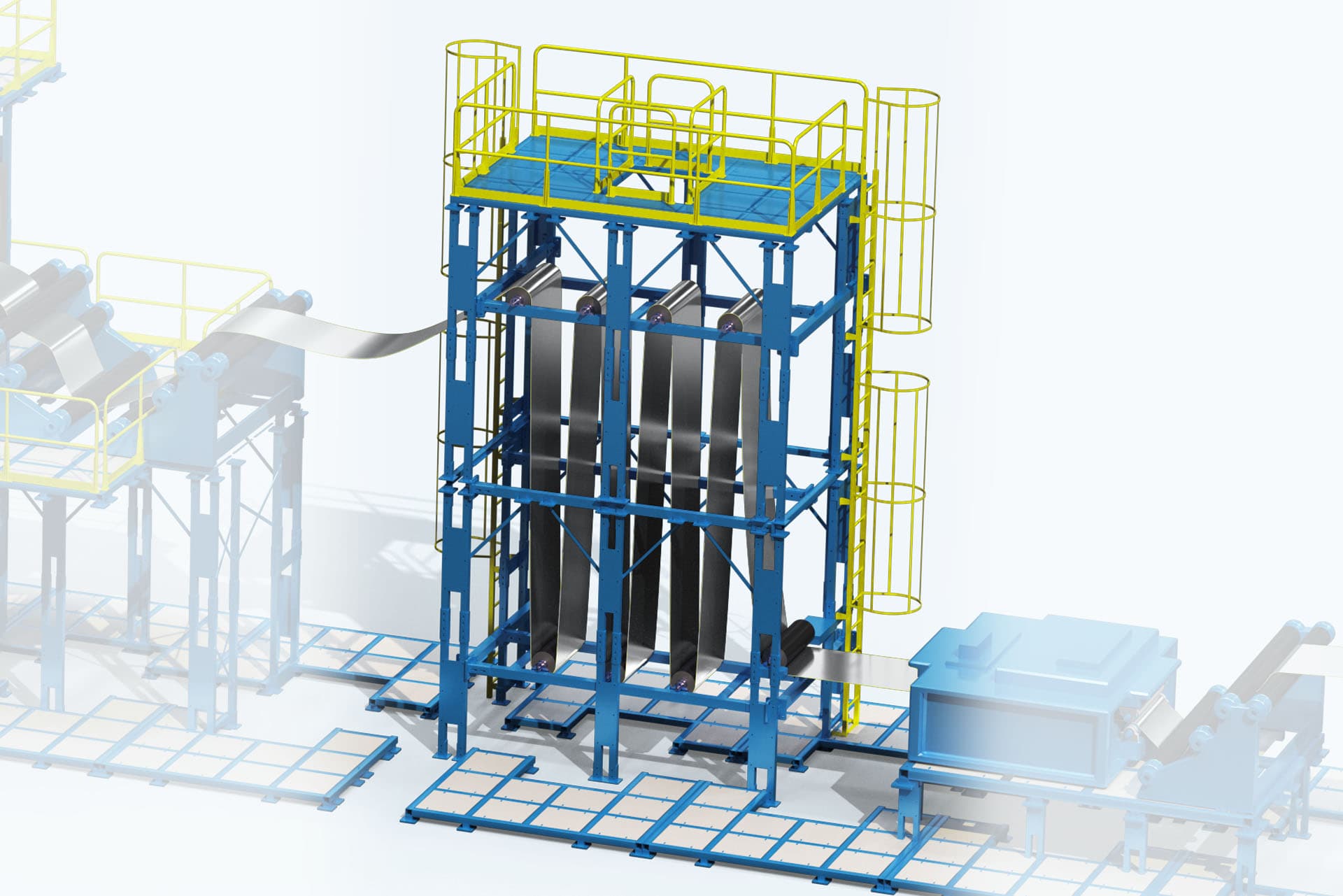
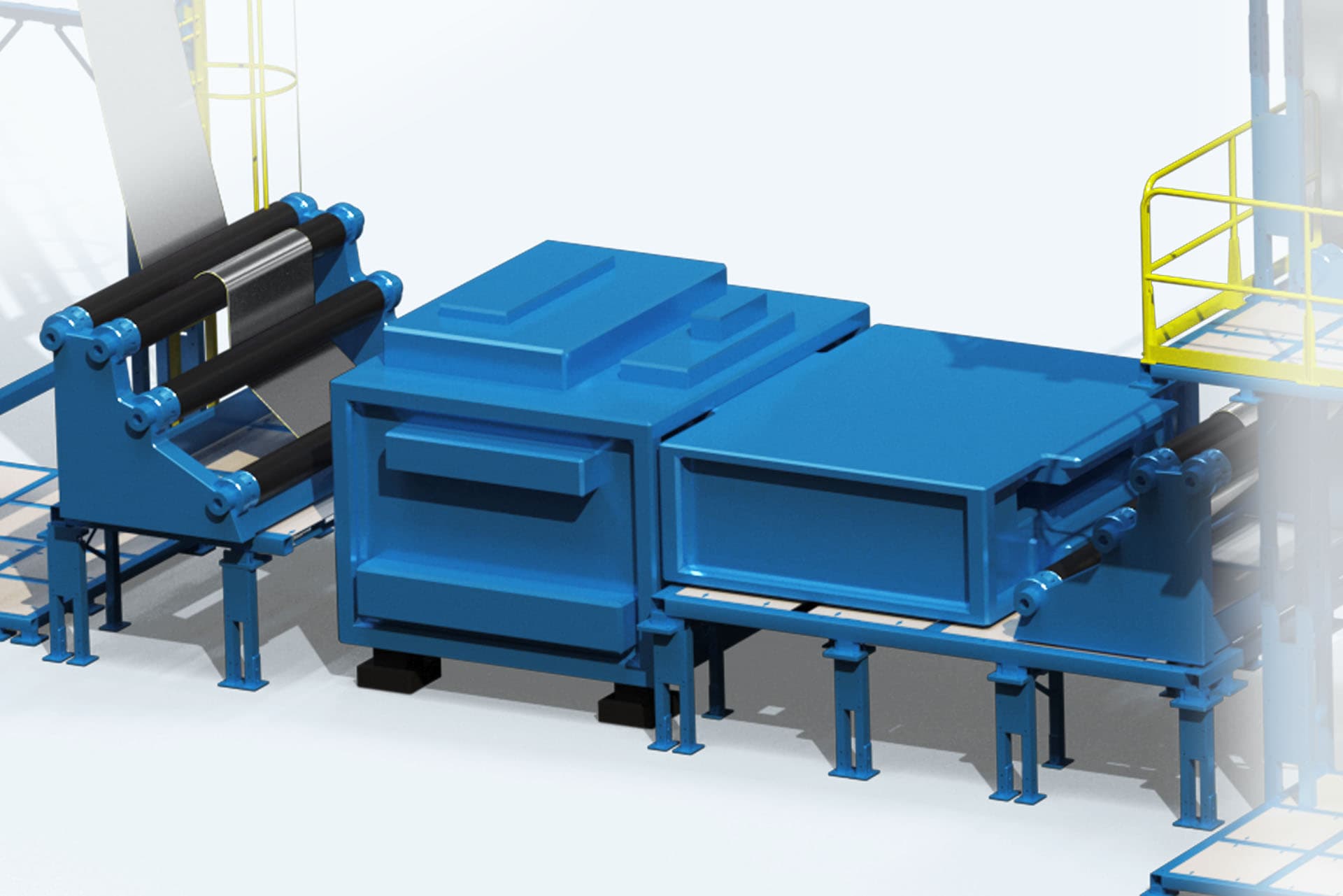
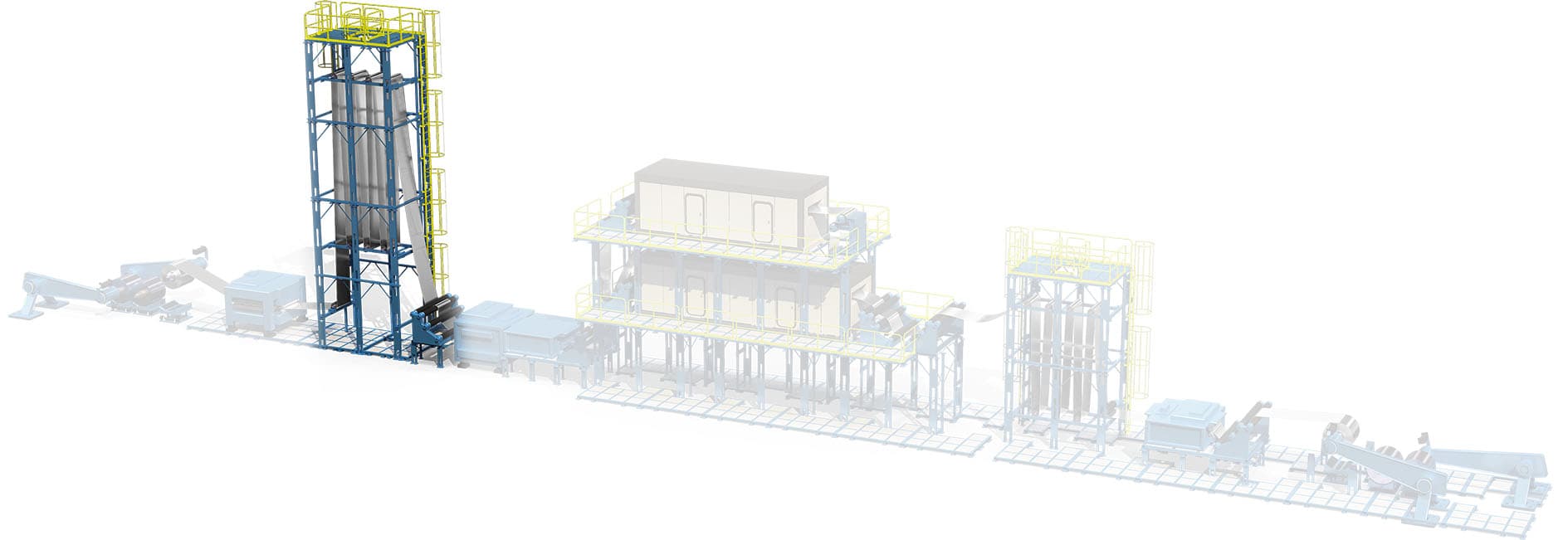
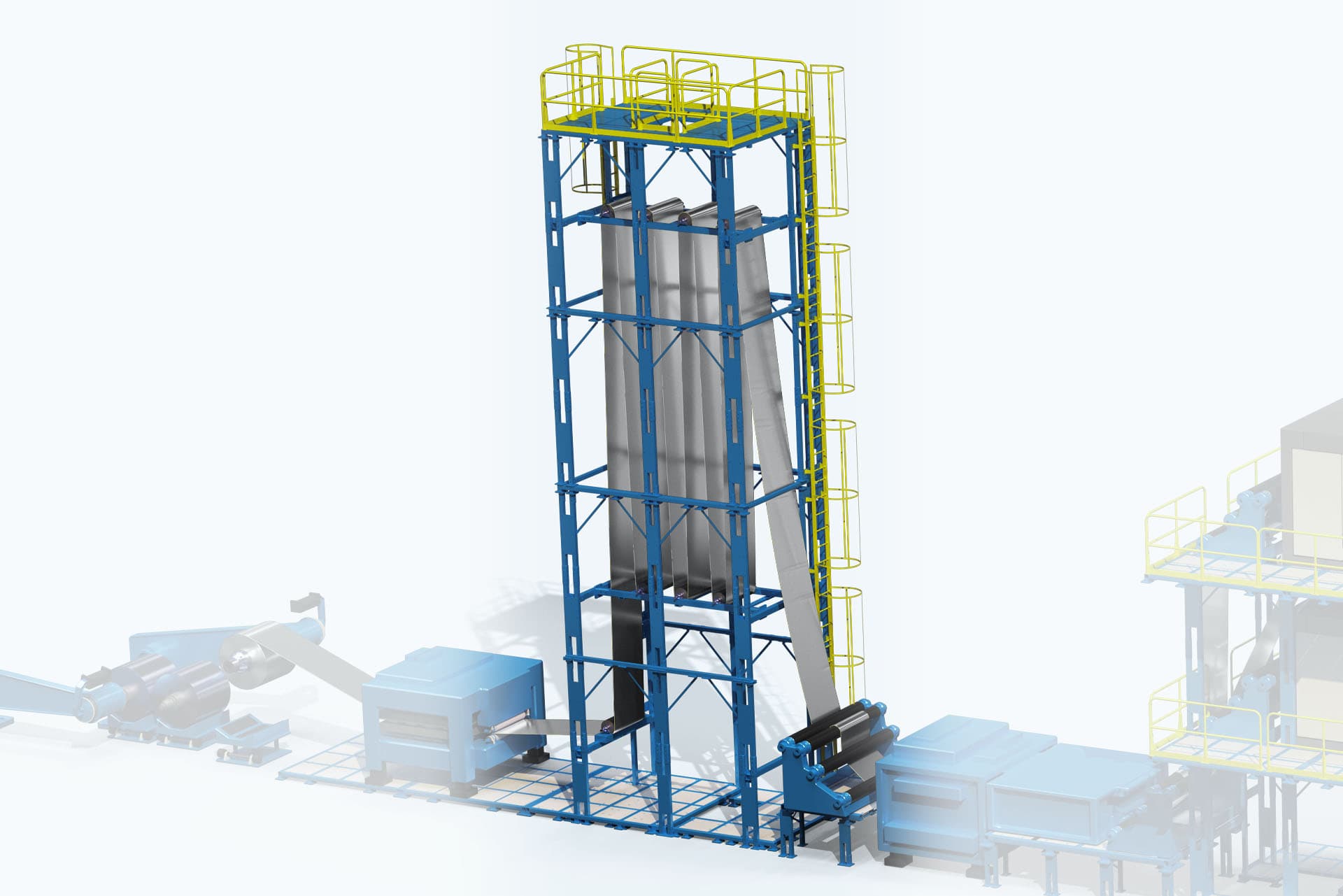
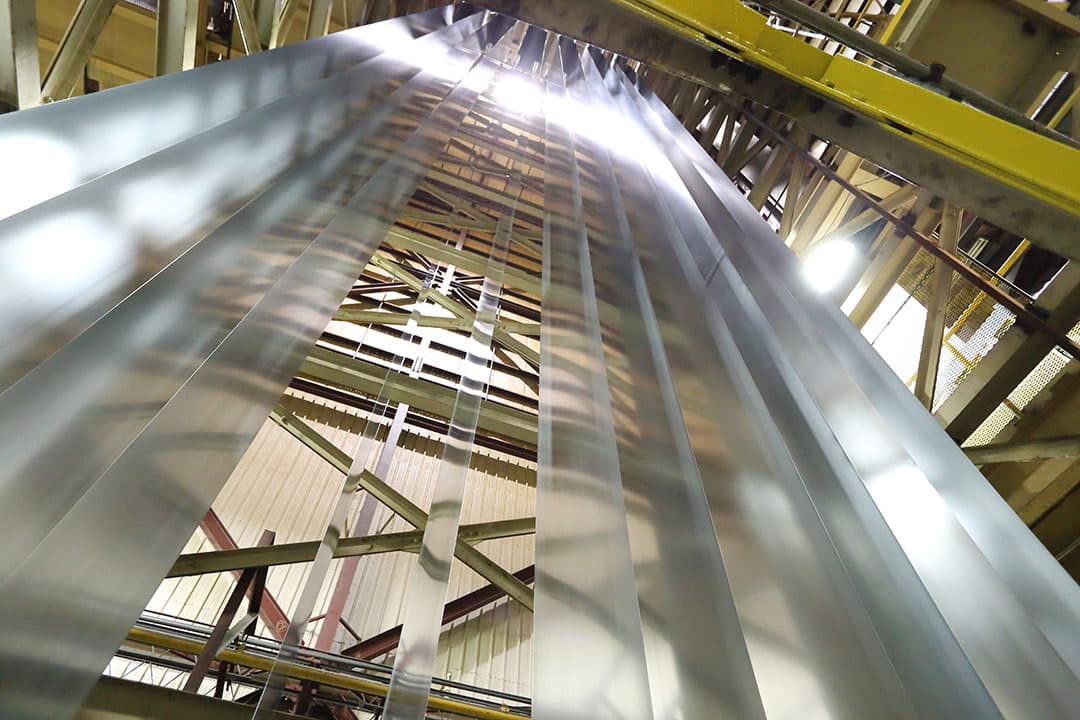
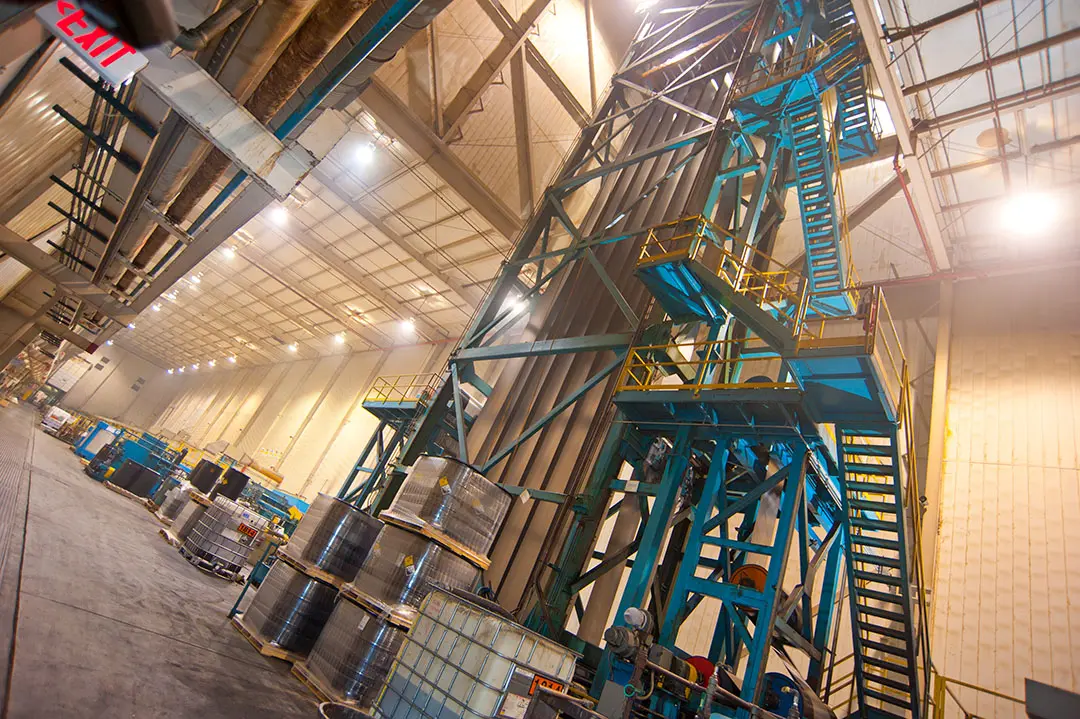
The accumulator is a structure that adjusts up and down to store material, which makes continuous operation of the coil coating process possible. This accumulation will continue to feed the coil coating processes while the entry end has stopped for the stitching process. As much as 750 feet of metal can be collected.
The beauty of the Churchill Downs is nothing short of breathtaking. Steeped in over a century of racing history, this iconic venue exudes an aura of grandeur and prestige.
The sight of the towering twin spires against the backdrop of the sprawling racetrack is awe-inspiring, encapsulating the essence of equine excellence and human achievement. As the home of the world-famous Kentucky Derby, the atmosphere on race day is electrifying, as thousands gather to witness the sheer athleticism and grace of both horse and jockey.
Beyond its sporting significance, Churchill Downs stands as a symbol of tradition, camaraderie, and the enduring passion for horse racing that has transcended generations. Its timeless allure and magnetic charm make it an unrivaled treasure in the world of sports, leaving an indelible mark on all who have the privilege to experience its splendor.
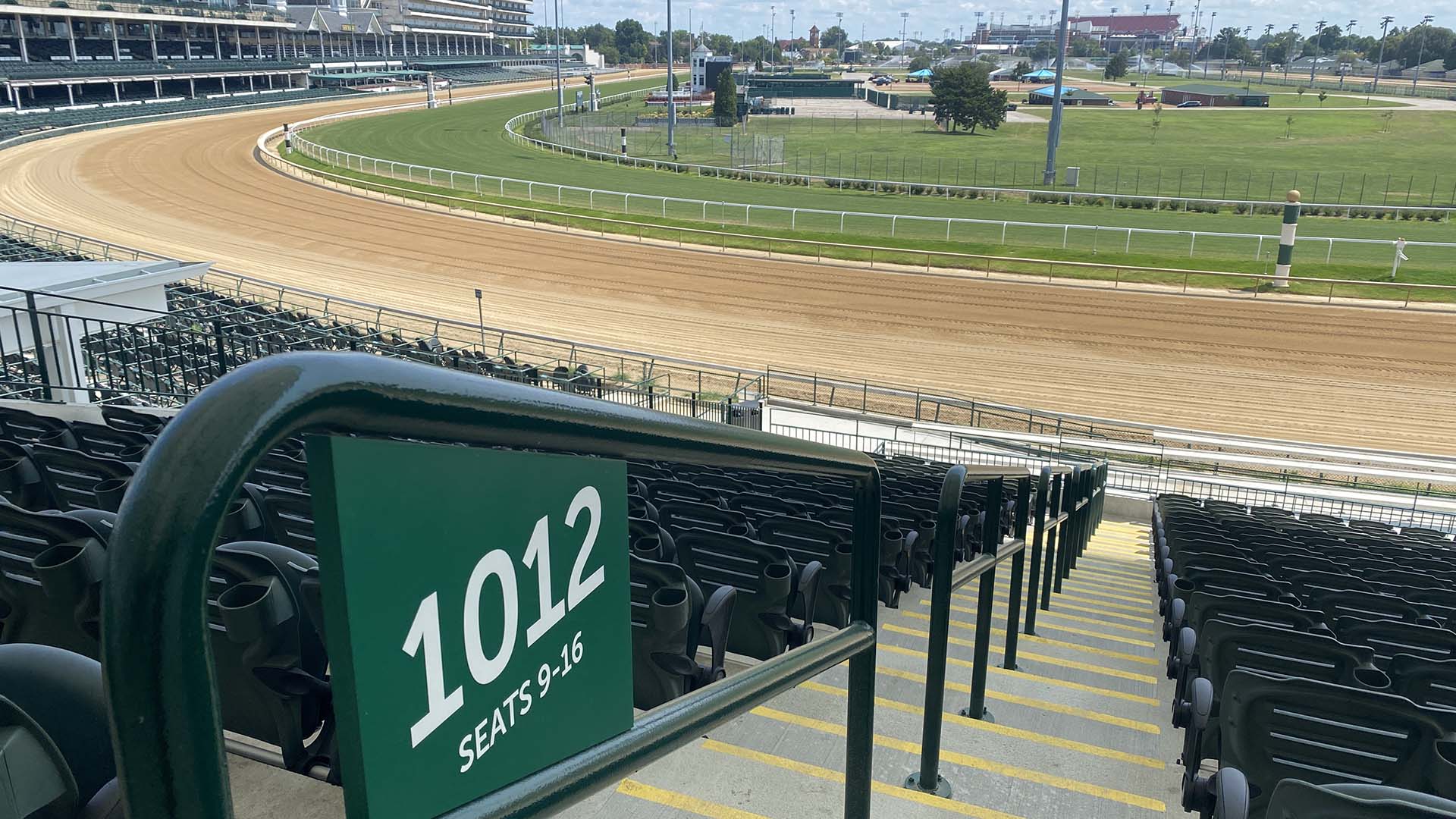
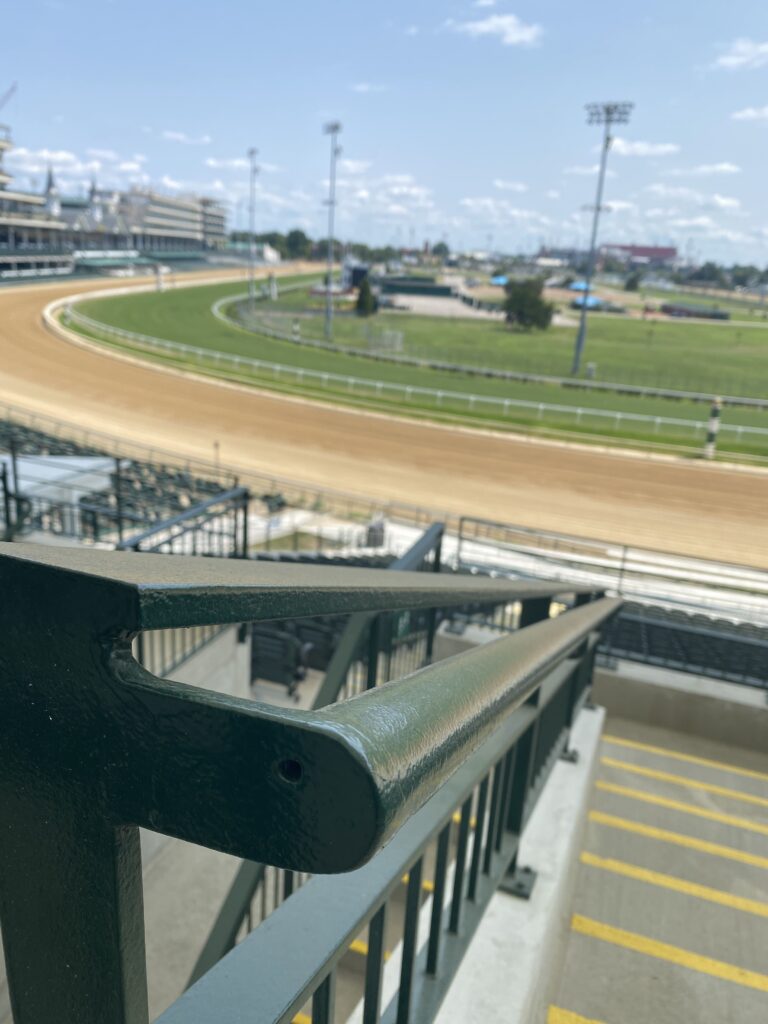
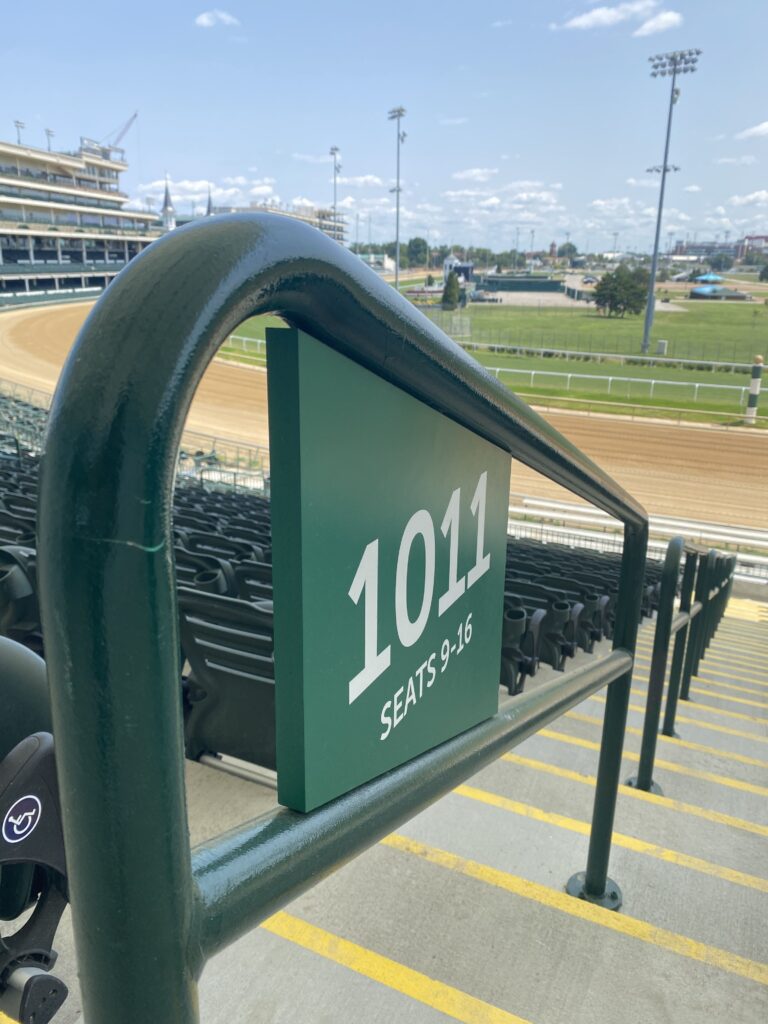
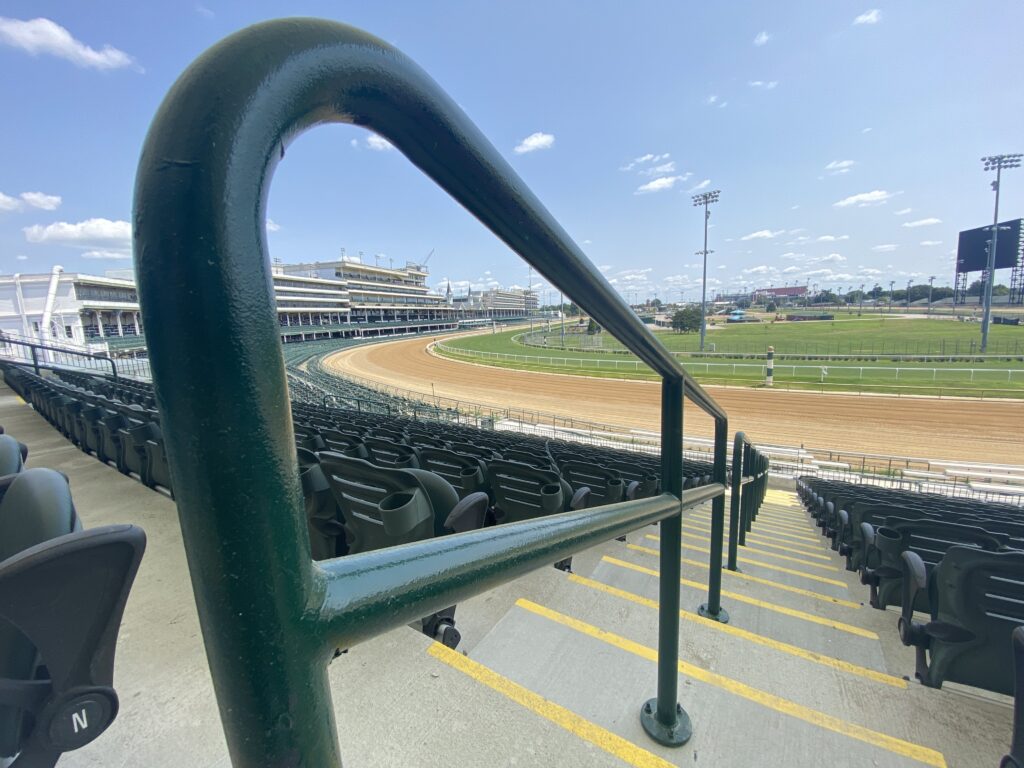
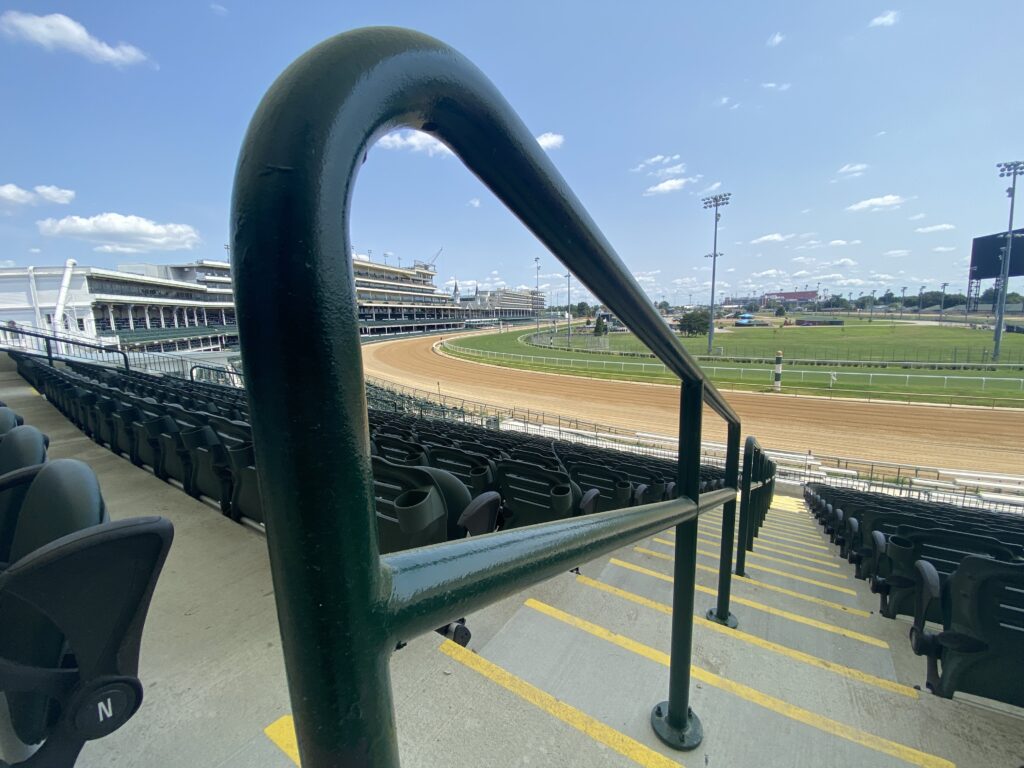
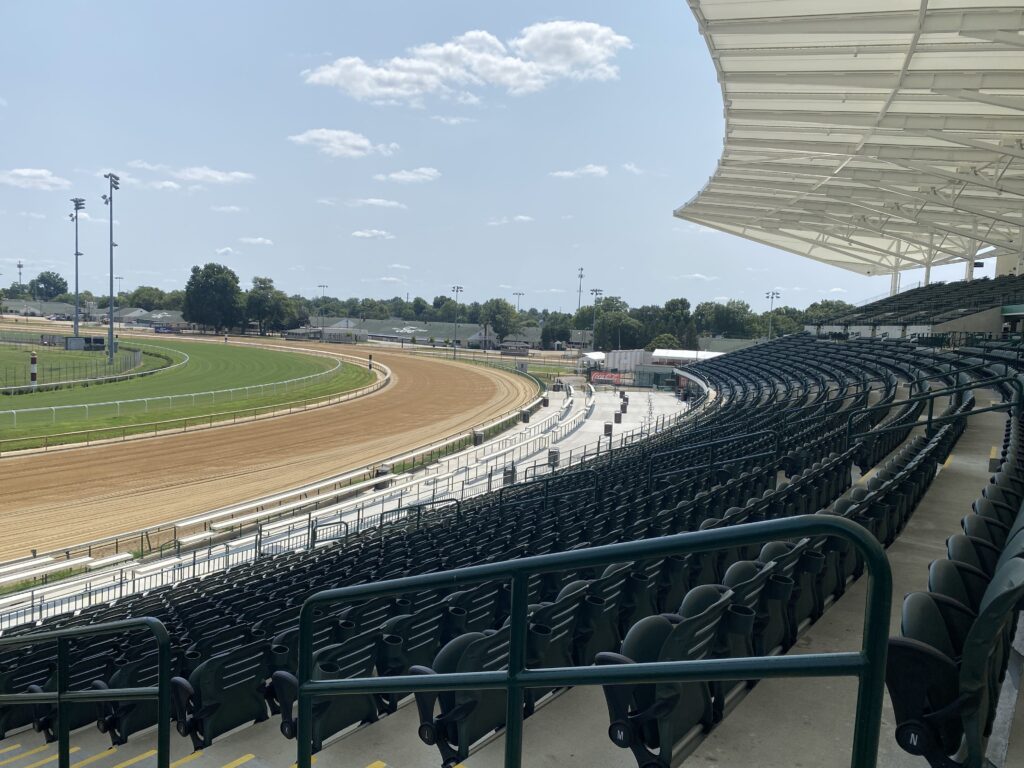
Unfortunately, architecture has not been invented yet that can withstand the pressure of mother time. Therefore, the decision was made to modernize the turn 1 seating area. The team at the Churchill Downs faced several strategic decisions on this project. One of which included how to upgrade the handrail. A complex puzzle reveled itself when deliberating how to coat the handrail, considering the ongoing challenge of potential chemical contamination from human touch, food, moisture, and cleaning agents. With a deep commitment to the safety and longevity of their seating section upgrade, they recognized that the constant exposure to chemicals could compromise both the appearance and structural integrity of the handrail over a short period of time. This intricate consideration led them to explore a range of specialized coating solutions, each tailored to withstand the harsh effects of chemical exposure.
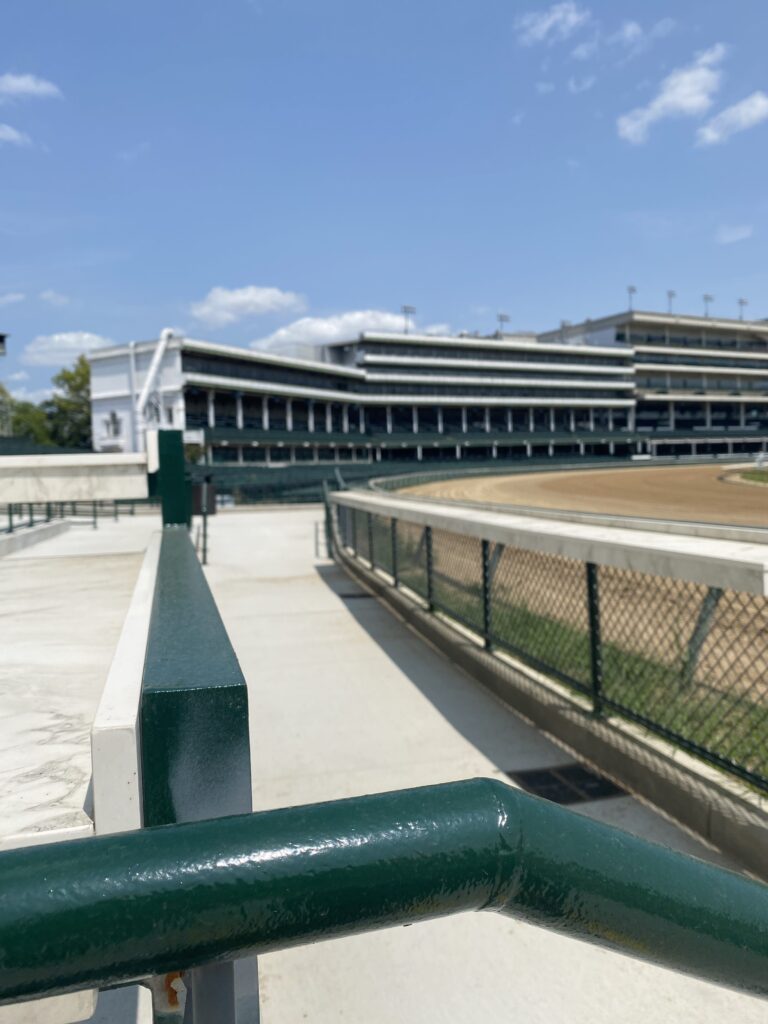
The design team engaged in extensive research and collaborated closely with coatings experts to identify the most resilient options. Through meticulous analysis, they arrived at a decision that combined a galvanized steel base layer with a powder coated top layer. The duplex coating allowed for a brilliant fusion of aesthetics and functionality because it provided the most impenetrable shield against the corrosive impact of the chemicals while also blending in with the timeless architectural charm of the Churchill Downs. Choosing to galvanize also allowed the handrail to be coated inside and out thereby ensuring maximum protection over the life of the coating. Furthermore, the synergistic effect of the duplex coating increased the useful life of the material by a factor of 1.5-2 times. The overall result is a harmonious union of strength and beauty that not only enhances the overall aesthetics of the seating area but also ensures its longevity, with the added benefit of minimal maintenance.
The turn 1 handrail upgrade serves as a testament to the Churchill Downs unwavering commitment to excellence. Their thoughtful approach showcases their dedication to providing a racing experience that is as visually captivating as it is enduring, setting a new standard for architectural innovation in the world of equestrian venues.
“The overall result is a harmonious union of strength and beauty that not only enhances the overall aesthetics of the seating area but also ensures its longevity, with the added benefit of minimal maintenance.“