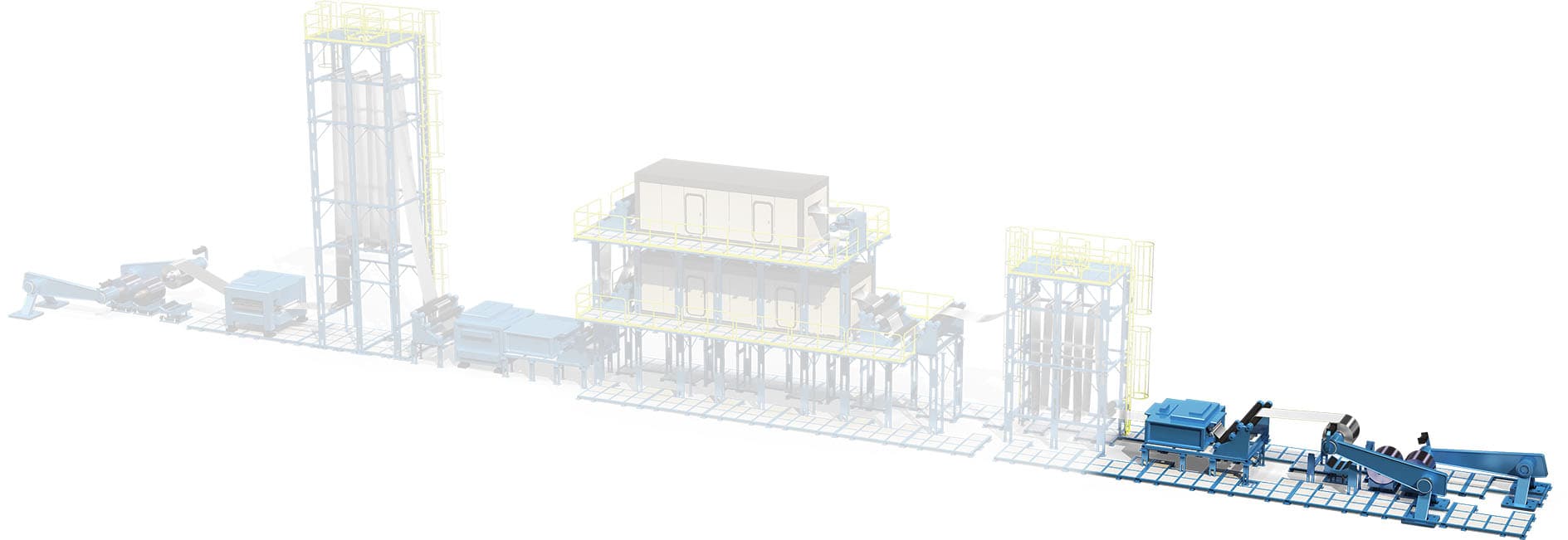
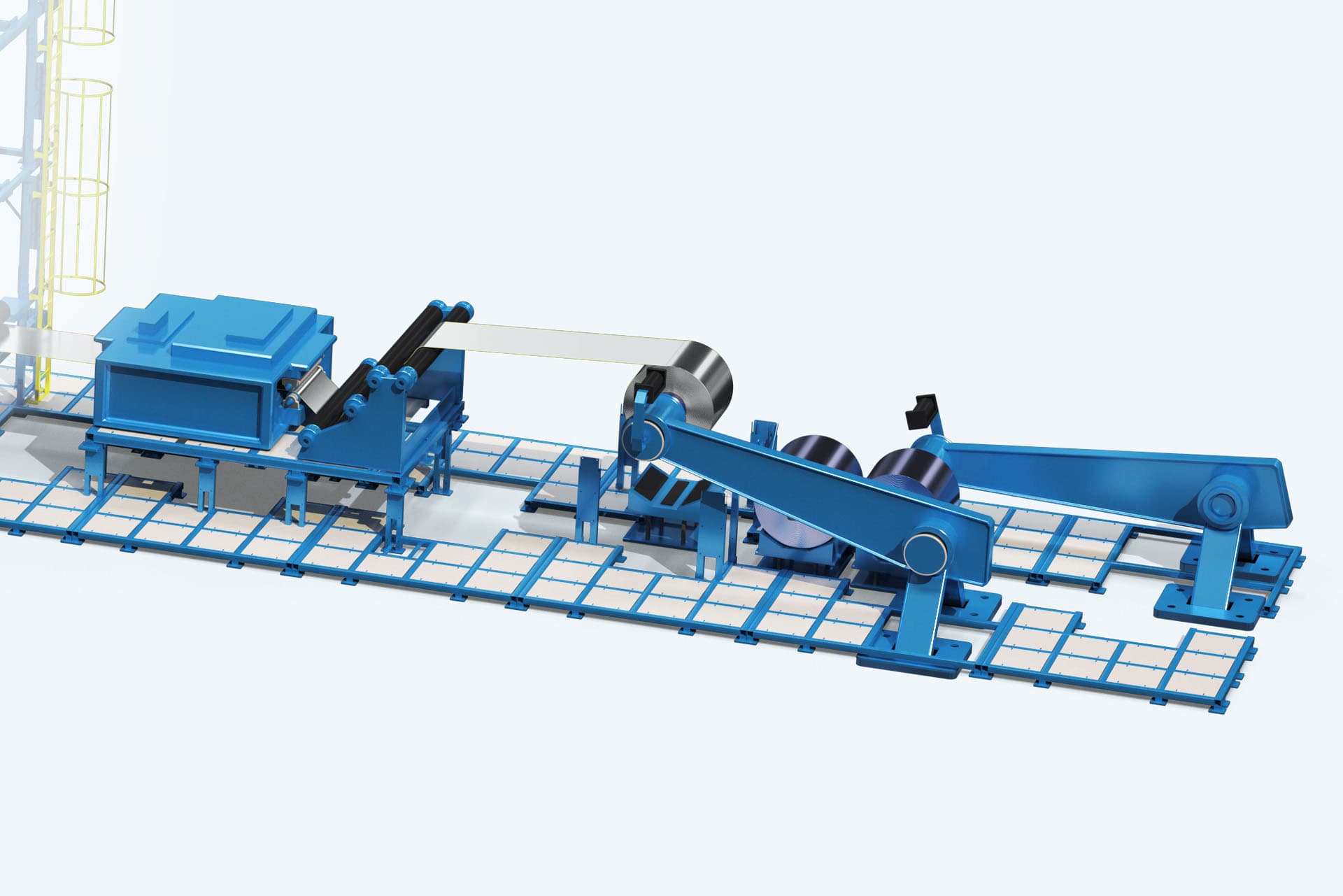
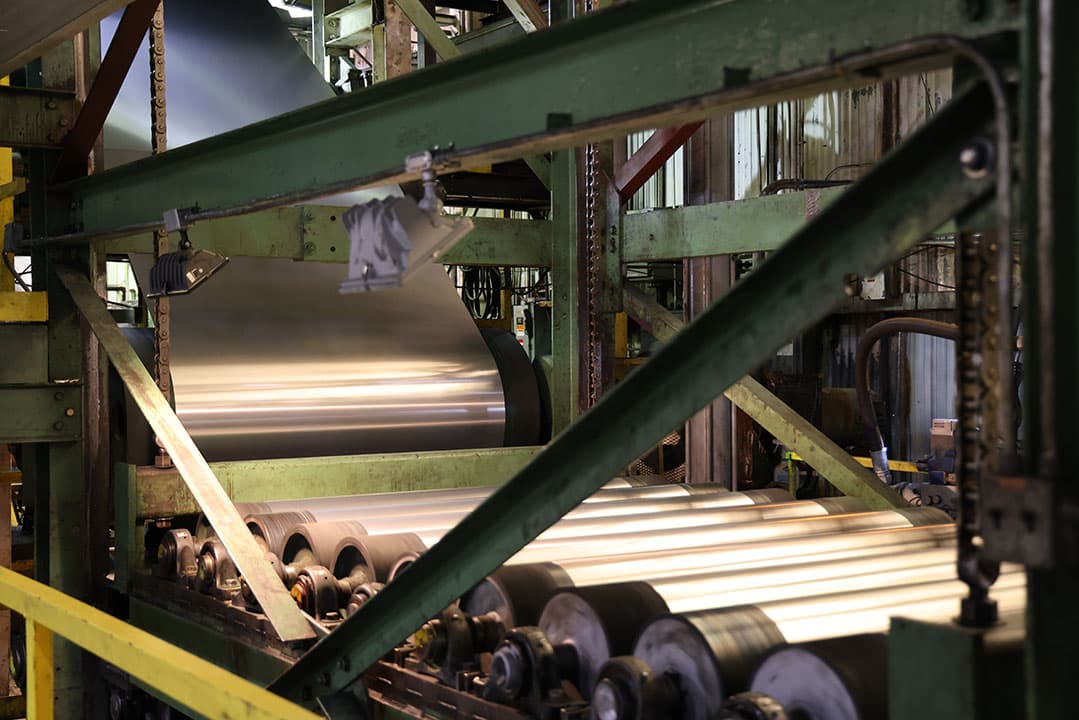
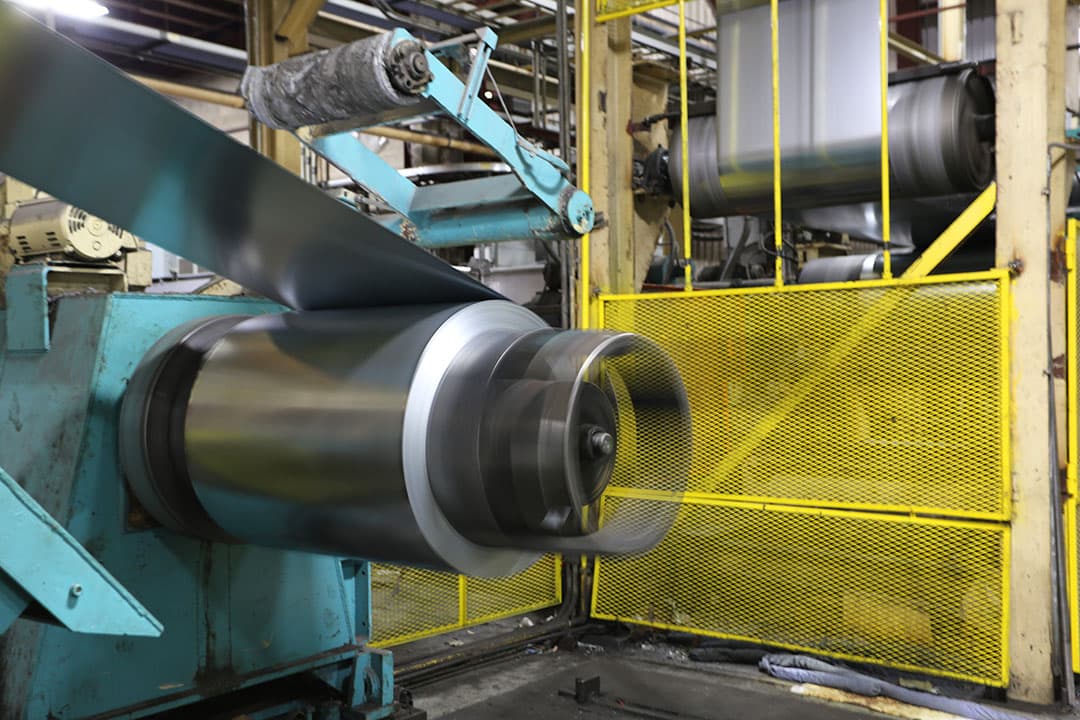
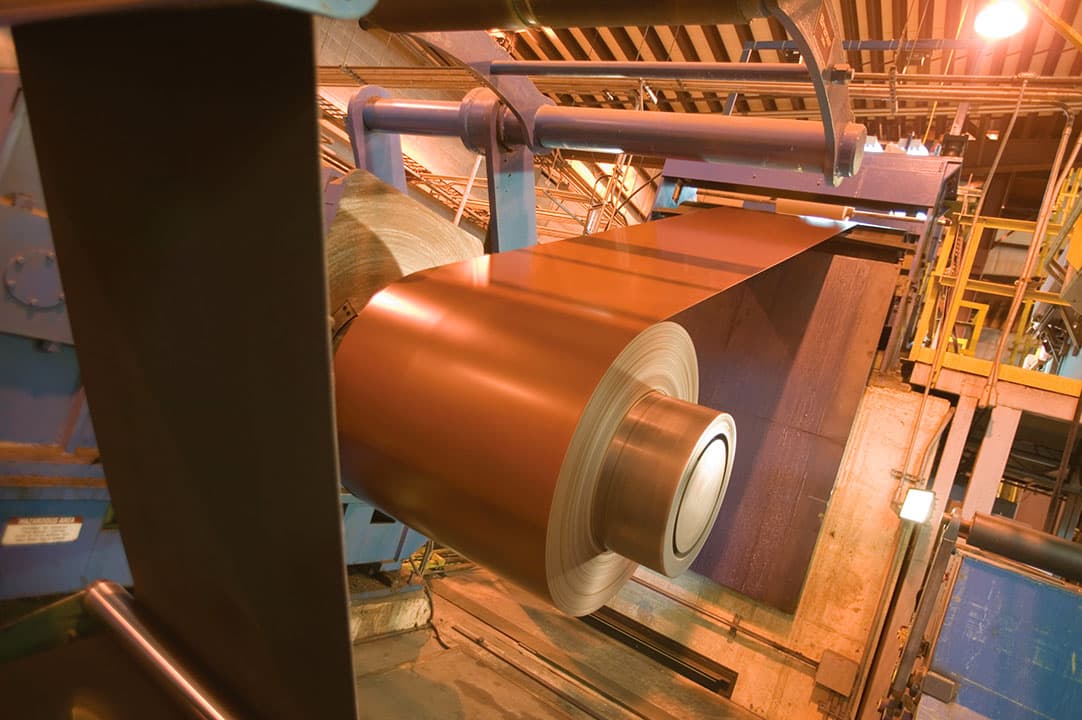
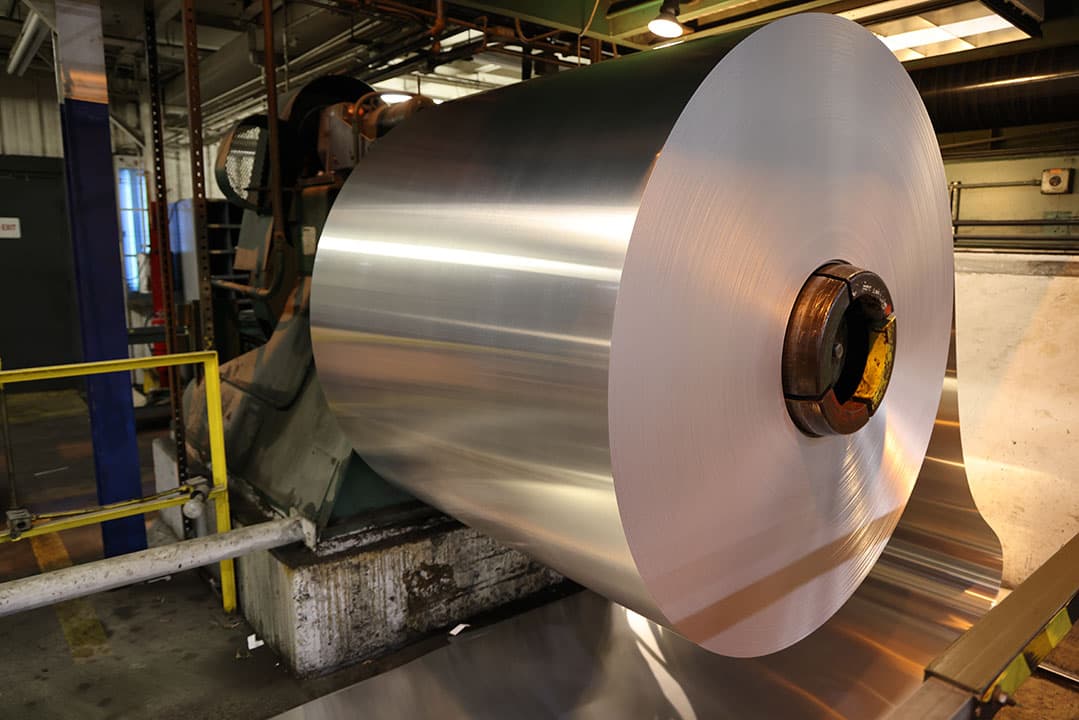
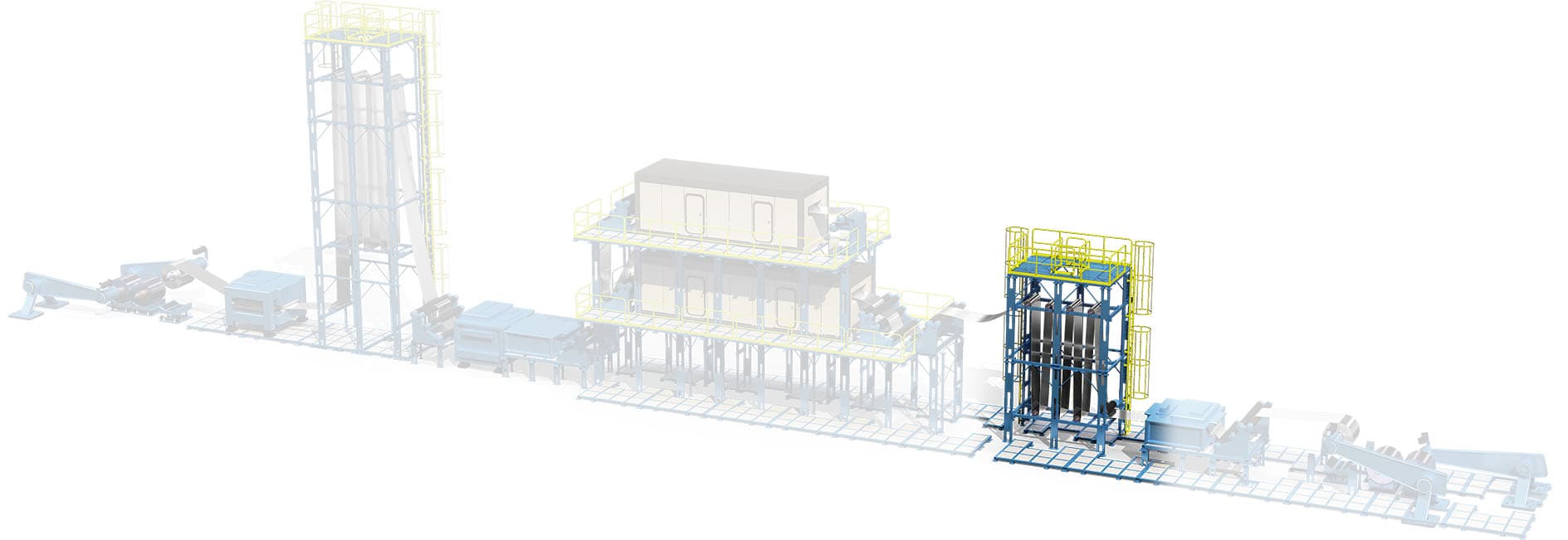
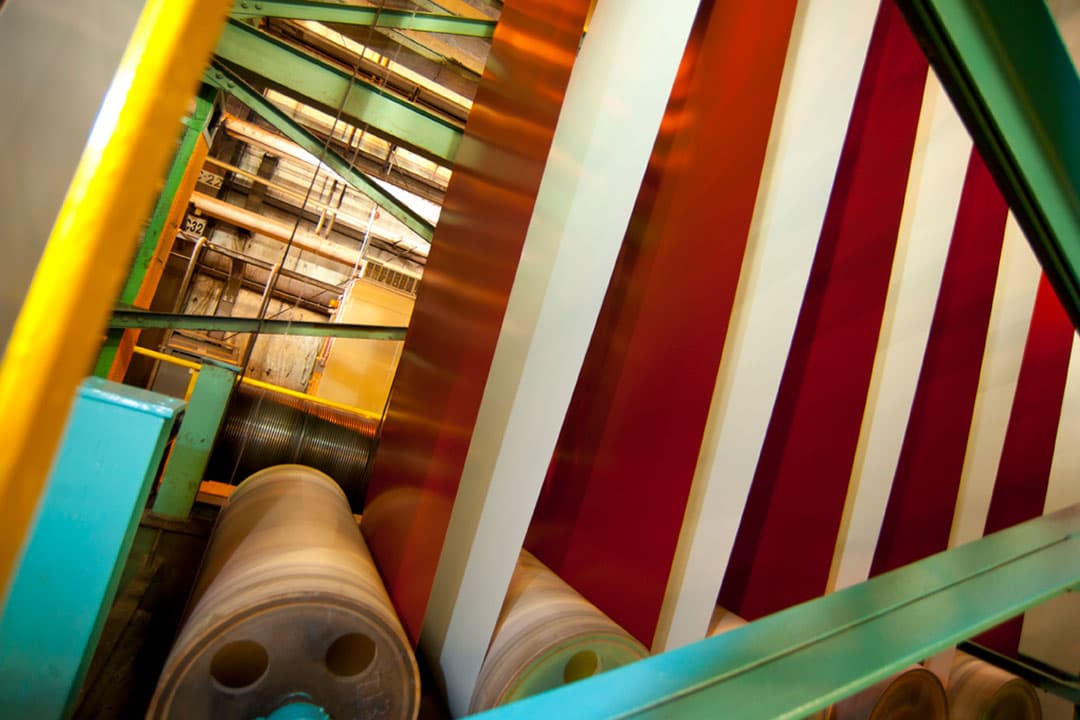
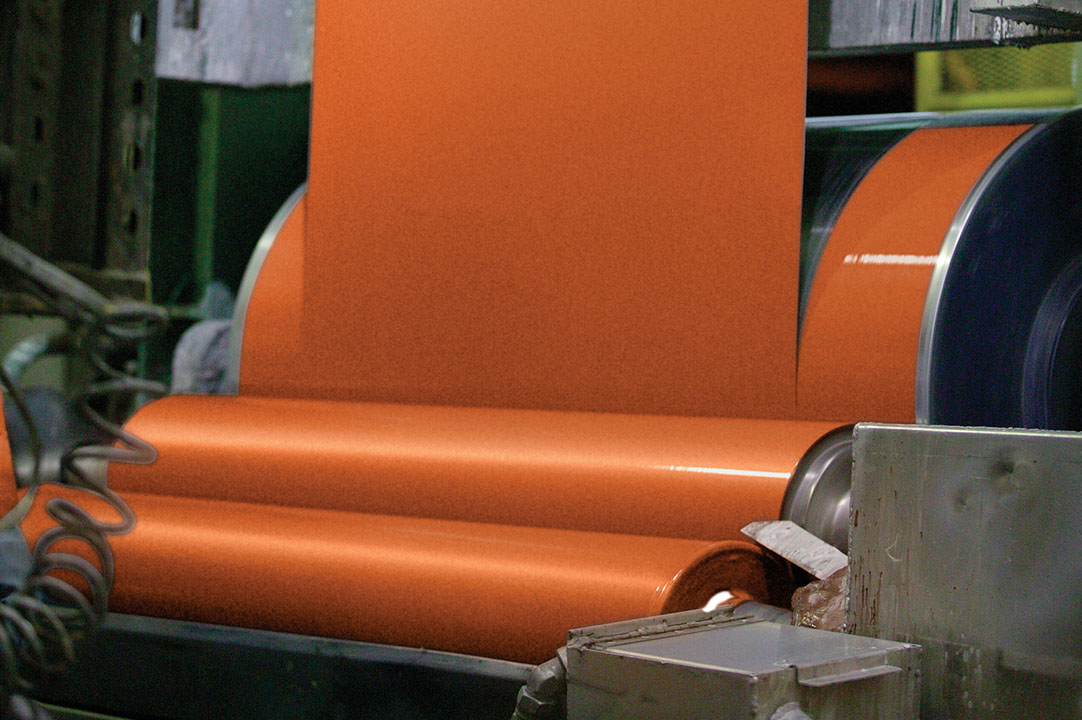
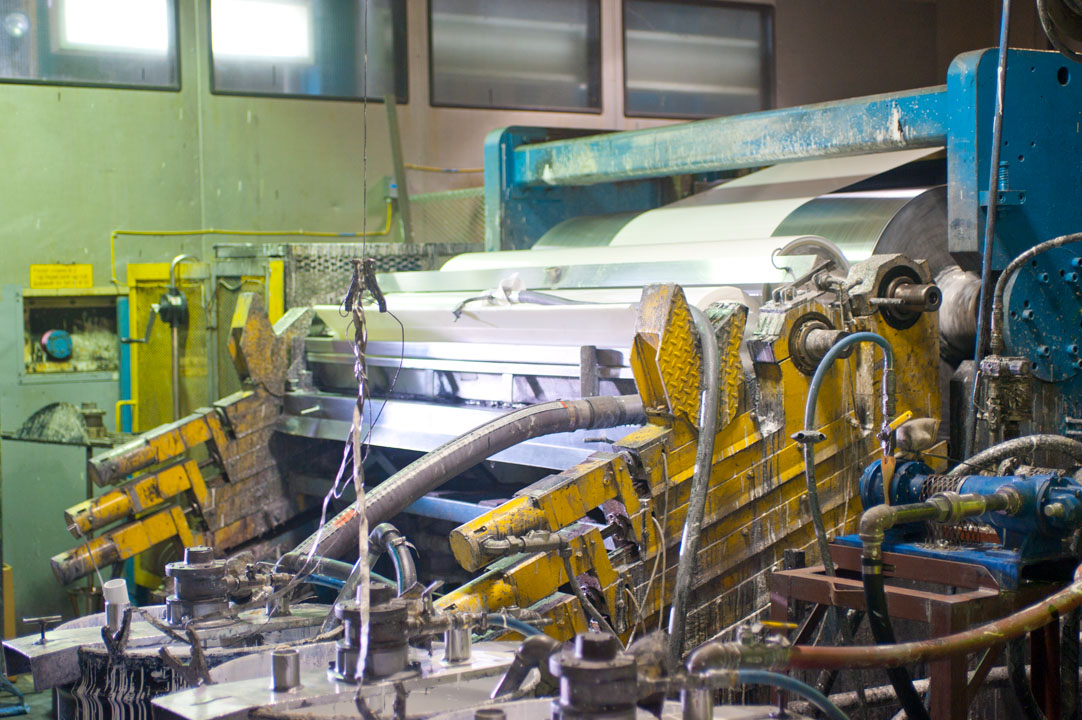
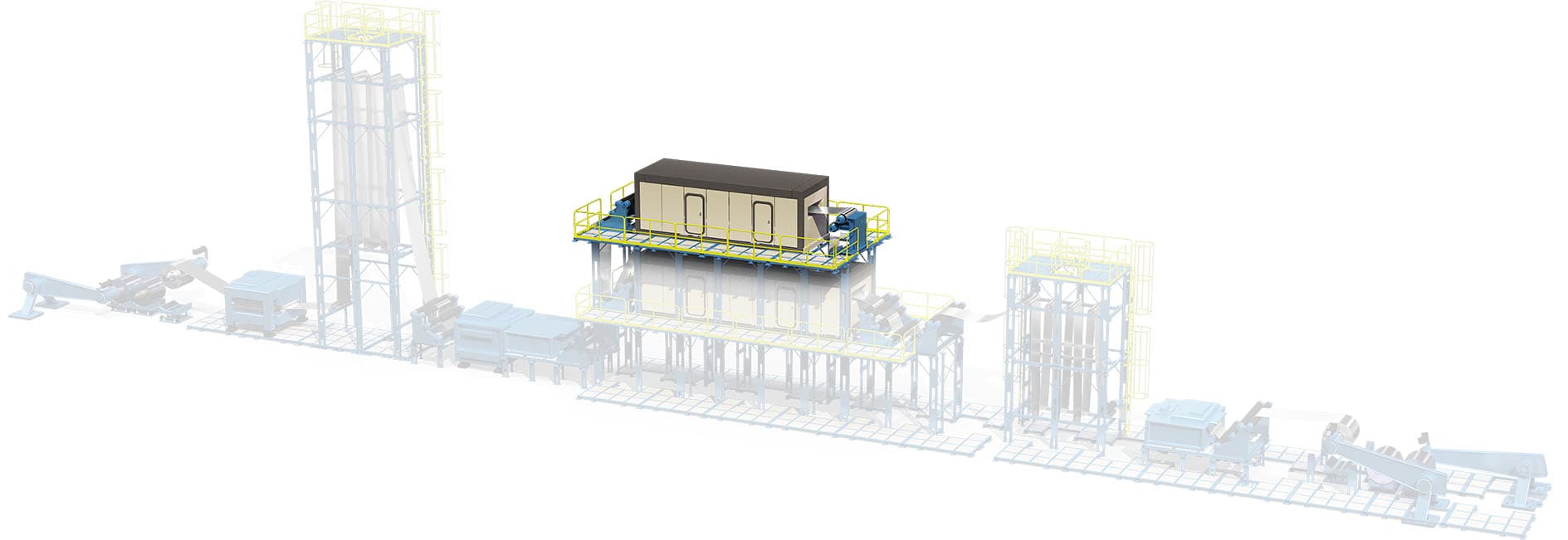
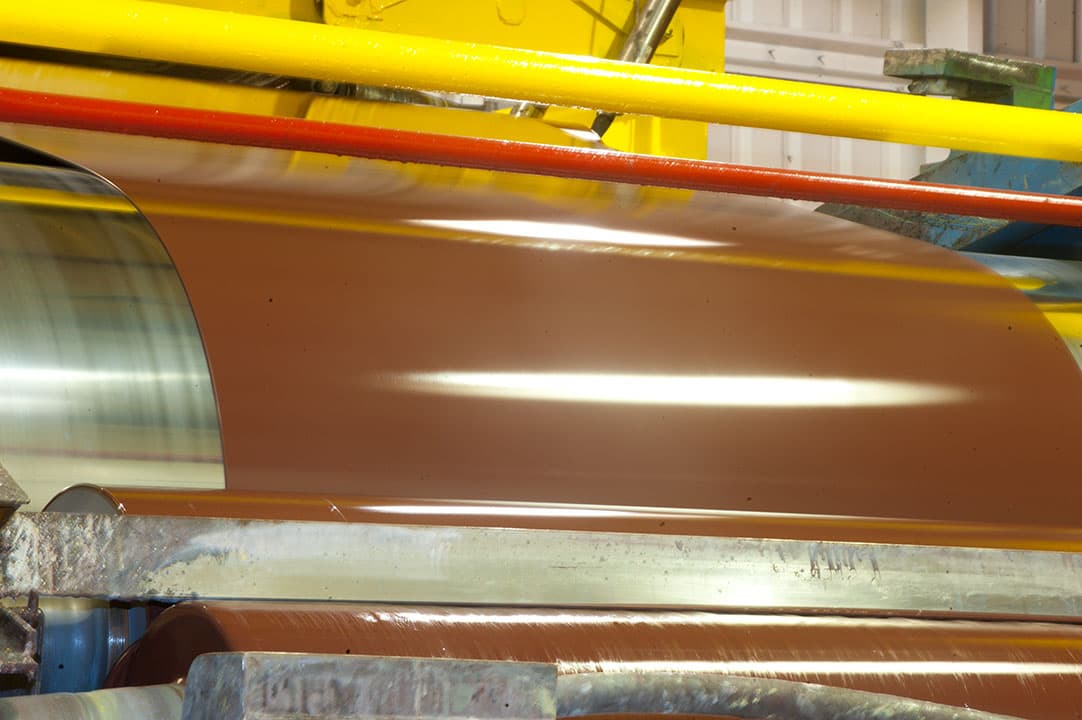
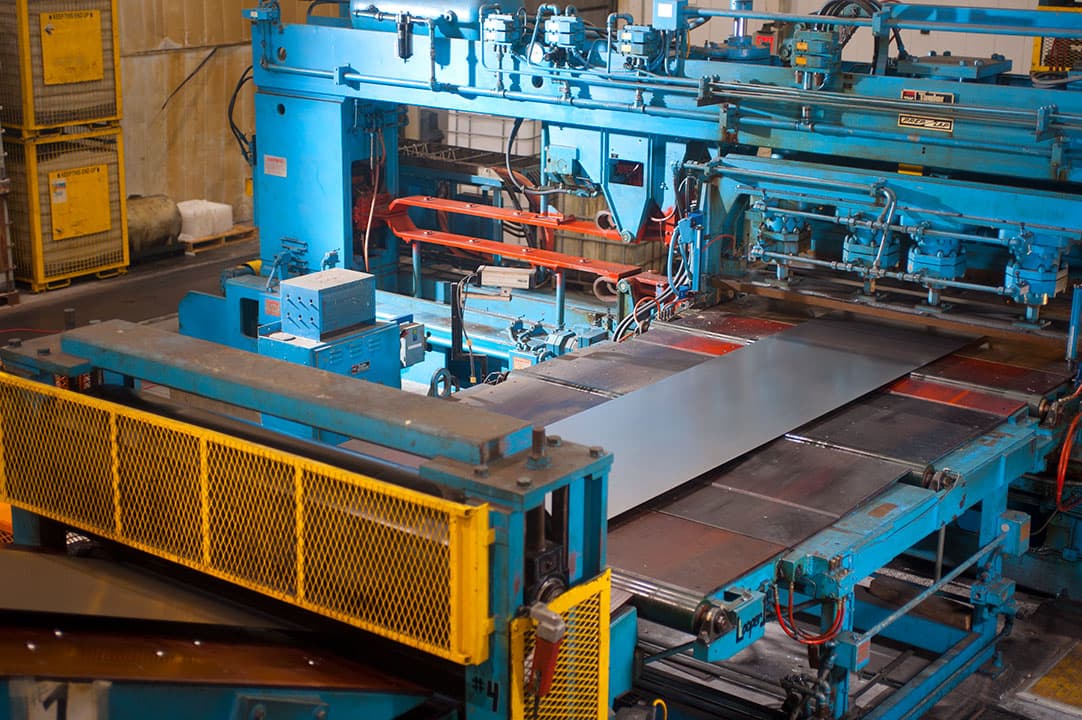
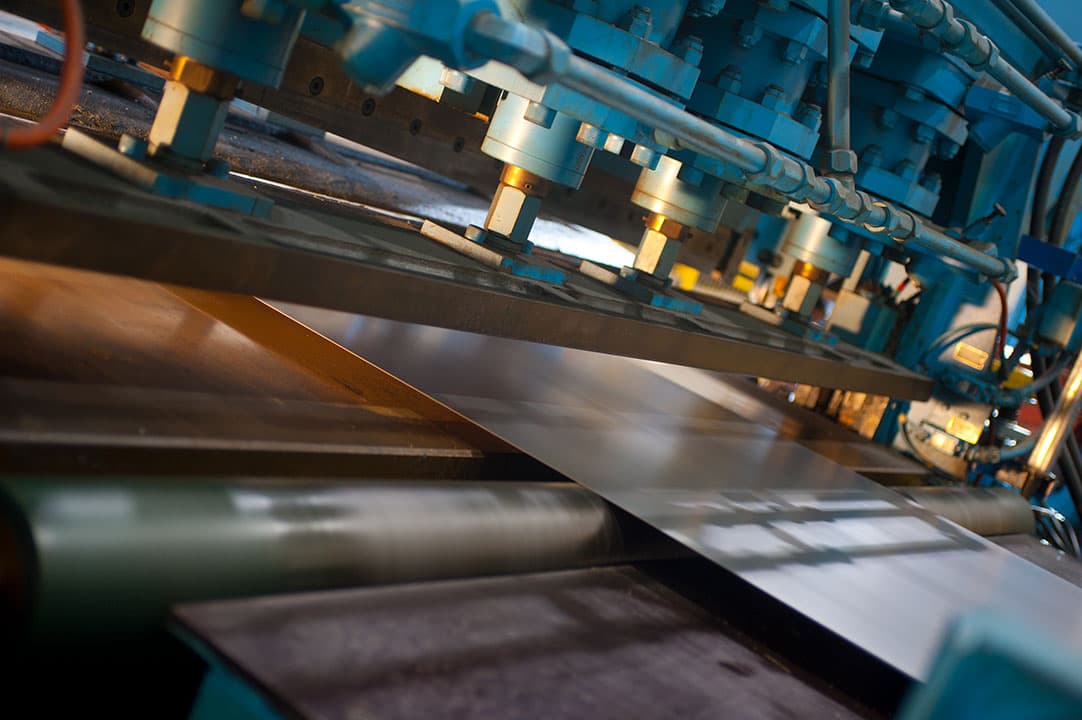
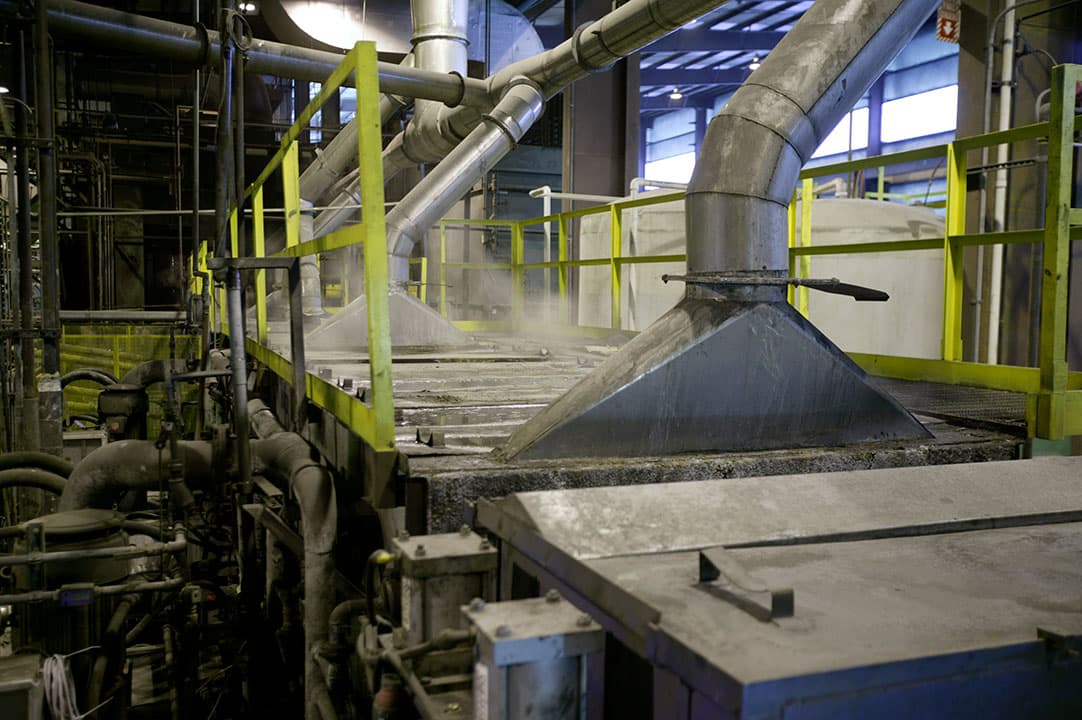
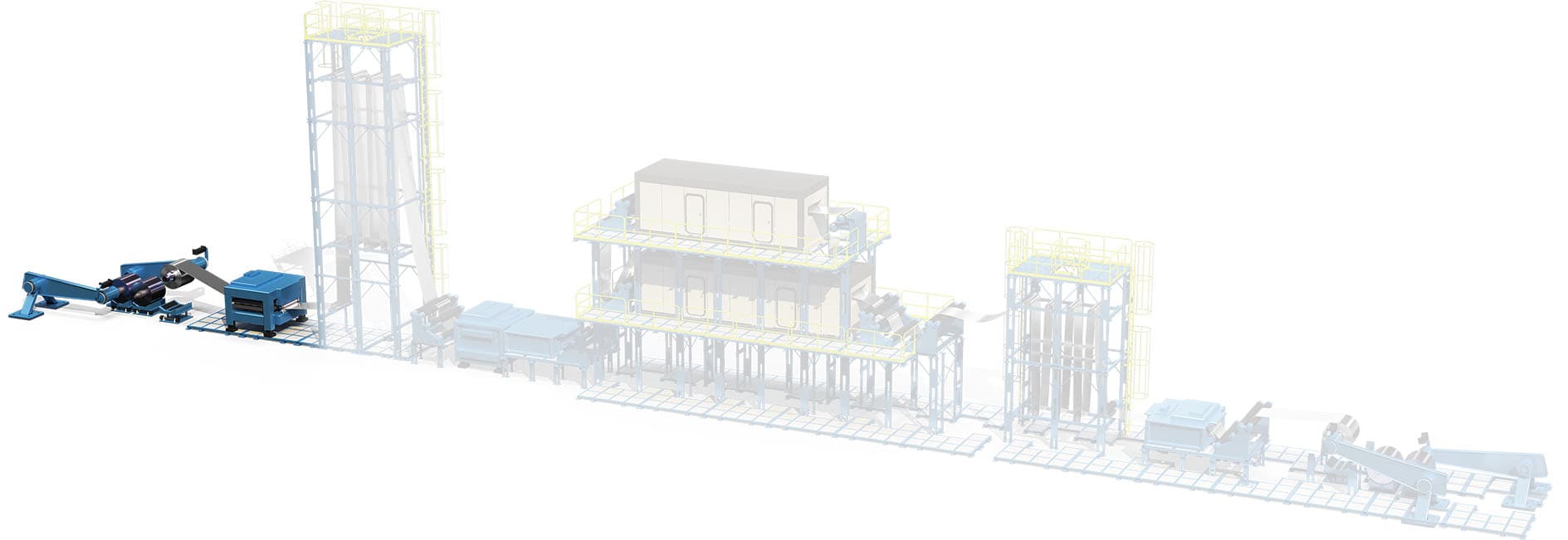
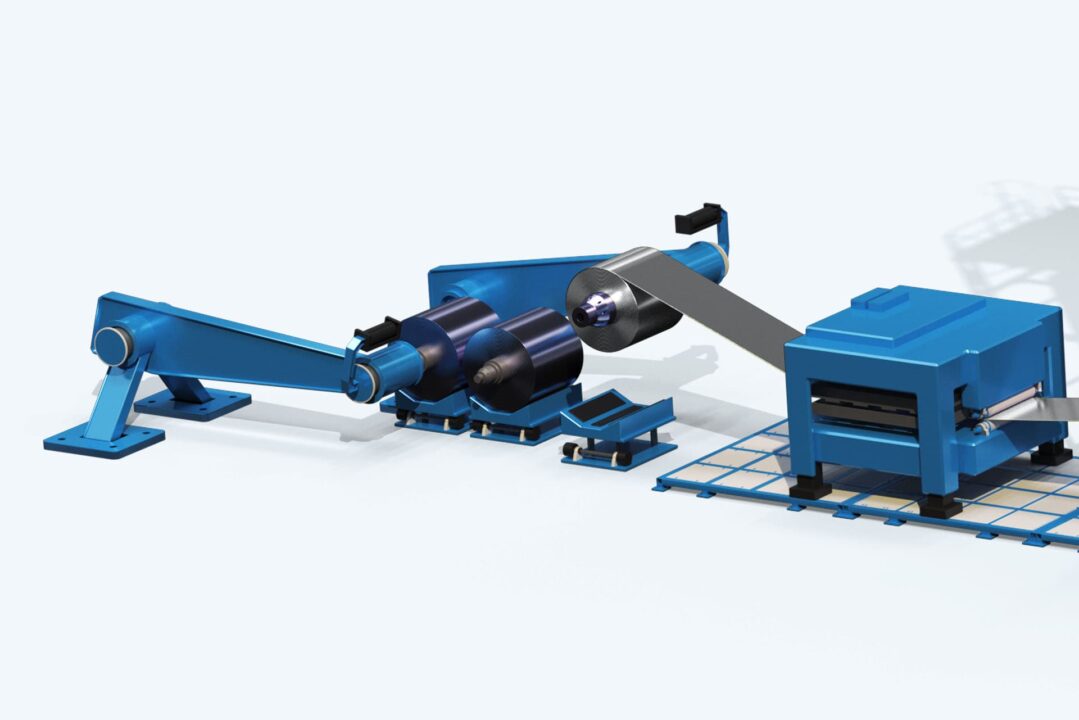
Once the metal is cleaned, treated, and painted, the strip is rewound into a coil size prescribed by the customer. From there, the coil is removed from the line and packaged for shipment or additional processing.
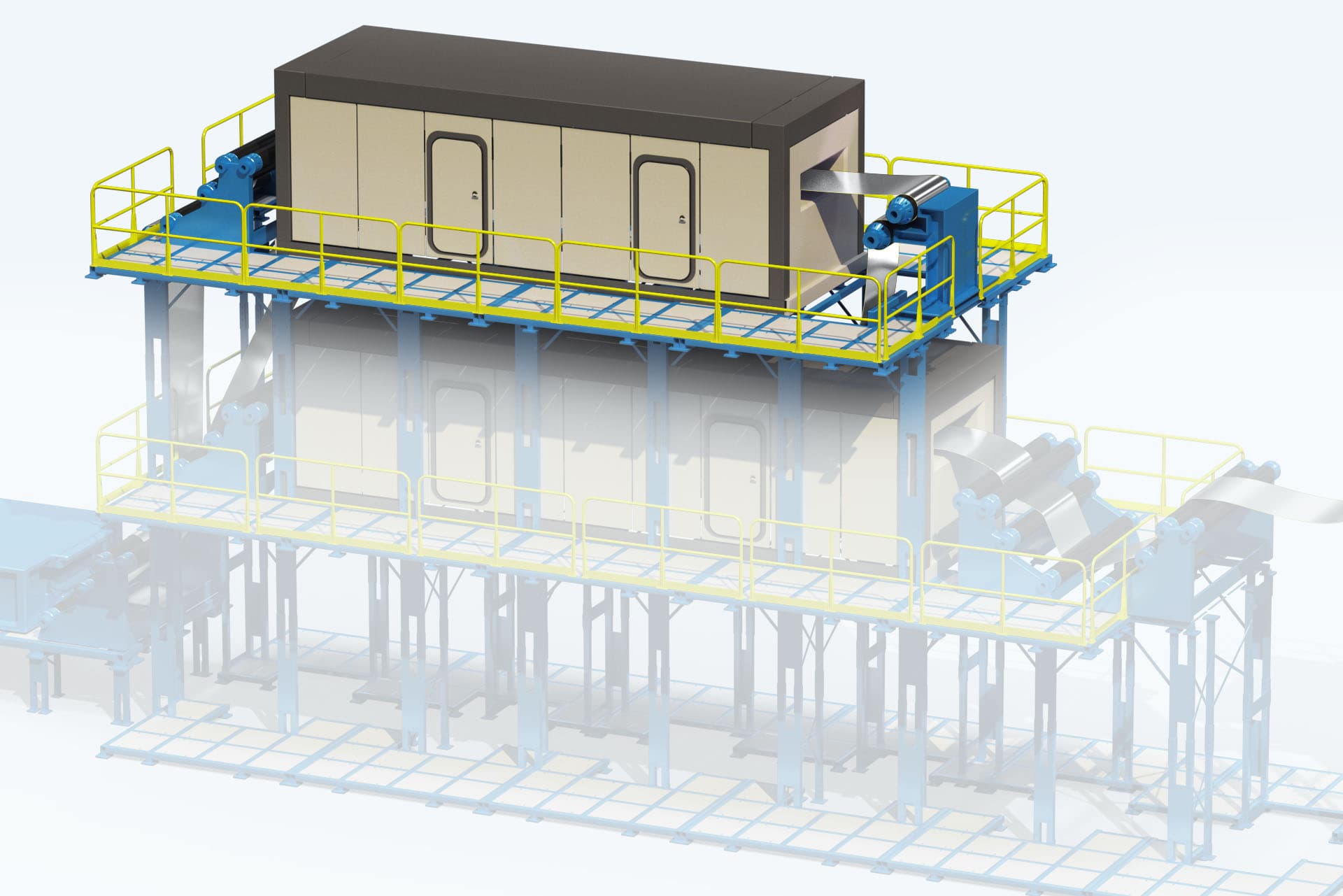
After the primer is applied and cured, then the metal strip enters the finish coat station where a topcoat is applied. Topcoats provide color, corrosion resistance, durability, flexibility and any other required physical properties. Like primers, the topcoat is cured using thermal cure ovens.
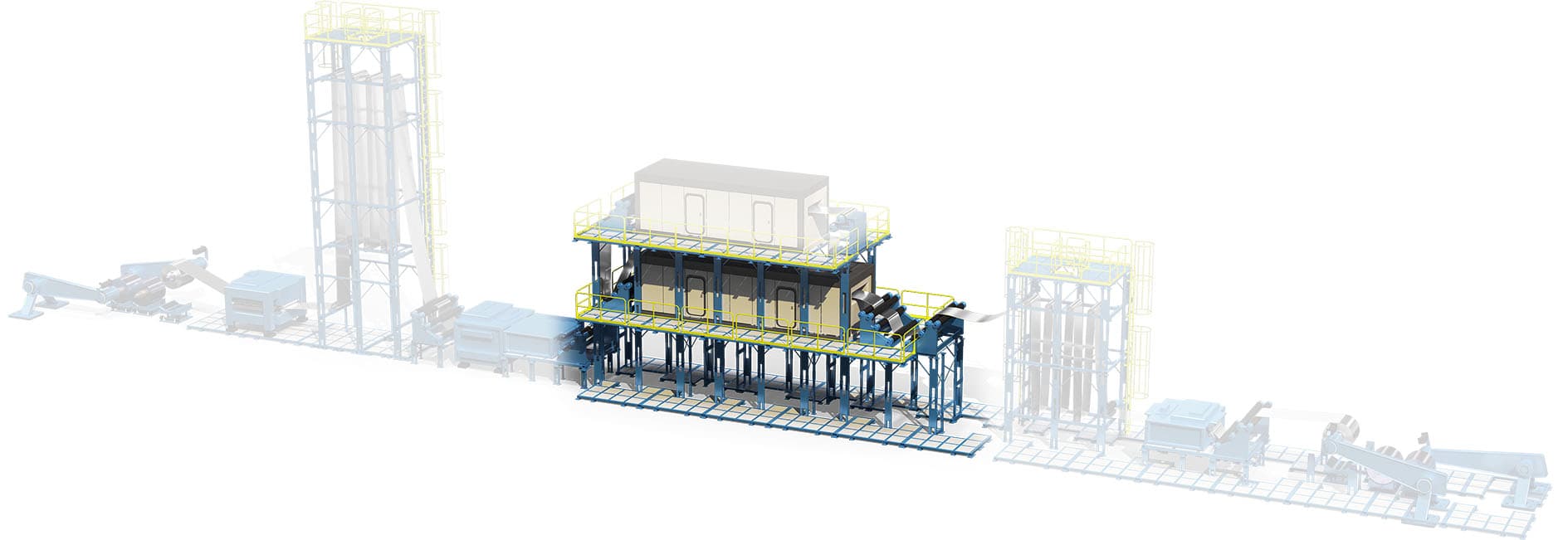
Oven
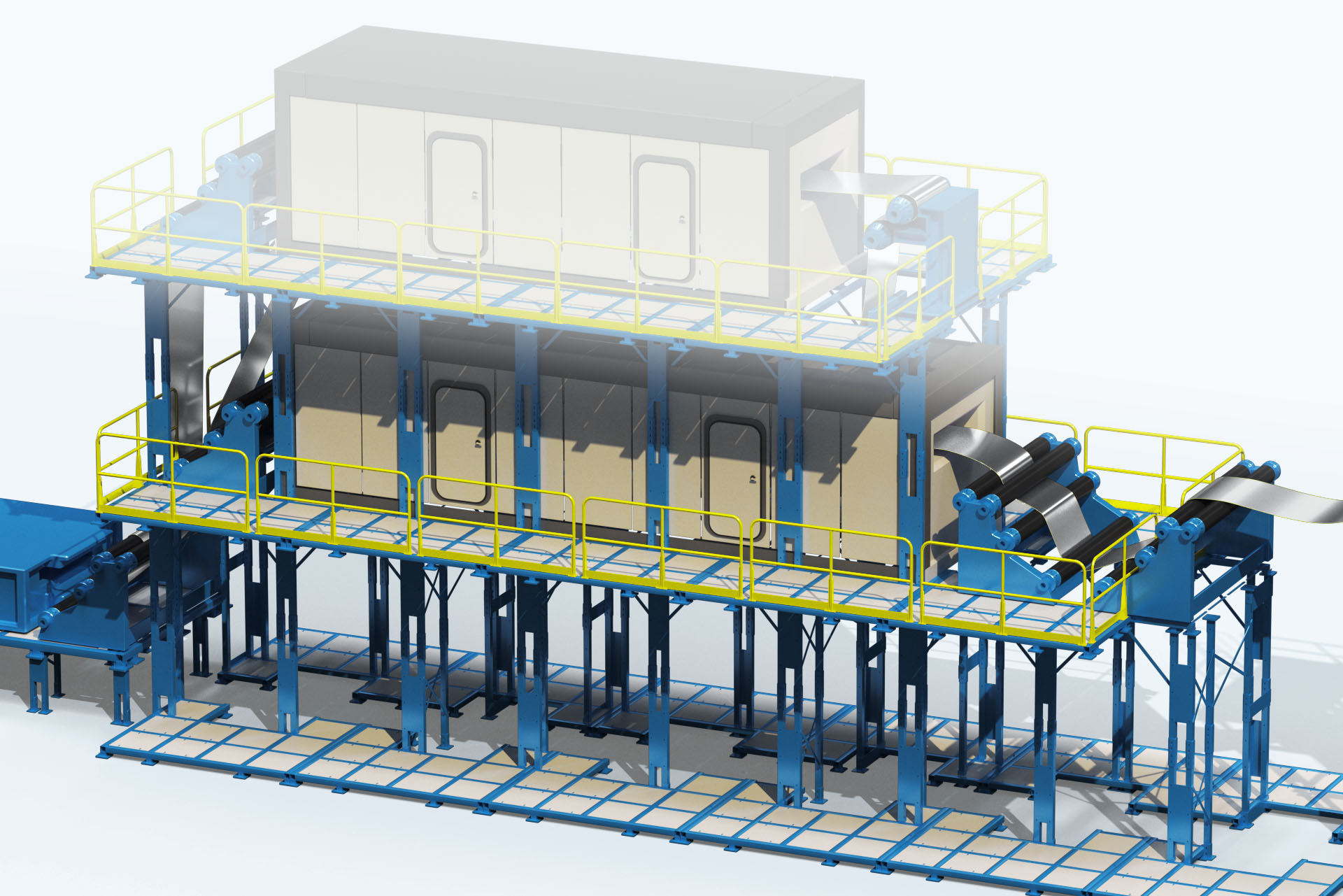
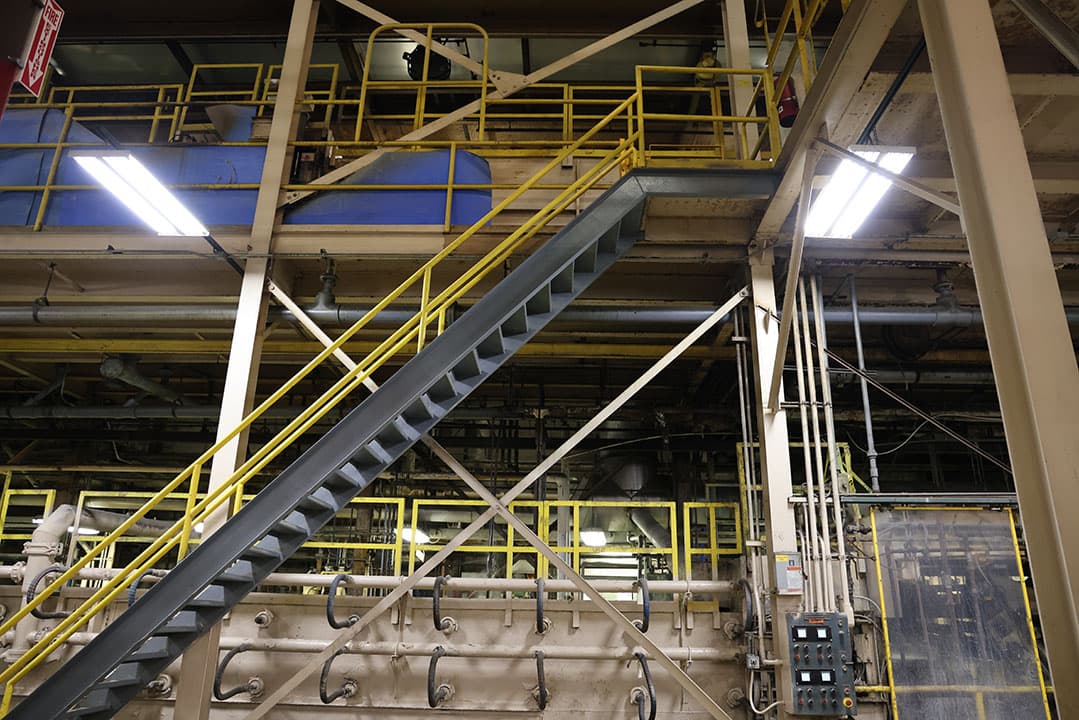
Coil coating ovens can range from 130 feet to 160 feet and will cure the coatings in 13 to 20 seconds.
During this stage, the strip enters the prime coat station whereby a primer is applied to the clean and treated metal. After the primer is applied, the metal strip travels through a thermal oven for curing. Primers are used to aid in paint adhesion, improve corrosion performance and enhance aesthetic and functional attributes of the topcoat.
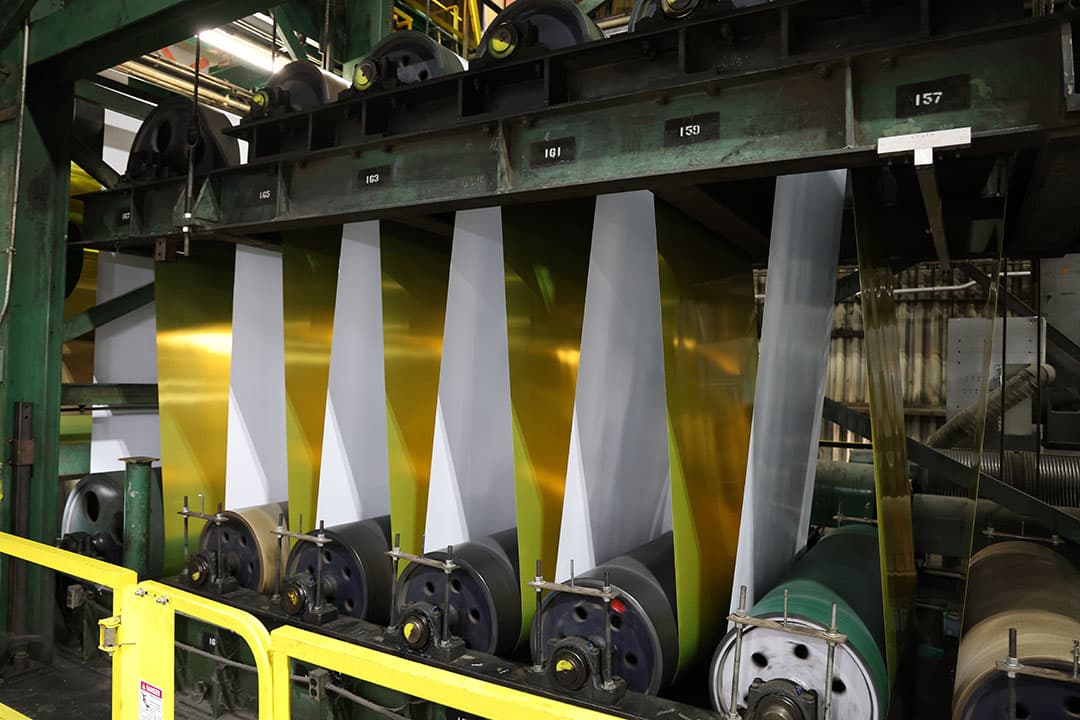
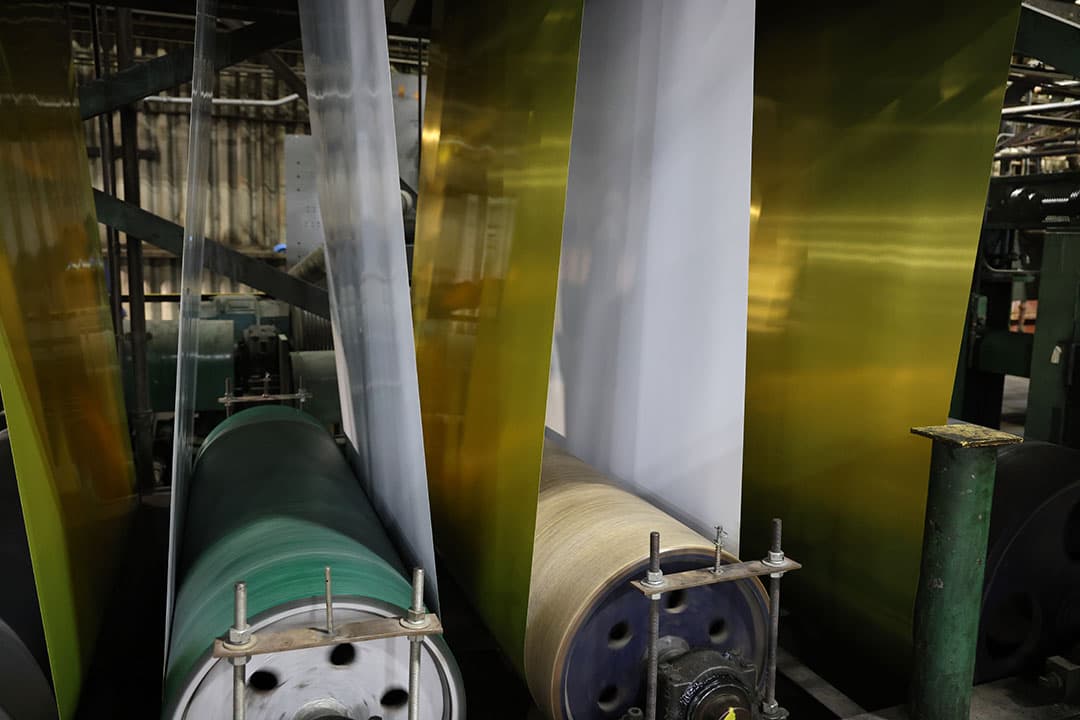
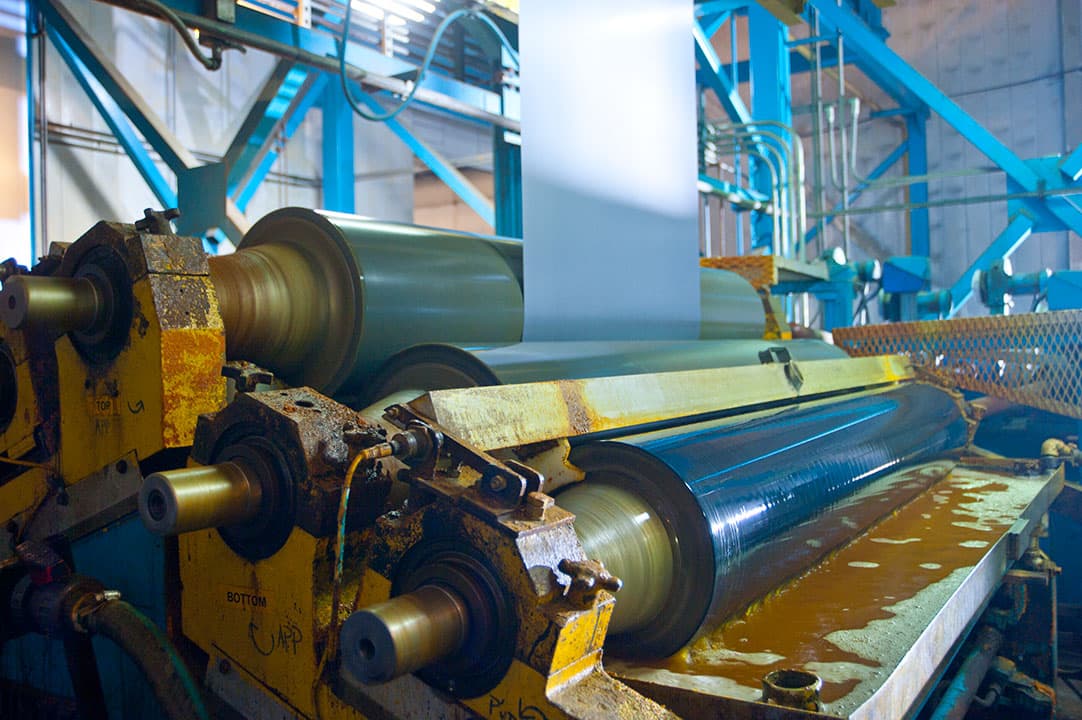
S Wrap Coater
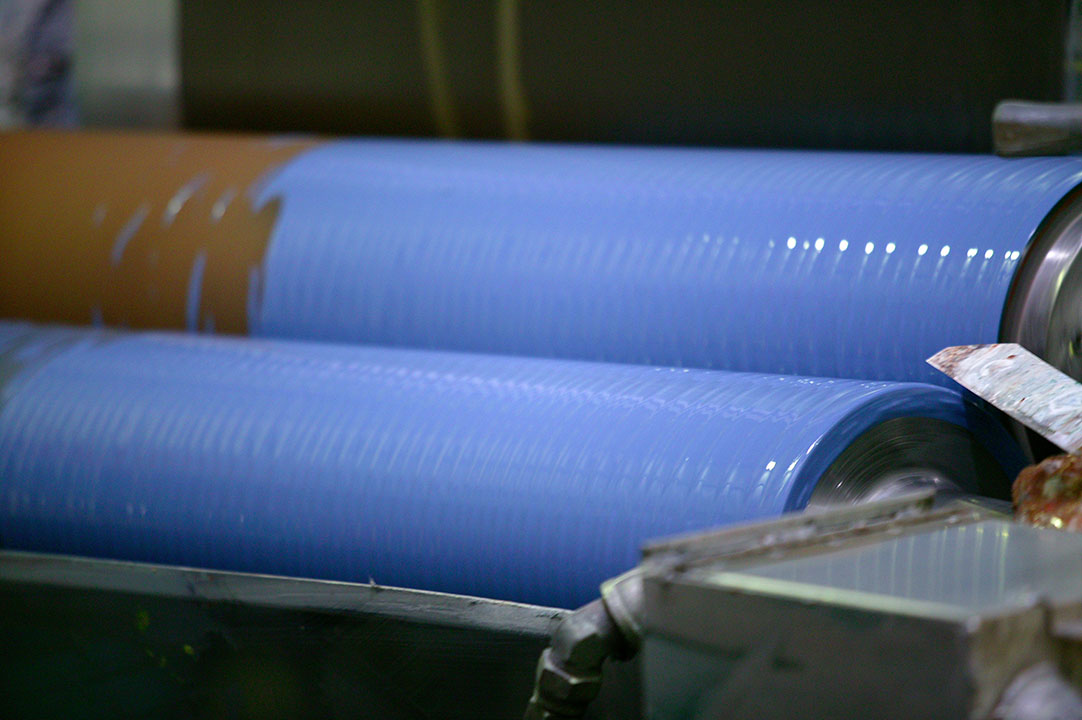
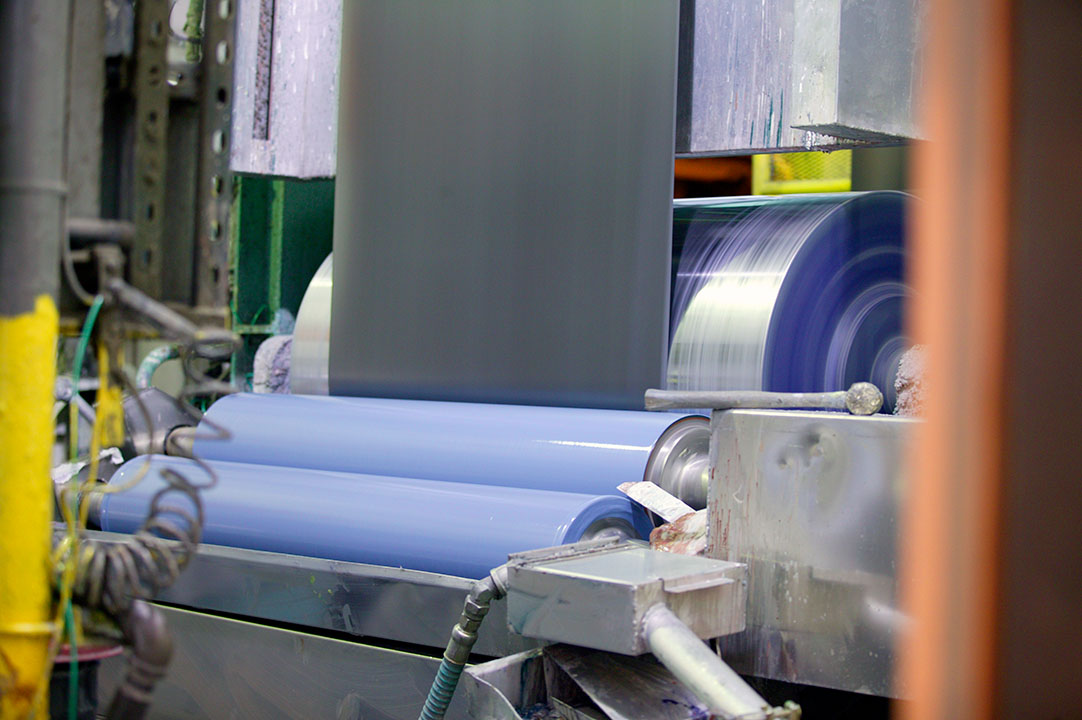
The S wrap coater design allows for primers and paints to be applied to the top and back side of the metal strip simultaneously in one continuous pass.
The cleaning and pretreating section of the coil coating process focuses on preparing the metal for painting. During the cleaning stage, dirt, debris, and oils are removed from the metal strip. From there, the metal enters the pretreatment section and/or a chemical coater whereby chemicals are applied to facilitate paint adhesion and enhance corrosion resistance.
Dried-In-Place
In this stage a chemical that provides enhanced corrosion performance is applied. This treatment can be chrome free if required.
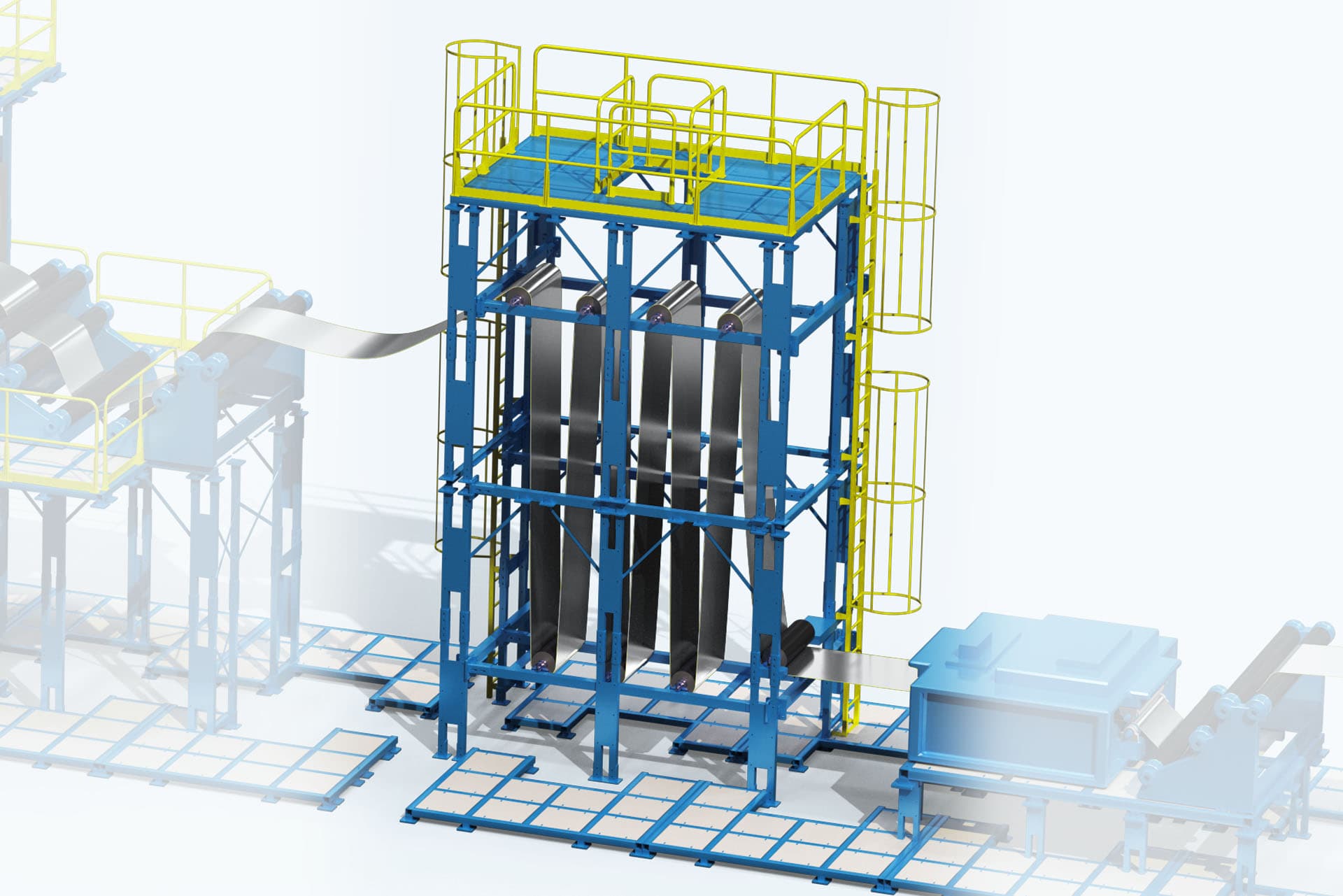
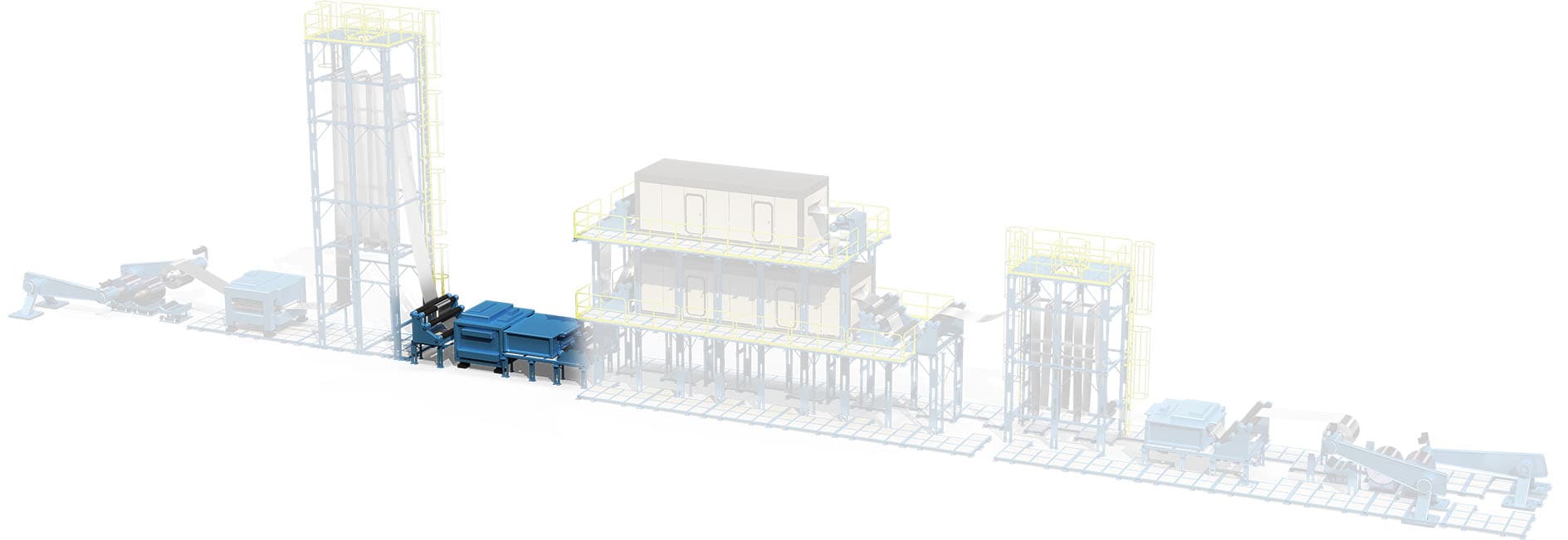
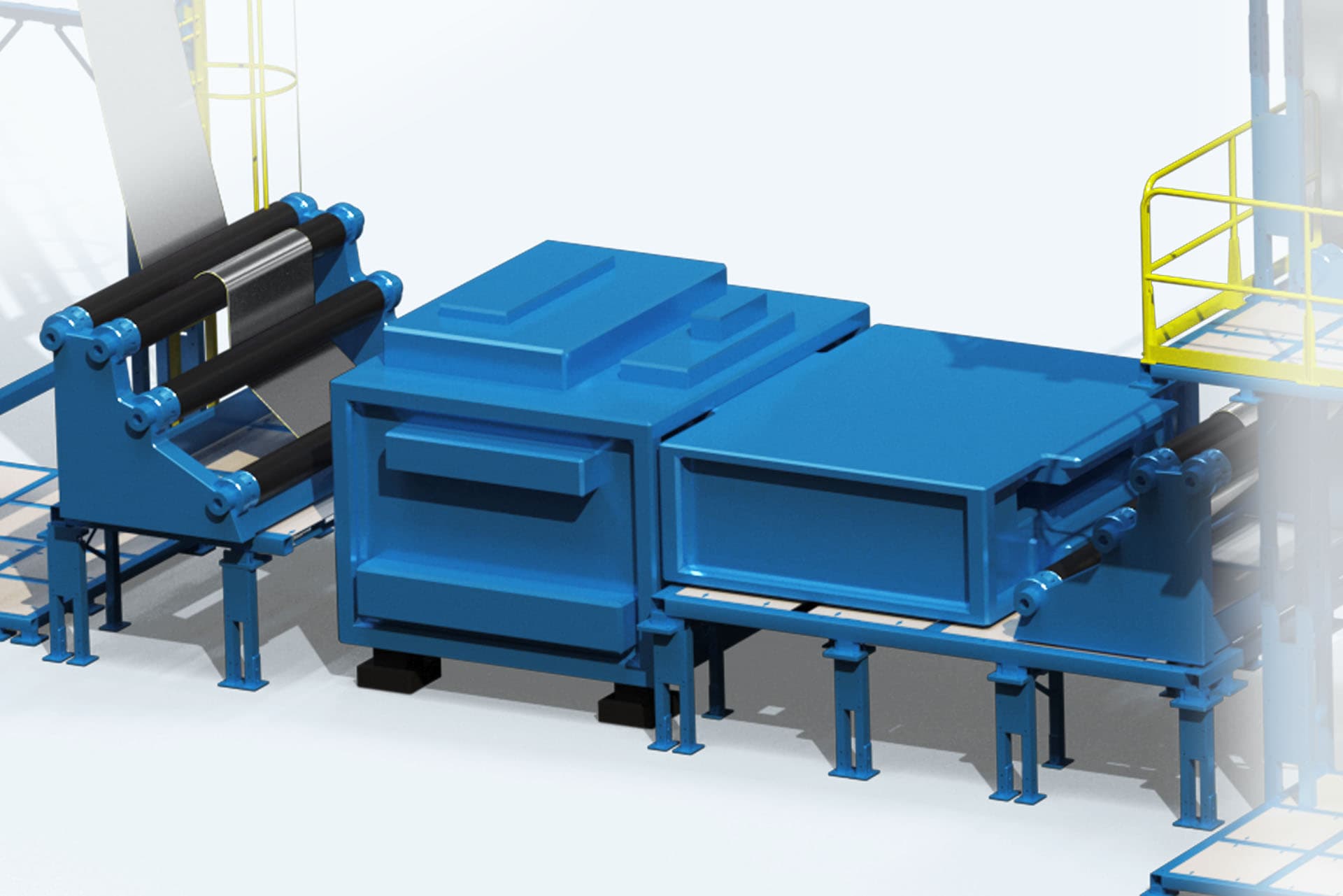
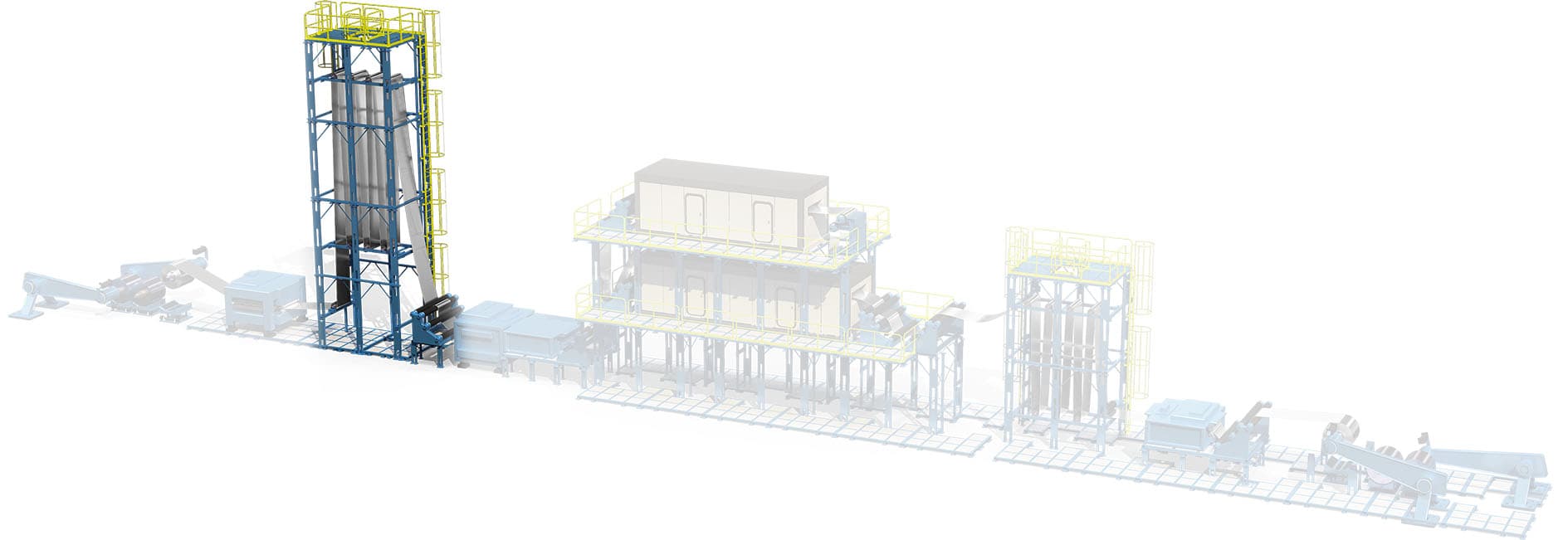
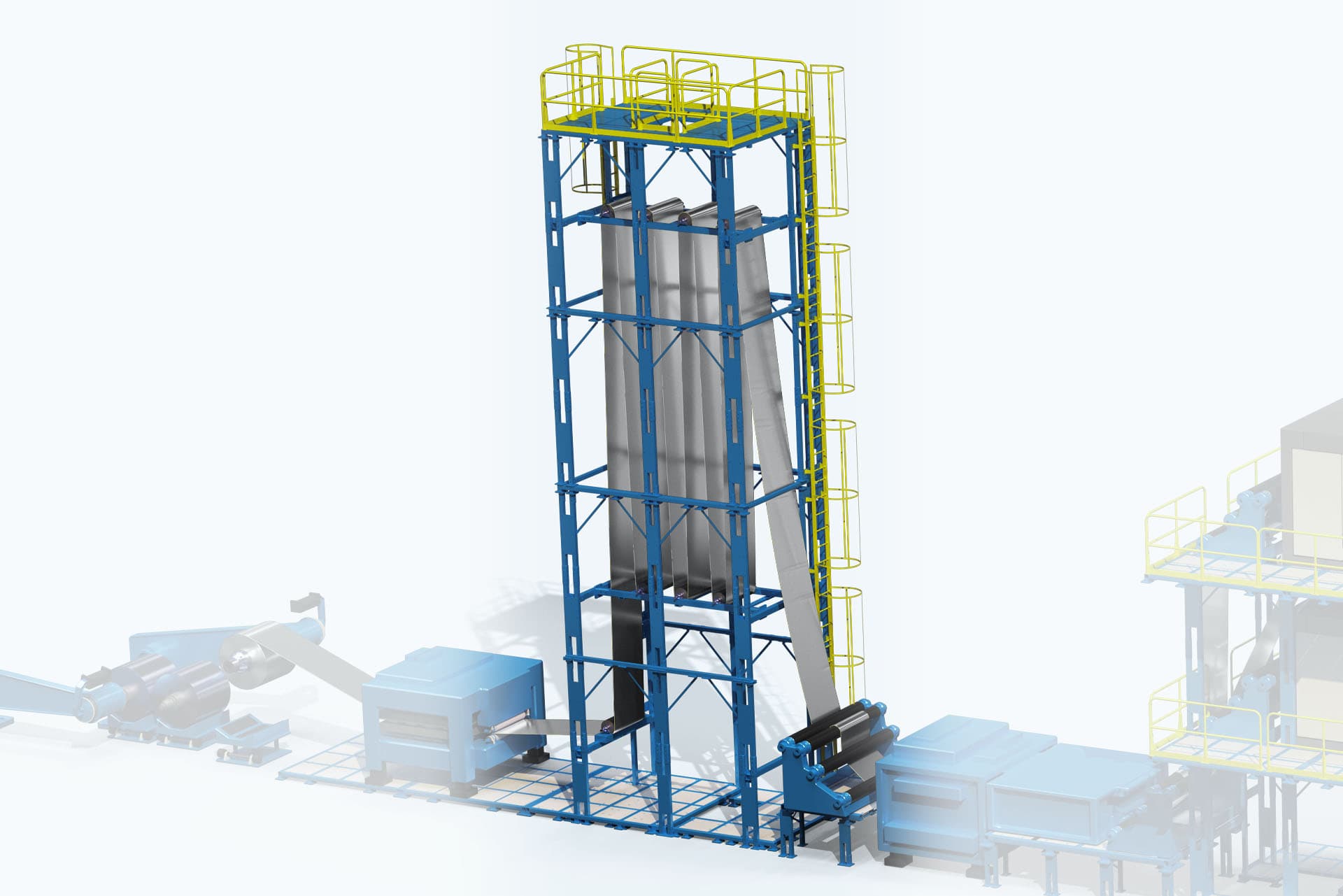
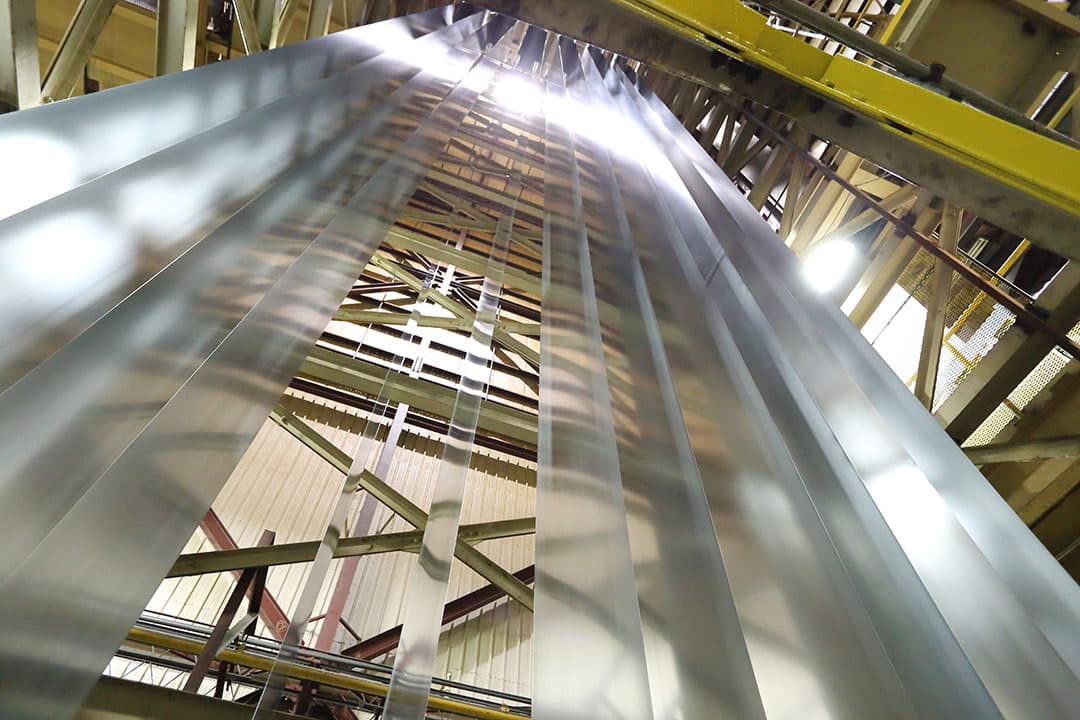
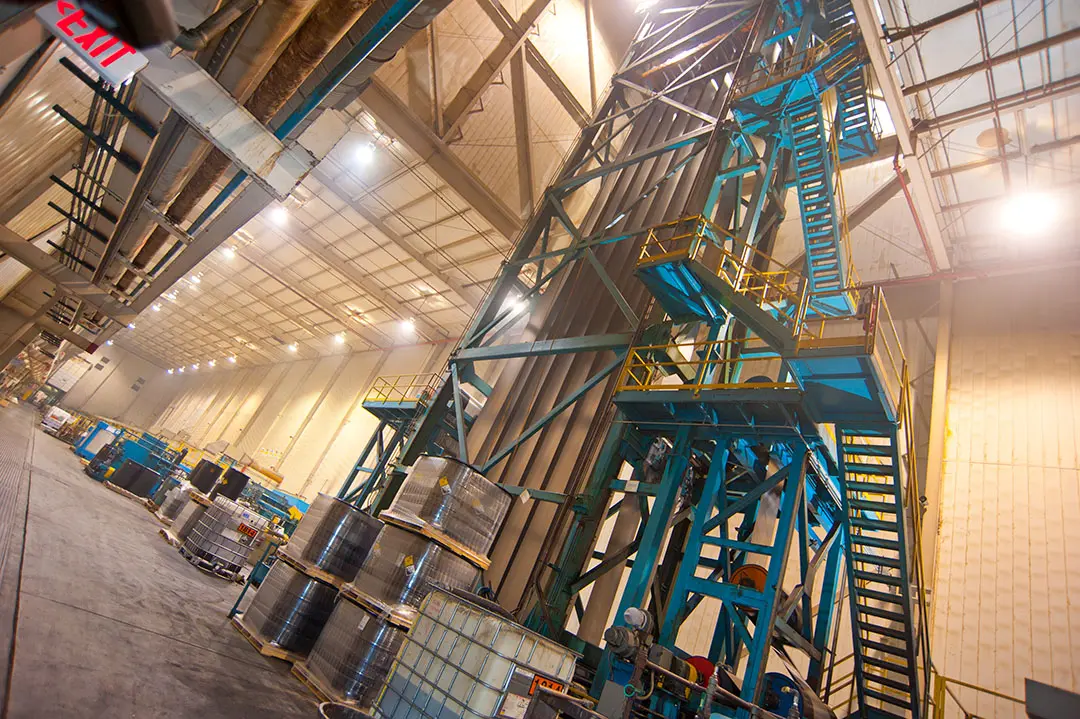
The accumulator is a structure that adjusts up and down to store material, which makes continuous operation of the coil coating process possible. This accumulation will continue to feed the coil coating processes while the entry end has stopped for the stitching process. As much as 750 feet of metal can be collected.
Easy-to-Assemble DIY Bridges for Farmers and Landowners
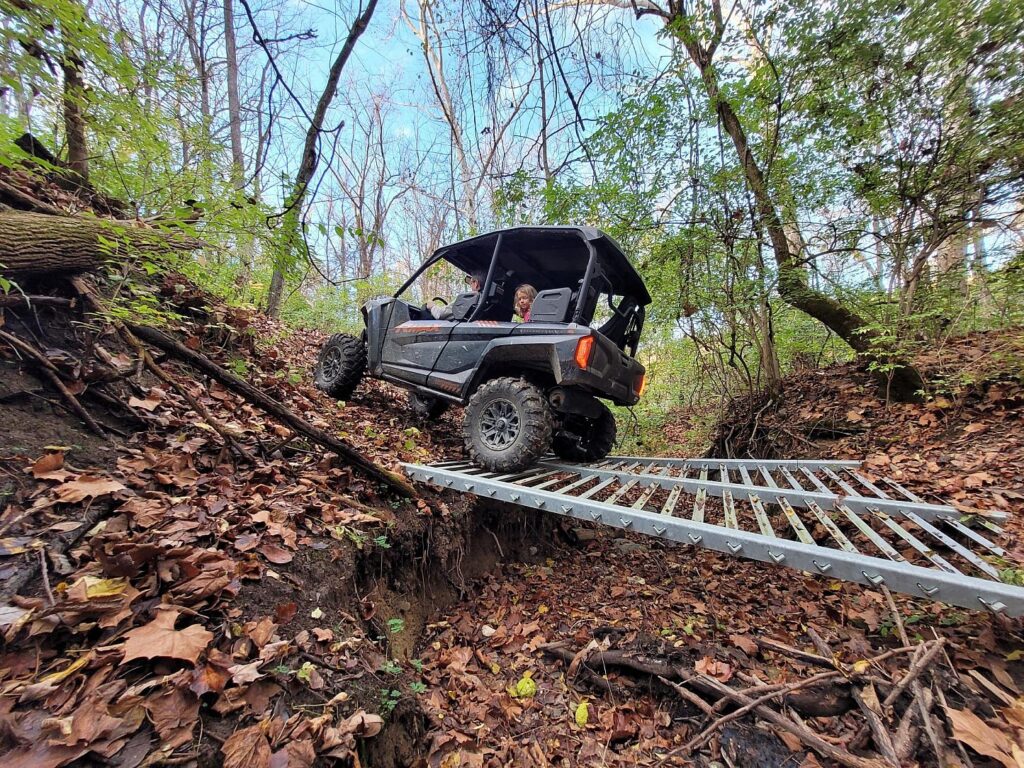
For farm owners and landowners, gaining efficient access to every corner of their property is crucial for productivity. Streams, drainage ditches, or small ravines often disrupt access, making it challenging to move equipment, tend to livestock, or fully utilize the land.
A small bridge provides the perfect solution, connecting isolated areas and turning fragmented land into a cohesive, functional property. However, traditional bridge installation often requires heavy equipment like cranes, which are impractical for remote or uneven terrain.
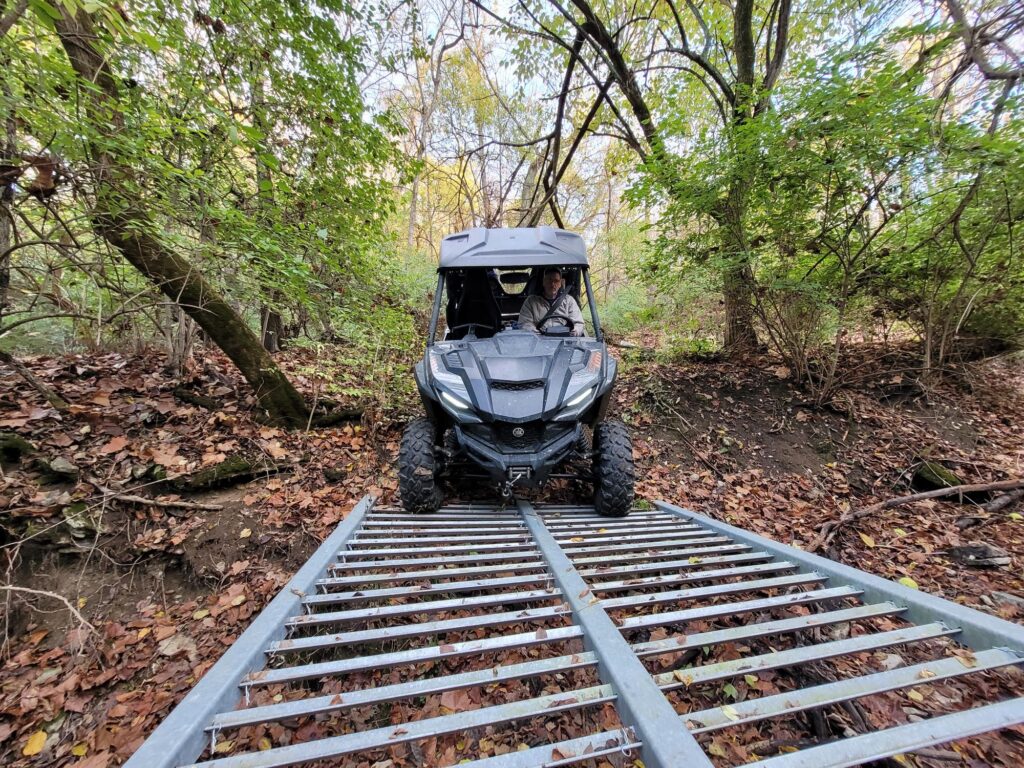
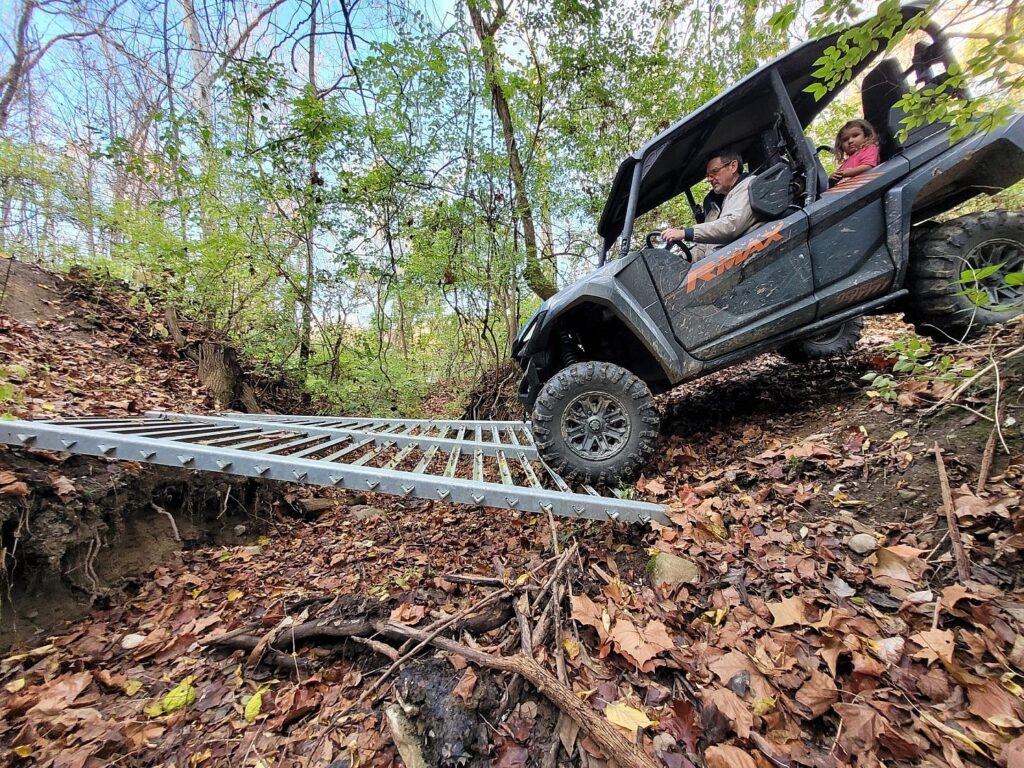
Eric Hill, owner of Cincinnati Metal Fabricating and a landowner himself, faced this exact challenge on his property. Like many others, Eric needed access to an area that would be impossible to reach without a bridge. But instead of settling for costly, crane-dependent solutions, he pioneered a game-changing product: a DIY bridge kit that redefines land accessibility.
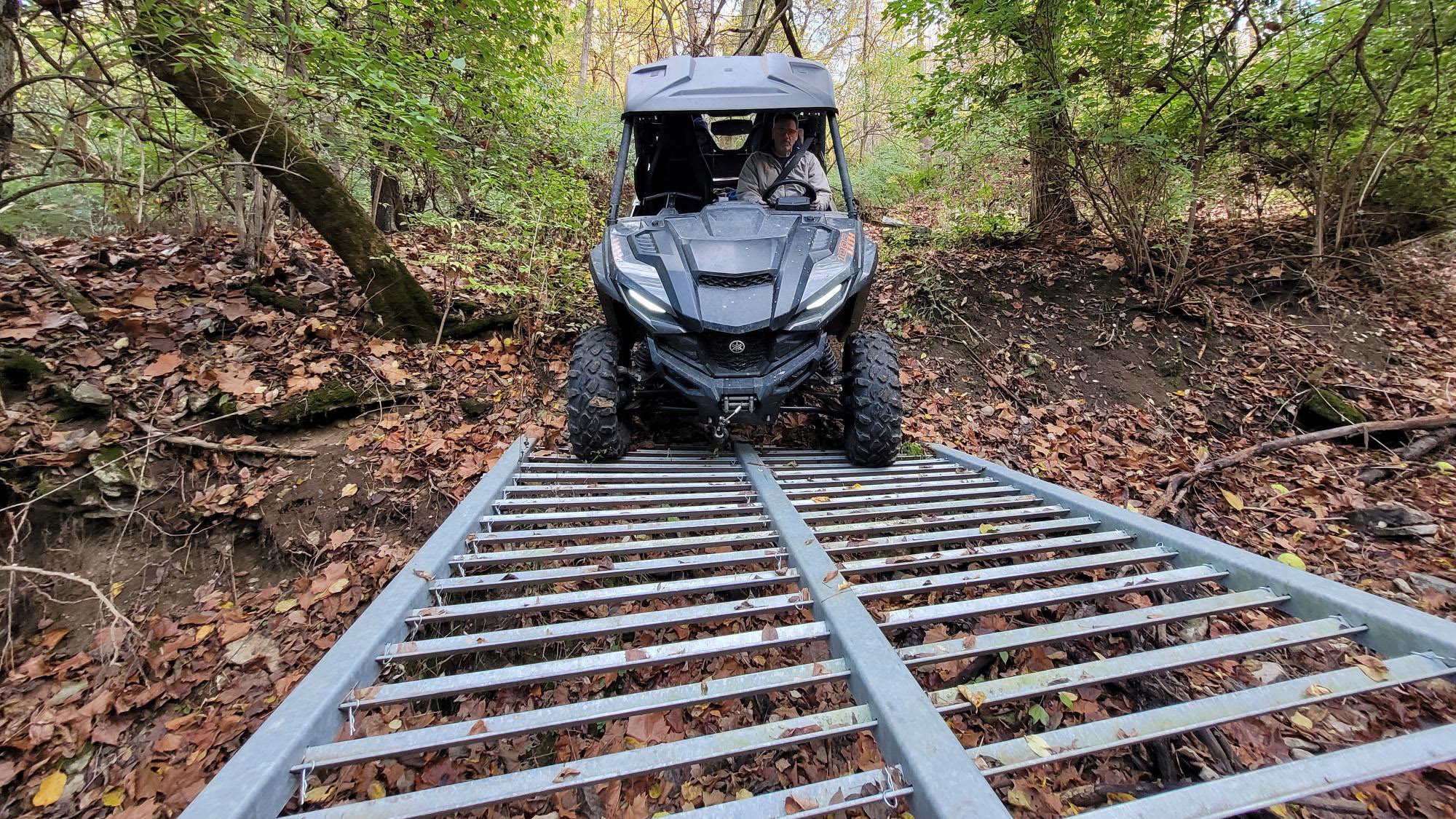
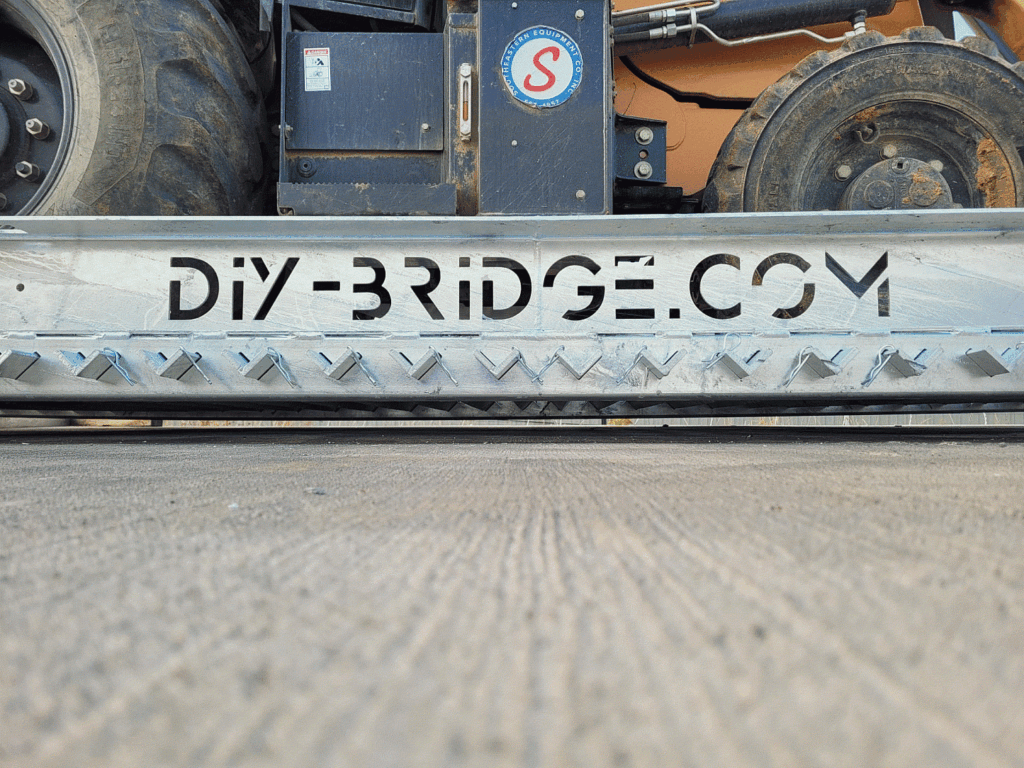
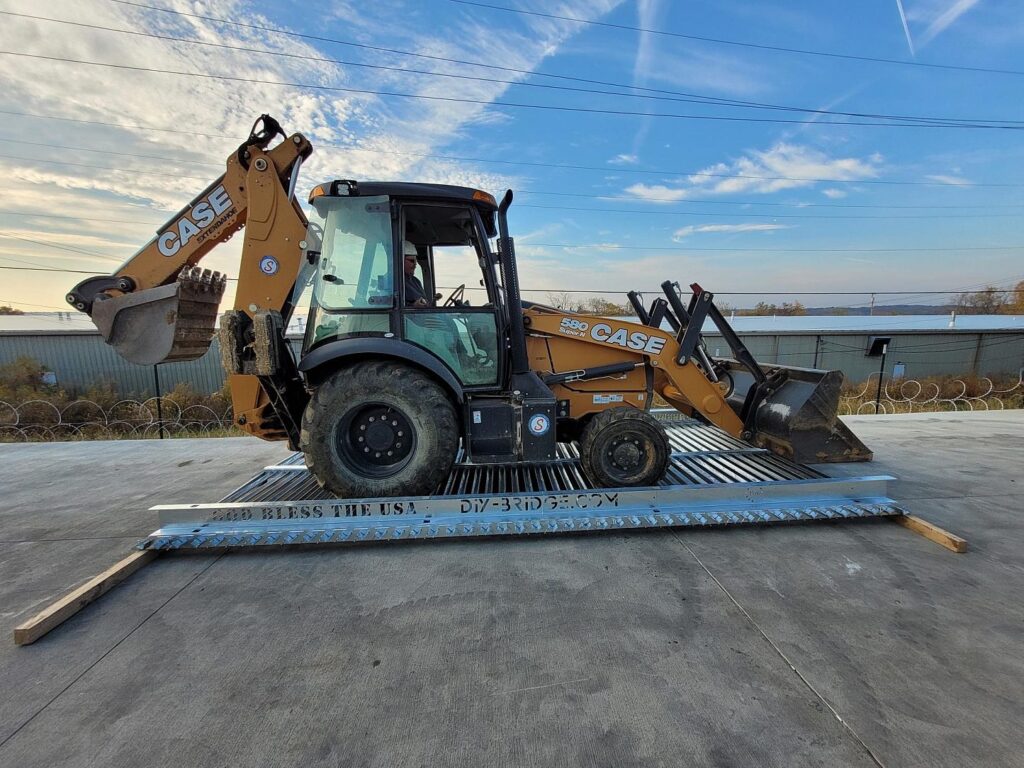
This innovative bridge kit is engineered with ingenuity at its core. Unlike conventional bridges, it is designed for simplicity, enabling assembly without heavy equipment. Its modular components are hot-dip galvanized, ensuring exceptional durability and resistance to rust, even in the harshest conditions.
AZZ played a crucial role in the development of the bridge kit, providing valuable advice on welding techniques to achieve a smoother coating appearance. This expertise not only enhanced the kit’s visual appeal but also ensured the durability and rust resistance needed for long-term performance. The collaboration highlights the importance of combining innovative design with specialized industry knowledge to create a high-quality product.
The kit comes with straightforward instructions, allowing users to construct a functional bridge in just a few hours. By eliminating the need for cranes and specialized tools, Eric’s solution makes installing a bridge feasible for even the most hard-to-reach locations. It’s a practical, affordable, and efficient alternative that empowers landowners to overcome obstacles, maximize their property’s potential, and do so with minimal hassle.
The kit’s versatility extends to a wide range of uses. From creating walkways over streams to providing access to recreational areas like hiking trails, it is ideal for settings requiring a reliable and easy-to-install bridge. Its adaptable design and durable construction demonstrate its value well beyond traditional agricultural applications.
By merging practicality with innovation, this DIY bridge kit doesn’t just bridge gaps in the landscape—it bridges gaps in accessibility, affordability, and ingenuity, offering a transformative solution for anyone seeking efficient access across challenging terrains.