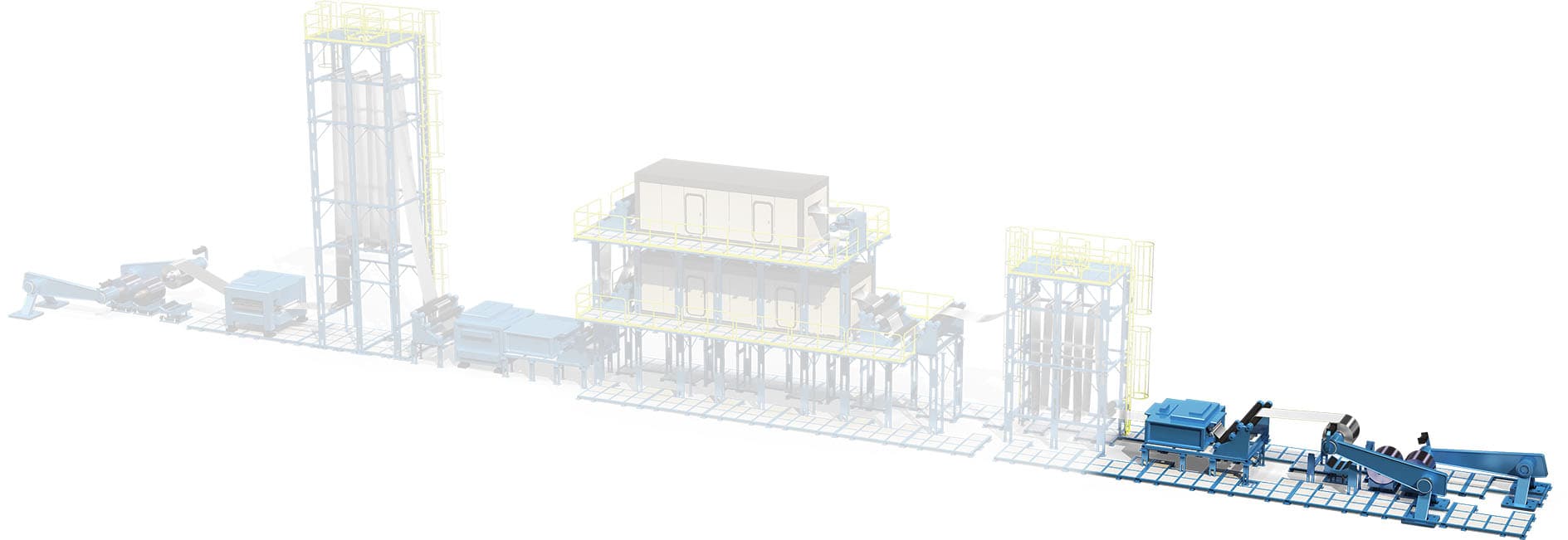
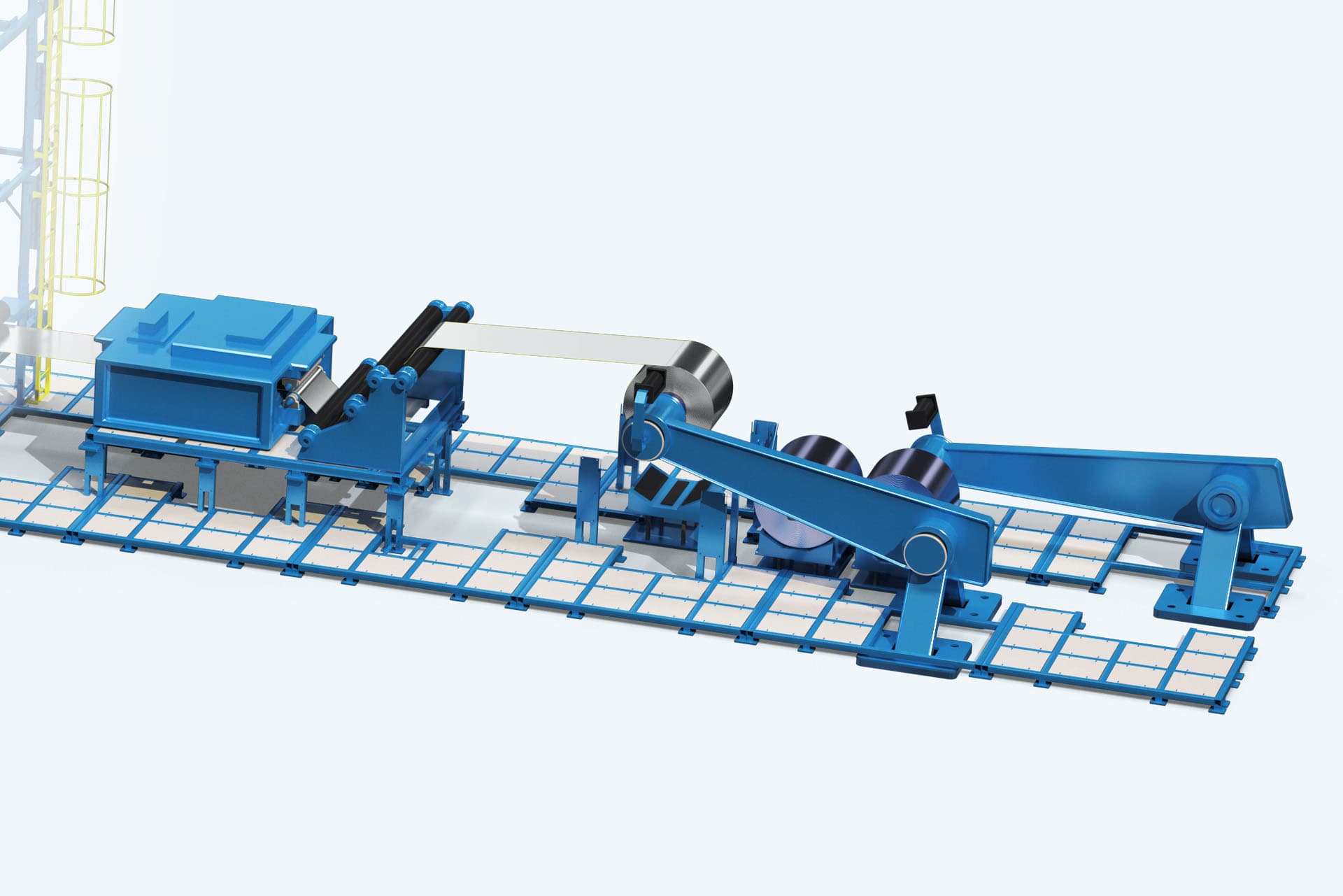
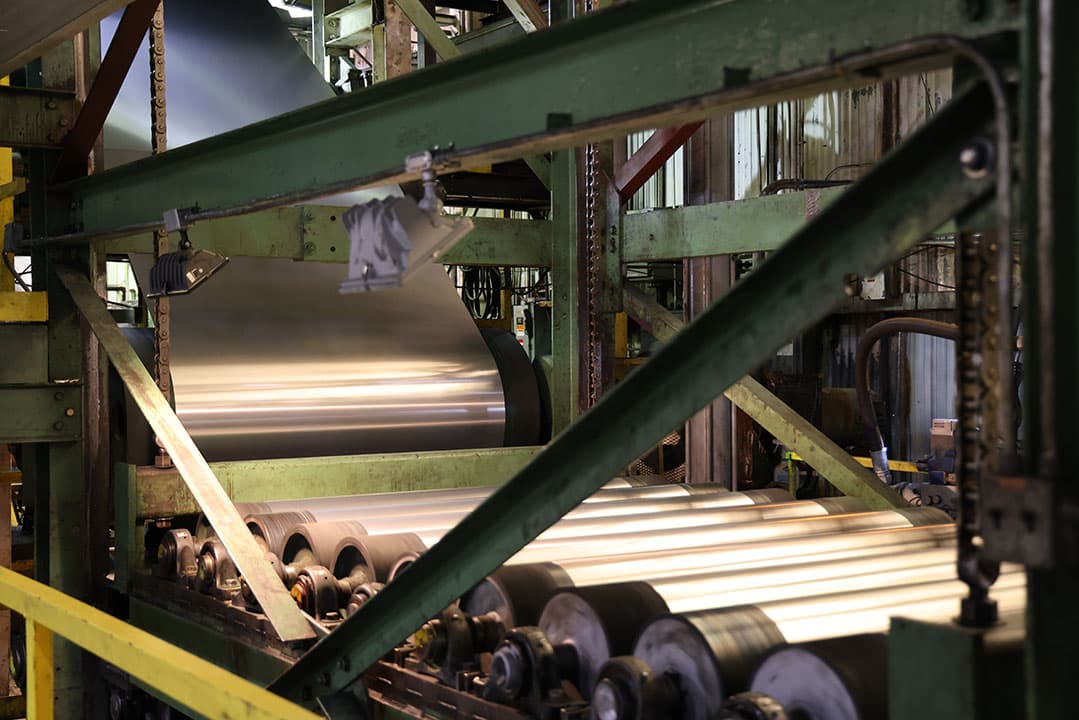
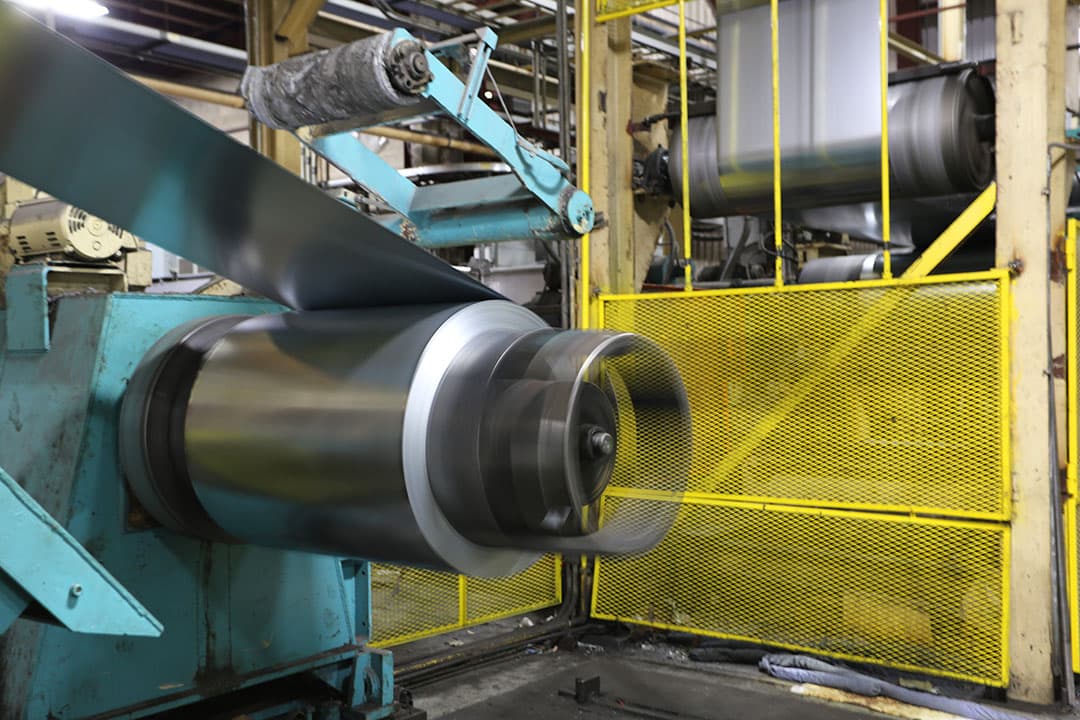
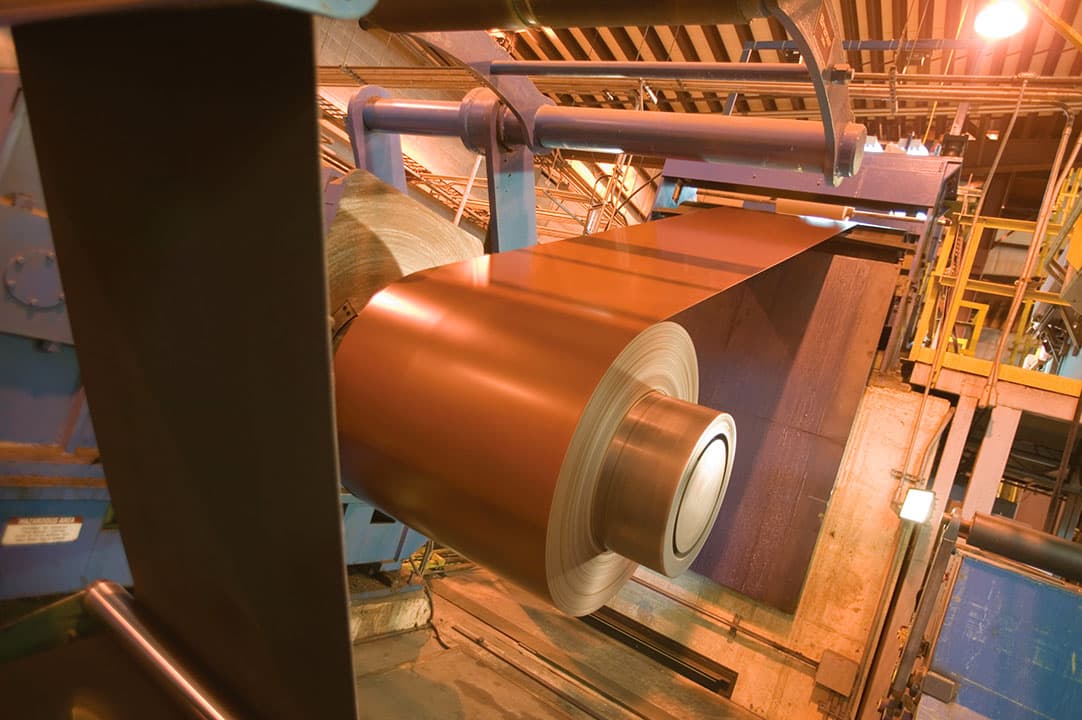
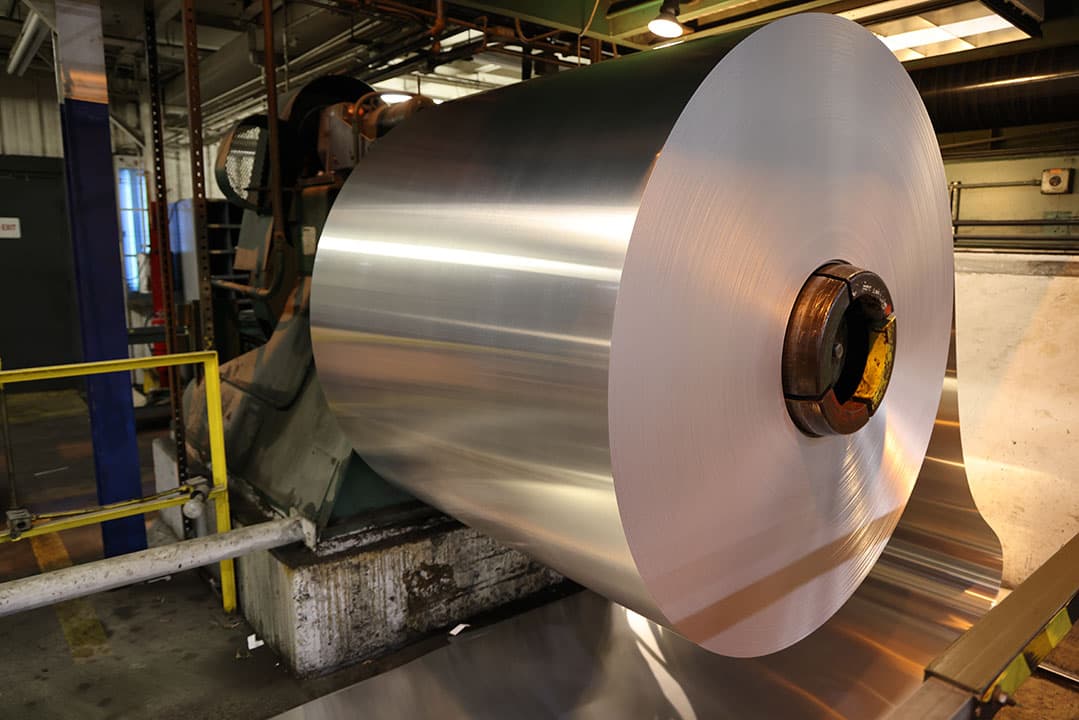
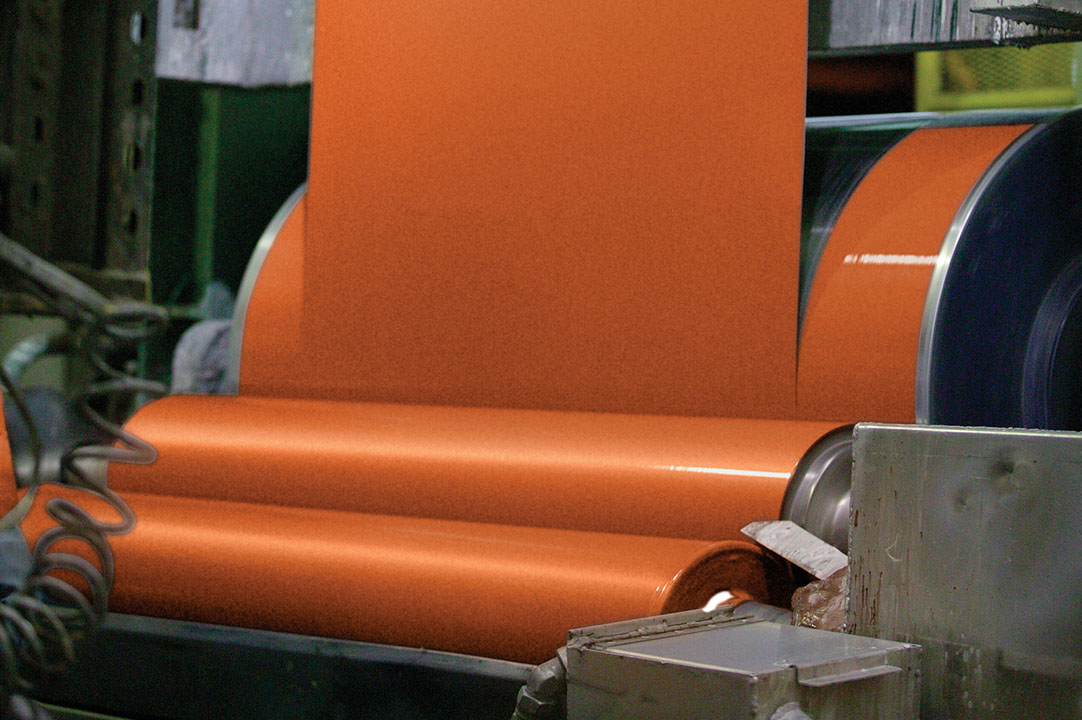
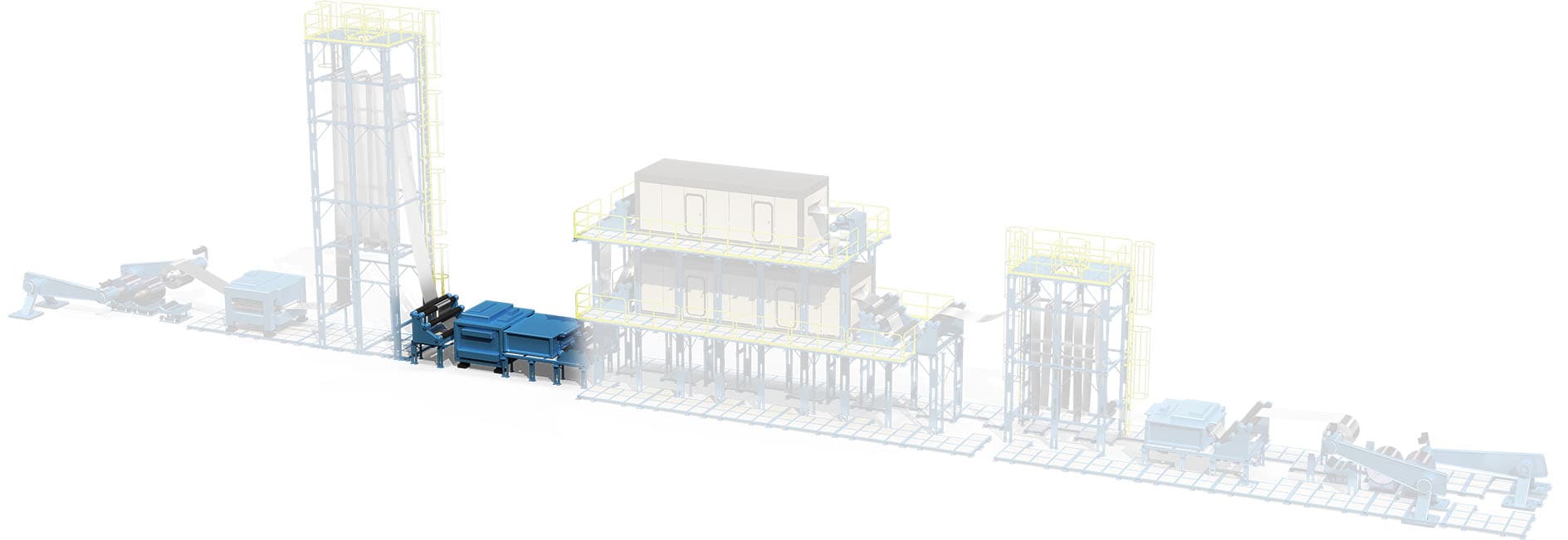
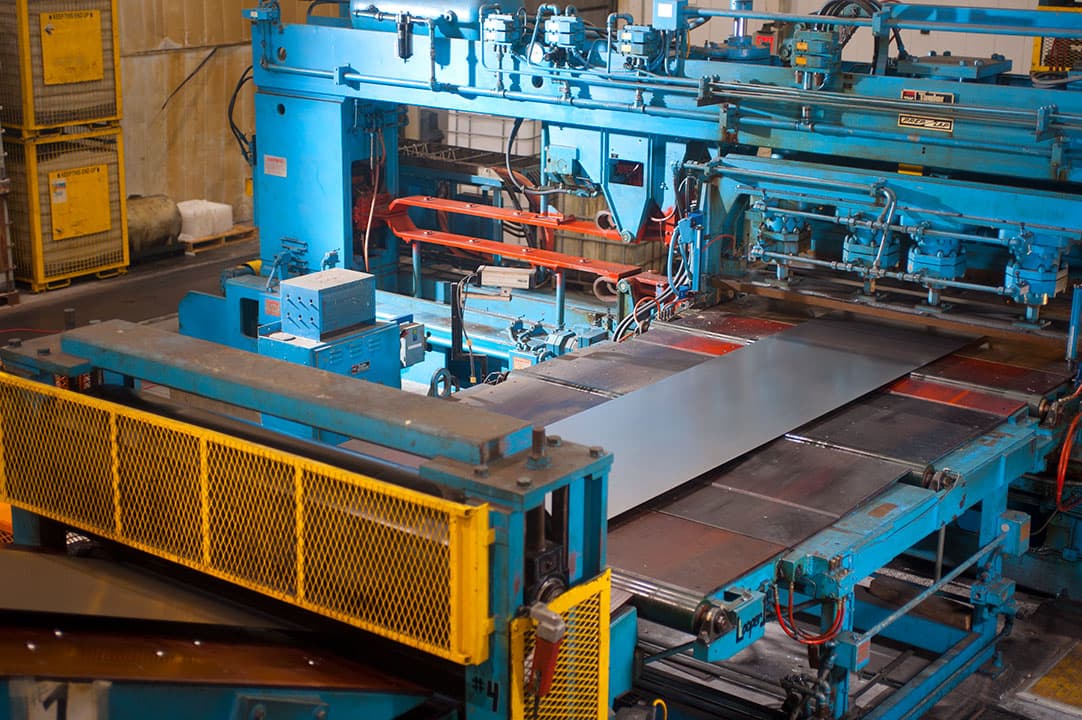
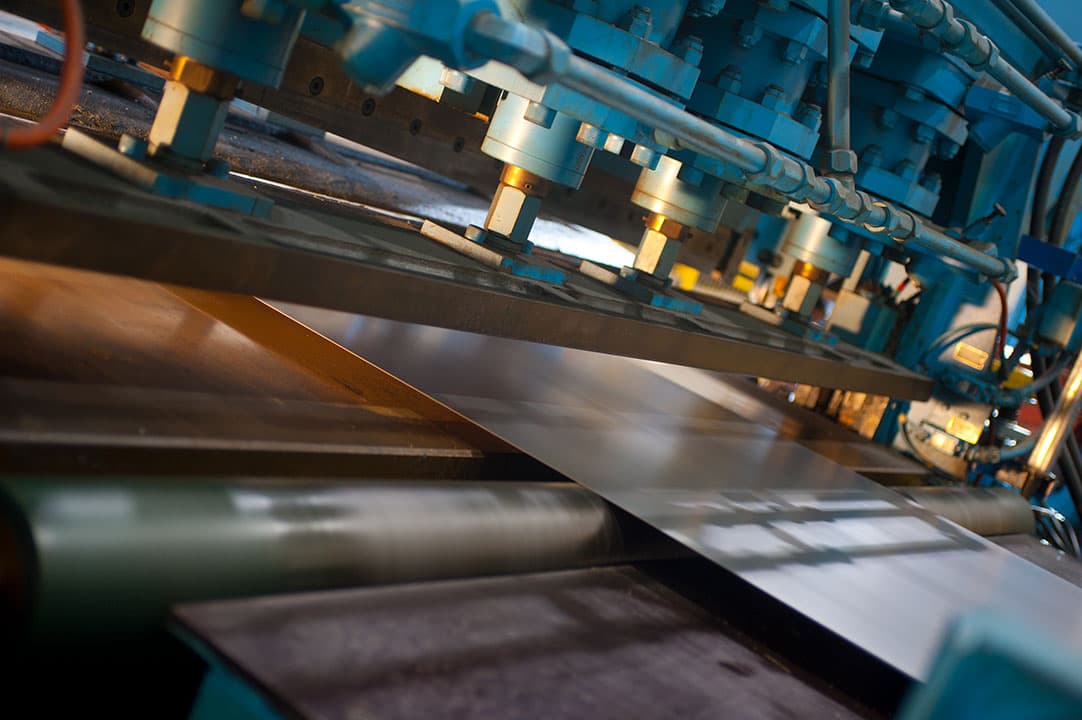
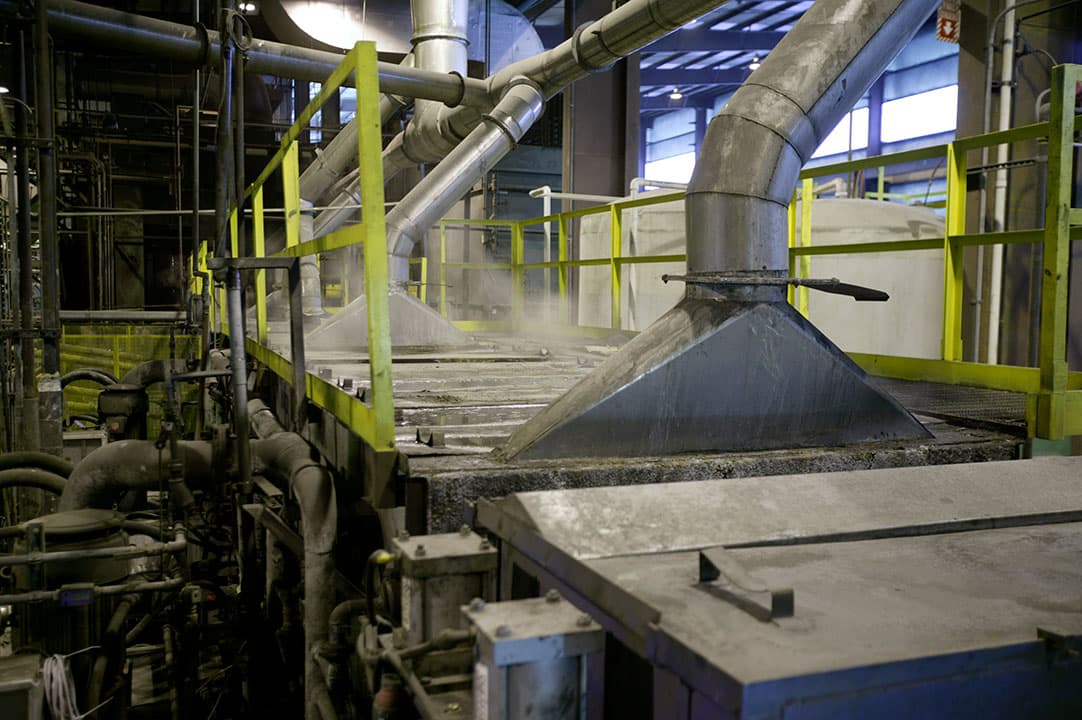
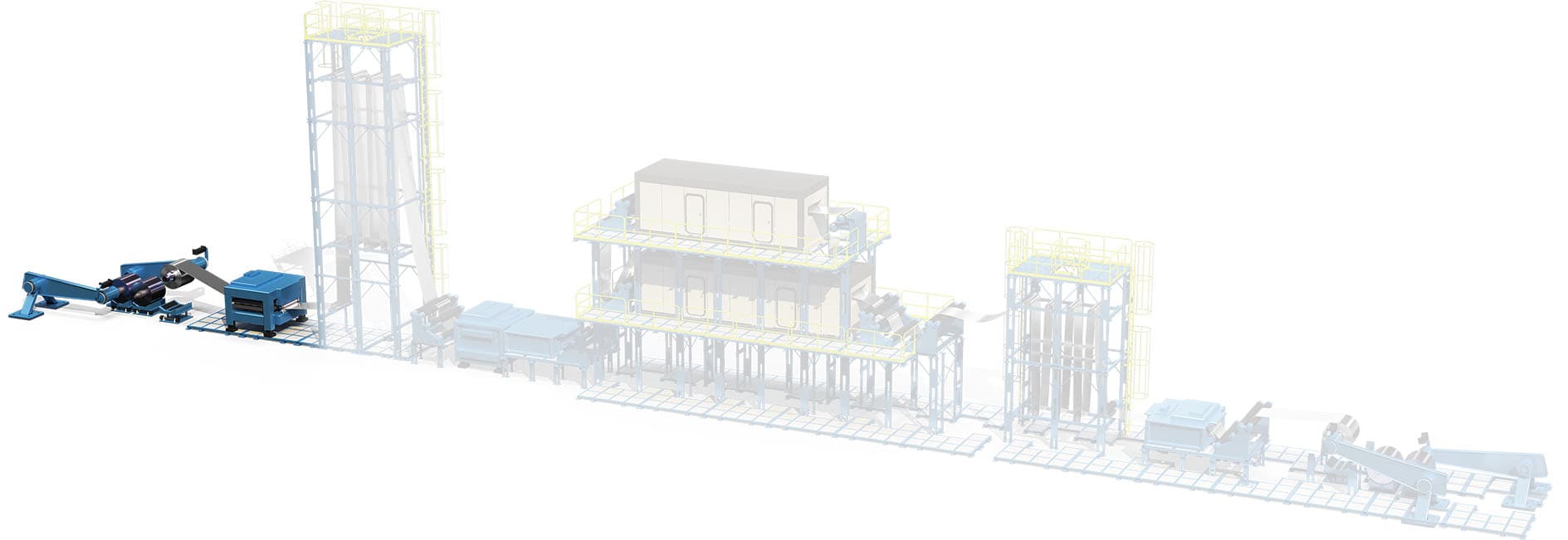
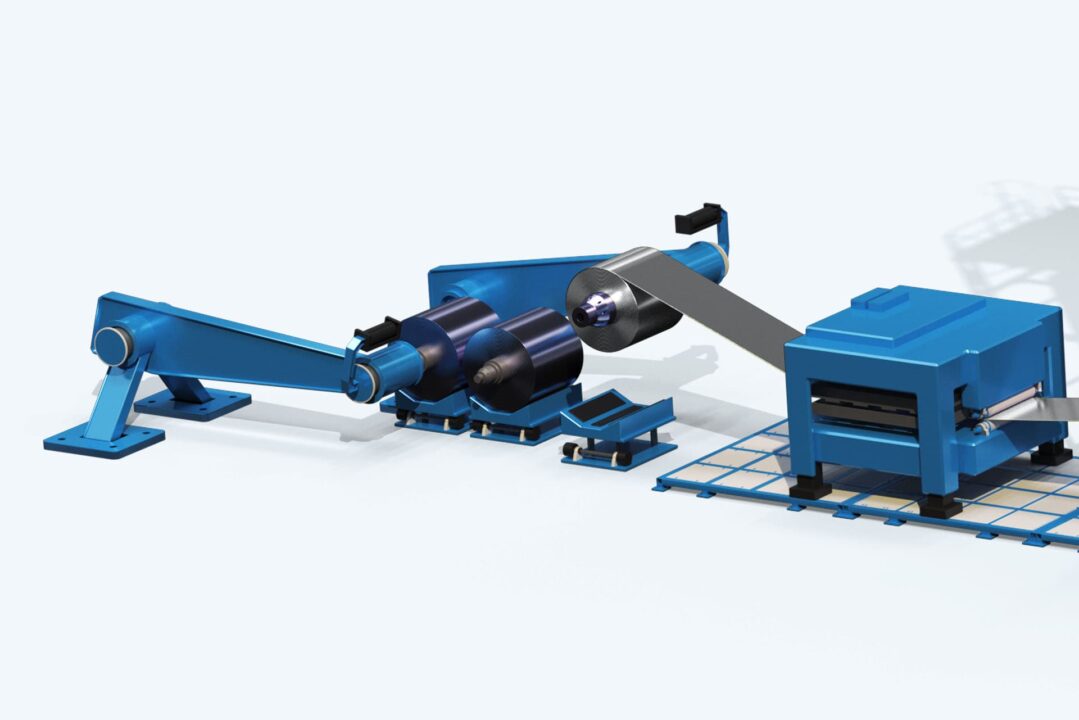
Once the metal is cleaned, treated, and painted, the strip is rewound into a coil size prescribed by the customer. From there, the coil is removed from the line and packaged for shipment or additional processing.
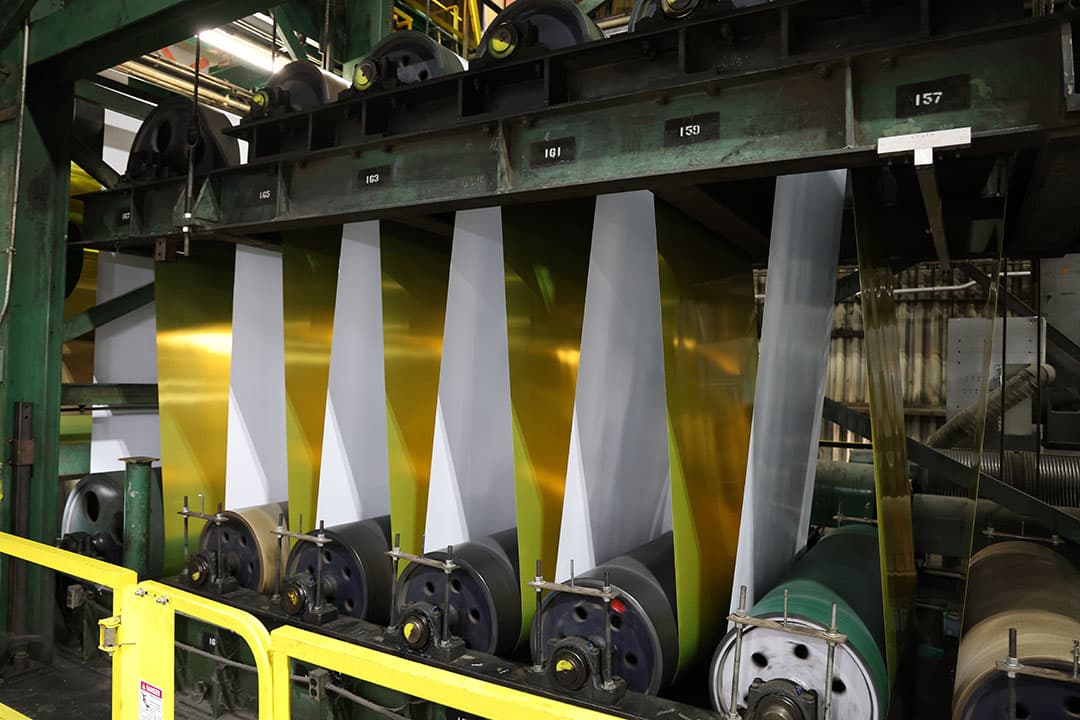
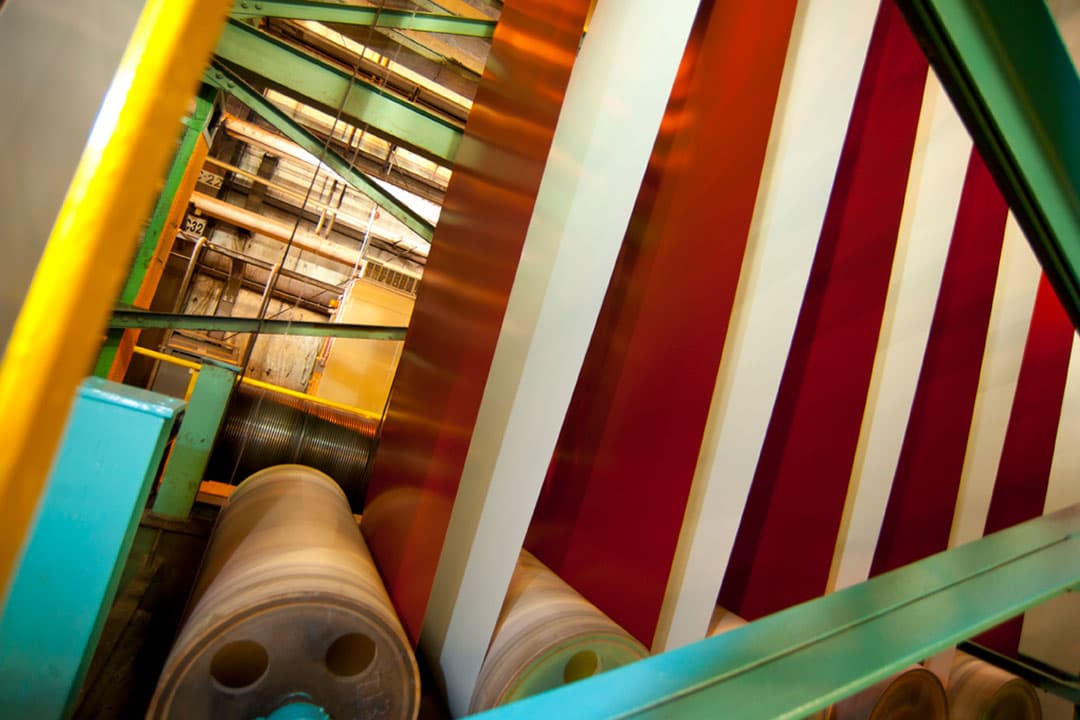
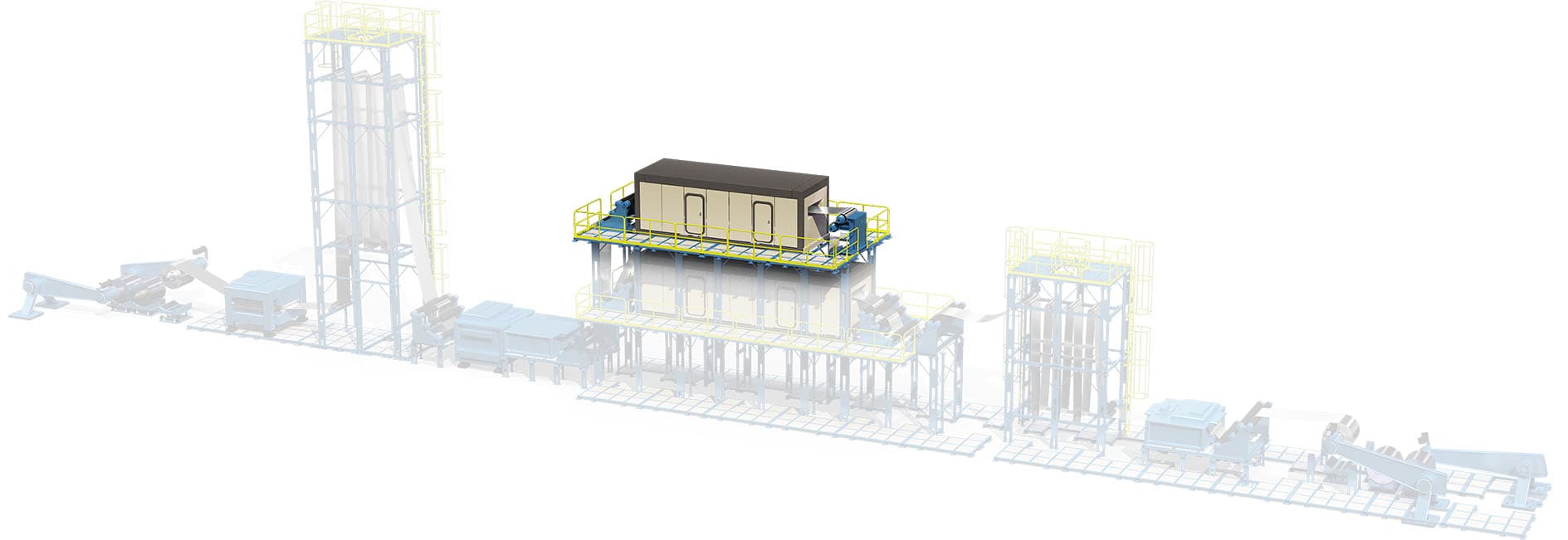
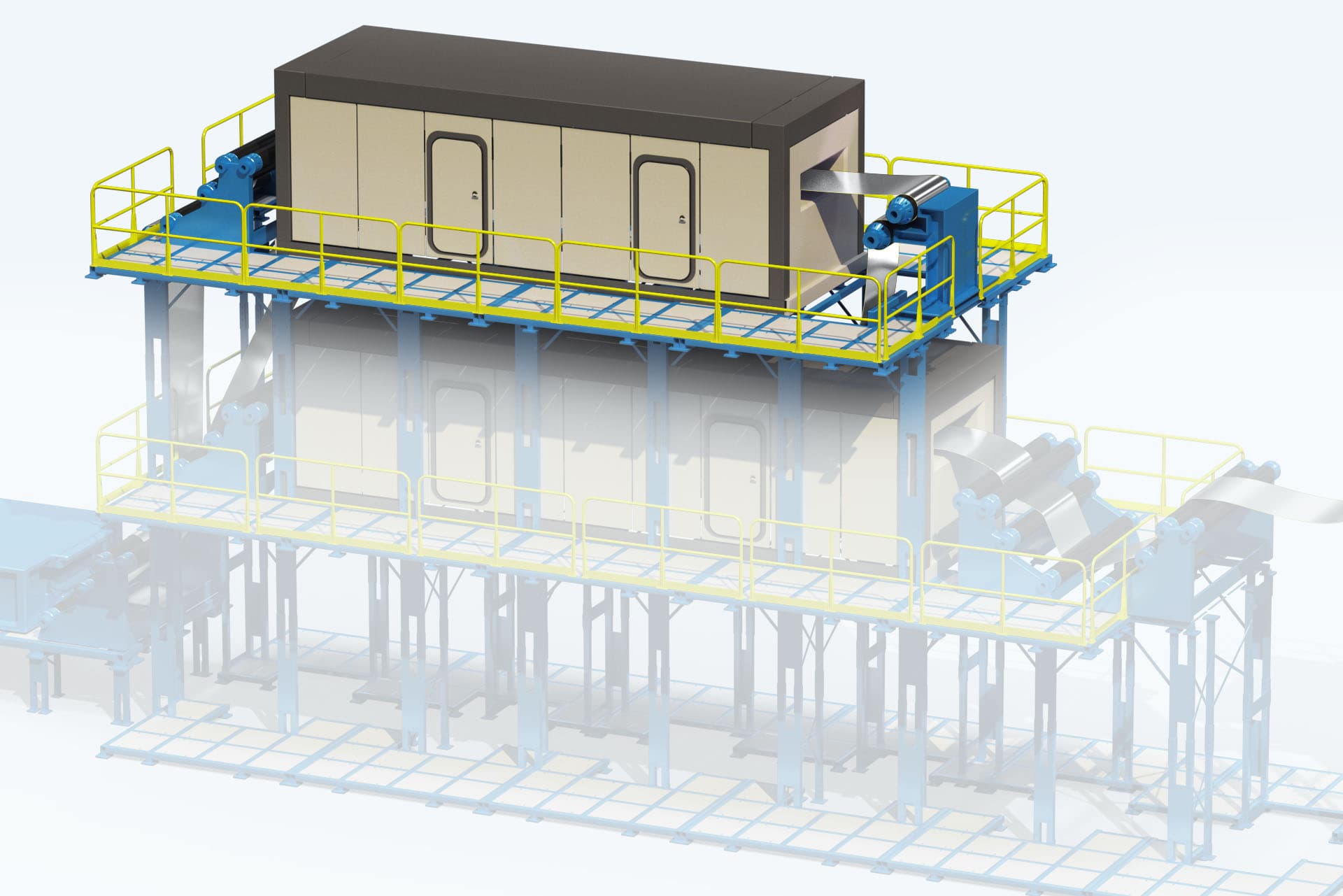
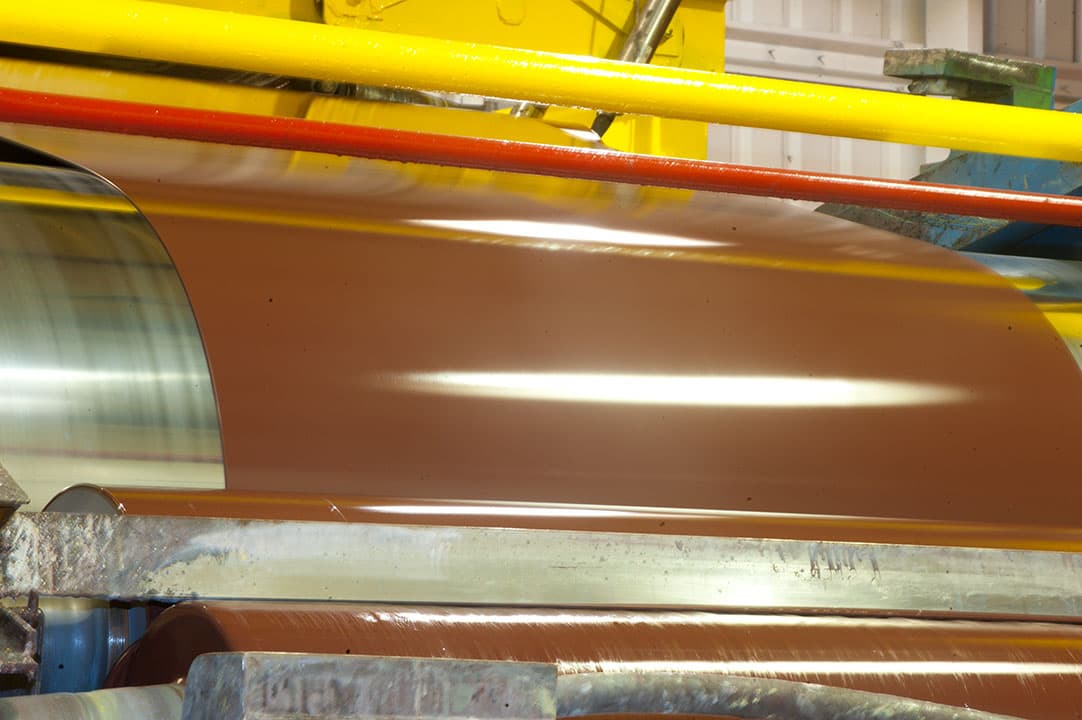
After the primer is applied and cured, then the metal strip enters the finish coat station where a topcoat is applied. Topcoats provide color, corrosion resistance, durability, flexibility and any other required physical properties. Like primers, the topcoat is cured using thermal cure ovens.
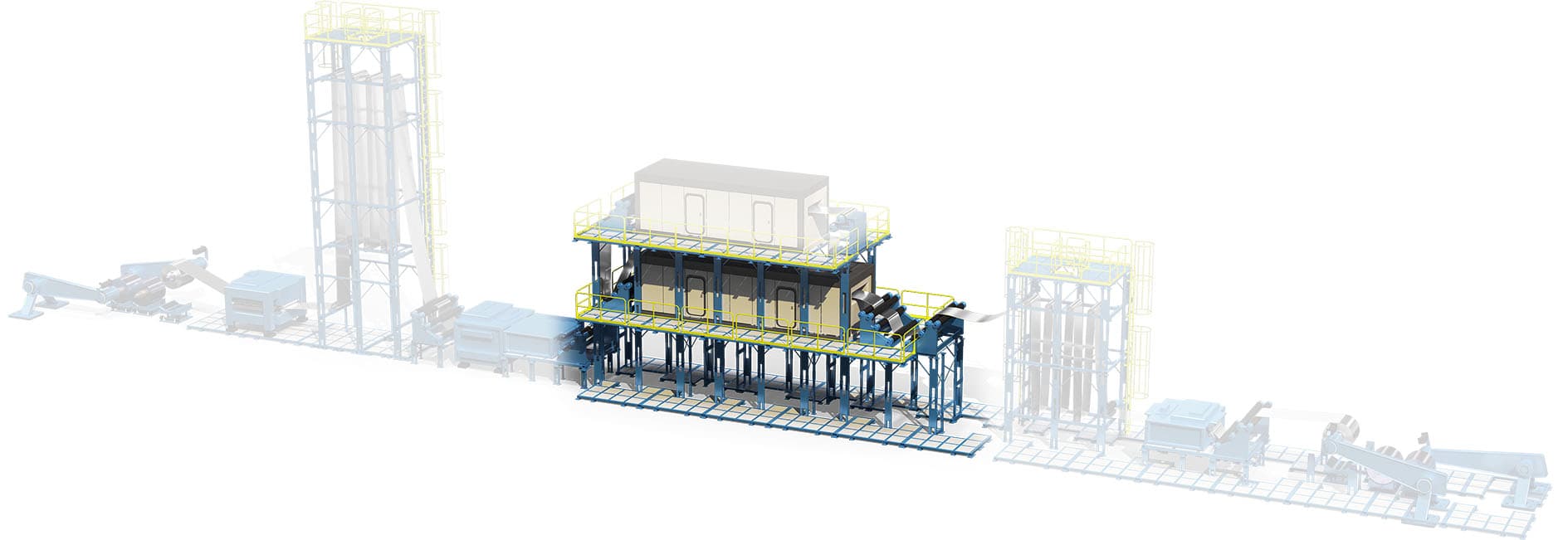
Oven
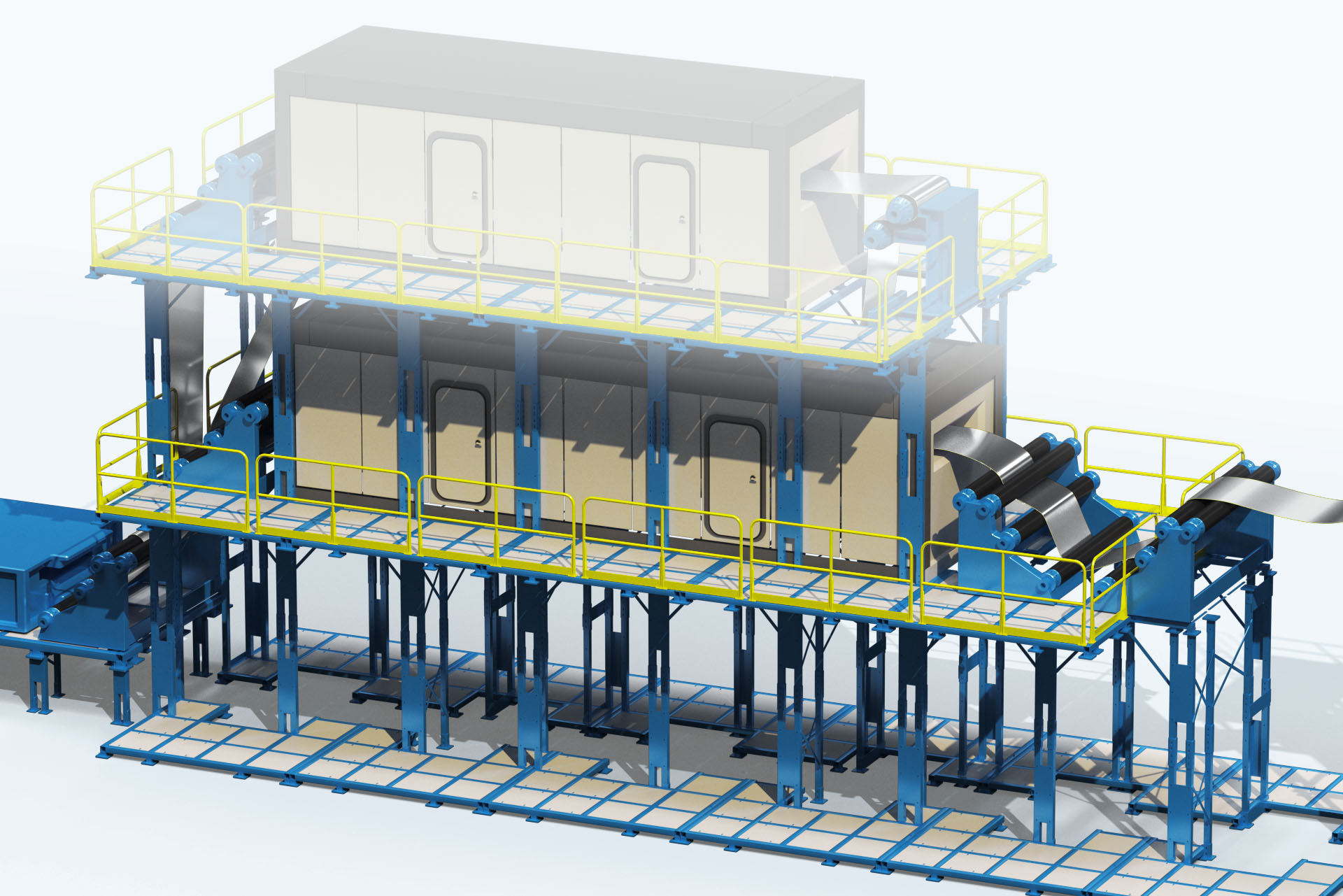
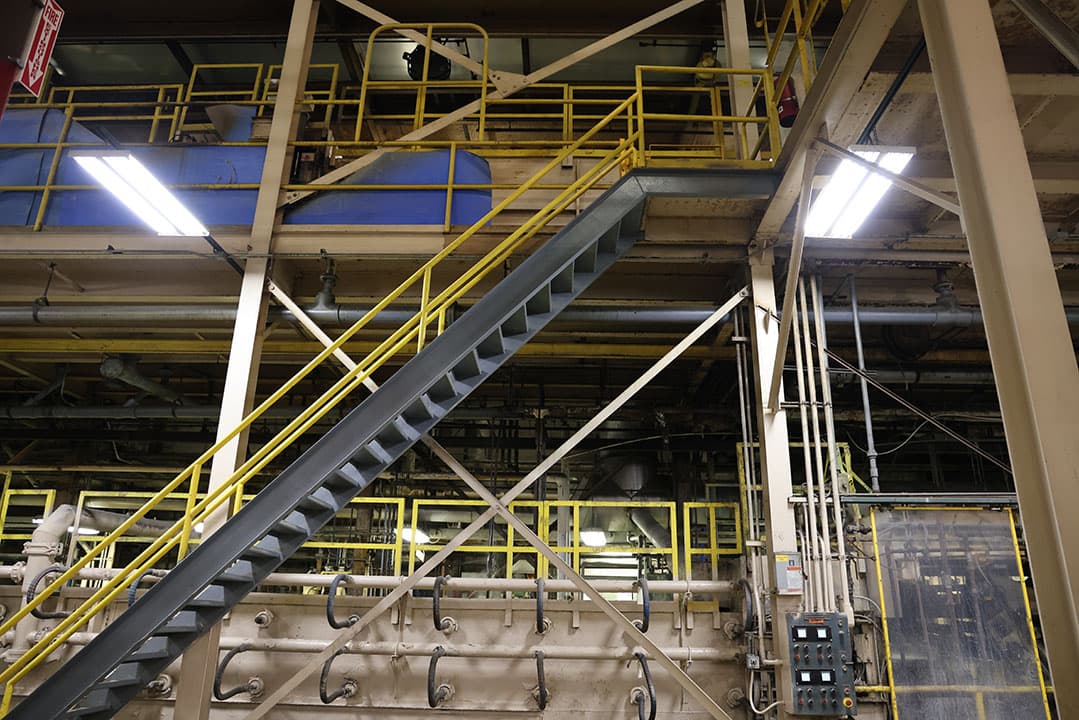
Coil coating ovens can range from 130 feet to 160 feet and will cure the coatings in 13 to 20 seconds.
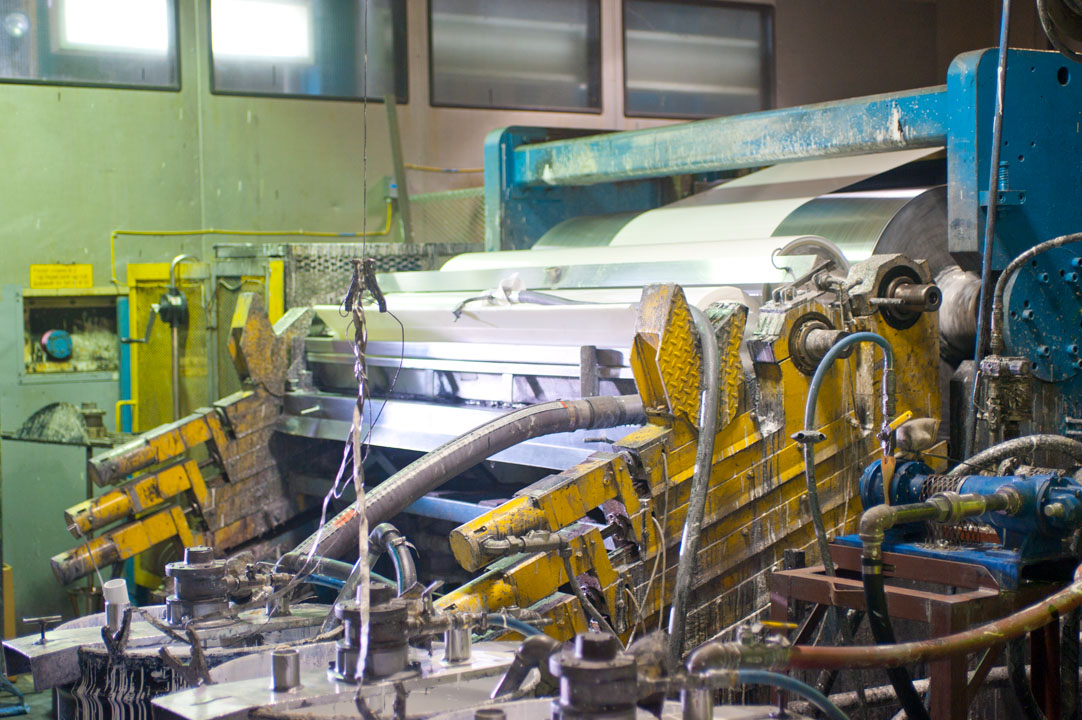
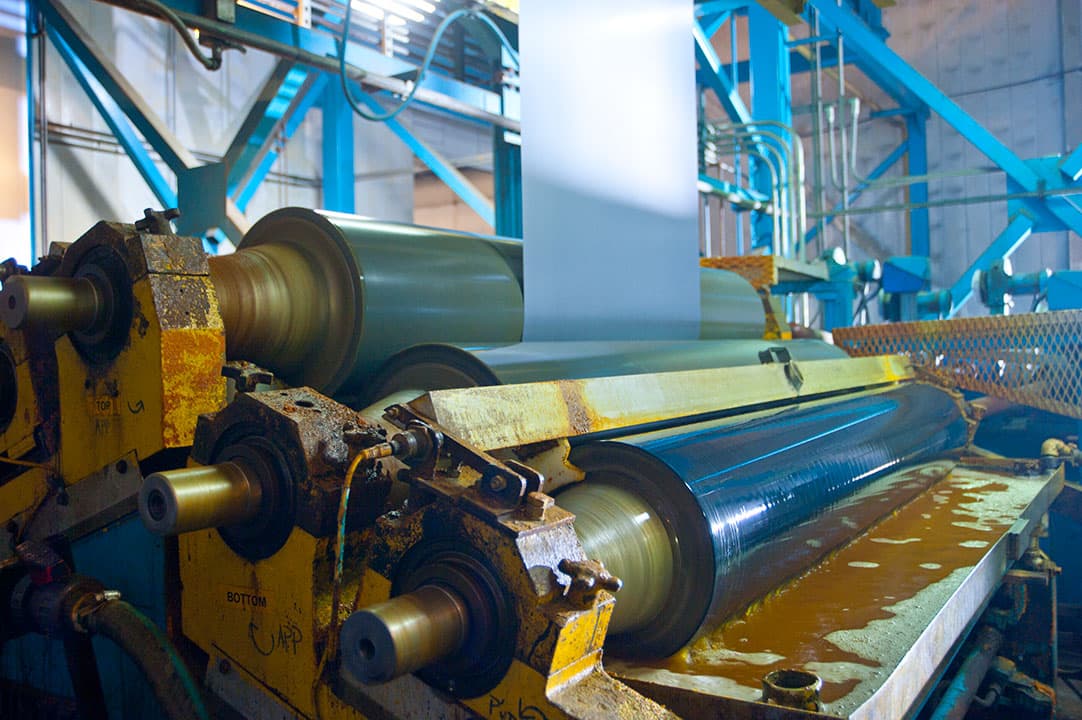
During this stage, the strip enters the prime coat station whereby a primer is applied to the clean and treated metal. After the primer is applied, the metal strip travels through a thermal oven for curing. Primers are used to aid in paint adhesion, improve corrosion performance and enhance aesthetic and functional attributes of the topcoat.
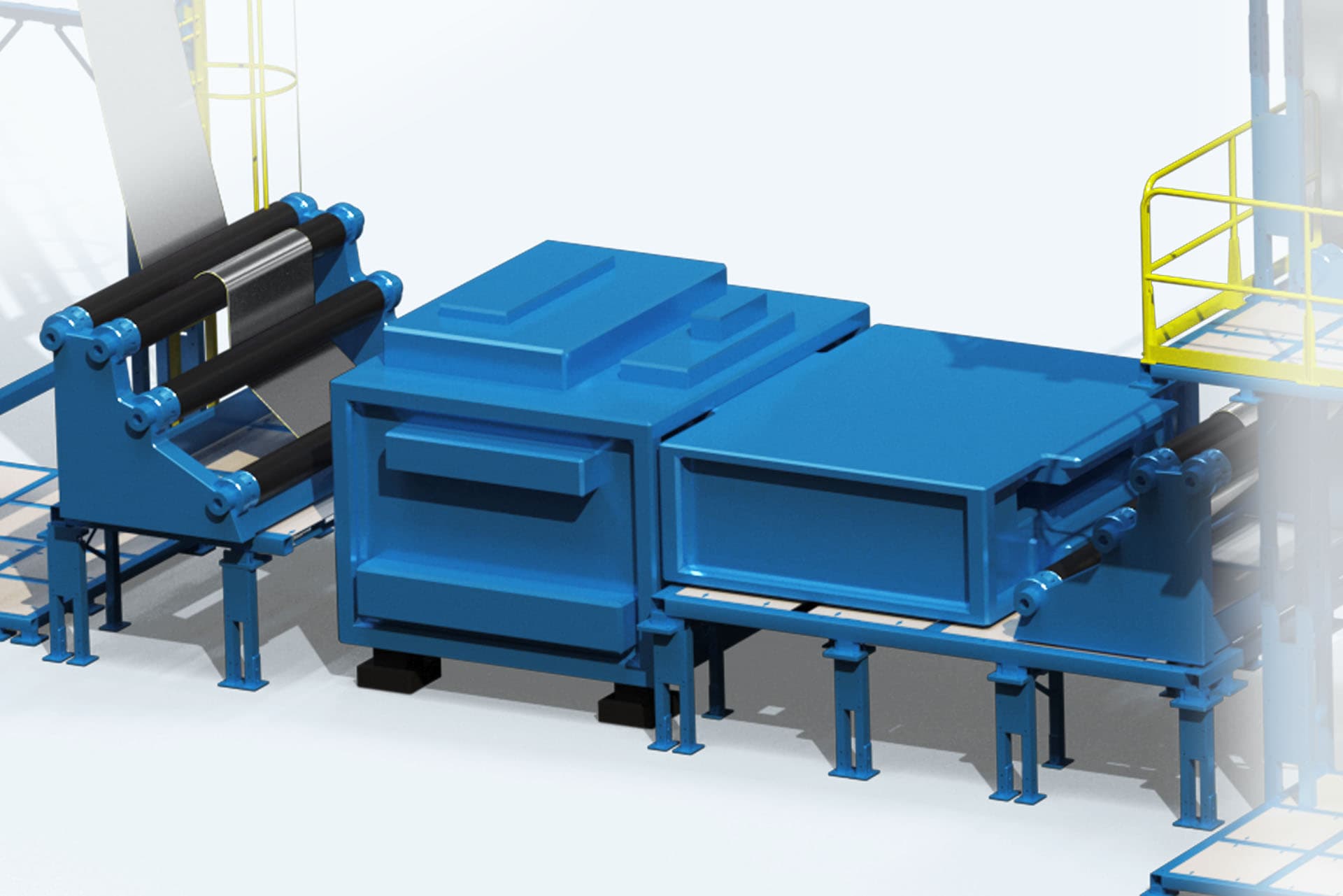
S Wrap Coater
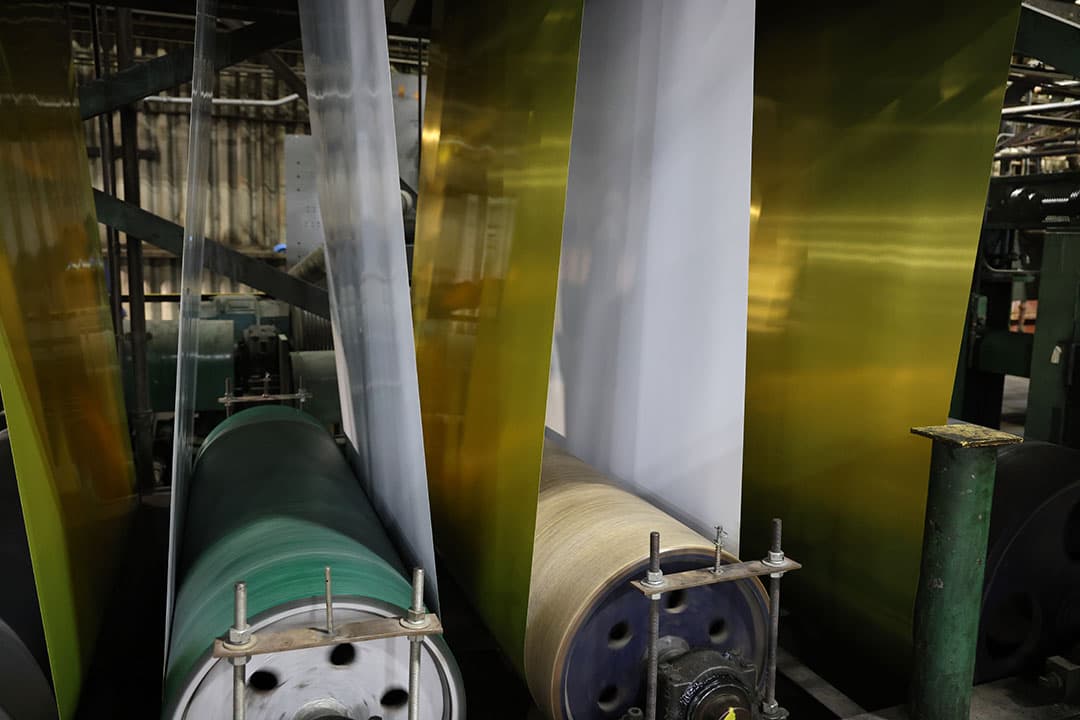
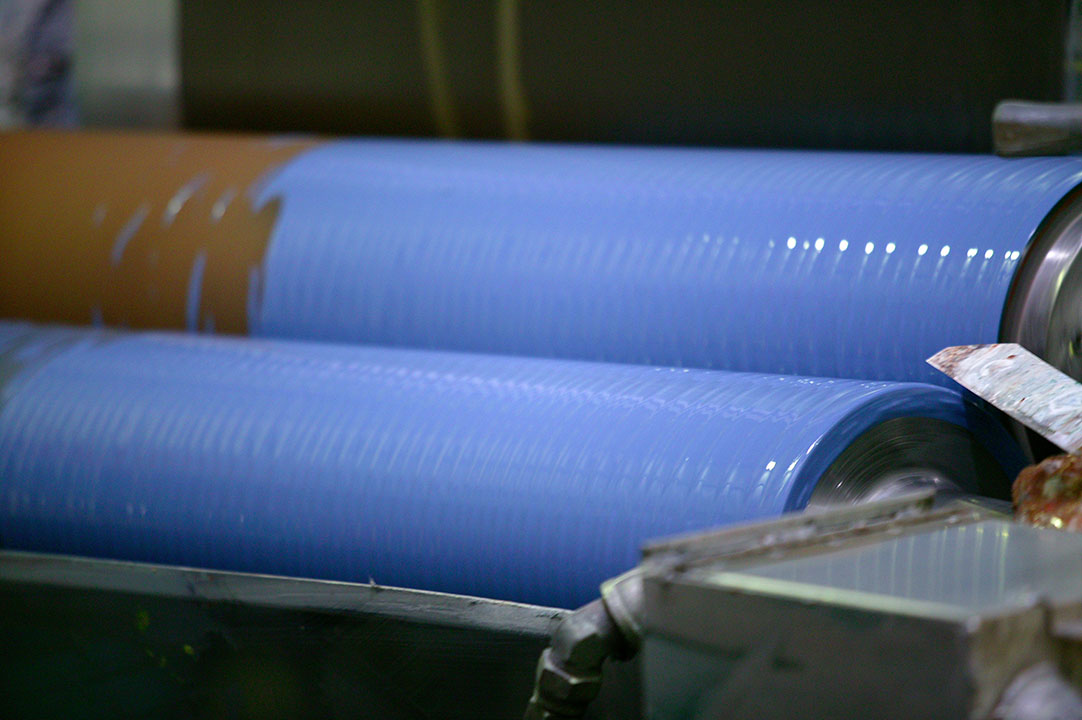
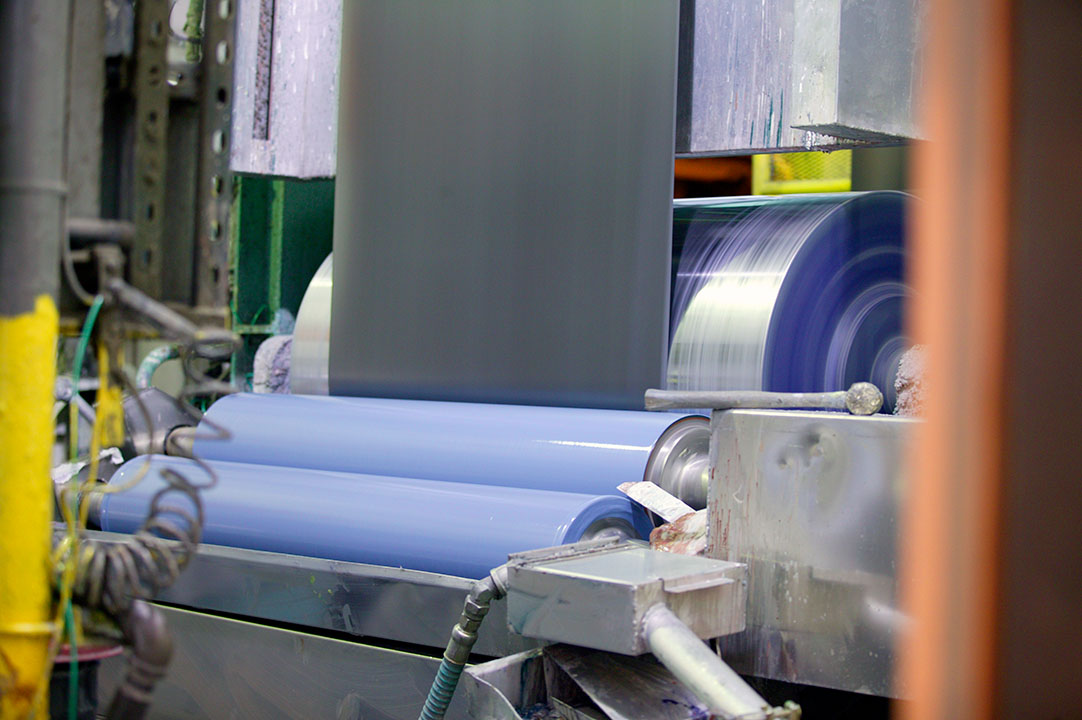
The S wrap coater design allows for primers and paints to be applied to the top and back side of the metal strip simultaneously in one continuous pass.
The cleaning and pretreating section of the coil coating process focuses on preparing the metal for painting. During the cleaning stage, dirt, debris, and oils are removed from the metal strip. From there, the metal enters the pretreatment section and/or a chemical coater whereby chemicals are applied to facilitate paint adhesion and enhance corrosion resistance.
Dried-In-Place
In this stage a chemical that provides enhanced corrosion performance is applied. This treatment can be chrome free if required.
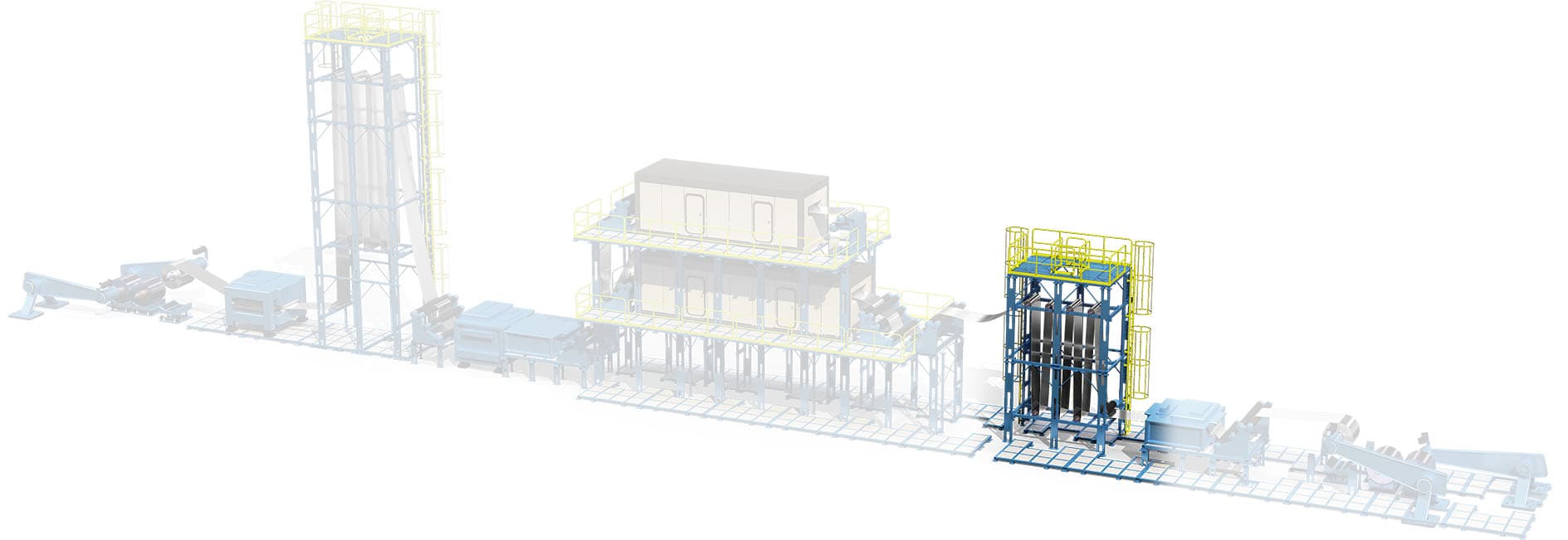
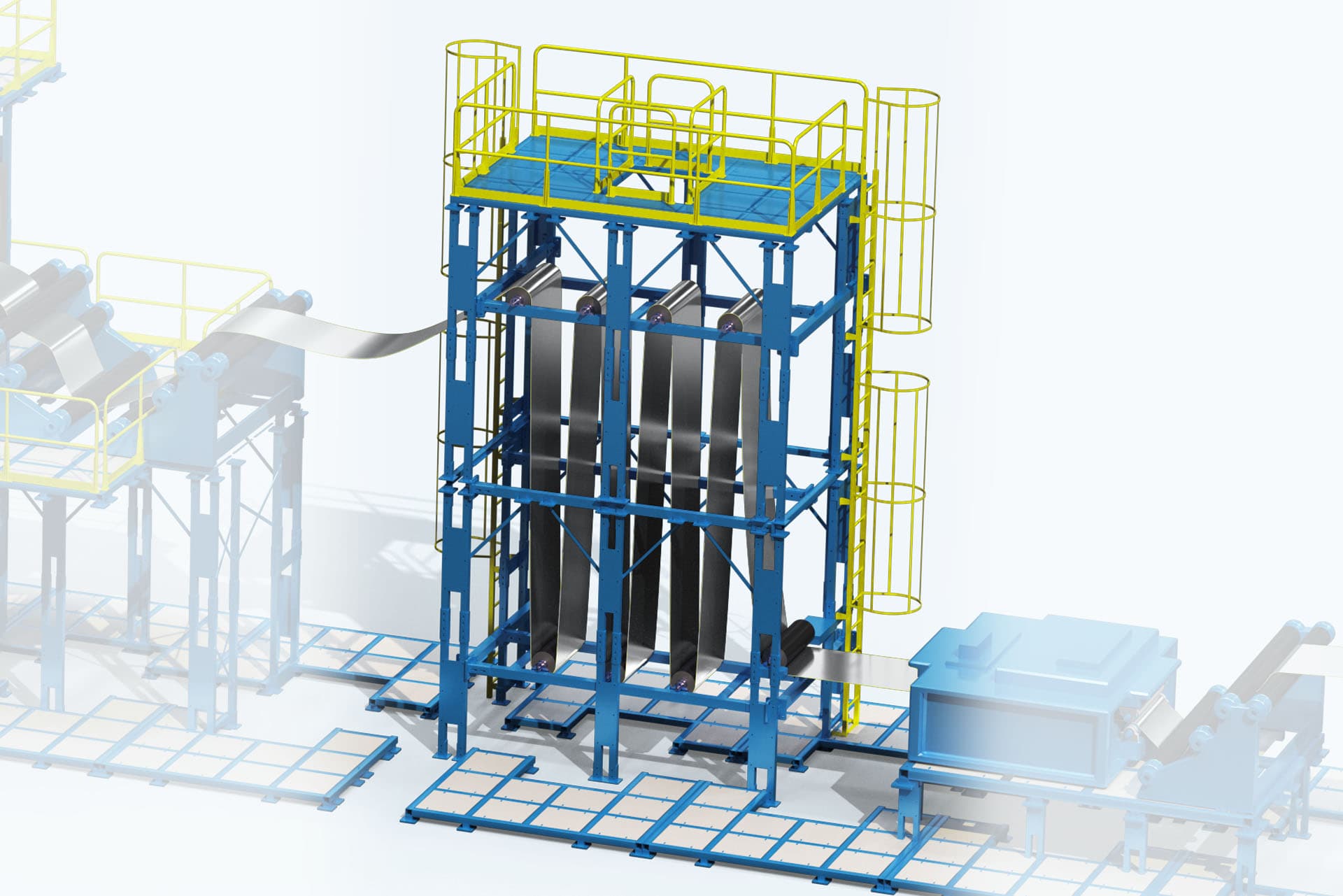
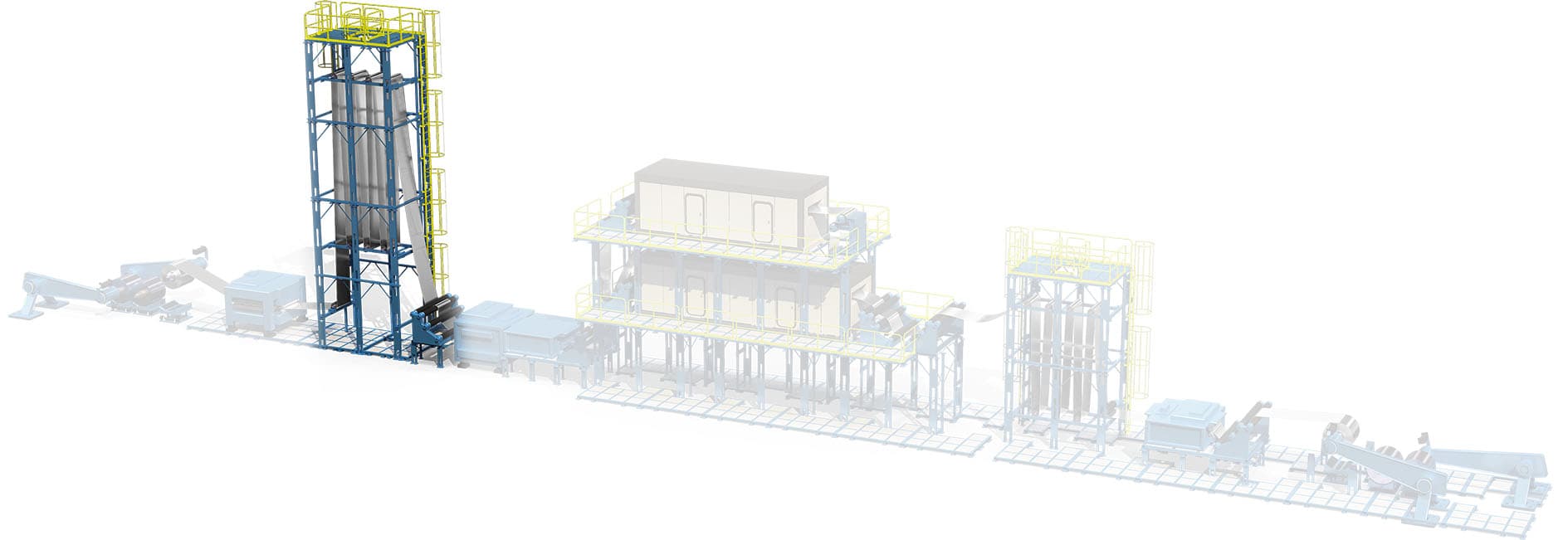
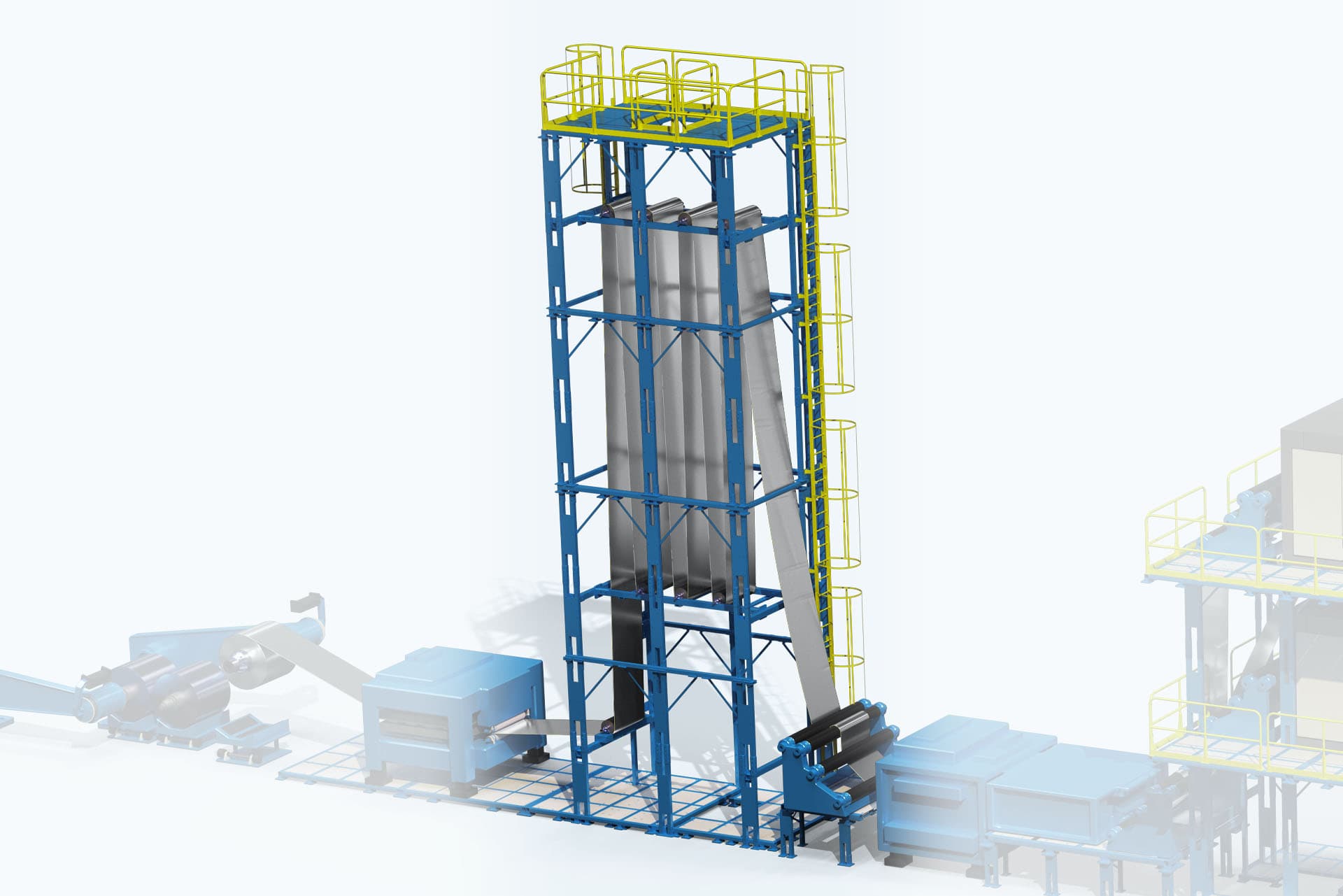
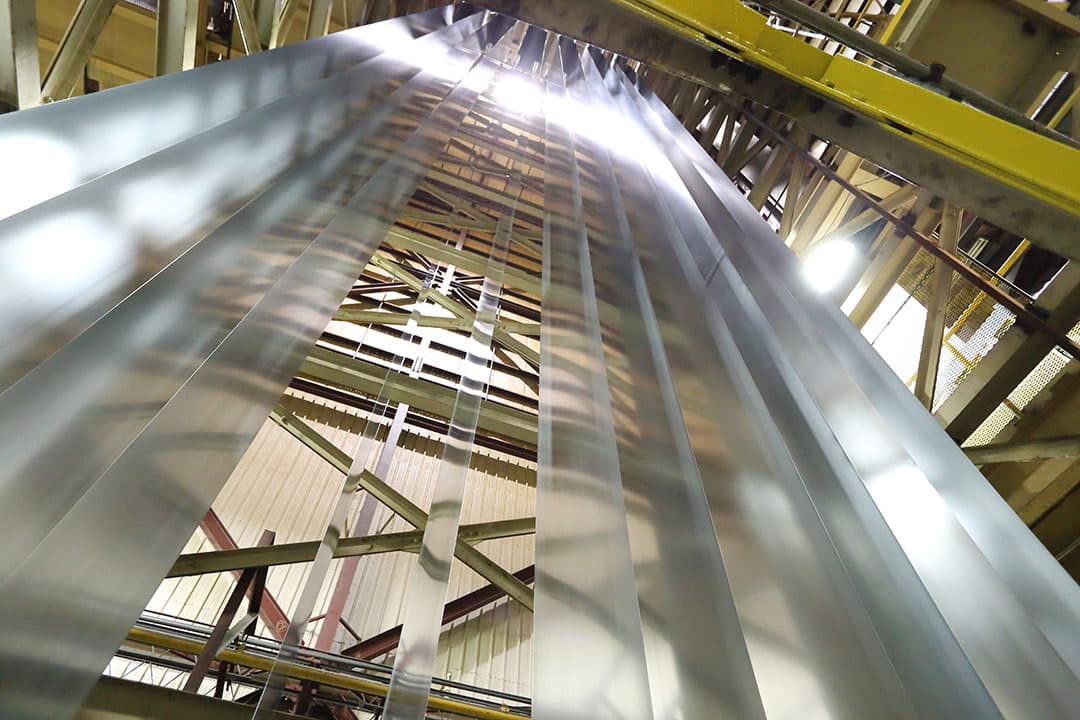
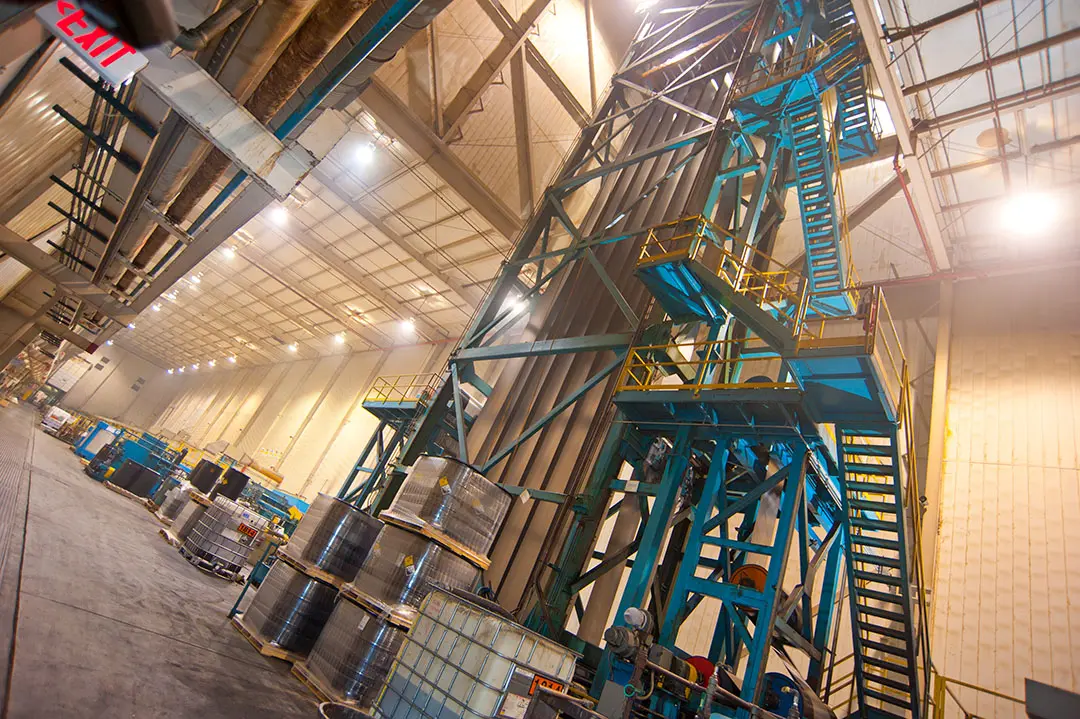
The accumulator is a structure that adjusts up and down to store material, which makes continuous operation of the coil coating process possible. This accumulation will continue to feed the coil coating processes while the entry end has stopped for the stitching process. As much as 750 feet of metal can be collected.
Legacy Trail Pedestrian Bridge: Spanning History and Sustainability
In November 1911, the Seaboard Air Line Railway commenced passenger services from Sarasota to Venice through an extension. The construction of the Venice Train Depot in 1927 further attracted individuals eager to reside in Venice, establish businesses, and relish the coastal community.
The depot also became a hub for families and personnel traveling to Venice for the Kentucky Military Institute and the Army Air Base during World War II. Notably, from 1960 to 1992, the railroad lines transported the Ringling Bros. and Barnum and Bailey Circus performers, animals, and equipment to their winter home in Venice. These railroad tracks hold a rich history within the region, and their significance endures even in the absence of trains.
In 2004, Sarasota County, in collaboration with The Trust for Public Land, acquired the railroad corridor from CSX, the successor to Seaboard. Named “The Legacy Trail,” it opened in 2008, spanning 12.5 miles from south of Clark Road in Sarasota to Center Road in Venice. The trail offers a scenic route for bikers, walkers, and runners. Managed by Sarasota County Parks, Recreation, and Natural Resources, the trail receives support from Friends of The Legacy Trail, an all-volunteer, non-profit organization. Both entities are dedicated to ongoing enhancements, such as constructing bridges over busy roads, installing bike repair stations, updating informational kiosks with maps and resources about flora/fauna, and more.
In 2021, the ambitious “Legacy Trail Extension and North Port Connector” project involved the incorporation of an 18.5-mile stretch of historic railroad tracks. This railway was previously used for almost a century as transportation by Barnum and Bailey and efforts were made to integrate the complex historic site with green infrastructure around the tracks.
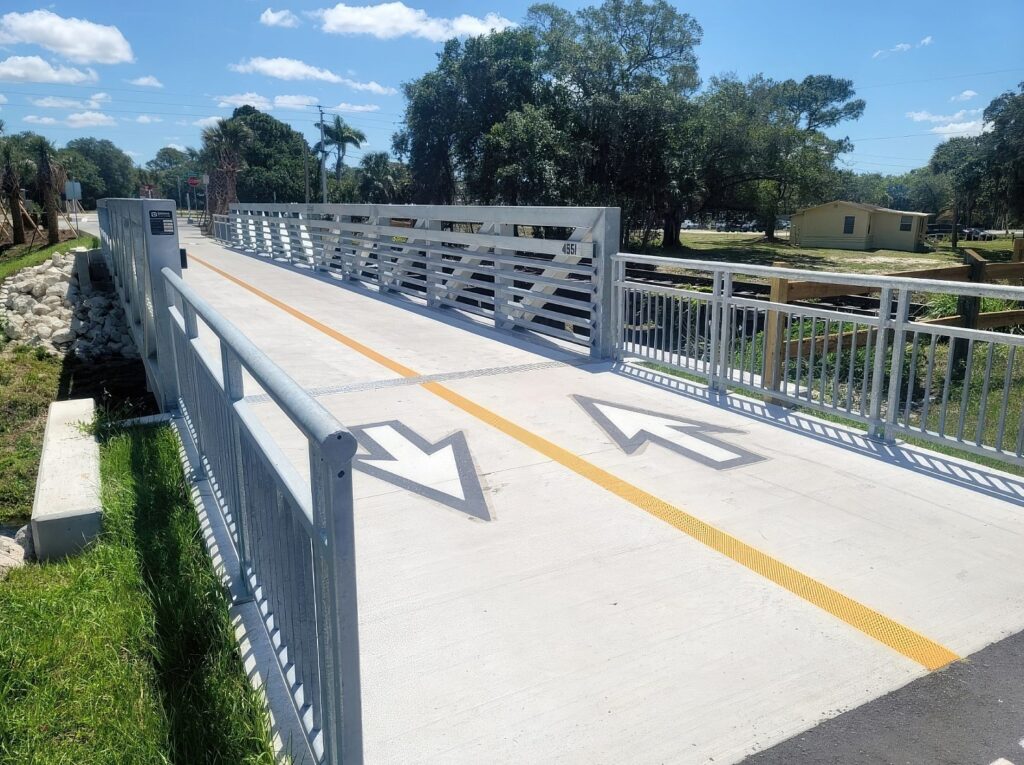
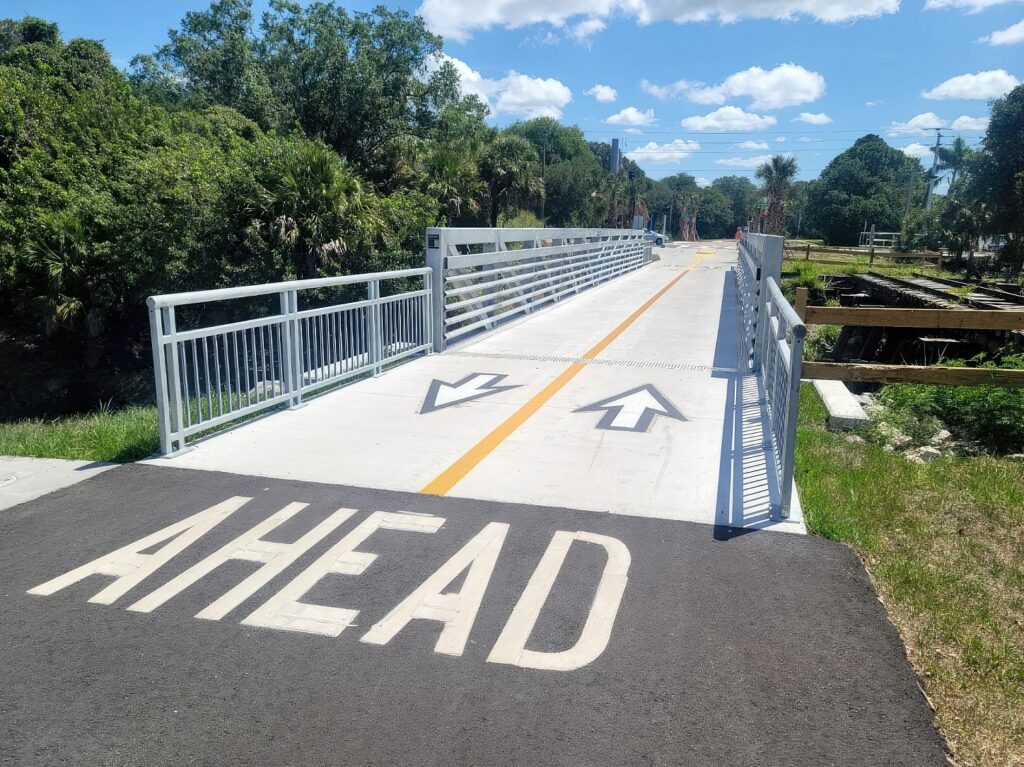
As part of the project, a pedestrian bridge, fabricated in-house by Bridge Brothers (Pickens, South Carolina) was engineered to take cyclists, walkers and joggers across an environmentally sensitive river bed. Installing pedestrian bridges can be challenging due to their common placement over roadways, railways, or waterways in compact urban spaces. For ease of installation, the bridge’s framing and sides were assembled on-site as one piece.
During planning discussion, it was recognized that hot-dip galvanizing was the superior coating option, both for long-lasting corrosion protection and from an environmental standpoint. Although the bridge’s U-shaped frame was large, measuring nearly 40’ long by 12’ wide, the galvanizer’s kettle size (the largest along the East Coast) and expertise in the progressive dipping (double dipping) process facilitated a successful coating project.
The hot-dip galvanizing process involves the application of a zinc coating to the steel through a chemical reaction, without the need for additional coatings or paints. This process results in a long-lasting finish that requires minimal maintenance and avoids the environmental impact associated with frequent repainting or coating applications. Additionally, galvanized coatings are self-healing, meaning that if the zinc layer is scratched or damaged by heavy pedestrian traffic, it will naturally protect the exposed steel. This reduces the need for frequent inspections and touch-up maintenance, making it a practical choice and low maintenance choice.
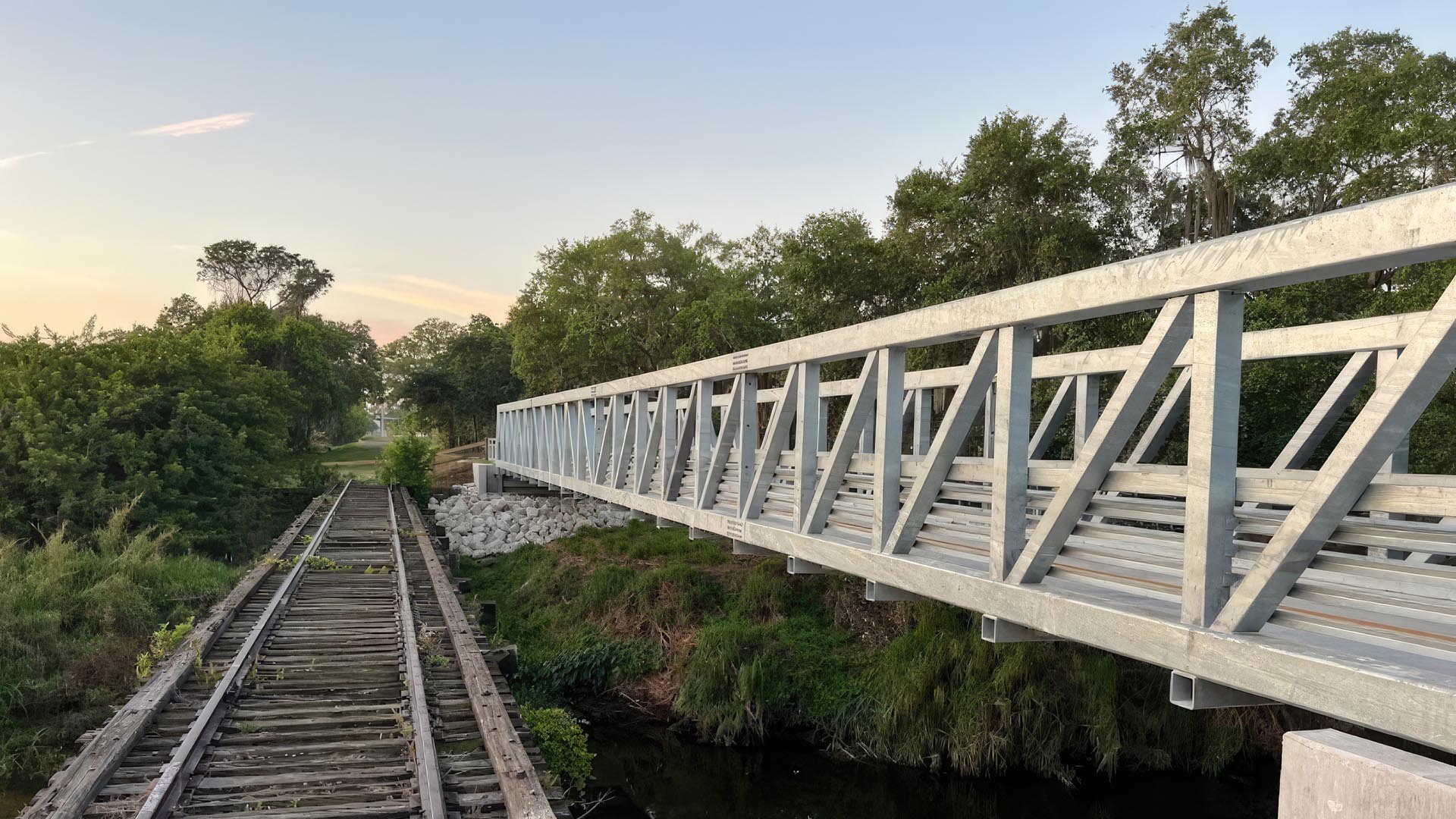
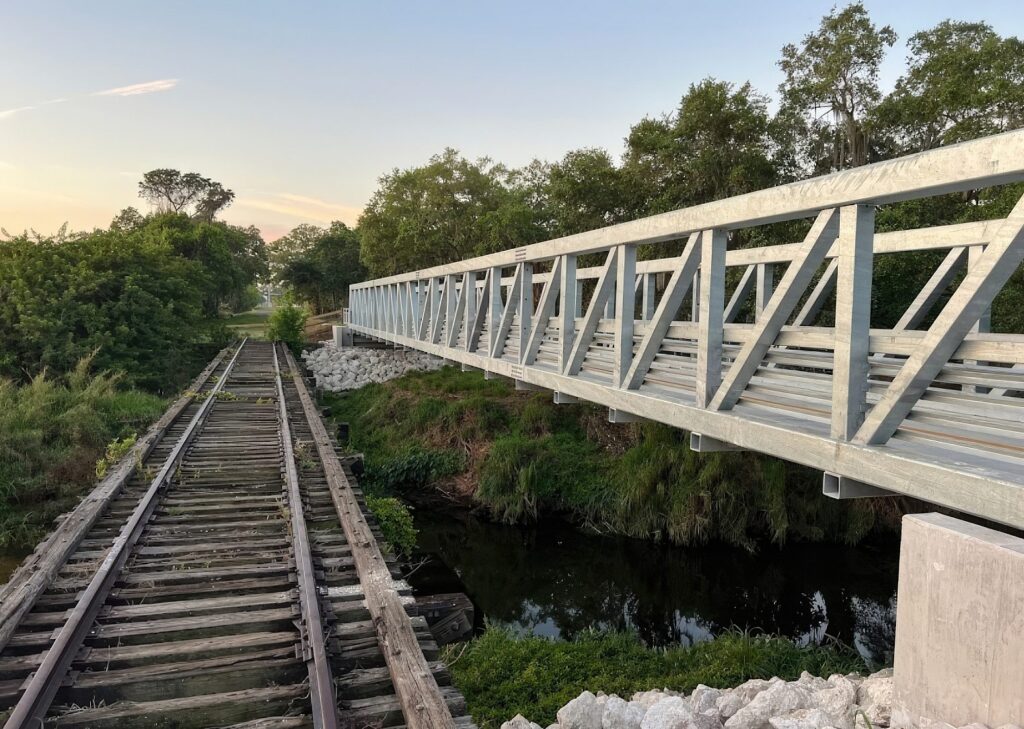
Today, standing tall beside the remnants of the CSX rail line, the hot-dip galvanized Legacy Trail Bridge stands ready to usher in a new era of connectivity, recreation, and appreciation for the community’s unique history and commitment to sustainable practices.
Standing tall beside the remnants of the CSX rail line, the galvanized Legacy Trail Bridge stands ready to usher in a new era of connectivity, recreation, and appreciation for the community’s unique history and commitment to sustainable practices.