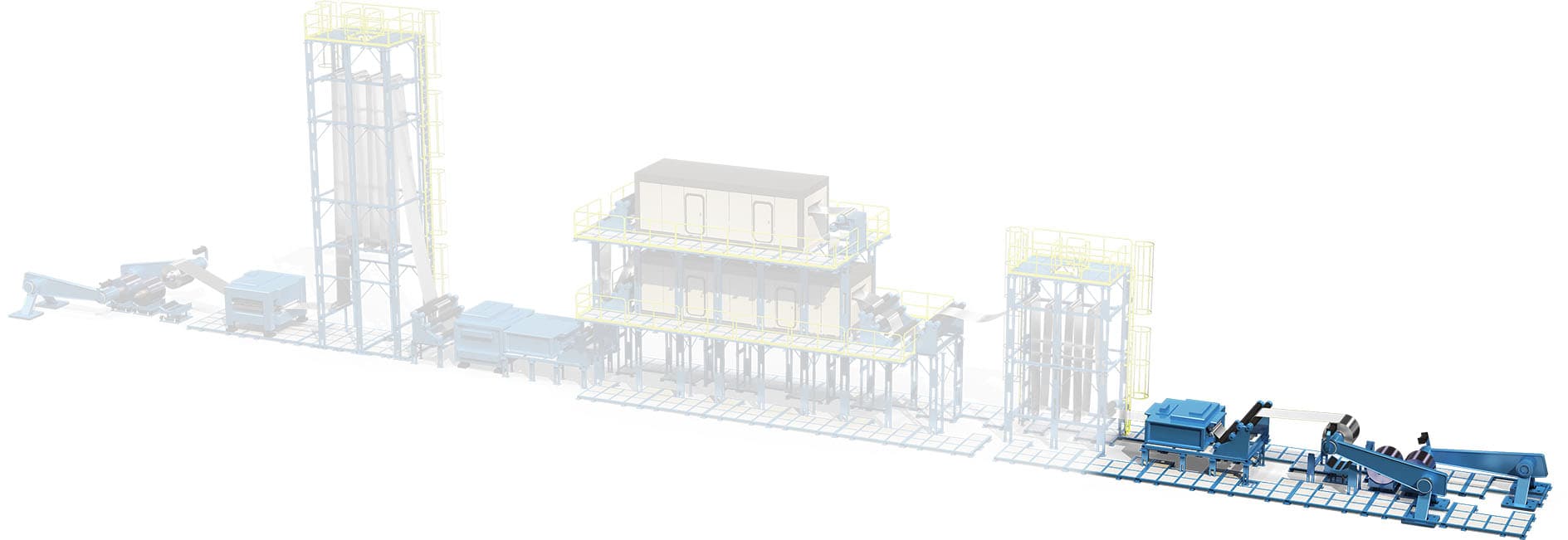
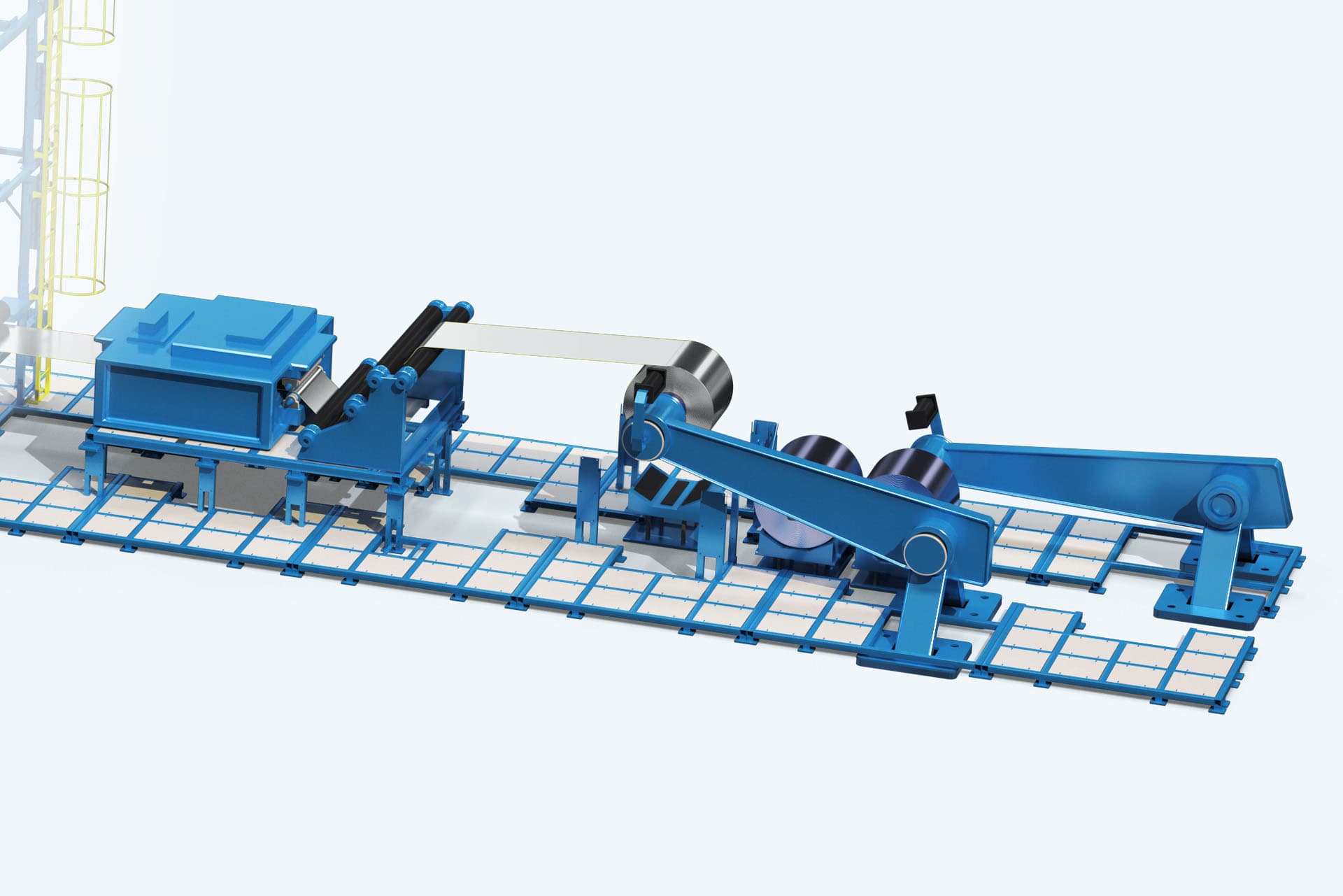
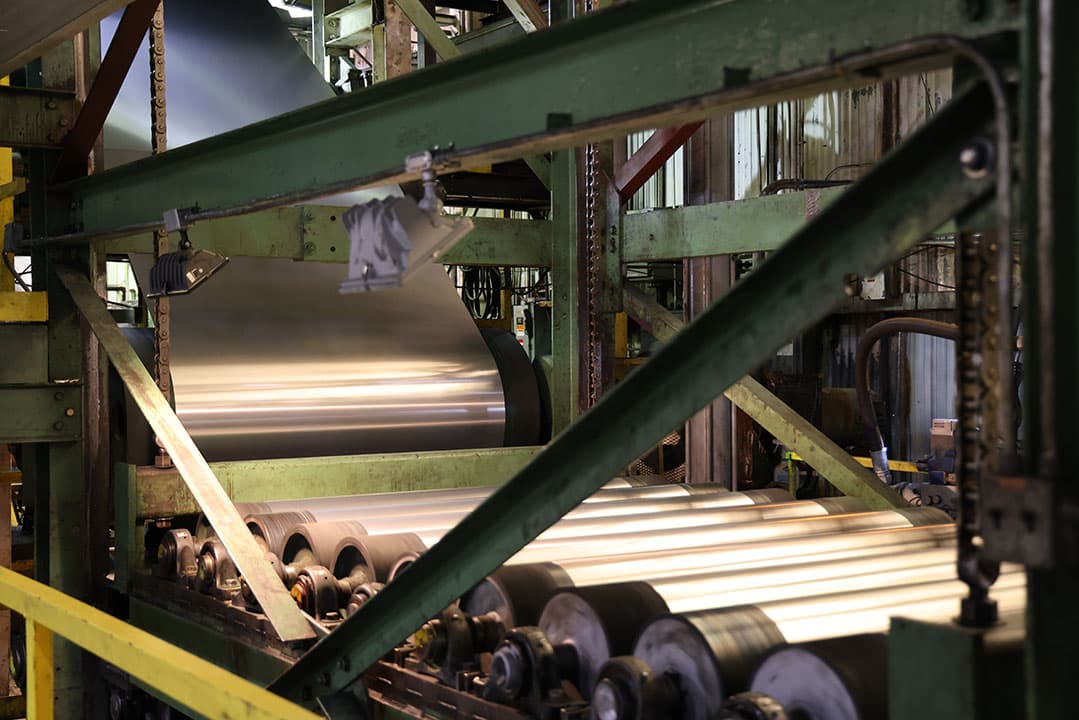
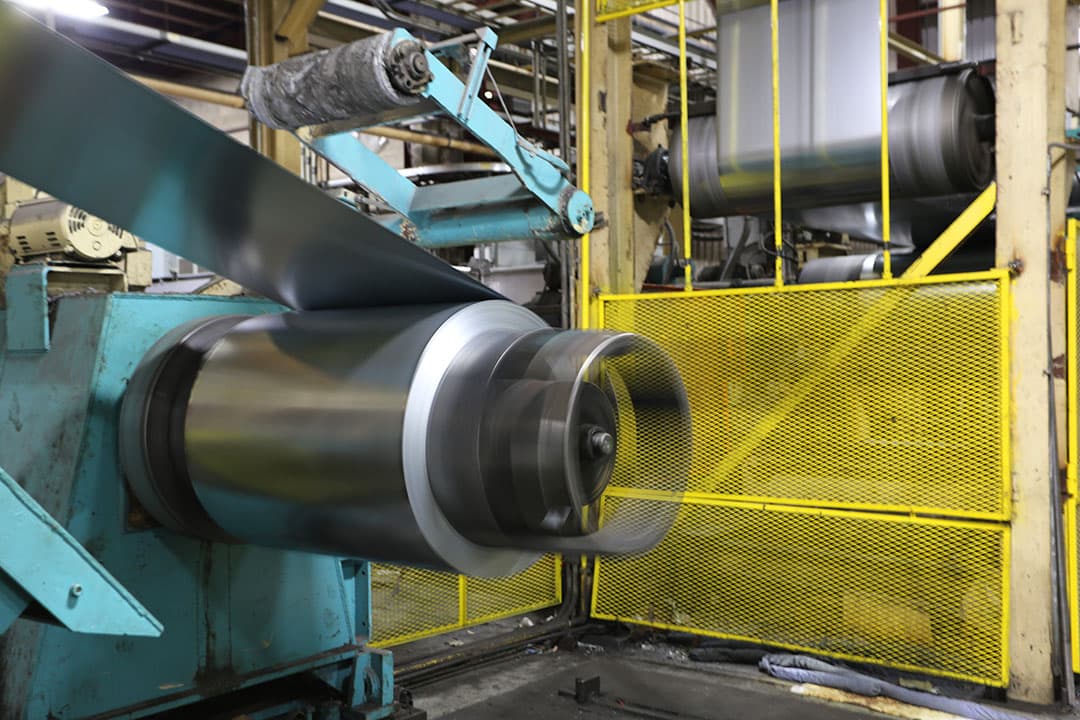
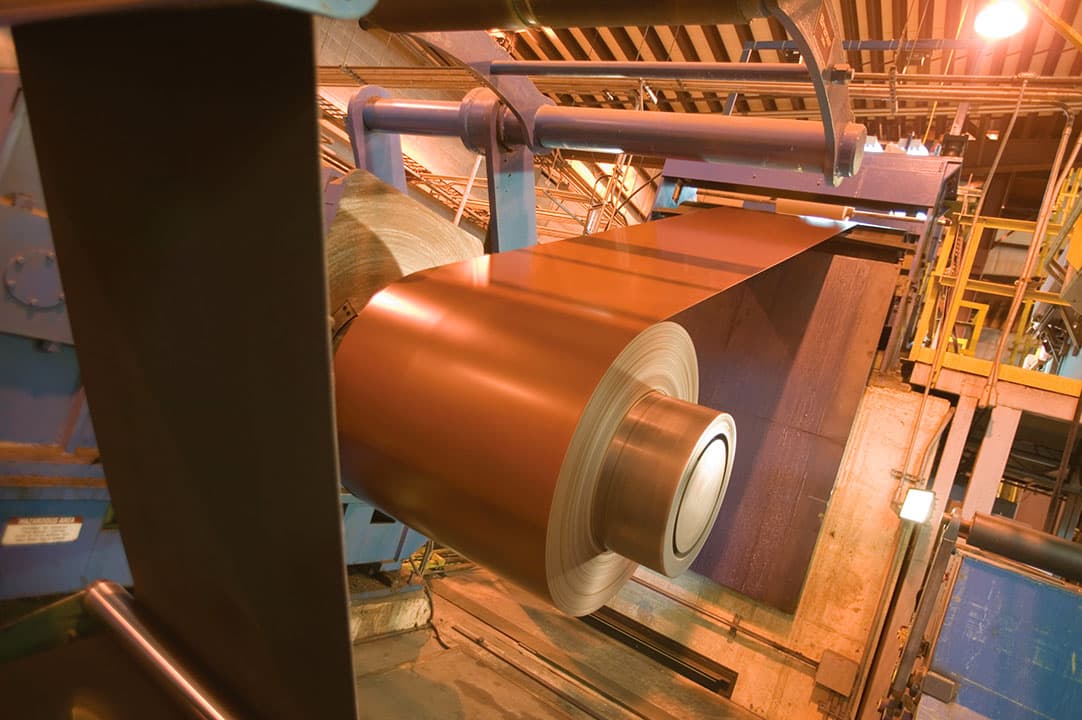
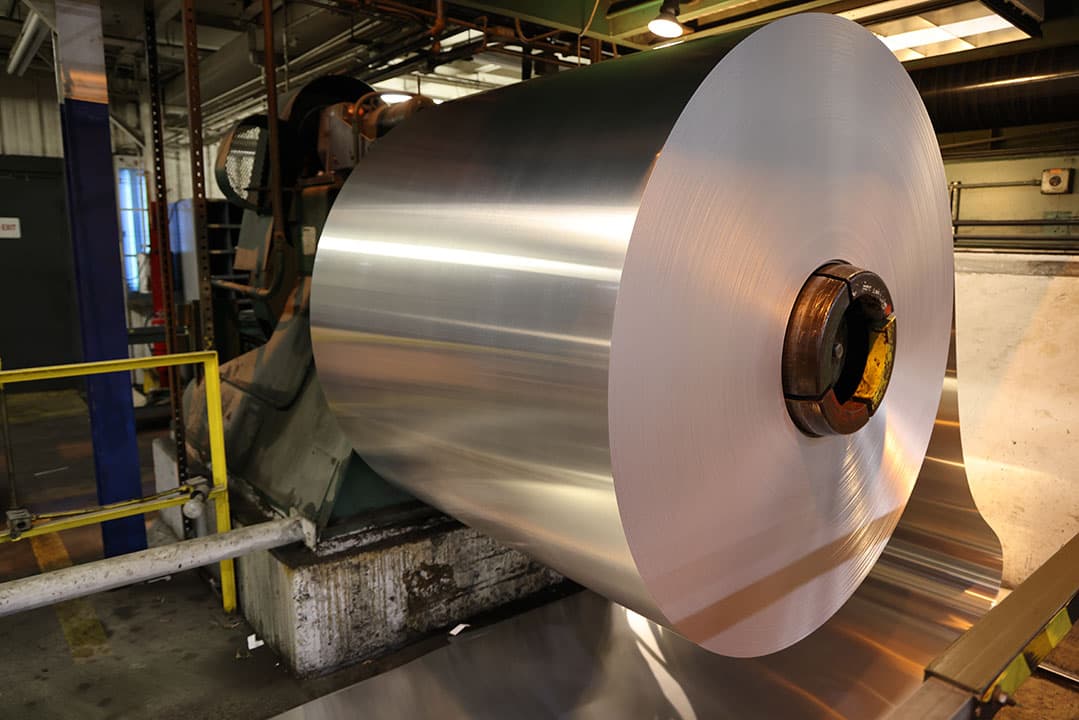
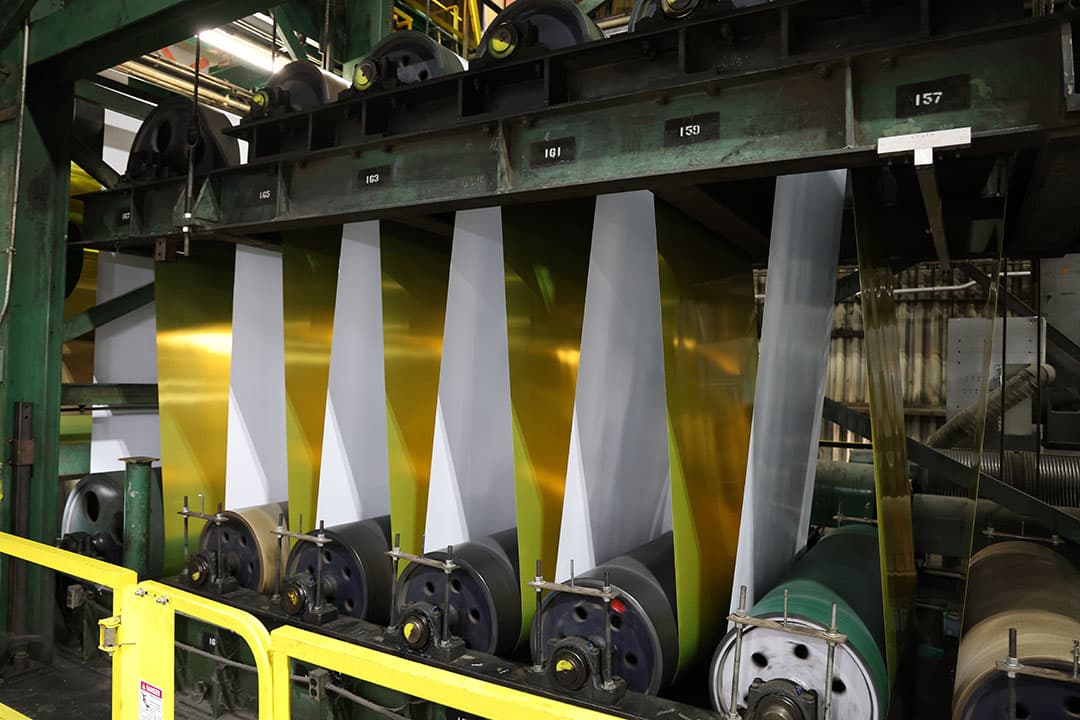
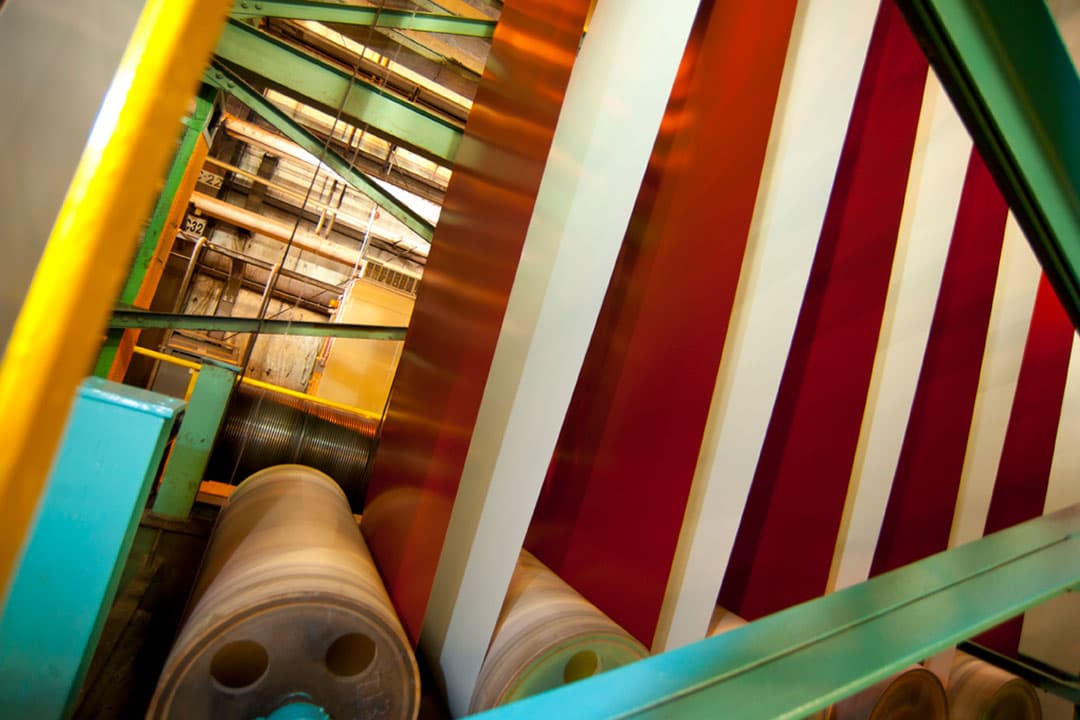
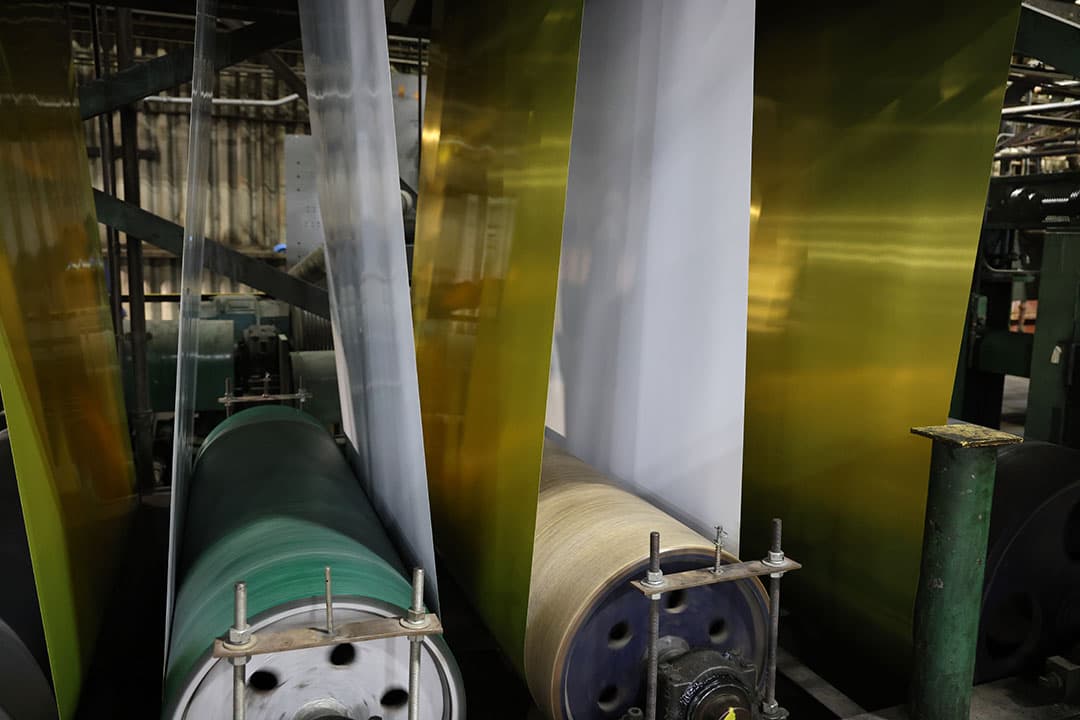
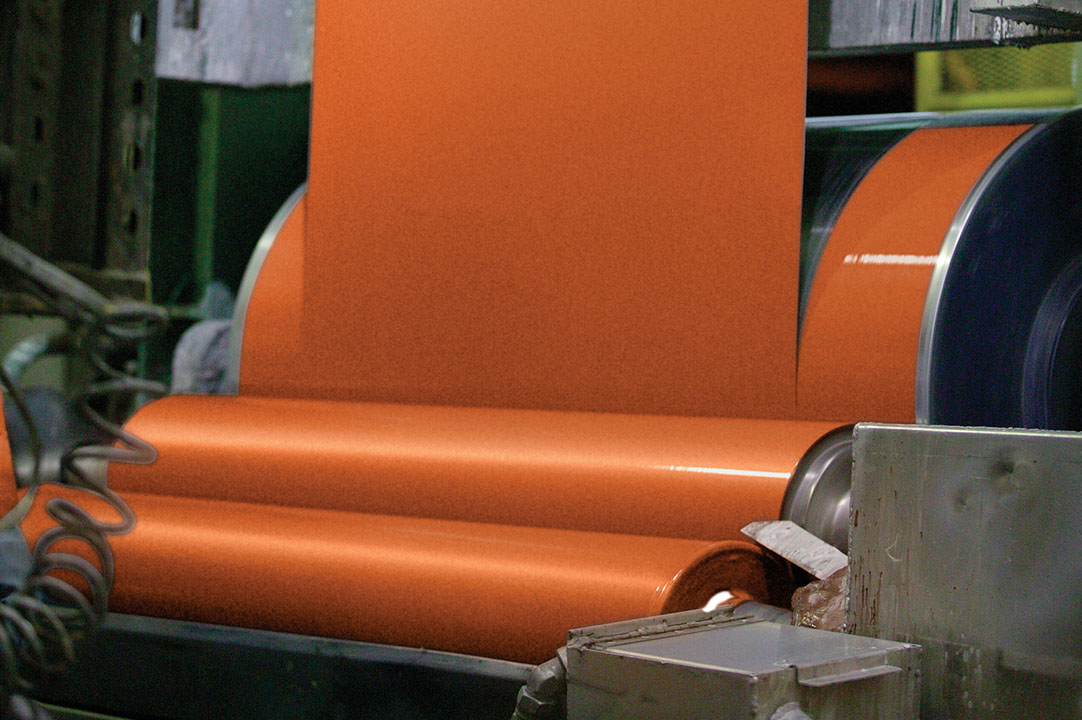
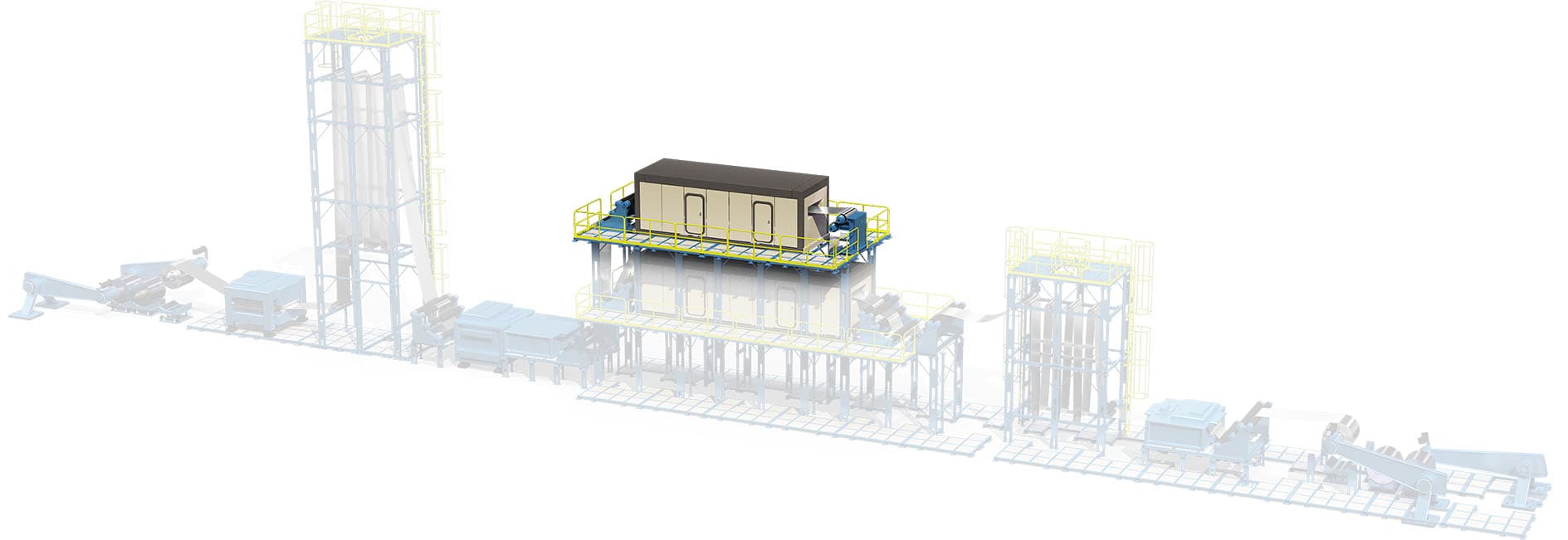
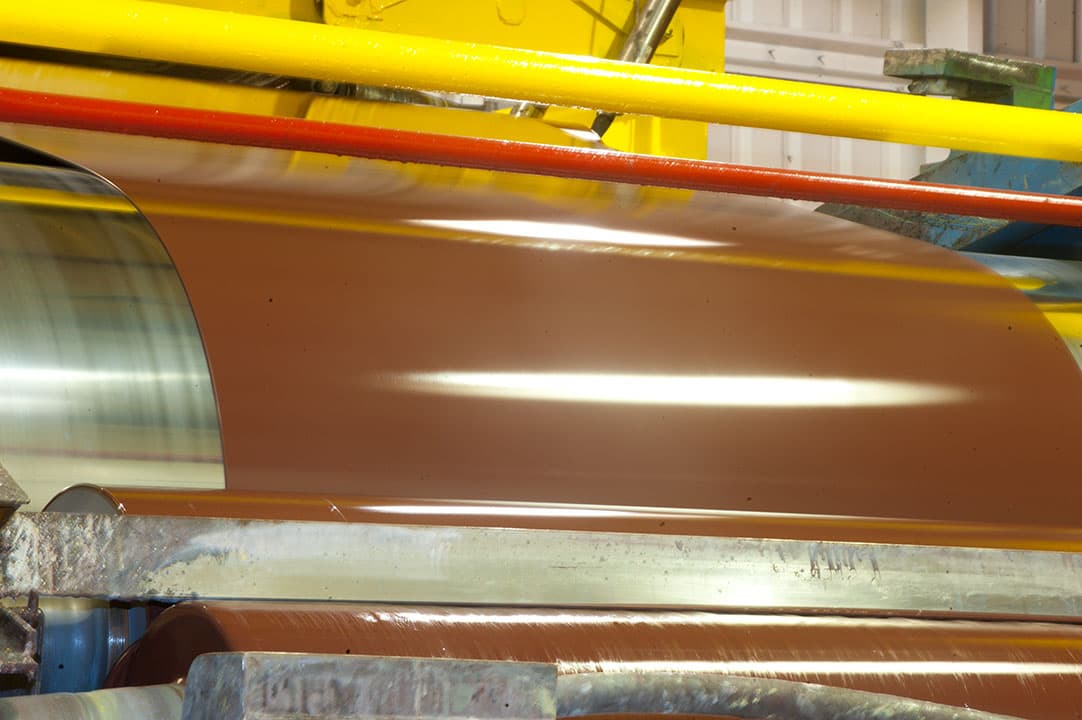
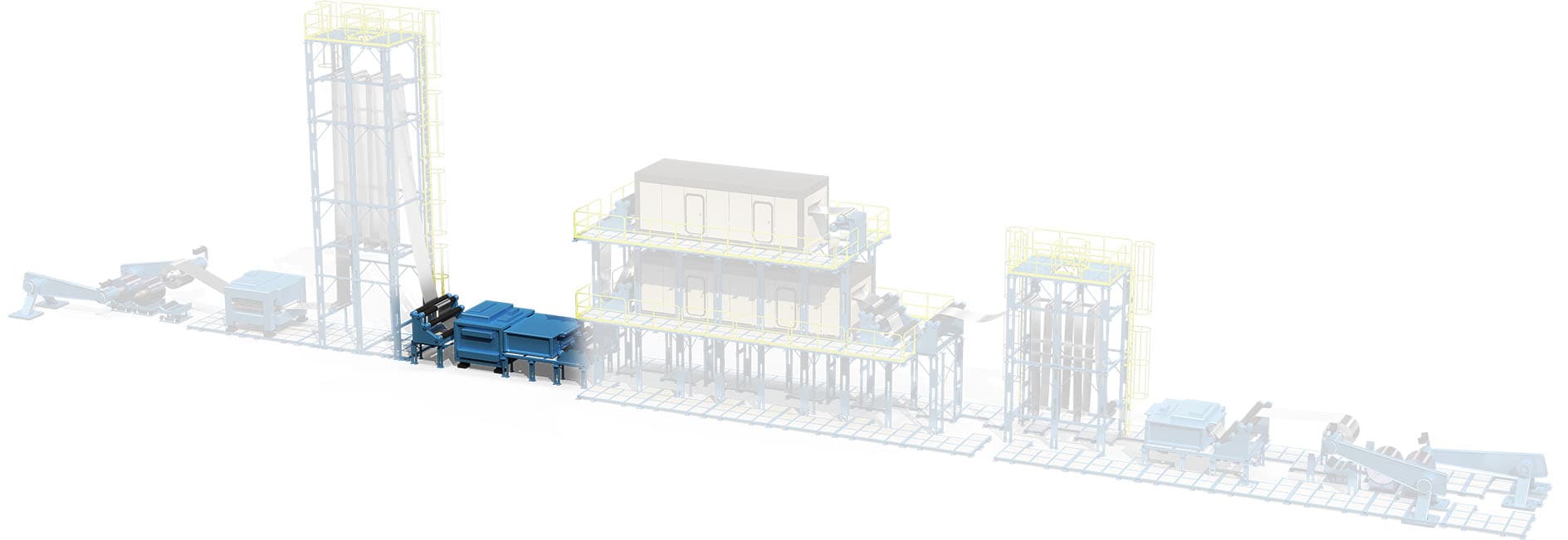
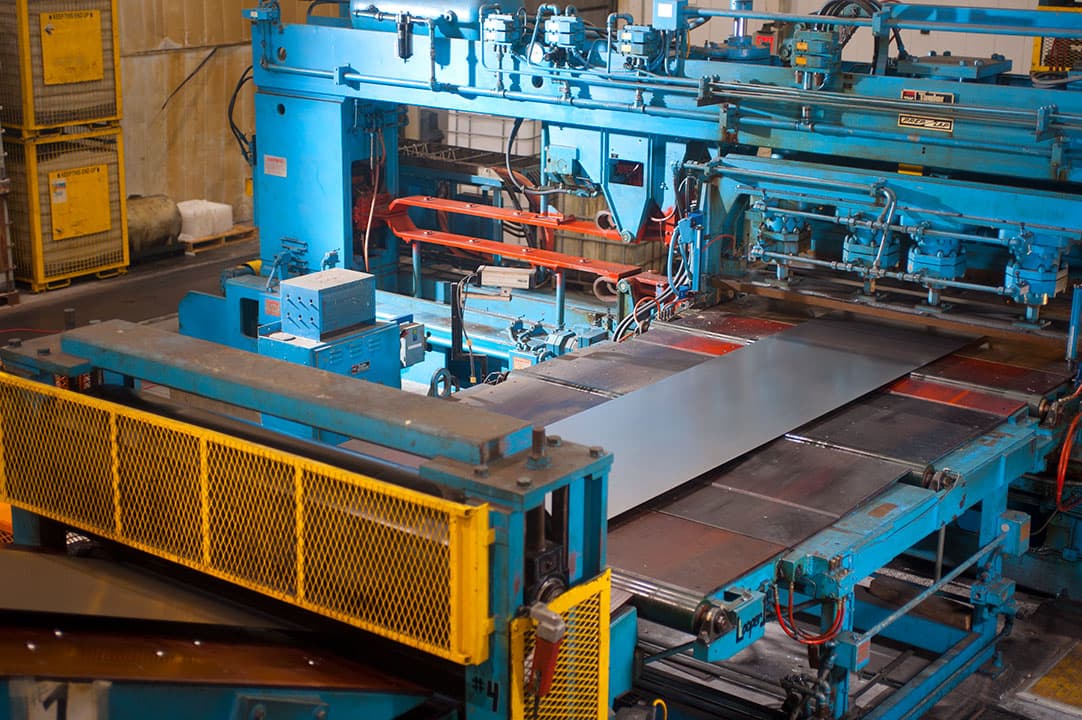
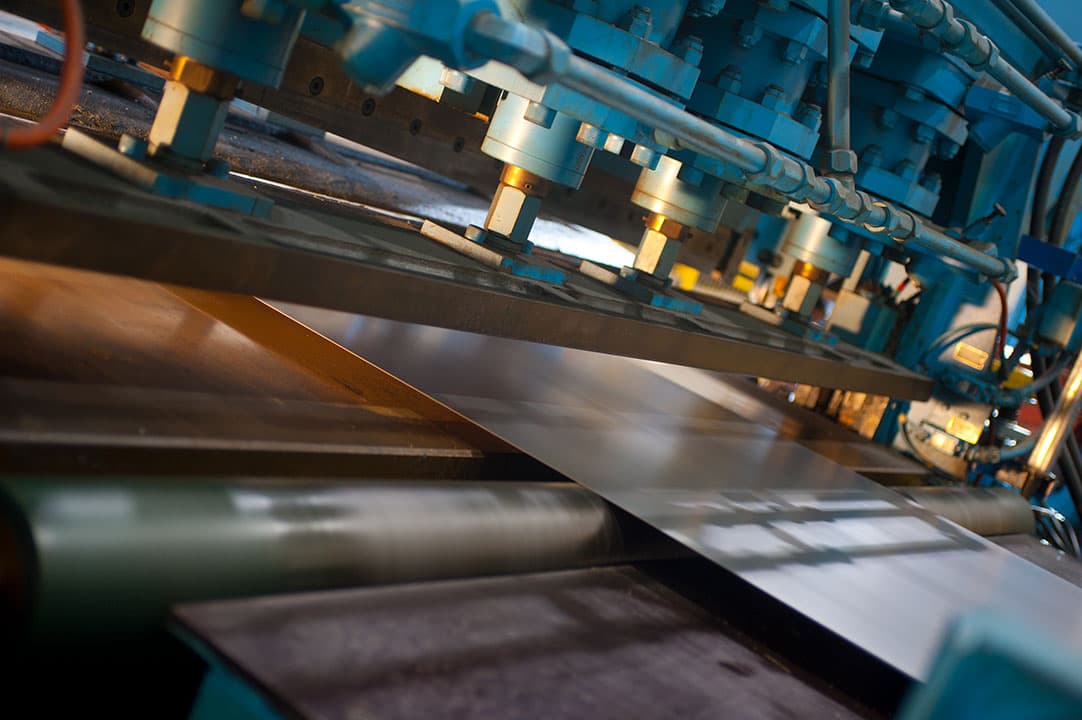
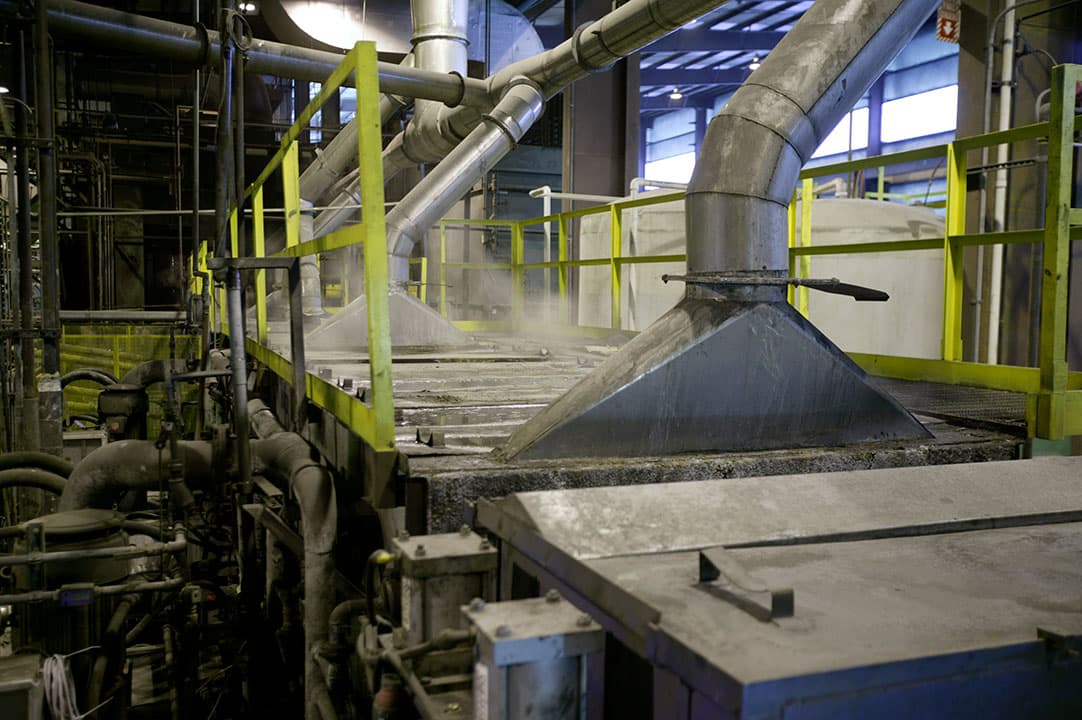
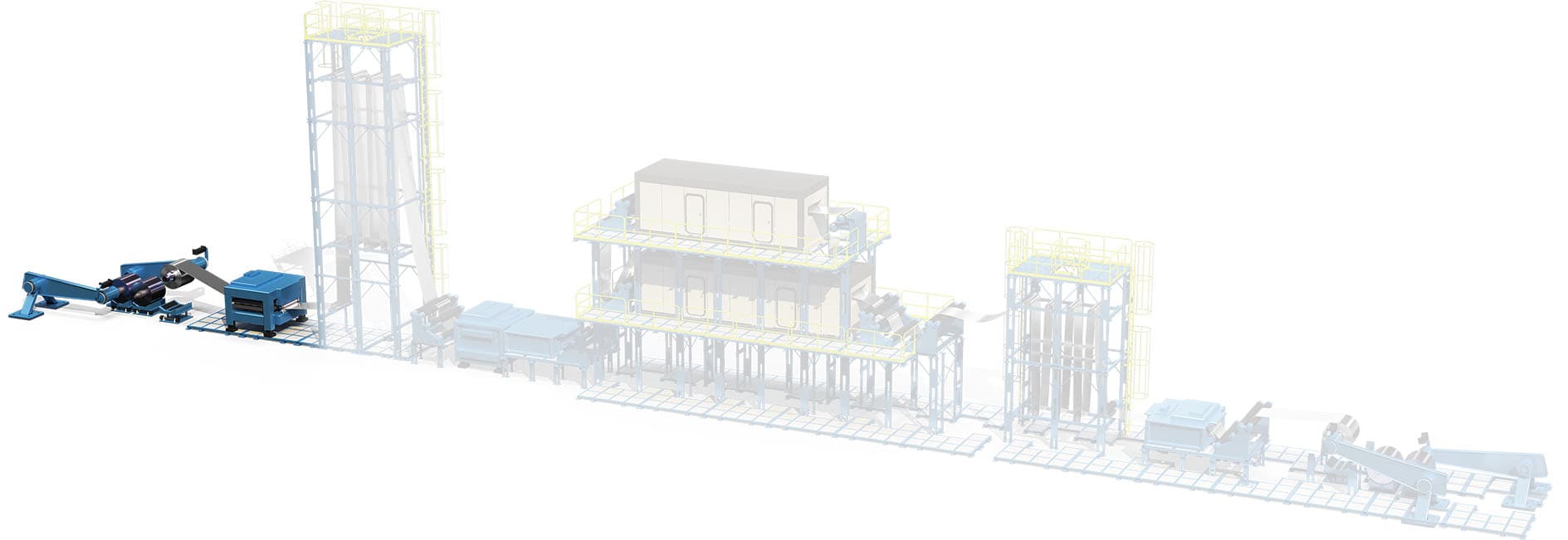
Once the metal is cleaned, treated, and painted, the strip is rewound into a coil size prescribed by the customer. From there, the coil is removed from the line and packaged for shipment or additional processing.
After the primer is applied and cured, then the metal strip enters the finish coat station where a topcoat is applied. Topcoats provide color, corrosion resistance, durability, flexibility and any other required physical properties. Like primers, the topcoat is cured using thermal cure ovens.
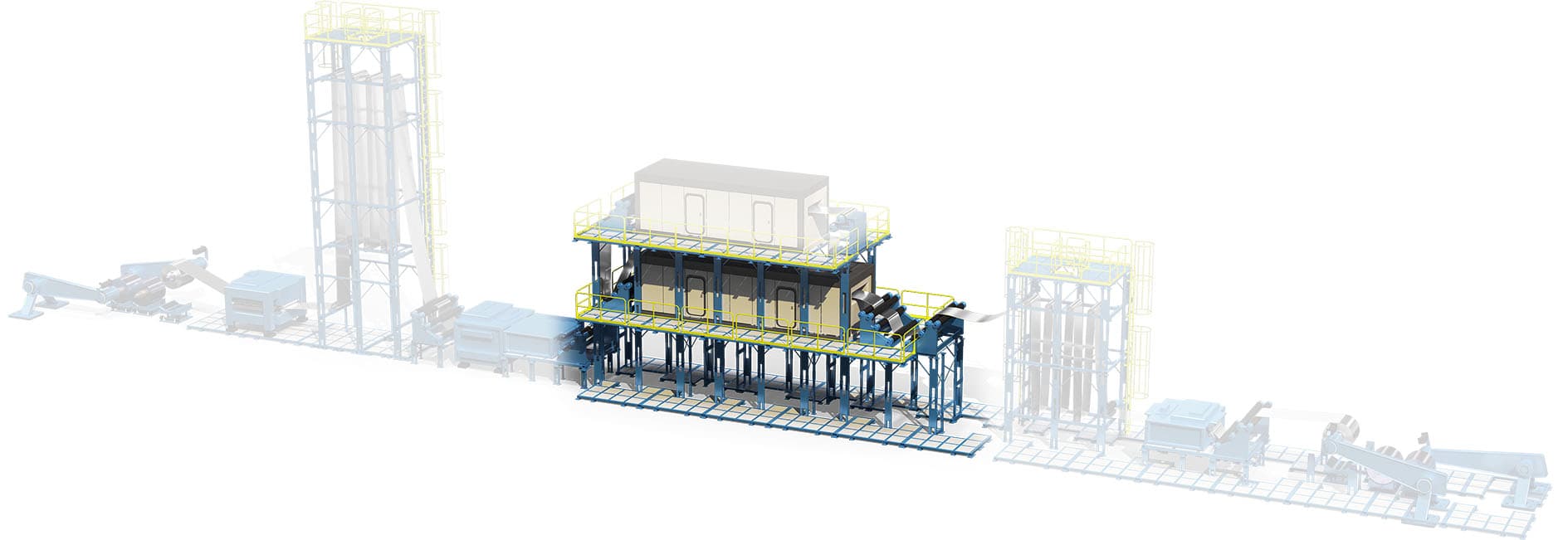
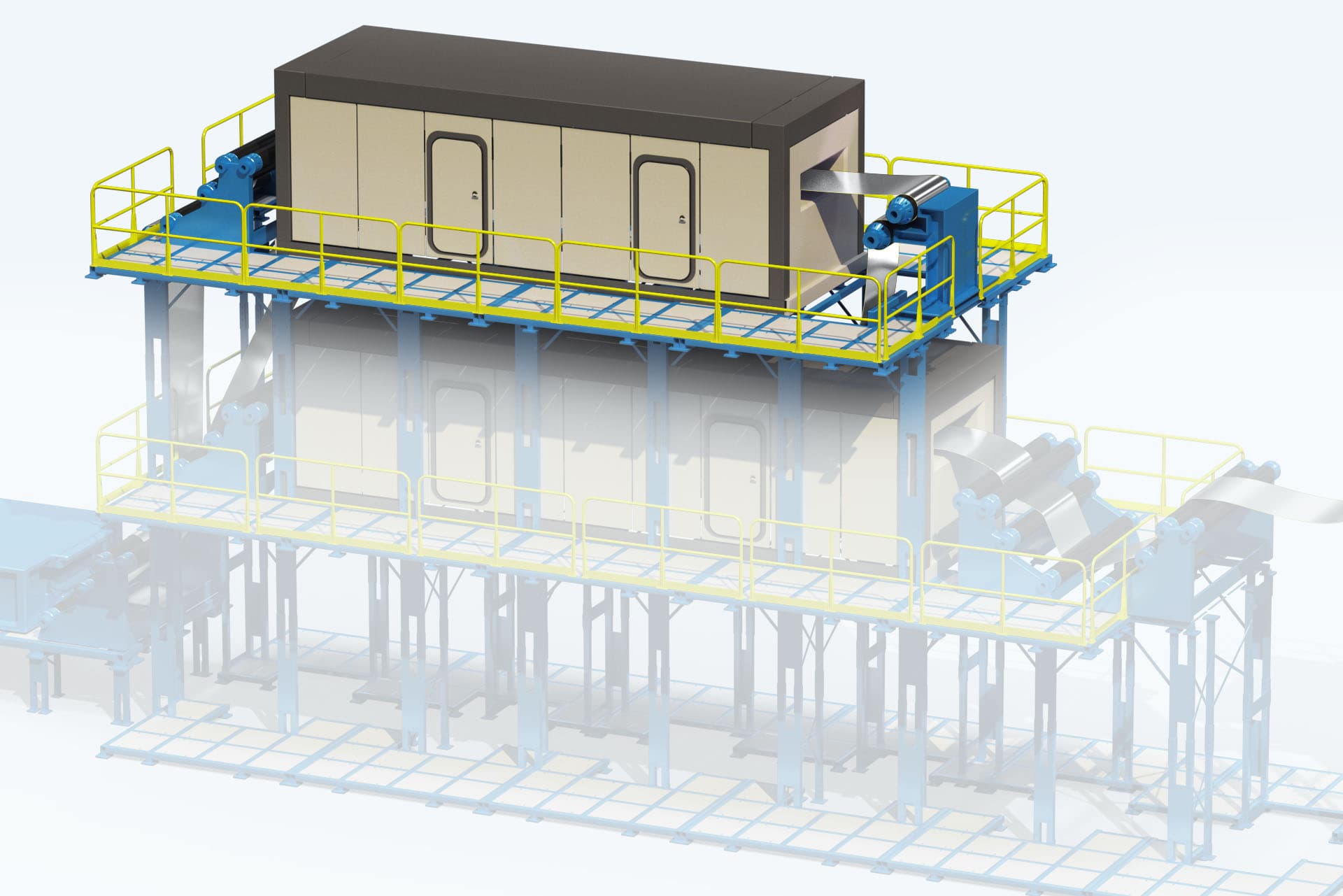
Oven
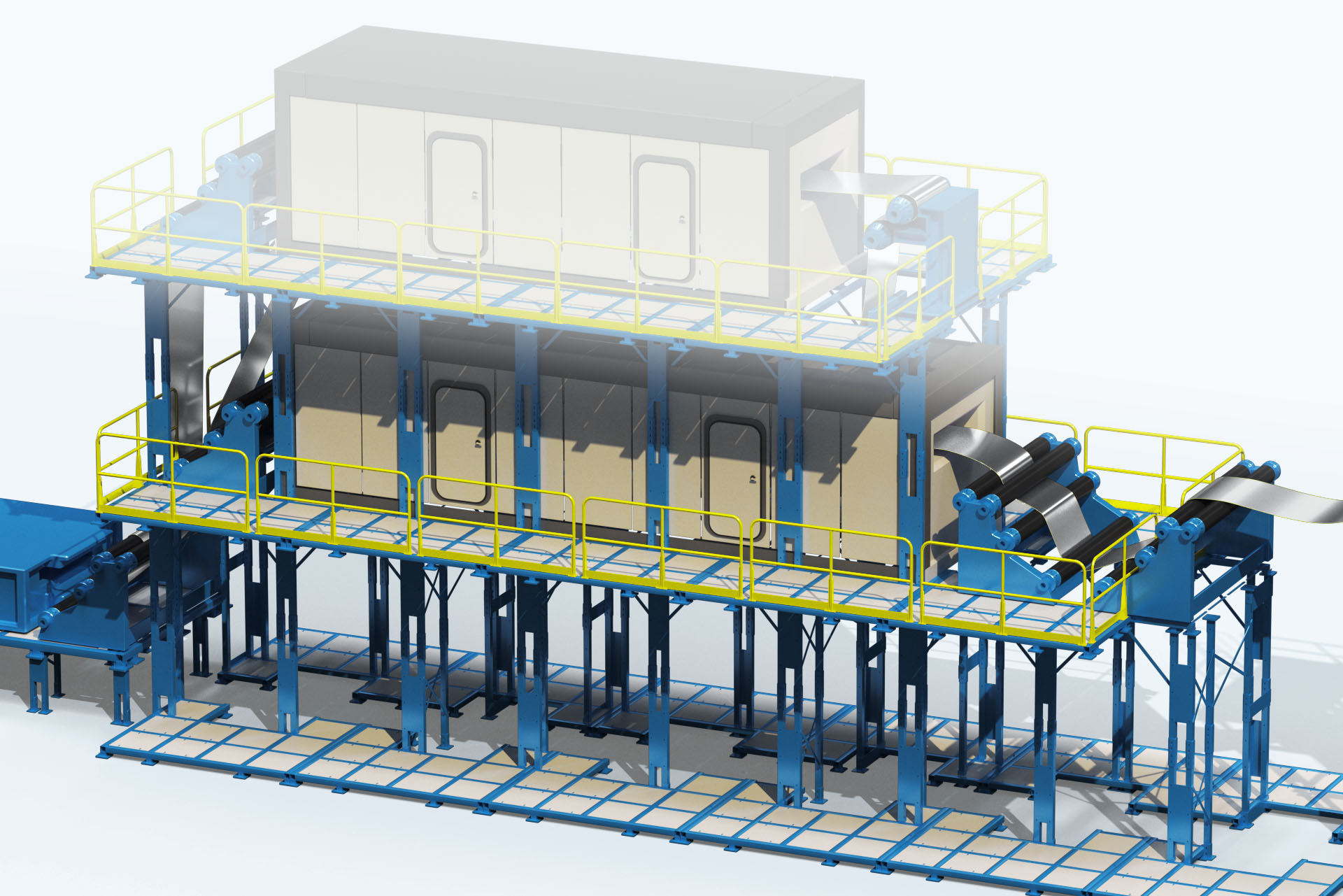
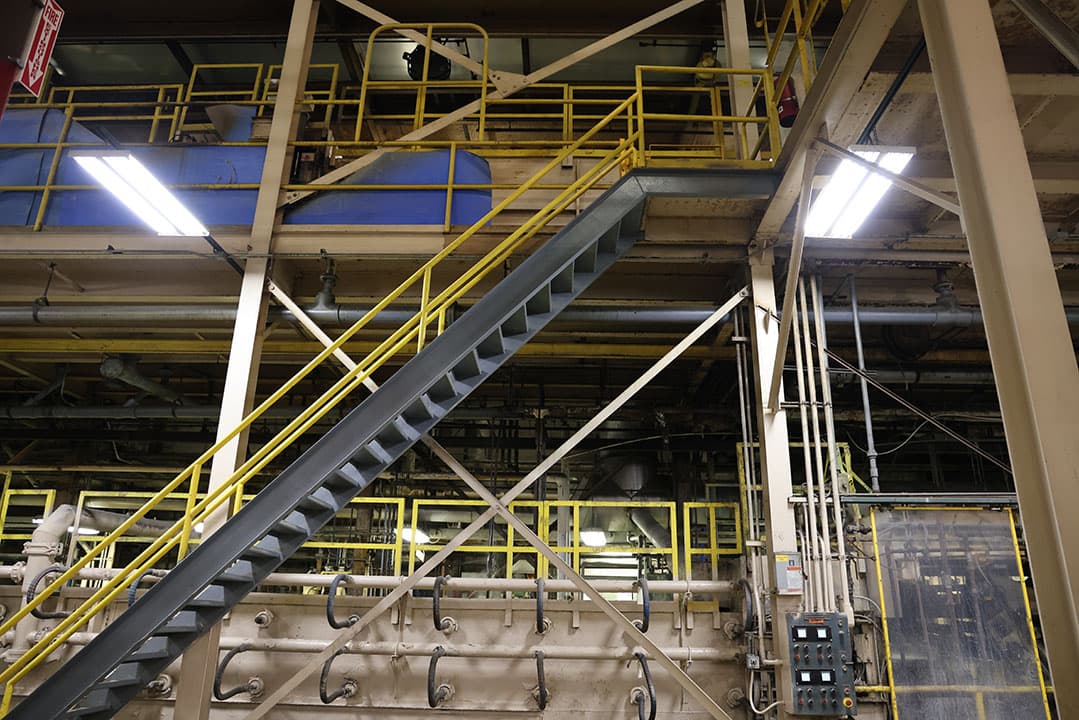
Coil coating ovens can range from 130 feet to 160 feet and will cure the coatings in 13 to 20 seconds.
During this stage, the strip enters the prime coat station whereby a primer is applied to the clean and treated metal. After the primer is applied, the metal strip travels through a thermal oven for curing. Primers are used to aid in paint adhesion, improve corrosion performance and enhance aesthetic and functional attributes of the topcoat.
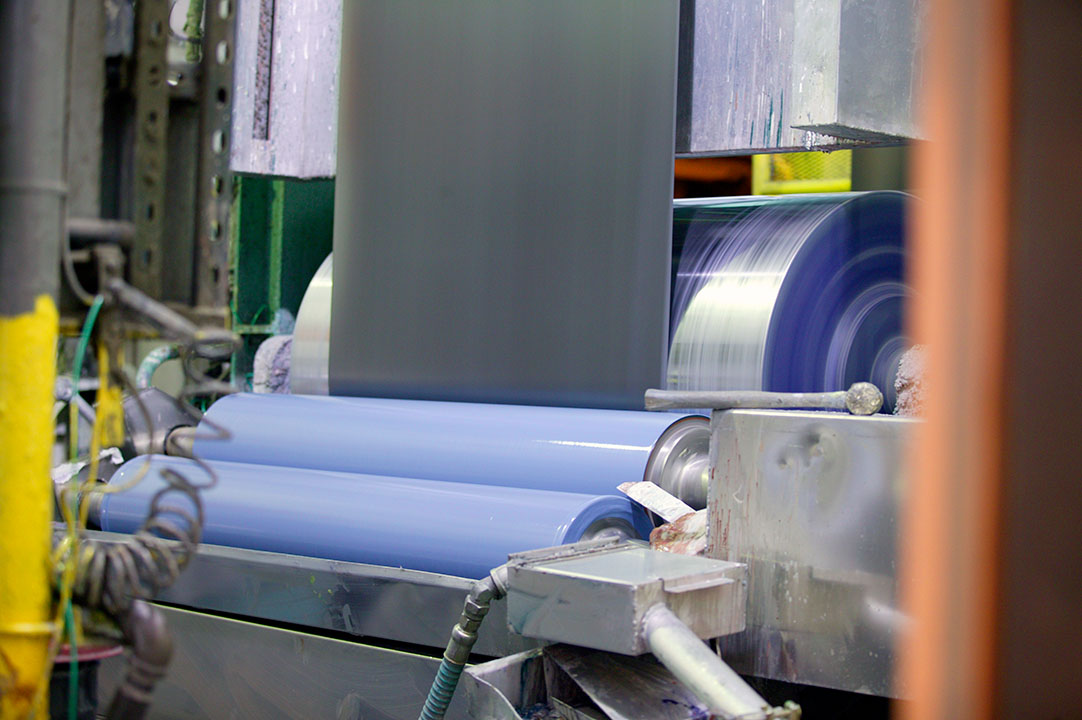
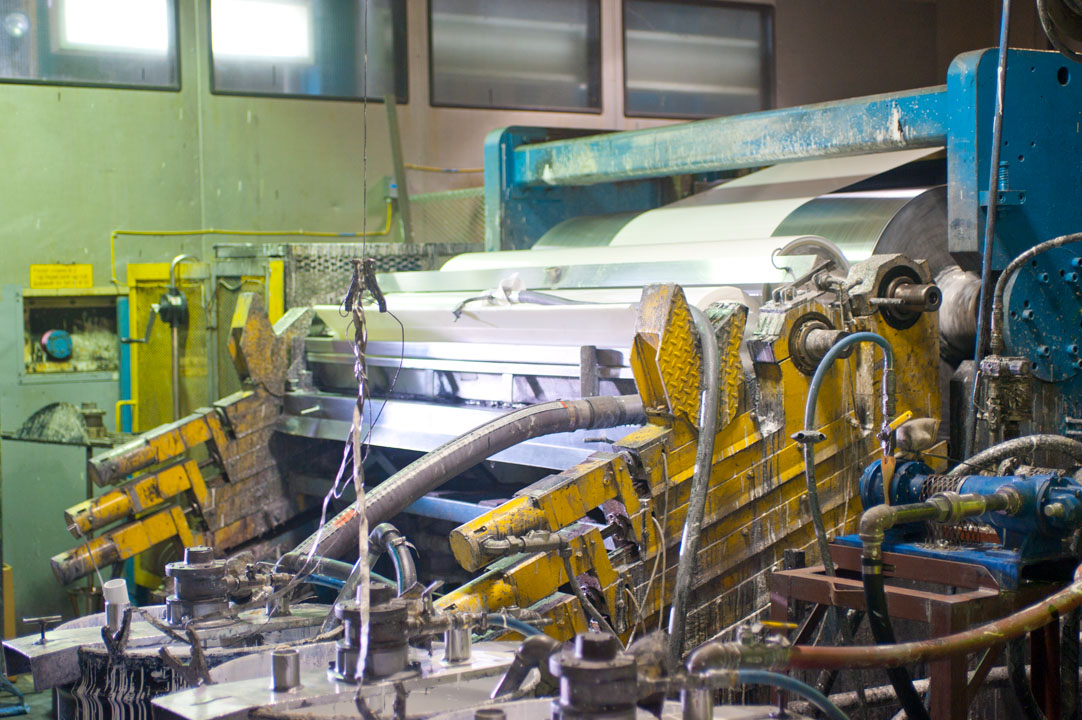
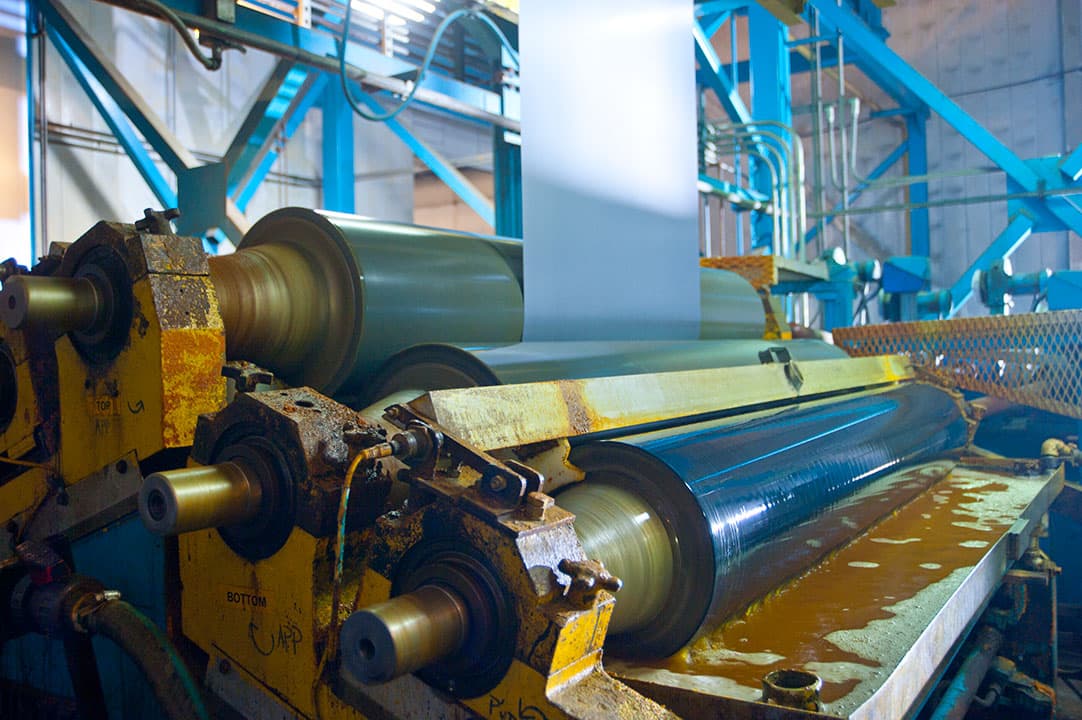
S Wrap Coater
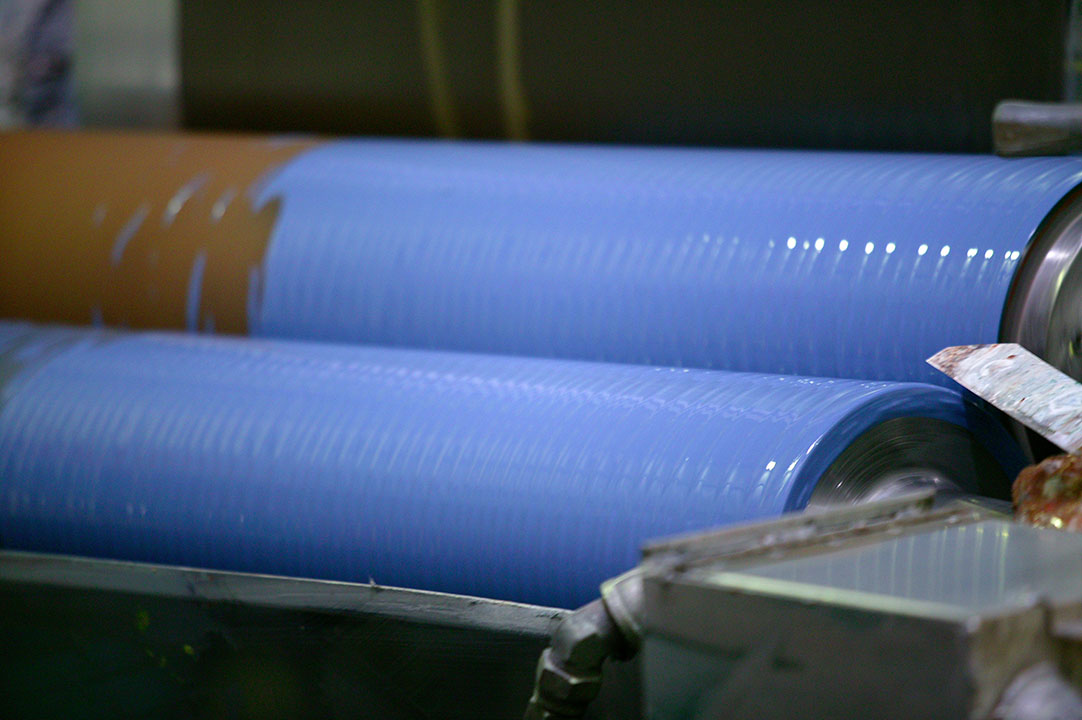
The S wrap coater design allows for primers and paints to be applied to the top and back side of the metal strip simultaneously in one continuous pass.
The cleaning and pretreating section of the coil coating process focuses on preparing the metal for painting. During the cleaning stage, dirt, debris, and oils are removed from the metal strip. From there, the metal enters the pretreatment section and/or a chemical coater whereby chemicals are applied to facilitate paint adhesion and enhance corrosion resistance.
Dried-In-Place
In this stage a chemical that provides enhanced corrosion performance is applied. This treatment can be chrome free if required.
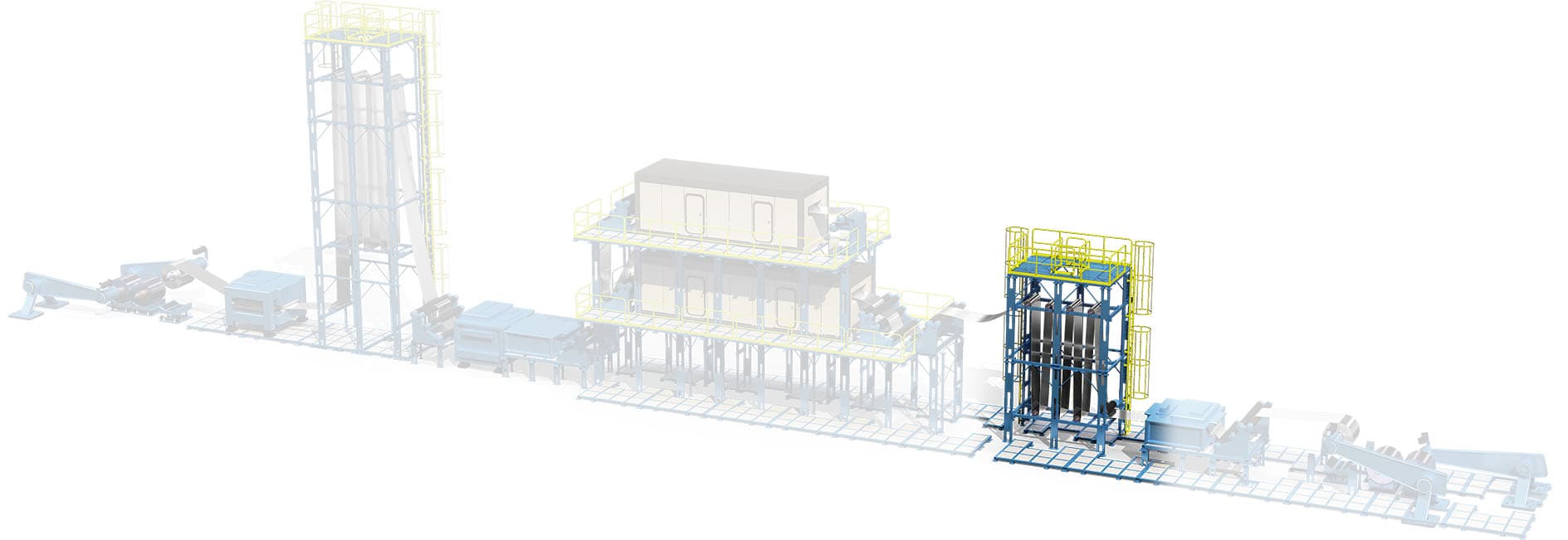
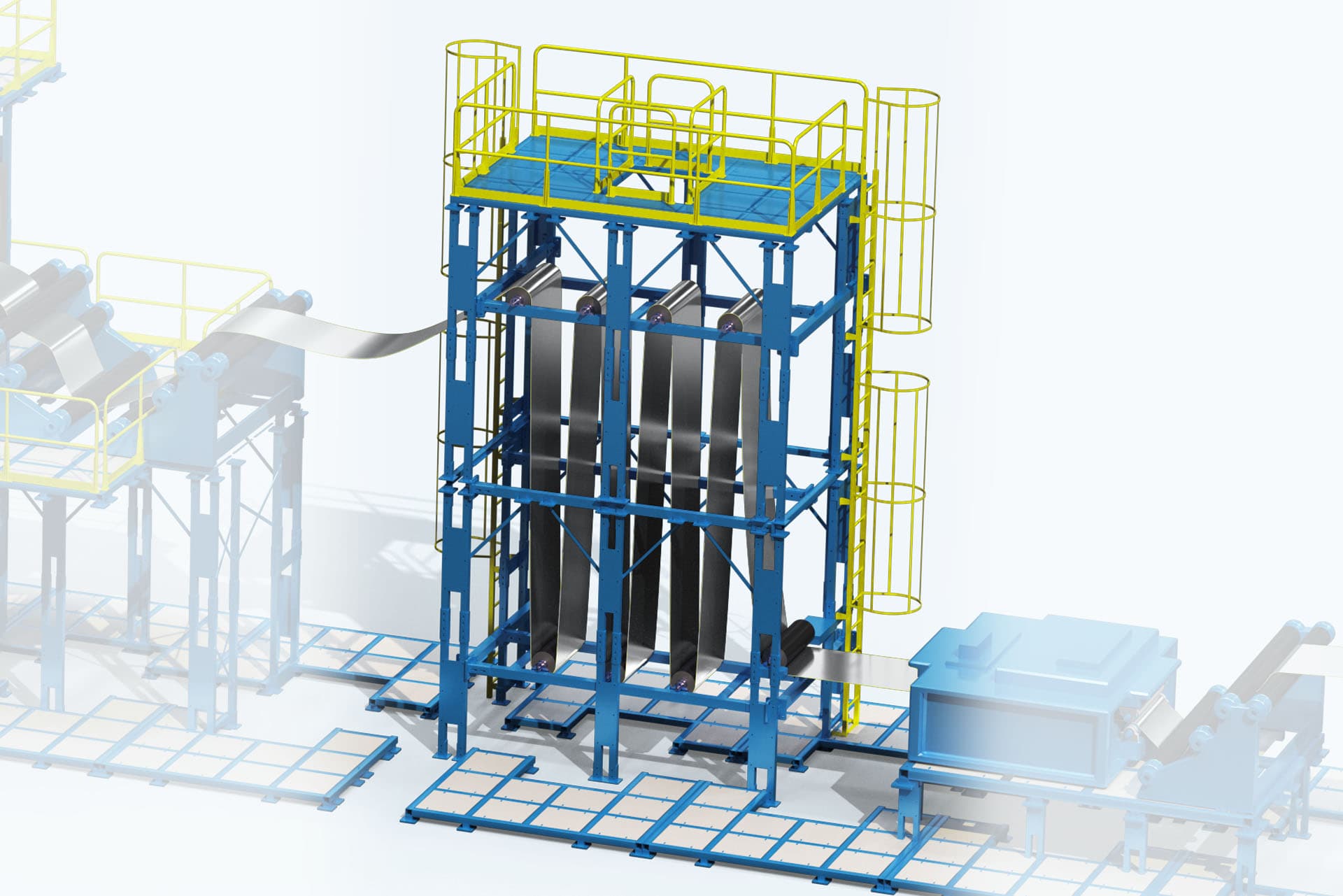
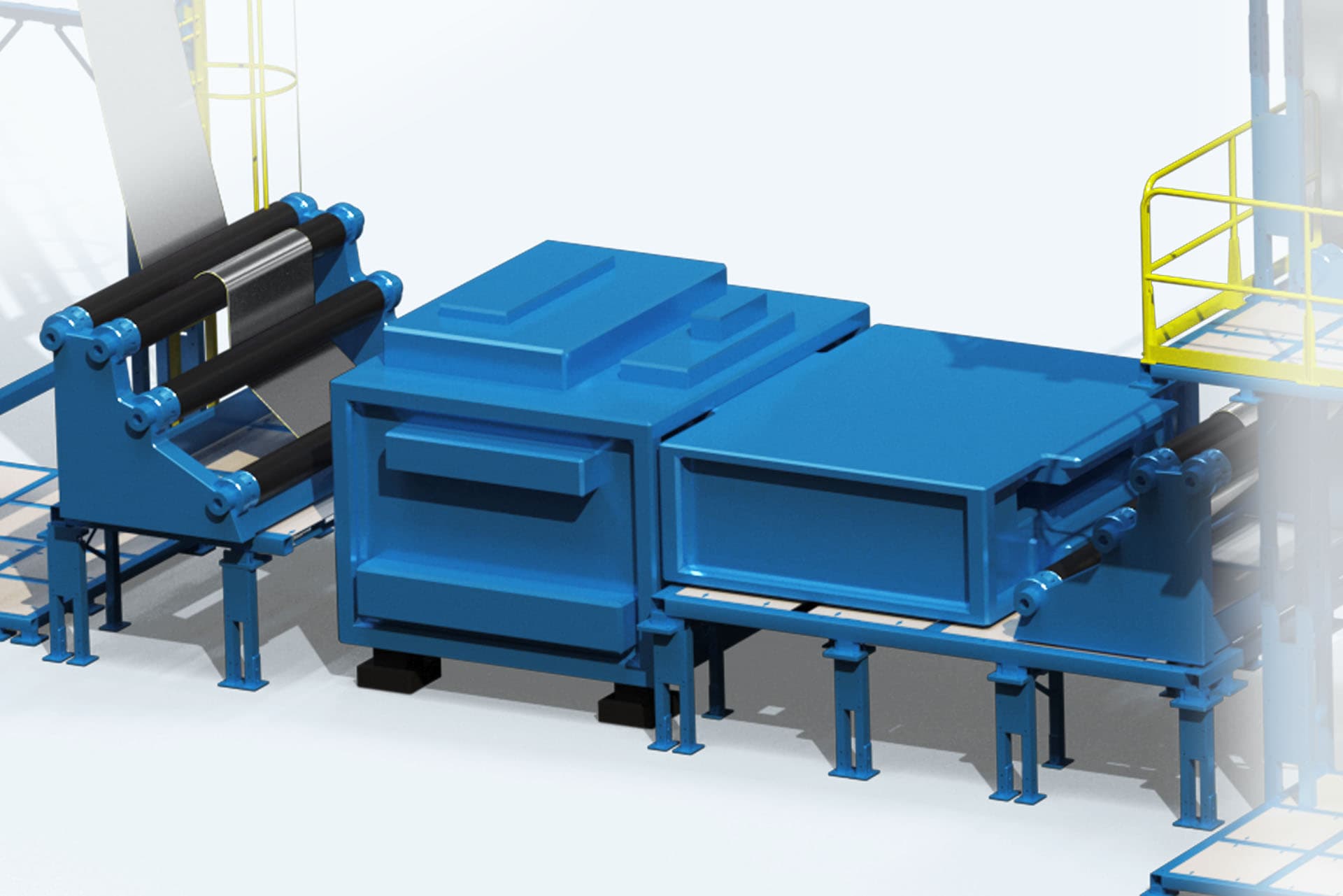
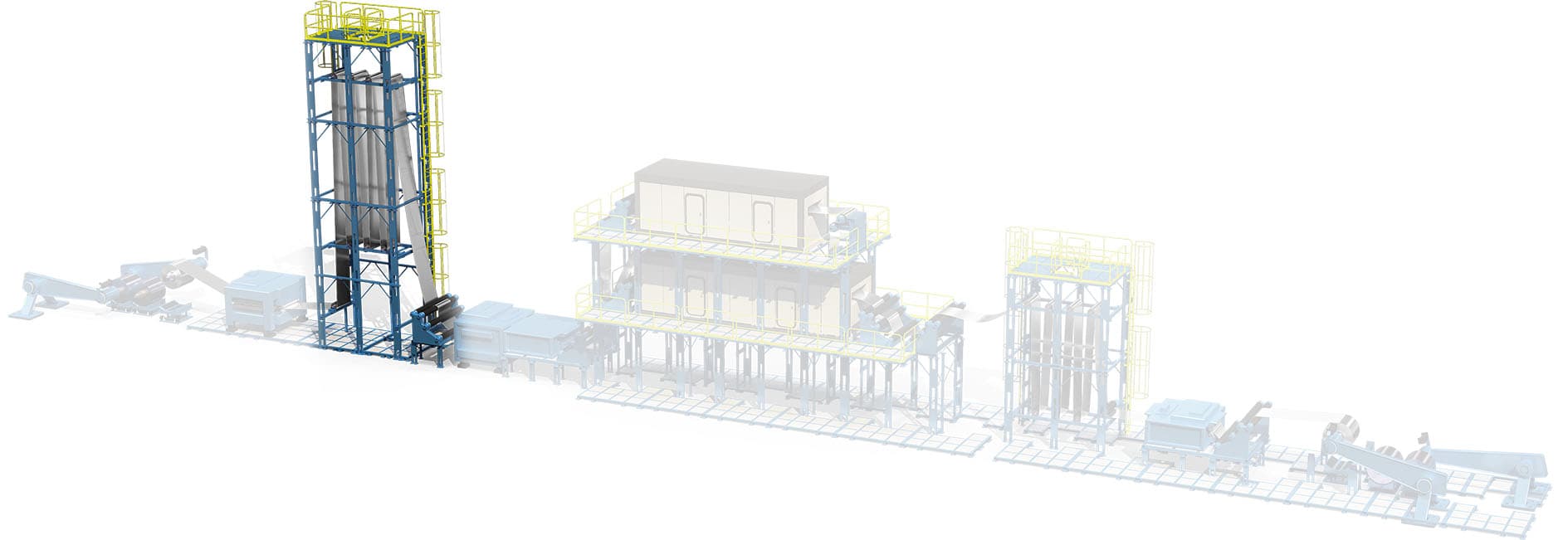
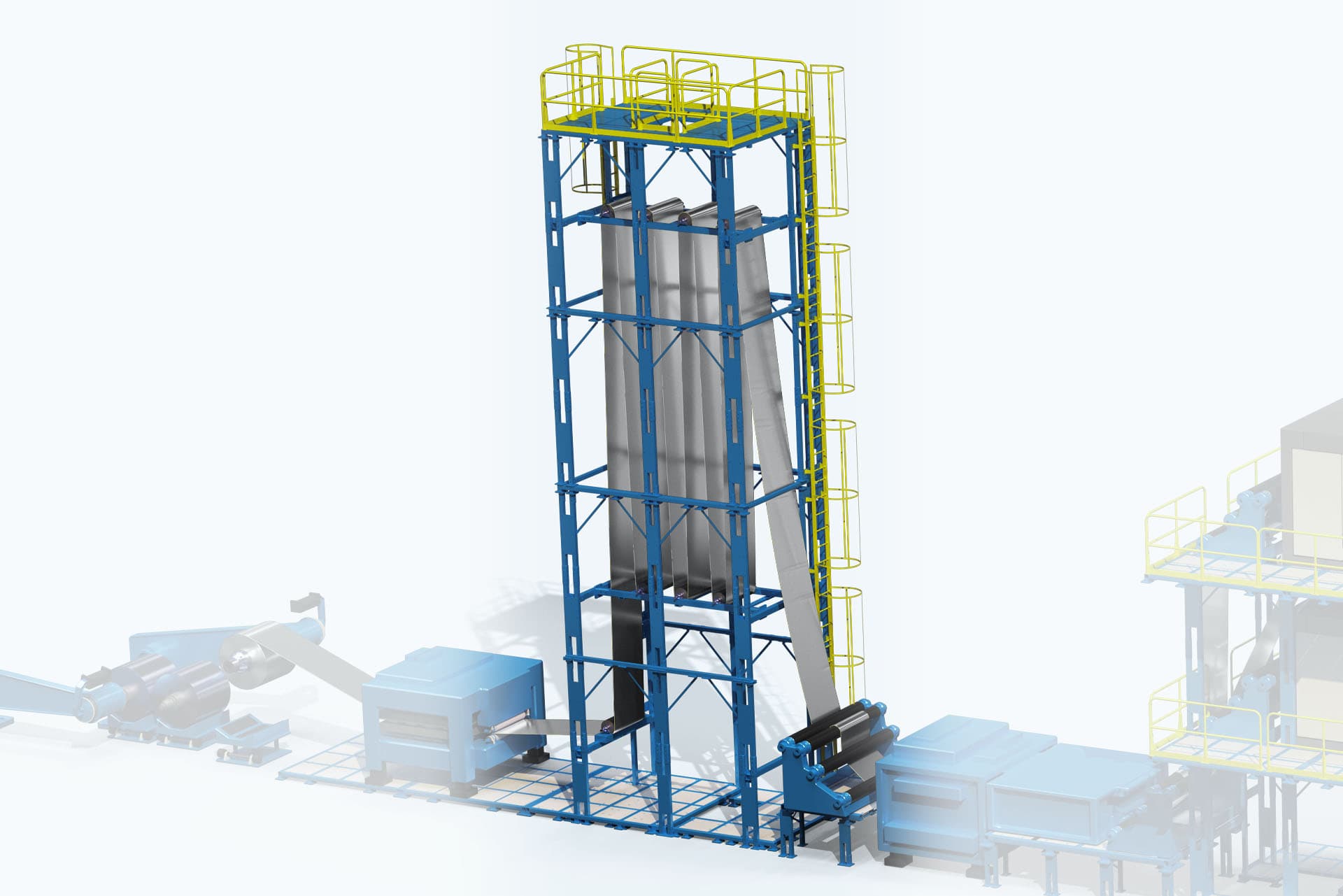
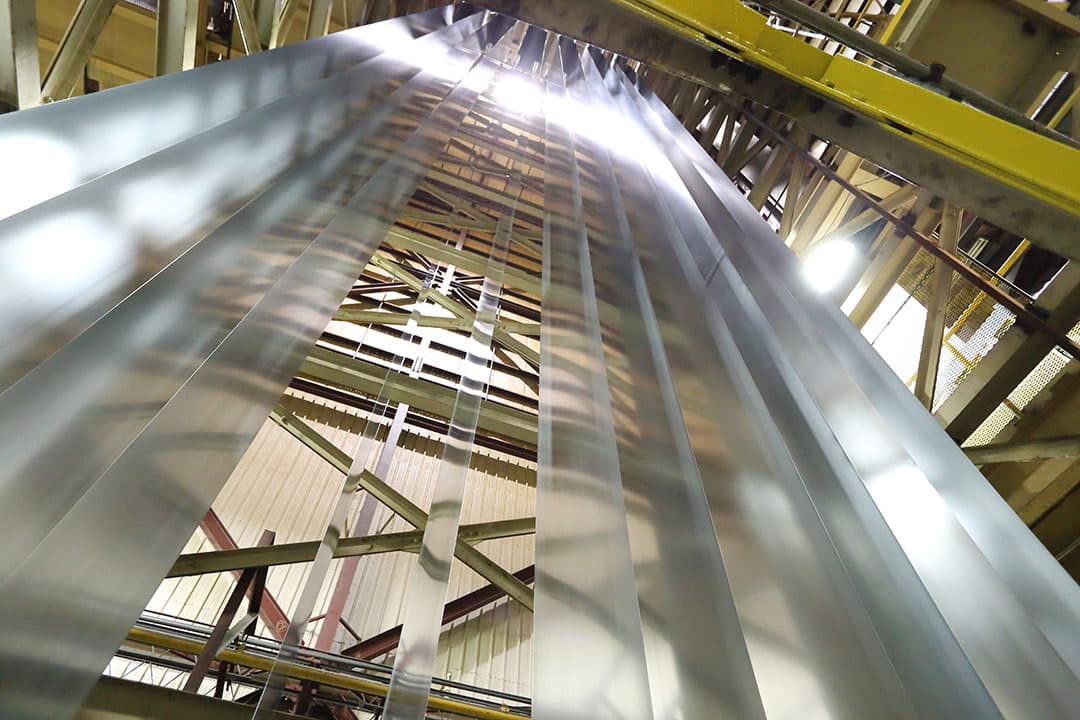
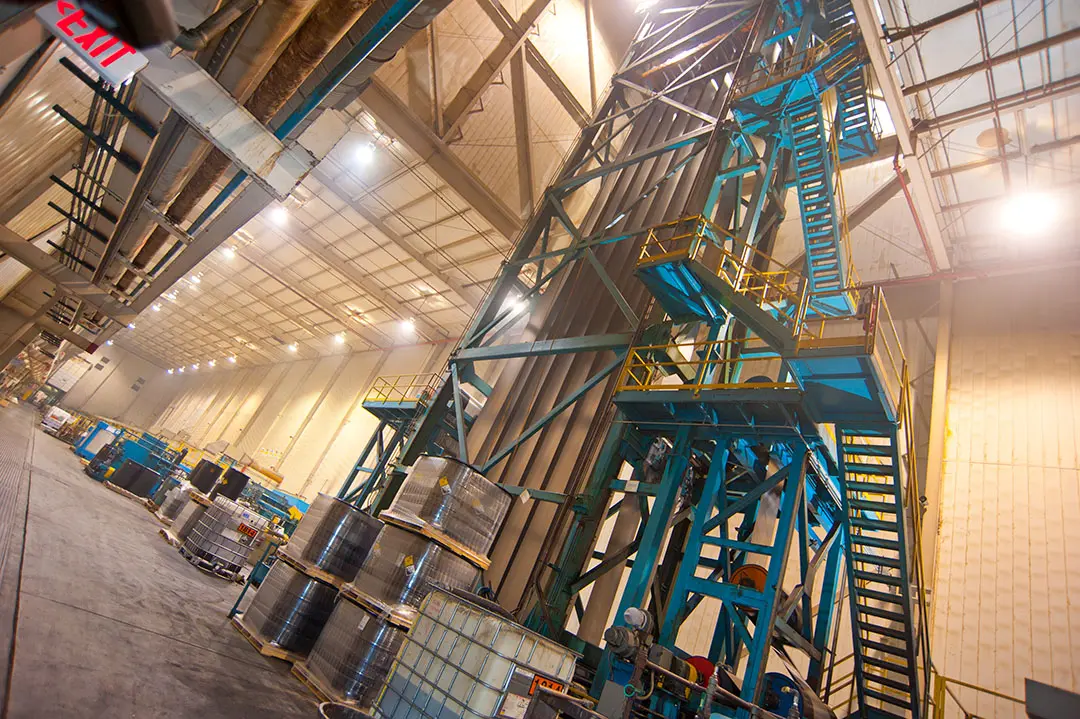
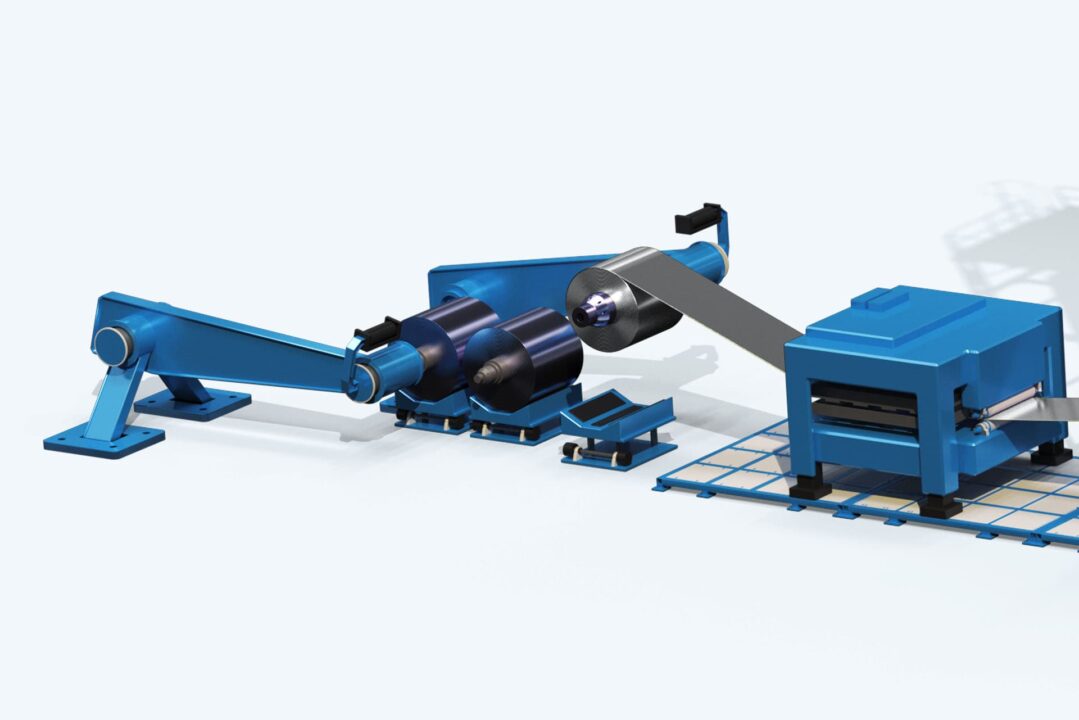
The accumulator is a structure that adjusts up and down to store material, which makes continuous operation of the coil coating process possible. This accumulation will continue to feed the coil coating processes while the entry end has stopped for the stitching process. As much as 750 feet of metal can be collected.
For many years, music has been an integral part of the curriculum at all levels of education. Activities such as band and dance foster teamwork, time management, discipline, and even open up potential careers in the music industry for students.
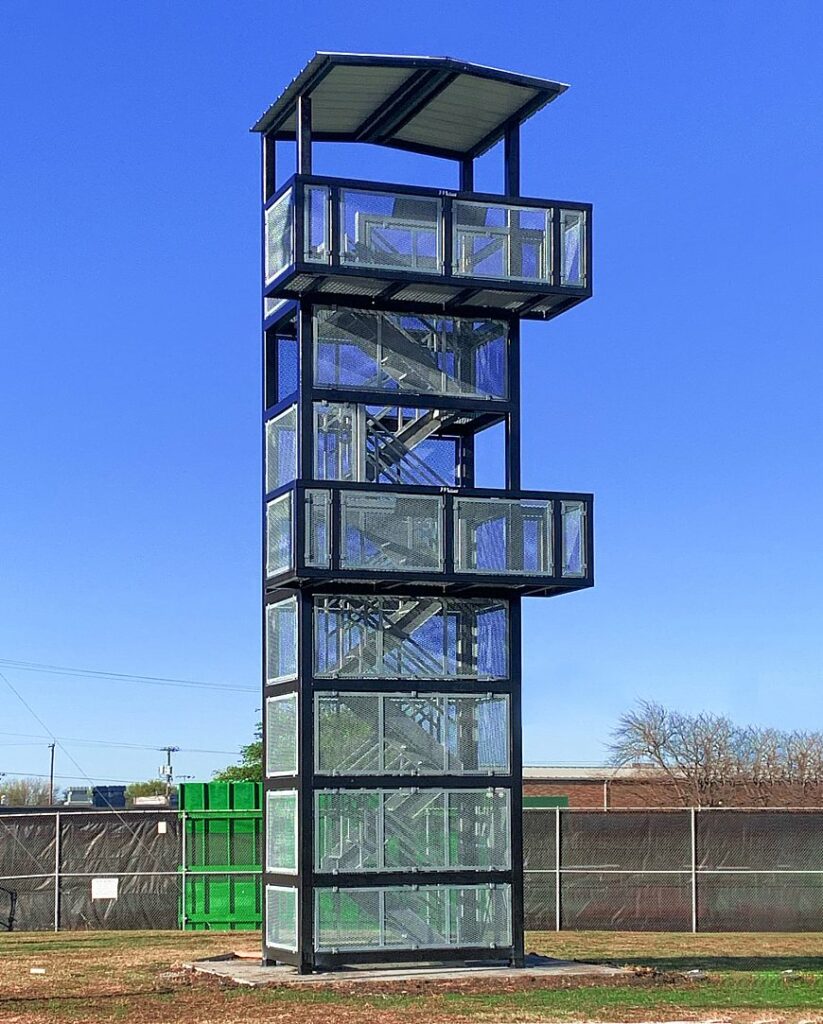
Band observation towers have played a crucial role in helping band directors and students across the country showcase their talent and represent their institutions. These towers offer elevated platforms for band directors and instructors, providing a clear and unobstructed view of the entire marching band formation. This vantage point allows them to assess the band’s overall performance, monitor individual musicians, and offer real-time feedback on aspects such as formations, spacing, and marching techniques.
Melhart Music Center in McAllen, Texas, is a well-known music store and center that offers a wide range of musical instruments, accessories, and services. Traditionally recognized for its extensive selection of musical instruments, including guitars, keyboards, drums, and orchestral instruments, the company identified an opportunity to expand its portfolio by adding observation towers.
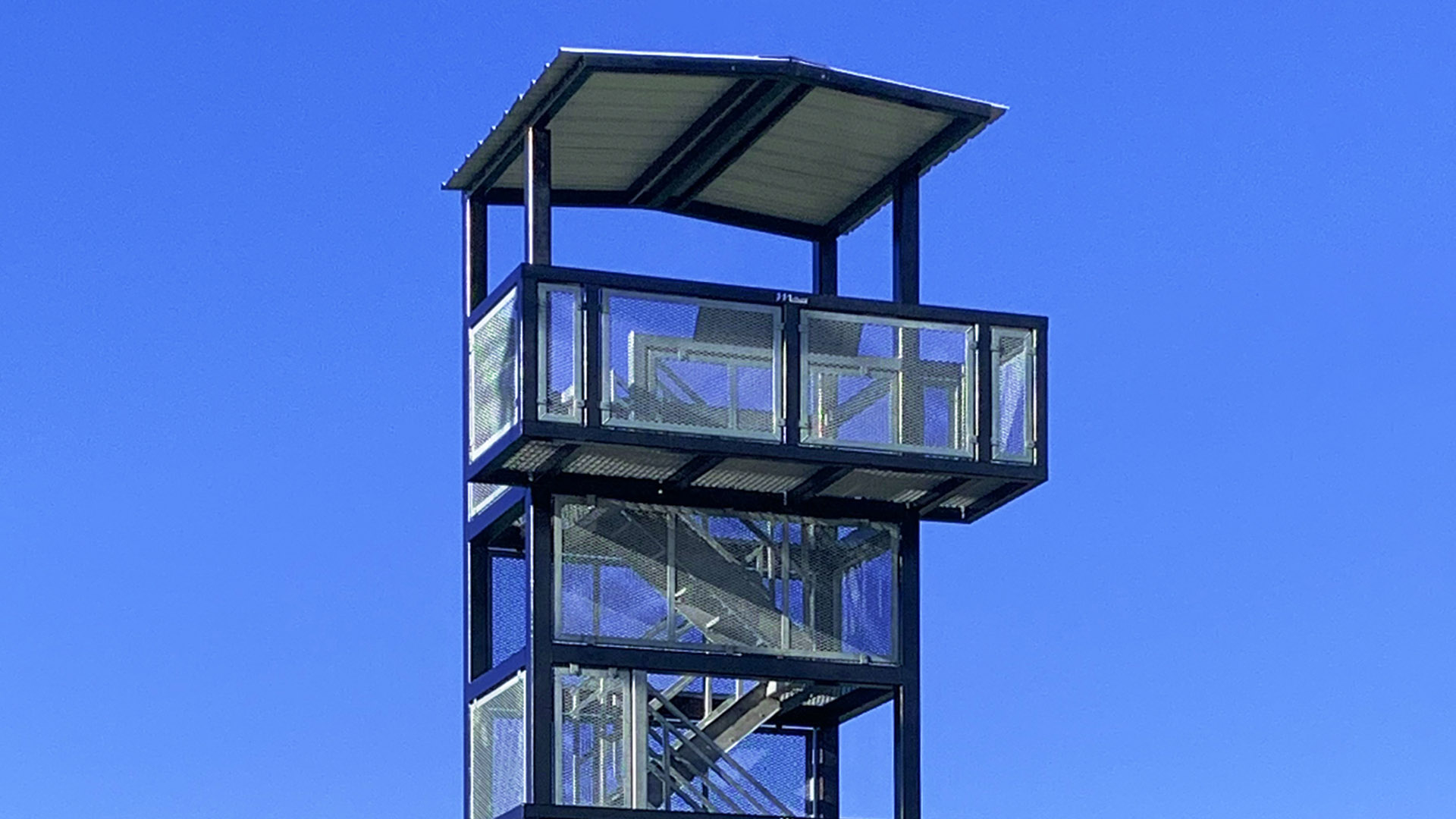
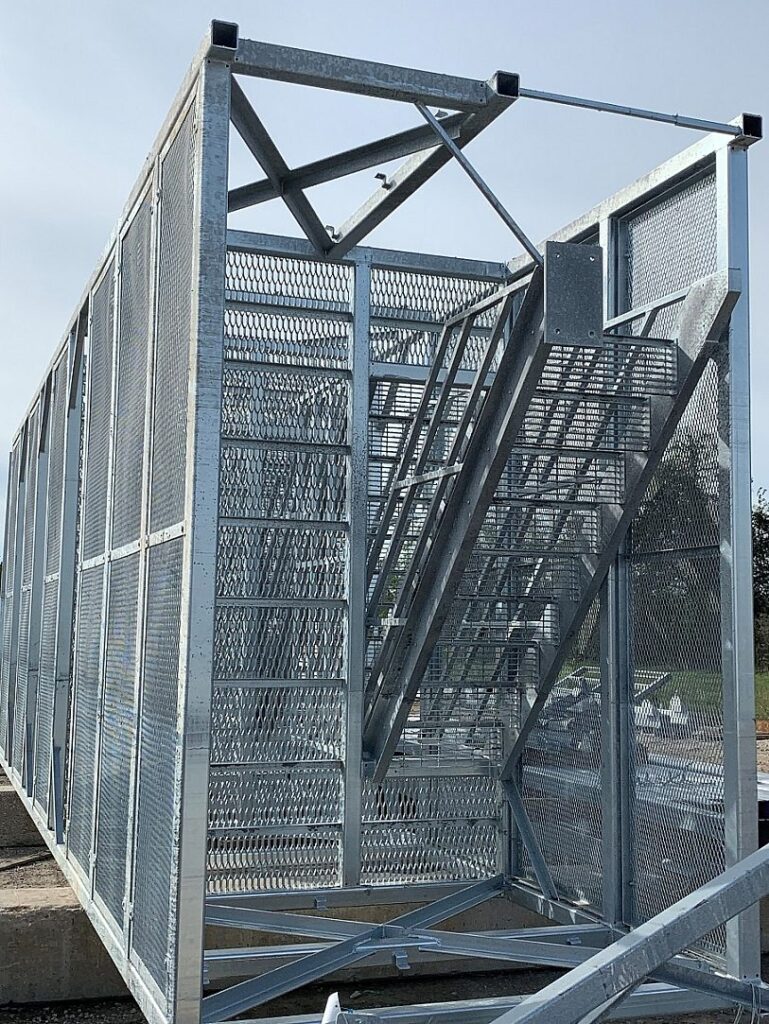
Planned as its flagship tower, the Melhart Two-Level Director Stairwell Tower can be custom-built to a height of 35 feet. Featuring multiple viewing platforms, a canopied top deck, and a fully enclosed staircase, the structure is designed to provide decades of safe and dependable service.
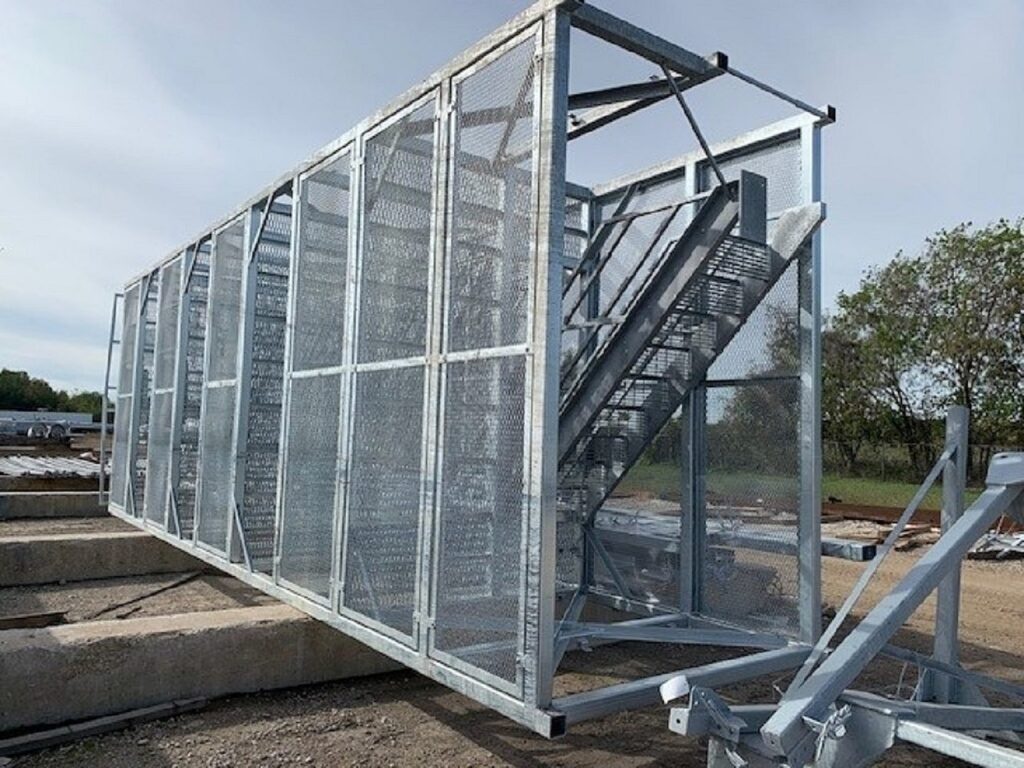
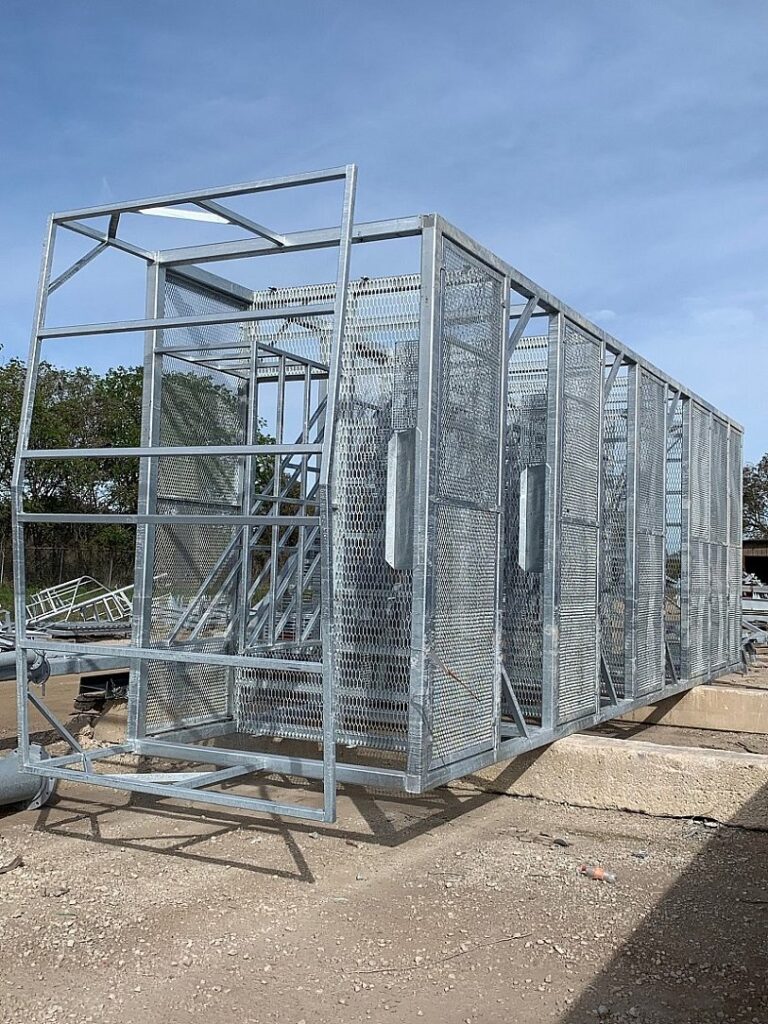
Observation towers, like any structures exposed to the elements, can be prone to corrosion over time. The susceptibility to corrosion depends on several factors, including the materials used in construction, the local climate, and maintenance practices. The choice of materials for constructing observation towers is crucial in determining their long-term resistance to corrosion. Common materials include steel, aluminum, and galvanized steel. Galvanized steel, in particular, is treated with a protective zinc coating that helps prevent corrosion with minimal required maintenance and was the preferred material for this project.
During the crucial design phase, the fabricator and AZZ Galvanizing – Houston West had to work closely together to accommodate the large dimensions and ensure easy, safe, and quick assembly in the field. The rapid on-site installation period is a key selling point and competitive differentiator as it reduces necessary labor time and minimizes disruption to the surrounding area. In certain situations, the tower may be needed urgently for special events or temporary installations, and quick assembly enables the rapid deployment of observation towers in response to specific needs.
Ultimately, the strategic design collaboration between the fabricator and AZZ significantly enhanced both the quality and future market potential of this distinctive and substantial structure. The additional time and discussions invested have led to increased sales and a significantly improved product offering for Melhart Music. The company can now provide an alternative metal coating to the traditionally painted music towers, introducing a galvanized coating application that sets a new specification standard for these large structures.
Being able to work together on the fabrication and galvanizing design requirements has tremendously improved the quality and growth potential of this large unique structure.