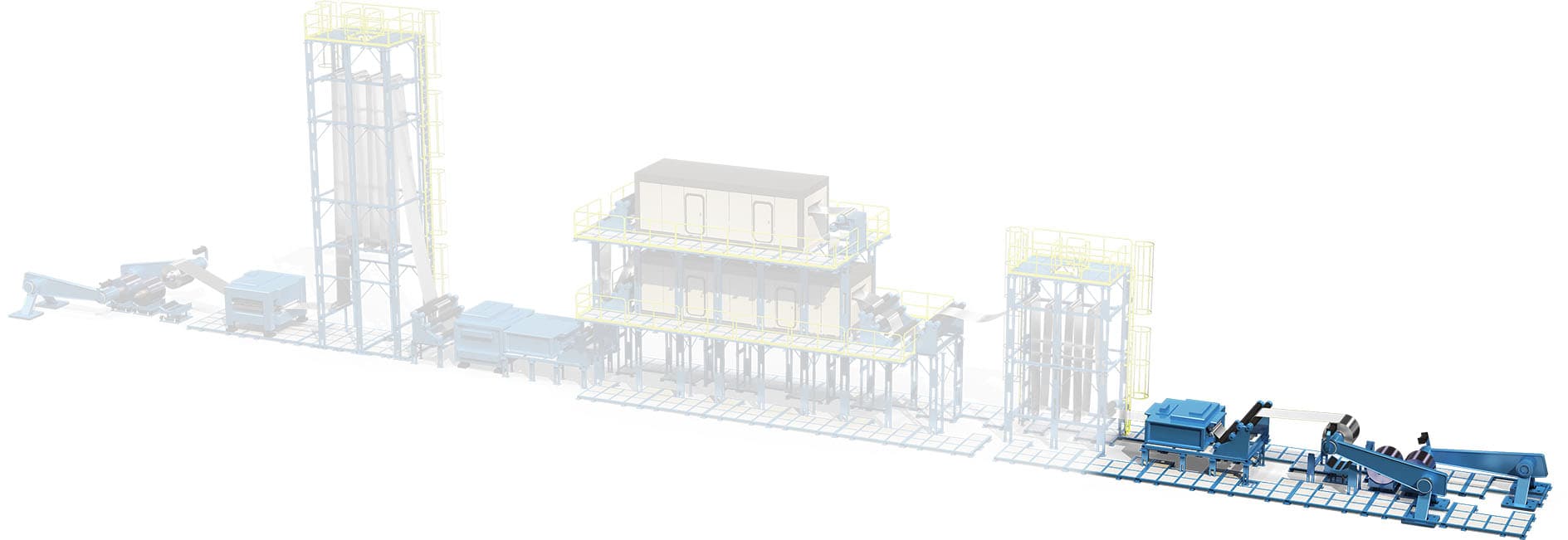
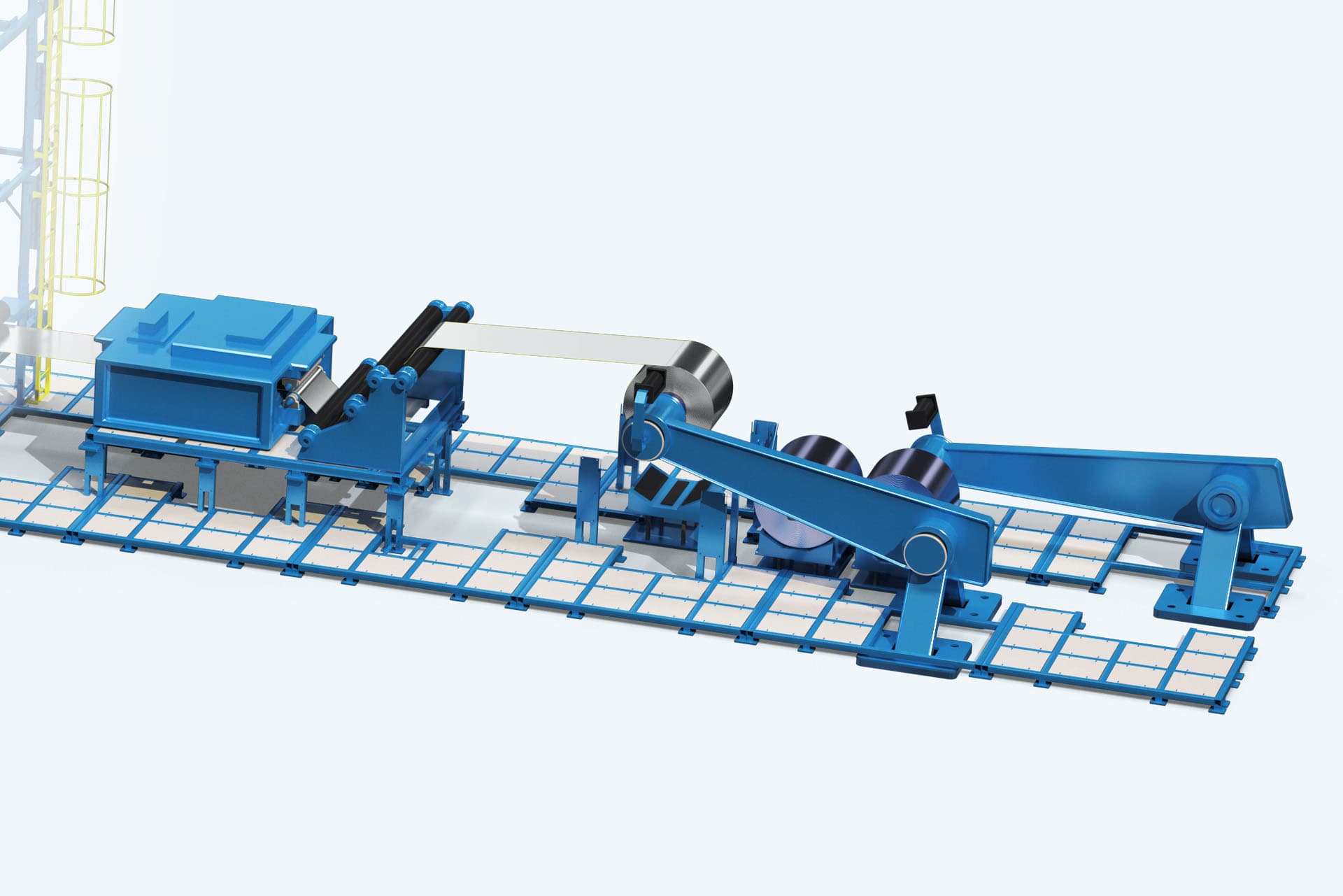
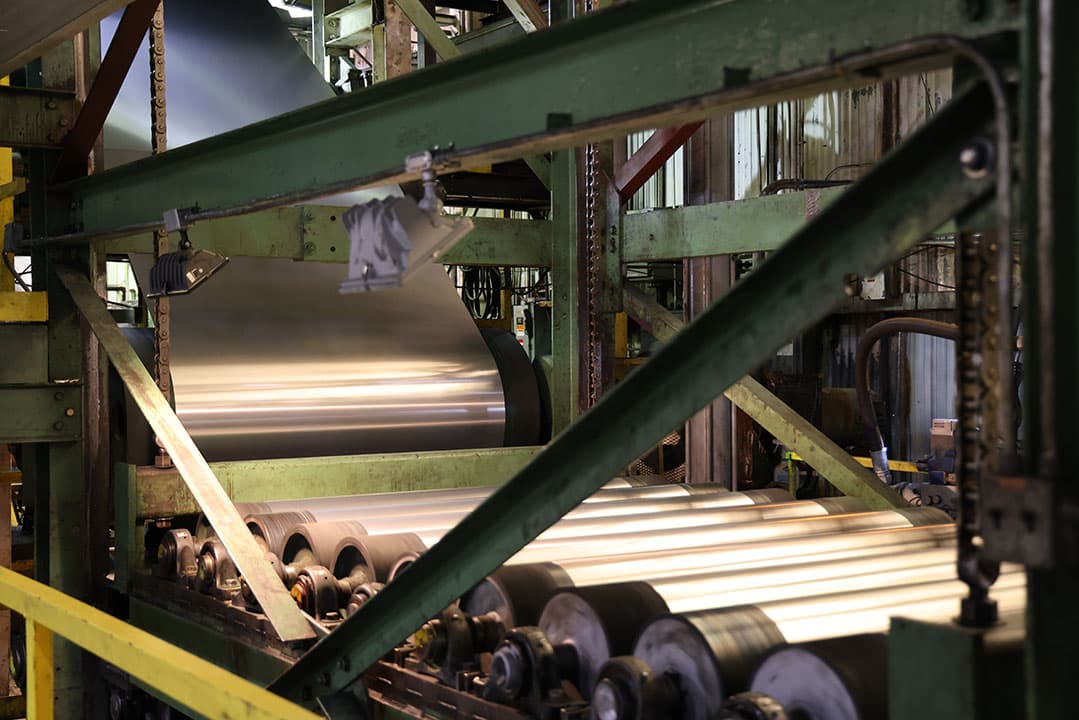
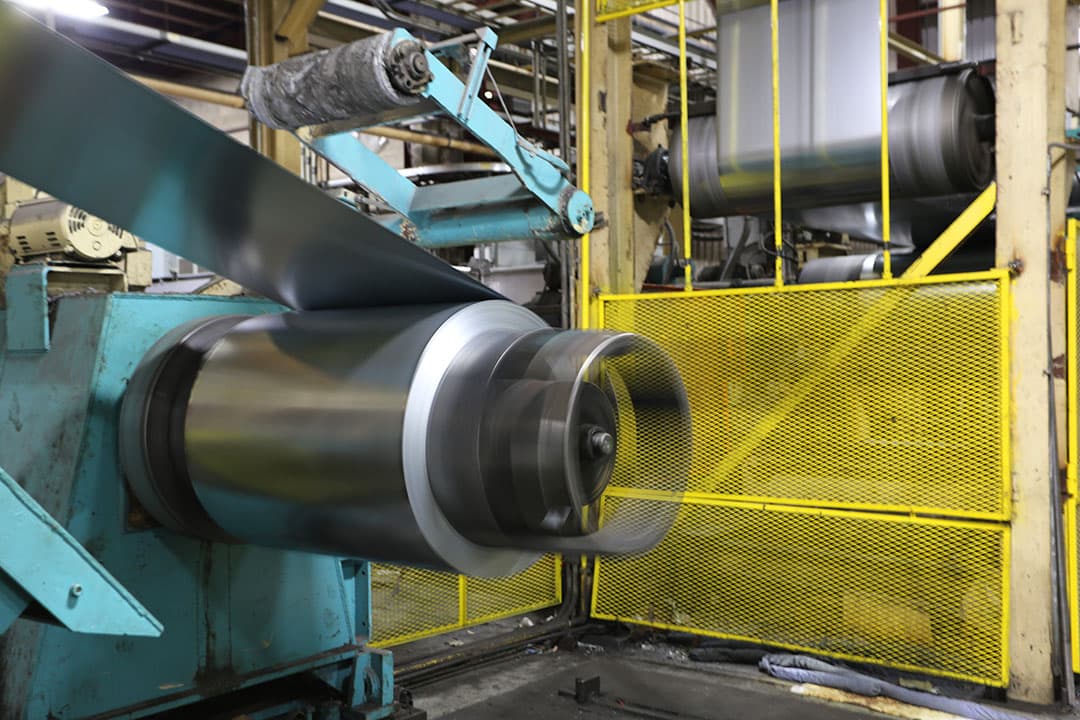
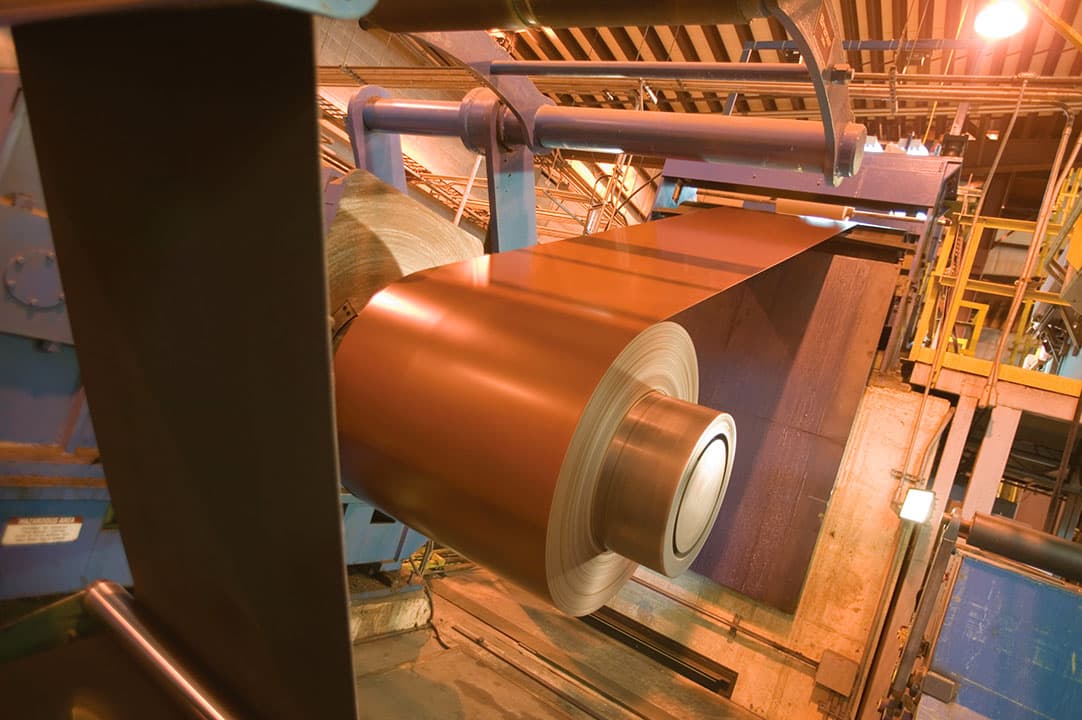
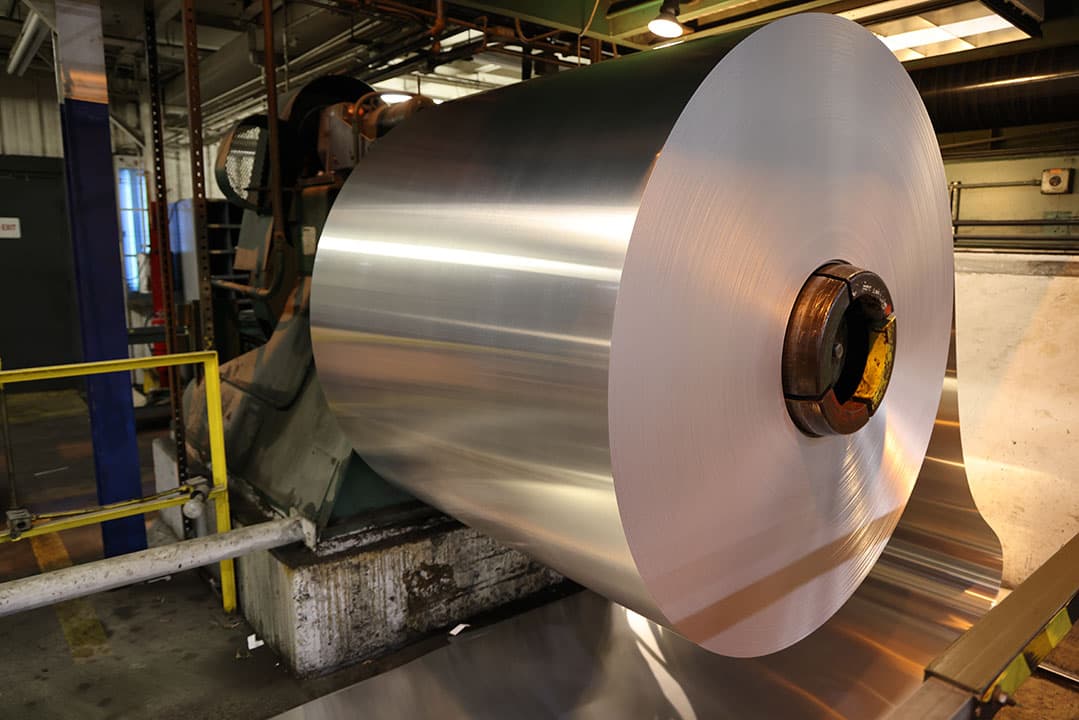
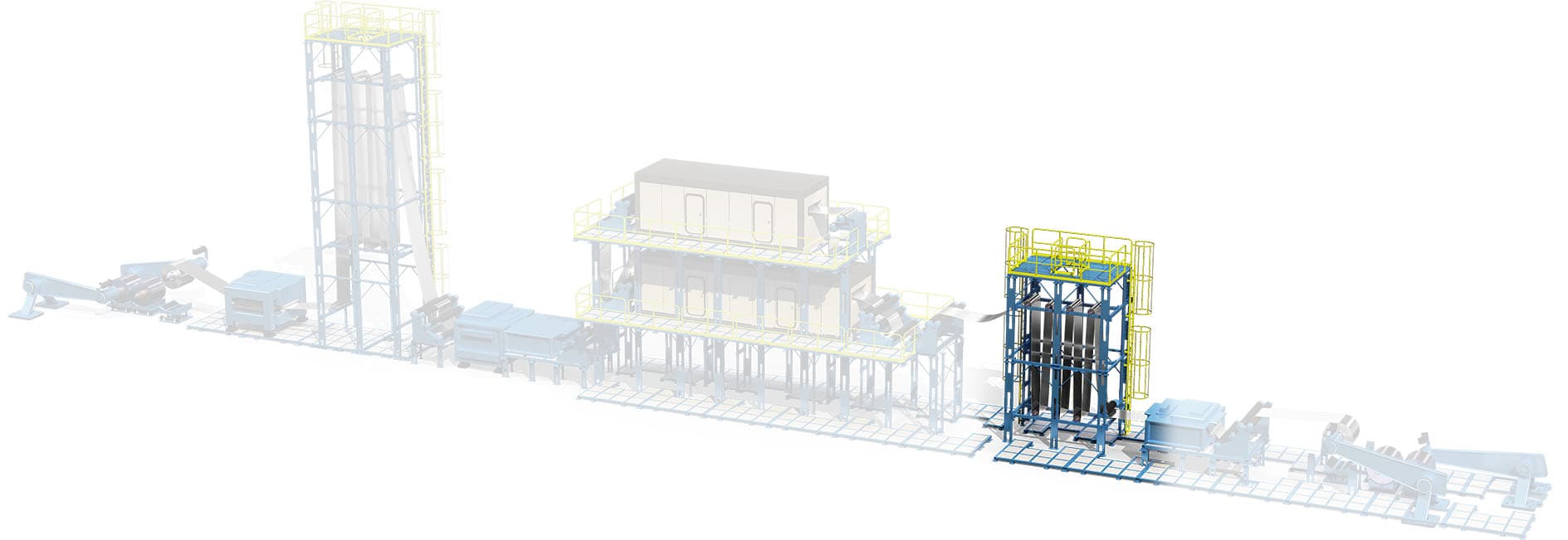
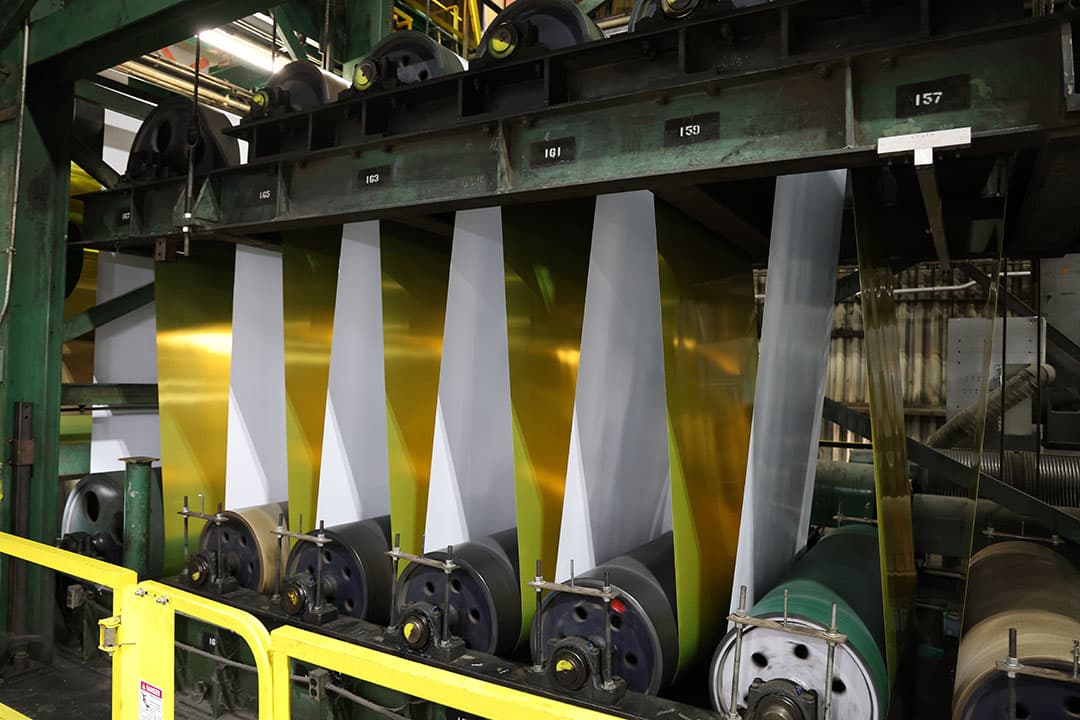
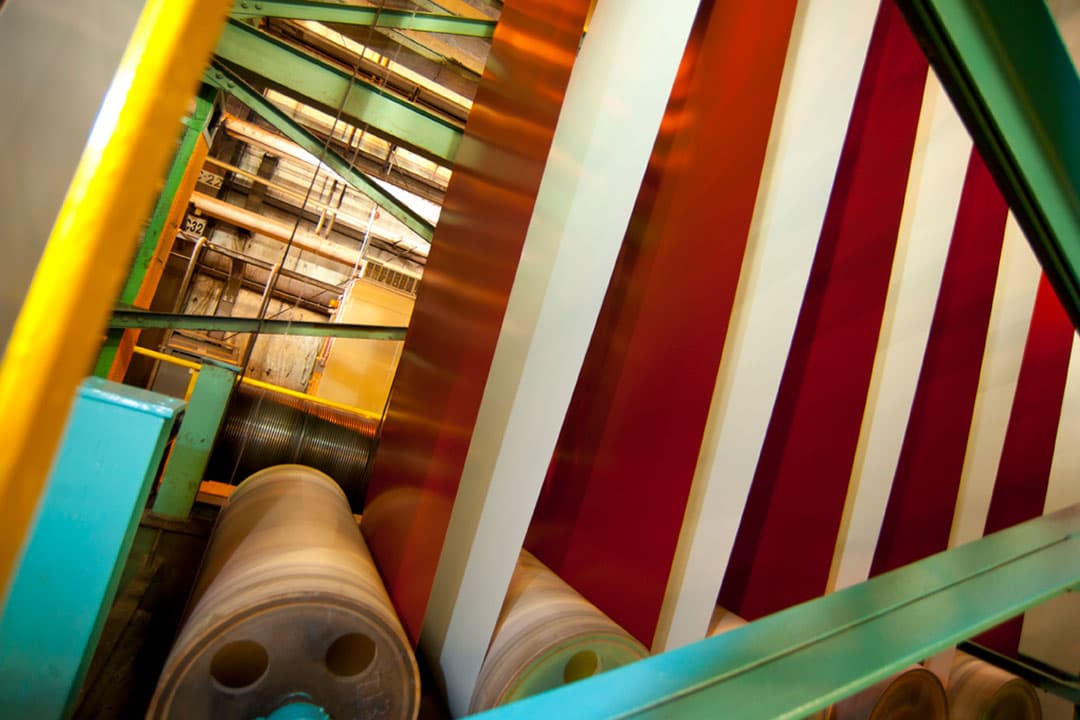
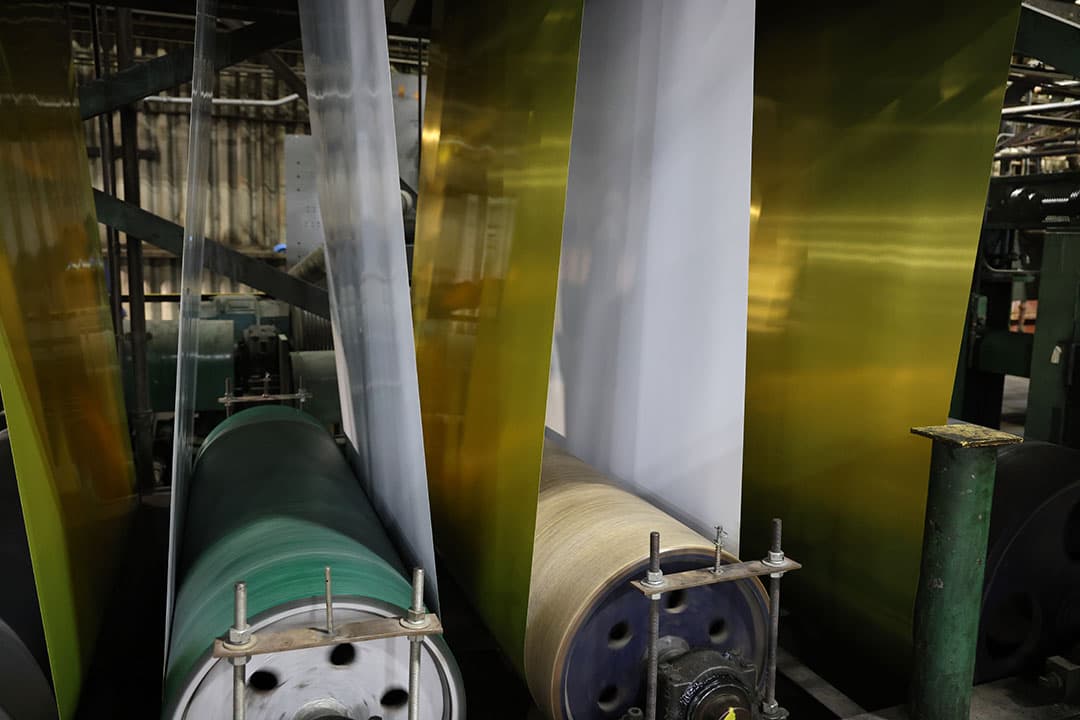
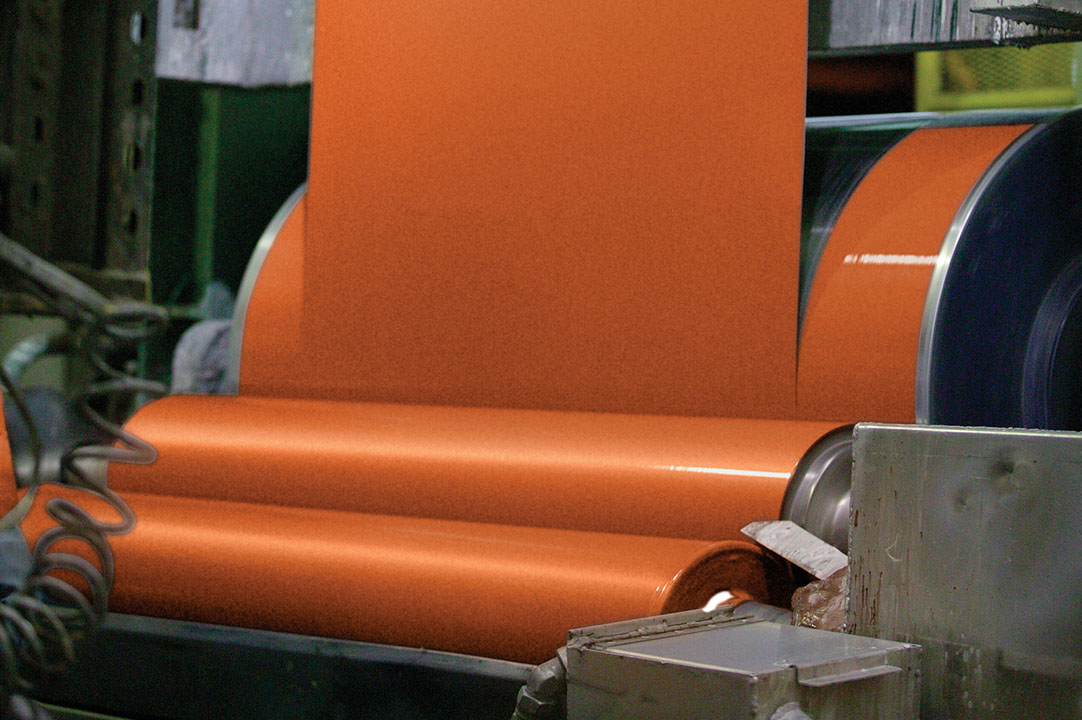
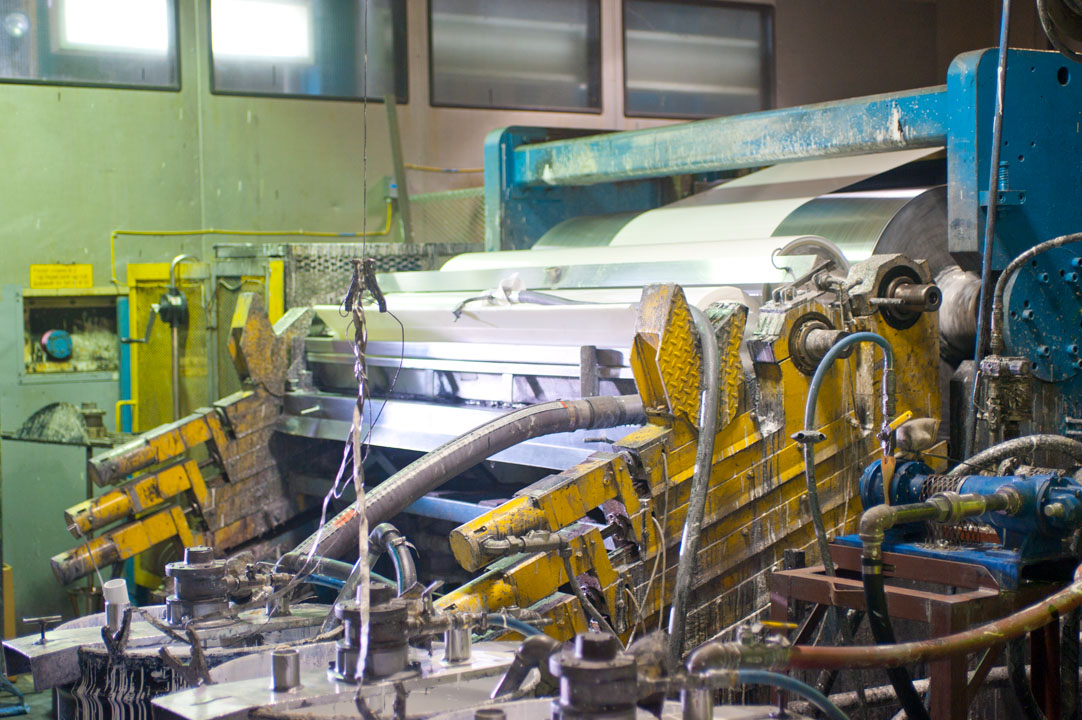
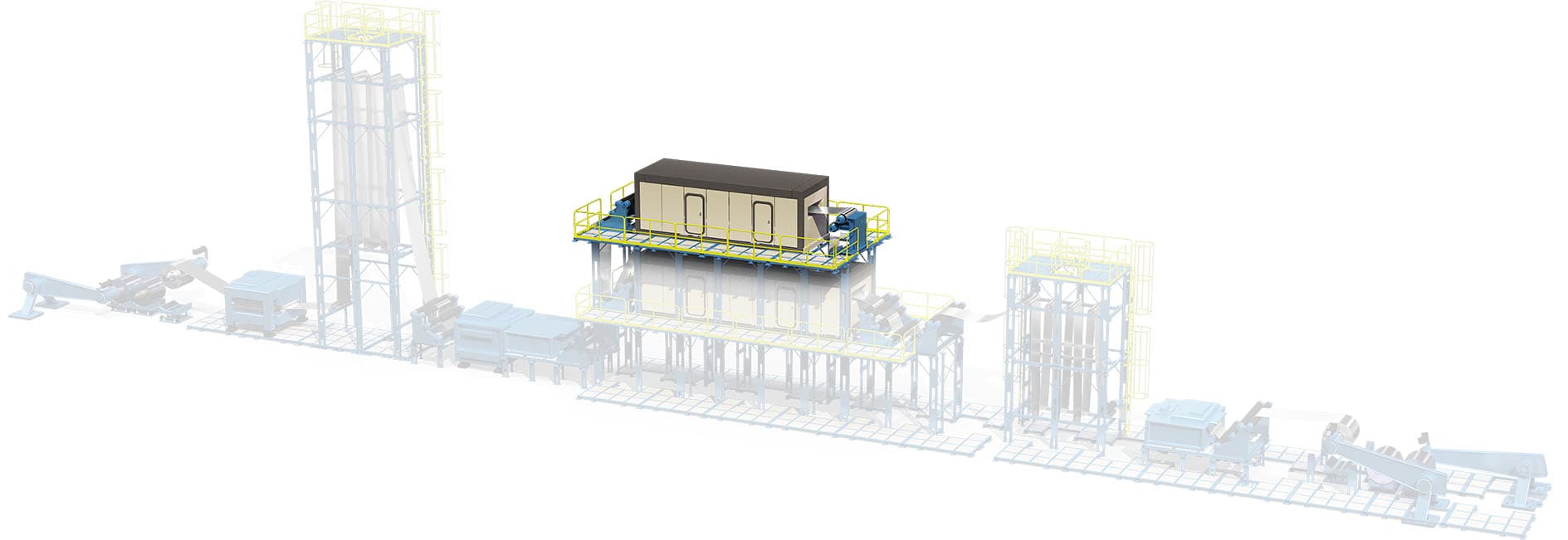
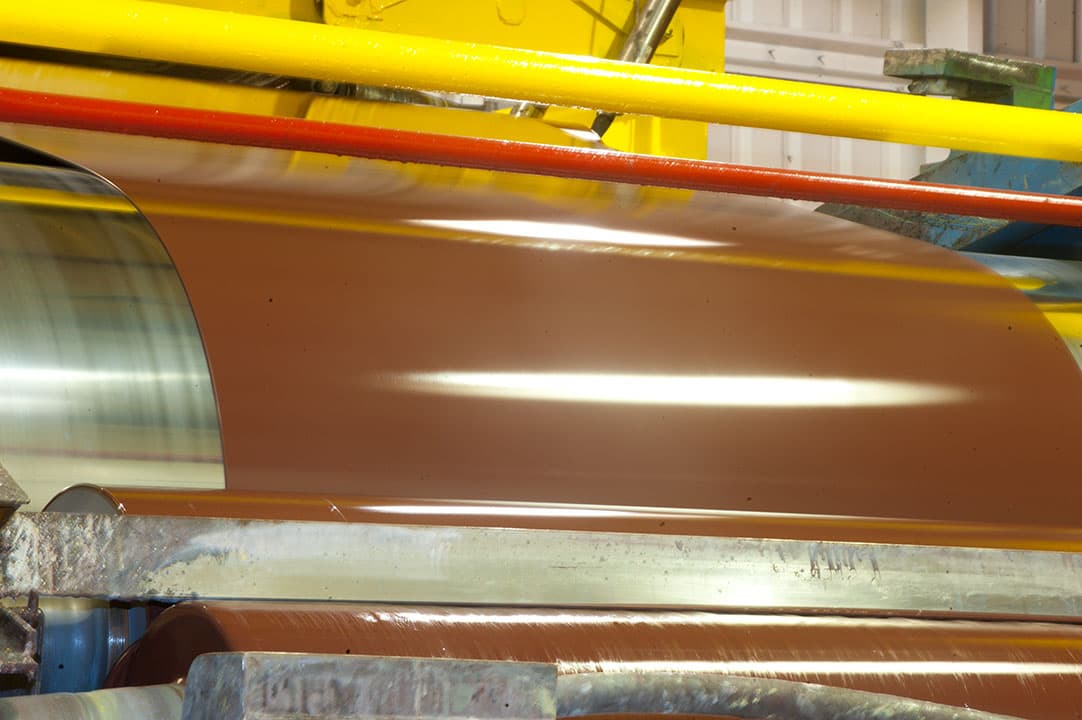
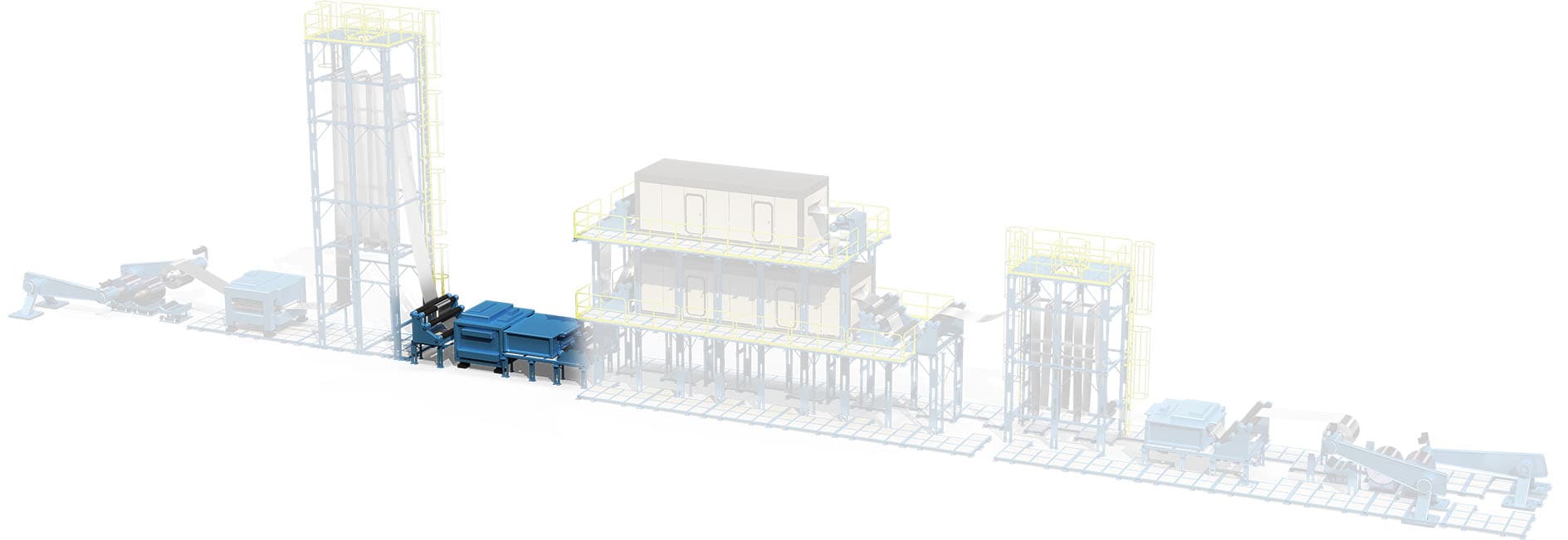
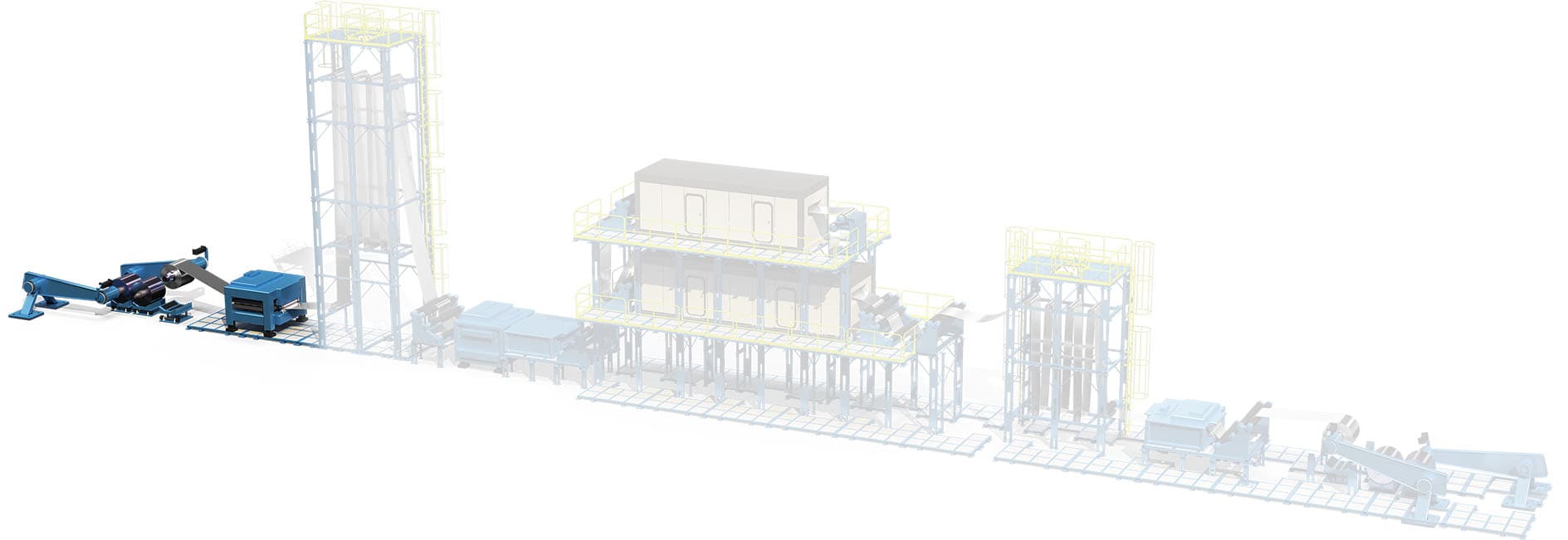
Once the metal is cleaned, treated, and painted, the strip is rewound into a coil size prescribed by the customer. From there, the coil is removed from the line and packaged for shipment or additional processing.
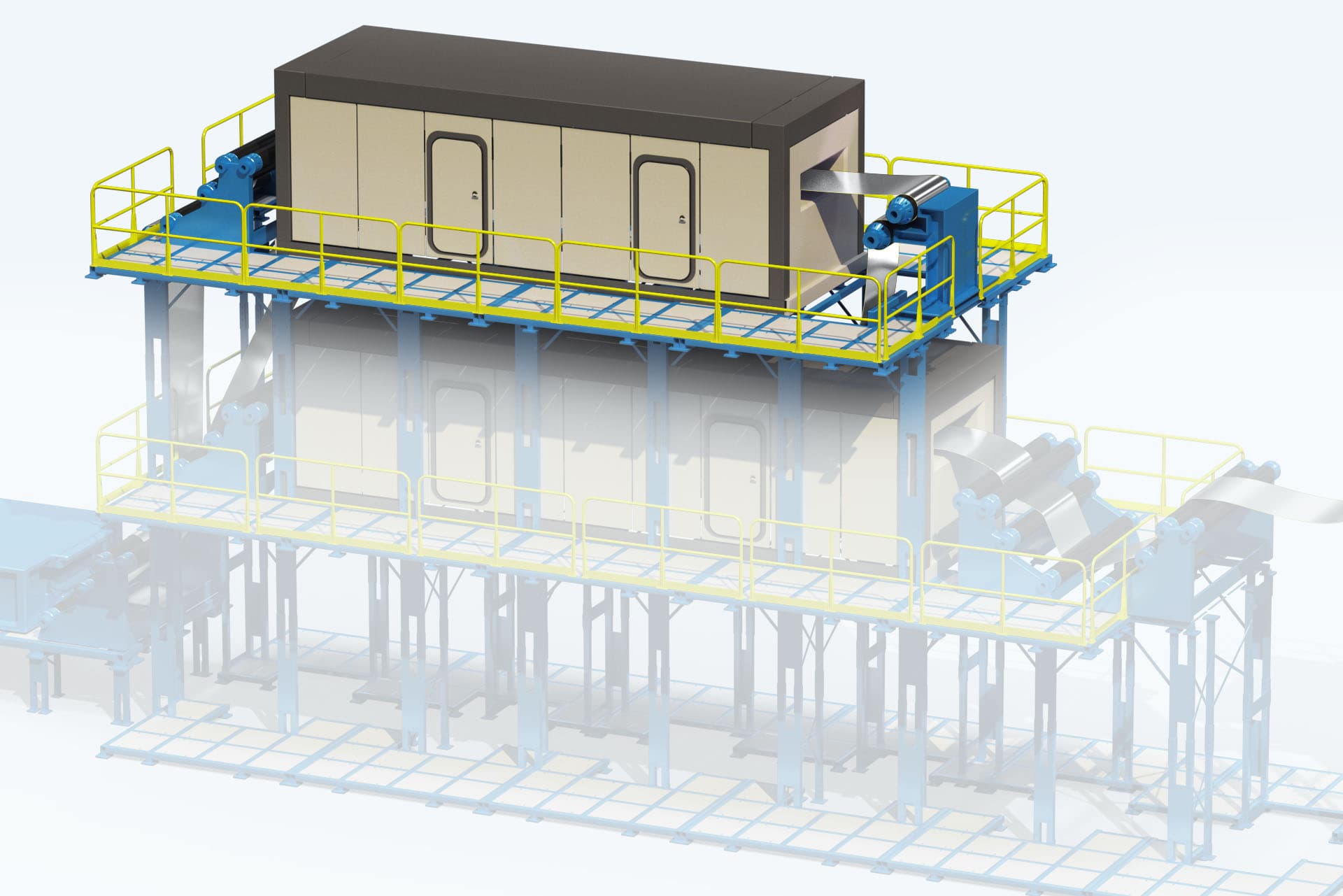
After the primer is applied and cured, then the metal strip enters the finish coat station where a topcoat is applied. Topcoats provide color, corrosion resistance, durability, flexibility and any other required physical properties. Like primers, the topcoat is cured using thermal cure ovens.
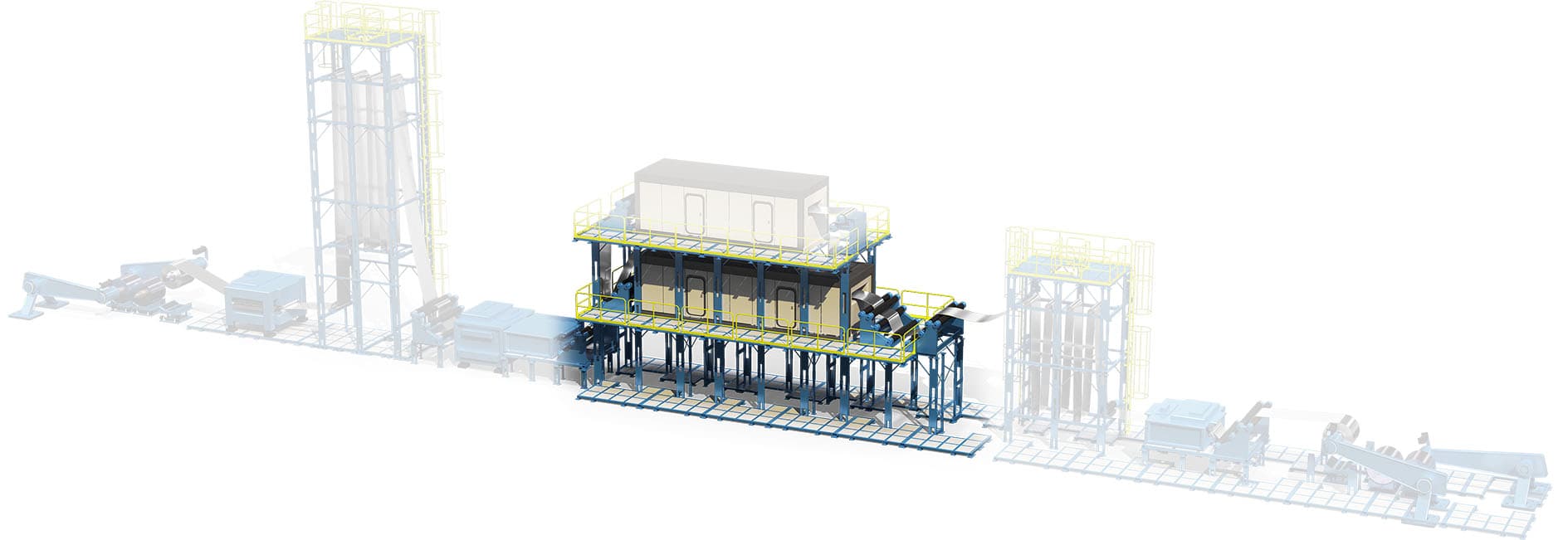
Oven
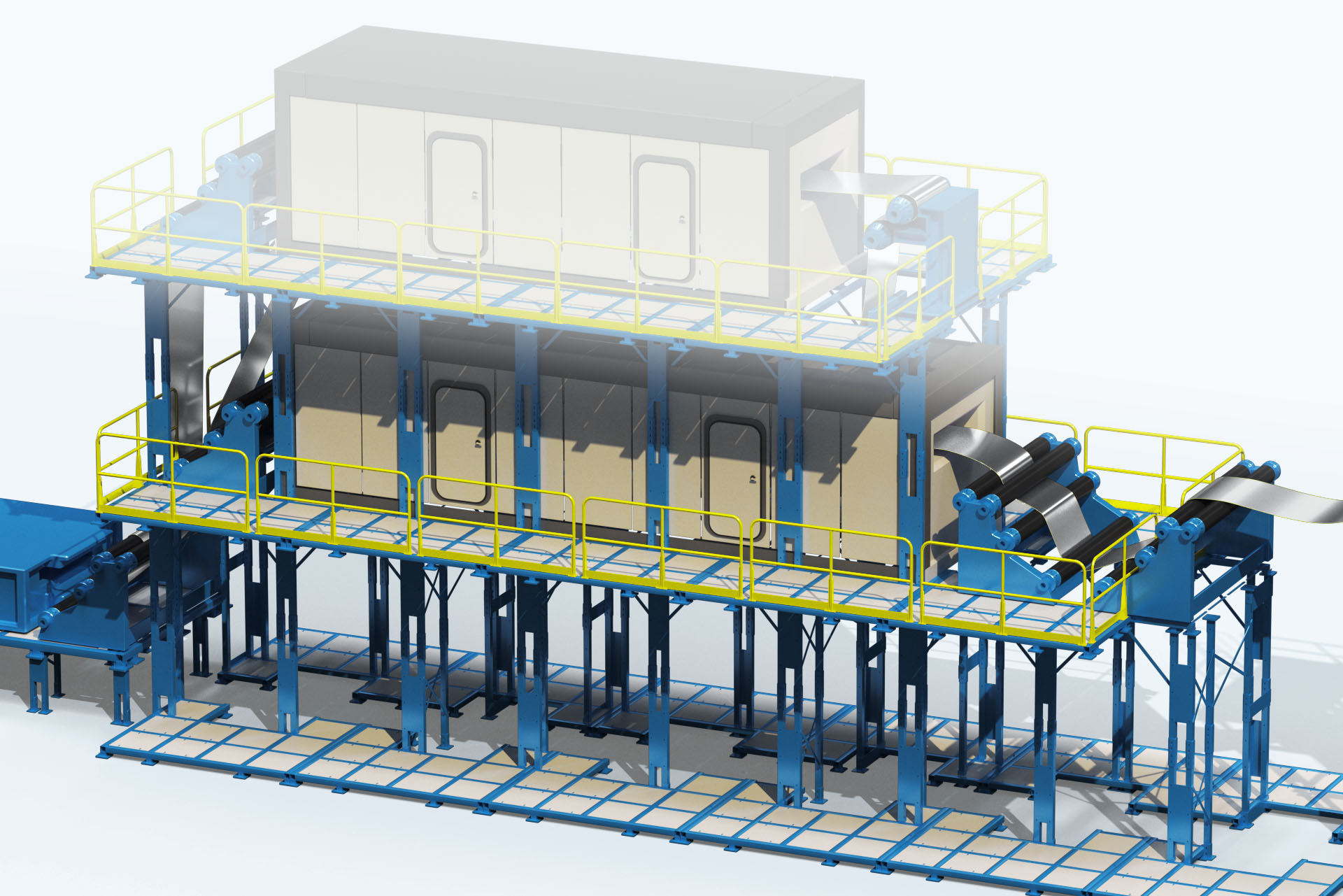
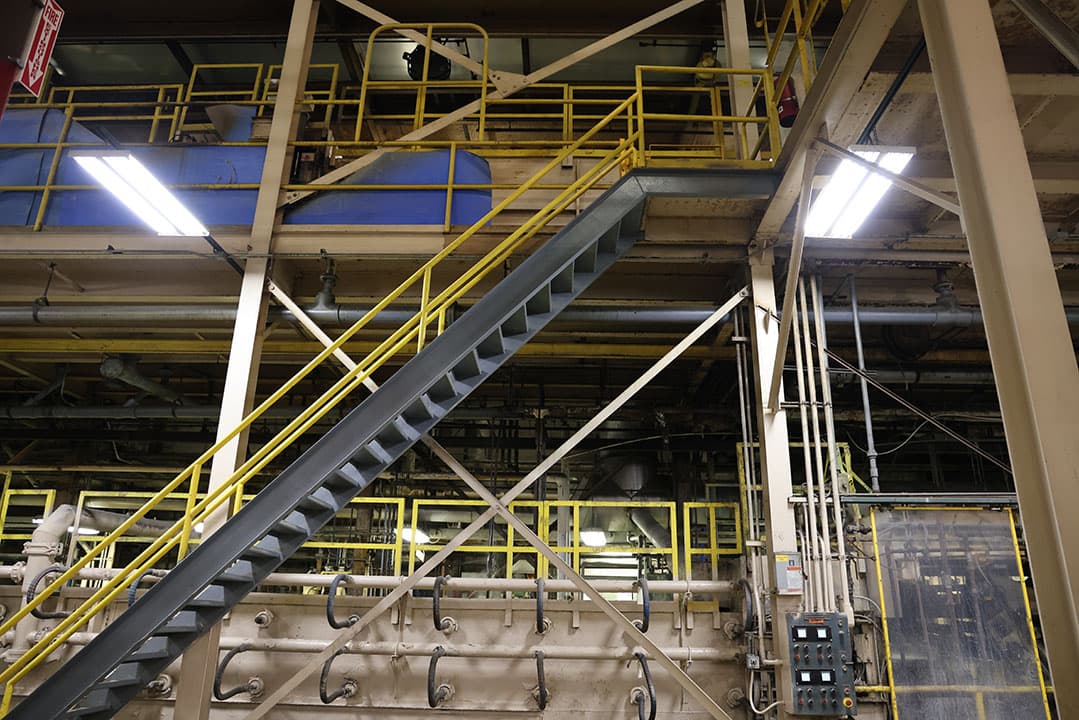
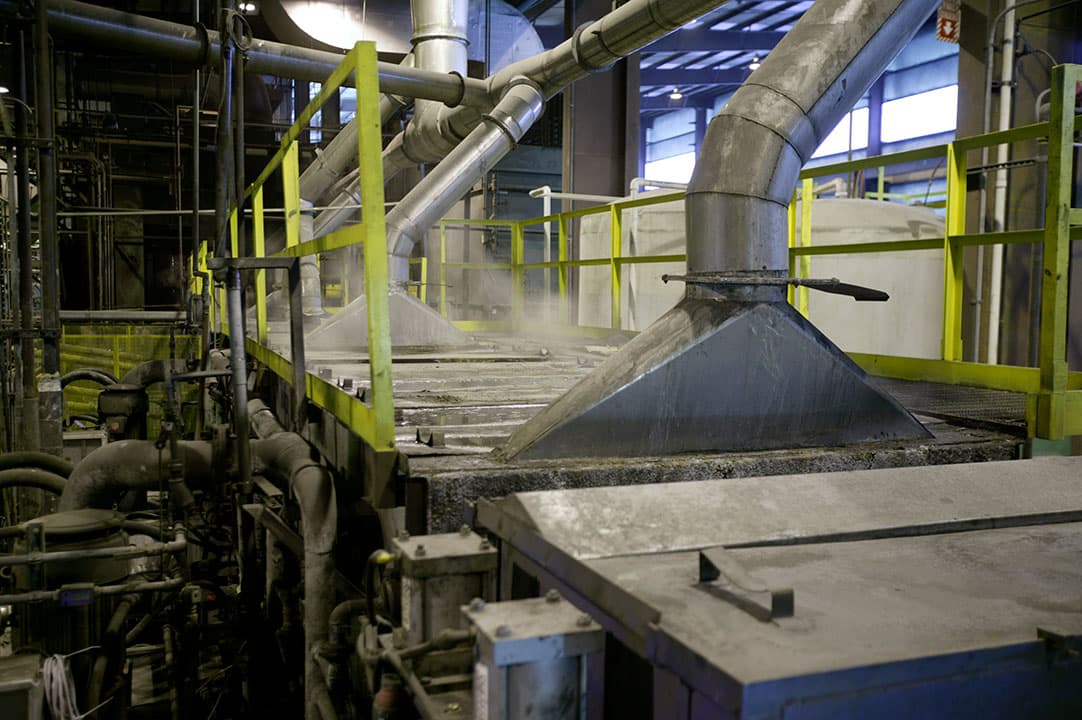
Coil coating ovens can range from 130 feet to 160 feet and will cure the coatings in 13 to 20 seconds.
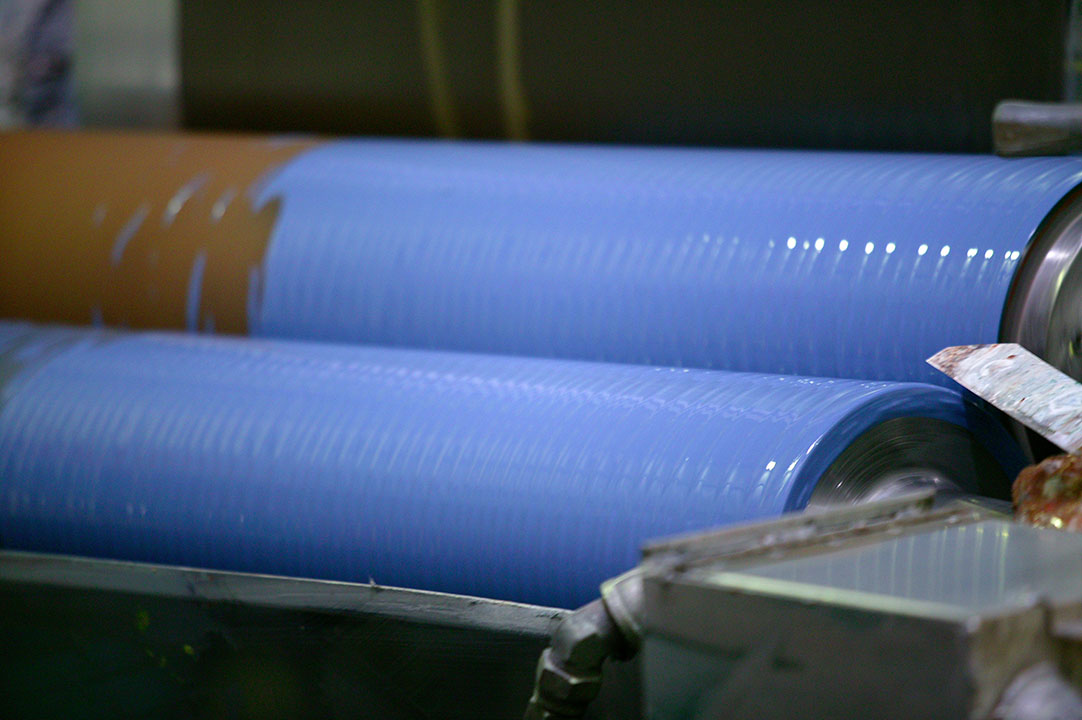
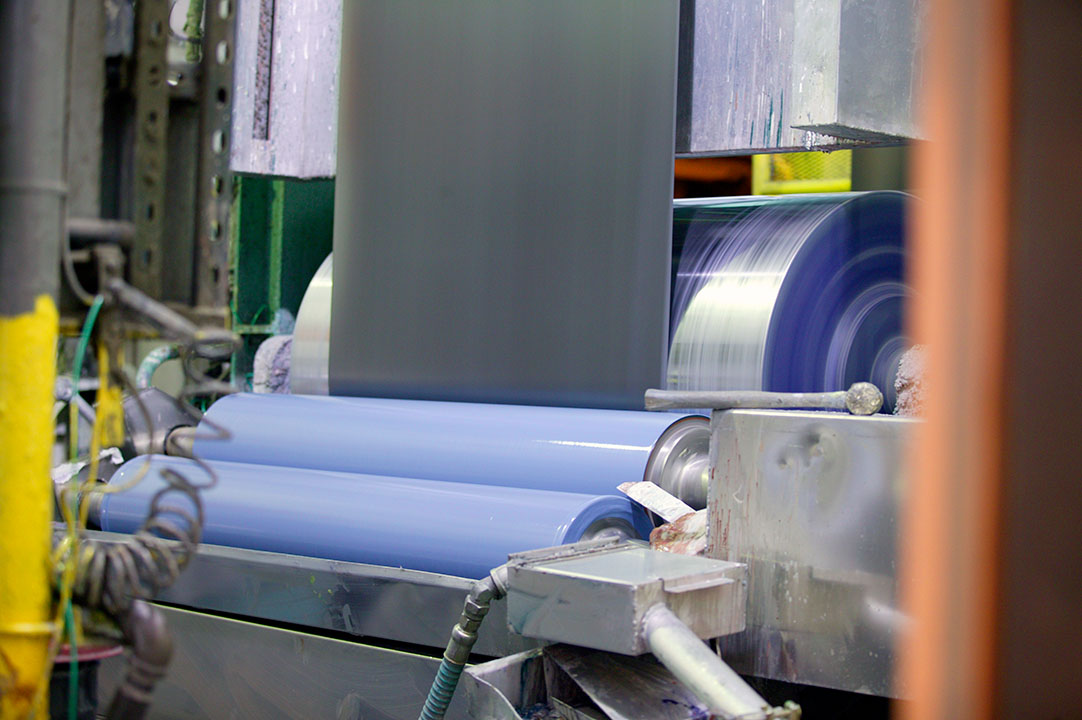
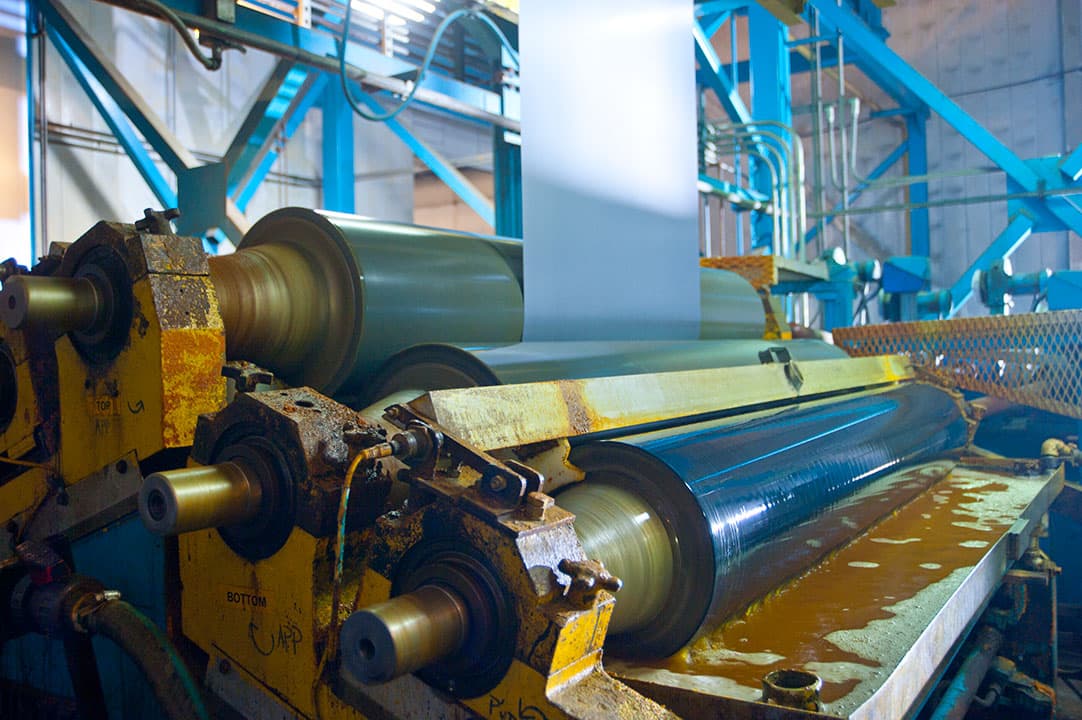
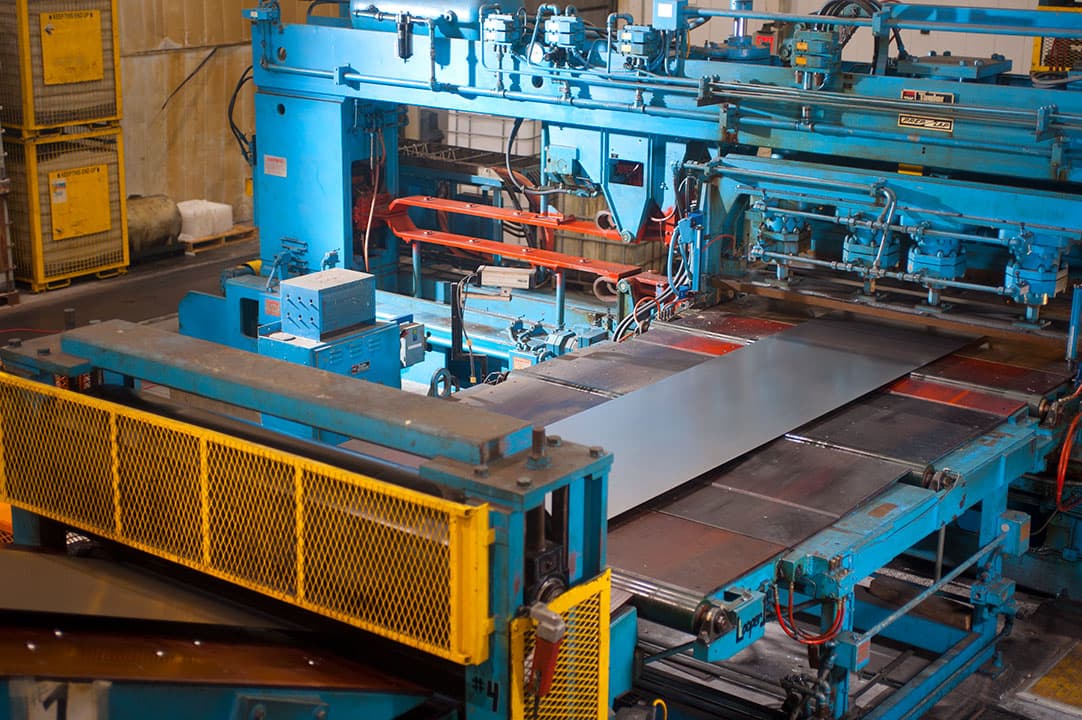
During this stage, the strip enters the prime coat station whereby a primer is applied to the clean and treated metal. After the primer is applied, the metal strip travels through a thermal oven for curing. Primers are used to aid in paint adhesion, improve corrosion performance and enhance aesthetic and functional attributes of the topcoat.
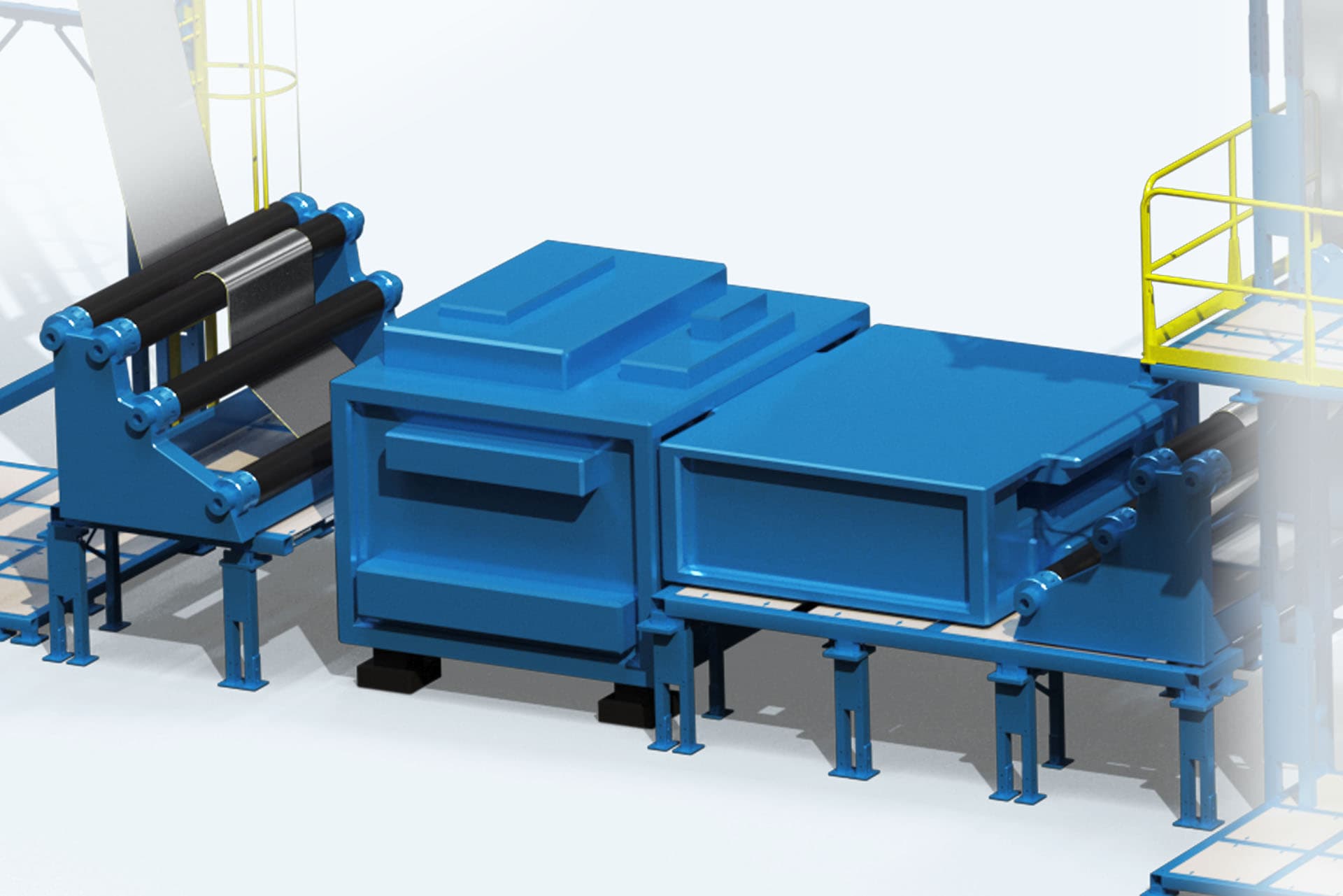
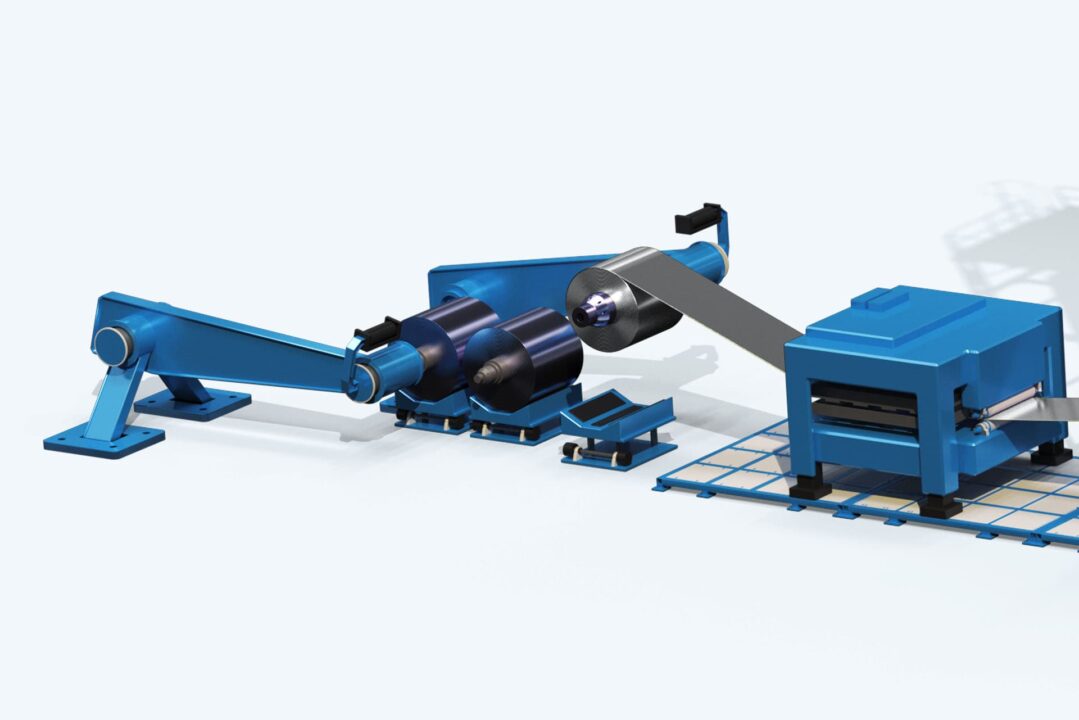
S Wrap Coater
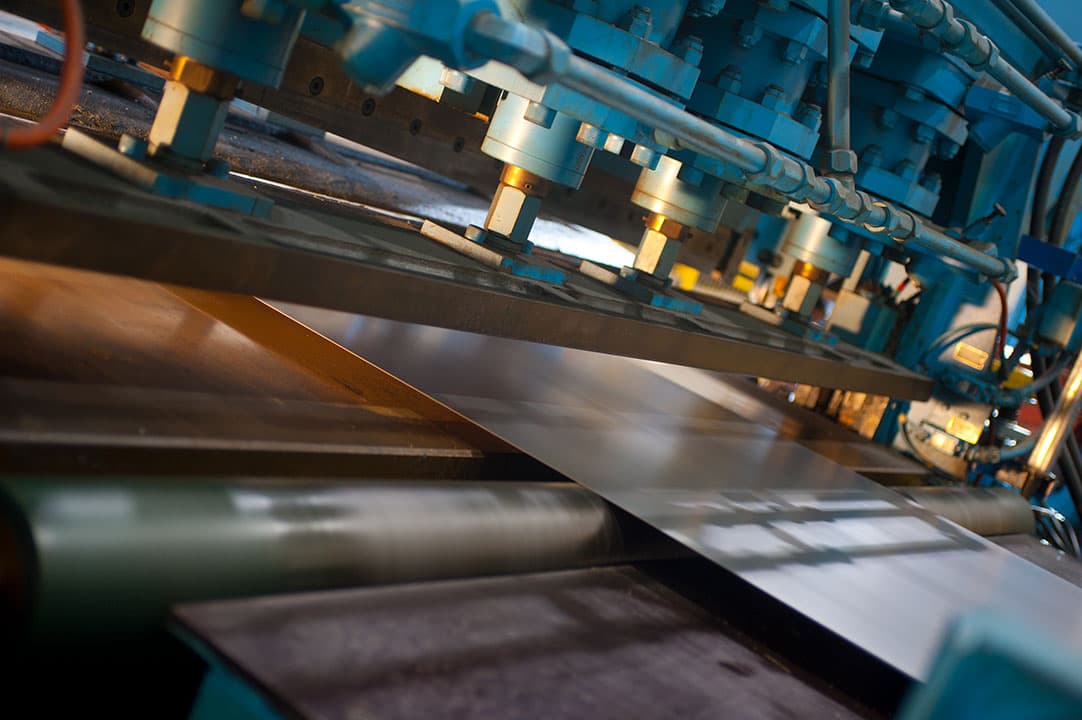
The S wrap coater design allows for primers and paints to be applied to the top and back side of the metal strip simultaneously in one continuous pass.
The cleaning and pretreating section of the coil coating process focuses on preparing the metal for painting. During the cleaning stage, dirt, debris, and oils are removed from the metal strip. From there, the metal enters the pretreatment section and/or a chemical coater whereby chemicals are applied to facilitate paint adhesion and enhance corrosion resistance.
Dried-In-Place
In this stage a chemical that provides enhanced corrosion performance is applied. This treatment can be chrome free if required.
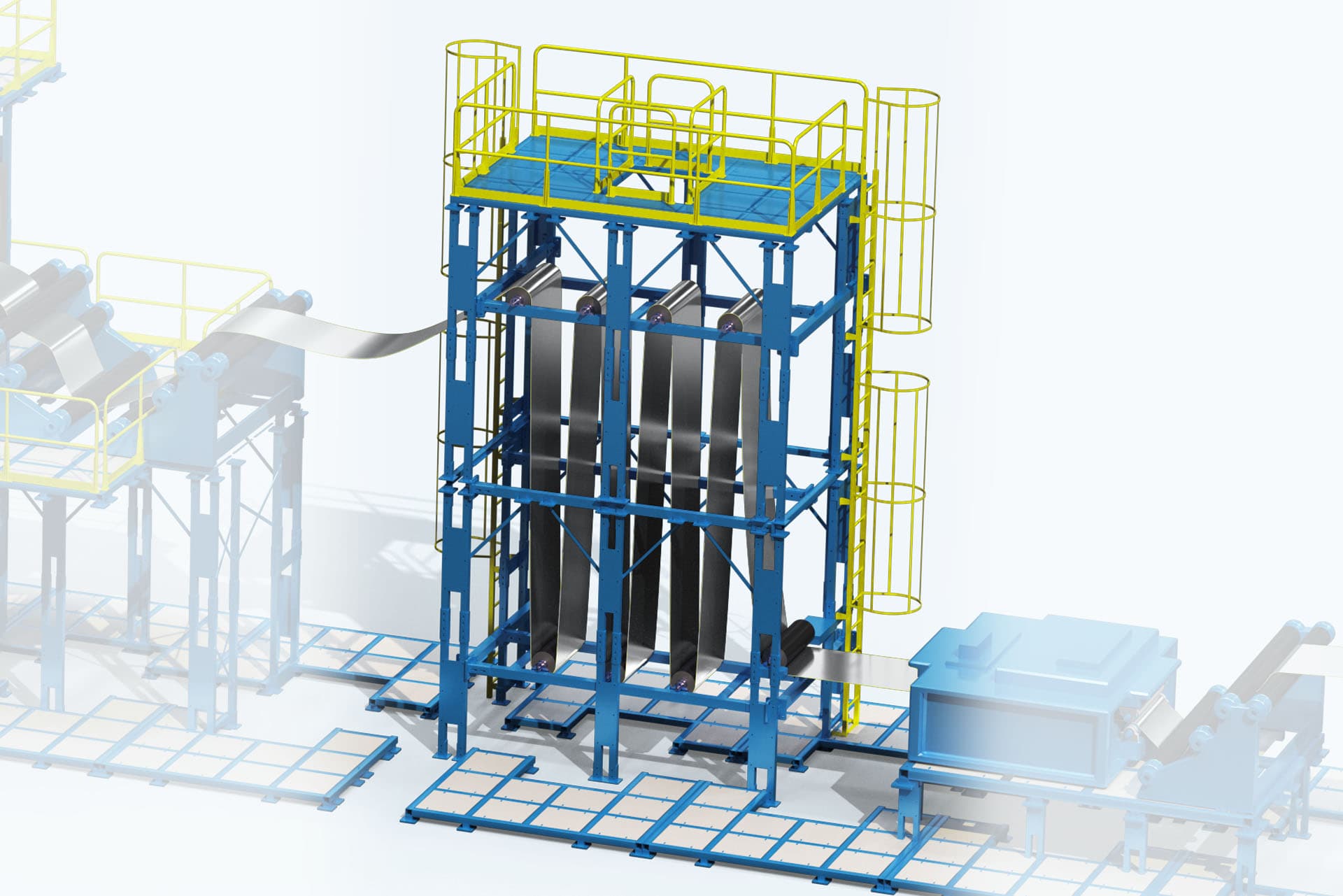
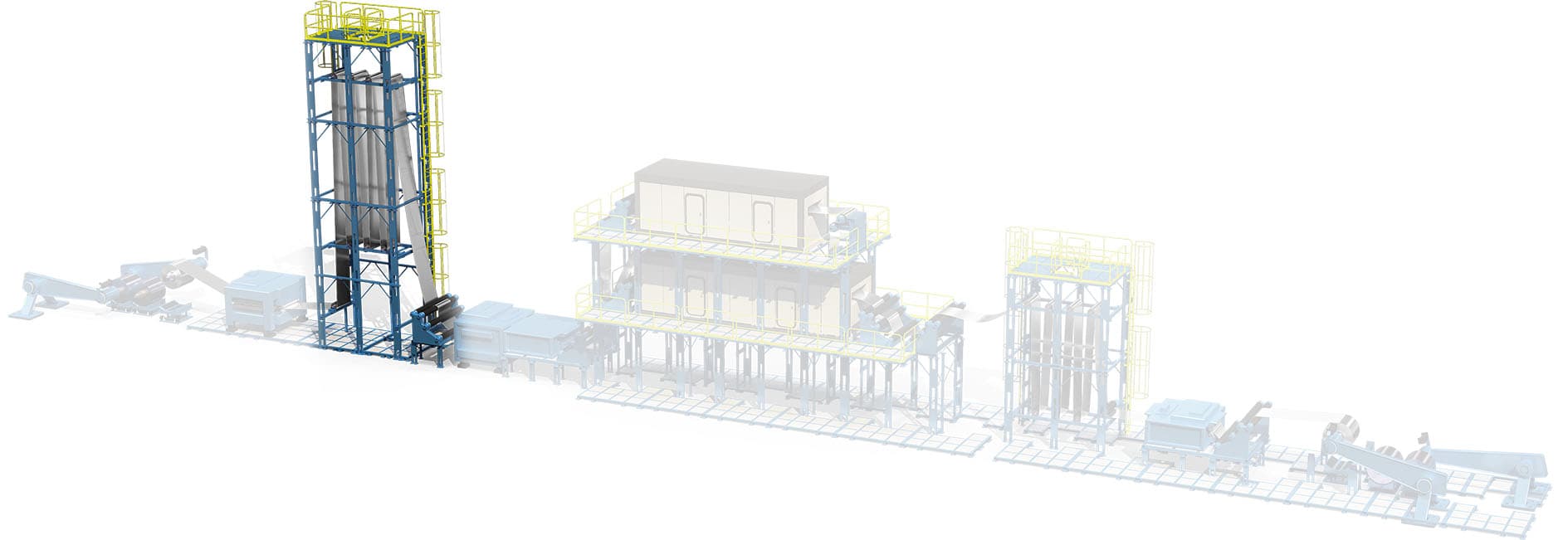
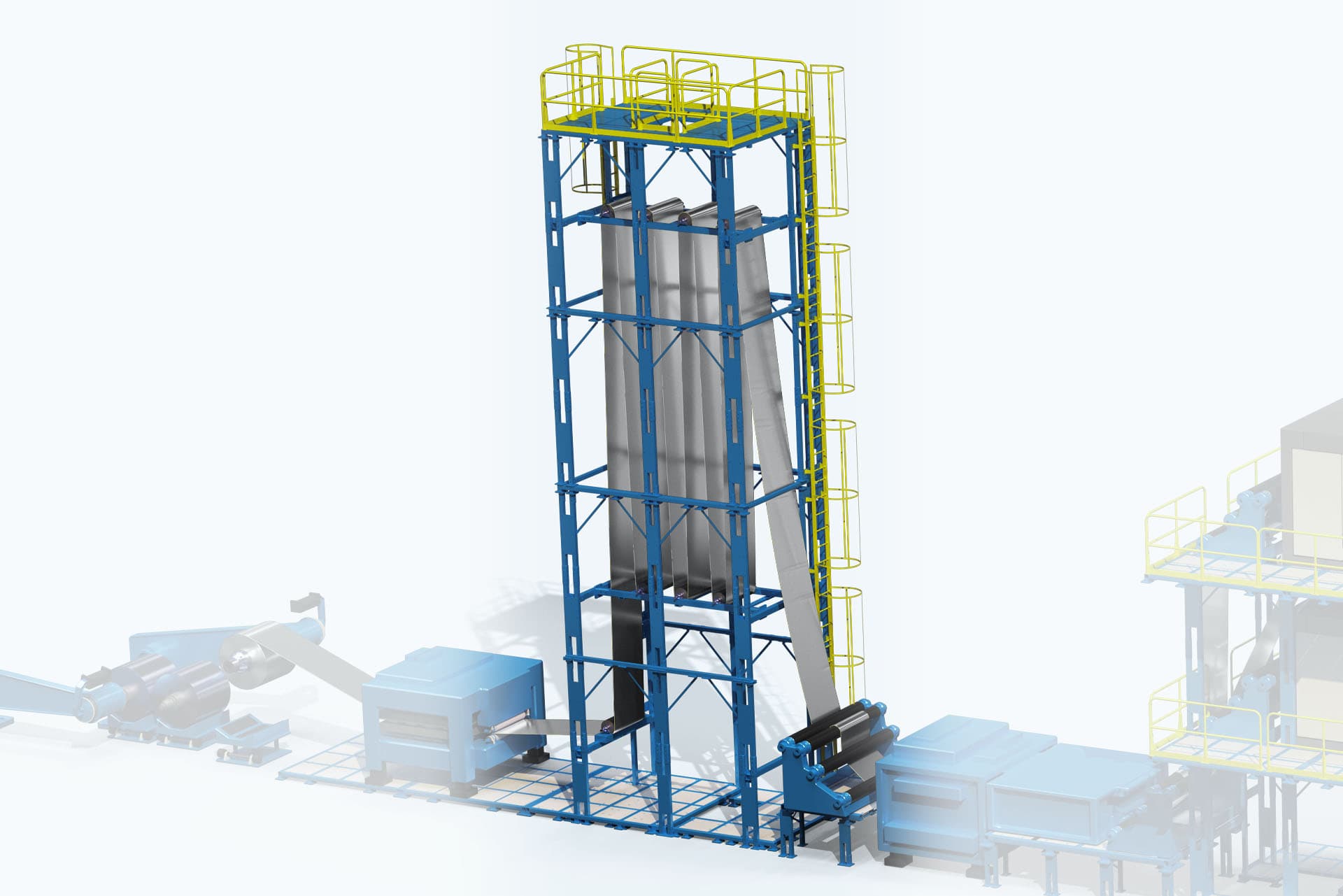
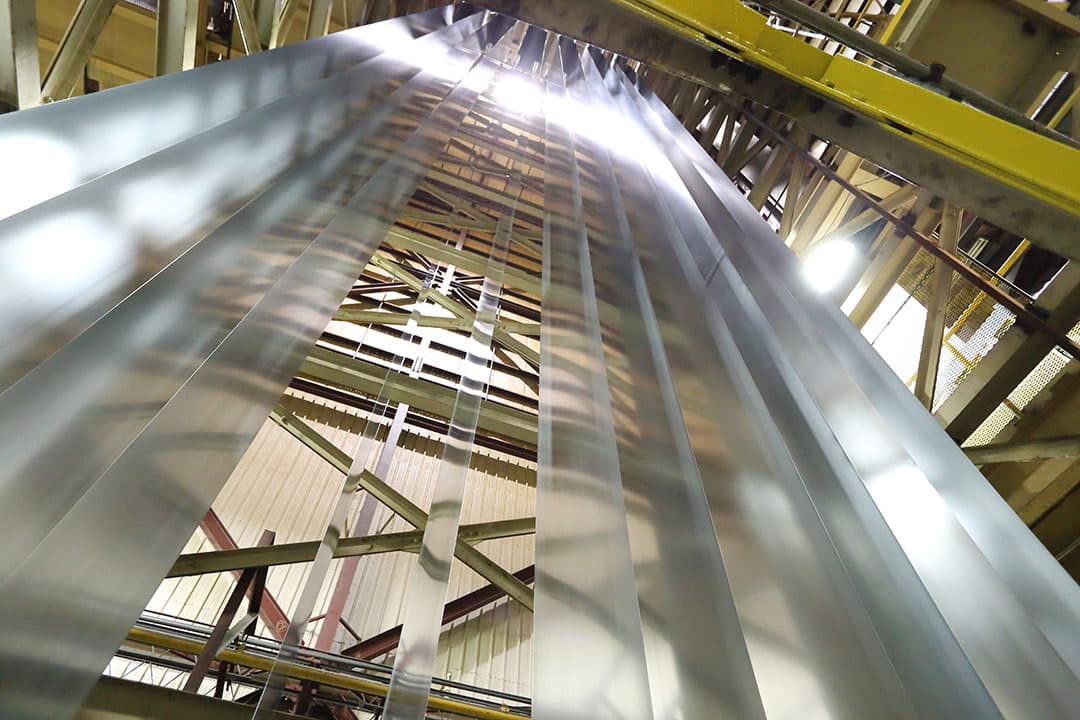
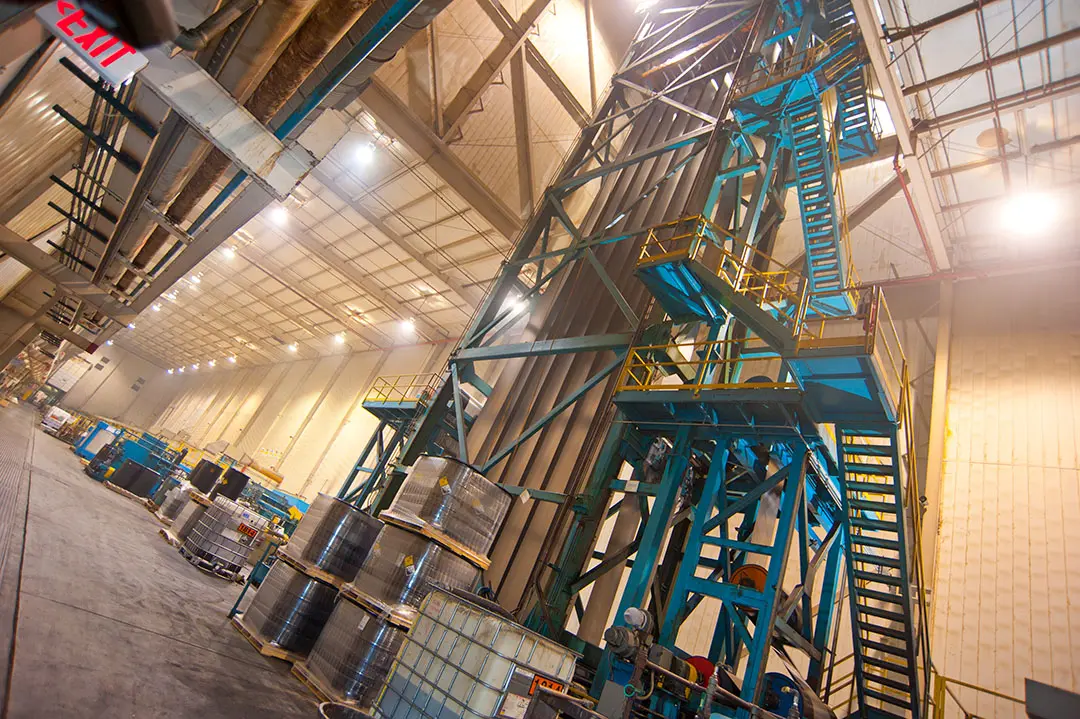
The accumulator is a structure that adjusts up and down to store material, which makes continuous operation of the coil coating process possible. This accumulation will continue to feed the coil coating processes while the entry end has stopped for the stitching process. As much as 750 feet of metal can be collected.
By 2050 North America’s demand for electricity is projected to increase by 15%. The average household demand for electricity is estimated to increase by 75%. Migration into different cities and more rural areas is creating the need to restore, update, and add infrastructure; a daunting task from a mile-high view.
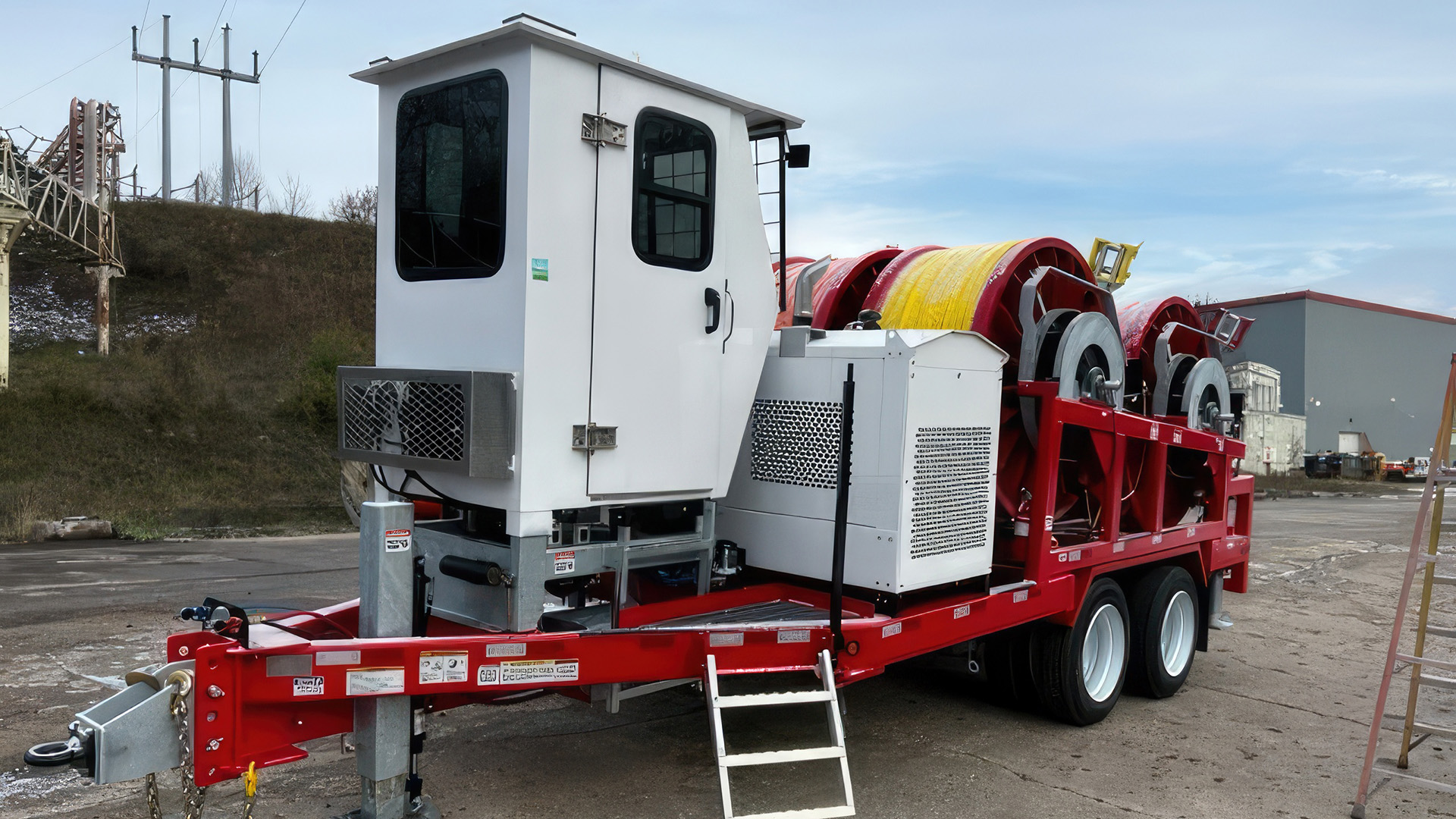
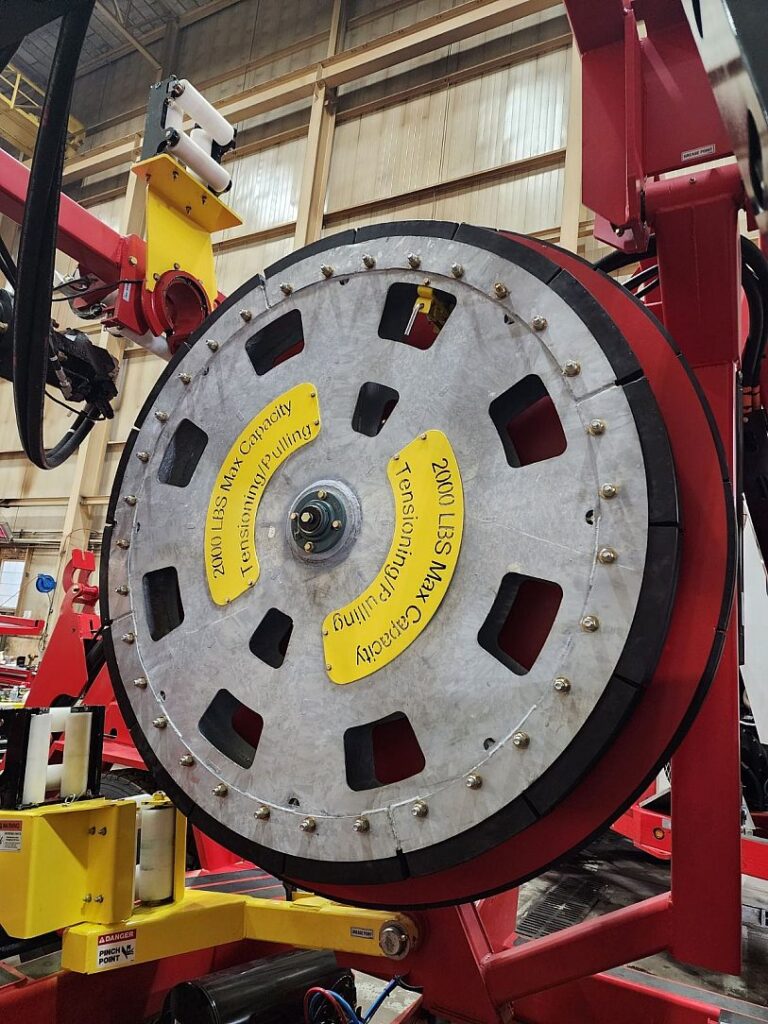
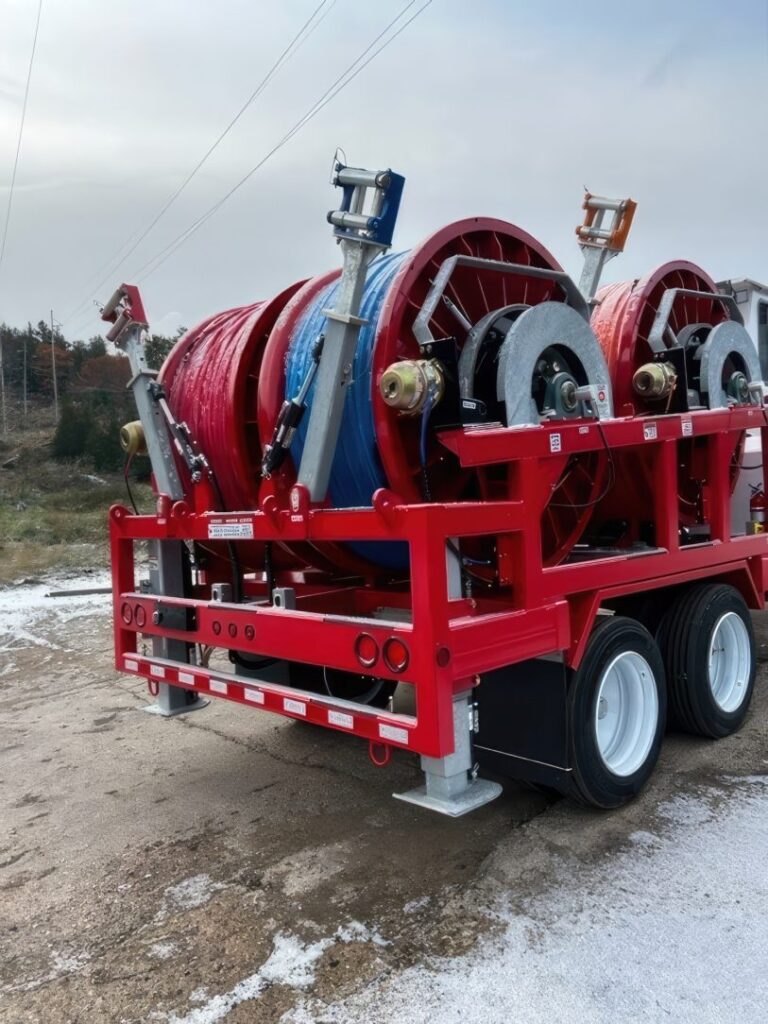
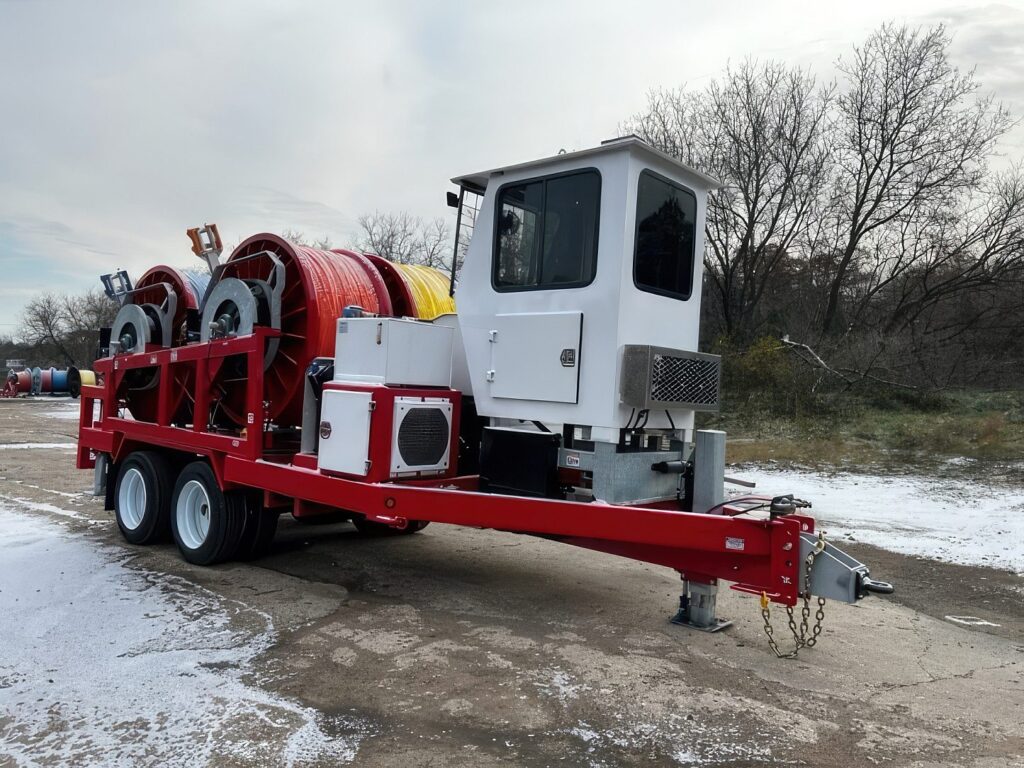
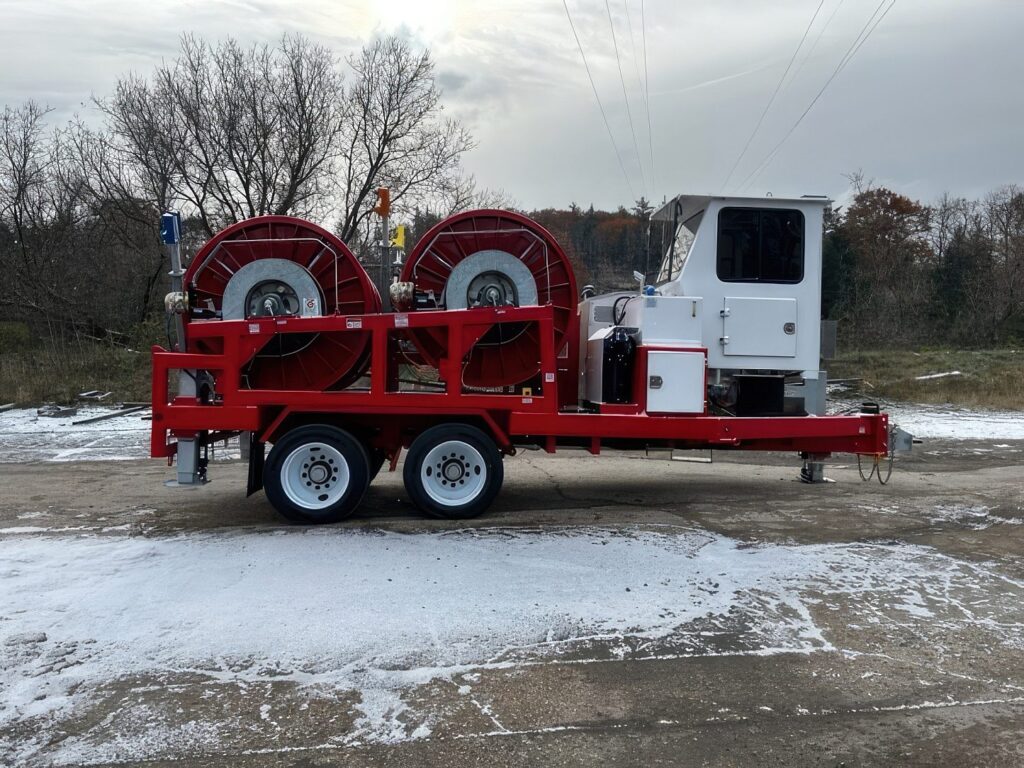
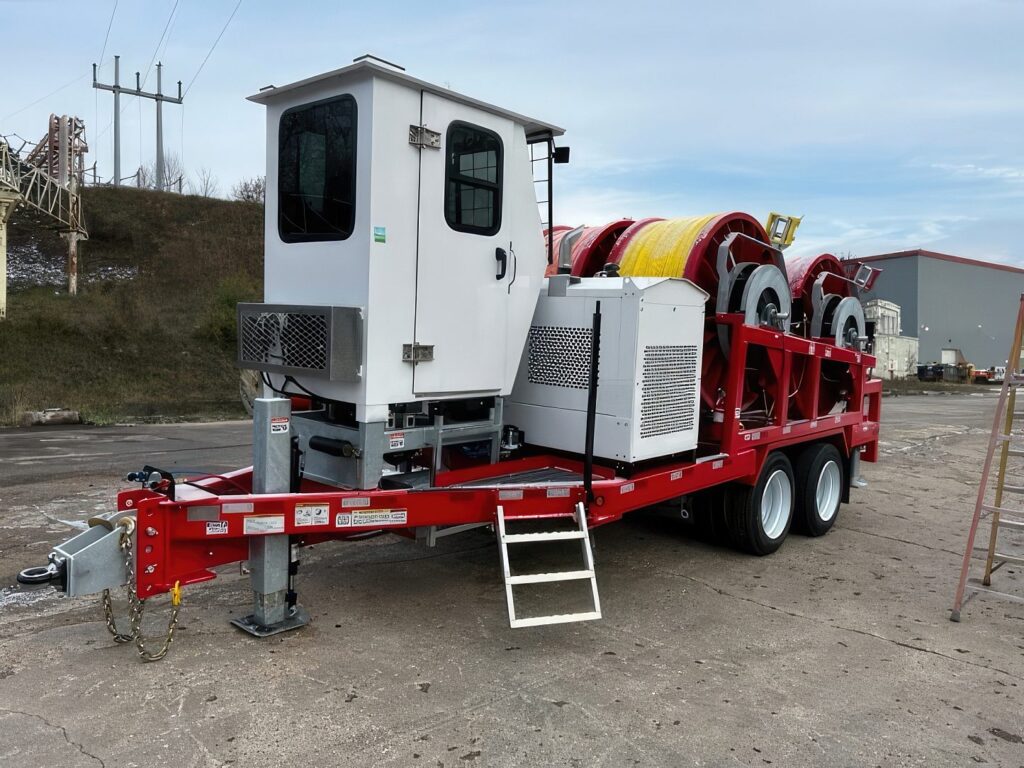
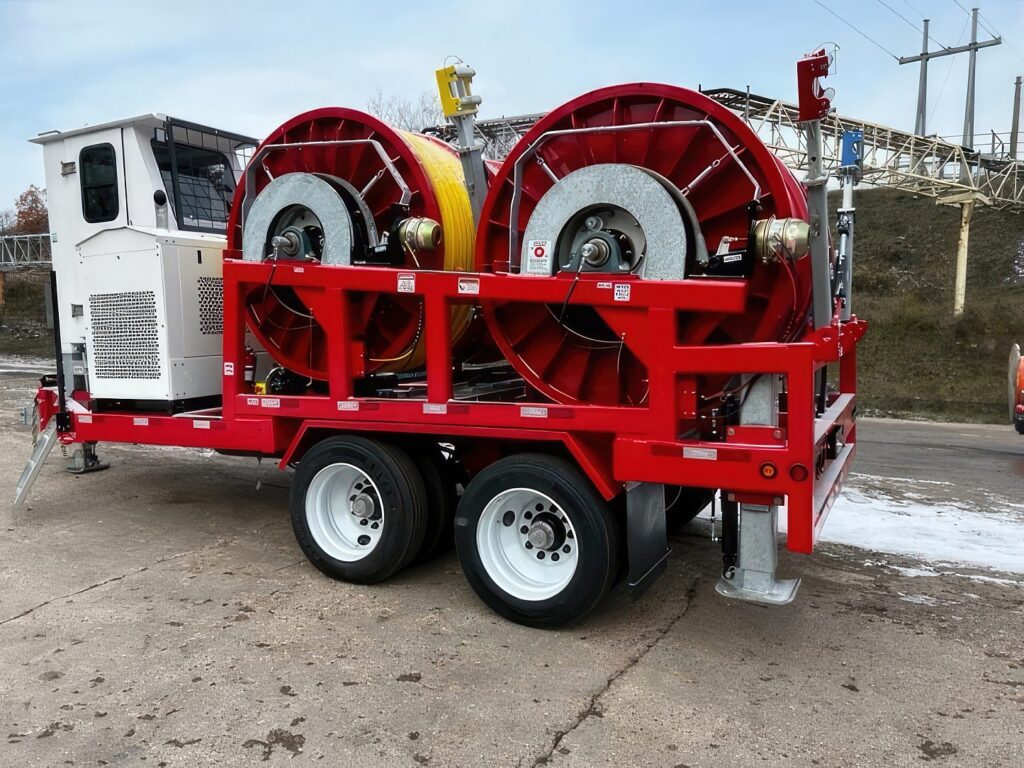
However, a team at Niagara Fabrication is focused on bringing fresh ideas with longevity and reliability to the forefront. The Wisconsin based company has been developing electrical transmission & distribution trailers, and supporting equipment, for reconductoring applications. Their designs are proving to be extremely durable, cost effective, customizable, and efficient at the job site. The design allows for this single piece of equipment to set new electrical cabling between towers and poles for several miles at a time with pre-set tension. The added engineering also allows for self-loading, powered reel handle the conductor or pulling rope without any crane.
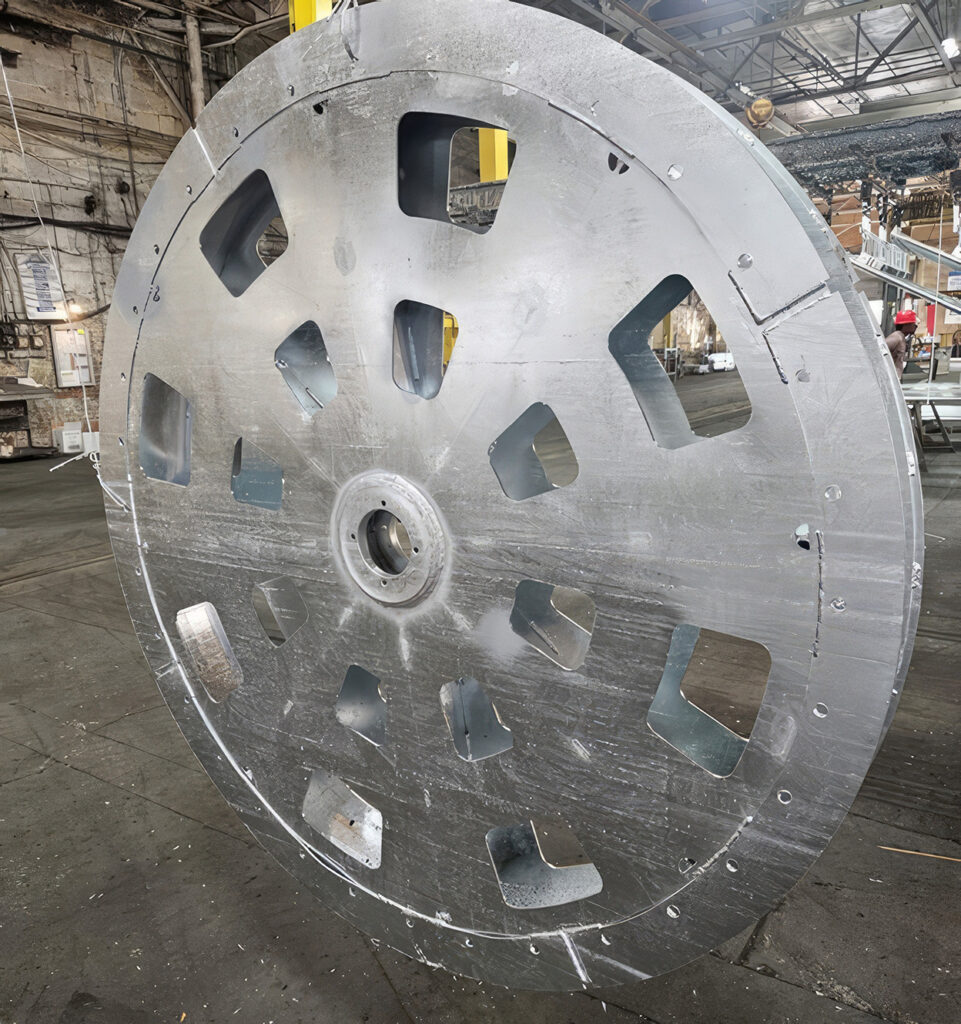
To withstand the extreme weather of North America, Niagara Fabrication has been engineering multiple types of trailers to be rugged and durable while maintaining an aesthetically pleasing look. With the capability to powder and liquid paint in-house, the designers have expanded the use of a hot-dip galvanized undercoating to achieve an even longer lifespan for their product line. In working with their local galvanizer, Niagara has been able to create a duplex system to allow a synergistic combination between paint and galvanizing. That system allows the equipment to be reliable and avoid corrosive deterioration in any environment. It was imperative to consult with the galvanizer beforehand to ensure proper preparation of the steel and post galvanizing processing that helps achieve maximum results in reliable durability and the overall appearance.
Not all fabricators of trailers and equipment have gone to the level of corrosion control that Niagara Fabrication has. Many competitors with similar products have either a painted or galvanized coating. However, few have the combined sustainability of a duplex coating system. The system can allow these rugged trailers and parts to last double, or even triple, the anticipated lifecycle expectancy of each coating if only used individually. This can create a cost savings to the end user by no longer needing to replace these large pieces of equipment that are detrimental to infrastructure related work. Inspiring faith that their parts will last longer and out-perform inferior products have bolstered their company’s efforts, market share and already impeccable reputation.
While the overall appearance of these products displays brilliance and complexity of design, they needed to bring additional functionality and enticing attributes to the market. Niagara Fabrication trailers in the field can be more cost effective than other available products. The use of their Puller-Tensioners alone can avoid the need for renting cranes and other smaller equipment. Maintaining stout tension in the transmission lines for miles at a time make invigorating power distribution efforts even more efficient. Their designs have combined what used to take multiple pieces of large equipment down to a single trailer. Less equipment and time usage make for very happy customers!
The work and engineering at Niagara Fabrication is a step forward for the galvanizing community. To have an OEM fabricator teaming with others to exceed the expectations of durability and longevity in the products they bring to market is inspiring. Utilizing new advances in technology of a duplex system coating to offer customizable options and allow end users confidence in the look and marketability of their brand is ingenuity at its finest. Offering a cost effect solution to responsibly revitalize and expand North America’s infrastructure is selflessness that benefits all.
Offering a cost effect solution to responsibly revitalize and expand North America’s infrastructure is selflessness that benefits all.