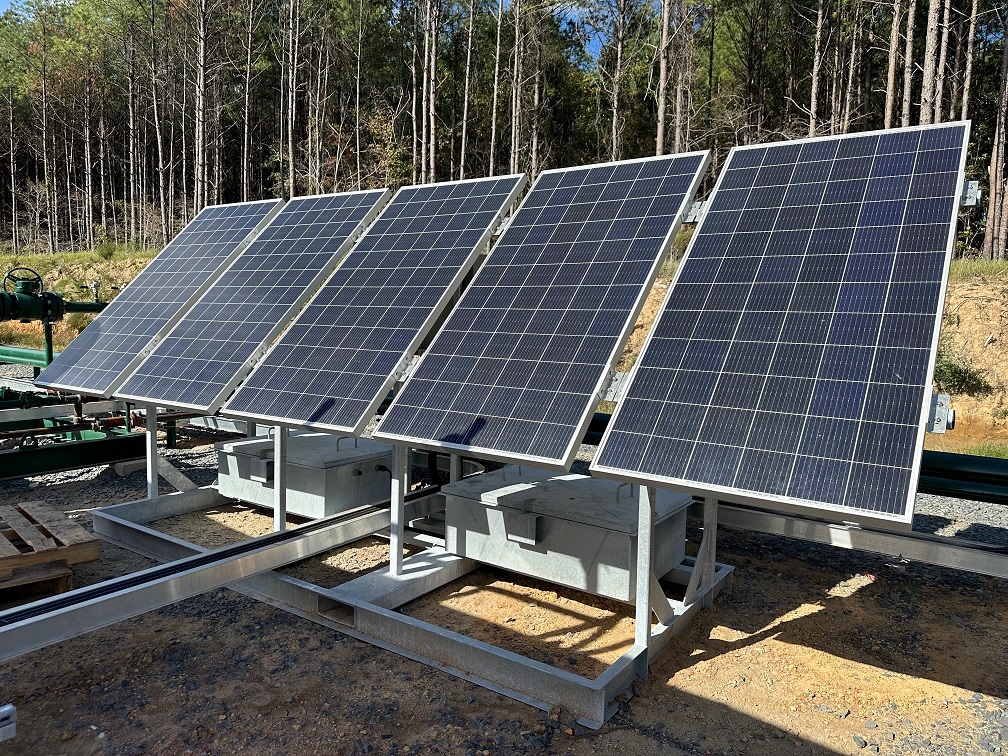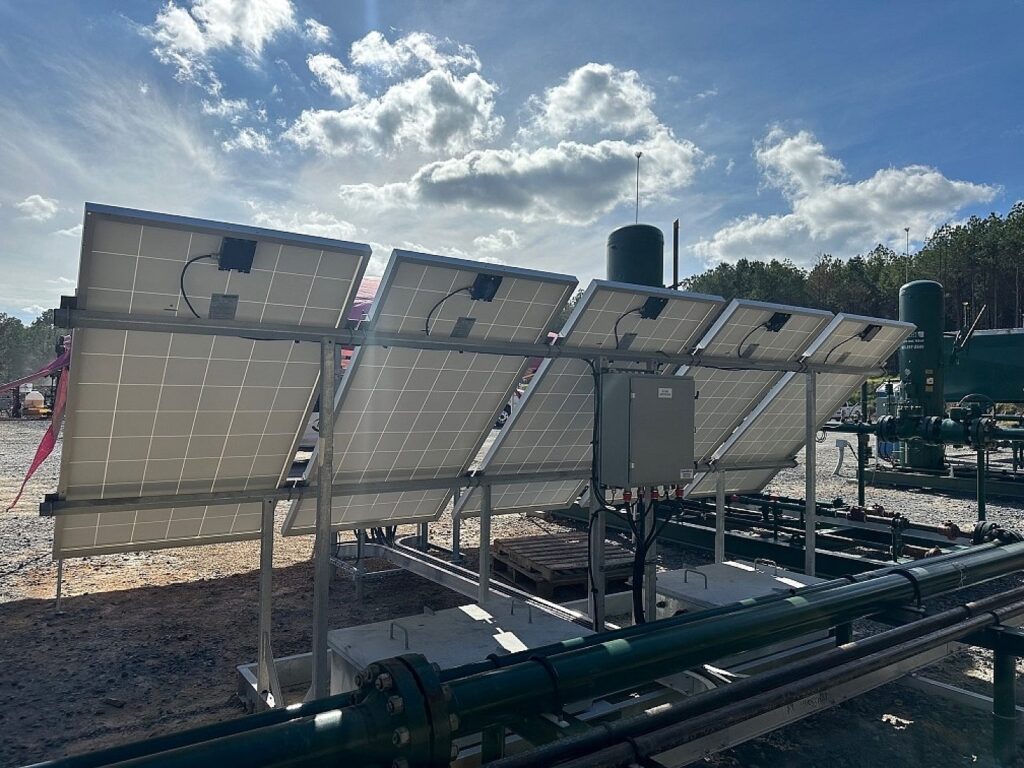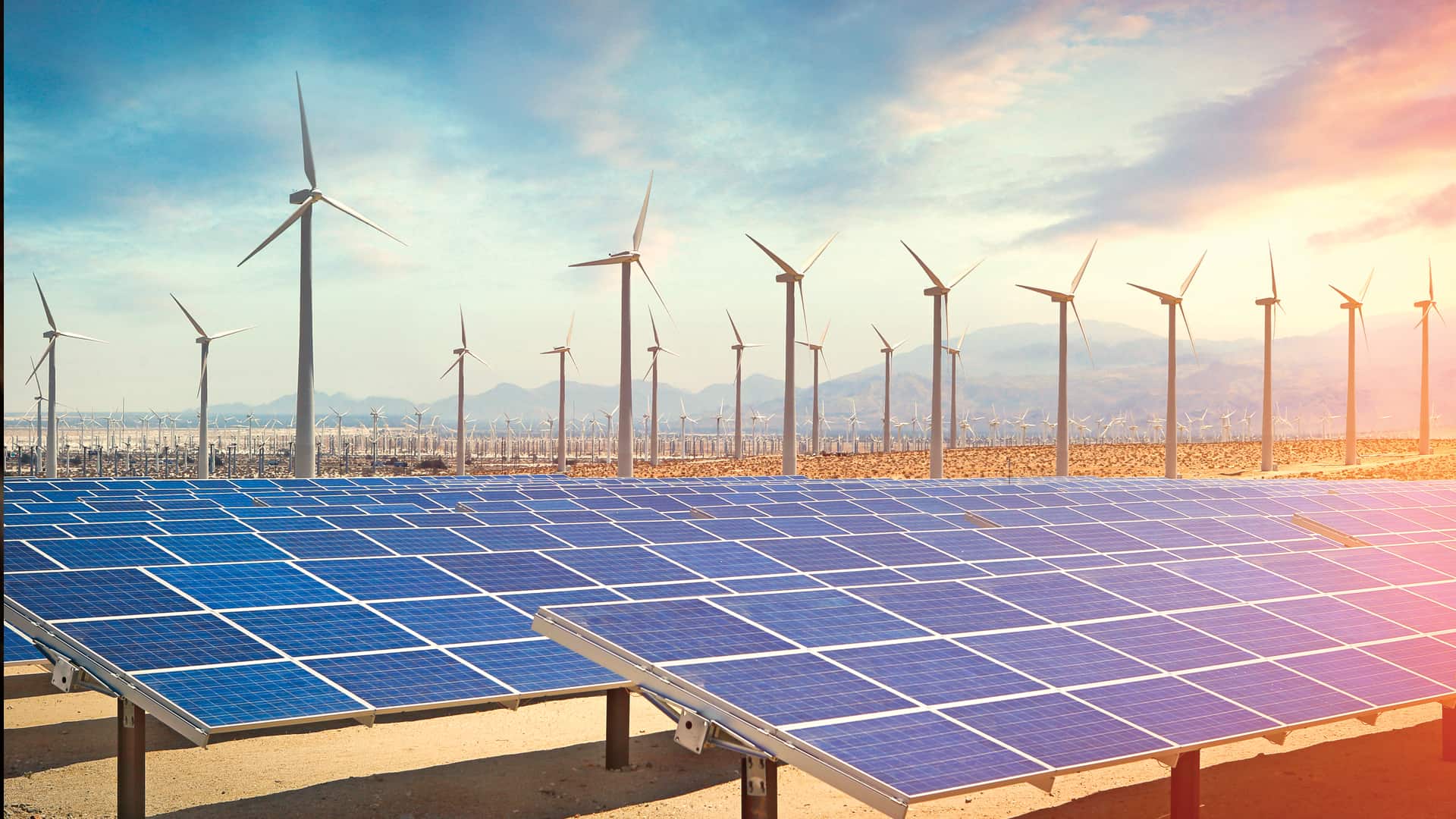
To some, applying renewable energy to fossil fuel drilling may seem odd. However, industry participants note solar skids are gaining increasing acceptance as the oil industry attempts to rein in its carbon footprint. These systems help reduce the environmental impact of fracking by decreasing the reliance on diesel generators and grid electricity, which are often used to run pumps, compressors, and other machinery at well sites.
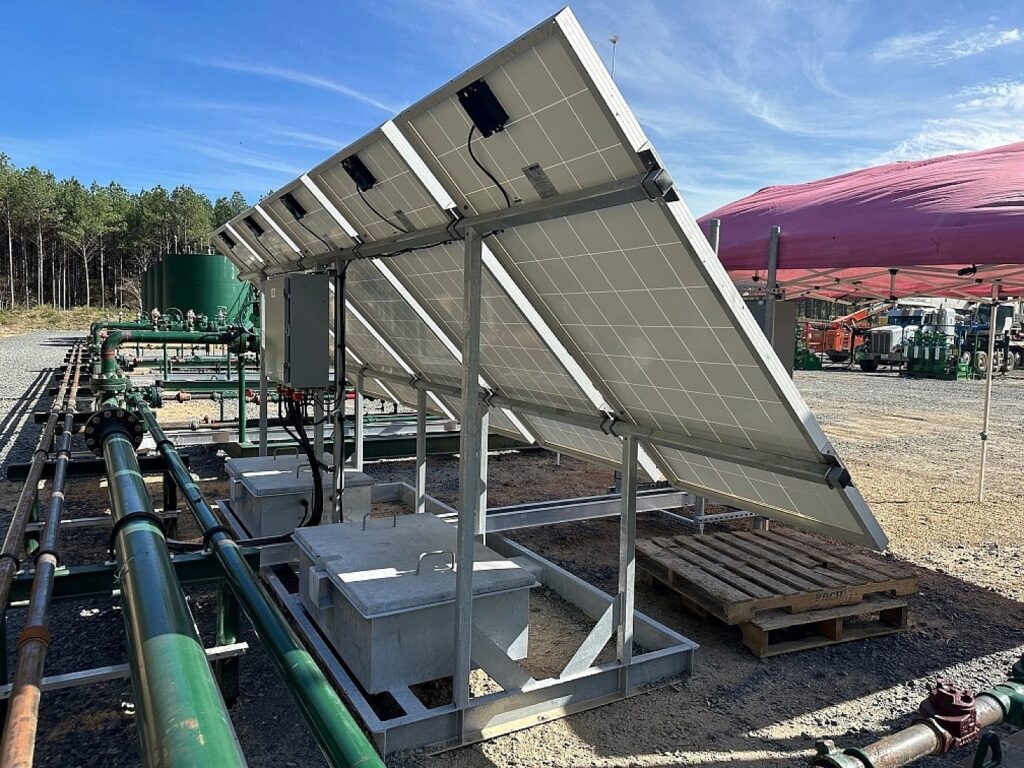
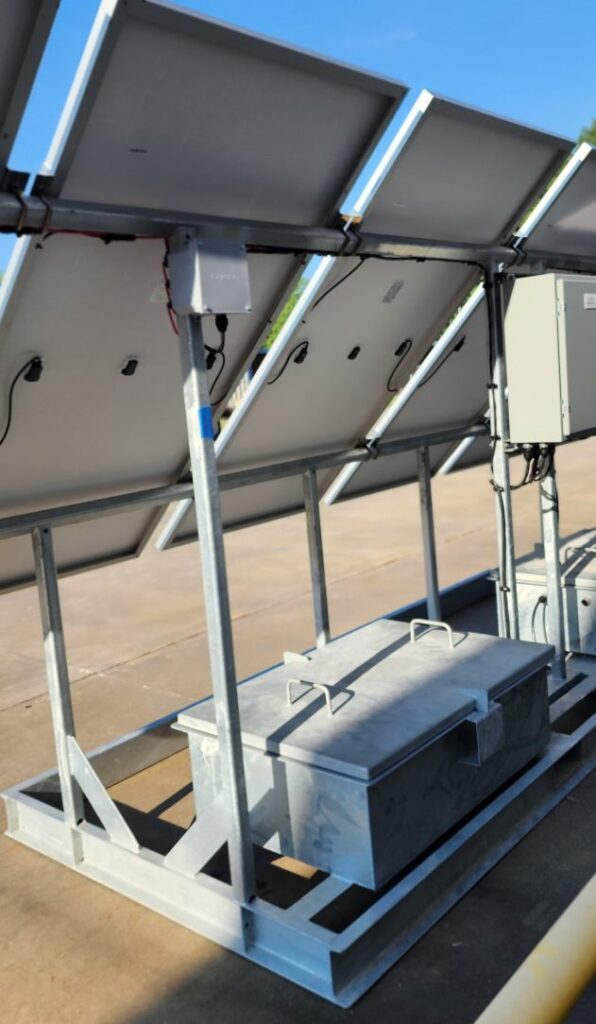
Solar skids are equipped with photovoltaic panels, which capture sunlight and convert it into electricity through the photovoltaic effect. These panels are typically mounted on a frame or structure that can be oriented to capture maximum sunlight throughout the day. The energy that is collected is stored in the batteries located at the bottom of the hot-dip galvanized skid. Due to the remote nature of many fracking operations, most of these locations simply could not operate without the electricity being generated by the portable skid.
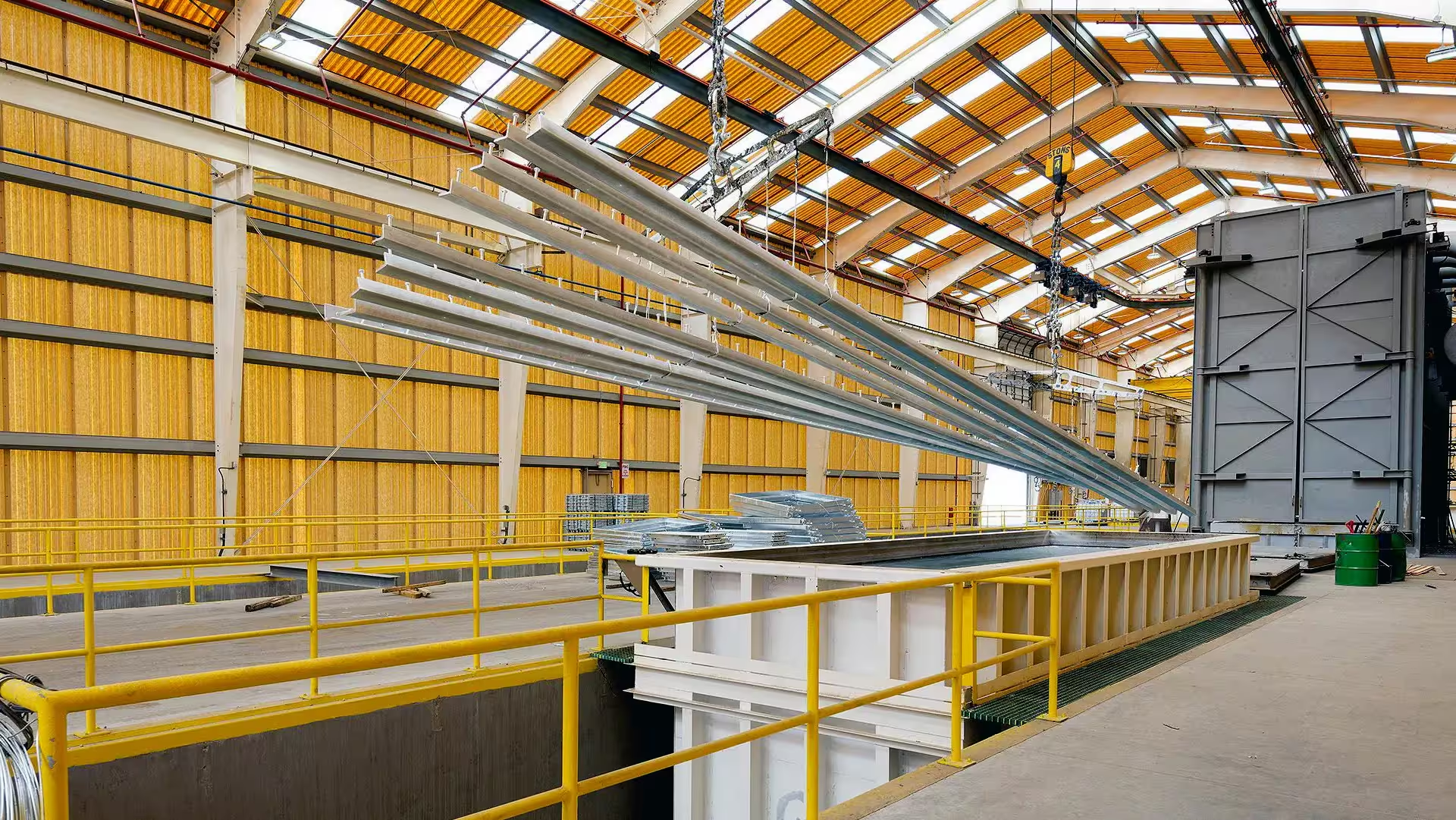
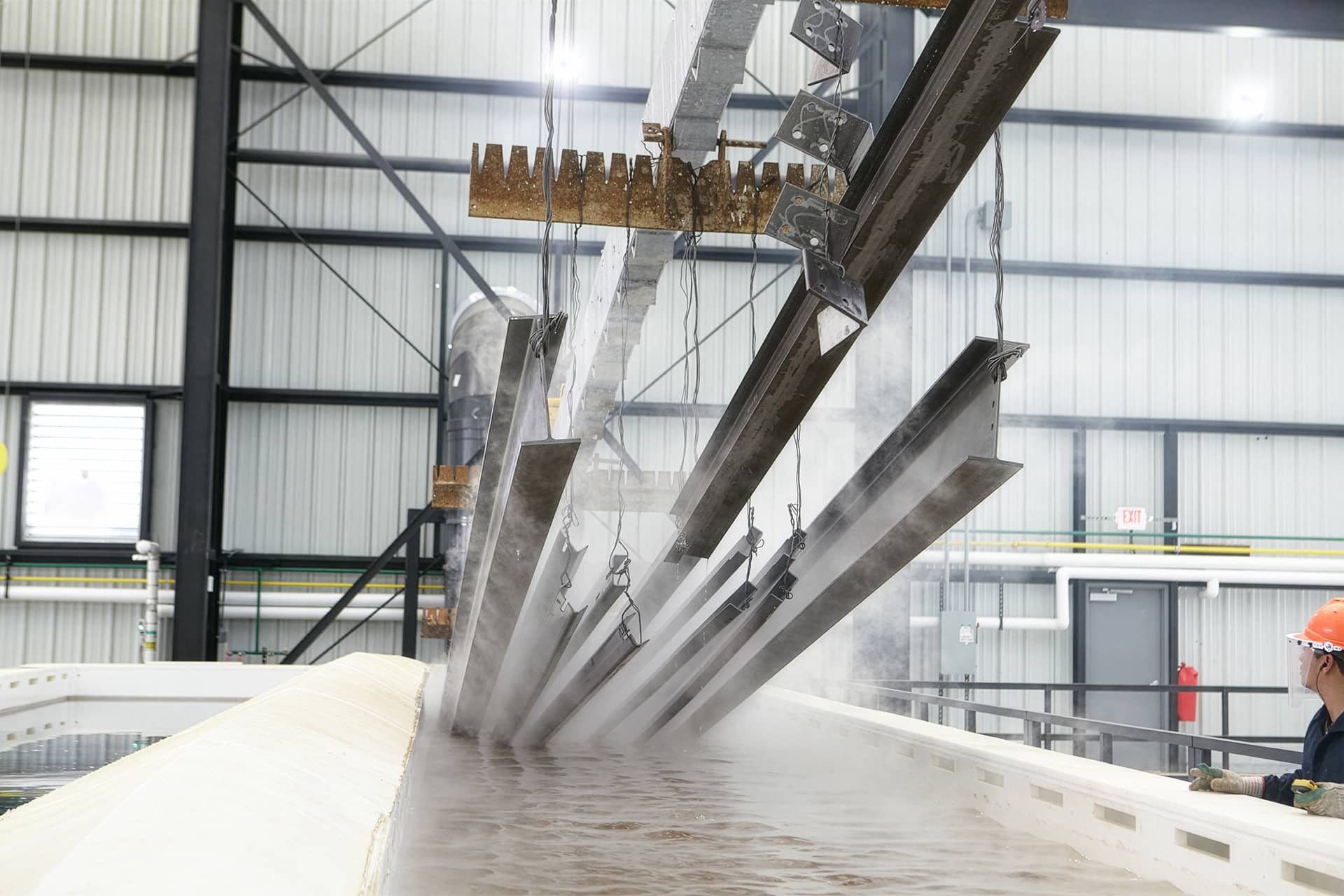
Oil and gas fracking environments are considered rugged and hazardous due to a combination of factors related to the industry's operations. Harsh weather, extreme temperatures, vibration and chemical exposure can lead to rapid deterioration of equipment within the site. That said, one of the big decisions in using a hot-dip galvanized coating was corrosion control over the life of the equipment. The skids may be left out in remote locations for many years and then picked up and moved directly to a new location. Hot-dip galvanizing provides a low maintenance solution compared to less durable coatings solutions such as paint.
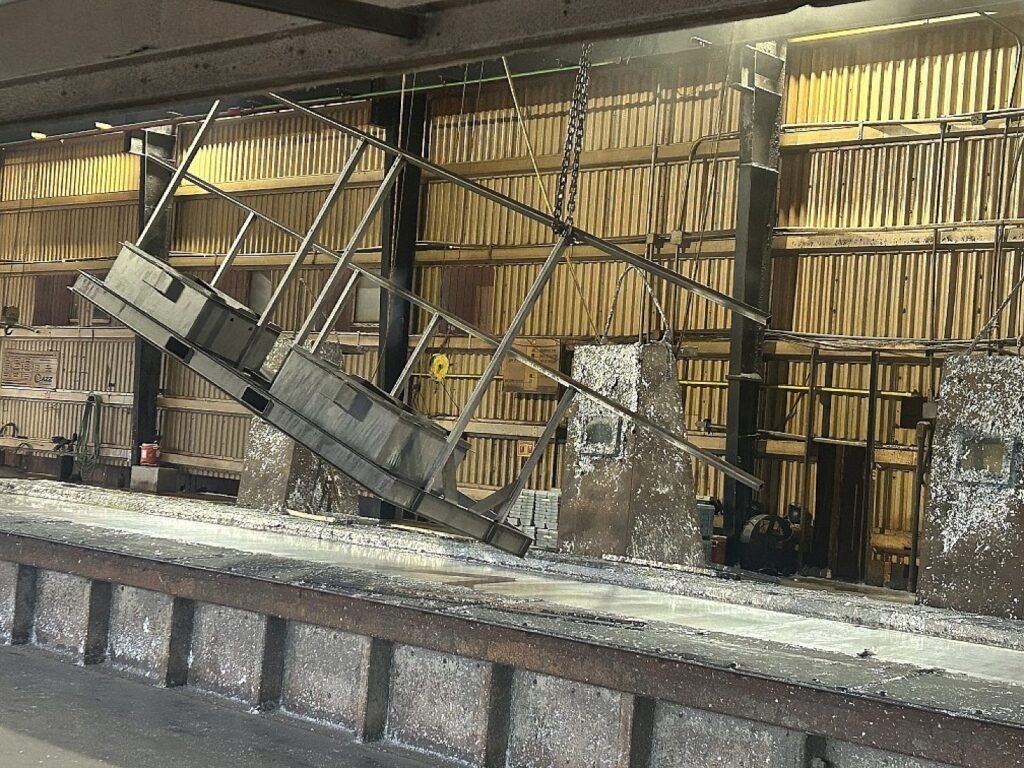
With support and guidance from the galvanizer, the skid had some complex design issues that had to be worked out prior to being galvanized. The skids are made from tubing, so weep holes for venting and draining had to be cut during the fabrication process. Another consideration that had to be made, was for the two toolboxes that are welded to the skid. The boxes couldn't be removed before galvanizing, so the fabricator and galvanizer had to figure out how the skid would need to be positioned during the galvanizing process, which ensured the holes would be placed in the right positions to provide a quality product.
Ultimately, the sustainability of hot dip-galvanizing and its resistance corrosion in many different environments made choosing a galvanized coating an easy choice. The owner knows that he can relocate the skids in different locations throughout the US and these skids will last for years to come with little maintenance.
Reducing emissions by providing green energy to the Oil and Gas market.