.
The Santa Monica Pier first opened on September 9, 1909, and is credited with assisting in the City of Santa Monica’s growth and development. in 1988, the Santa Monica City Council adopted the Santa Monica Pier Development Program, which ordered the building of a new concrete substructure to add strength and stability to the Pier. The program also added a world-class amusement park.
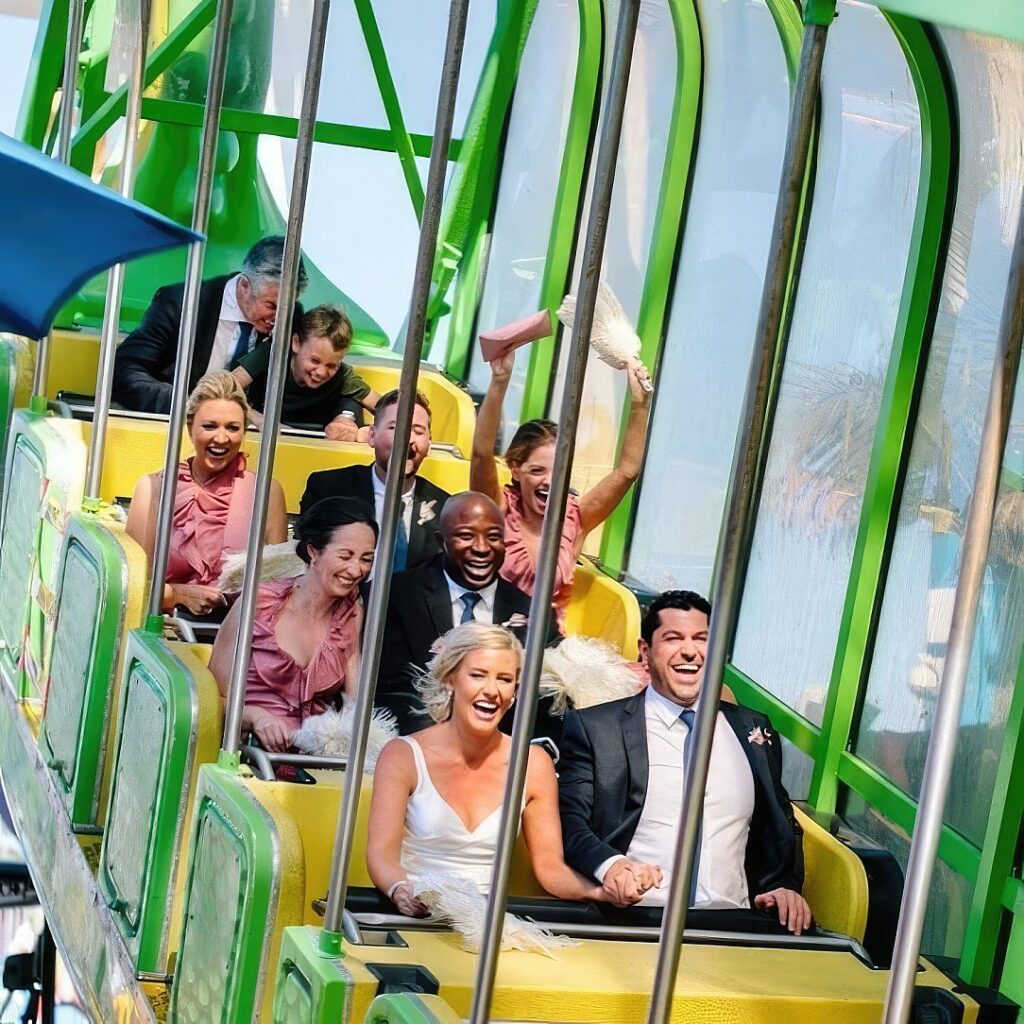
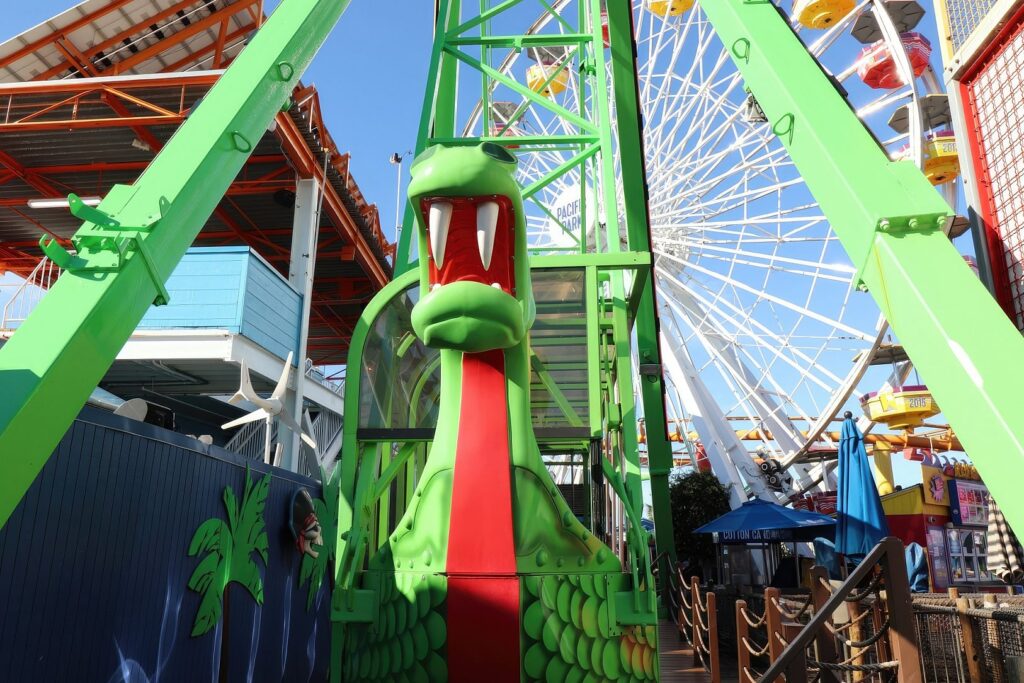
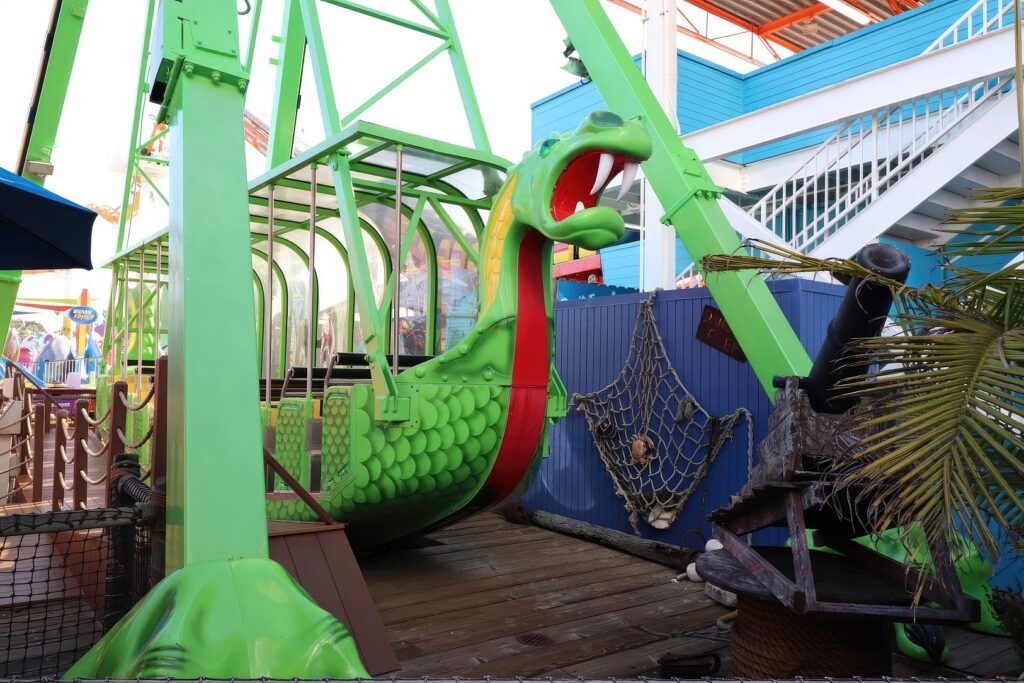
The classic Sea Dragon is a swinging ship ride with two lifelike dragon heads that makes passengers feel as if they’re caught in the turbulent waters of the high seas. The ship careens to and fro at 180 degrees, pumping riders’ adrenaline with 40 foot drops and white-knuckle launches. Fun fact, riders were so thrilled by riding the Sea Dragon that the Park was asked to install a plexi-glass sound barrier on the west side to prevent the riders’ shrill screams from being heard all the way down the beach!
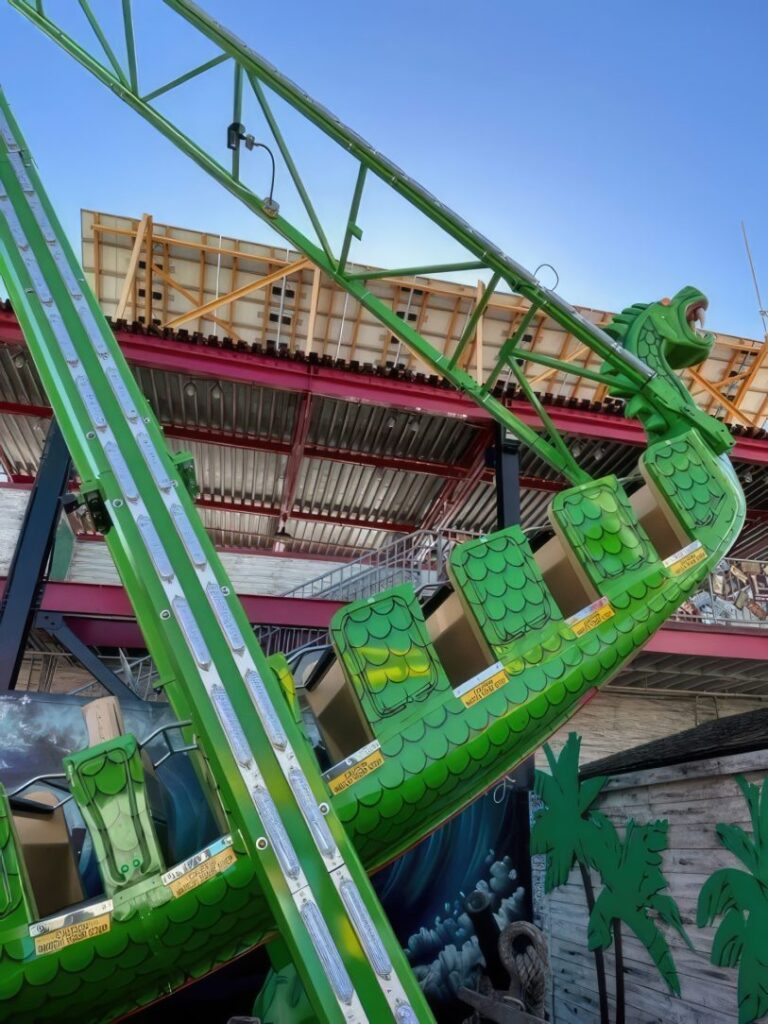
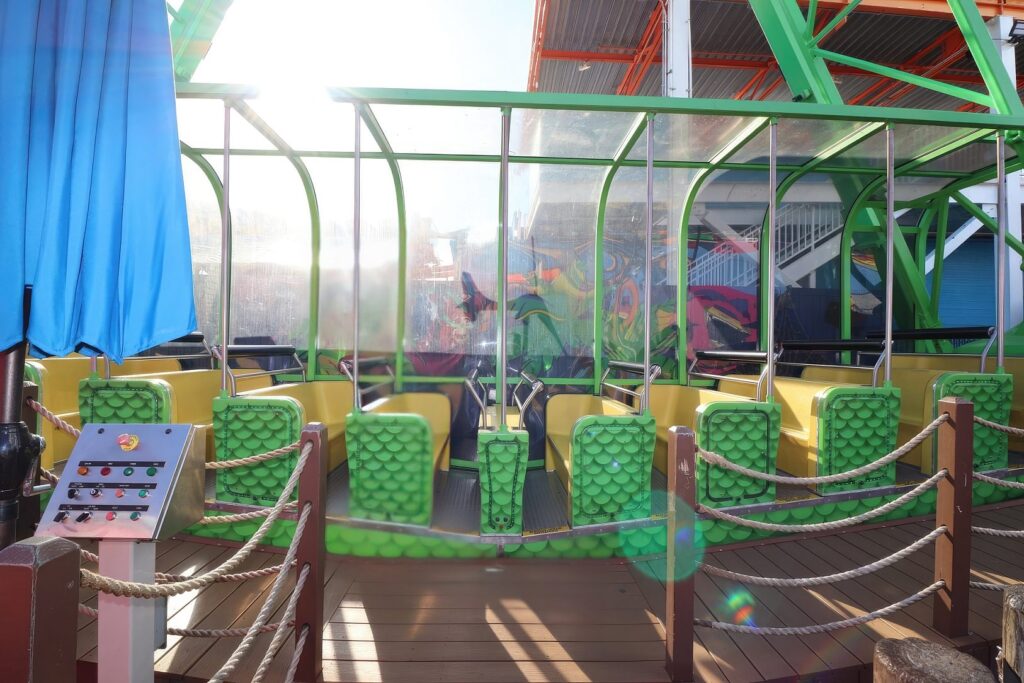
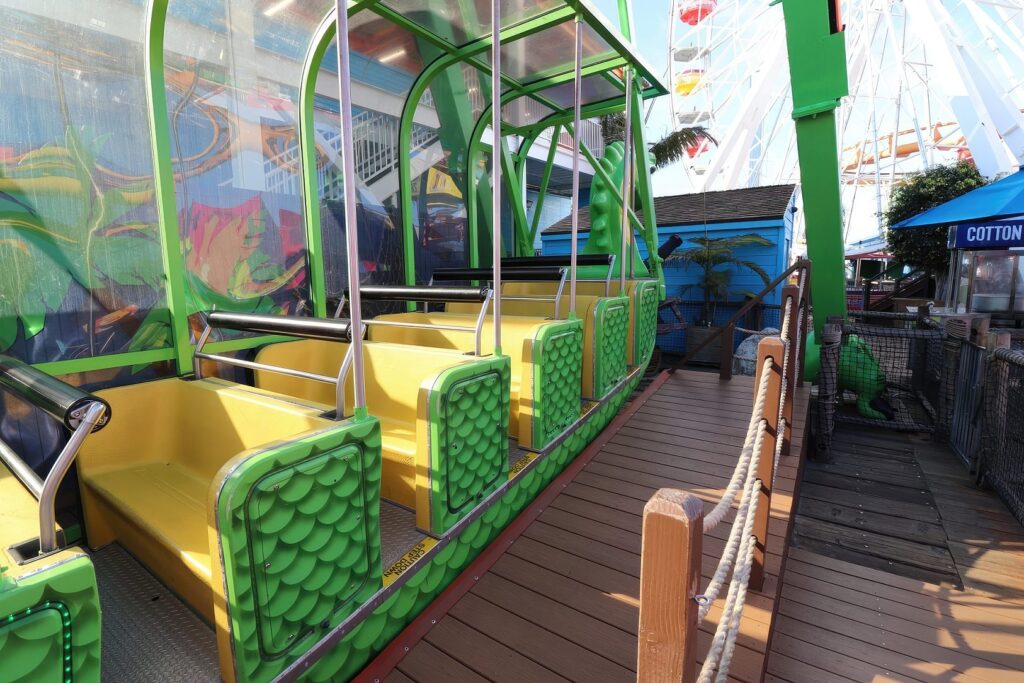
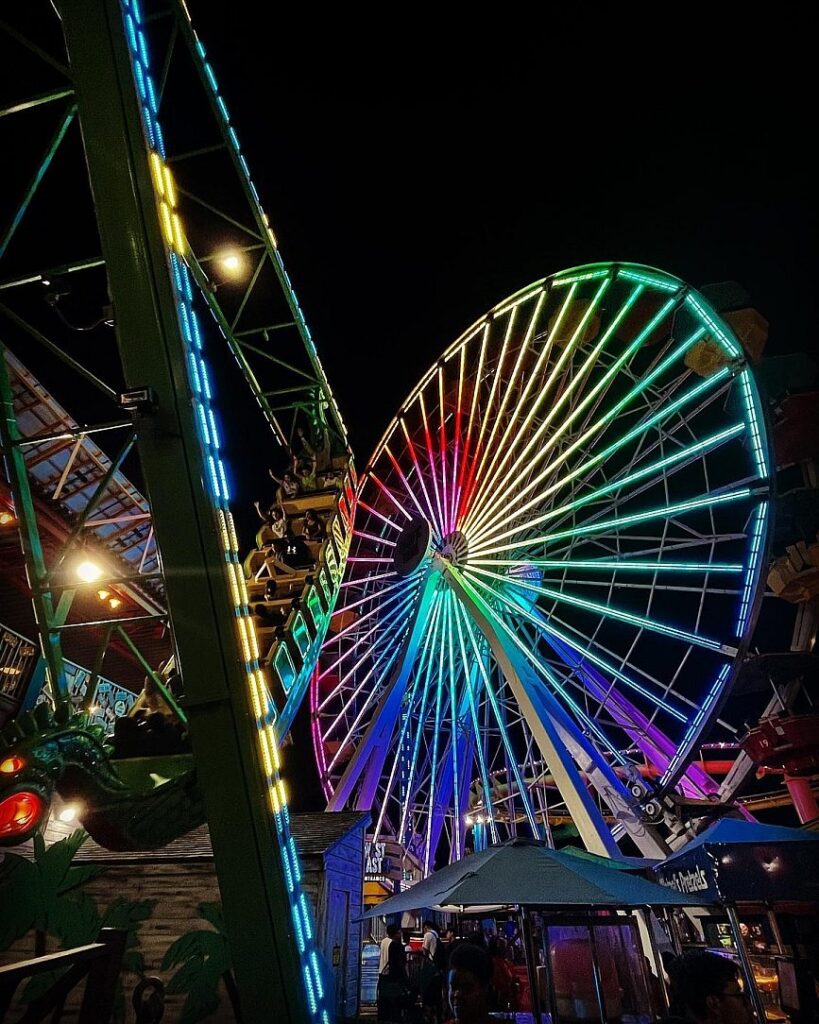
The original Sea Dragon ride opened with Pacific Park on May 26, 1996, and after carrying more than 12 million guests, it has been replaced with an updated version of the same ride and sports the familiar bright green, scaly exterior. The new $1.5 million Sea Dragon has been installed in the same footprint and delivers the same high-swinging ride experience but features myriad new ride enhancements including custom recorded music and sound to amplify the experience, wind generators and a misting system to mimic open ocean air and shaking seats to replicate the stormy seas. The new Sea Dragon lights up the evenings with LED energy-efficient lights lining the ride car and 40-feet tall ride supports. The Sea Dragon ride car weighs 6,000 pounds, is 26 feet in length, 3 feet in width, and is accentuated with 12-foot Sea Dragon heads on the bow and stern.
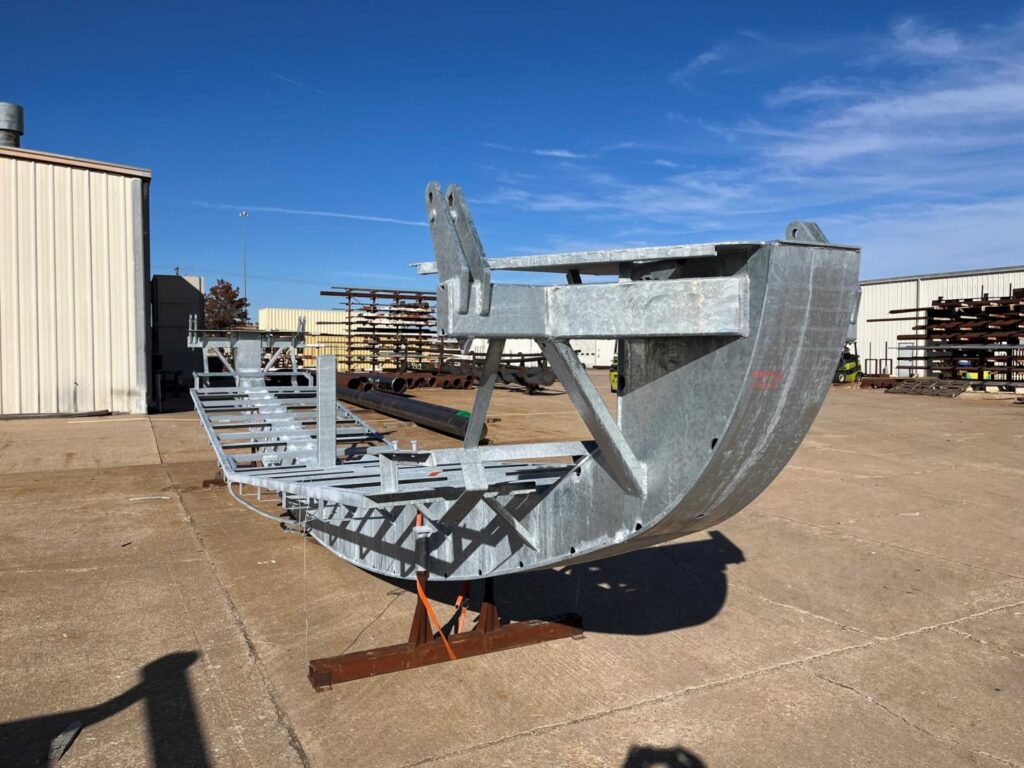
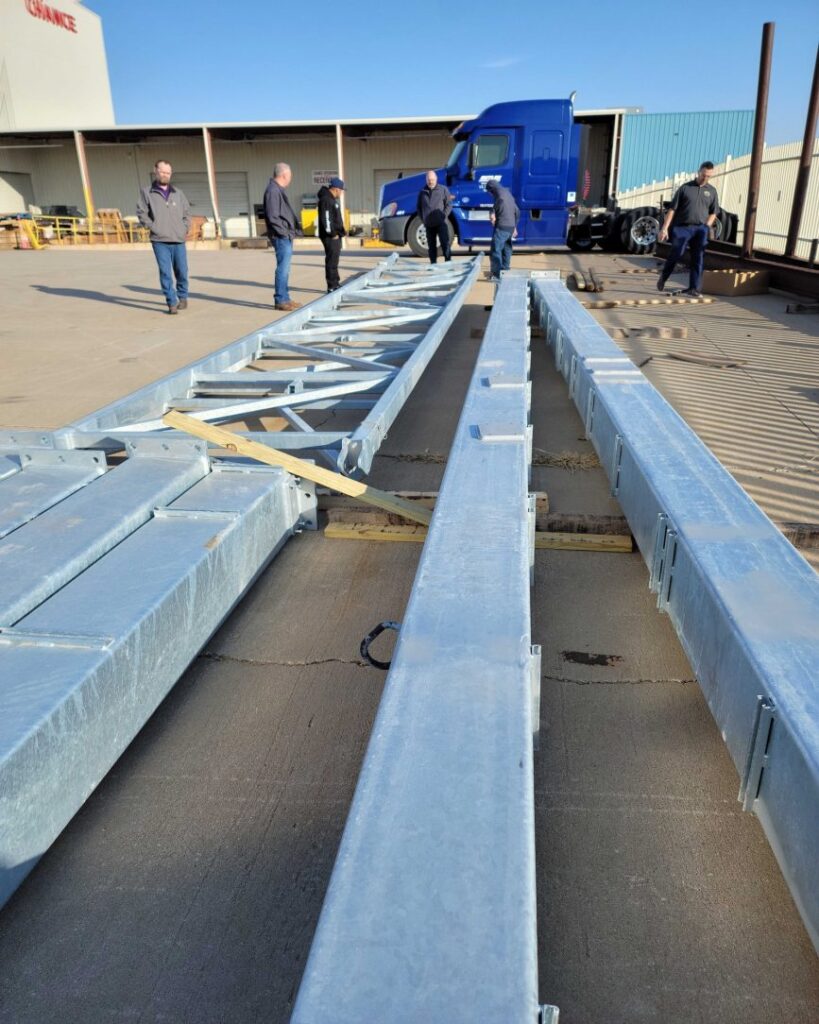
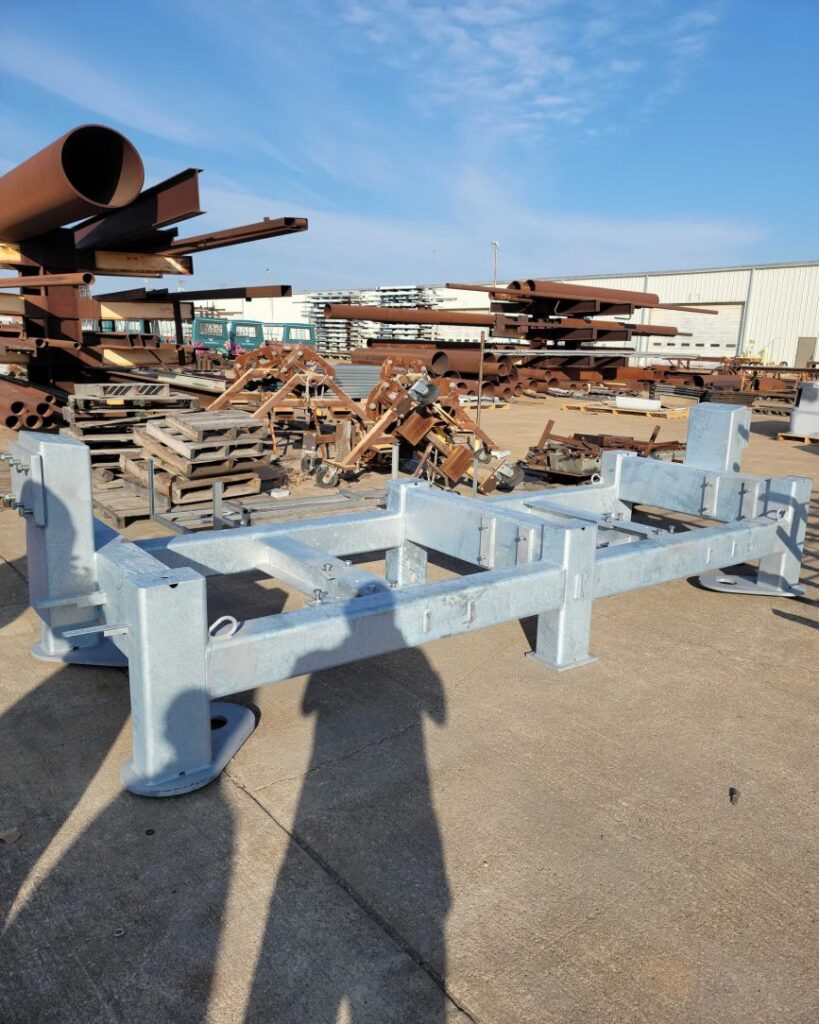
Pacific Park’s custom, all-new Sea Dragon ride is designed and built by Chance Rides, a family-owned business making amusement rides, coasters, and people movers out of a 40-acre facility in Wichita Kansas. Chance Rides sent several structurally imperative components that were specified hot-dip galvanized including the boat-frame, ride legs & sweeps, and the motor base. To get another 27 years out of the new Sea Dragon, “protecting the steel from the corrosive salty air environment was essential”. After galvanizing, a bright green powder coat was added to bring the dragon to life and to be a prominent and unmissable structure inside the park. While this is aesthetically pleasing, a duplex coating like this is a co-beneficial application that exponentially improves the lifespan of the entire ride, as well as the zinc itself.
The new and improved Sea Dragon ride, with the assistance of a fresh coat of zinc will swing its way into the hearts of locals and traveled guests alike, while no doubt bringing another 12 million smiles and screams for decades to come.
"Protecting the steel from the corrosive salty air environment was essential”.