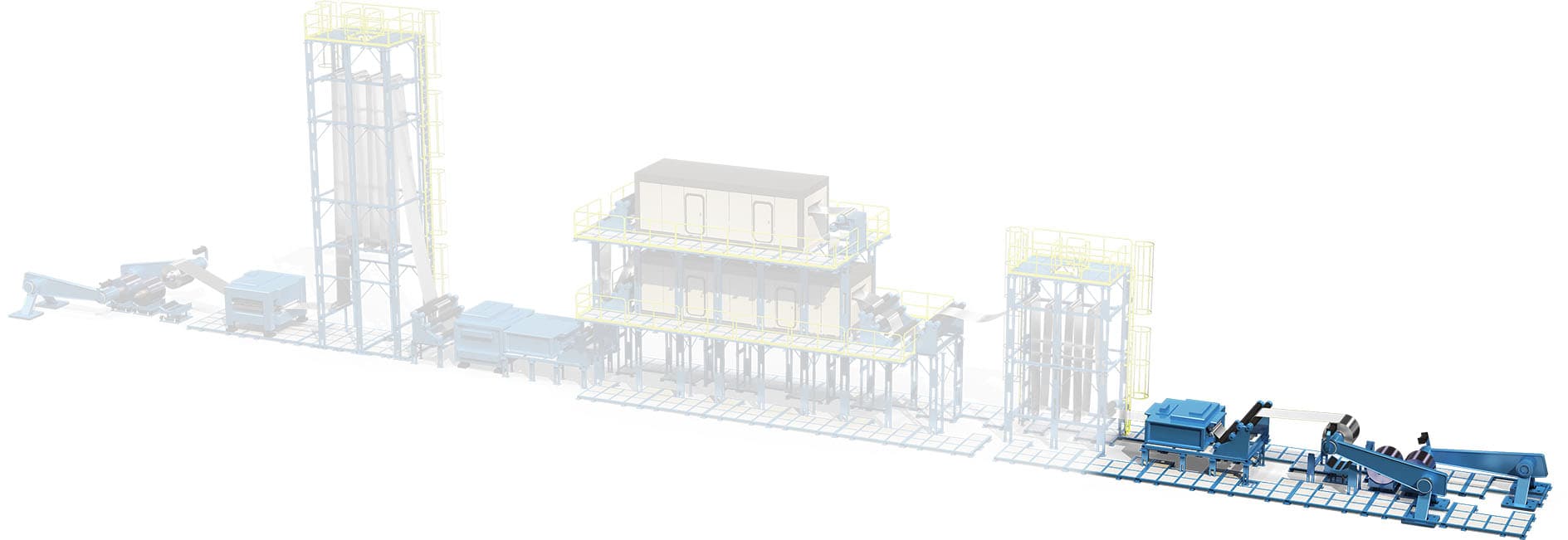
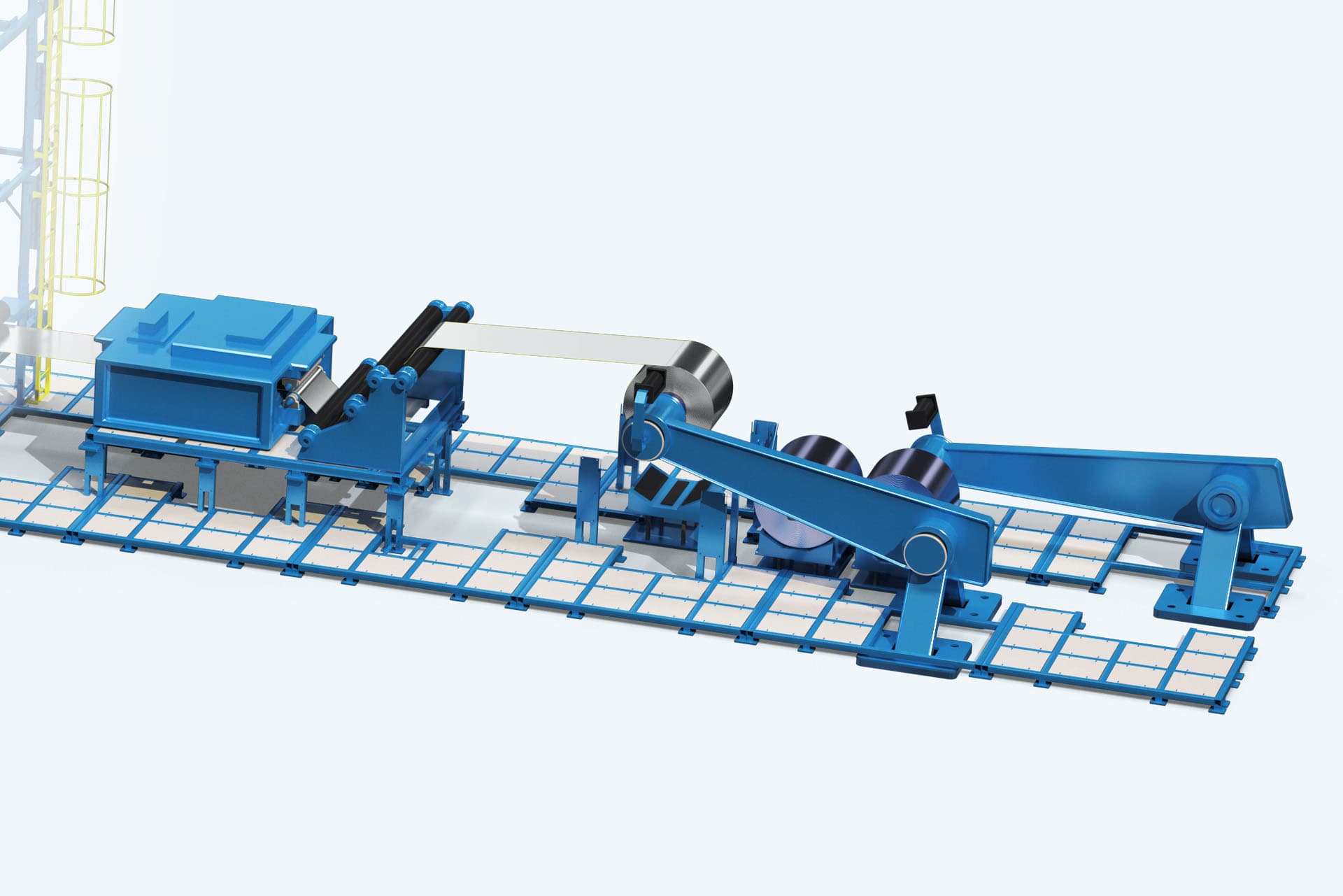
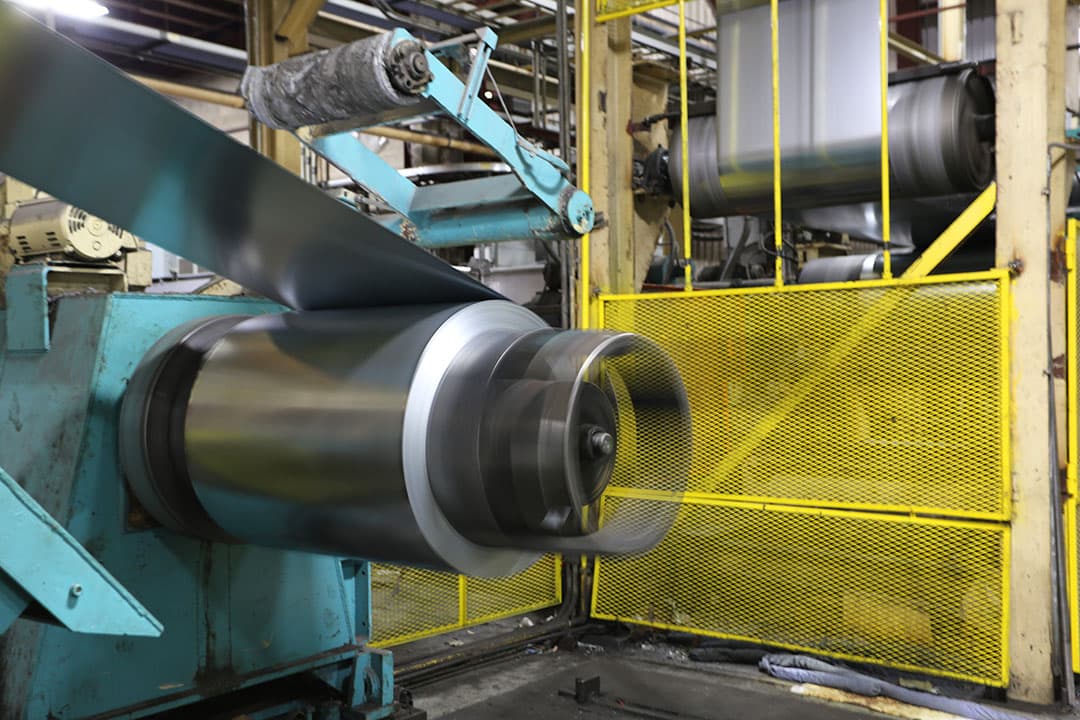
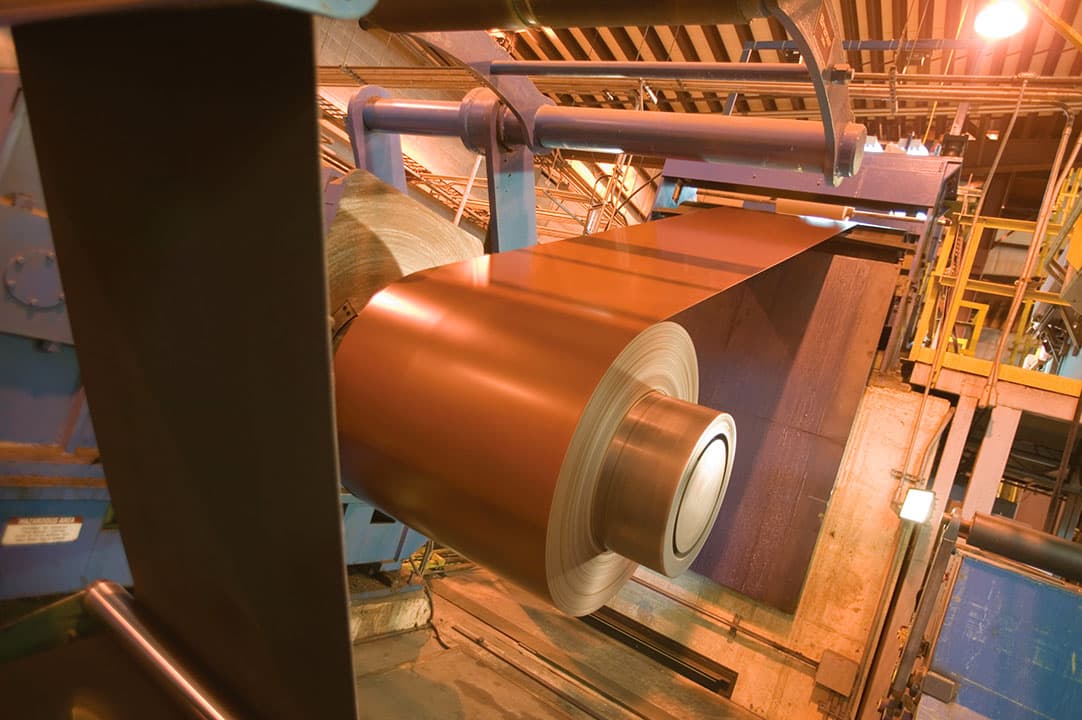
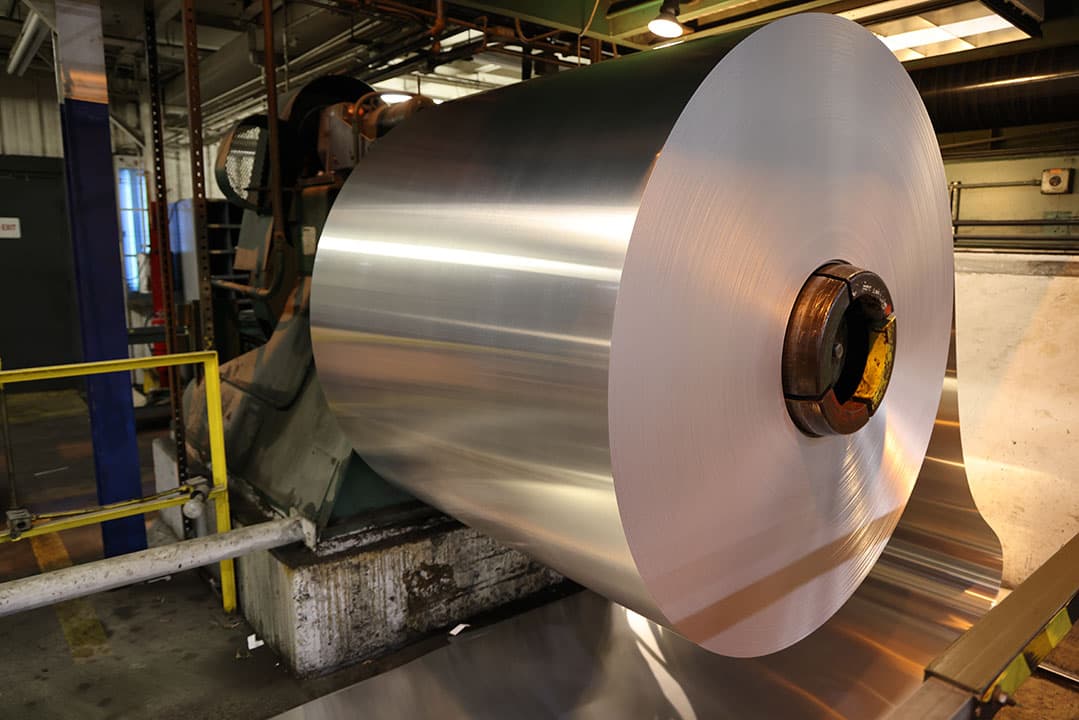
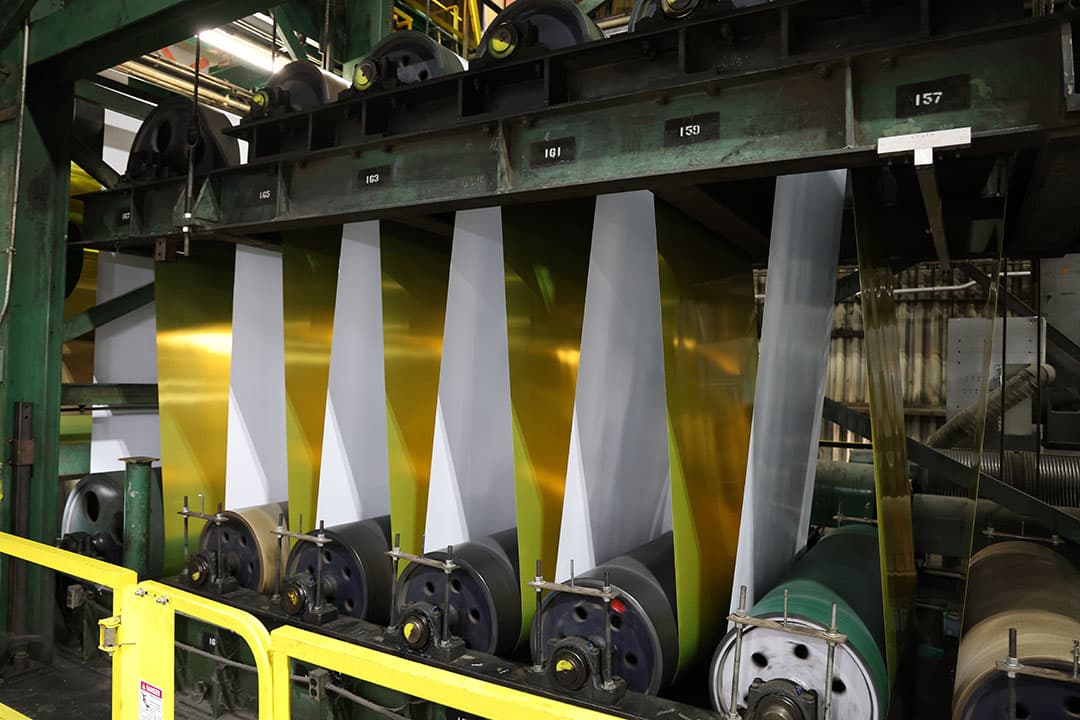
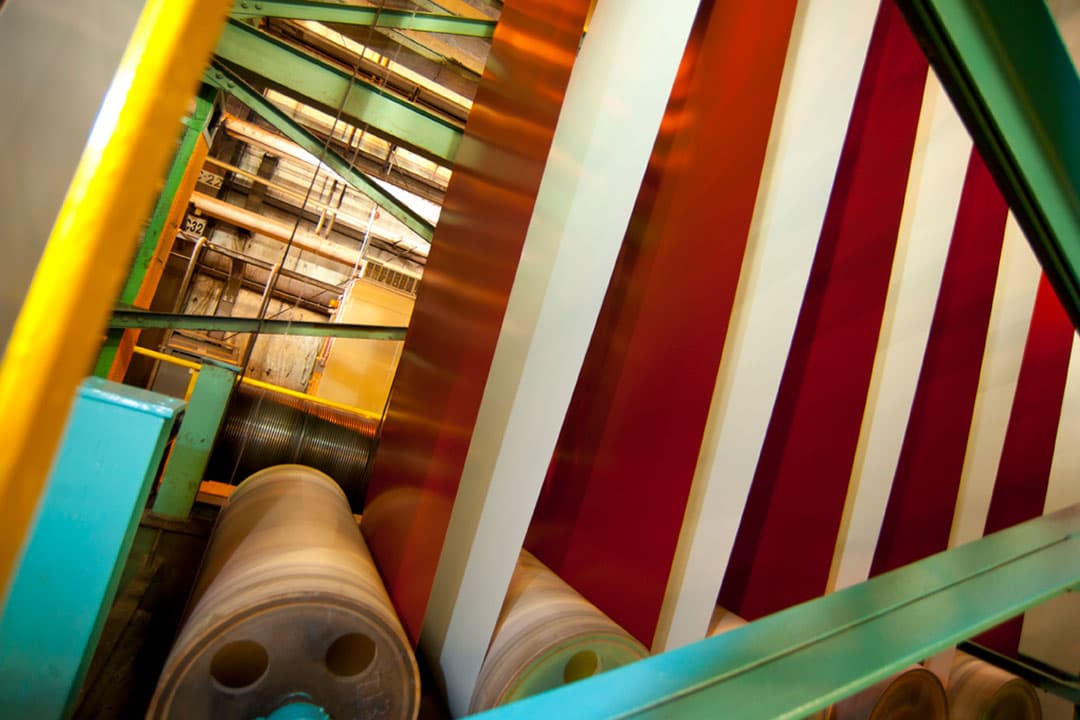
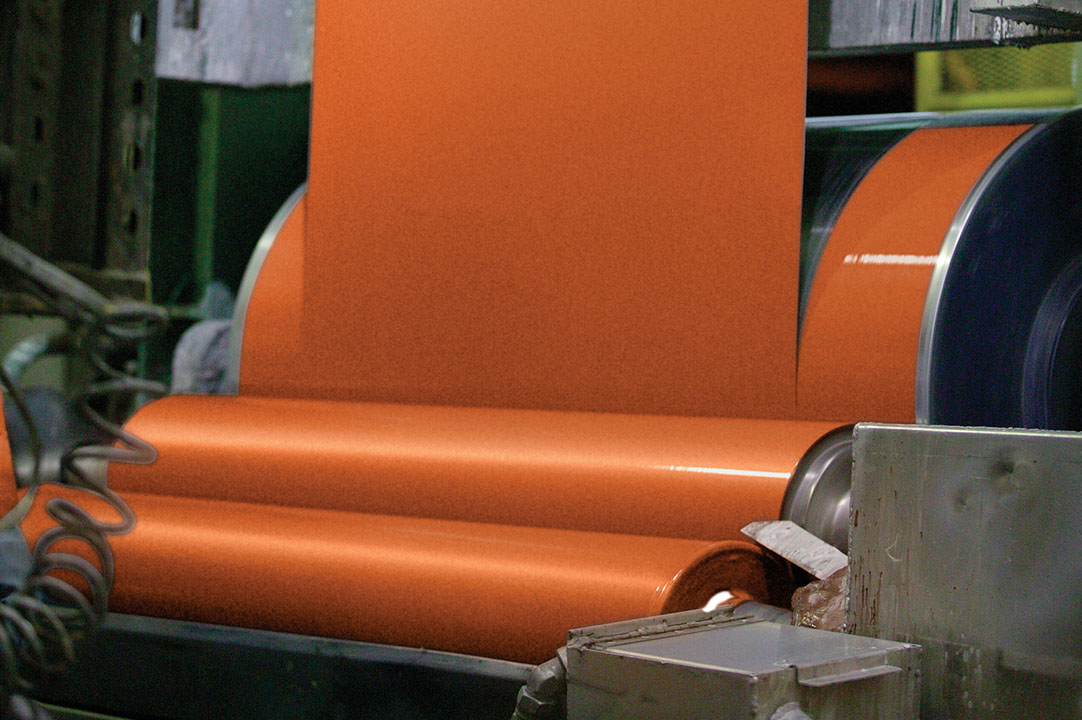
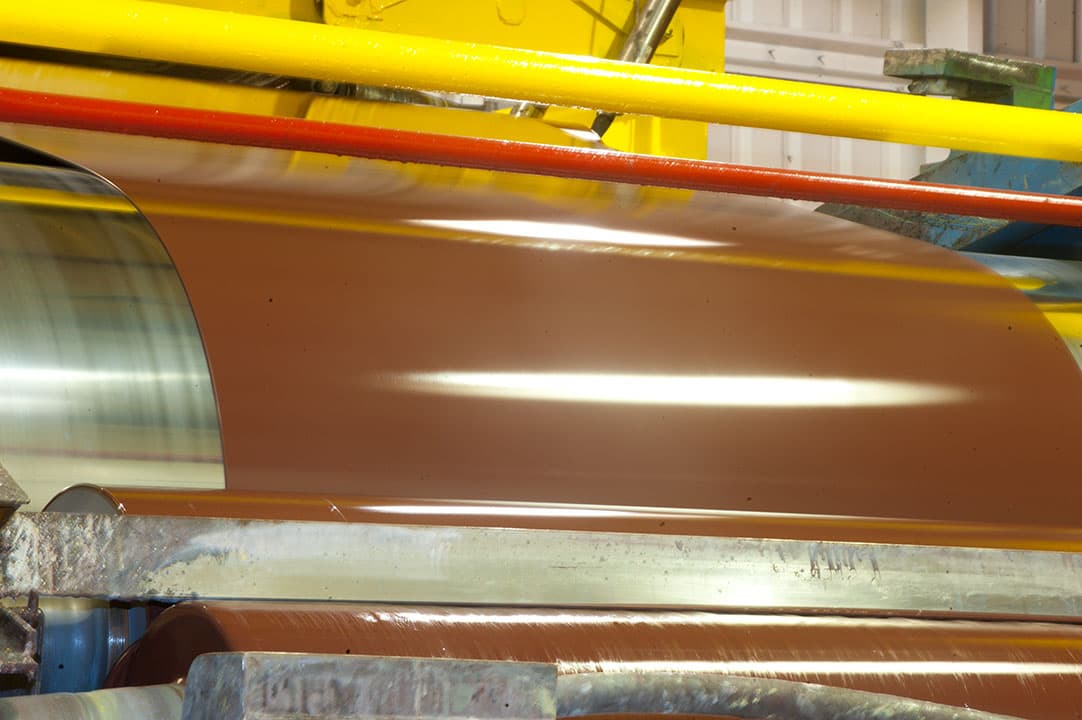
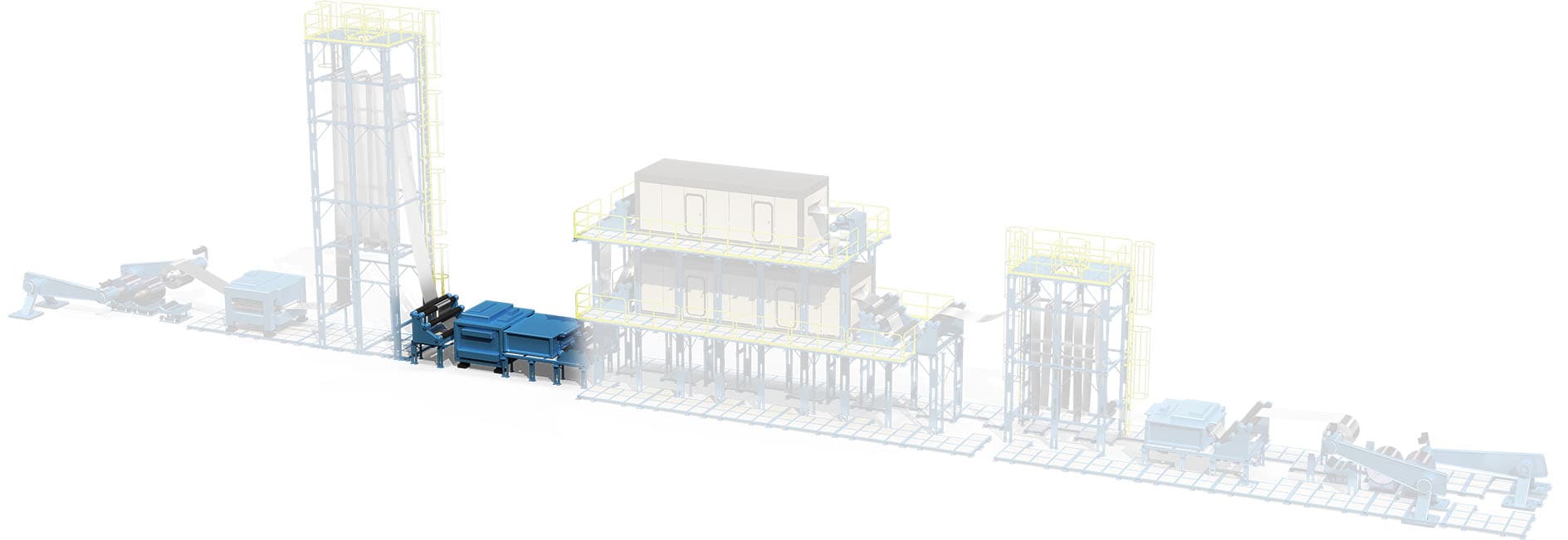
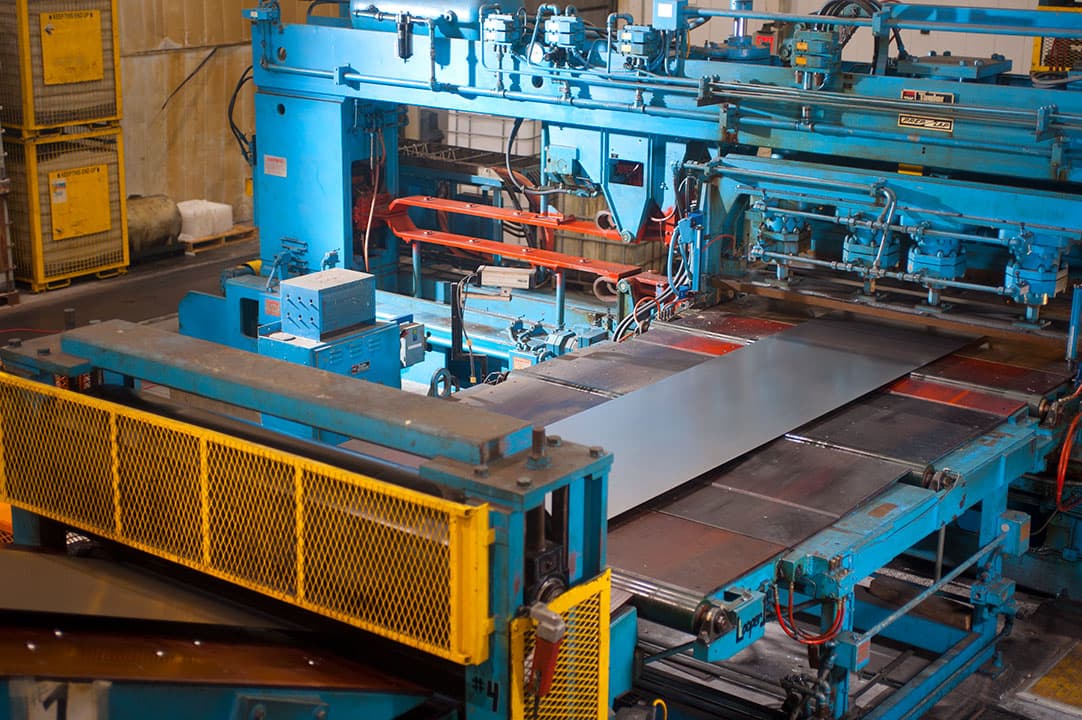
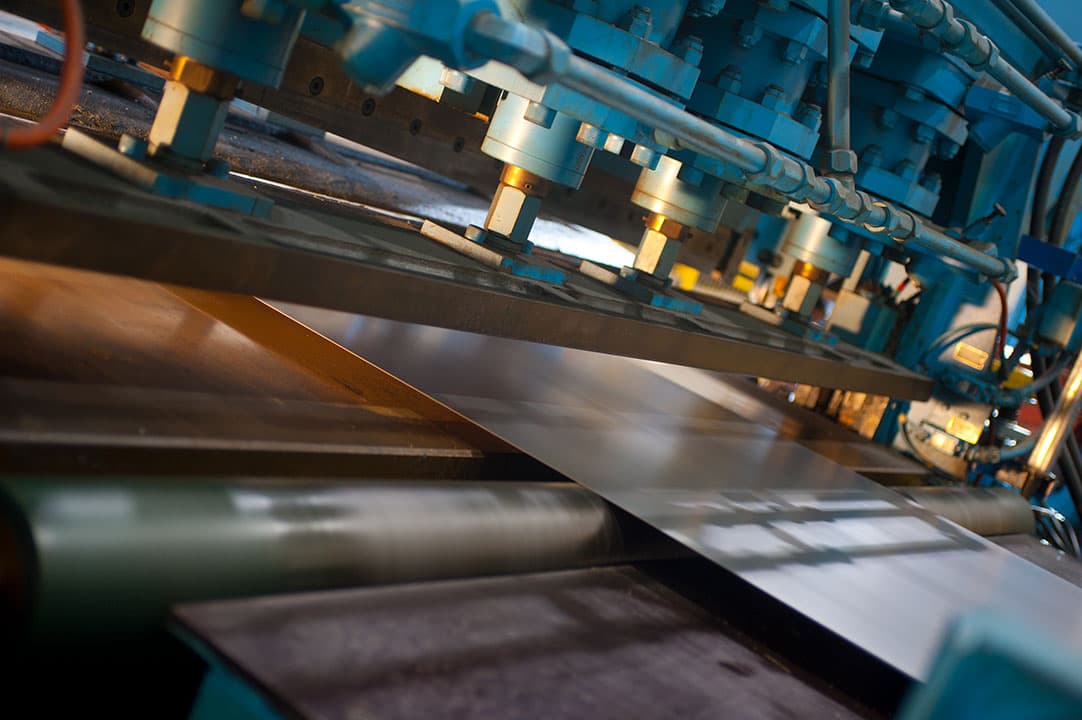
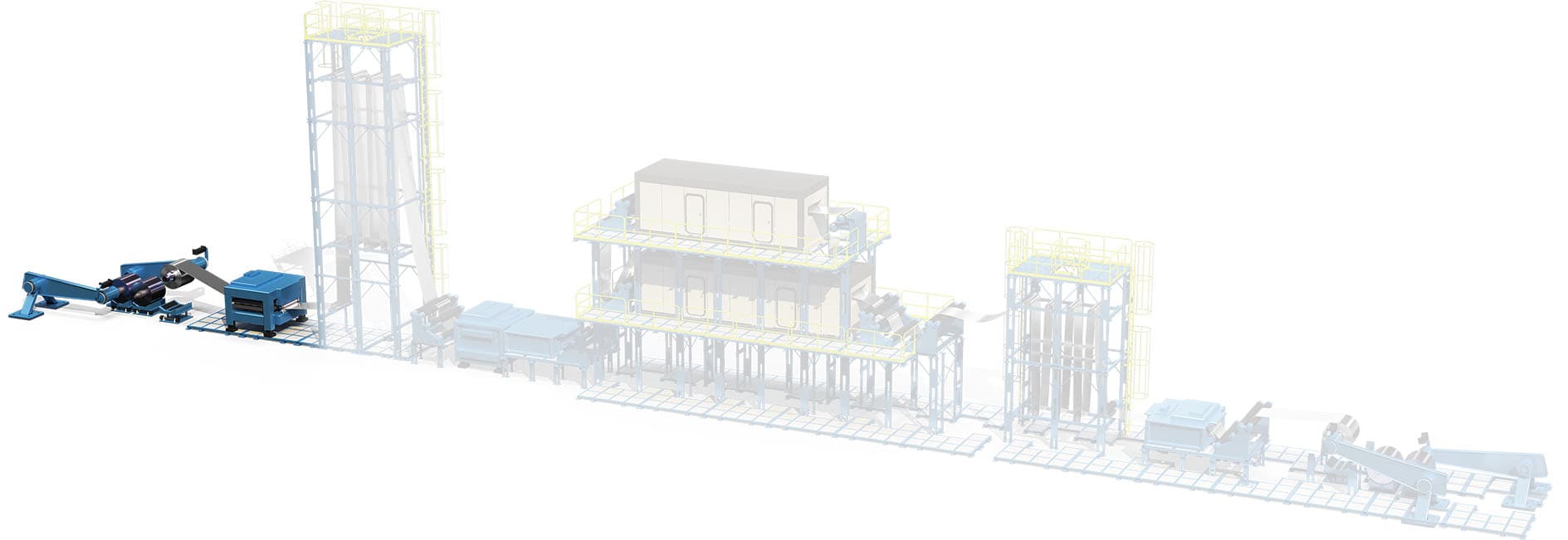
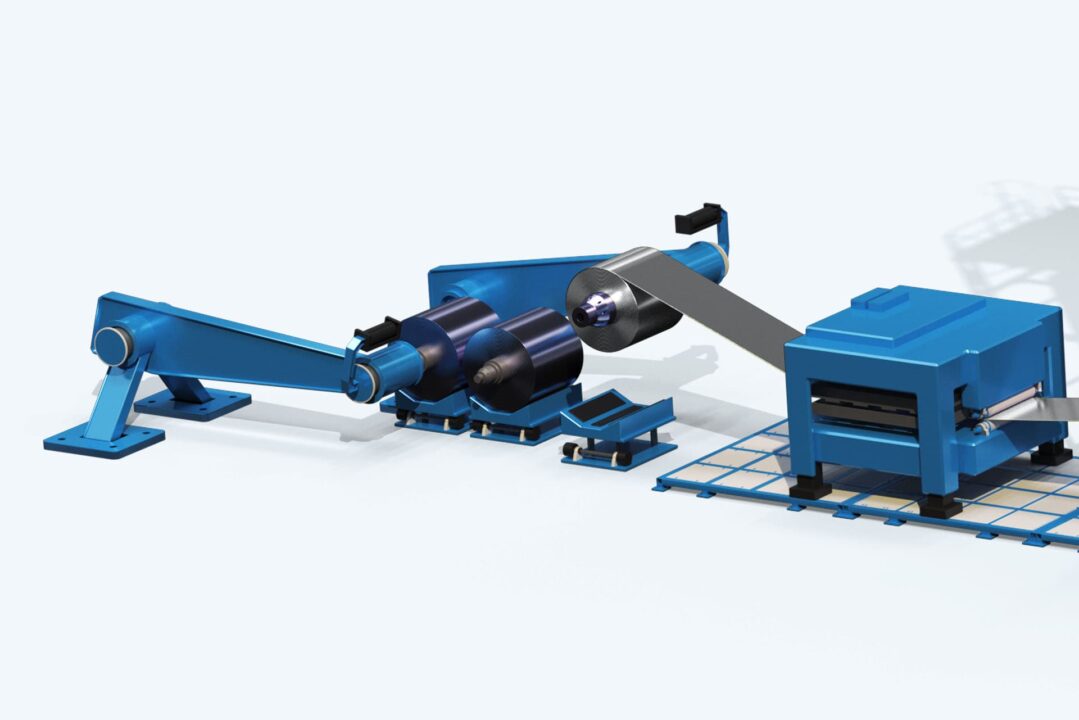
Once the metal is cleaned, treated, and painted, the strip is rewound into a coil size prescribed by the customer. From there, the coil is removed from the line and packaged for shipment or additional processing.
After the primer is applied and cured, then the metal strip enters the finish coat station where a topcoat is applied. Topcoats provide color, corrosion resistance, durability, flexibility and any other required physical properties. Like primers, the topcoat is cured using thermal cure ovens.
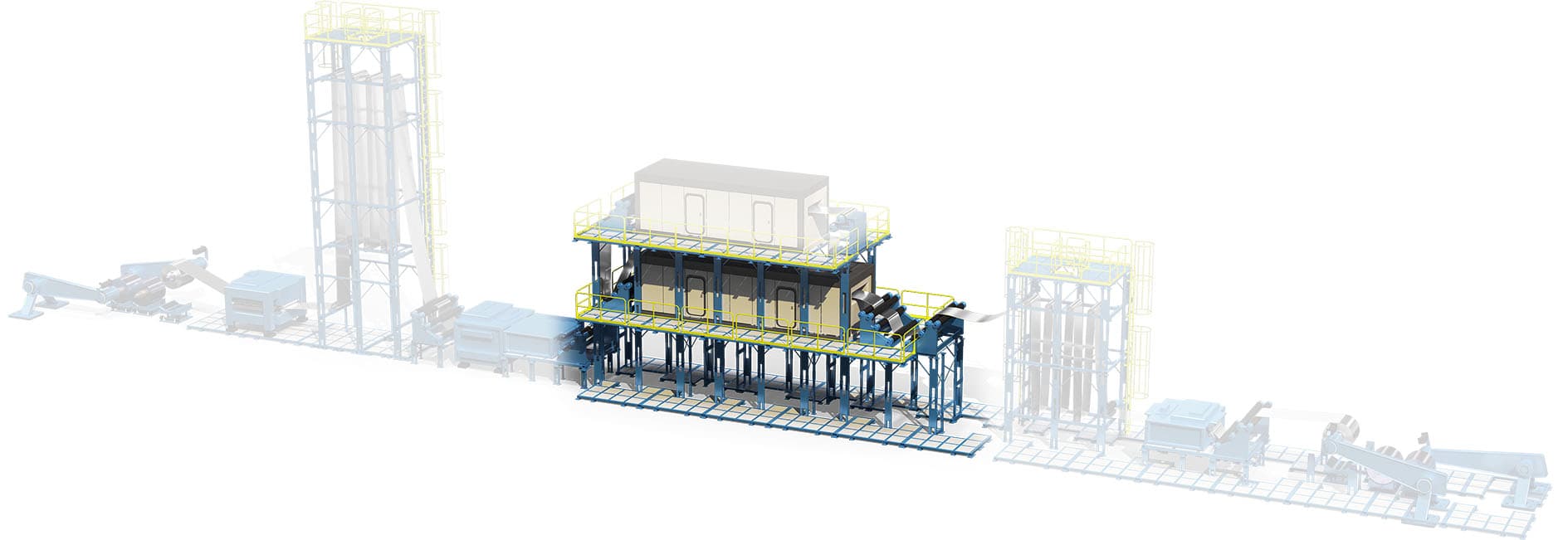
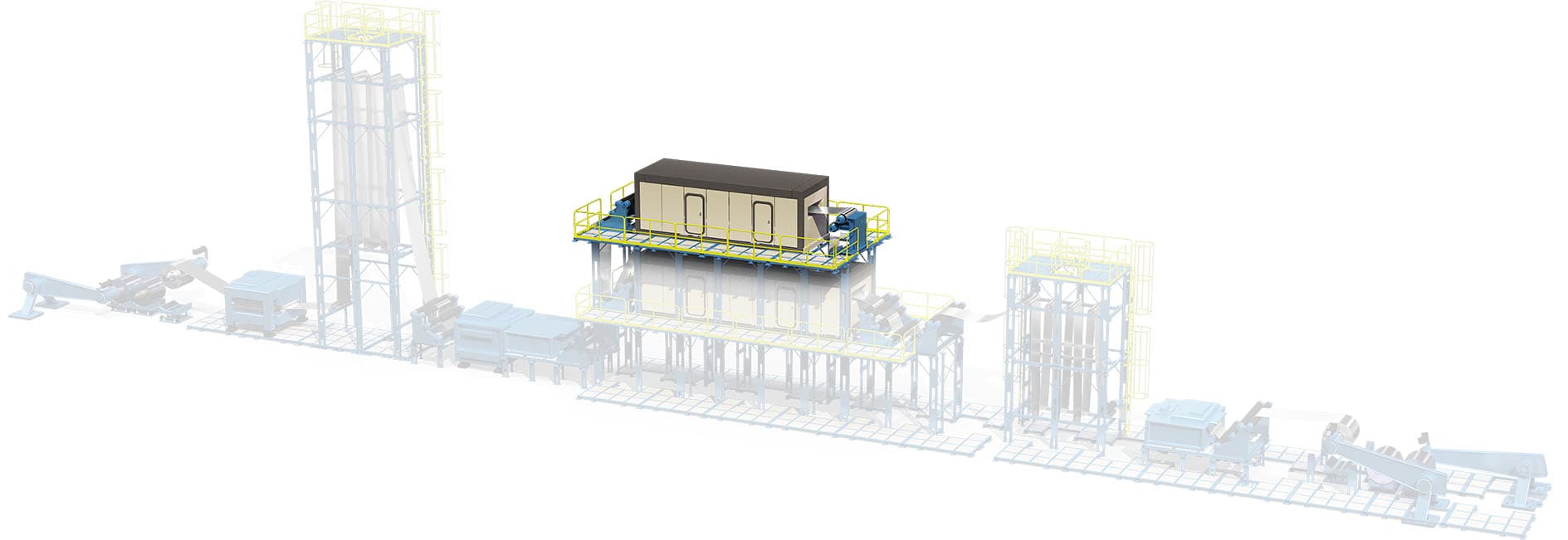
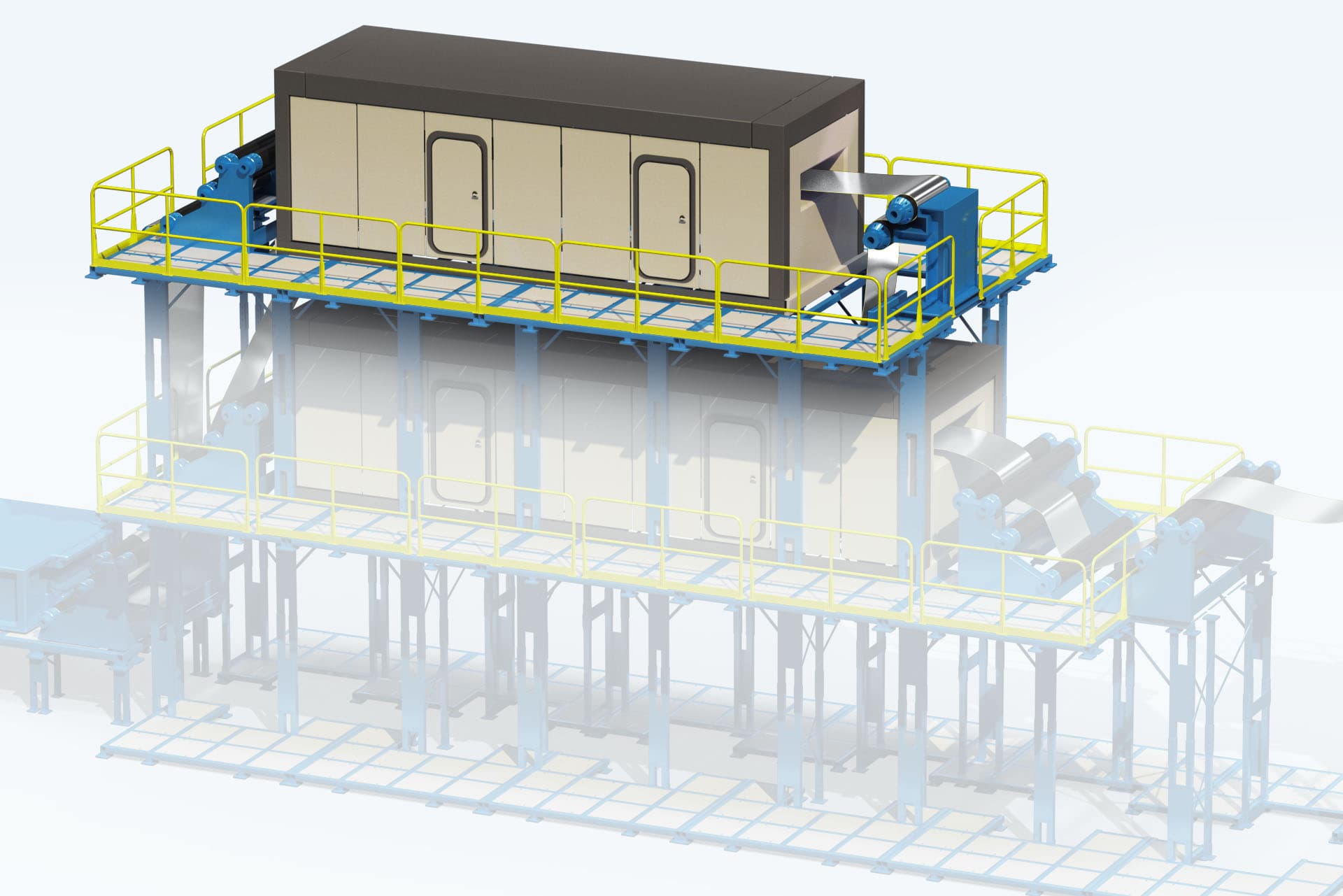
Oven
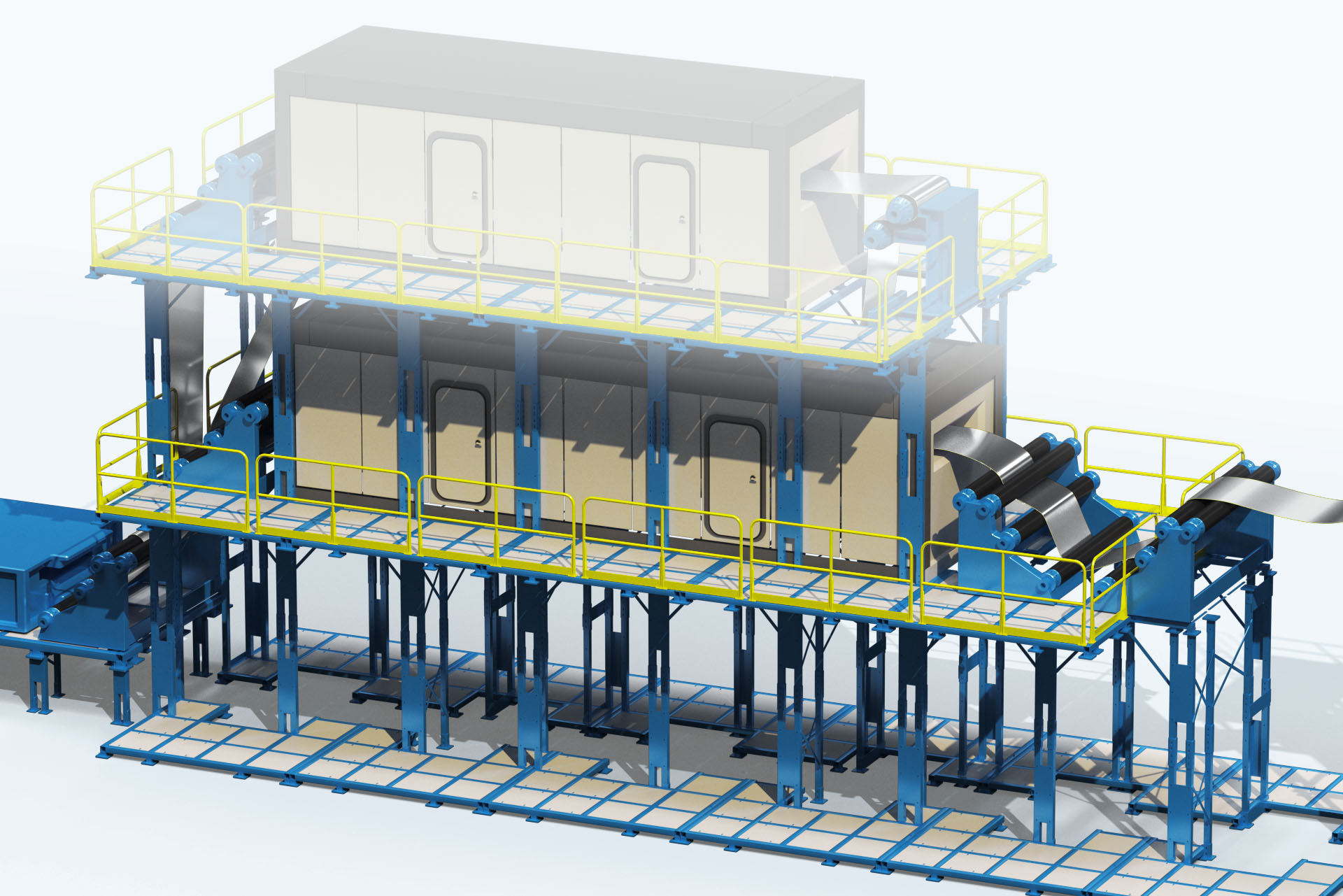
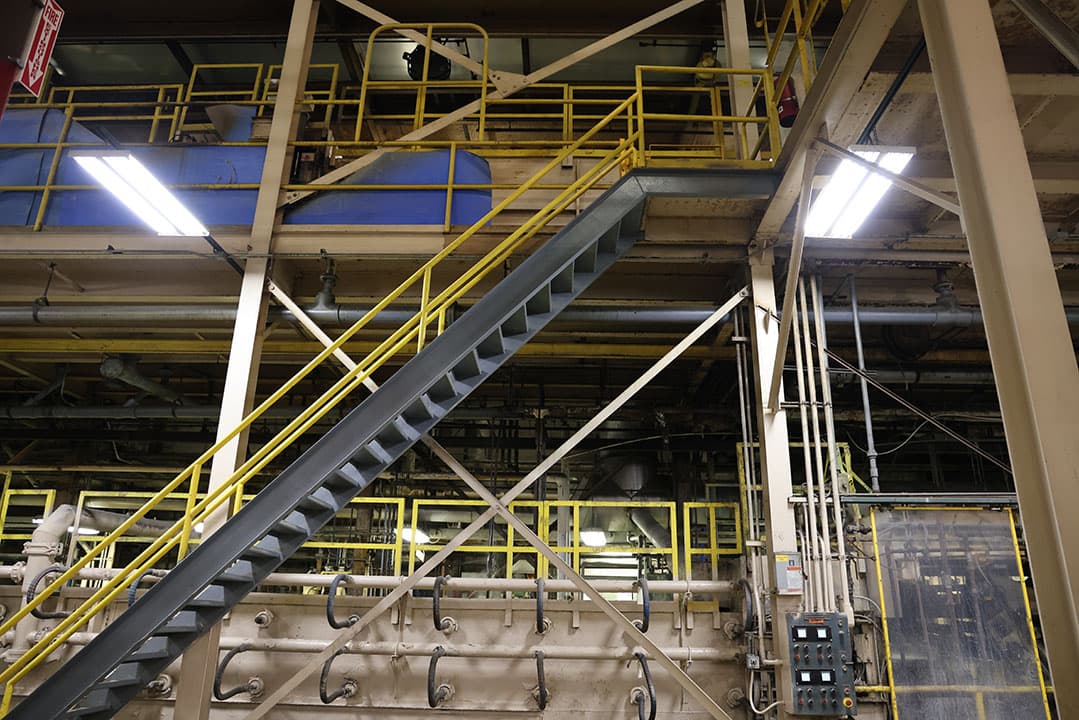
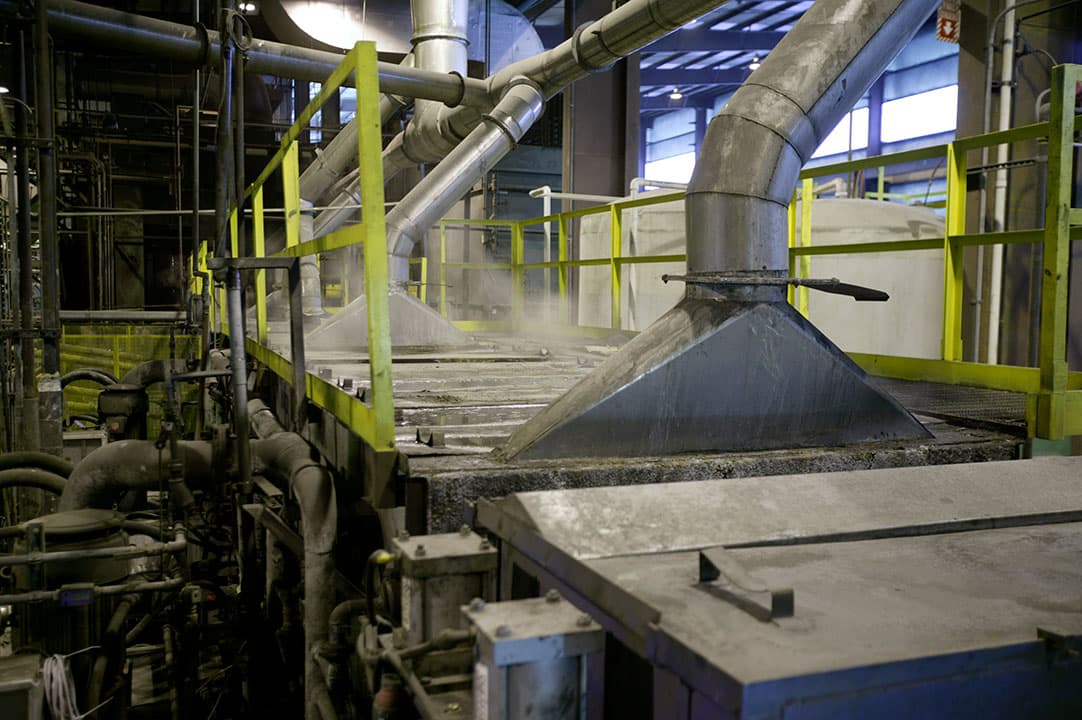
Coil coating ovens can range from 130 feet to 160 feet and will cure the coatings in 13 to 20 seconds.
During this stage, the strip enters the prime coat station whereby a primer is applied to the clean and treated metal. After the primer is applied, the metal strip travels through a thermal oven for curing. Primers are used to aid in paint adhesion, improve corrosion performance and enhance aesthetic and functional attributes of the topcoat.
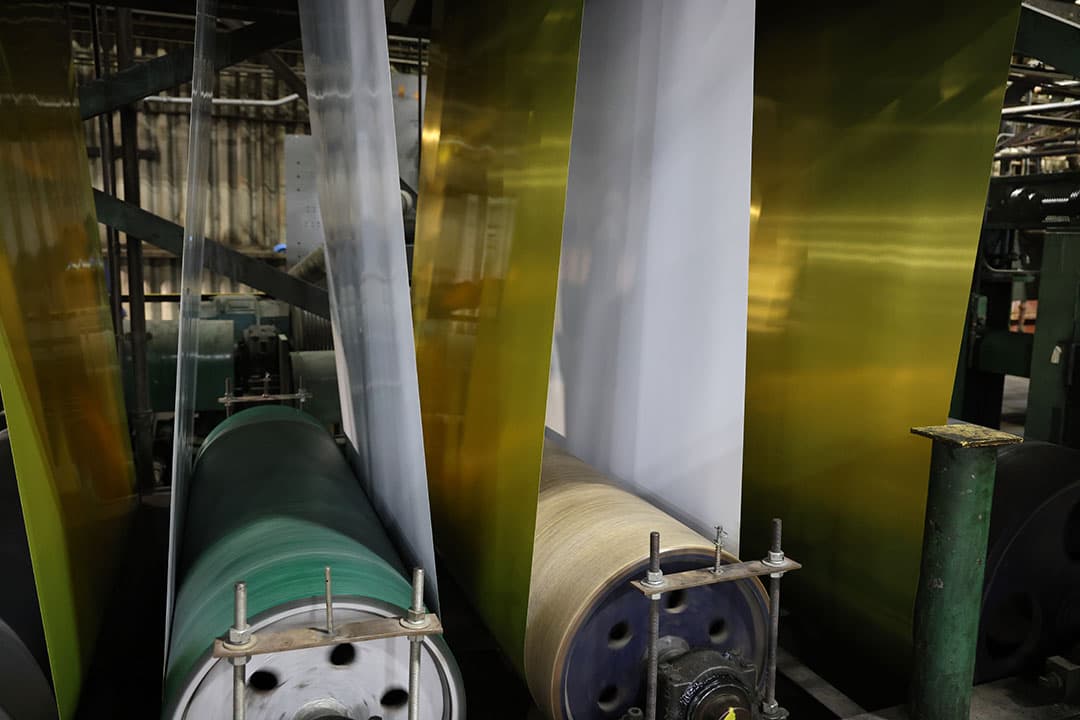
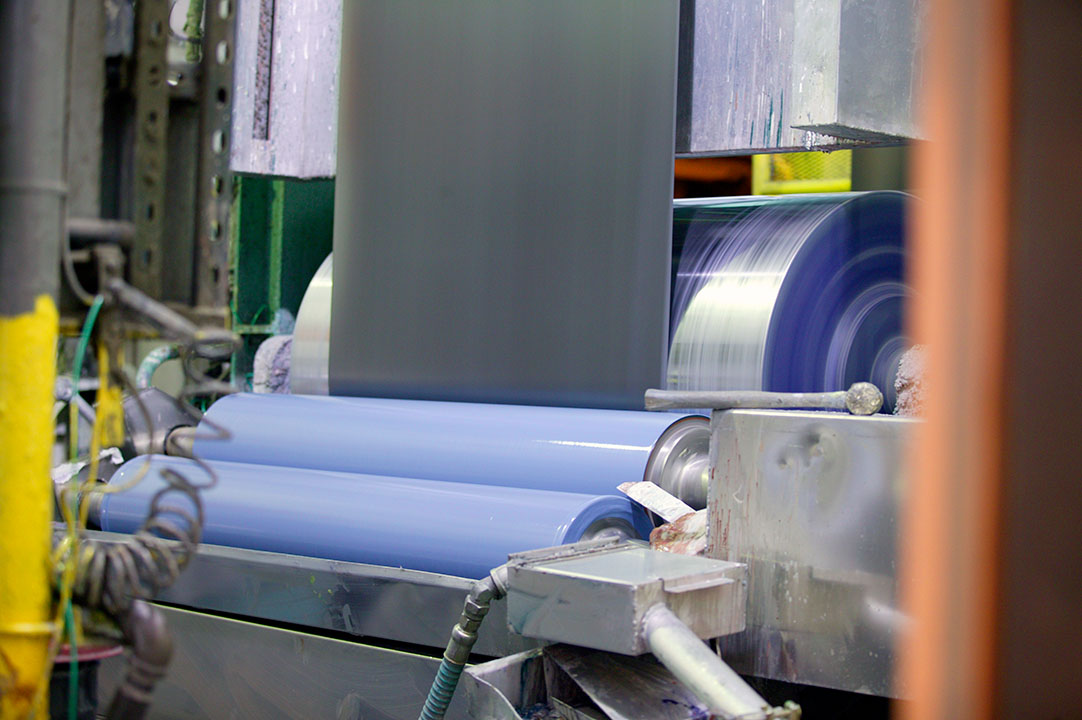
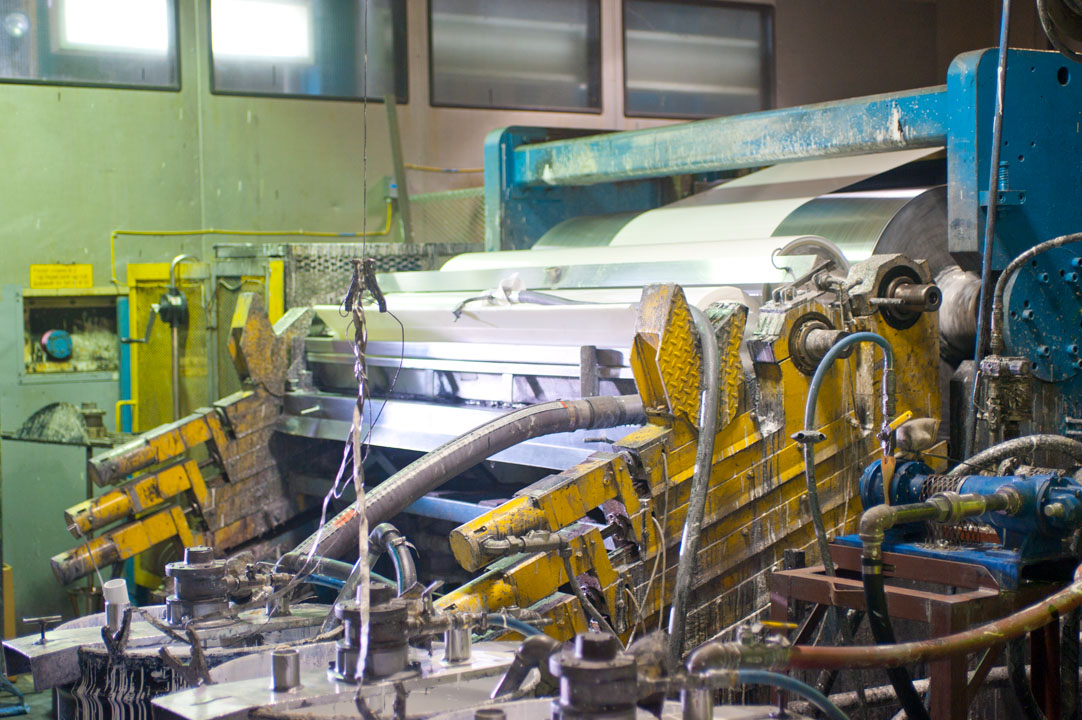
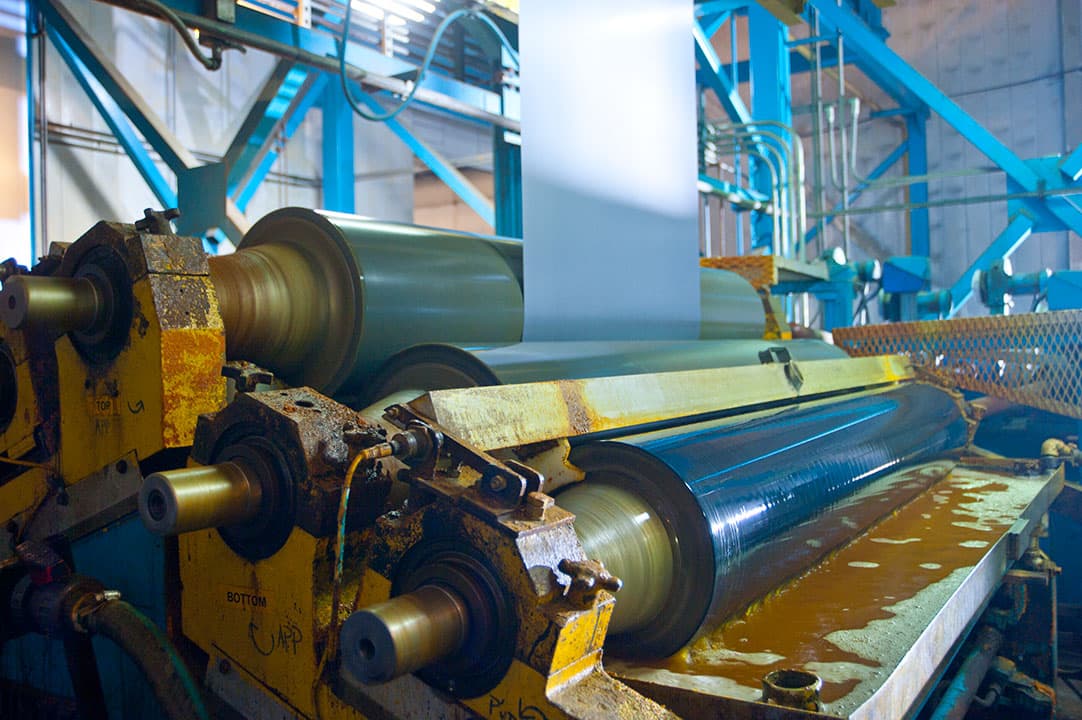
S Wrap Coater
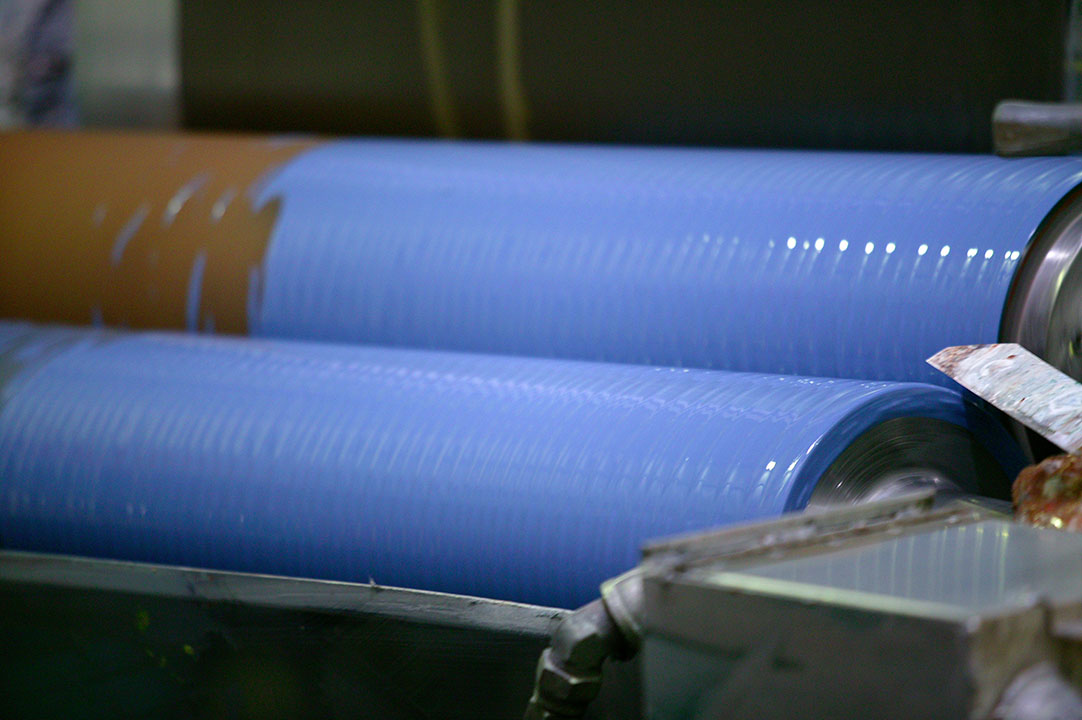
The S wrap coater design allows for primers and paints to be applied to the top and back side of the metal strip simultaneously in one continuous pass.
The cleaning and pretreating section of the coil coating process focuses on preparing the metal for painting. During the cleaning stage, dirt, debris, and oils are removed from the metal strip. From there, the metal enters the pretreatment section and/or a chemical coater whereby chemicals are applied to facilitate paint adhesion and enhance corrosion resistance.
Dried-In-Place
In this stage a chemical that provides enhanced corrosion performance is applied. This treatment can be chrome free if required.
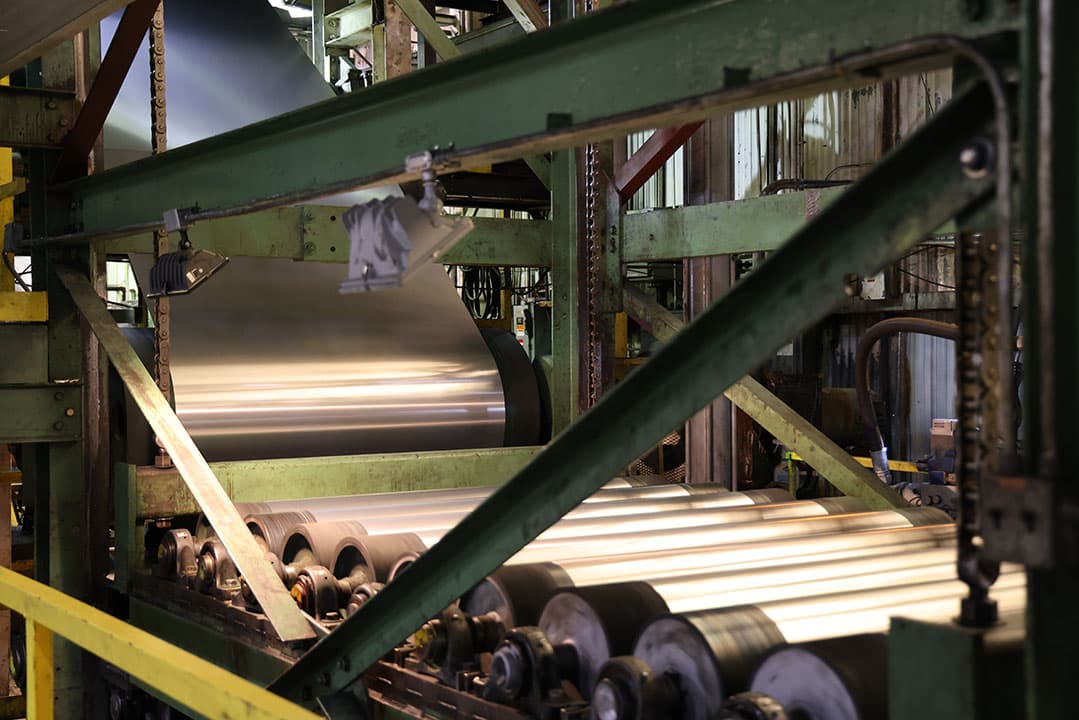
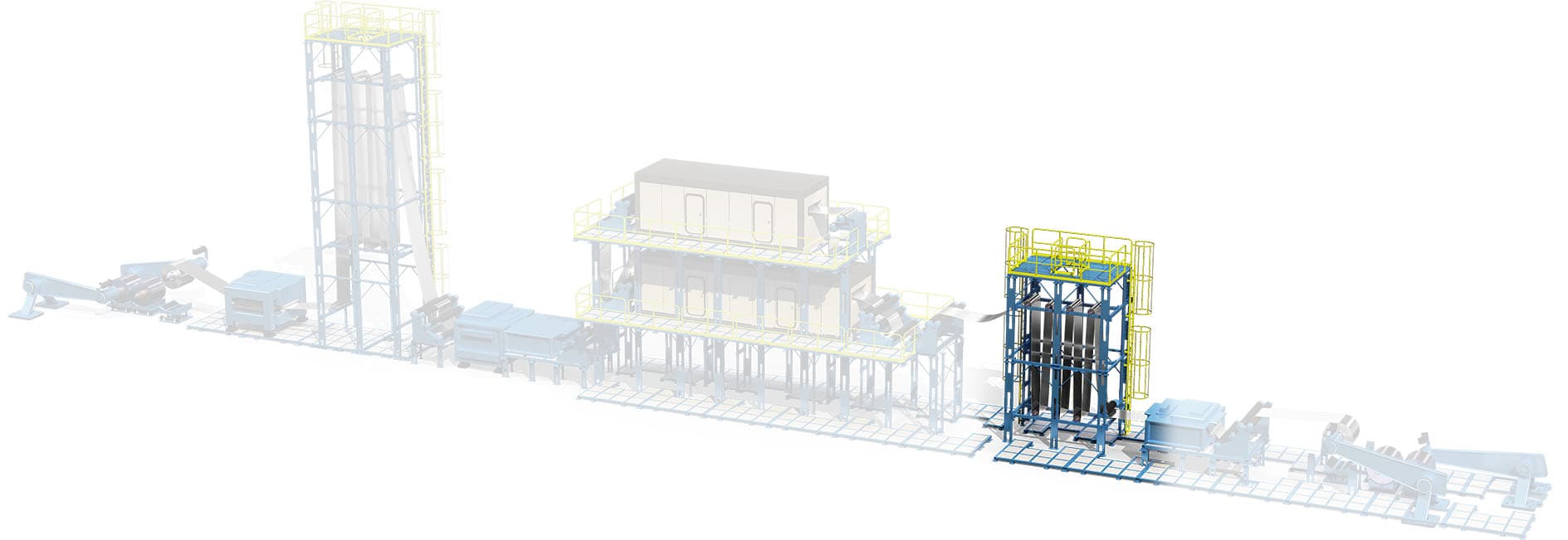
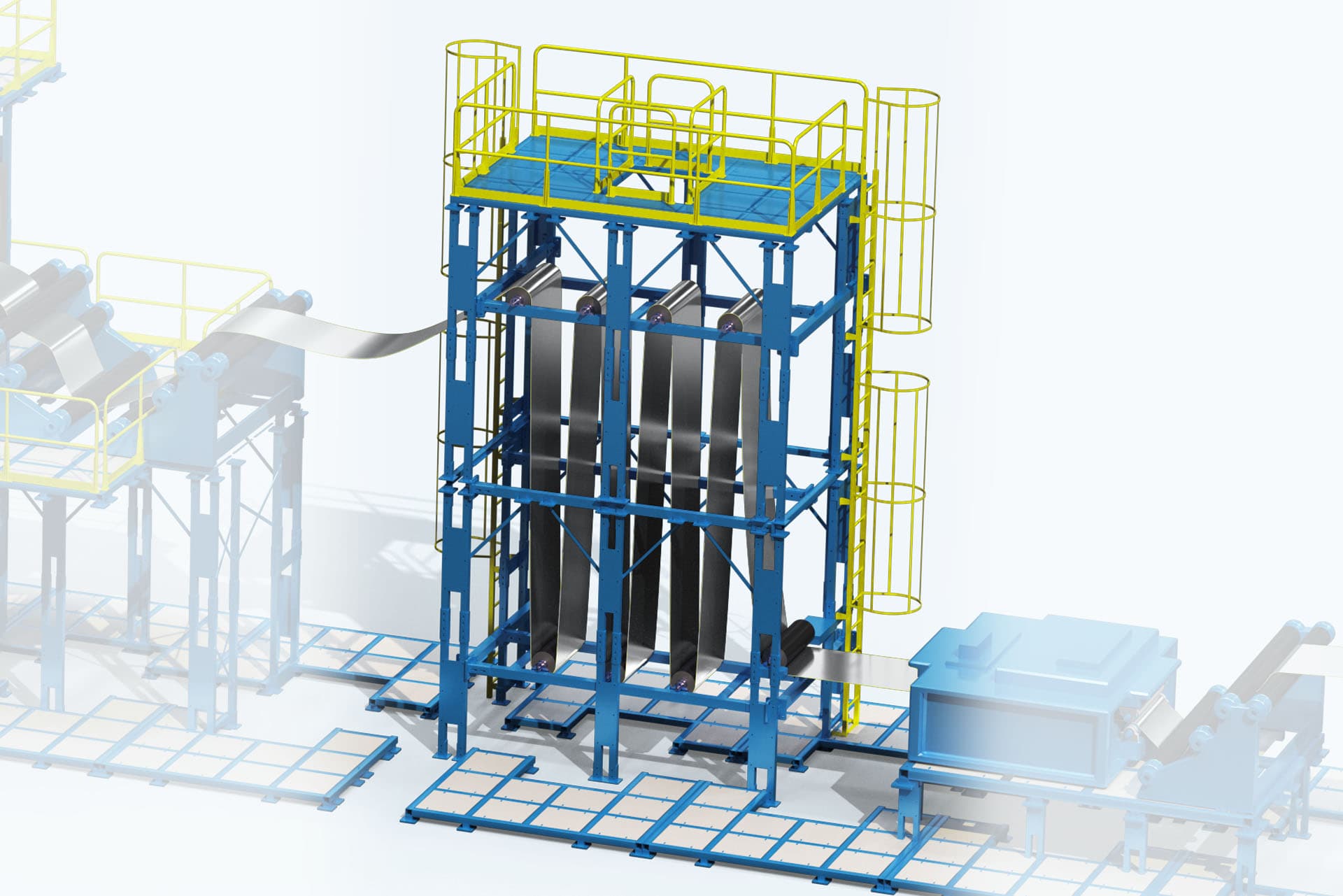
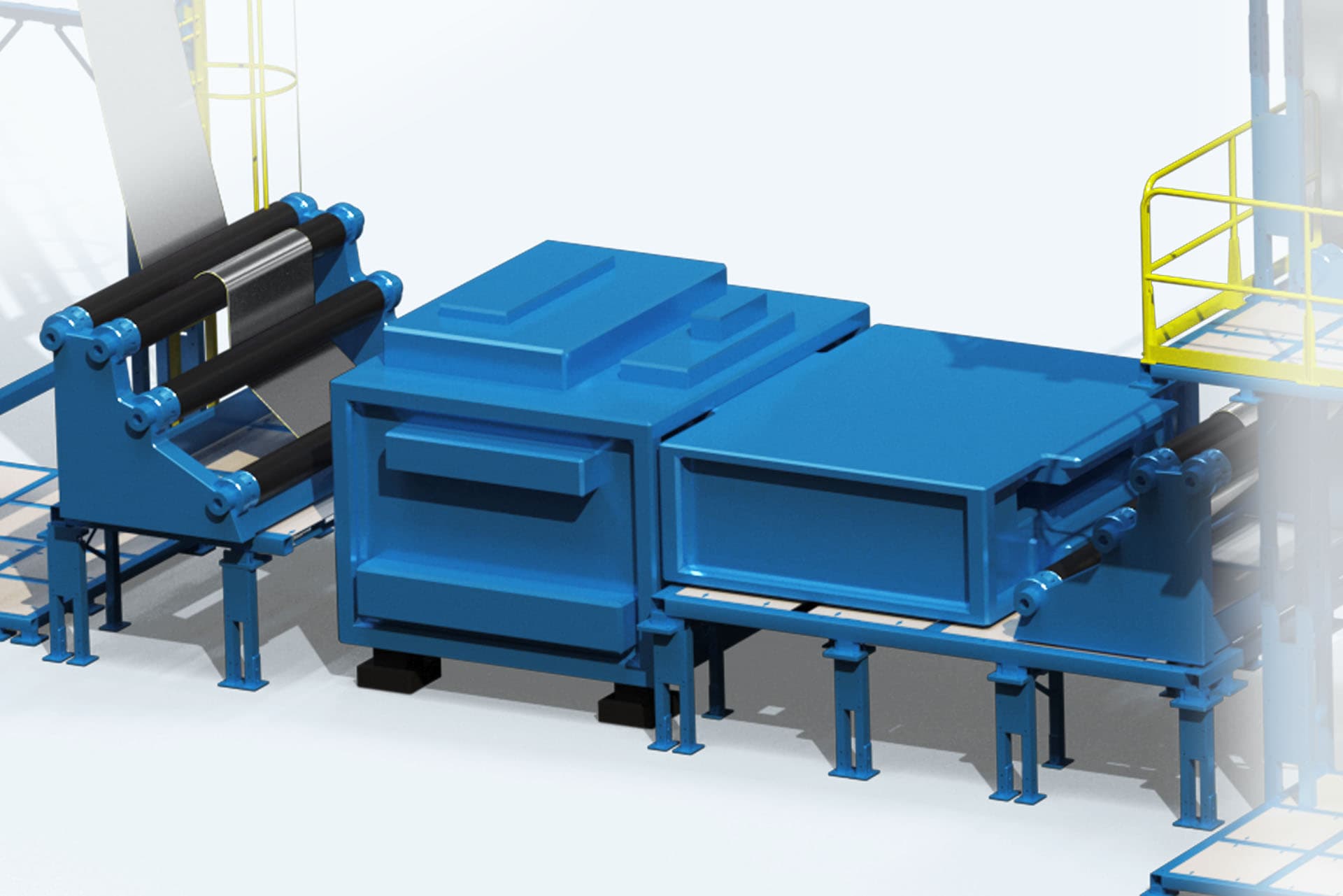
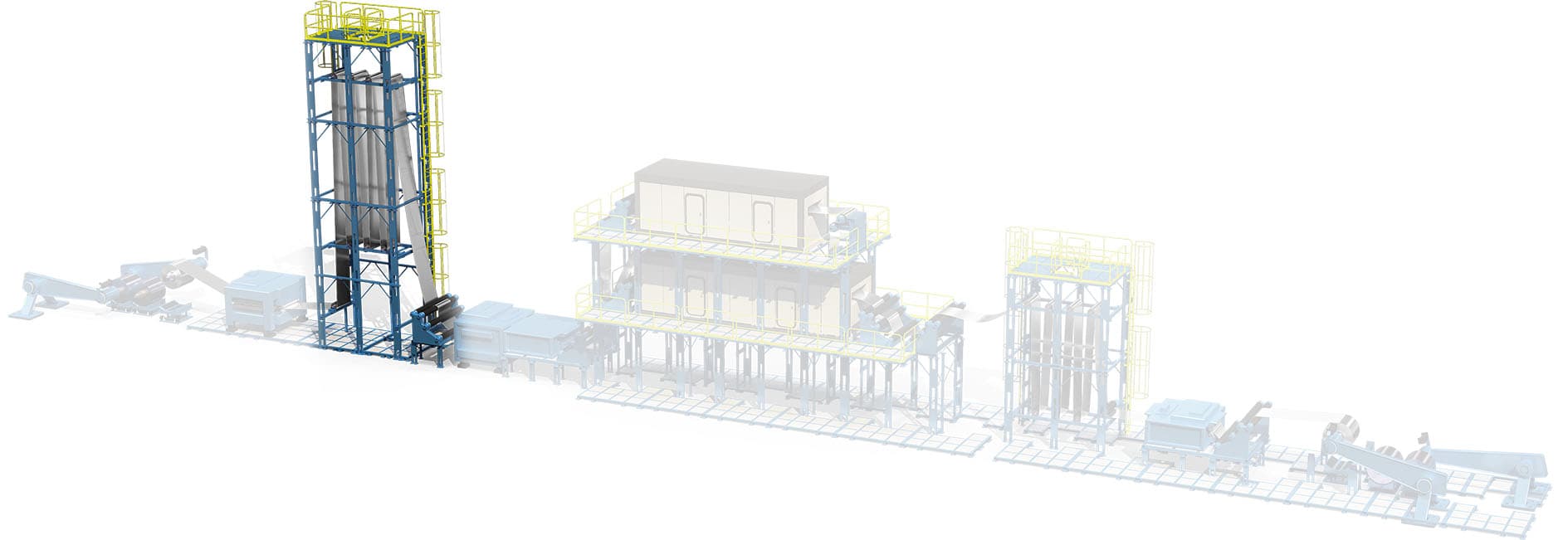
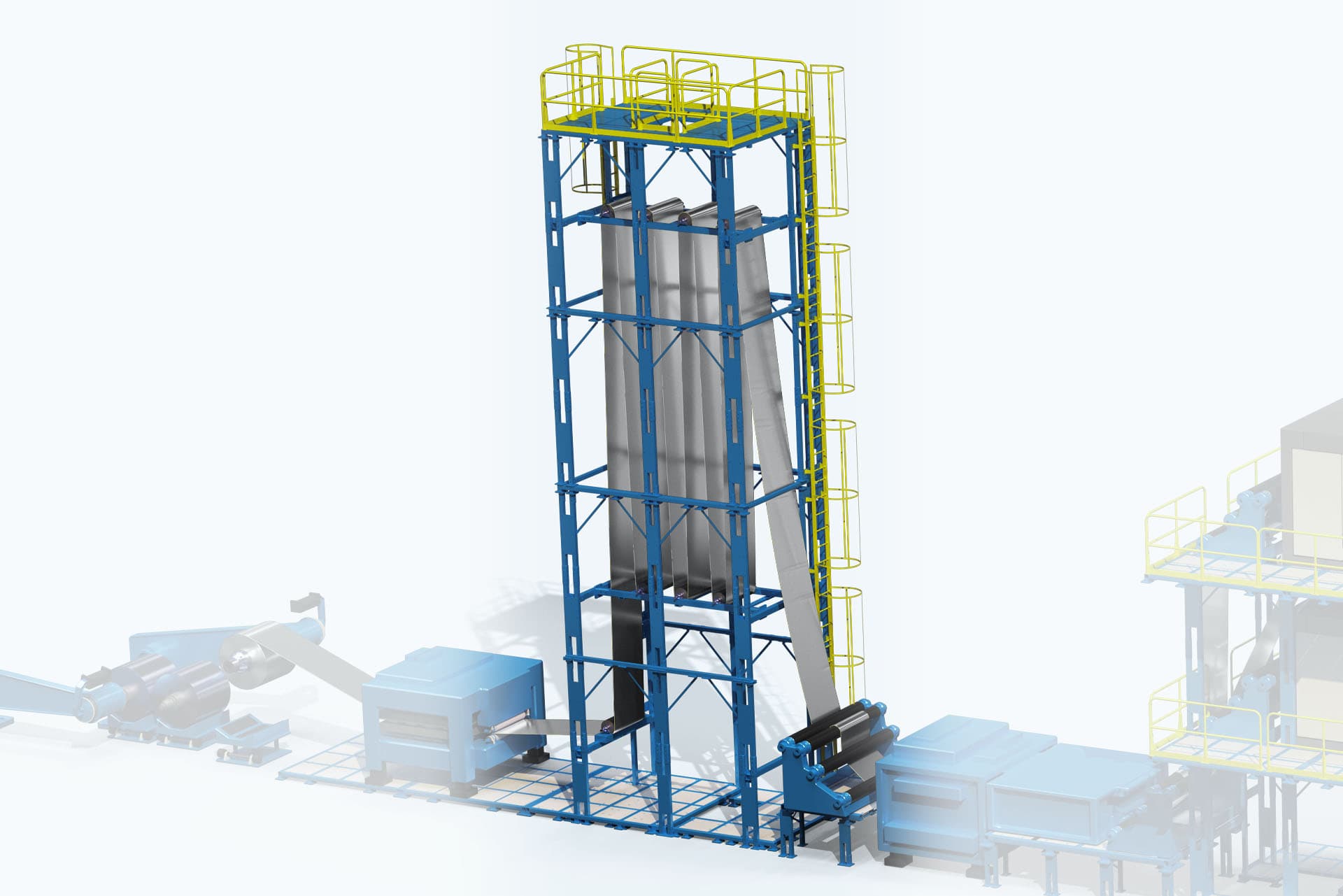
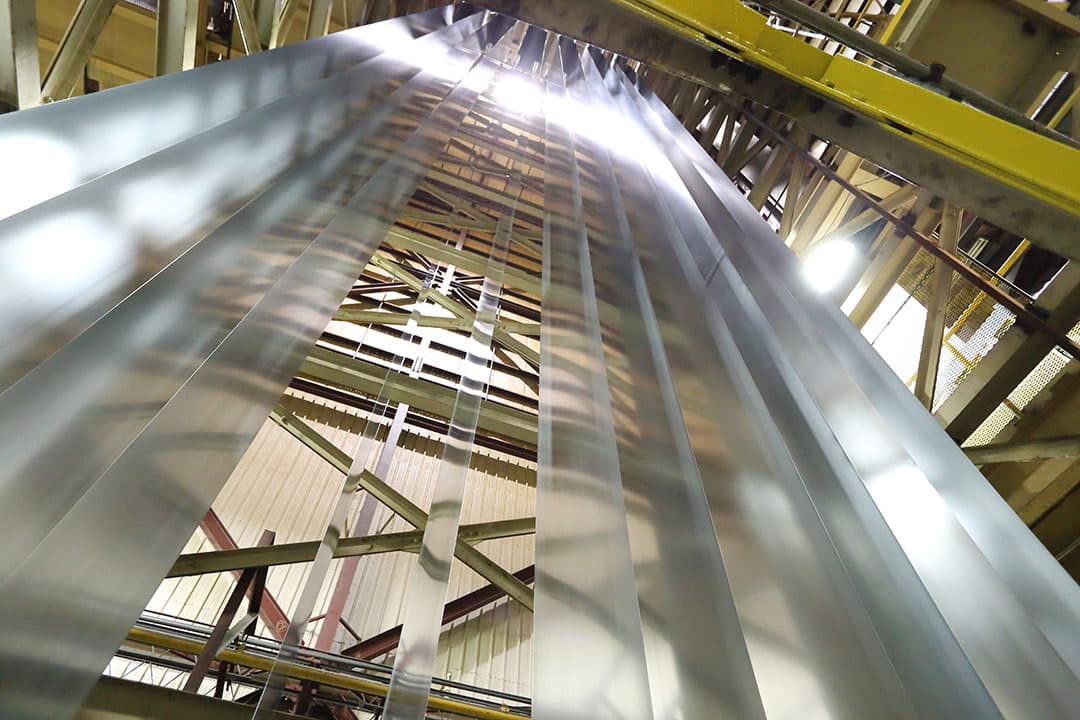
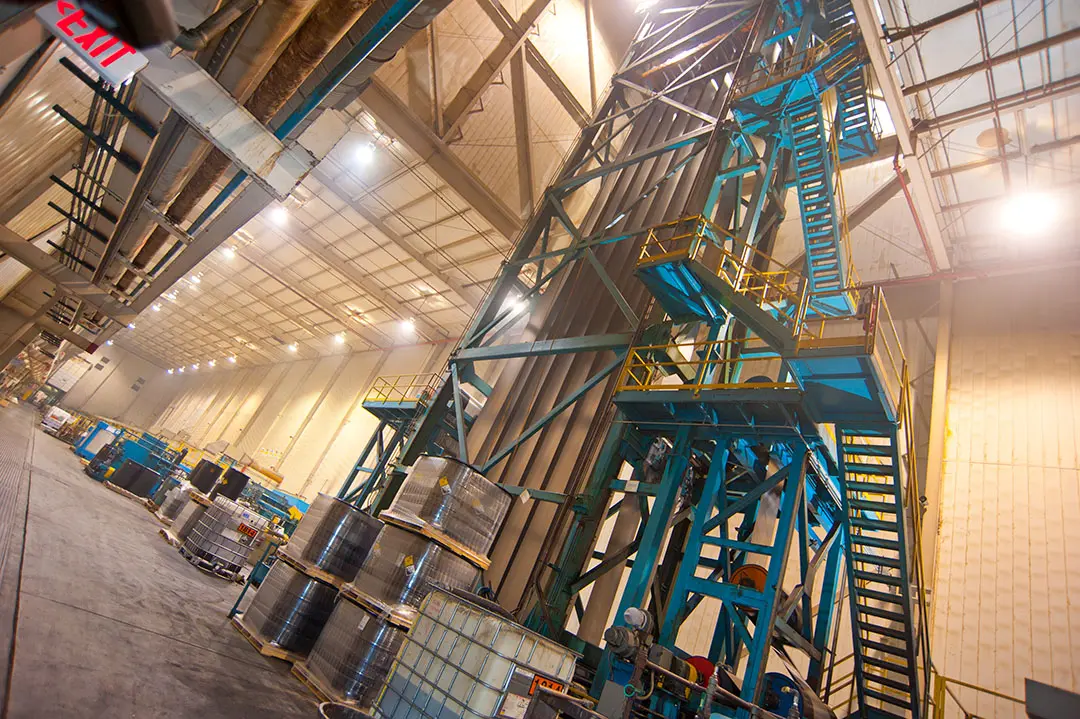
The accumulator is a structure that adjusts up and down to store material, which makes continuous operation of the coil coating process possible. This accumulation will continue to feed the coil coating processes while the entry end has stopped for the stitching process. As much as 750 feet of metal can be collected.
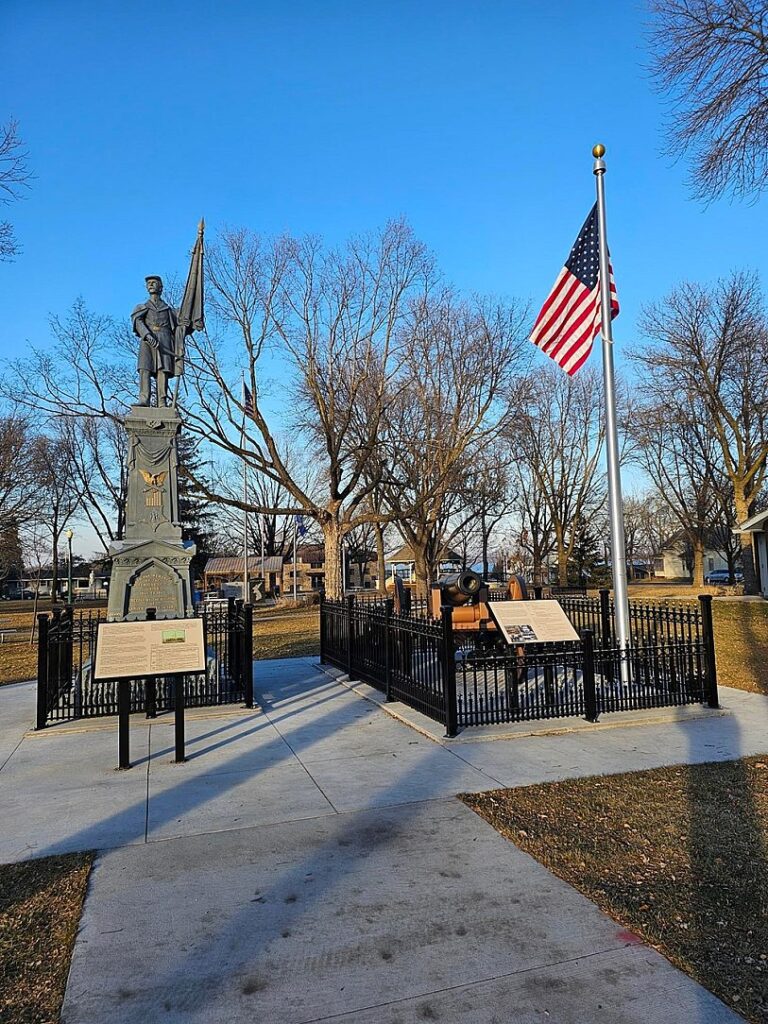
In the summer of 2021, the members of American Legion Post 150 in Waconia, Minnesota set an ambitious goal. They aimed to raise nearly $200,000 over a three-year period to renovate two monuments and a Civil War cannon in their community.
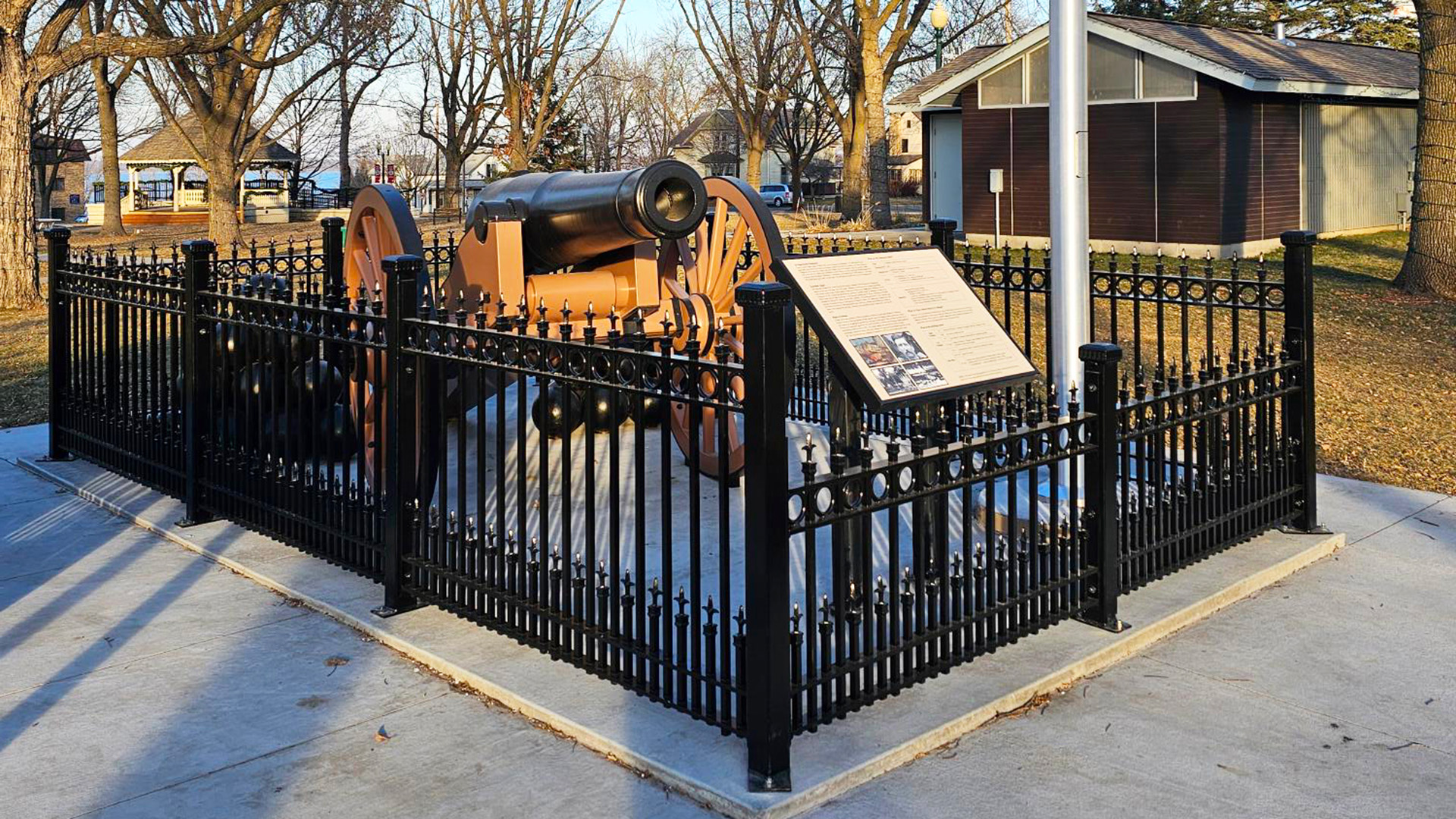
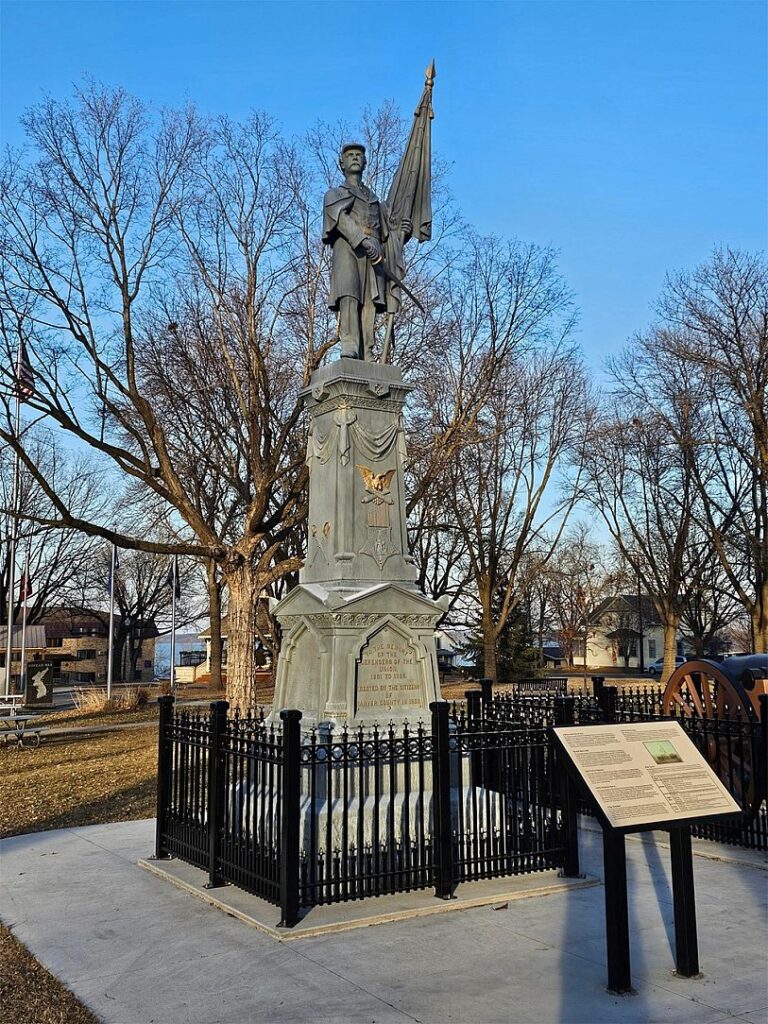
While all three objects had undergone previous restorations, their age necessitated more extensive efforts this time. The 32-pounder chambered Navy cannon, dating back to 1846, was acquired by Waconia in 1897. The Civil War Soldiers Monument, dedicated in 1892, and the World War I Veterans Monument, dedicated in 1929, were also part of this restoration initiative.
The city went to work not only restoring these artifacts but also looking for help from the community. This was not going to be a quick or an inexpensive endeavor. The last two pieces were completed this year with the help of the American Legion Post 150 as well as a Minnesota Historical and Cultural Heritage Grant from the Minnesota Historical Society.
With restoration complete, and City Administrator Shane Fineran collaborated with a local fabricator for the fencing around these displays. Waconia, with its extensive miles of fencing, recognizes the durability and aesthetic appeal of a duplex coating. Hence, the choice for the perimeter was straightforward. The collaboration extended to Hecksel Machine in Watertown, Minnesota, a seasoned expert in galvanizing. They promptly commenced their role in the project.
Achieving a uniform coating on materials is crucial for obtaining a smooth and attractive finish after applying the duplex coating. Incomplete galvanizing or rough surfaces may occur due to trapped air pockets or insufficient drainage, emphasizing the importance of thorough application.
To address these challenges, specialized venting, handling processes and quality control measures are often employed in galvanizing facilities dealing with this type of project. Additionally, careful planning and technical expertise are essential to ensure the effective galvanizing in preparation for the duplex coating.
As part of the design process, AZZ’s team recommended several design best practices to make the project a success. Additional holes were recommended (at optimal placement) to provide proper zinc drainage and a progressive dipping process was employed to accommodate the fencing.
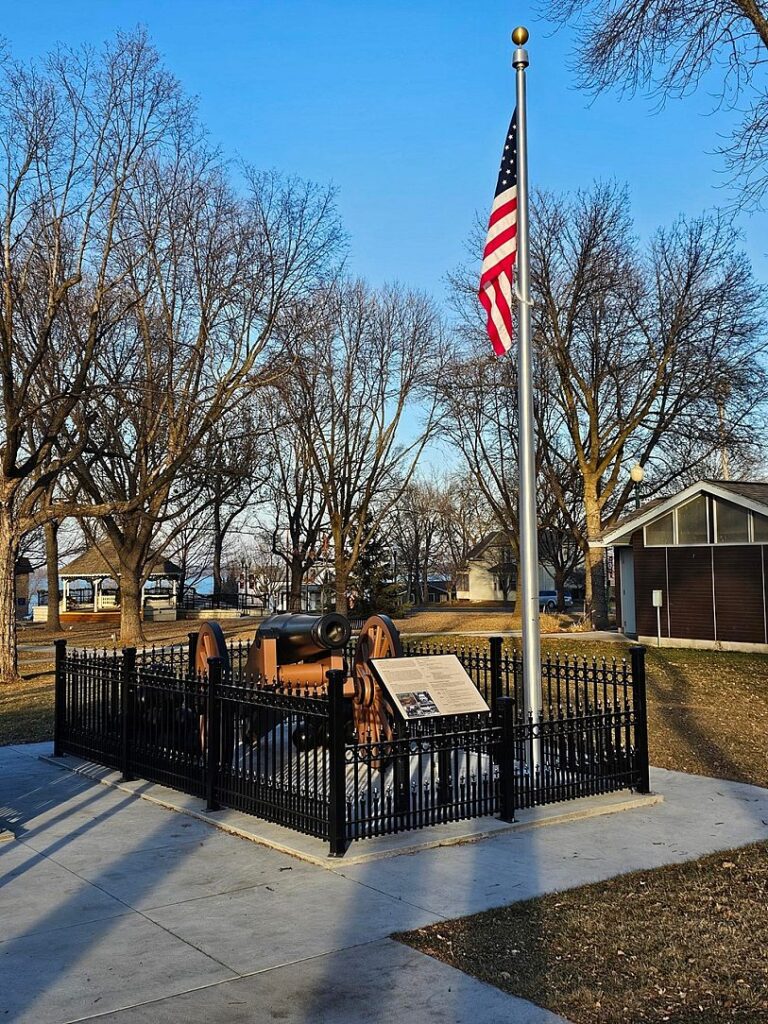
Now completed, the city of Waconia warmly welcomes residents, employees, and veterans to the newly finished park at its center. It’s a serene space for the community to pay respects to our lost soldiers. This heartfelt tribute is crafted to endure, offering decades of quiet reflection and enjoyment for everyone in town.
It’s a serene space for the community to pay respects to our lost soldiers. This heartfelt tribute is crafted to endure, offering decades of quiet reflection and enjoyment for everyone in town.