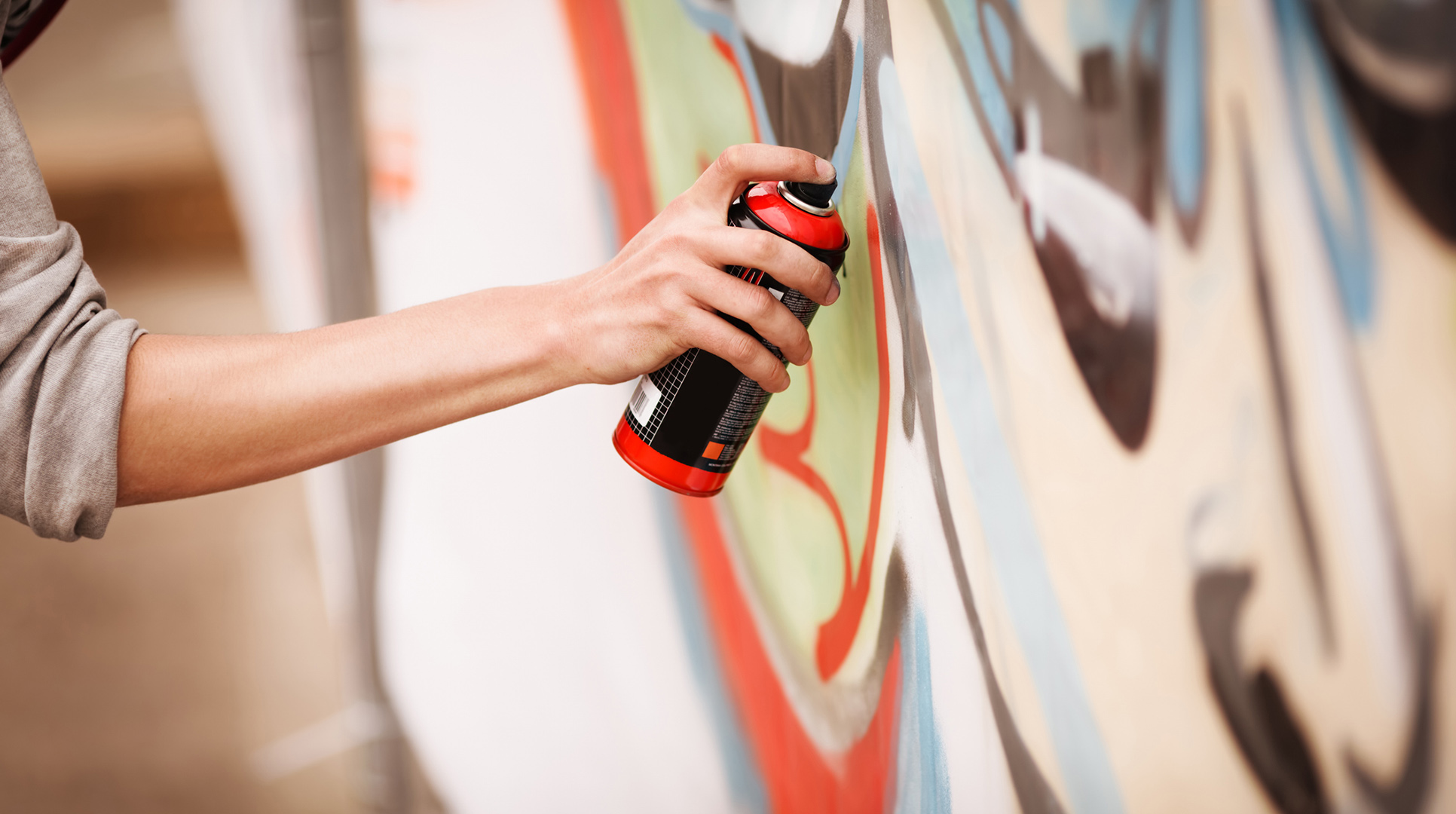
From pedestrian bridges and railings to light poles and utility structures, exposed steel surfaces are frequent targets. Removing graffiti without damaging the underlying coating can be a challenge.
With traditional paint systems, graffiti removal often creates a second problem. Aggressive cleaning methods such as solvents, thinners, or scrubbing can degrade the coating itself. This leads to discoloration, reduced protection, and the need for costly touch-ups or recoating.
Hot-dip galvanized steel offers a fundamentally different outcome.
Why Graffiti Is Less Problematic on Galvanized Steel
Unlike paint systems that sit on the surface, hot-dip galvanizing forms a metallurgically bonded zinc coating. This bond creates a tough, abrasion-resistant barrier that is integral to the steel, not just applied to it.
The result is two key advantages:
- Durability during cleaning
The coating can withstand scrubbing and chemical cleaners without compromising corrosion protection. - Poor paint adhesion
Without surface preparation, graffiti paints often do not adhere strongly to galvanized surfaces, making removal easier.
In many cases, graffiti can be removed with minimal effort, sometimes with simple power washing.
How to Remove Graffiti from Hot-Dip Galvanized Steel
One of the most compelling advantages of galvanizing is the simplicity of maintenance. Proven cleaning methods include:
- Solvent cleaning
Acetone, MEK, or commercial paint removers effectively dissolve graffiti without damaging the zinc coating. - Alkaline cleaners
Suitable for breaking down paints and markers - Pressure washing
Often effective due to weak adhesion of graffiti to zinc surfaces
After cleaning, it is important to:
- Rinse thoroughly with fresh water to remove any residual chemicals
- Avoid abrasive pads or steel brushes, which may remove surface zinc and affect long-term performance
Short-term exposure to cleaning chemicals does not impact long-term corrosion protection when proper rinsing is performed.
Ideal Applications
Hot-dip galvanized steel is especially well suited for environments where both durability and ease of maintenance are critical:
- Pedestrian bridges and walkways
- Transit infrastructure
- Light poles and sign structures
- Utility and communication equipment
- Public spaces and parks
In these applications, reduced maintenance translates directly to lower lifecycle costs and improved asset uptime.