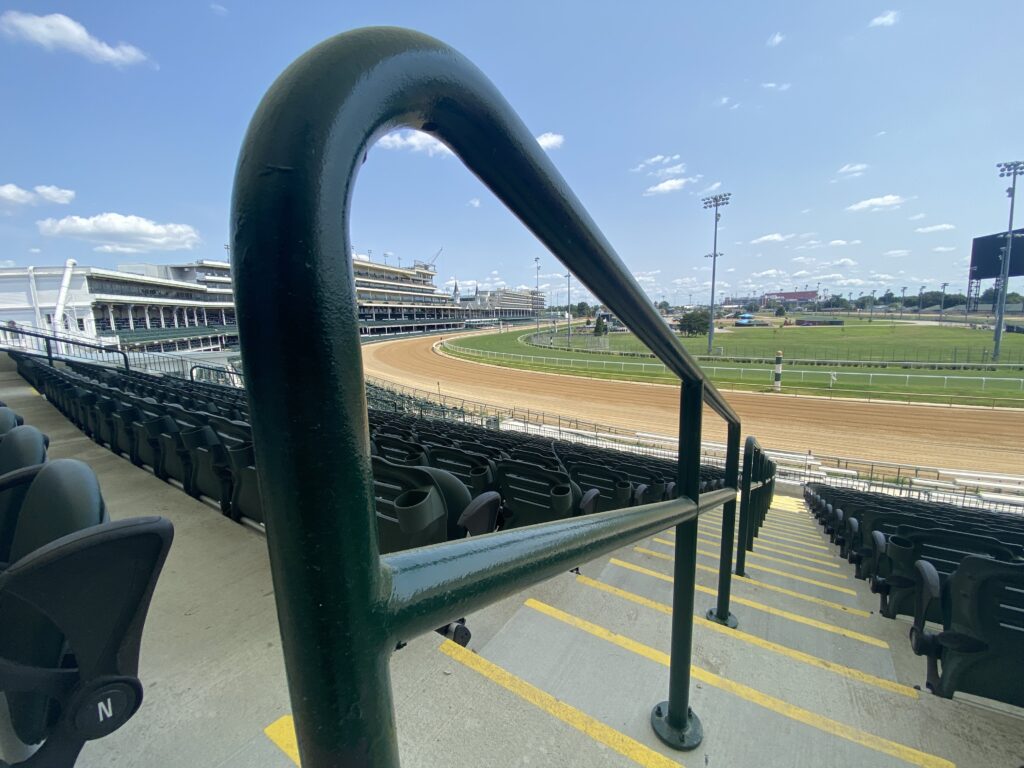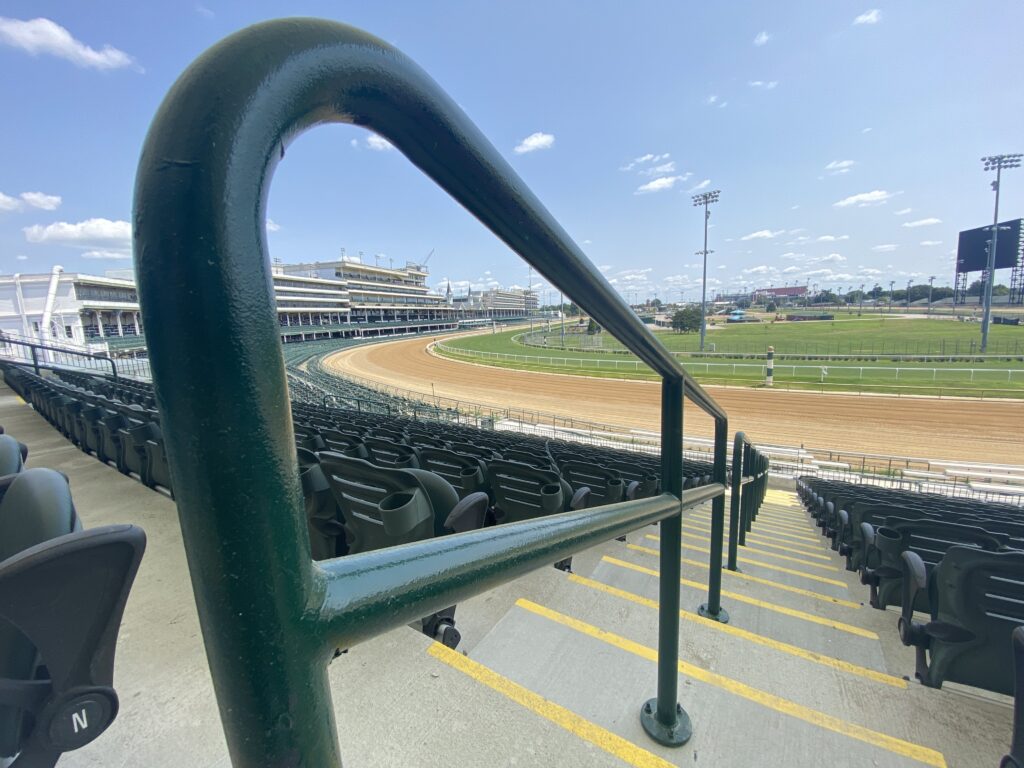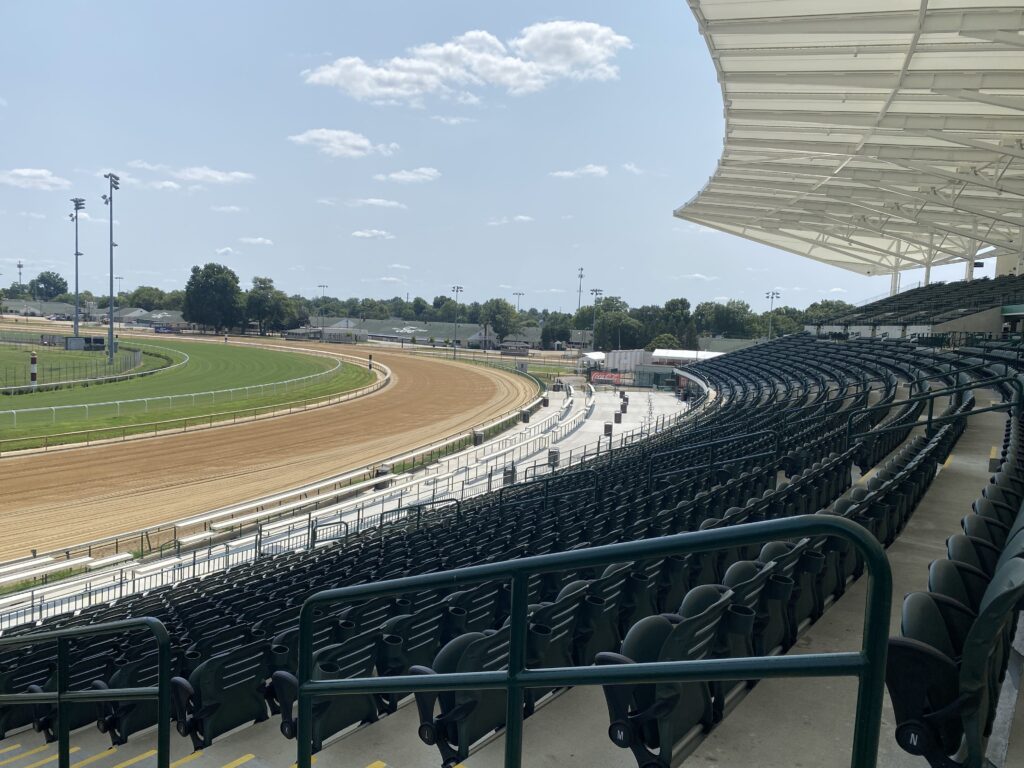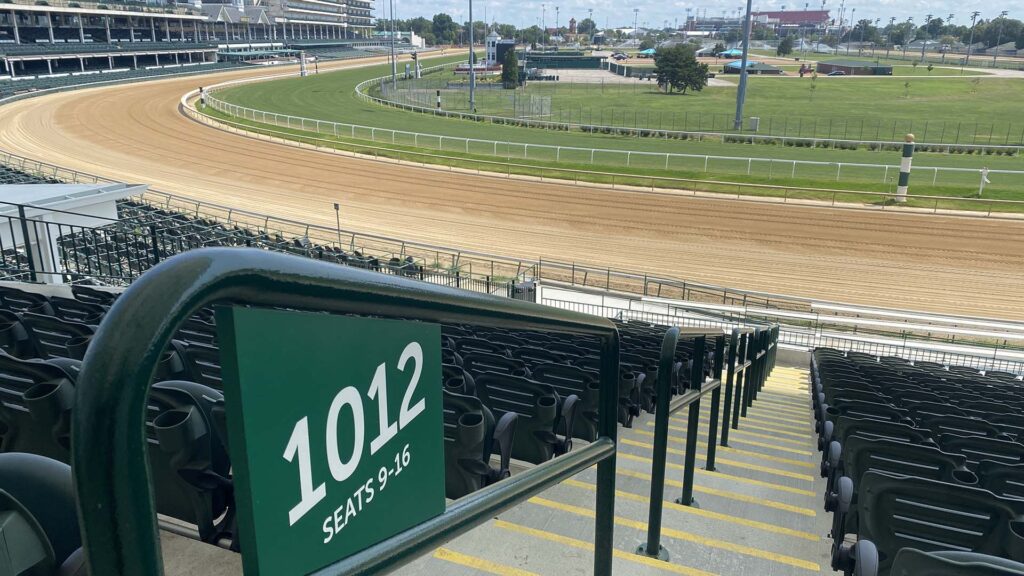
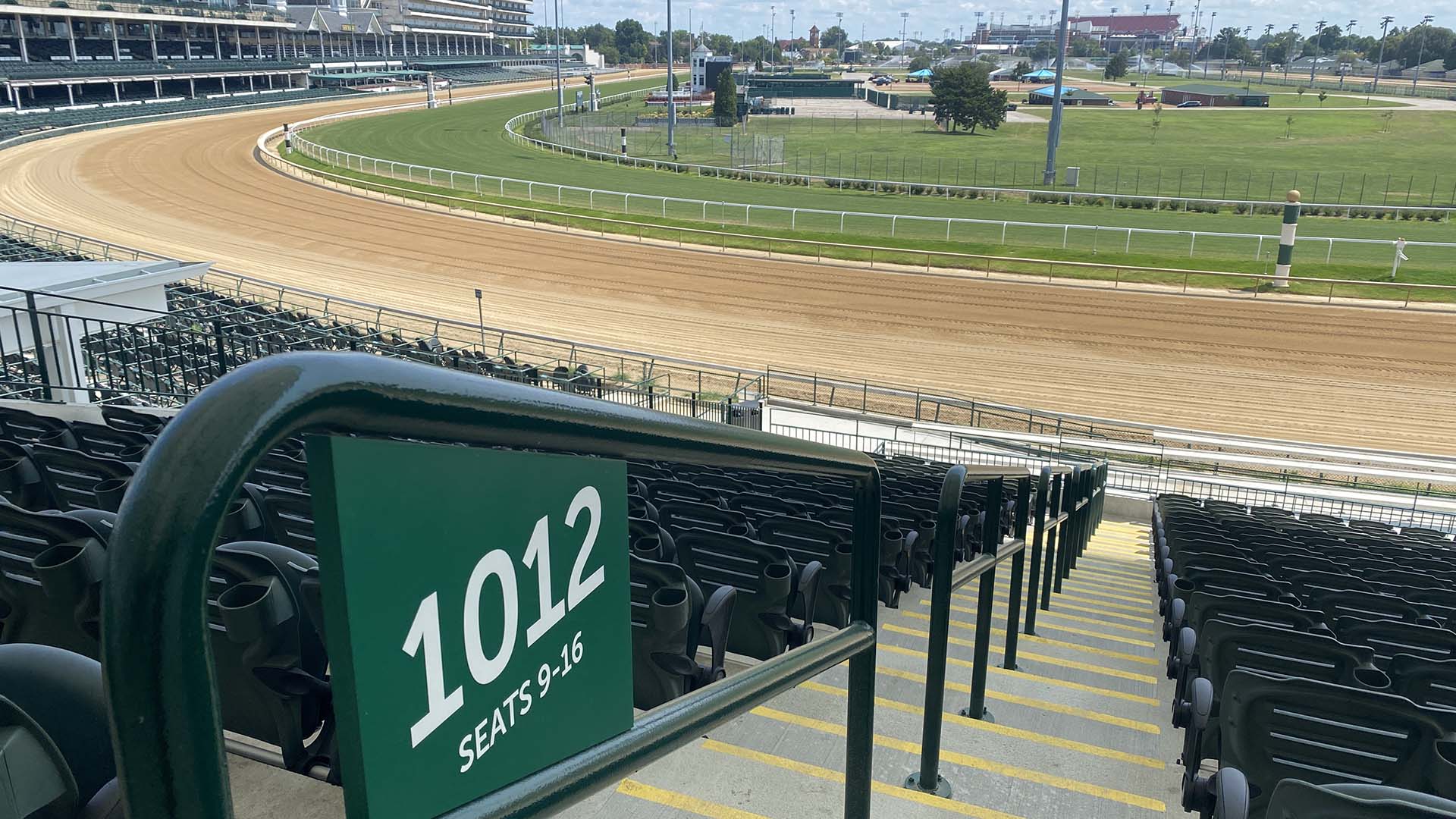
It’s one of the most iconic views in sports, and with the recent Turn 1 upgrade, that experience has been elevated in a way that feels both modern and true to the track’s legacy.
What was once a temporary seating area has been transformed into a permanent, premium destination with expanded capacity, covered seating, and thoughtfully designed spaces that bring fans closer to the action. The scale of the project is impressive, but what makes it work day in and day out are the details. The elements people interact with without thinking twice. The features that need to perform just as well on a quiet day as they do when more than 150,000 people fill the venue for the Kentucky Derby.
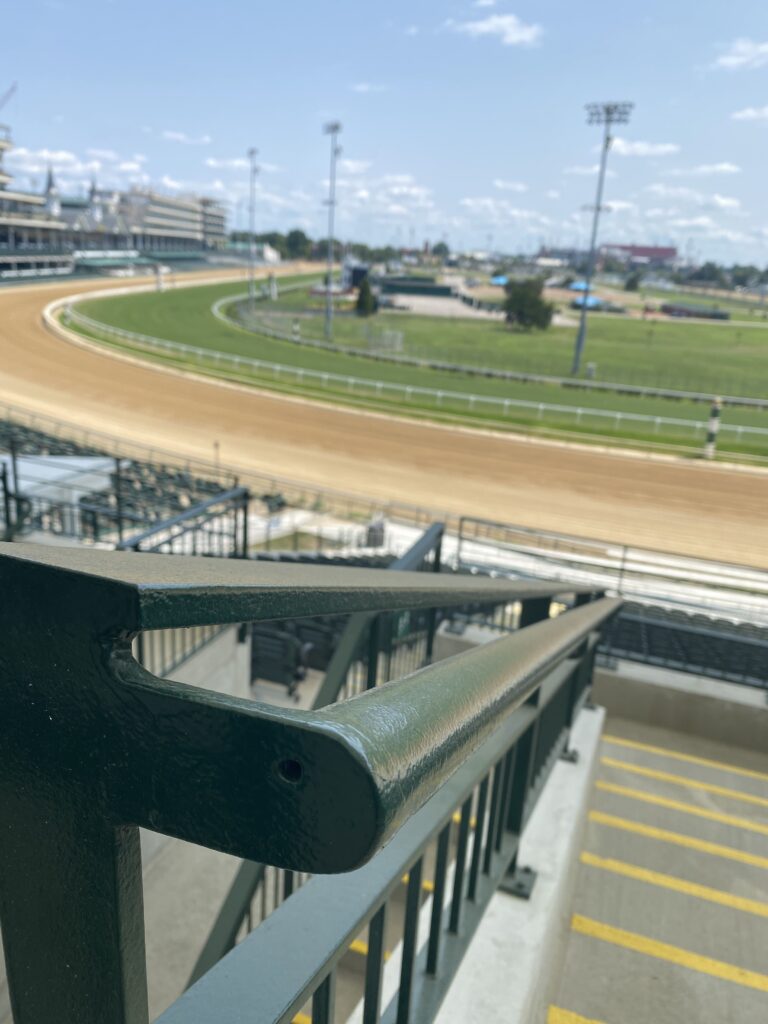
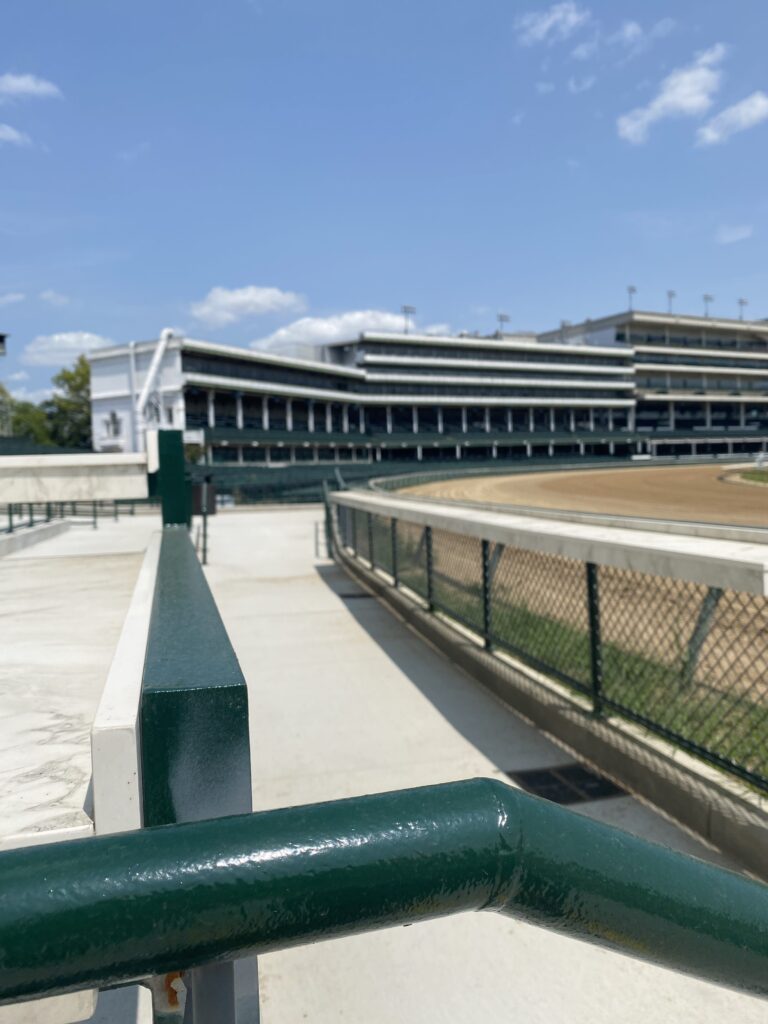
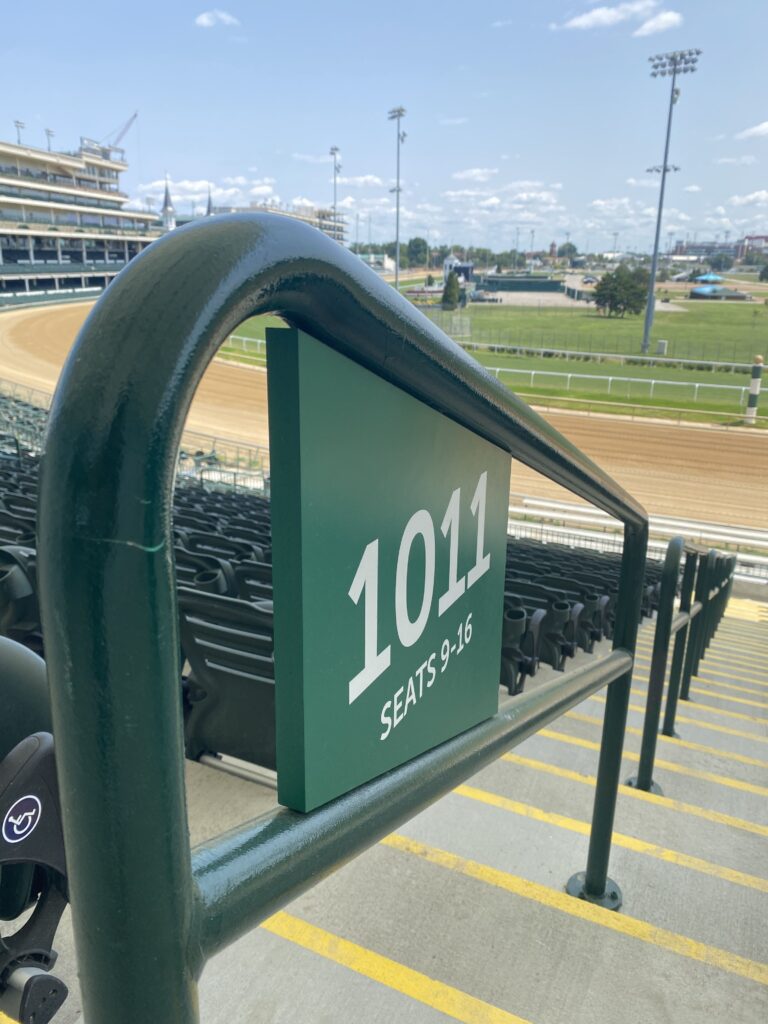
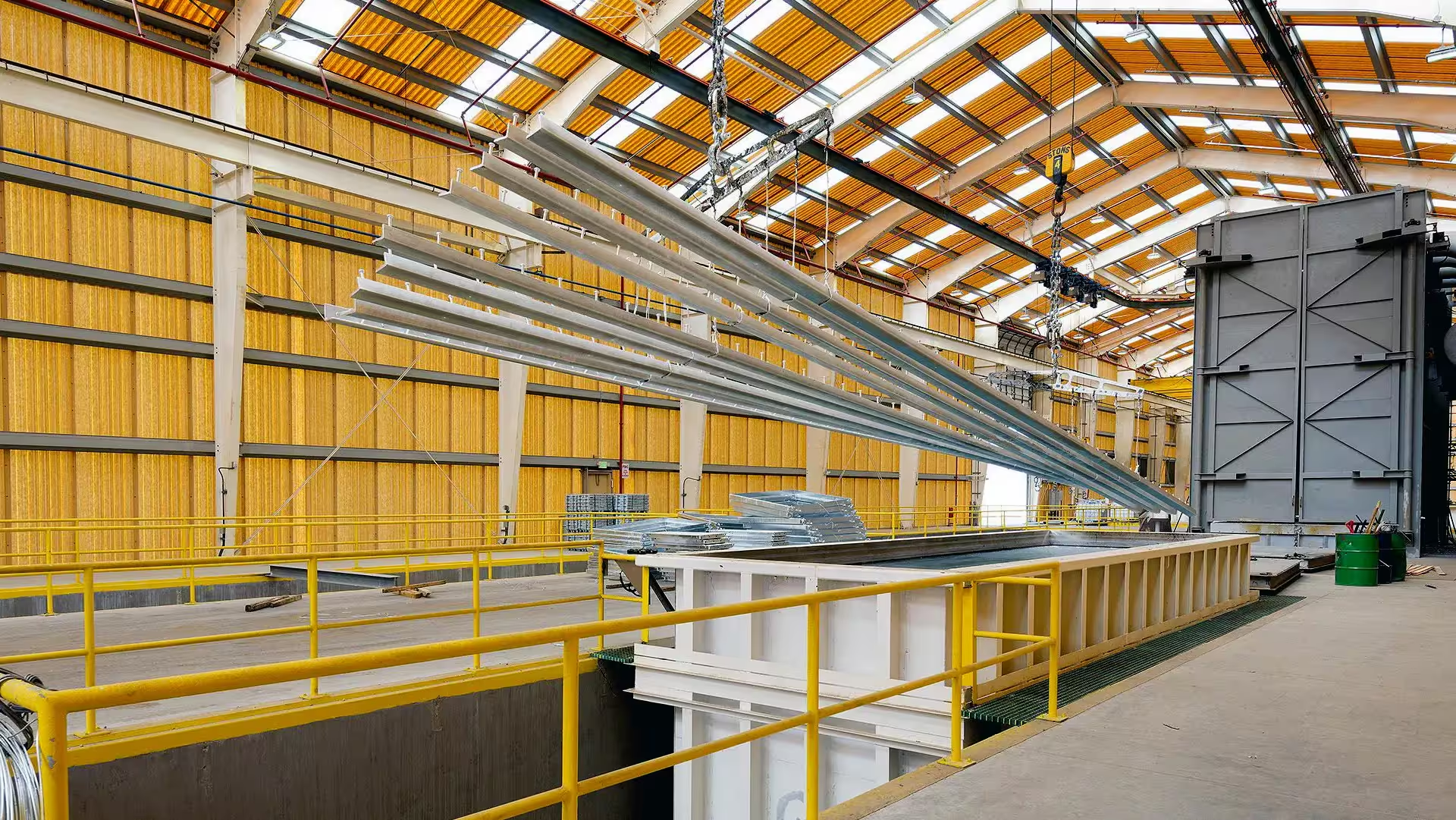
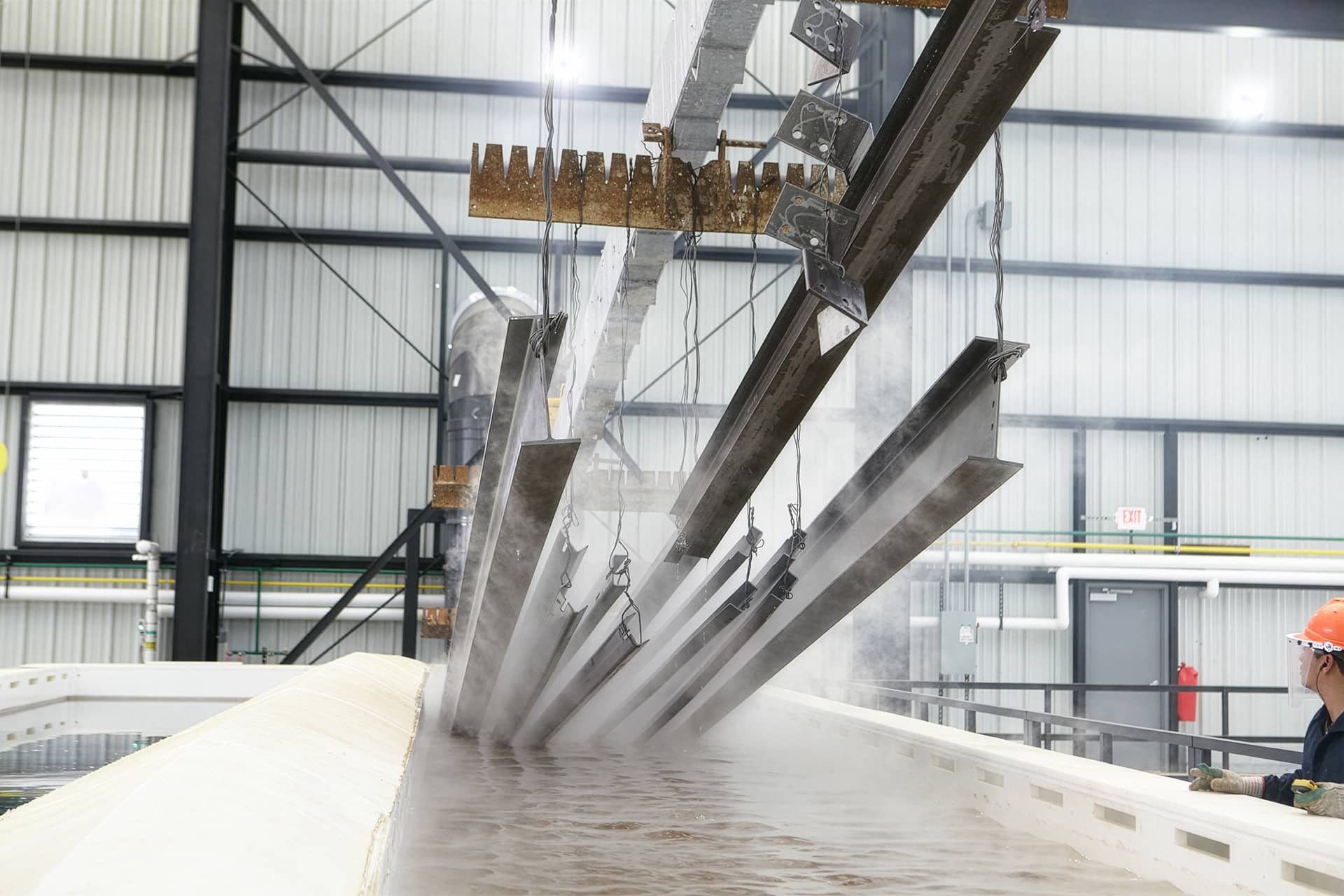
That’s where AZZ’s role comes into play. As part of the Turn 1 upgrade, AZZ Galvanizing – Plymouth provided hot-dip galvanizing for all of the handrails throughout the space. It’s a focused scope, but an important one. Handrails are constantly in use, exposed to the elements, and expected to maintain both their appearance and integrity over time. In this case, they were finished as part of a duplex system, combining galvanizing with an additional coating layer to deliver both corrosion protection and a consistent, high-quality finish.
The benefit of a duplex system is not just additive, it is synergistic. The galvanized layer protects the steel beneath, while the topcoat extends the life of the system even further, often delivering significantly longer performance than either system alone. For a venue like Churchill Downs, that means fewer maintenance concerns, longer service life, and a better experience for guests year after year.
It’s not the headline feature of the project. Most visitors won’t notice it. But as they move through the space, find their seats, and lean in to catch that first turn, it’s part of what makes the experience feel seamless. At a place defined by tradition, even the smallest upgrades are built to last.
Key Takeaways
- AZZ Galvanizing – Plymouth provided hot-dip galvanizing for all handrails in the Turn 1 upgrade
- Handrails were finished as part of a duplex system for enhanced durability and appearance
- Duplex systems extend service life by combining galvanizing with a protective topcoat
- High-touch components like handrails require long-term corrosion protection and performance
- Small, often overlooked details play a critical role in the overall fan experience