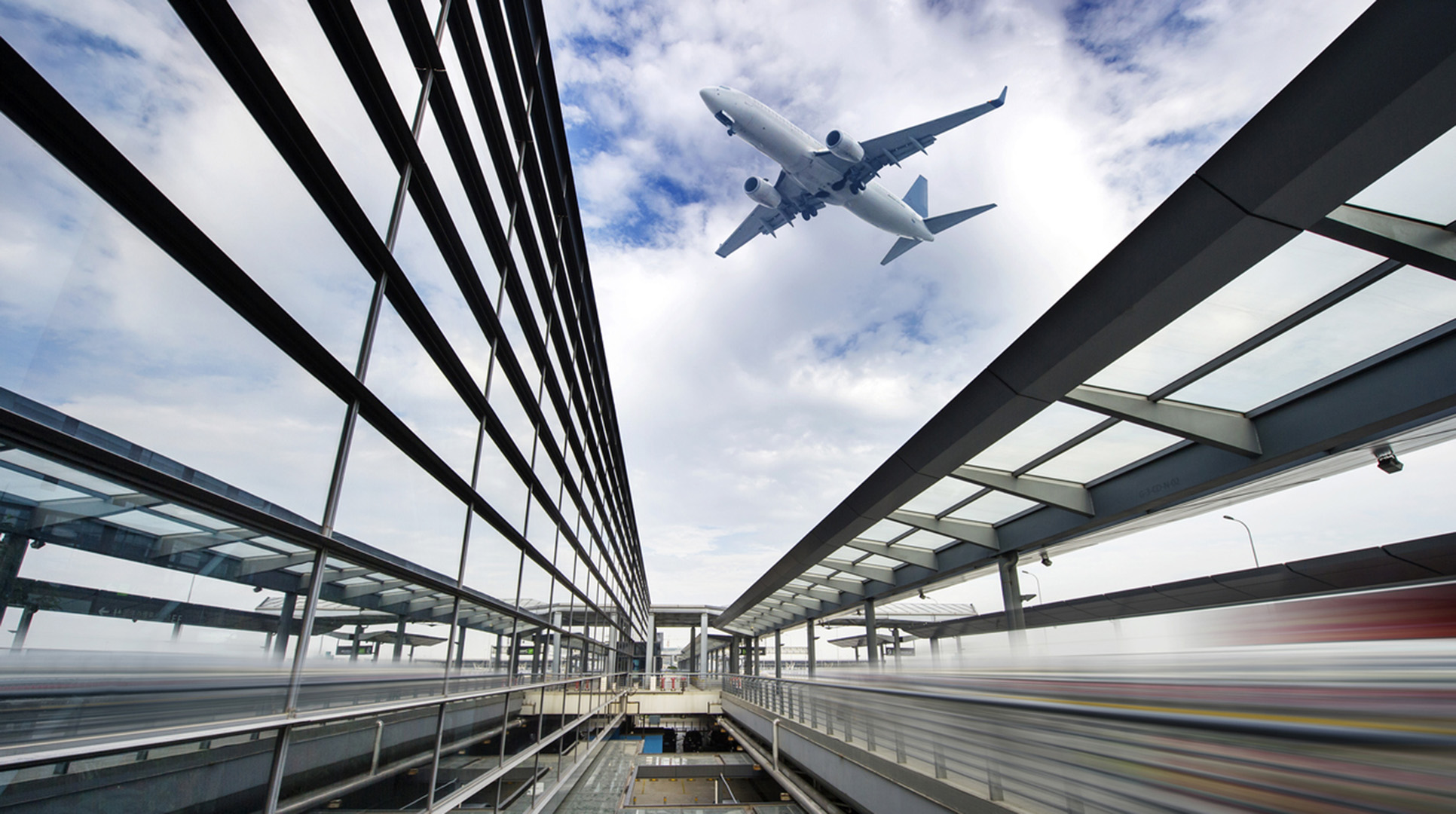
From terminal expansions and parking structures to maintenance hangars and airside infrastructure, these facilities are expected to perform reliably for decades while operating in some of the most demanding environments imaginable.
As airports continue to evolve, material durability has become an increasingly important part of the infrastructure conversation. Exposed steel throughout airport environments must withstand constant weather exposure, humidity, UV radiation, heavy traffic, and, in many regions, aggressive deicing chemicals. At the same time, airports operate around the clock, making maintenance activities more disruptive, expensive, and difficult to coordinate than at many traditional commercial facilities.
This is where hot-dip galvanizing continues to play an important role.
Airports Operate Like Small Cities
Airports function much like self-contained cities. Beyond terminals and runways, they include parking structures, pedestrian walkways, utility infrastructure, service roads, maintenance facilities, security fencing, lighting systems, transit connections, baggage handling support structures, and countless other steel components that must remain dependable over long service lives.
Many of these assets are exposed continuously to moisture, changing temperatures, and high-use conditions that can accelerate corrosion over time. At the same time, airports often have limited opportunities for disruptive maintenance work. Repairs may require security coordination, restricted access procedures, overnight work windows, traffic rerouting, or temporary operational adjustments. For airport owners and operators, minimizing future maintenance demands can be just as important as initial construction costs.
As airports expand and modernize, many owners and design teams are placing greater emphasis on materials capable of supporting long service life with reduced maintenance demands.
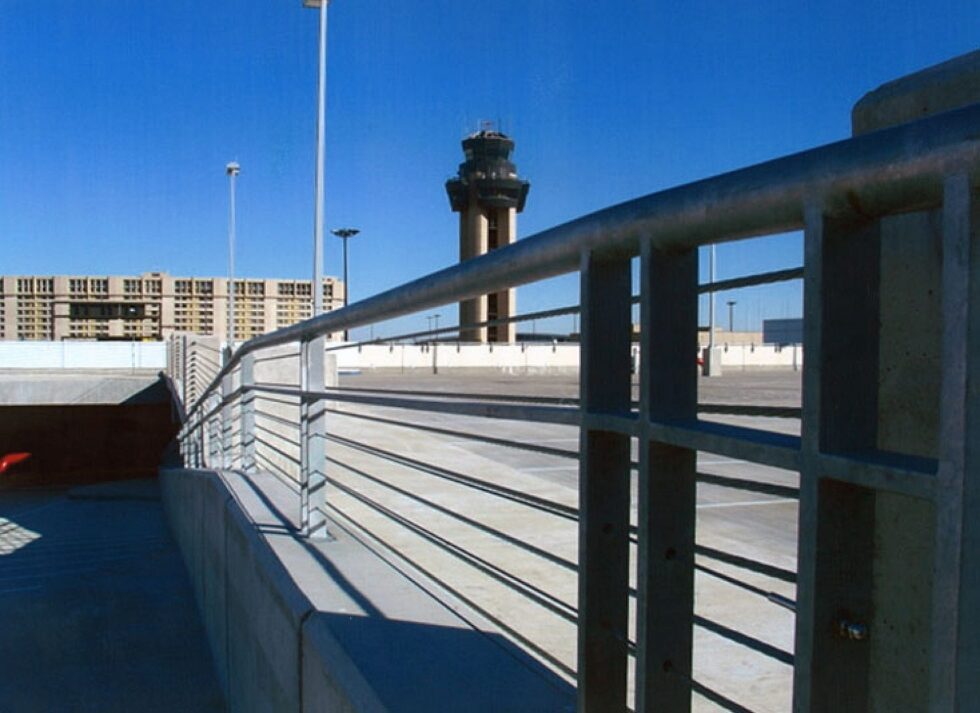
This reality is reflected in projects such as the DFW Terminal D International Parking Garage, where hot-dip galvanized stairs, handrails, fencing, and embeds were selected to provide long-term durability in a highly trafficked public environment. The project team also utilized galvanizing as a cost-effective alternative to stainless steel while maintaining the structure’s modern architectural appearance.
Built for Demanding Environments
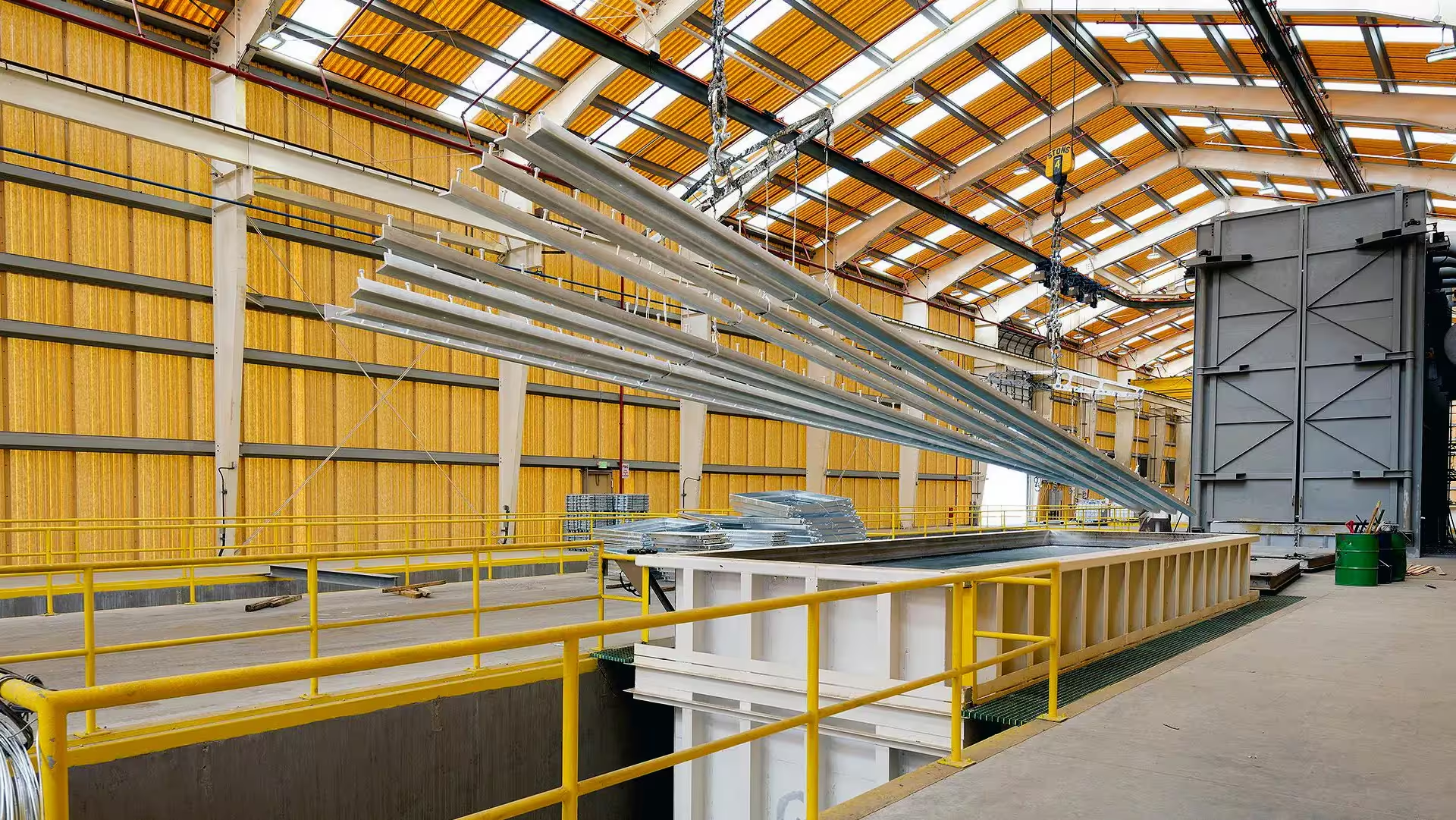
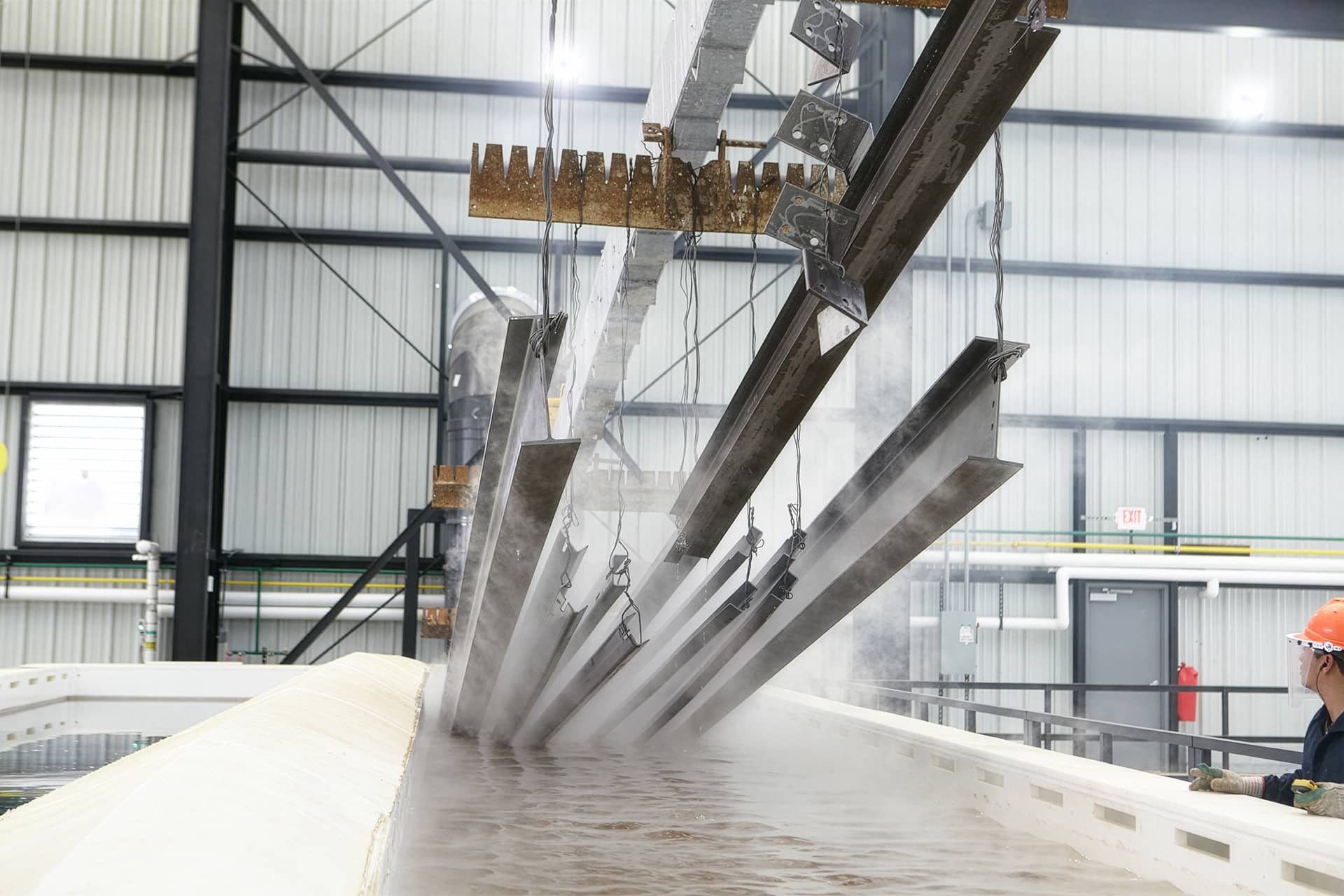
Hot-dip galvanizing provides a durable, metallurgically bonded coating that helps protect steel infrastructure in demanding airport environments. Its long service life and corrosion resistance make it a practical choice for a wide range of applications, including structural steel, exposed architectural elements, airside barriers, lighting structures, stair towers, equipment platforms, fencing, and support infrastructure throughout airport campuses.
Environmental conditions at airports can be especially severe. In colder climates, airport infrastructure faces repeated exposure to deicing salts and chemical runoff that can accelerate deterioration on unprotected steel. Coastal airports contend with salt-laden air and elevated humidity levels, while airports in hotter climates face intense UV exposure and thermal cycling. These combined stressors make corrosion protection a critical consideration during the design and specification process.
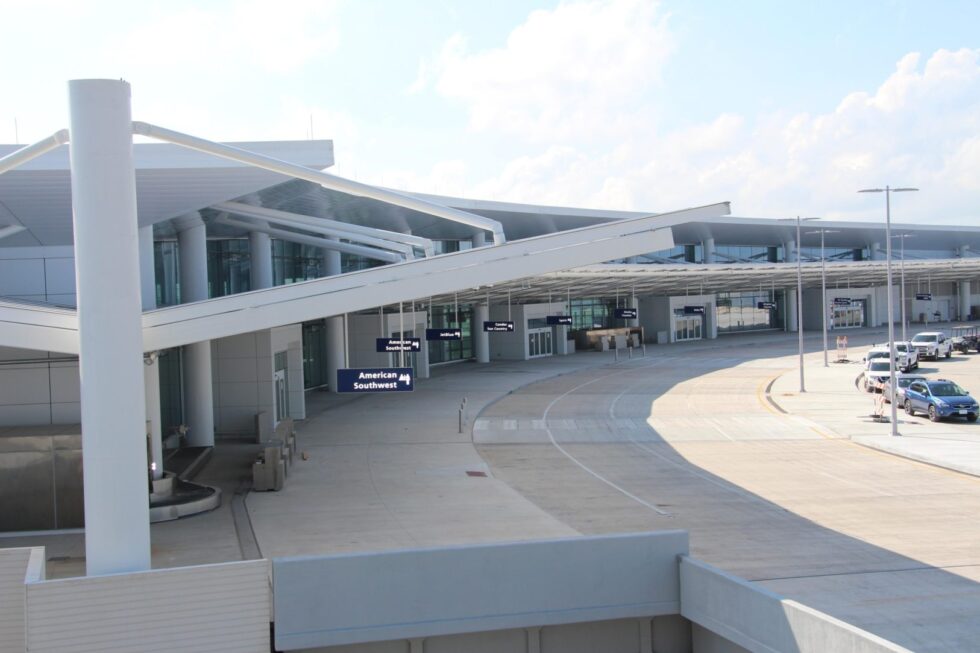
The Louis Armstrong New Orleans International Airport demonstrates how galvanized steel can support long-term infrastructure performance in harsh environmental conditions. The project incorporated hot-dip galvanized and duplex-coated steel throughout multiple applications, including handrails, bollards, canopies, and parking structures. Designers selected galvanizing in part because of its ability to support a 50-year design life with minimal maintenance requirements in New Orleans’ humid, corrosion-prone environment.
Supporting Modern Airport Design and Large Clear-span Constuction
Modern airport expansion projects increasingly emphasize both functionality and architectural identity. Exposed steel canopies, pedestrian bridges, parking structures, and transit connectors often contribute to the visual character of a facility while remaining exposed to years of environmental exposure and daily use. In these applications, durability and appearance must work together over the long term.
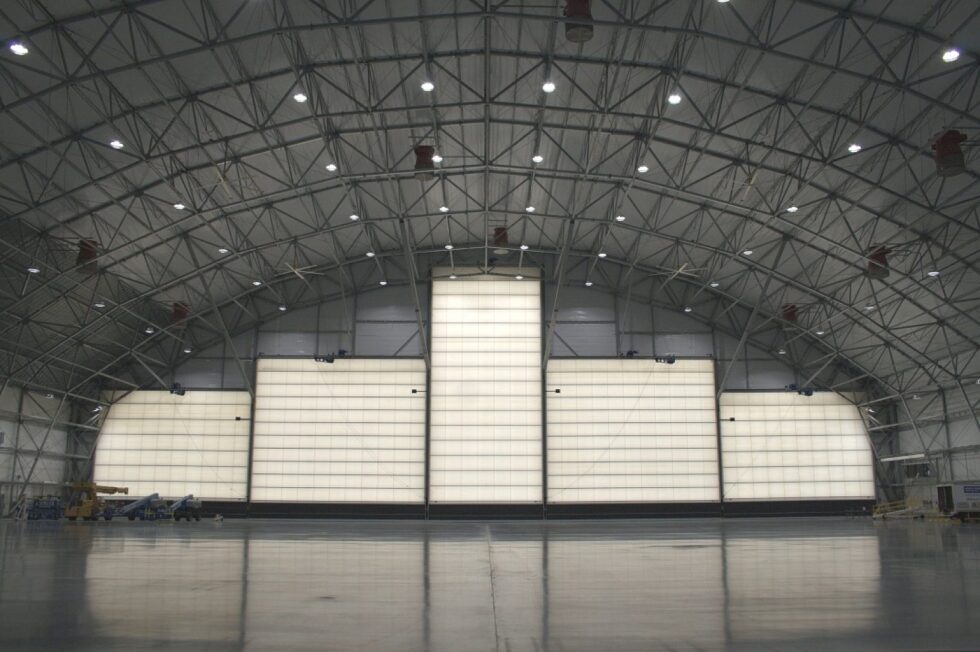
Aircraft maintenance and storage facilities also place significant demands on steel infrastructure. Large clear-span hangars must withstand environmental exposure while supporting reliable long-term operation with minimal maintenance interruptions. A leading aviation building manufacturer has incorporated galvanized structural framing into aircraft hangar systems designed for durability, rapid construction, and long service life in demanding aviation environments. These structures demonstrate how galvanized steel can support both operational performance and lifecycle value across modern airport facilities.
As infrastructure owners place greater emphasis on lifecycle value, long-term resilience, and operational continuity, galvanized steel continues to align well with the demands of airport construction. Longer service life, reduced maintenance frequency, and fewer disruptions to active airport operations can all contribute to lower lifecycle costs and improved long-term performance.
Planning for Decades of Service
For expanding airports, corrosion protection is not simply about preserving steel. It is about supporting infrastructure expected to operate continuously, safely, and efficiently for decades in highly demanding environments.
As airports continue investing in expanded terminals, parking facilities, maintenance buildings, and supporting infrastructure, long-term durability will remain an important part of the design conversation. For many steel applications throughout modern airport environments, hot-dip galvanizing continues to provide a practical solution capable of supporting both operational performance and lifecycle value for decades to come.
Key Takeaways
- Modern airport expansion projects increasingly prioritize long-term durability, operational continuity, and reduced maintenance demands.
- Airports expose steel infrastructure to some of the industry’s harshest corrosion conditions, including deicing chemicals, humidity, UV exposure, and heavy daily use.
- Maintenance activities at airports are often costly and disruptive due to security restrictions, operational coordination, and limited shutdown windows.
- Hot-dip galvanizing provides long-term corrosion protection for a wide range of airport infrastructure applications.
- Galvanized steel is commonly used throughout airport environments, including terminals, parking structures, hangars, pedestrian walkways, lighting systems, fencing, and airside infrastructure.
- Durable corrosion protection systems can help airports support long-term infrastructure performance while minimizing future operational disruptions.