
Infrastructure projects are increasingly being challenged to do more than simply serve a functional purpose. The award-winning SmogStop Highway Purification Wall project is a prime example of how modern infrastructure can combine engineering, sustainability, and durability into a single innovative solution.
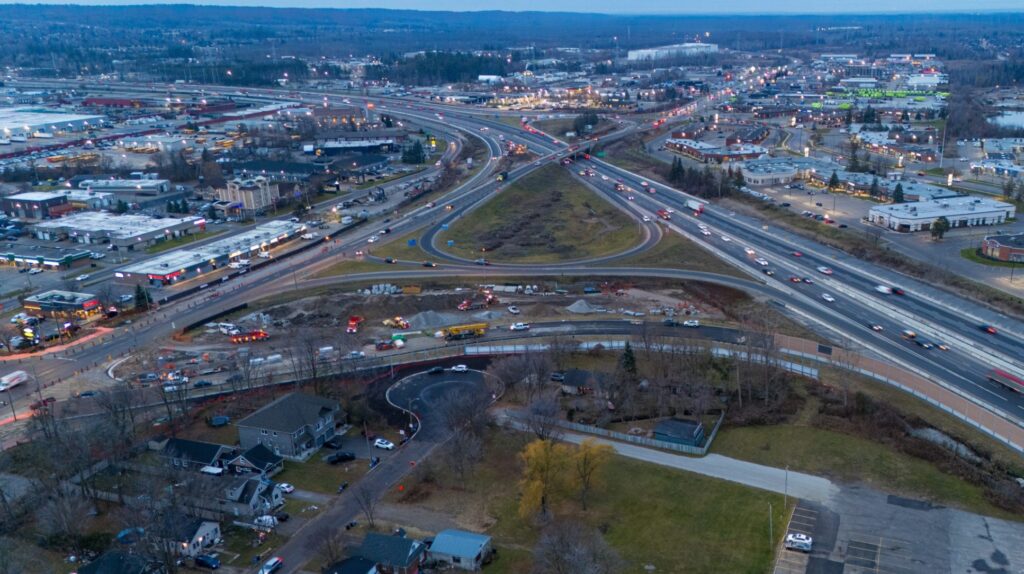
Recently recognized with a 2026 Excellence in Hot-Dip Galvanizing Award from the American Galvanizers Association, the SmogStop project transformed a traditional highway sound barrier into an active air purification system designed to help improve air quality along a busy transportation corridor in Ontario.
AZZ is proud that the galvanizing work for this groundbreaking project was completed by AZZ Galvanizing – Acton.
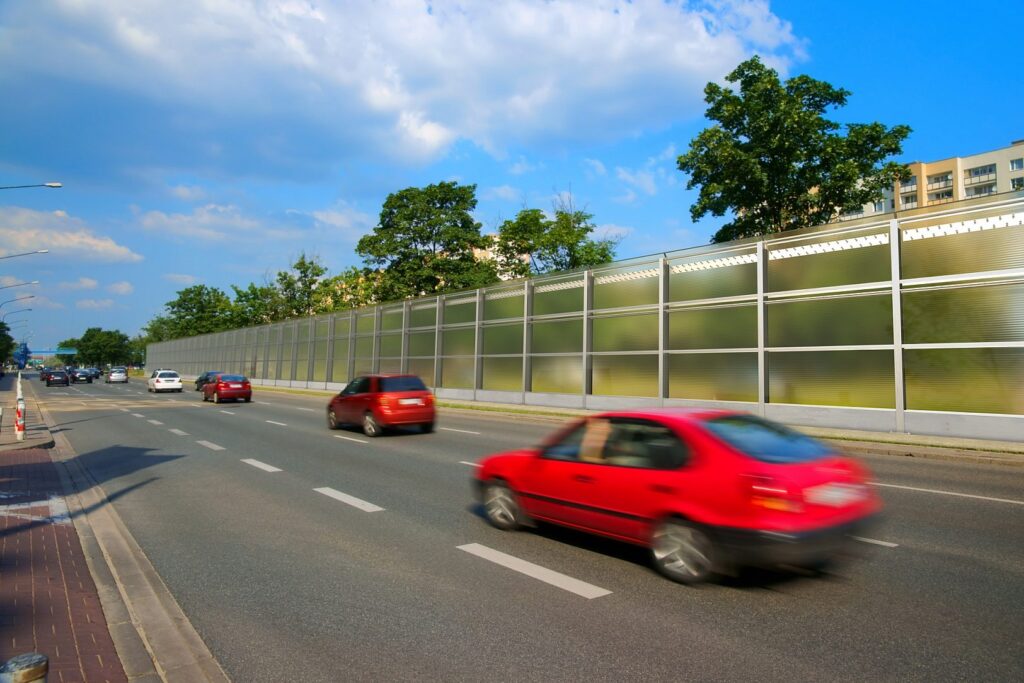
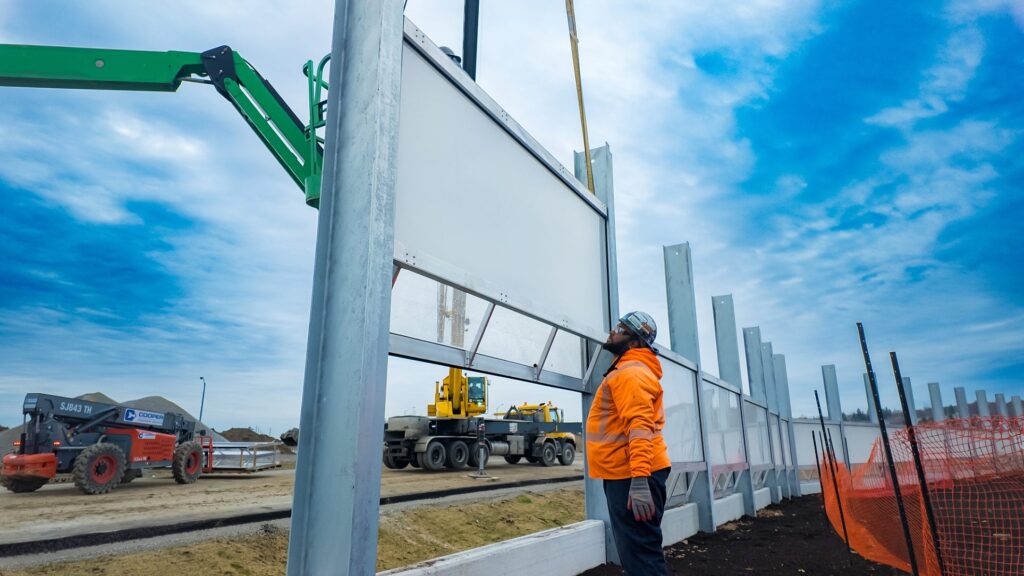
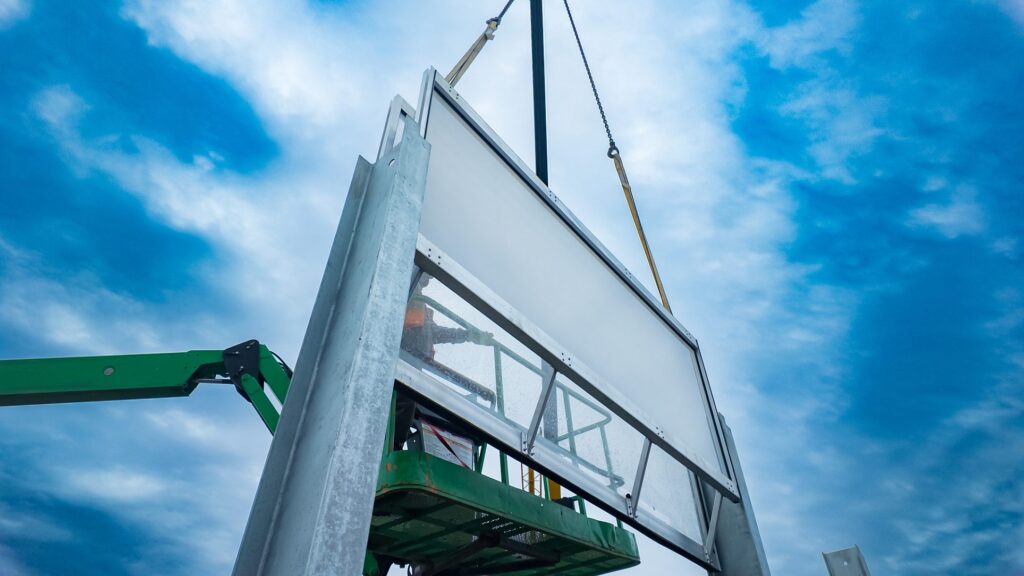
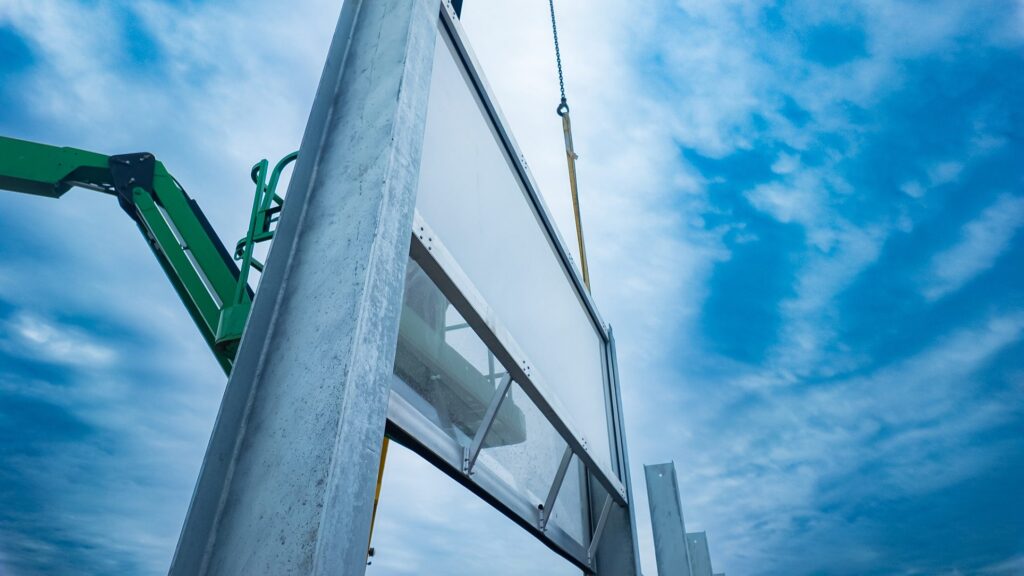
Unlike conventional sound barriers, the SmogStop system incorporates a double-walled aerodynamic design that channels vehicle emissions through an internal cavity. Inside the system, photocatalytic coatings activated by sunlight work to break down pollutants such as nitrogen oxides (NOx) and volatile organic compounds (VOCs) into less harmful substances.
The project demonstrates how infrastructure can move beyond passive functionality to actively support environmental improvement.
While the environmental innovation attracted significant attention, long-term durability was equally important to the project’s success. Highway infrastructure must withstand constant exposure to moisture, road salt, freeze-thaw cycling, airborne contaminants, and traffic vibration. In these harsh conditions, corrosion protection becomes critical to ensuring reliable long-term performance while minimizing maintenance demands.
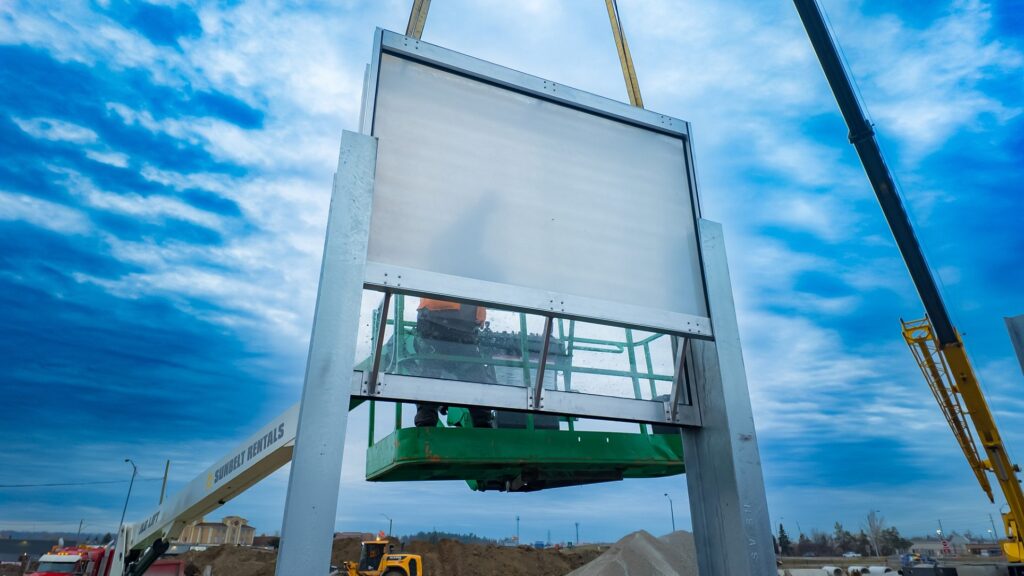
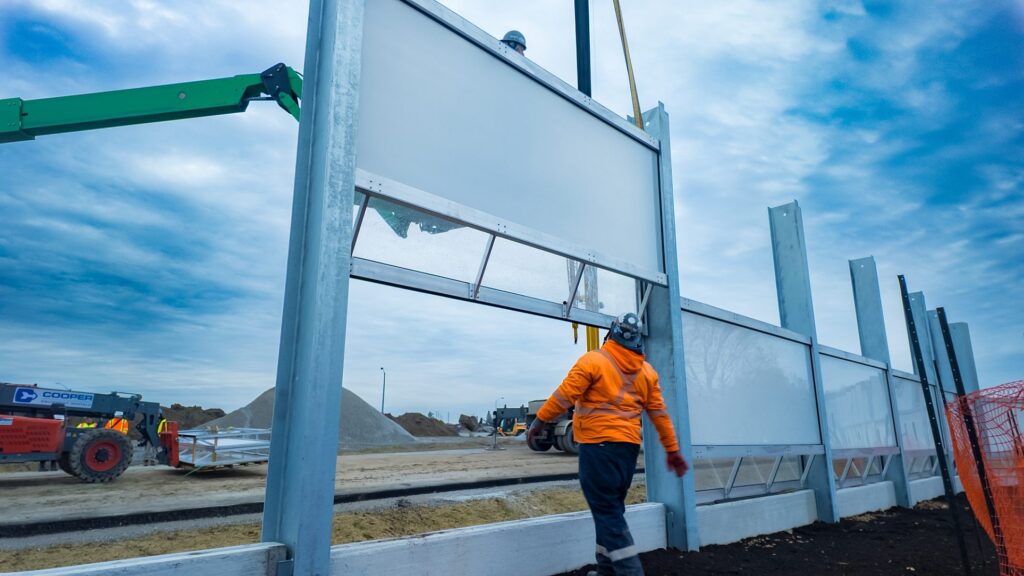
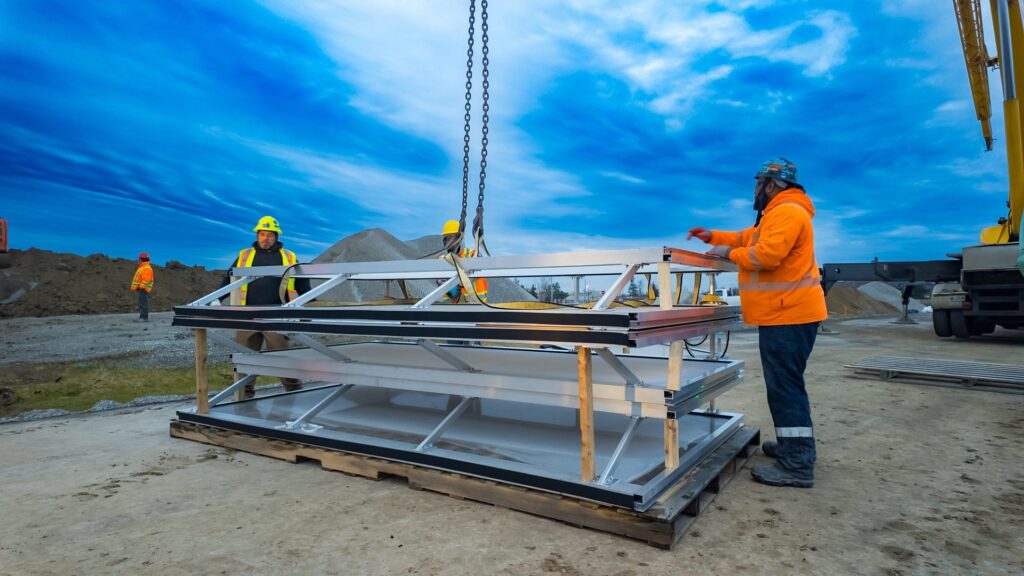
Hot-dip galvanizing provided the durable corrosion protection needed for the steel support structure throughout the installation. AZZ Galvanizing – Acton processed the galvanized steel components supporting 88 full-length purification panels totaling approximately 8,843 square feet and roughly 84,000 pounds of panel weight, along with 54 galvanized steel support posts.
The project stood out to judges not only because of its innovative environmental focus, but also because it highlighted galvanized steel as a key contributor to sustainable infrastructure. By pairing advanced air purification technology with the long-term performance benefits of hot-dip galvanizing, the SmogStop project demonstrated how durable steel infrastructure can support broader environmental goals.
Projects like SmogStop continue to showcase the evolving role of galvanized steel in modern infrastructure applications. From transportation systems and utility structures to architectural landmarks and environmental technologies, hot-dip galvanizing remains a proven solution for projects requiring longevity, resilience, and reduced lifecycle maintenance.
Congratulations to the team at AZZ Galvanizing – Acton for their contribution to this award-winning project and for helping support infrastructure innovation that looks beyond today’s challenges toward a cleaner future.
To learn more about the project and view the original submission, visit the American Galvanizers Association Project Gallery: https://galvanizeit.org/project-gallery/smogstop-highway-purification-wall
Key Takeaways
- The SmogStop Highway Purification Wall earned a 2026 Excellence in Hot-Dip Galvanizing Award from the American Galvanizers Association
- The project transformed a traditional highway sound barrier into an active air purification system
- AZZ Galvanizing – Acton provided hot-dip galvanizing for the project’s steel support structure
- The installation was designed to withstand harsh roadside exposure conditions including moisture, road salt, and pollution
- The project highlights how galvanized steel can support innovative, sustainability-focused infrastructure applications