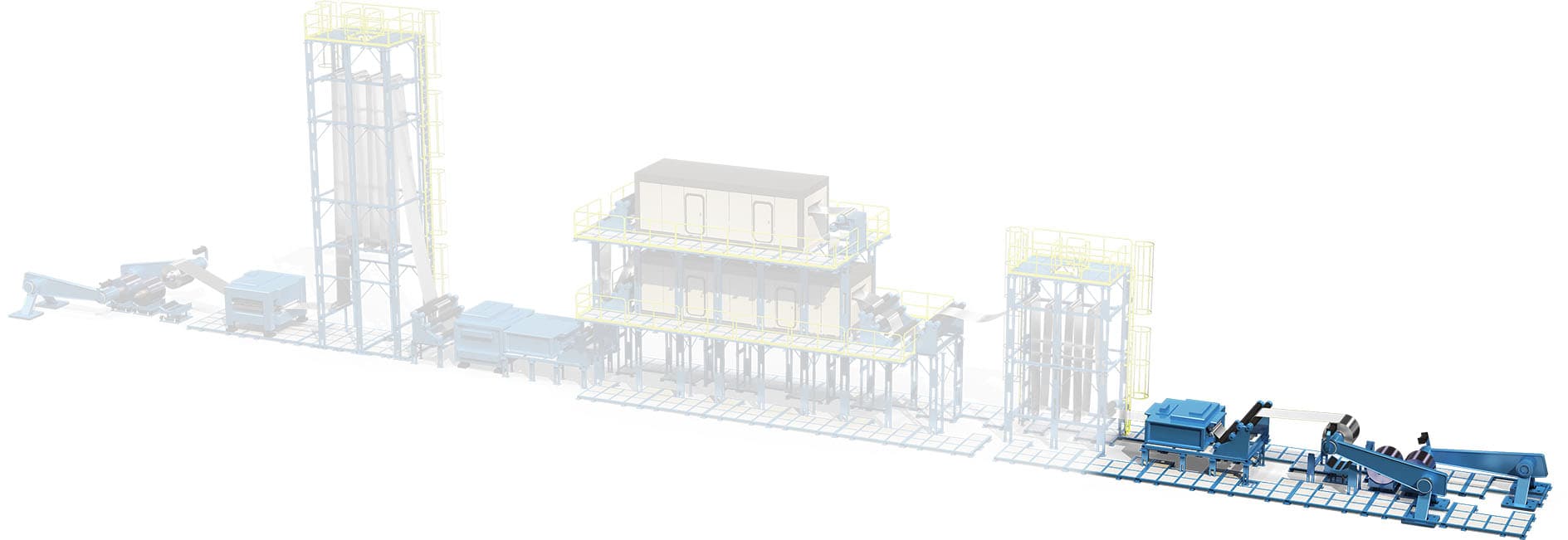
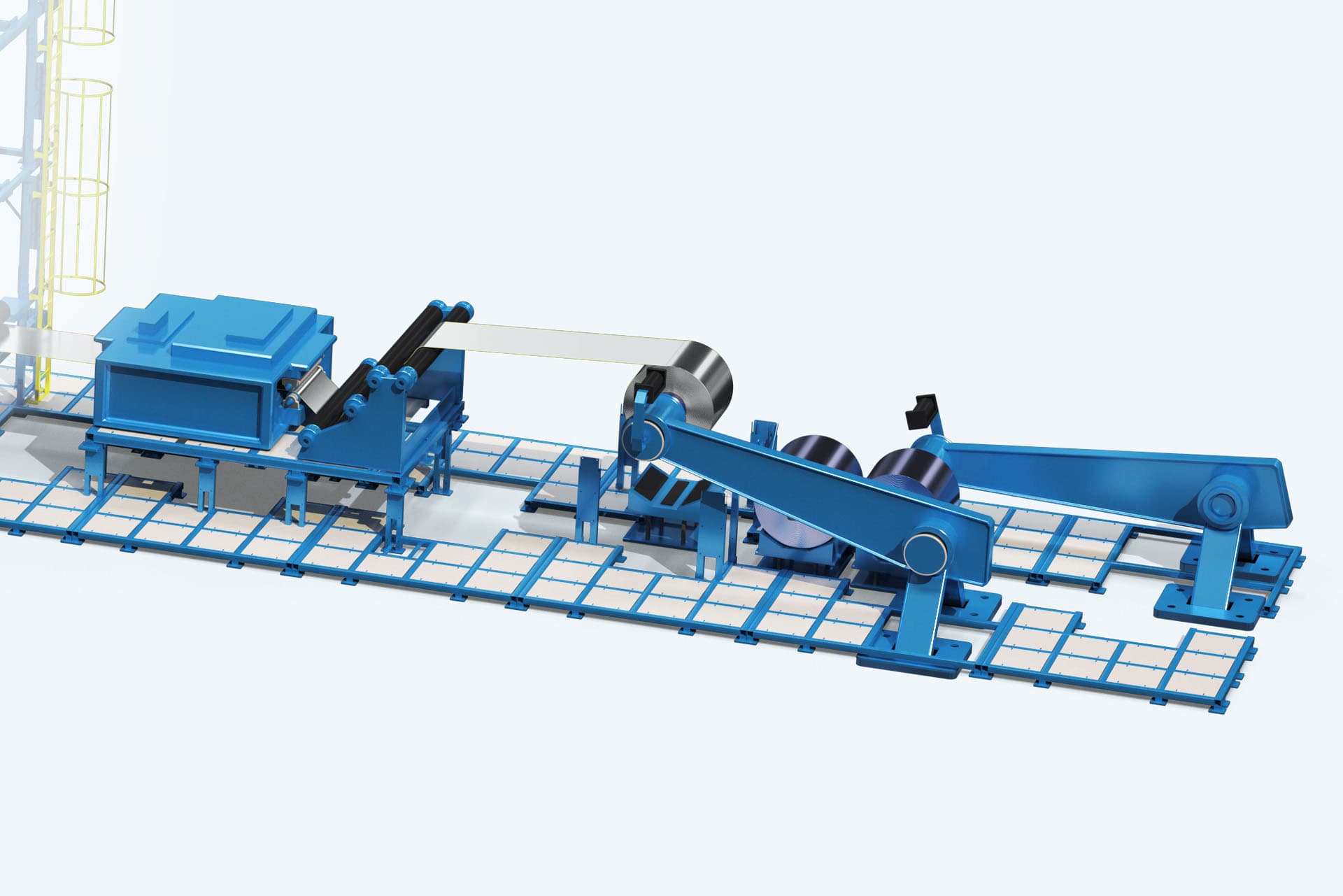
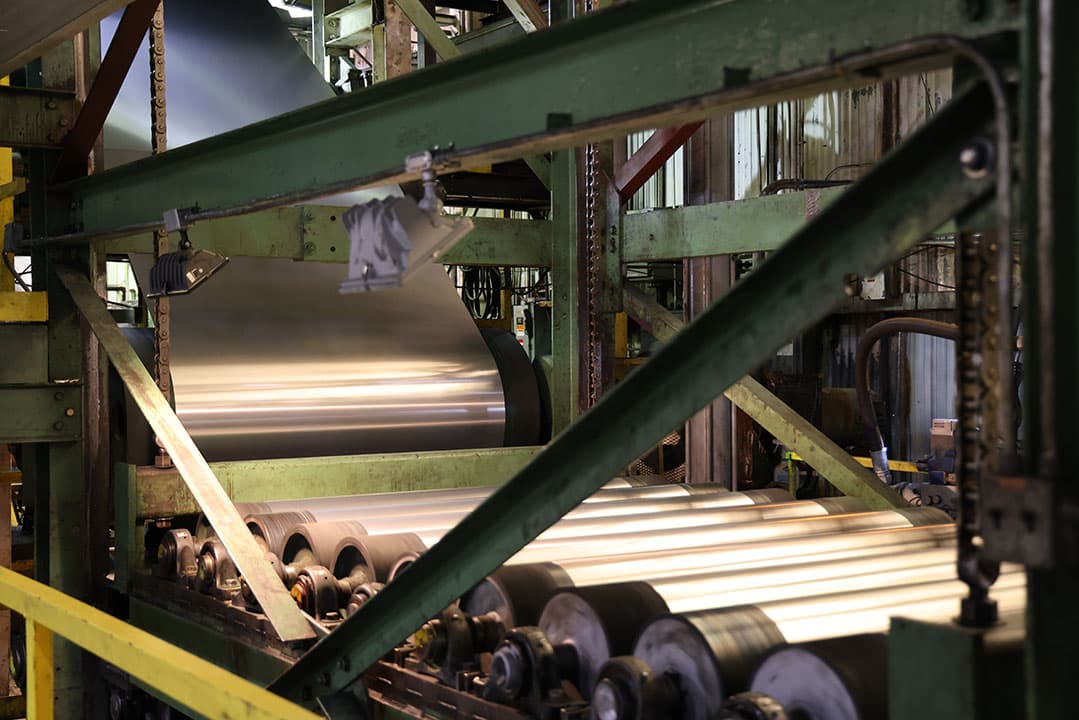
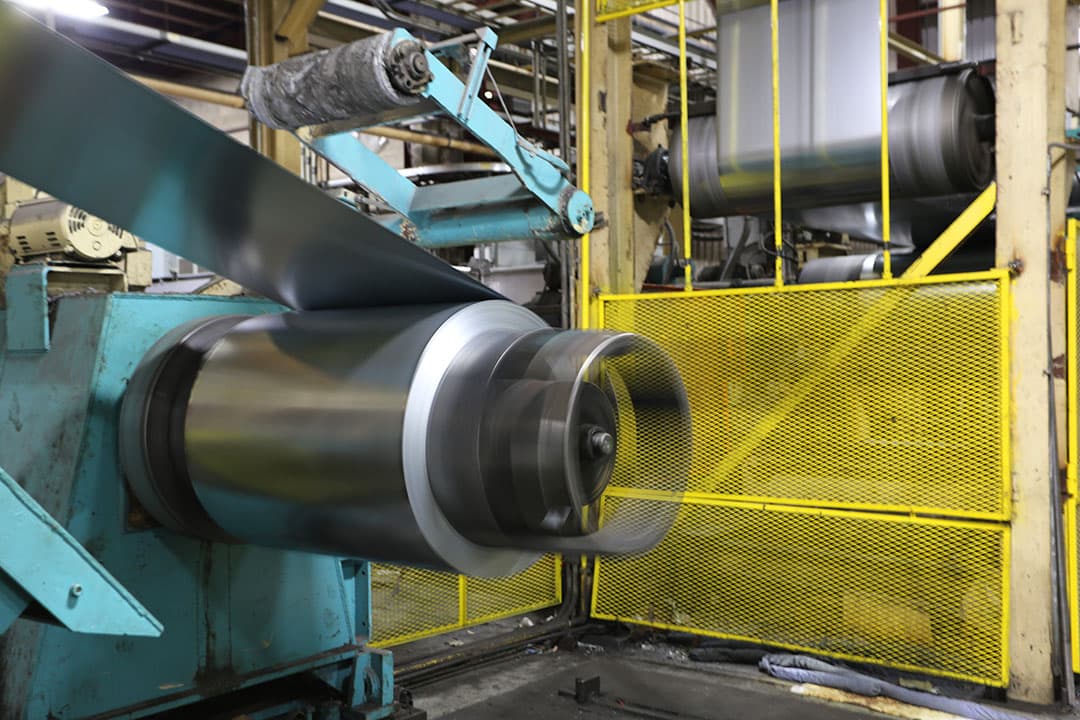
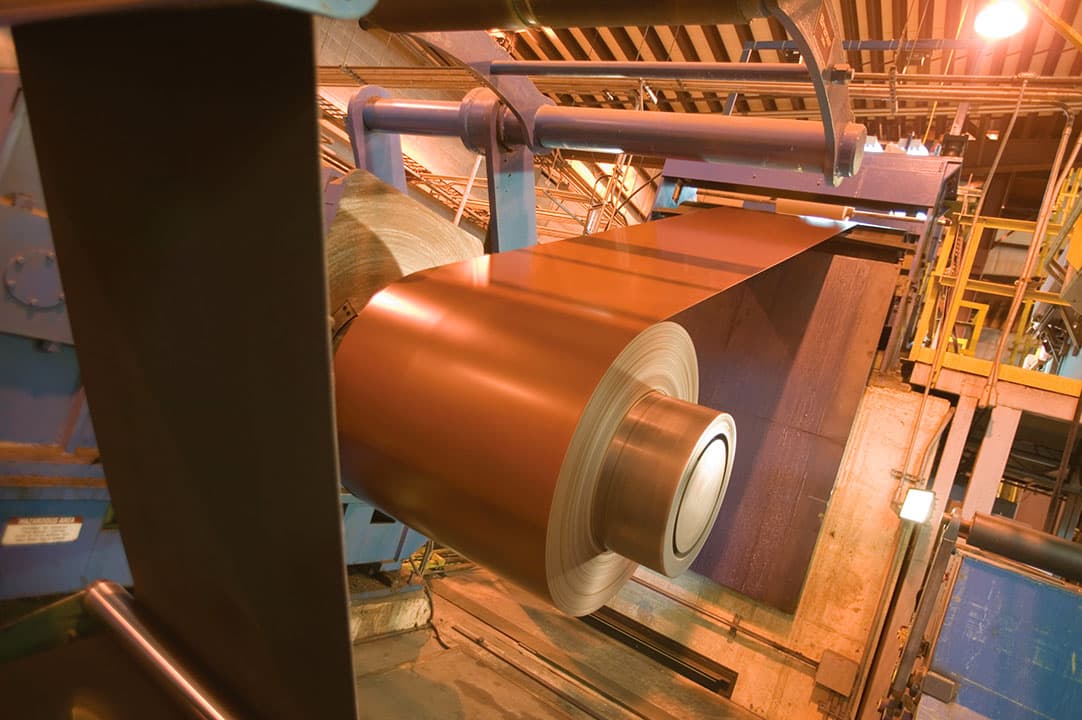
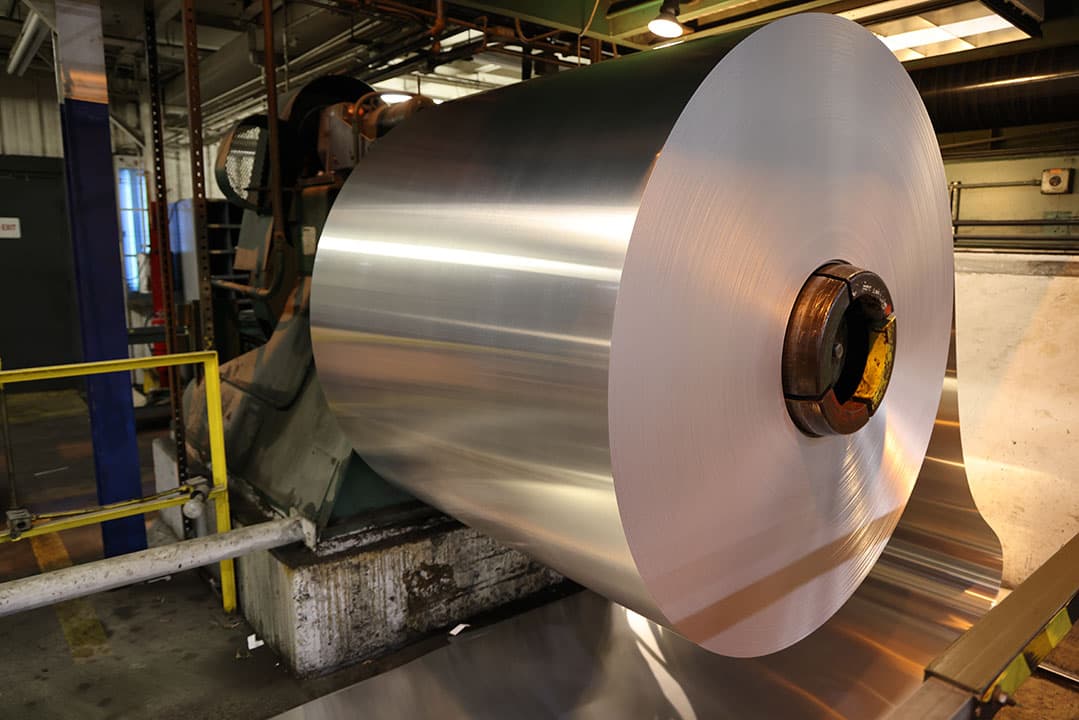
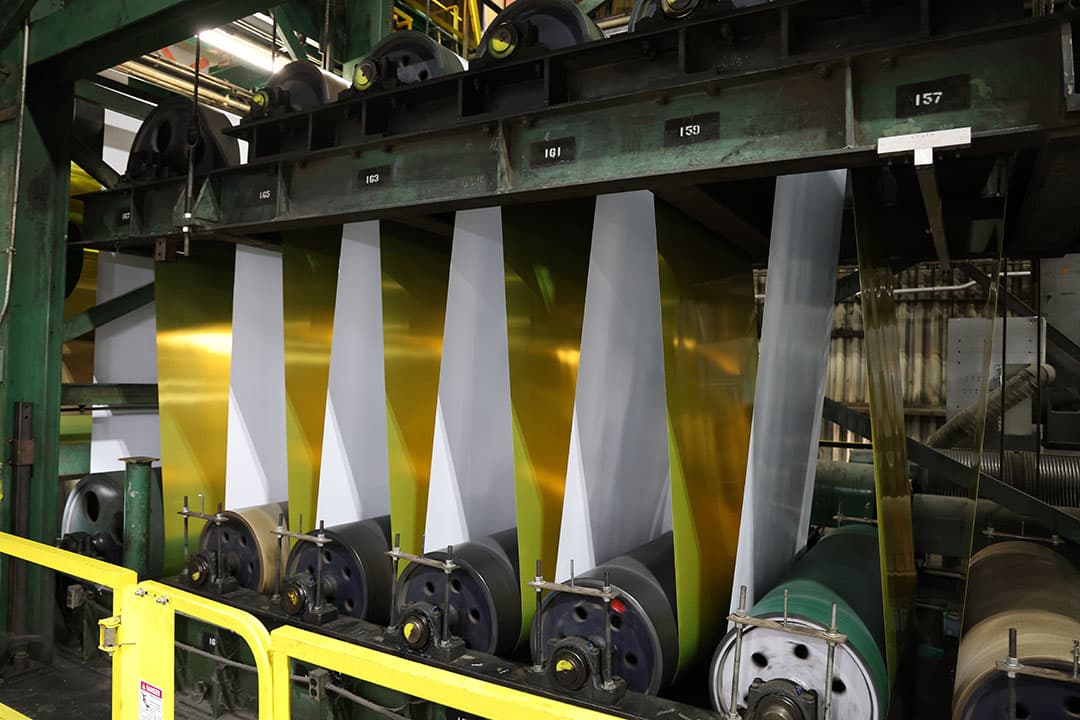
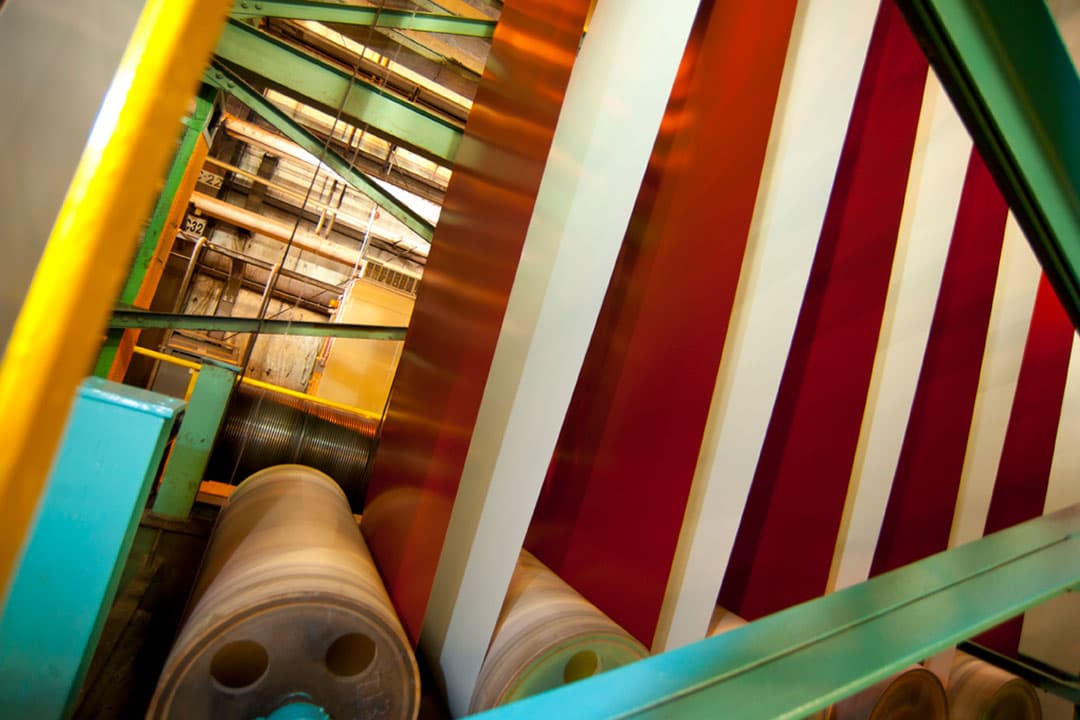
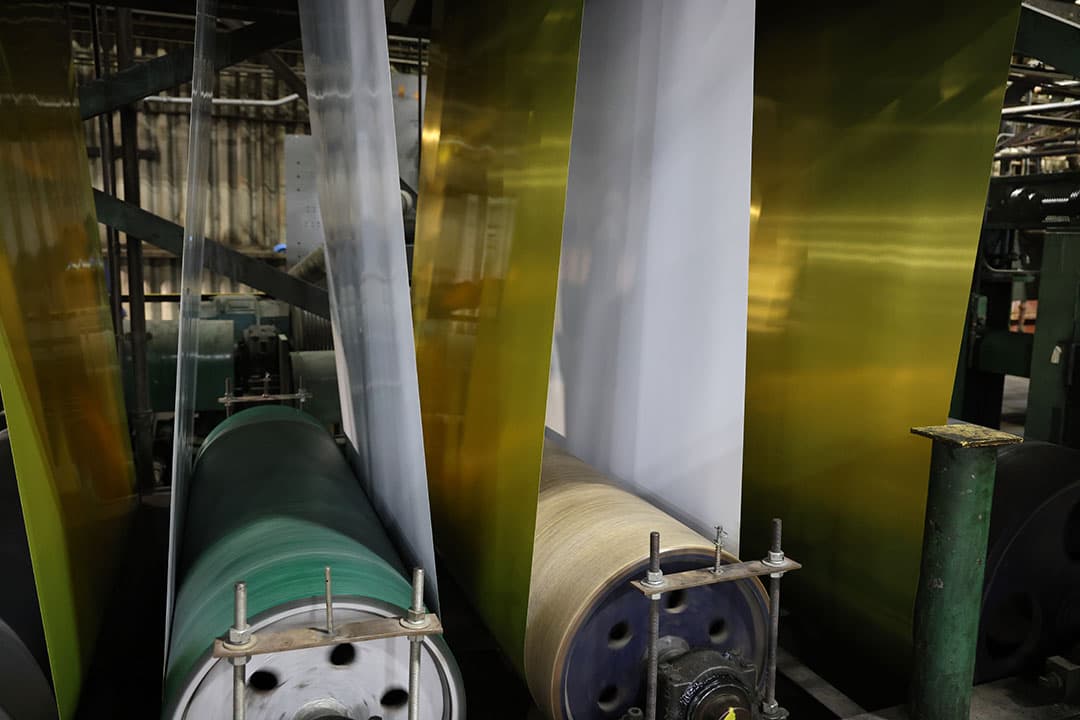
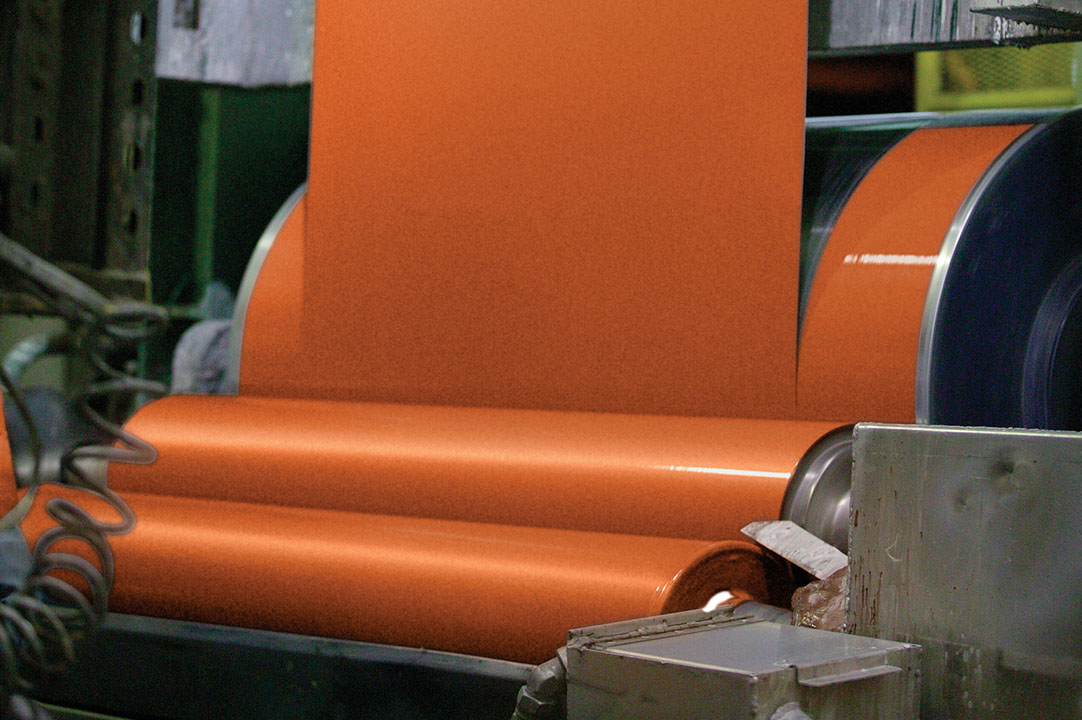
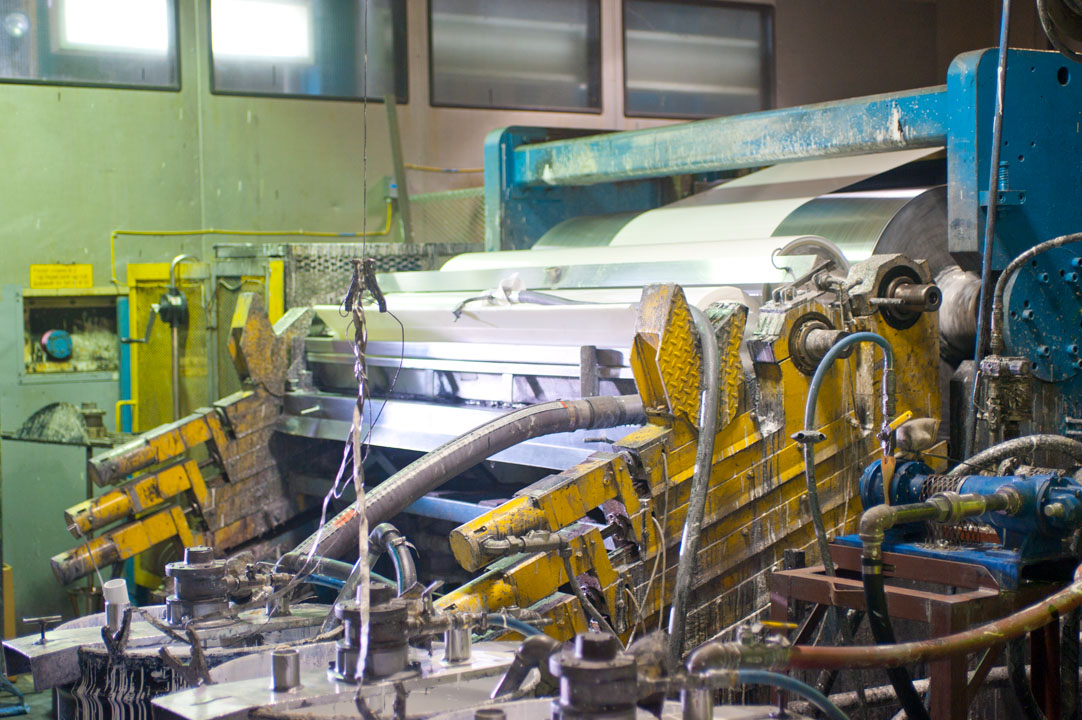
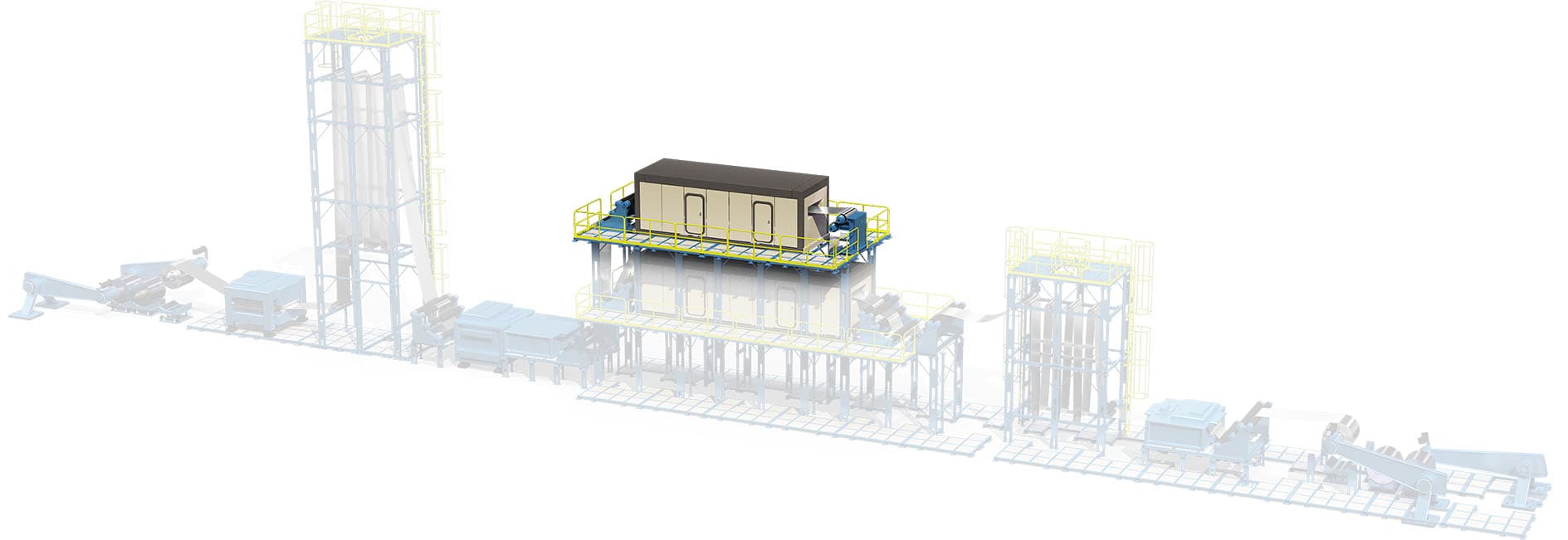
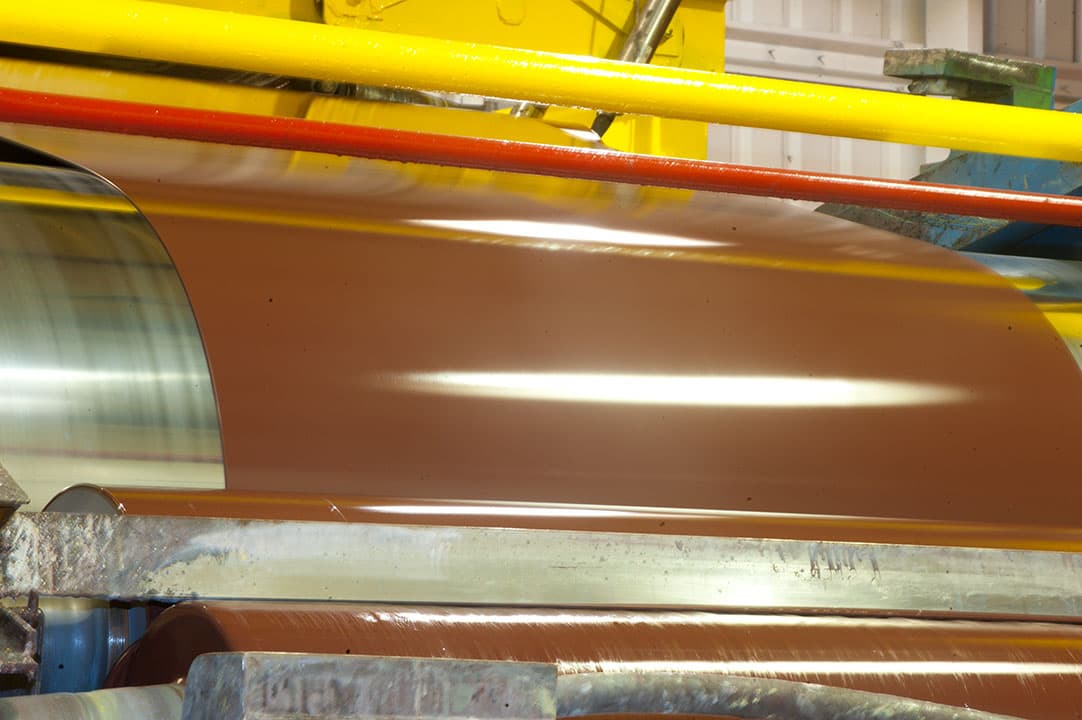
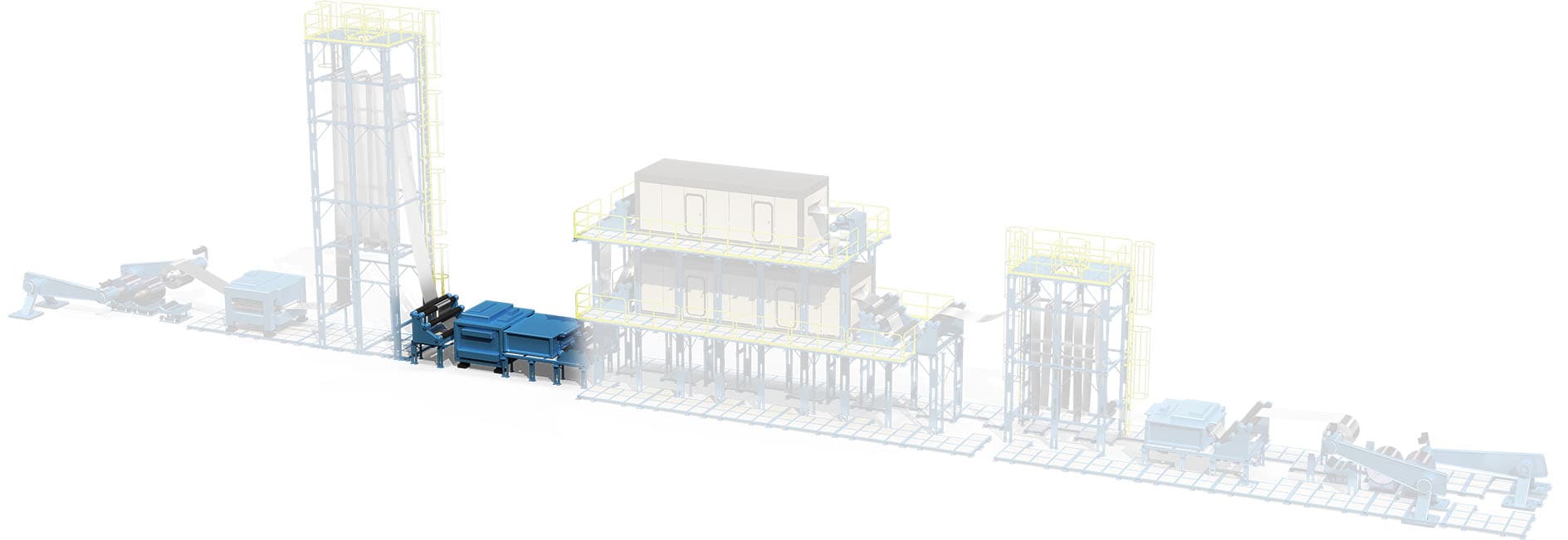
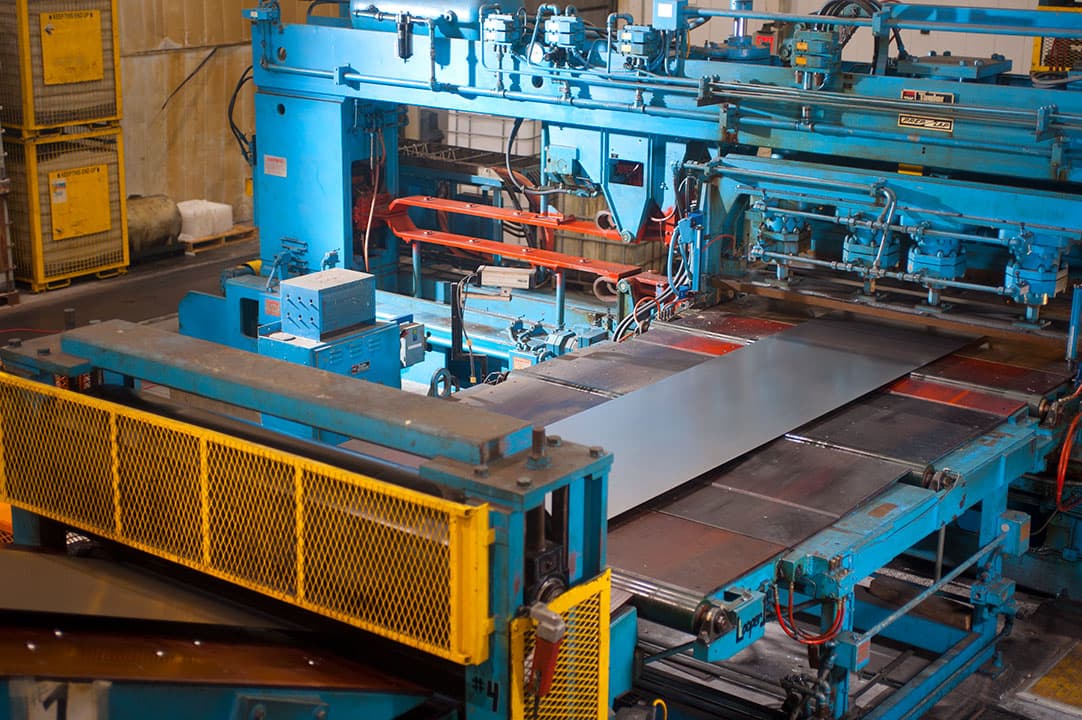
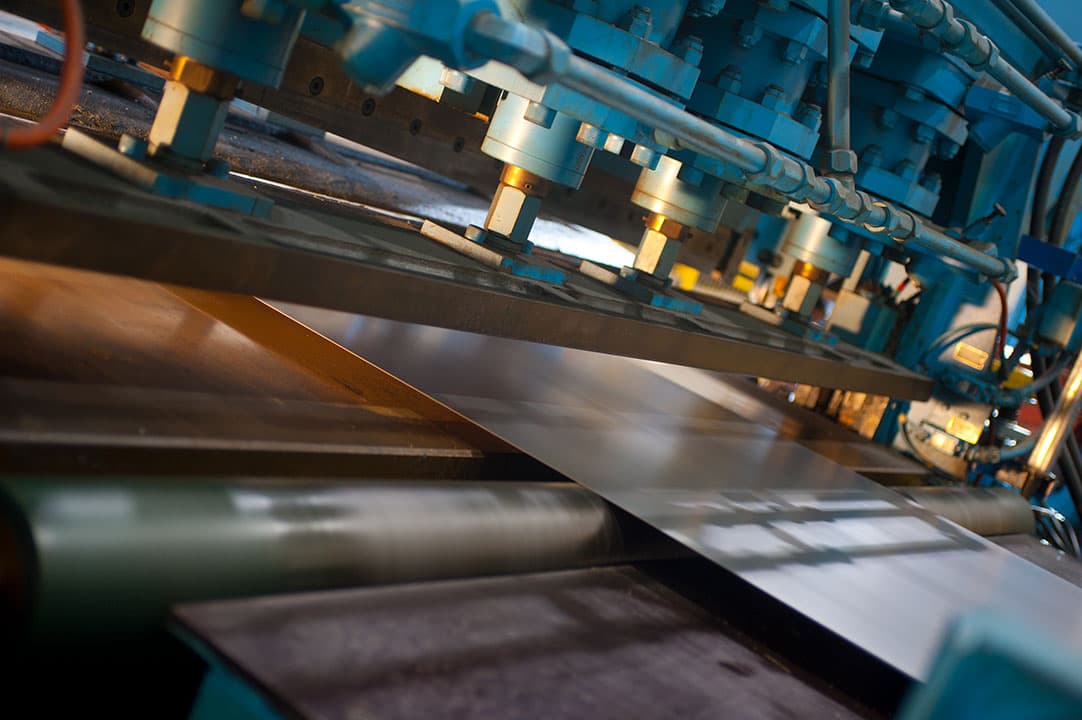
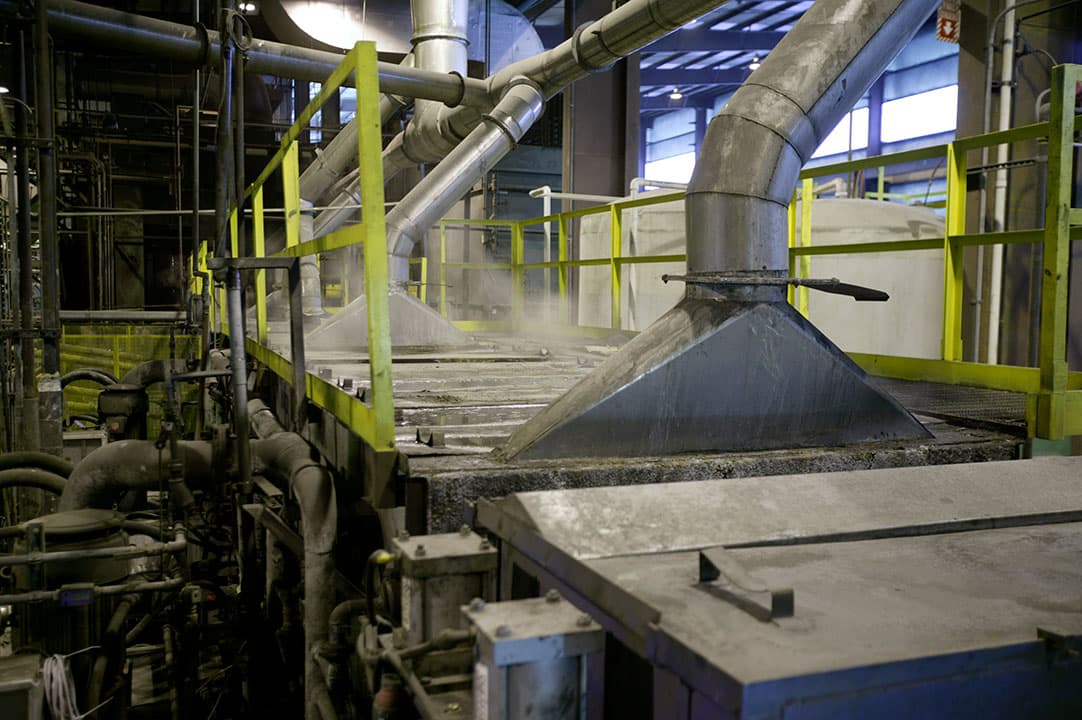
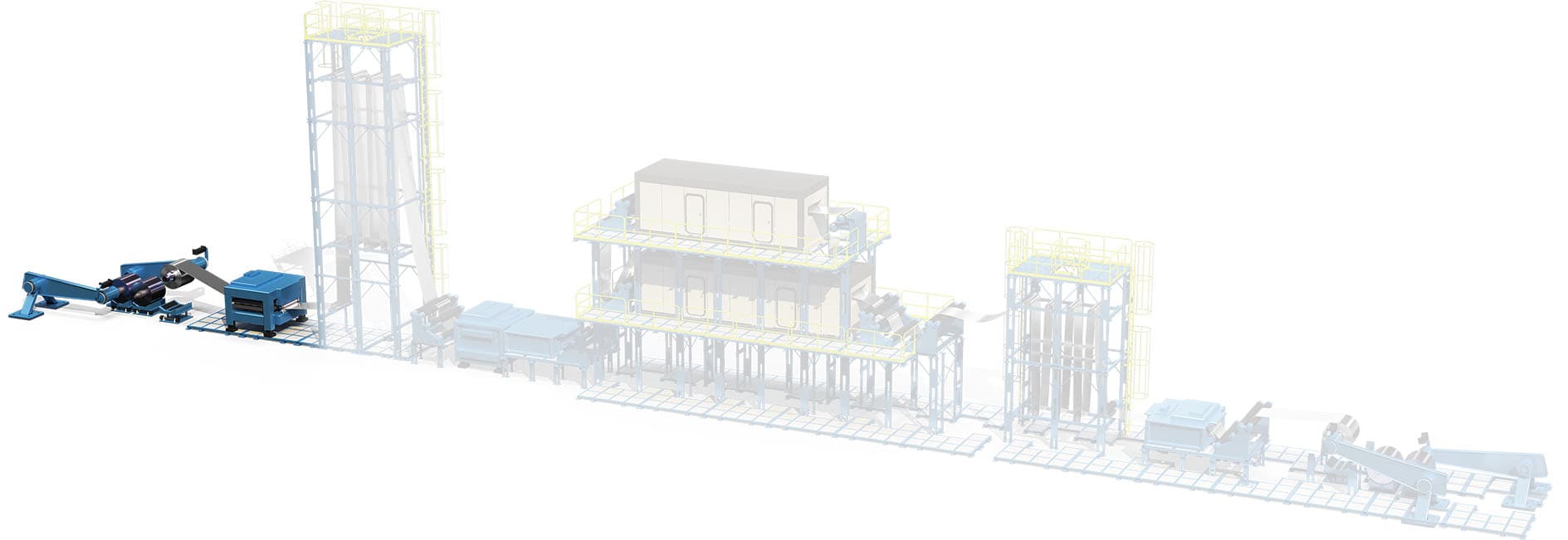
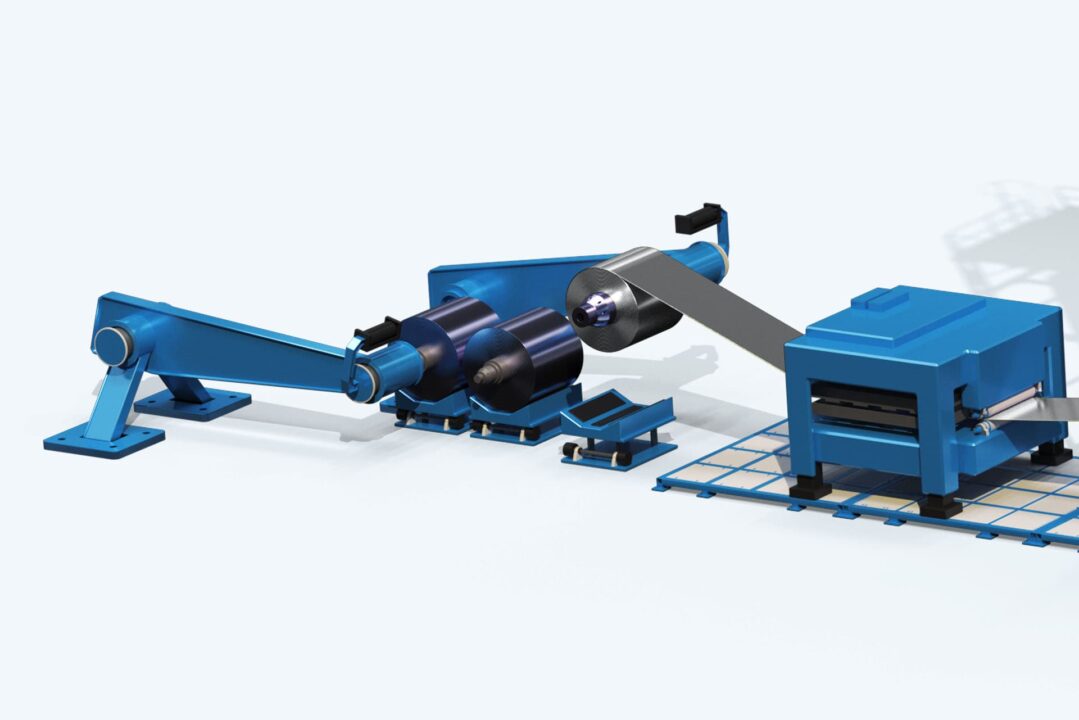
Once the metal is cleaned, treated, and painted, the strip is rewound into a coil size prescribed by the customer. From there, the coil is removed from the line and packaged for shipment or additional processing.
After the primer is applied and cured, then the metal strip enters the finish coat station where a topcoat is applied. Topcoats provide color, corrosion resistance, durability, flexibility and any other required physical properties. Like primers, the topcoat is cured using thermal cure ovens.
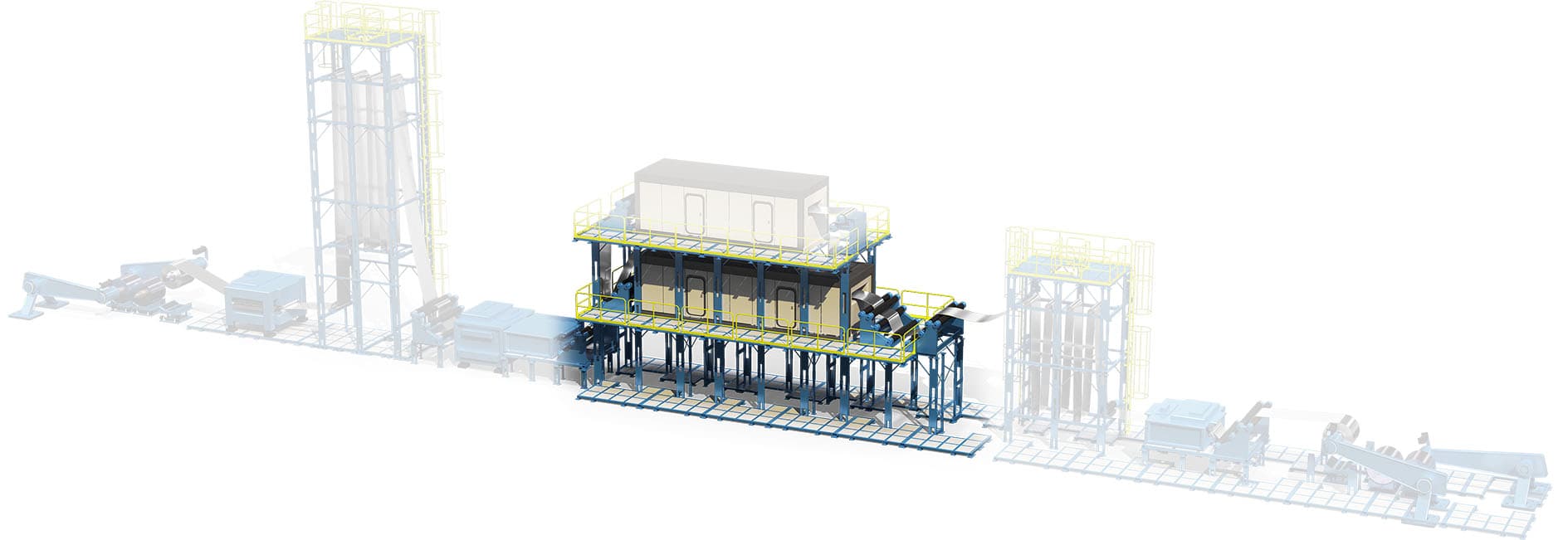
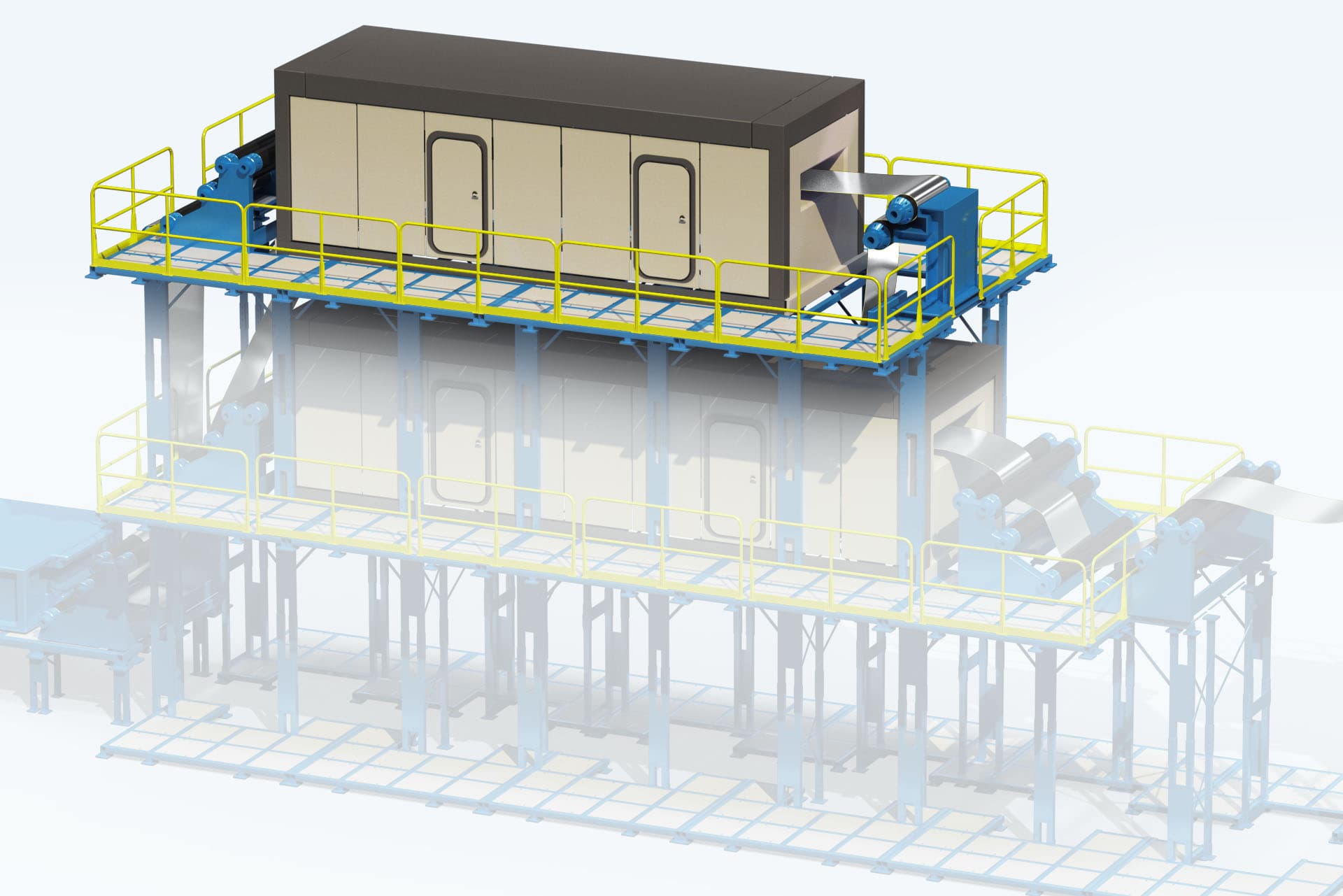
Oven
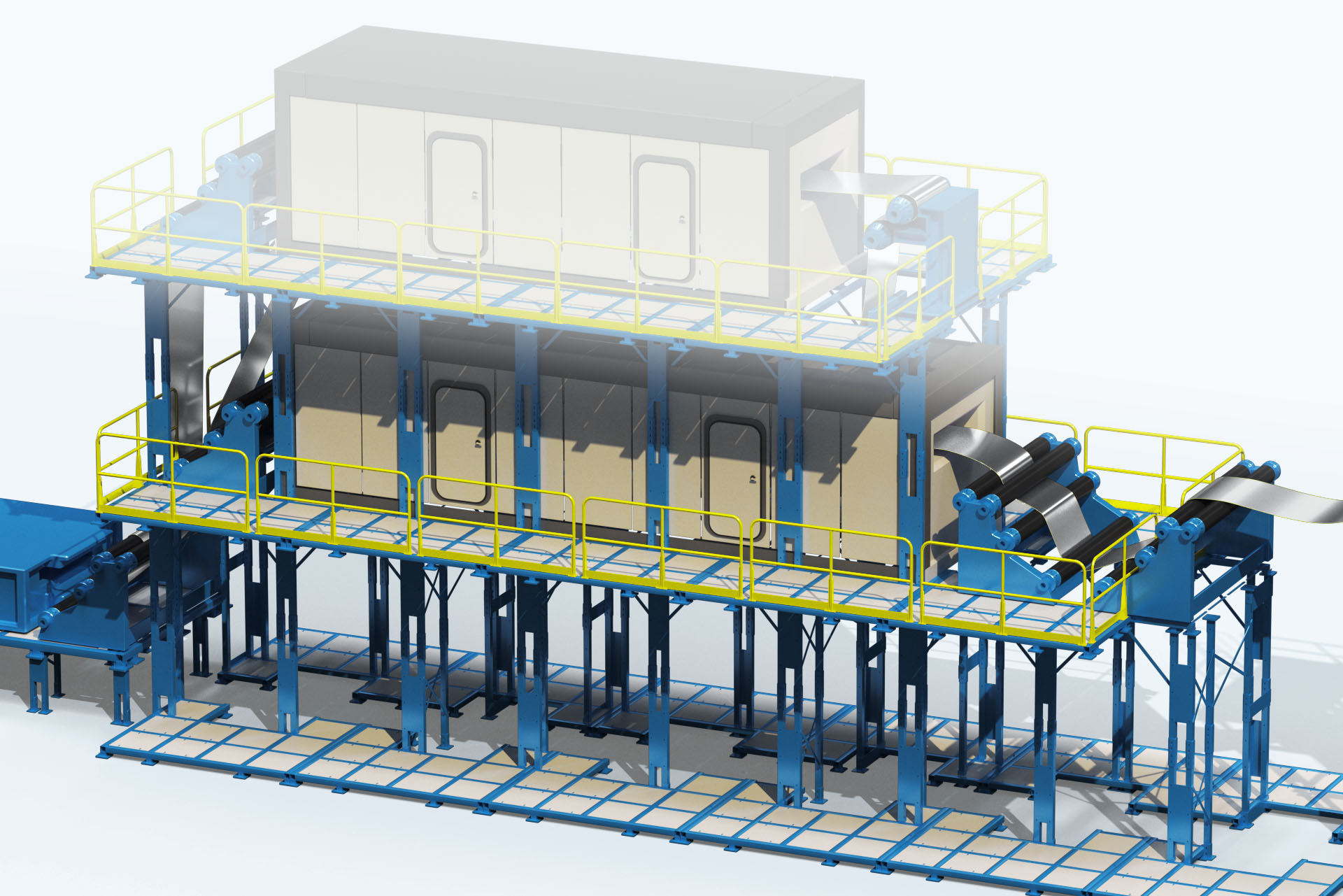
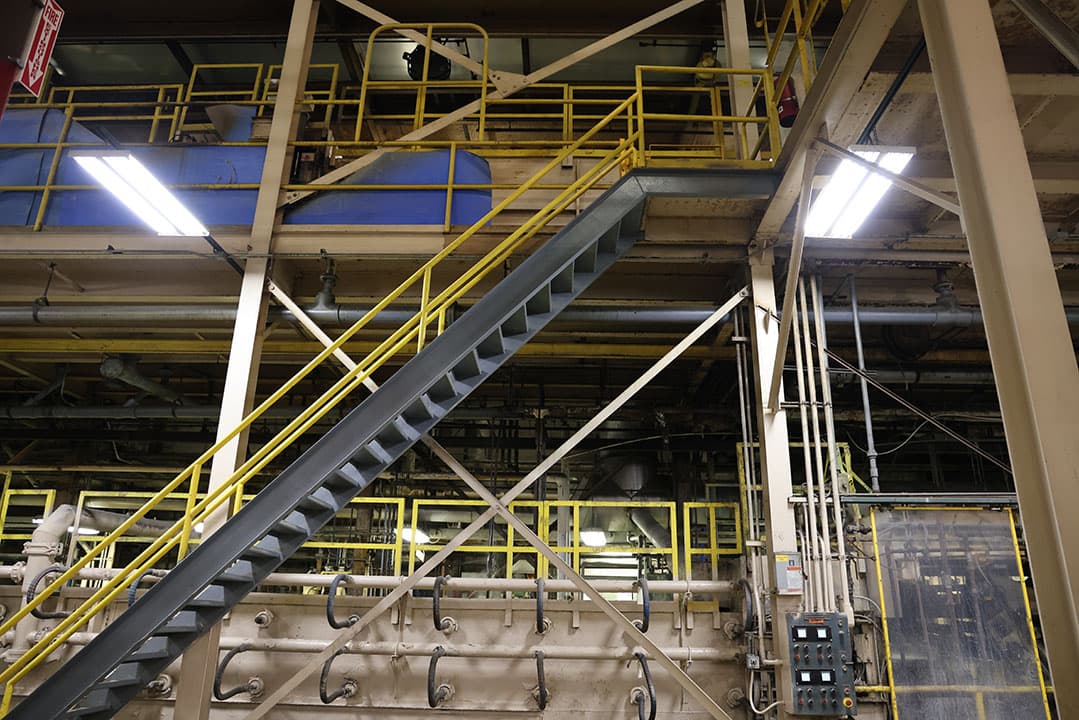
Coil coating ovens can range from 130 feet to 160 feet and will cure the coatings in 13 to 20 seconds.
During this stage, the strip enters the prime coat station whereby a primer is applied to the clean and treated metal. After the primer is applied, the metal strip travels through a thermal oven for curing. Primers are used to aid in paint adhesion, improve corrosion performance and enhance aesthetic and functional attributes of the topcoat.
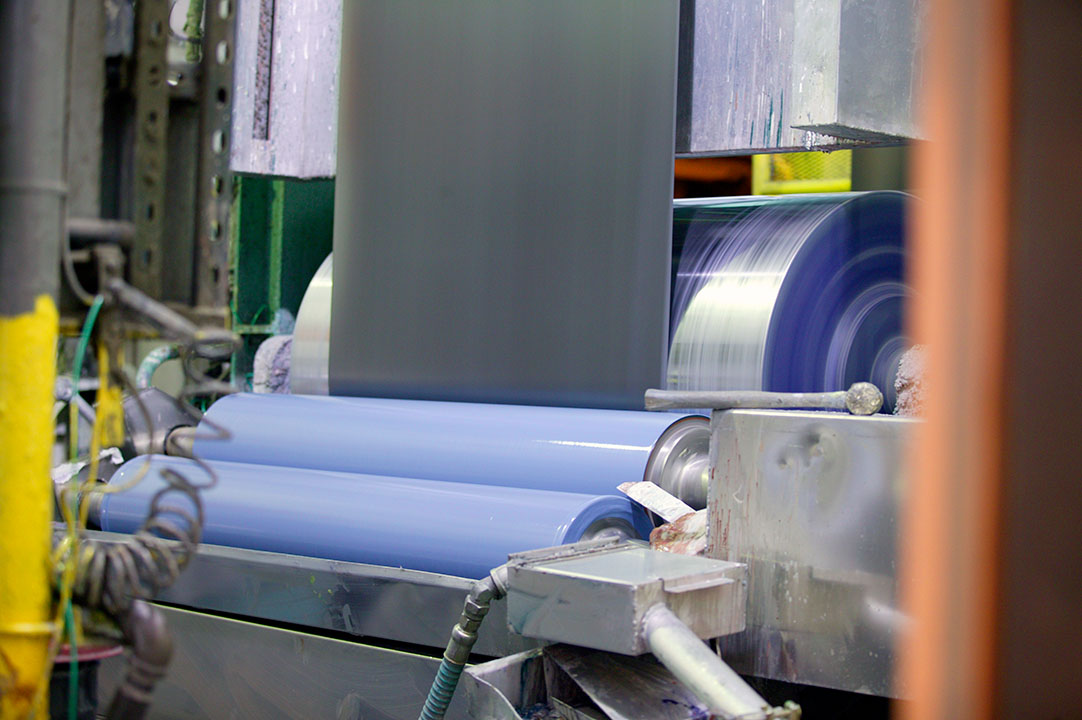
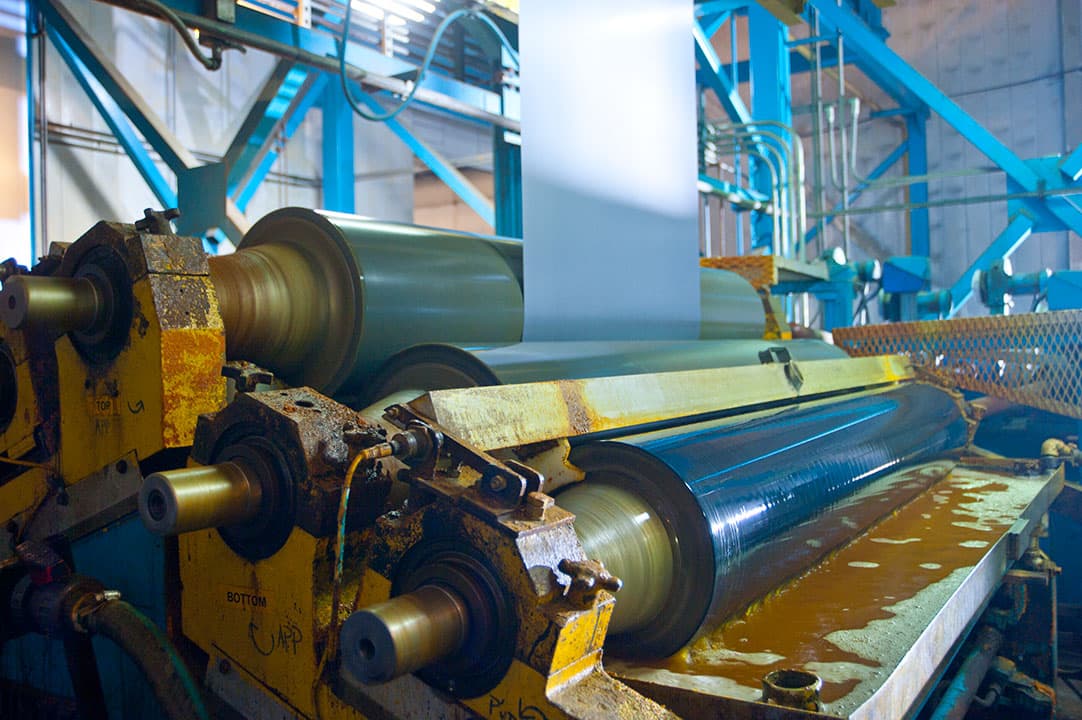
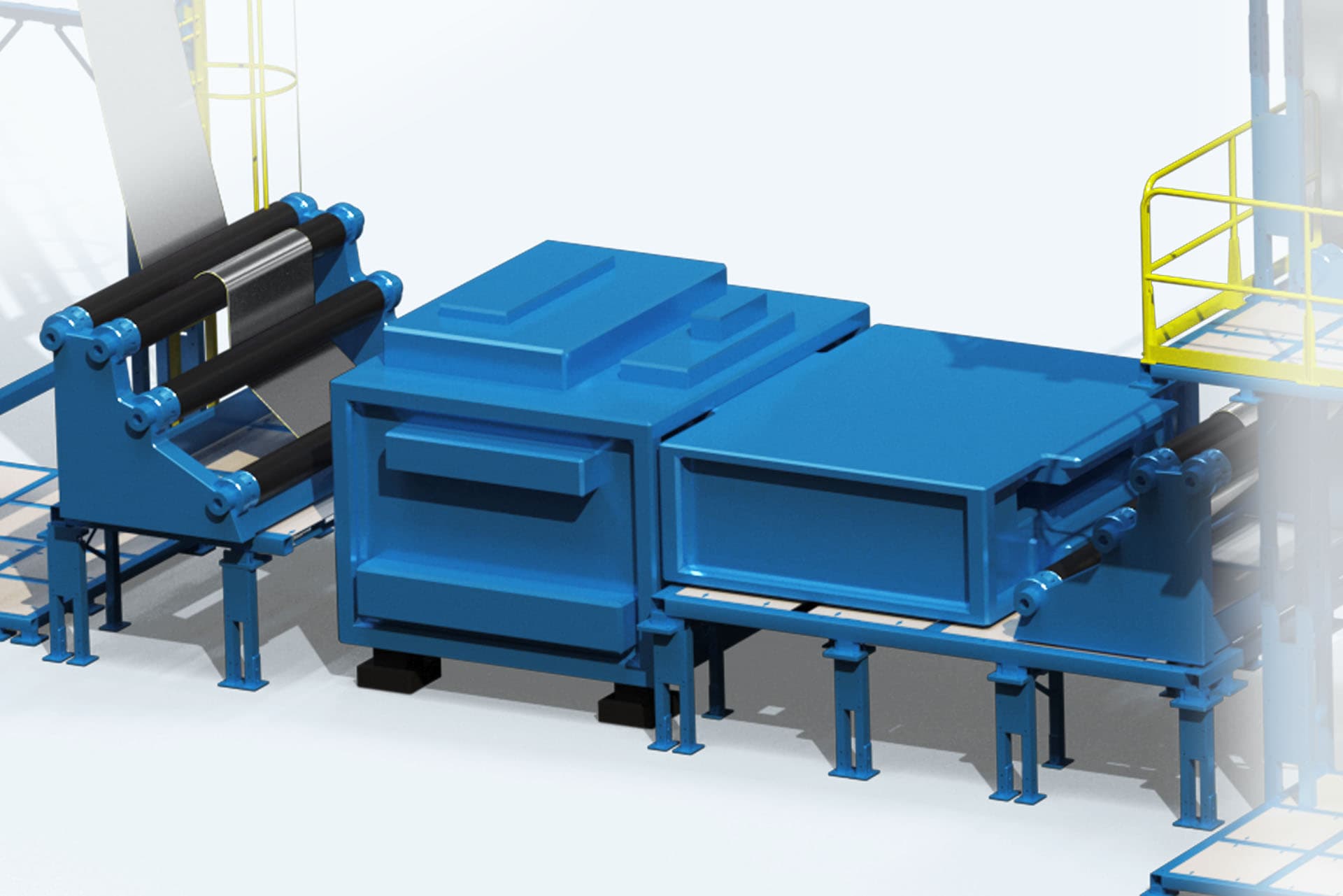
S Wrap Coater
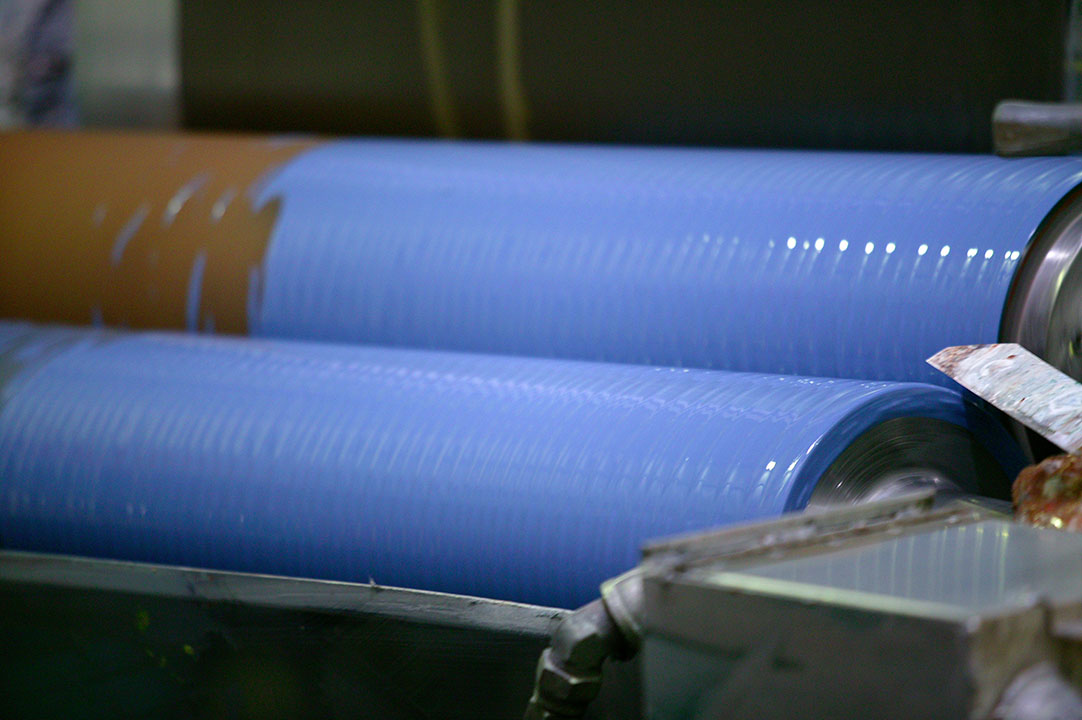
The S wrap coater design allows for primers and paints to be applied to the top and back side of the metal strip simultaneously in one continuous pass.
The cleaning and pretreating section of the coil coating process focuses on preparing the metal for painting. During the cleaning stage, dirt, debris, and oils are removed from the metal strip. From there, the metal enters the pretreatment section and/or a chemical coater whereby chemicals are applied to facilitate paint adhesion and enhance corrosion resistance.
Dried-In-Place
In this stage a chemical that provides enhanced corrosion performance is applied. This treatment can be chrome free if required.
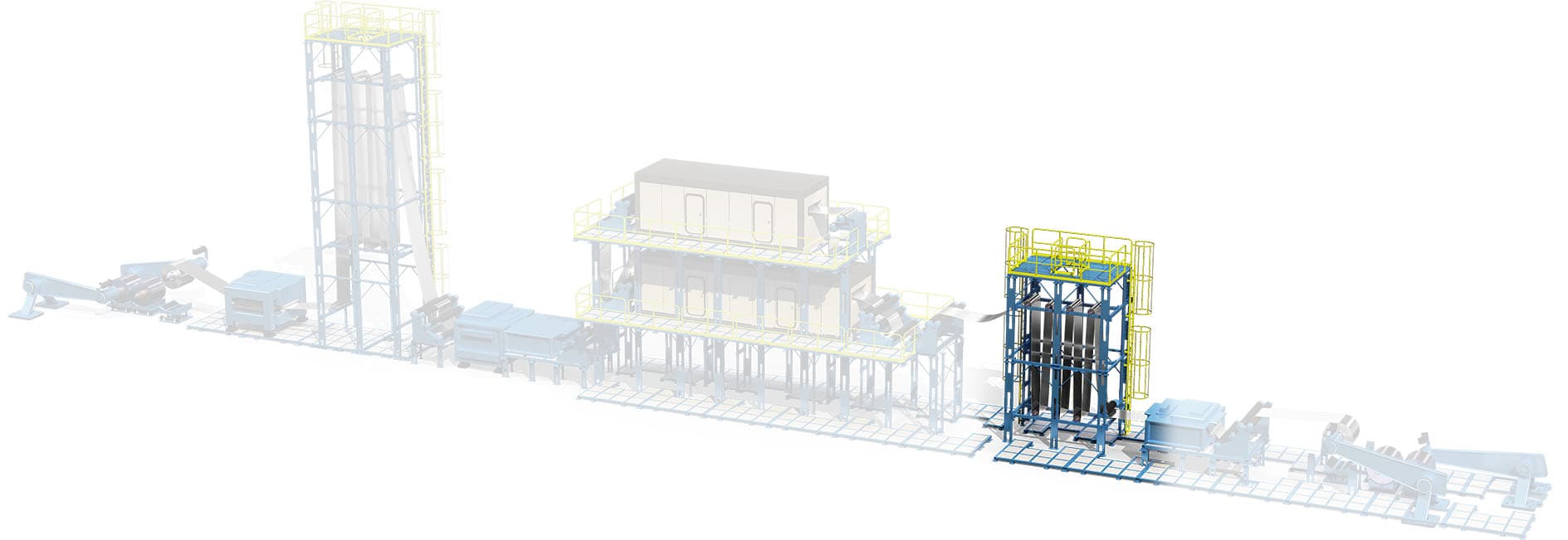
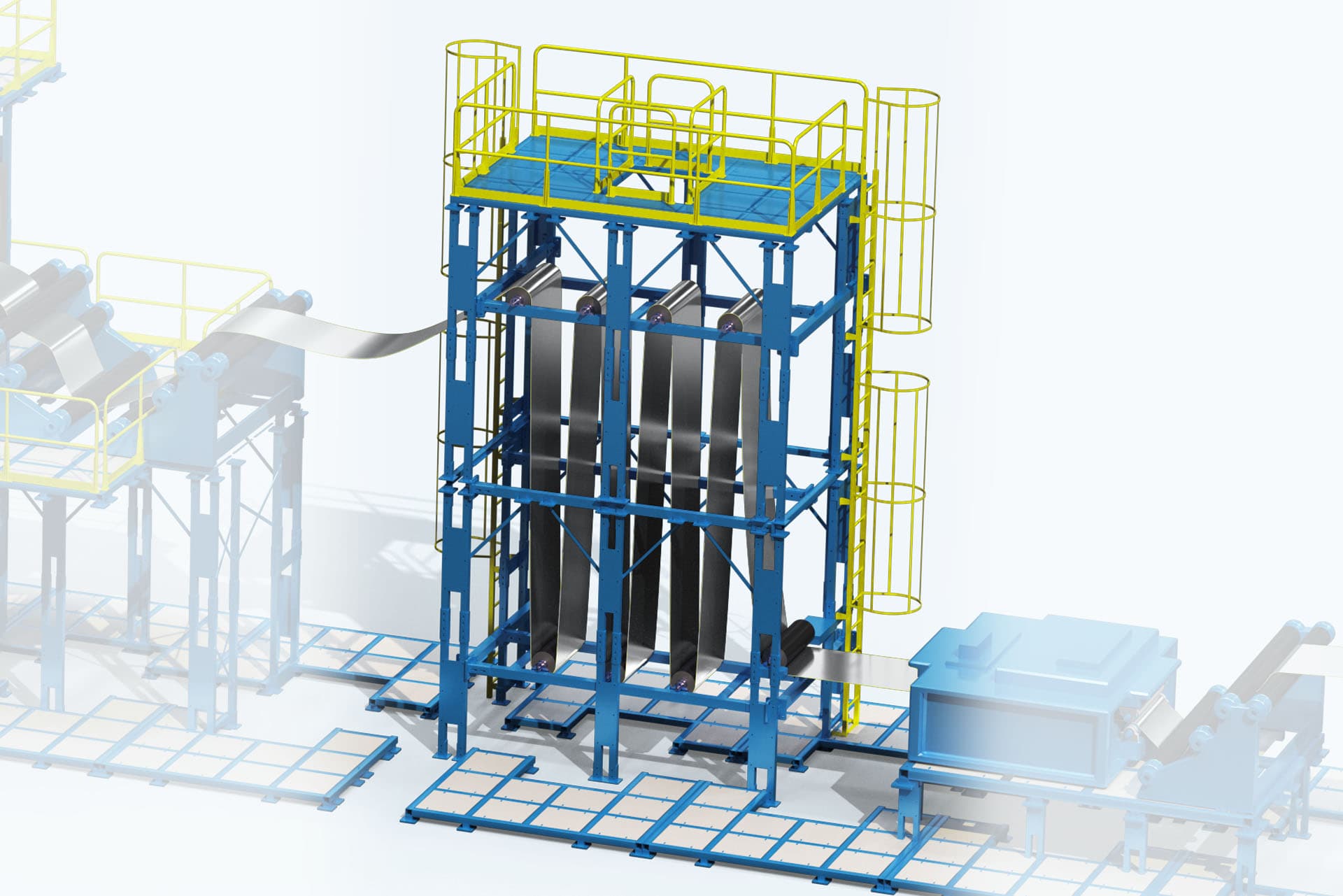
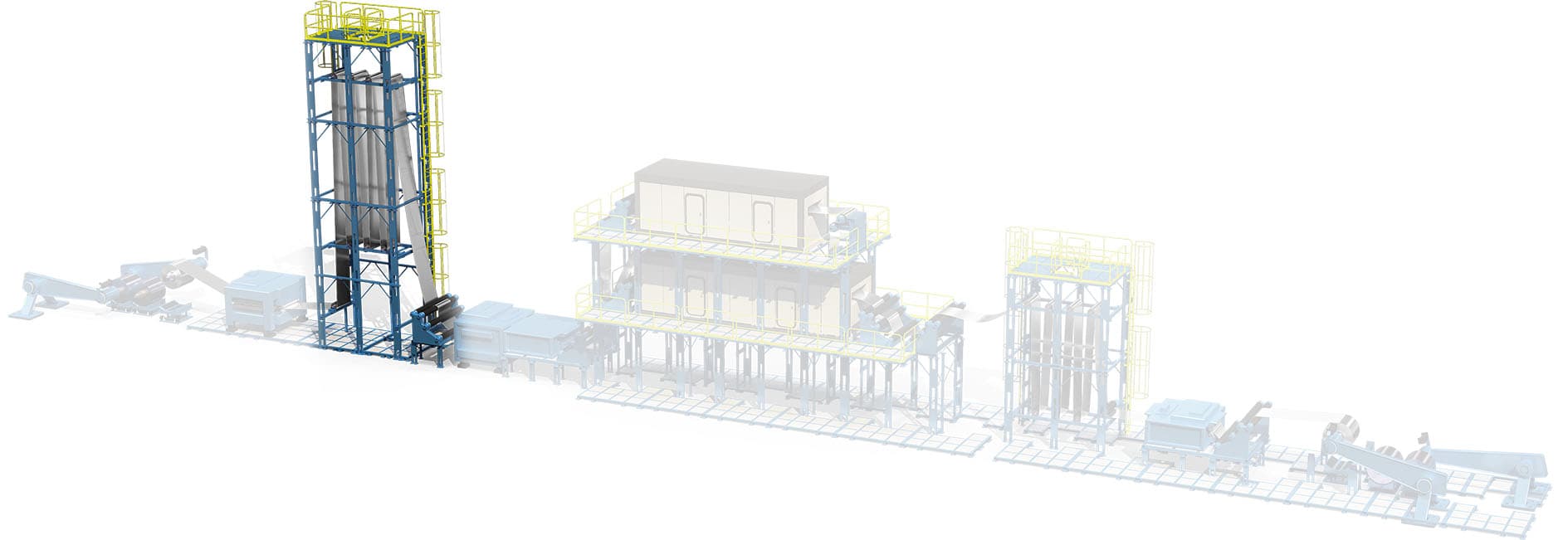
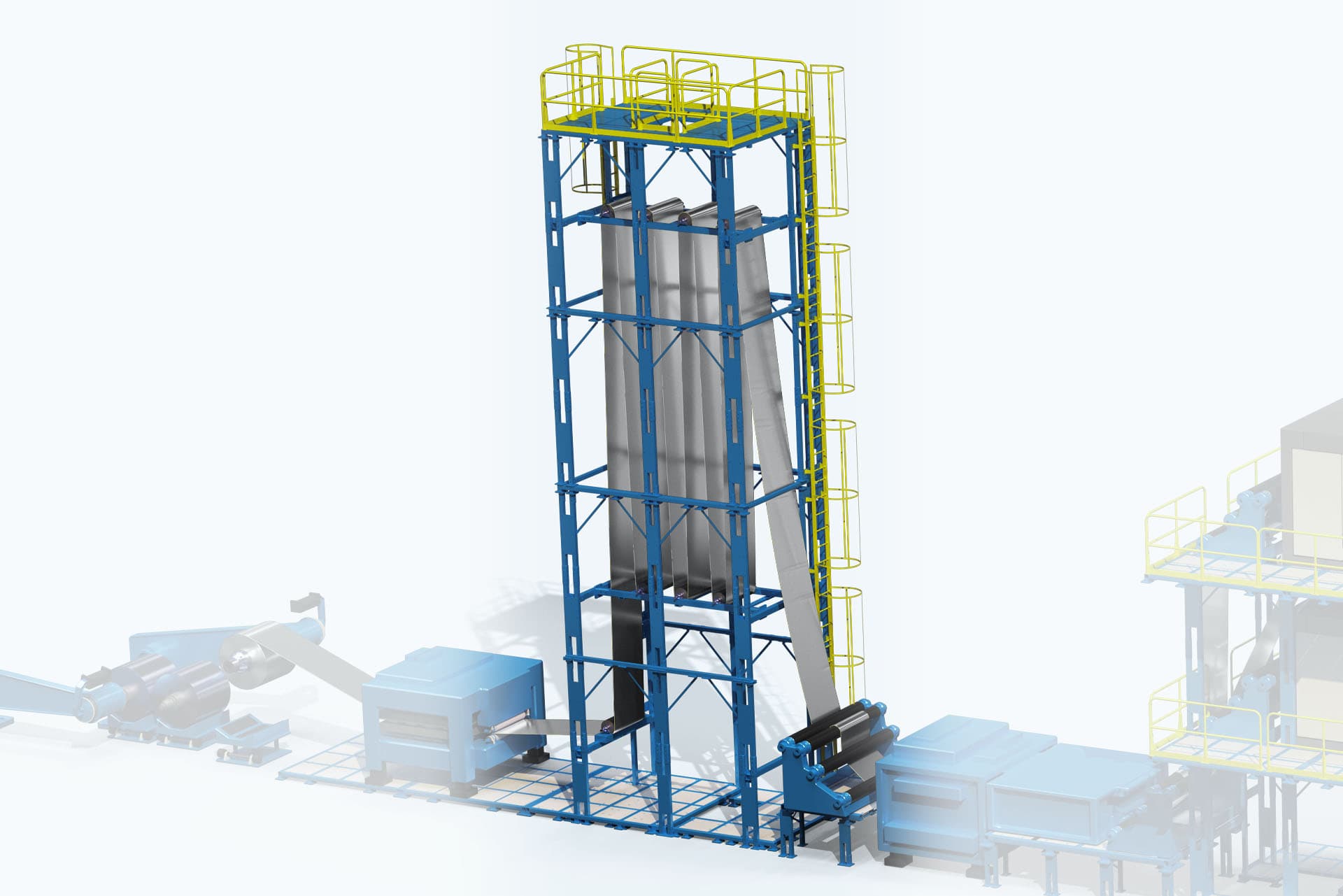
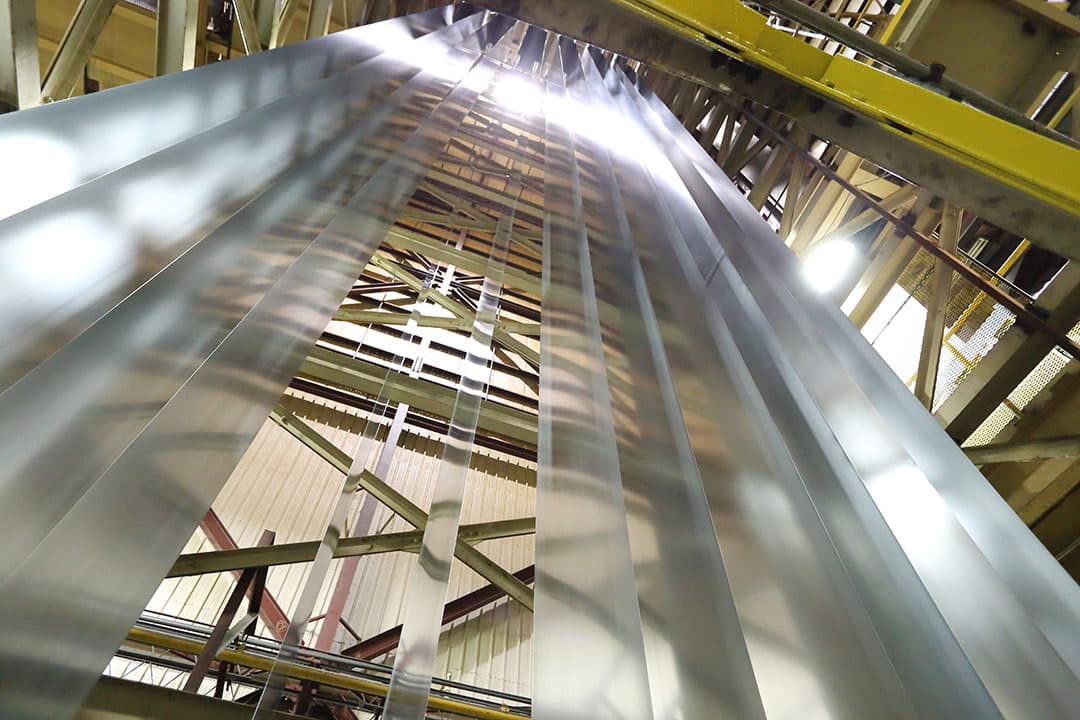
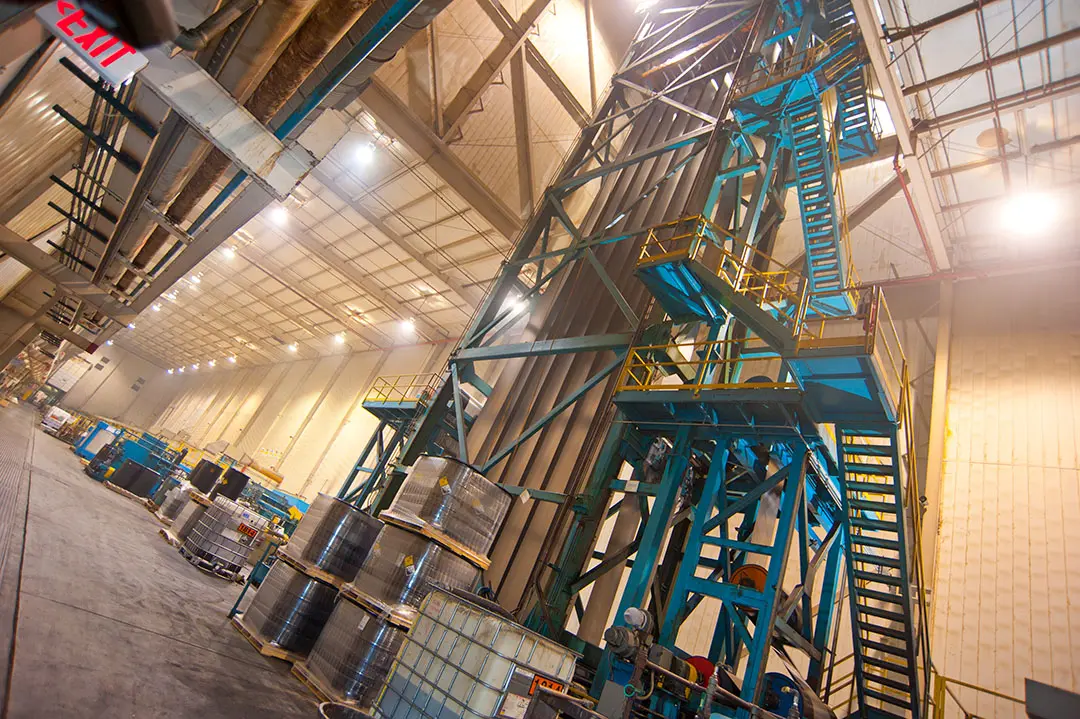
The accumulator is a structure that adjusts up and down to store material, which makes continuous operation of the coil coating process possible. This accumulation will continue to feed the coil coating processes while the entry end has stopped for the stitching process. As much as 750 feet of metal can be collected.
Modern data centers are expected to deliver uninterrupted performance while supporting decades of technological evolution. That makes the durability of the underlying infrastructure just as important as the technology it supports.
Five minutes.
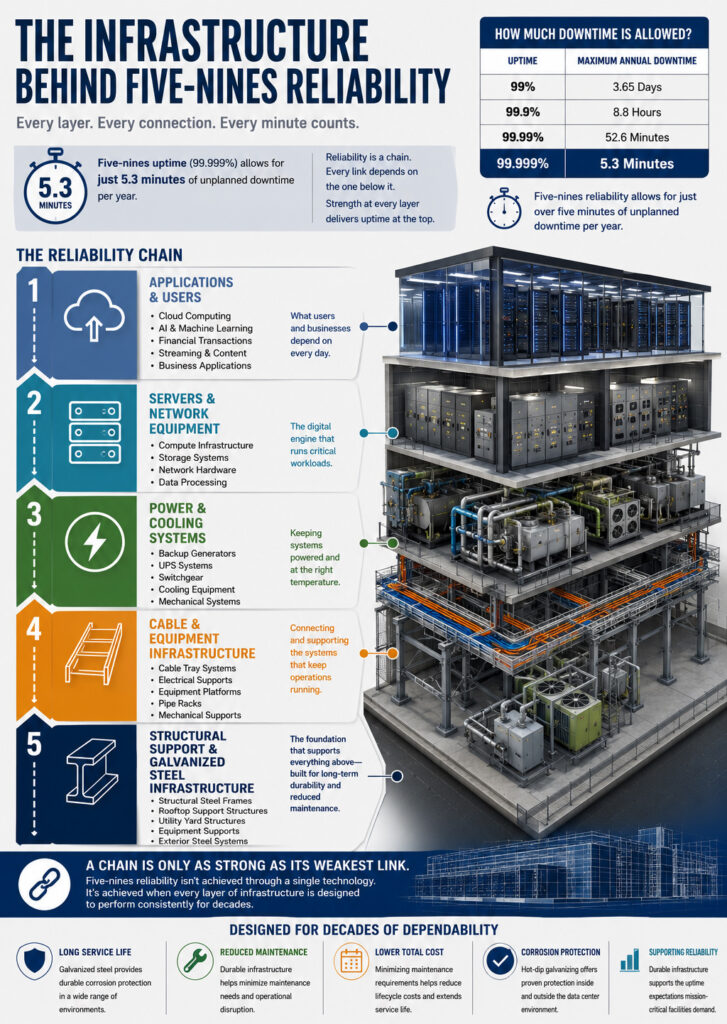
That’s roughly how much unplanned downtime a facility designed for five-nines reliability (99.999% uptime) can tolerate in an entire year.
Not five minutes per month.
Not five minutes per quarter.
Five minutes total.
To put that into perspective:
Uptime
Maximum Annual Downtime
99%
3.65 Days
99.9%
8.8 Hours
99.99%
52.6 Minutes
99.999%
5.3 Minutes
As artificial intelligence, cloud computing, streaming services, digital commerce, and enterprise applications continue to expand, the demand for highly reliable data centers has never been greater. Every email, financial transaction, AI prompt, video stream, and cloud application depends on facilities engineered to remain operational around the clock.
But achieving five-nines reliability isn’t simply a matter of installing redundant servers or backup generators.
It’s the result of thousands of engineering decisions, each contributing to a single objective: keeping critical systems online.
Reliability Is a Chain
When people think about data centers, they often picture rows of servers housed inside carefully controlled environments. Those servers are certainly the heart of the facility, but they represent only one layer of a much larger system.
Every layer depends on the one beneath it.
Applications depend on servers.
Servers depend on network equipment.
Network equipment depends on reliable power and cooling.
Power and cooling systems depend on cable management, equipment platforms, and structural supports.
Those support systems, in turn, depend on durable materials capable of performing year after year with minimal maintenance.
Like any chain, reliability is only as strong as its weakest link.
For designers and engineers, that means every component matters, including many that occupants will never see.
The Infrastructure Behind the Infrastructure
Modern data centers contain far more than racks of computing equipment.
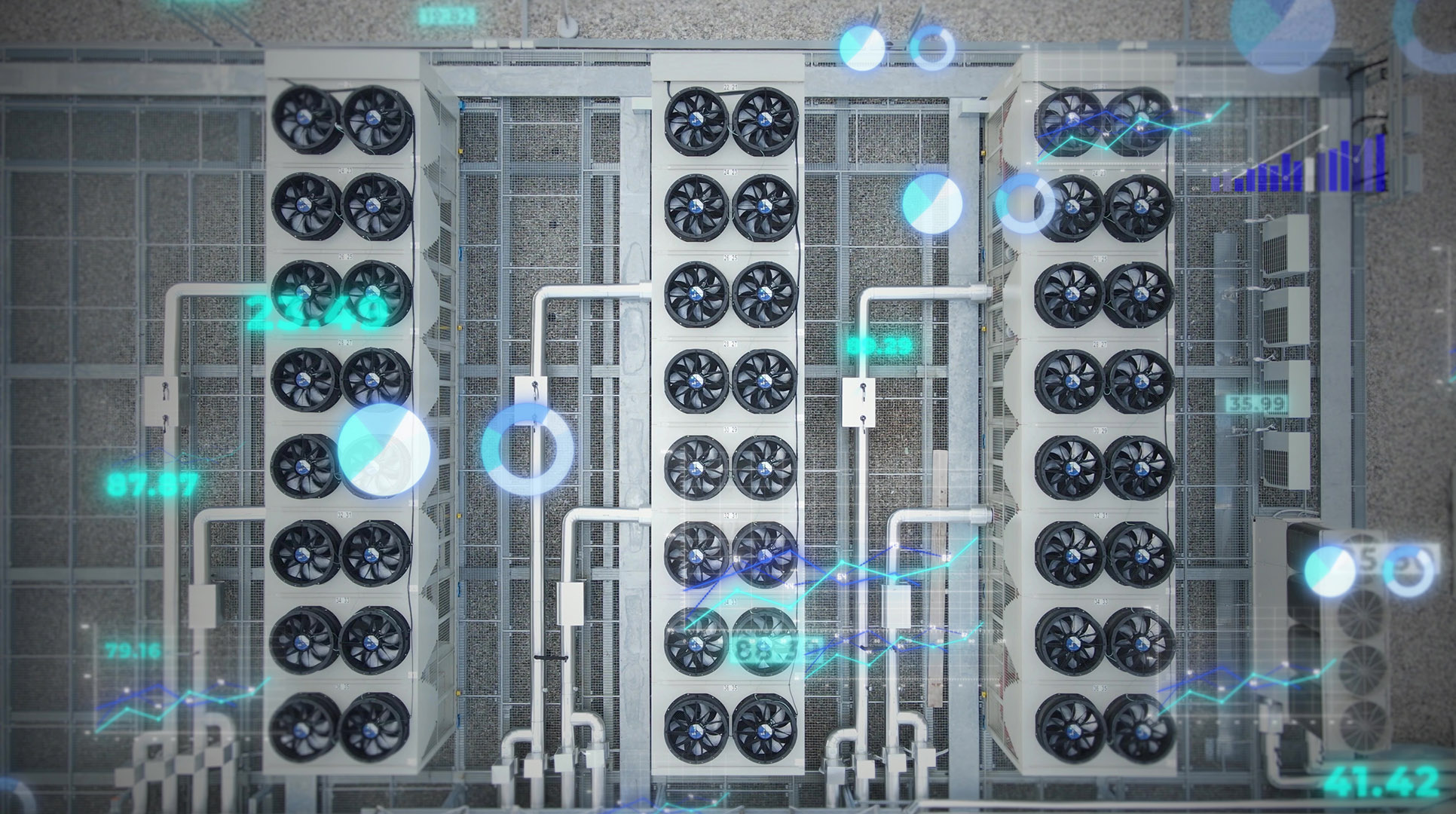
Behind the scenes are miles of cable tray, structural framing, equipment platforms, mechanical supports, rooftop steel, utility yard structures, and electrical infrastructure working together to support continuous operation.
These systems don’t process data, but they make data processing possible.
Cable management systems organize and protect critical communications and power pathways. Structural steel supports mechanical equipment and electrical distribution systems. Equipment platforms provide stable foundations for cooling and backup power infrastructure. Utility yards connect facilities to the electrical grid while supporting future expansion.
Collectively, these components form the physical backbone of the digital economy.
Their performance directly influences the reliability, maintainability, and longevity of the facility as a whole.
Designing for Decades, Not Years
Unlike servers and networking equipment, which may be replaced several times during a facility’s life, much of the supporting infrastructure is expected to remain in service for decades.
That makes durability an important consideration during material selection.
Maintenance activities above server rooms, within mechanical spaces, or throughout utility yards can be expensive, complex, and disruptive. Choosing infrastructure materials that can withstand demanding environments with minimal ongoing maintenance helps reduce lifecycle costs while supporting long-term operational reliability.
For steel components, corrosion protection is an important part of that equation.
Hot-dip galvanizing provides a metallurgically bonded zinc coating that protects steel from corrosion while resisting damage during transportation, installation, and service. Unlike surface-applied coatings that can chip or peel, the zinc coating becomes part of the steel itself, delivering barrier and sacrificial protection that can provide decades of service in many environments.
Whether supporting cable trays, equipment platforms, structural framing, or exterior infrastructure, galvanized steel helps owners and designers specify durable systems intended to perform over the long life of the facility.
Building for the Next Generation of Data Centers
The rapid growth of artificial intelligence is changing the scale of data center construction across North America.
Higher computing densities require more electrical capacity, larger cooling systems, expanded utility infrastructure, and increasingly sophisticated facility designs. While computing technology will continue to evolve, the supporting infrastructure must provide a stable foundation capable of adapting alongside it.
Designing that infrastructure for durability, maintainability, and long-term performance has become an increasingly important consideration for owners, engineers, and contractors alike.
The Foundation of Reliability
The most successful infrastructure is rarely noticed.
No one celebrates a cable support system that quietly performs for thirty years. Structural steel doesn’t make headlines because it continues supporting critical equipment exactly as intended. Utility structures aren’t recognized for the maintenance they never require.
Yet these systems are fundamental to achieving the reliability modern data centers demand.
At AZZ, we understand that mission-critical facilities rely on more than advanced technology. They rely on durable infrastructure engineered to support decades of continuous operation. Through high-quality hot-dip galvanizing, we help owners, engineers, and fabricators protect the steel infrastructure that supports power distribution, cooling systems, cable management, structural framing, and countless other components behind today’s digital world.
Because five-nines reliability isn’t achieved through a single technology.
It’s achieved when every layer of infrastructure is built to perform.
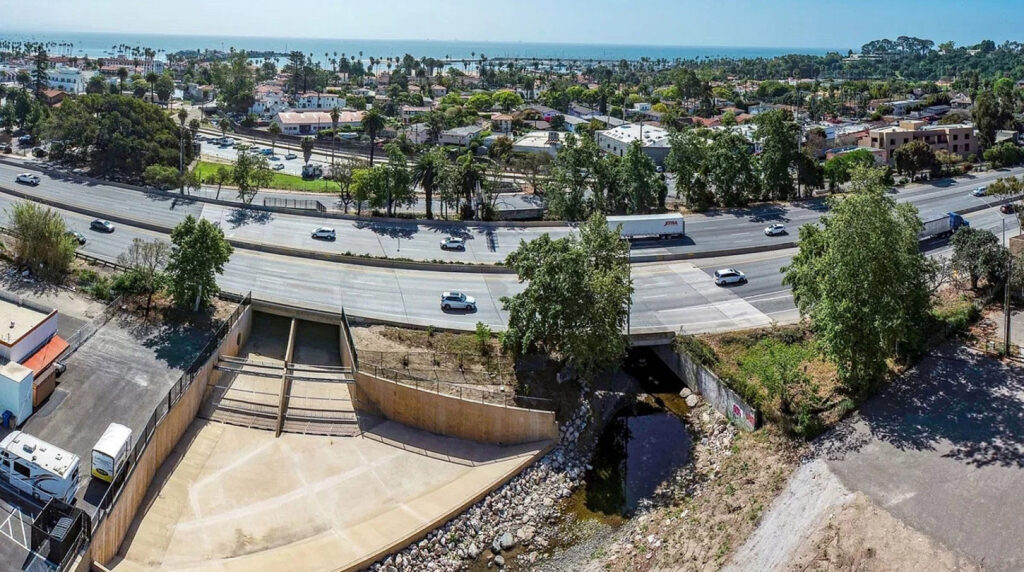
When record storms swept through Santa Barbara, California, in 2023, they left behind more than flooded streets and damaged property. They also destroyed a critical debris rack protecting the Lower Mission Creek Flood Control Project, leaving downstream neighborhoods and infrastructure vulnerable until it could be replaced.