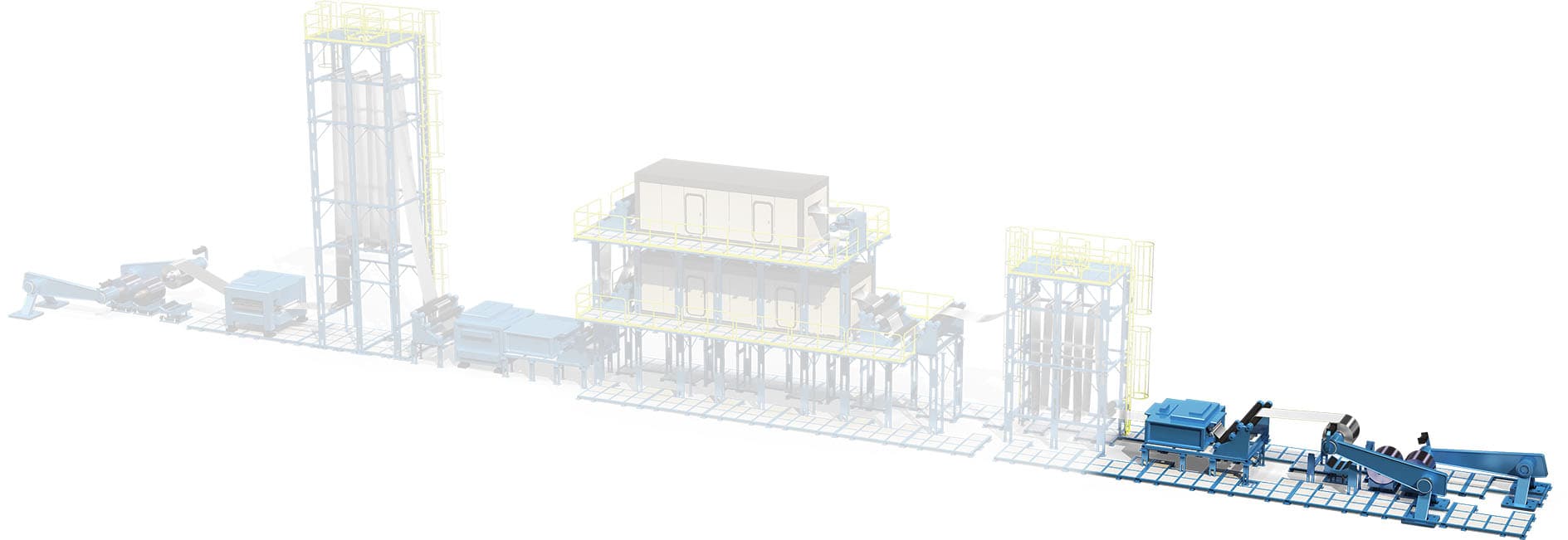
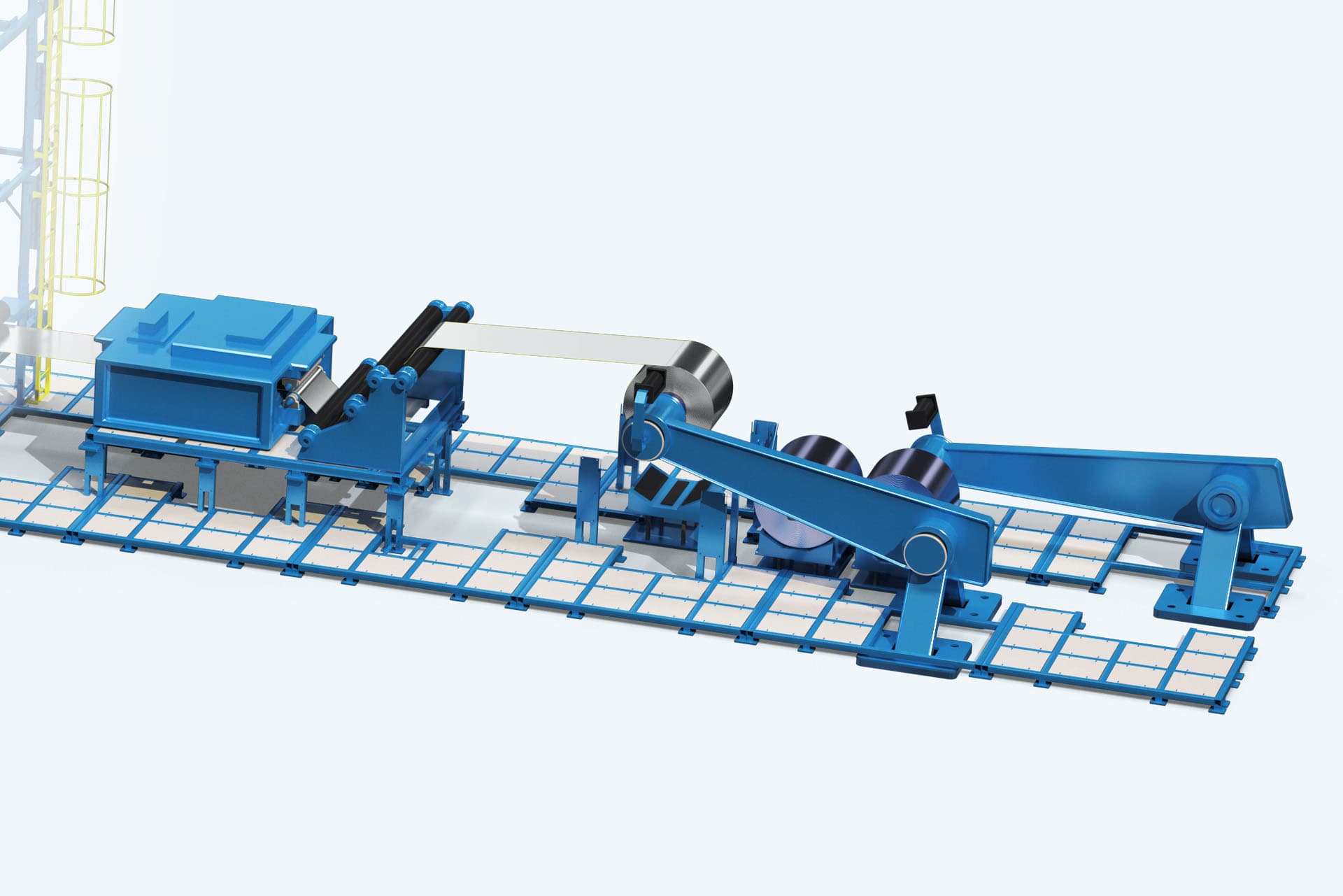
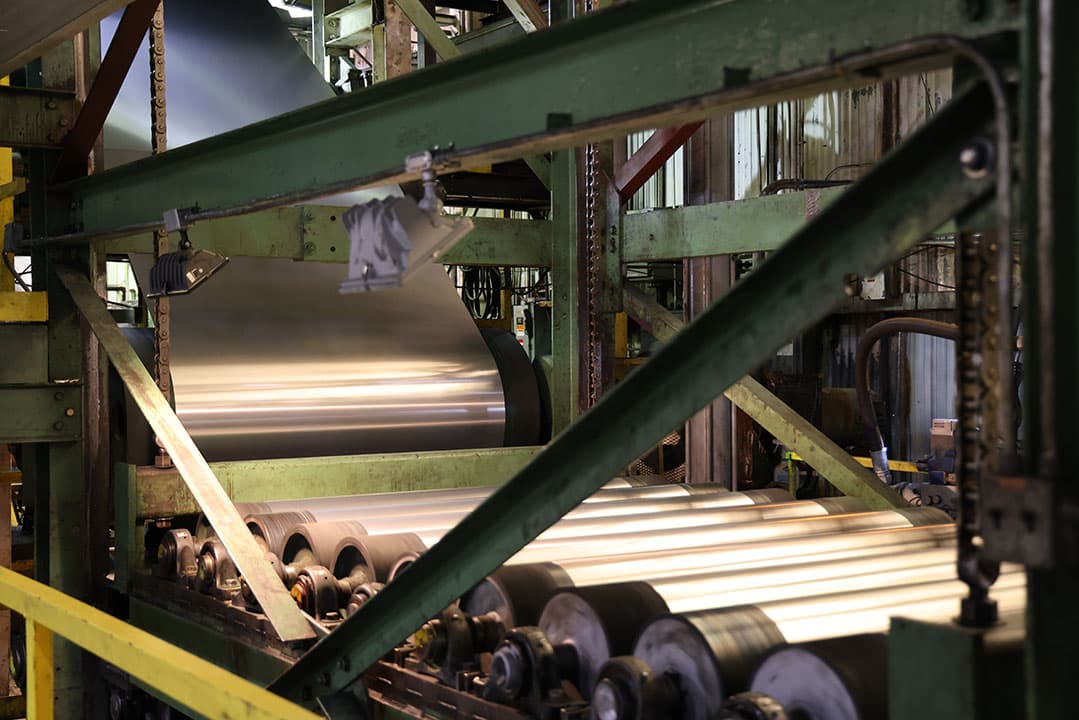
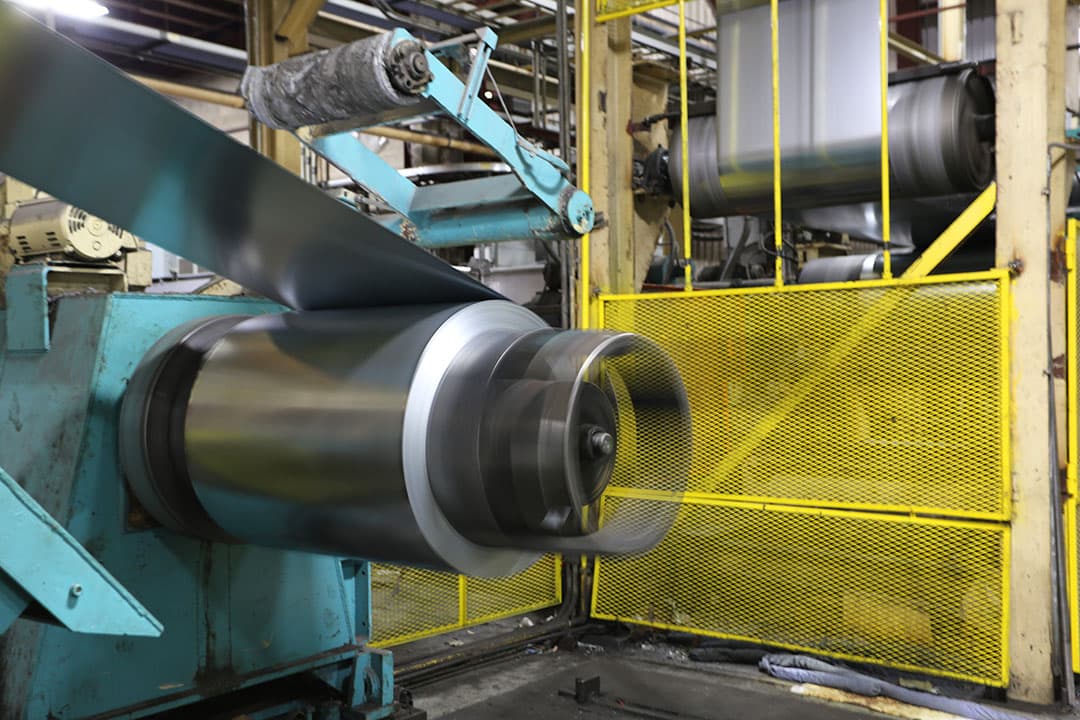
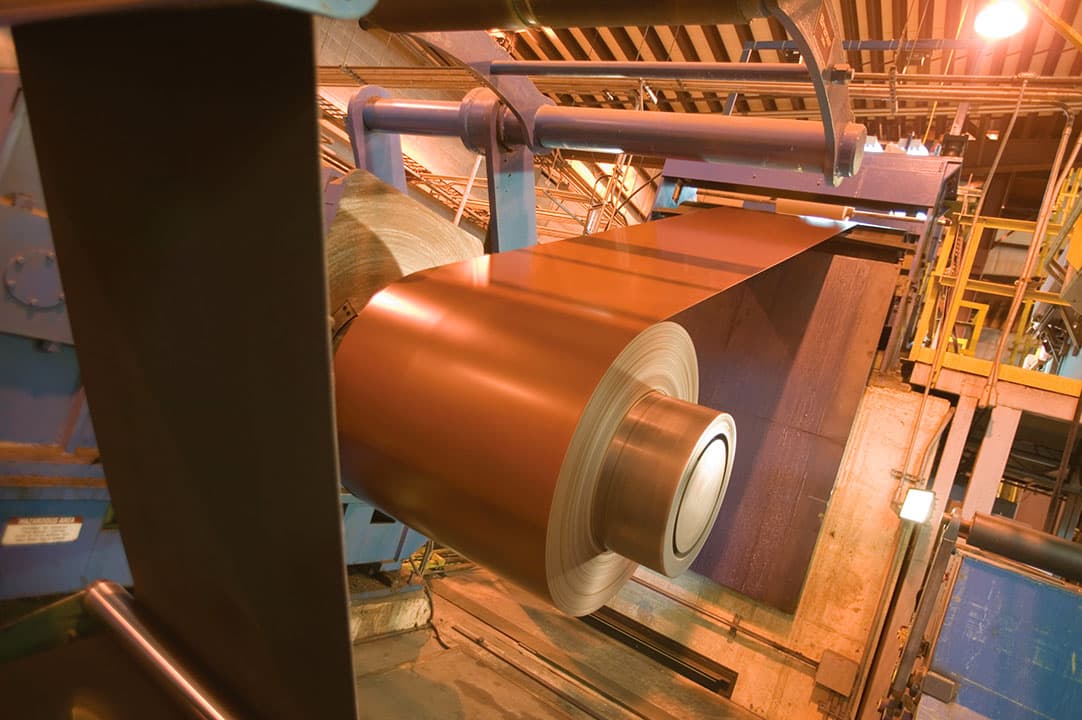
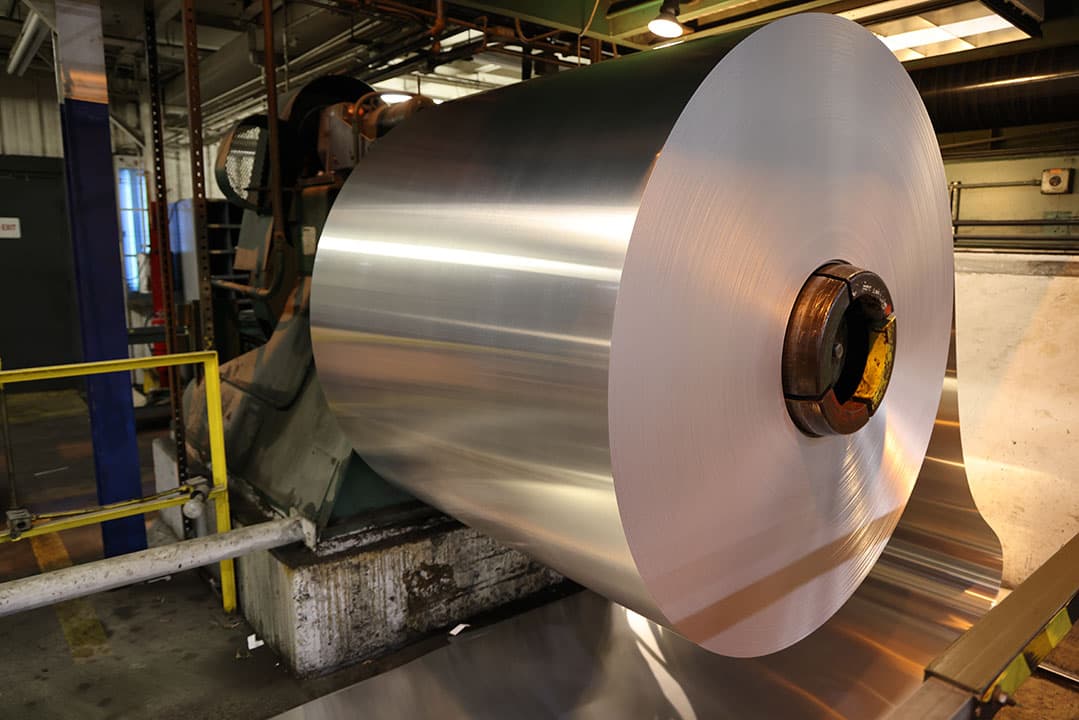
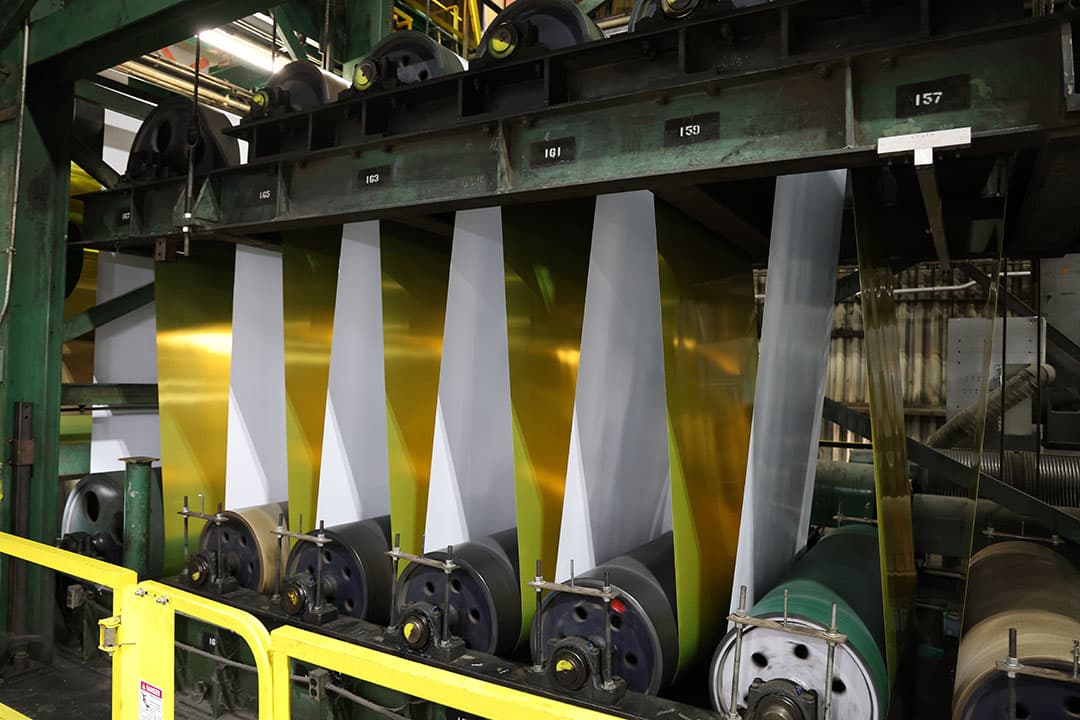
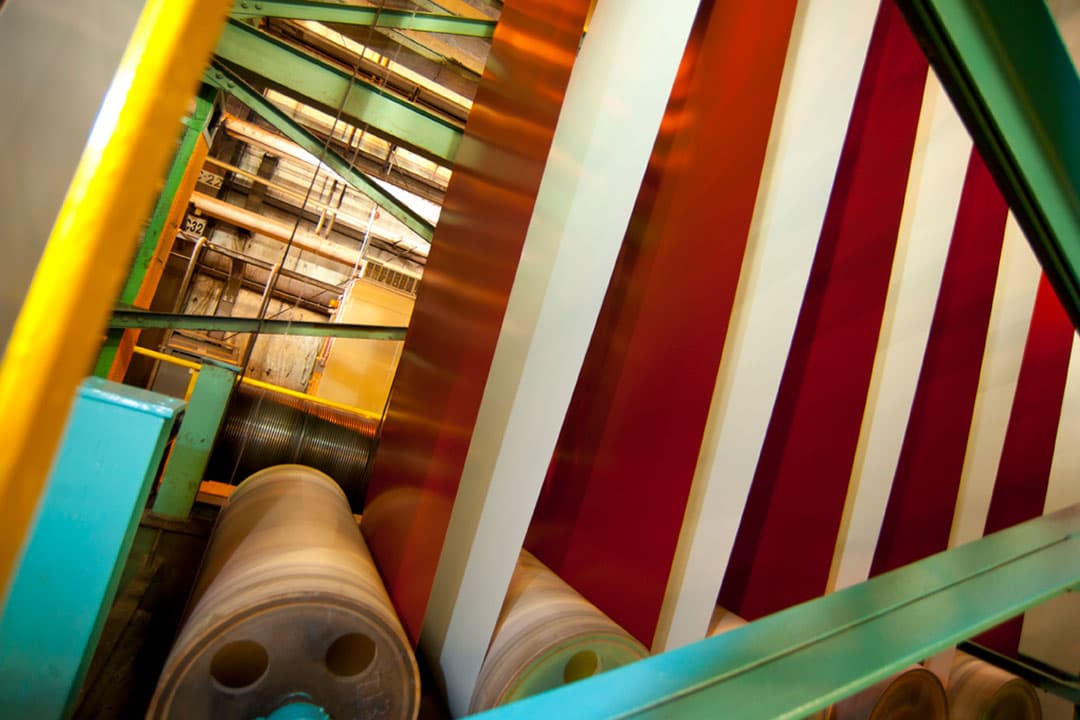
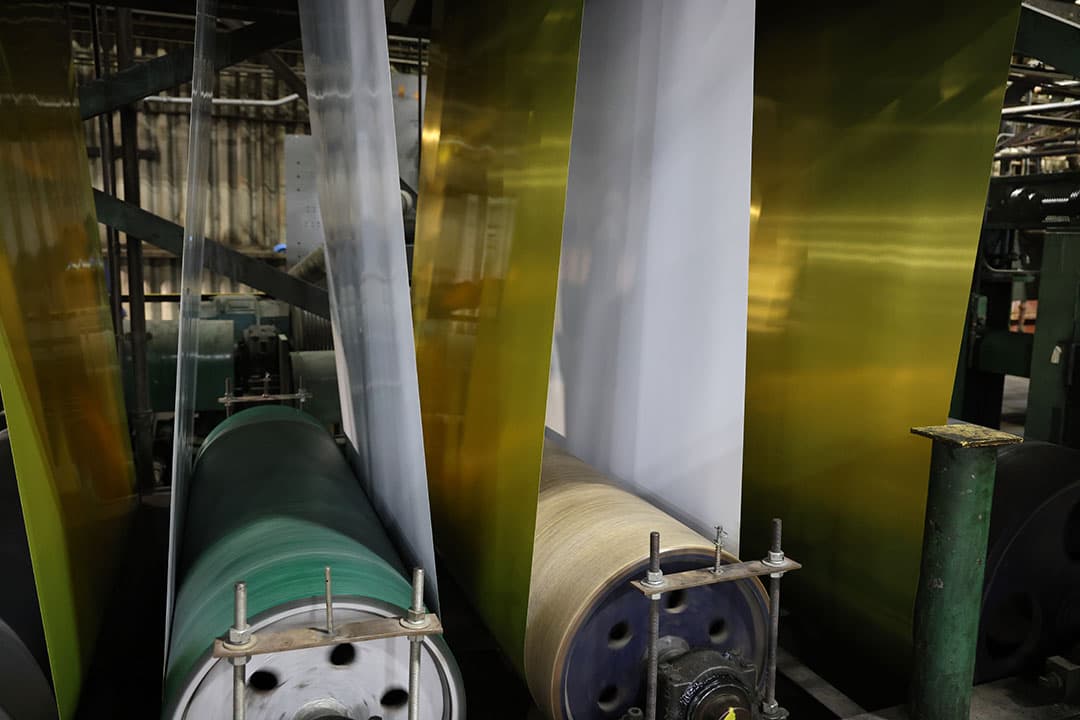
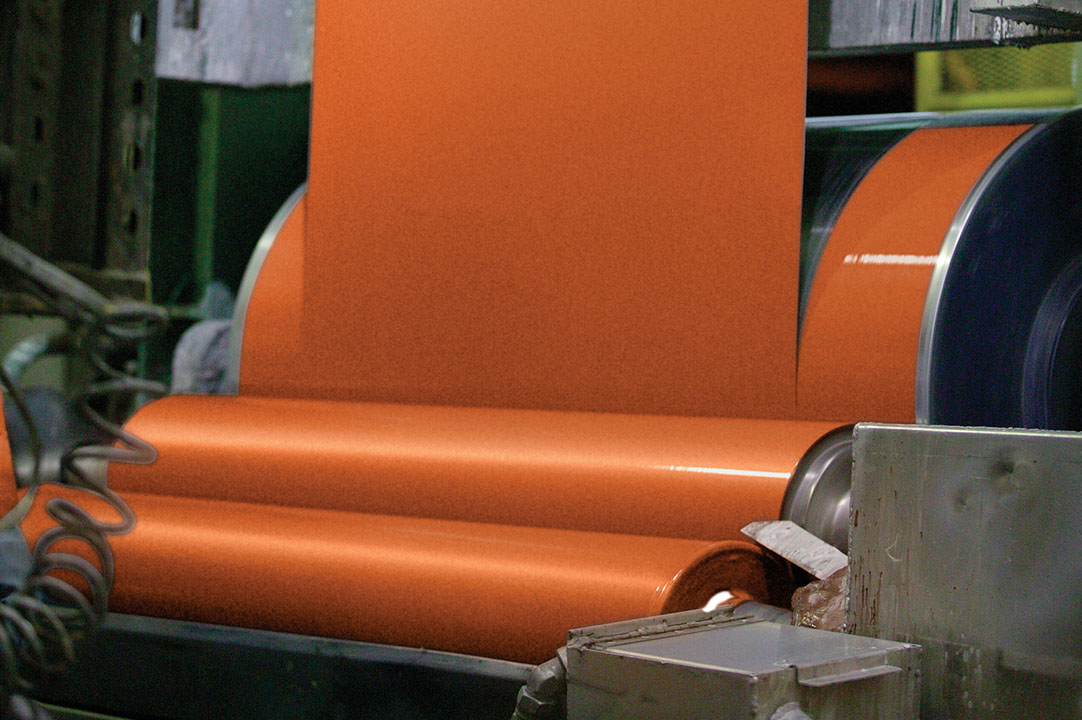
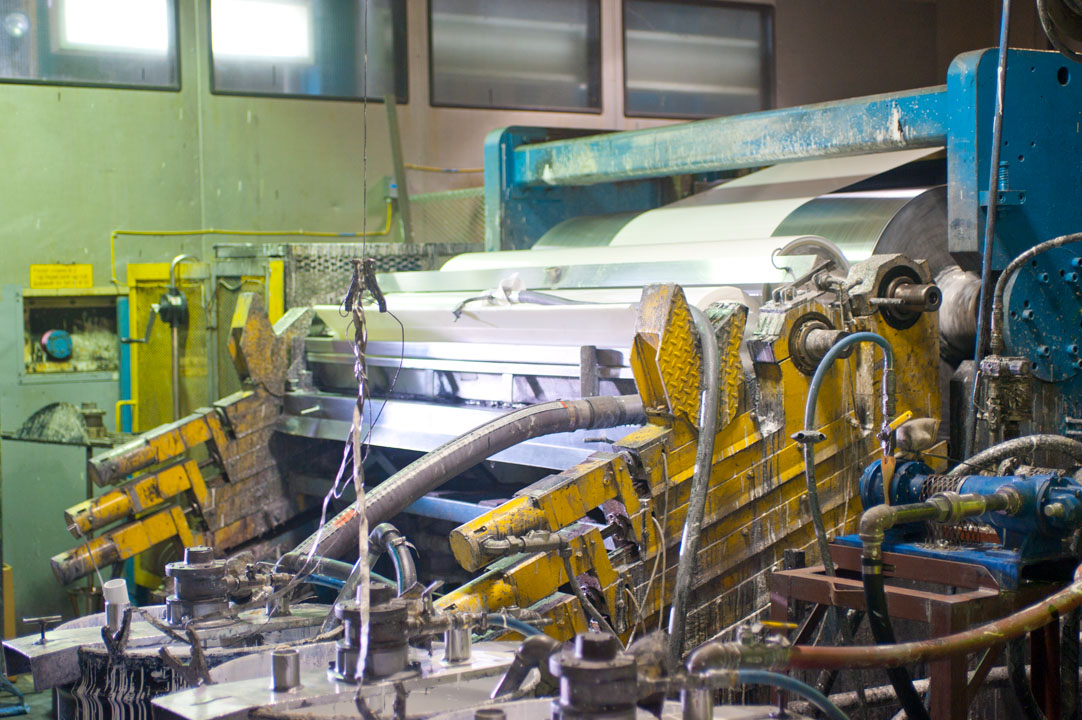
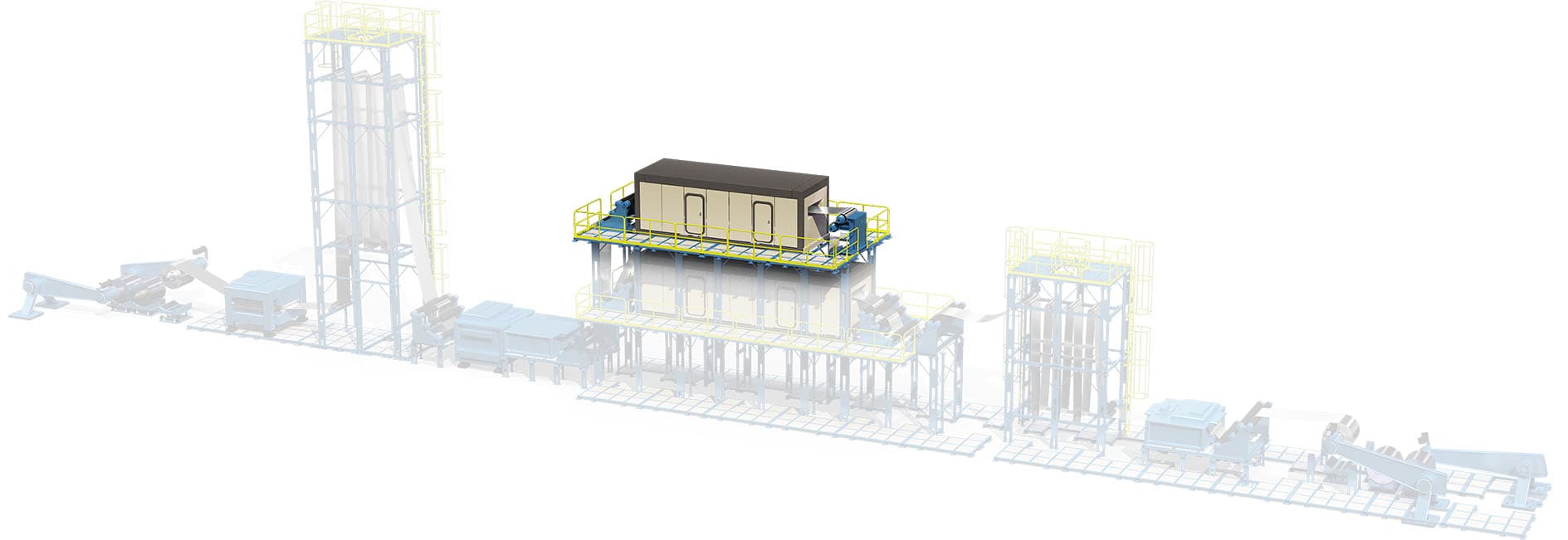
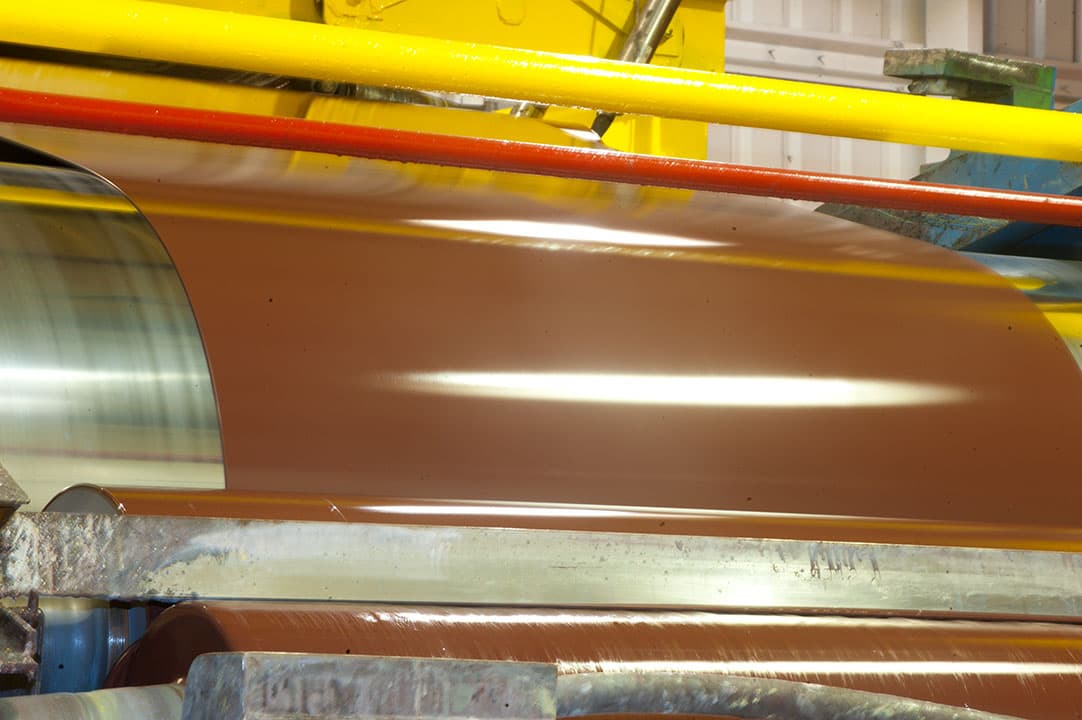
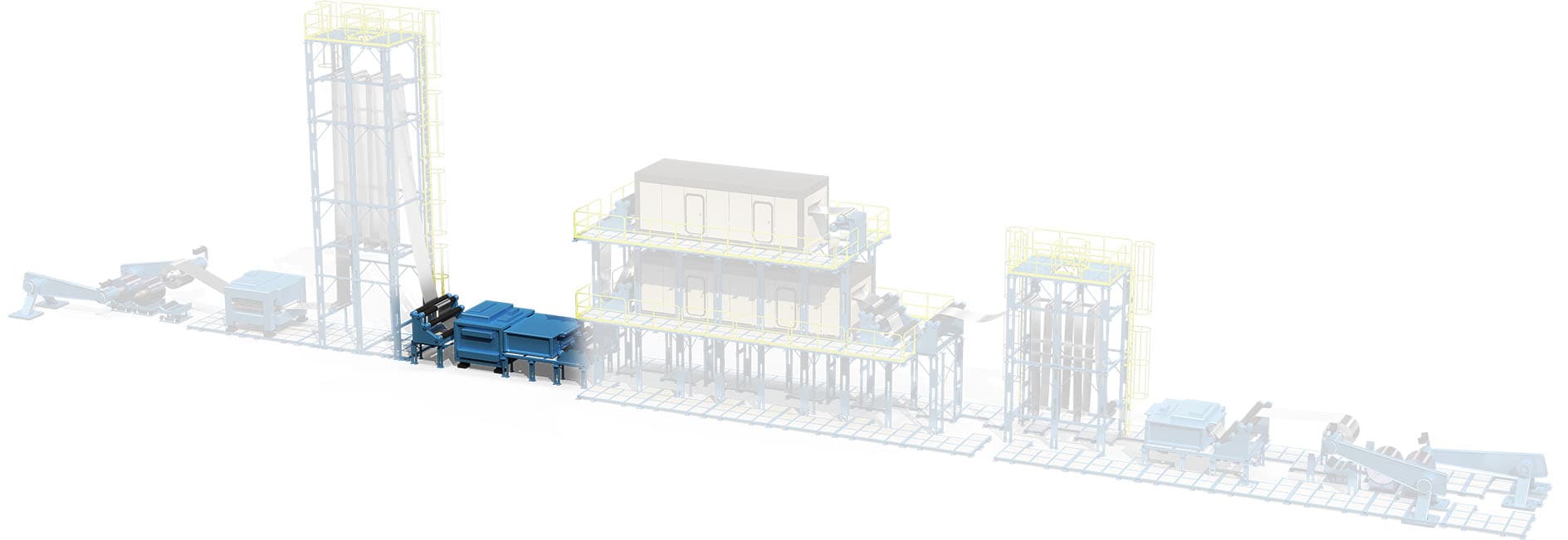
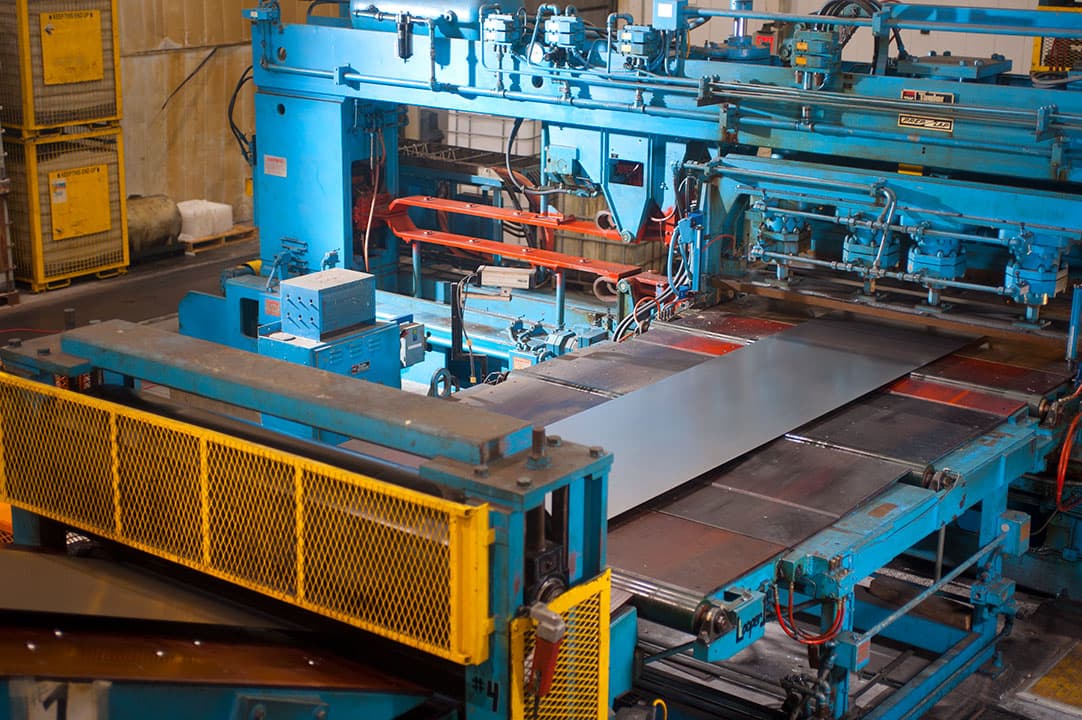
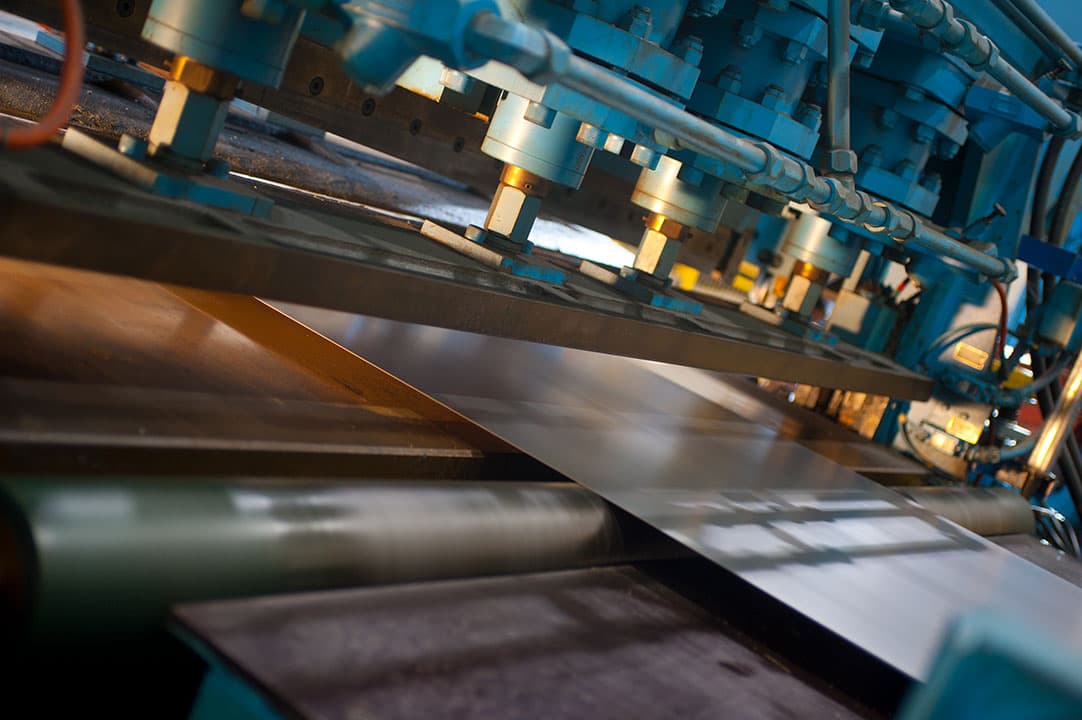
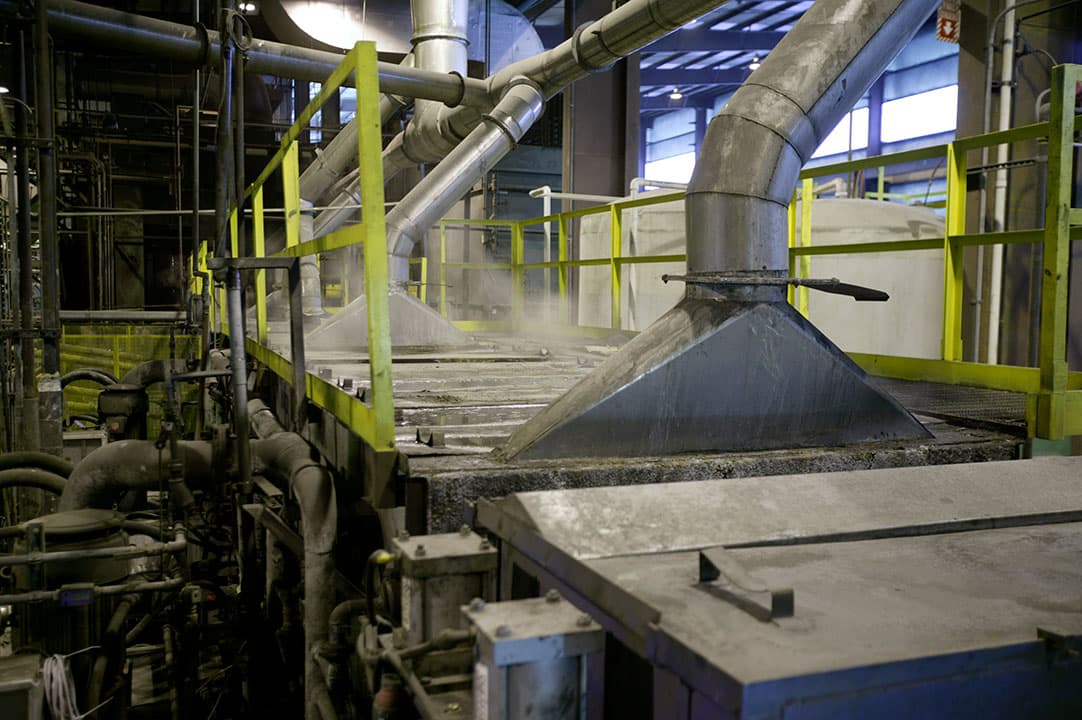
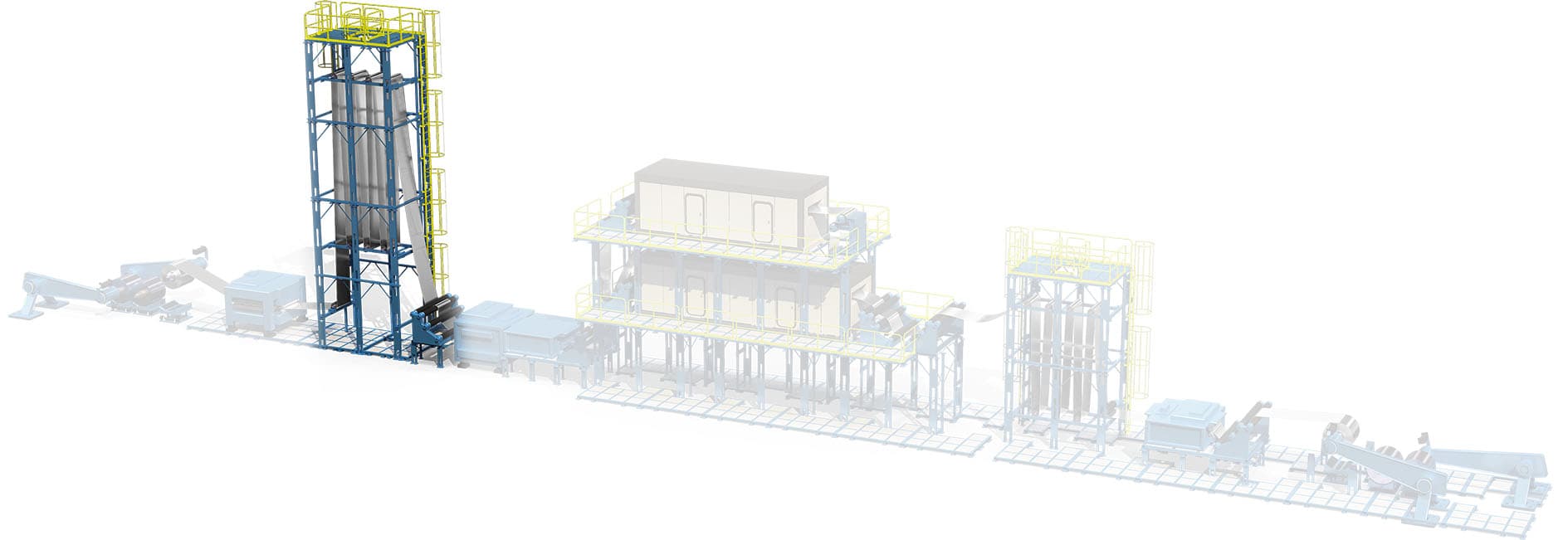
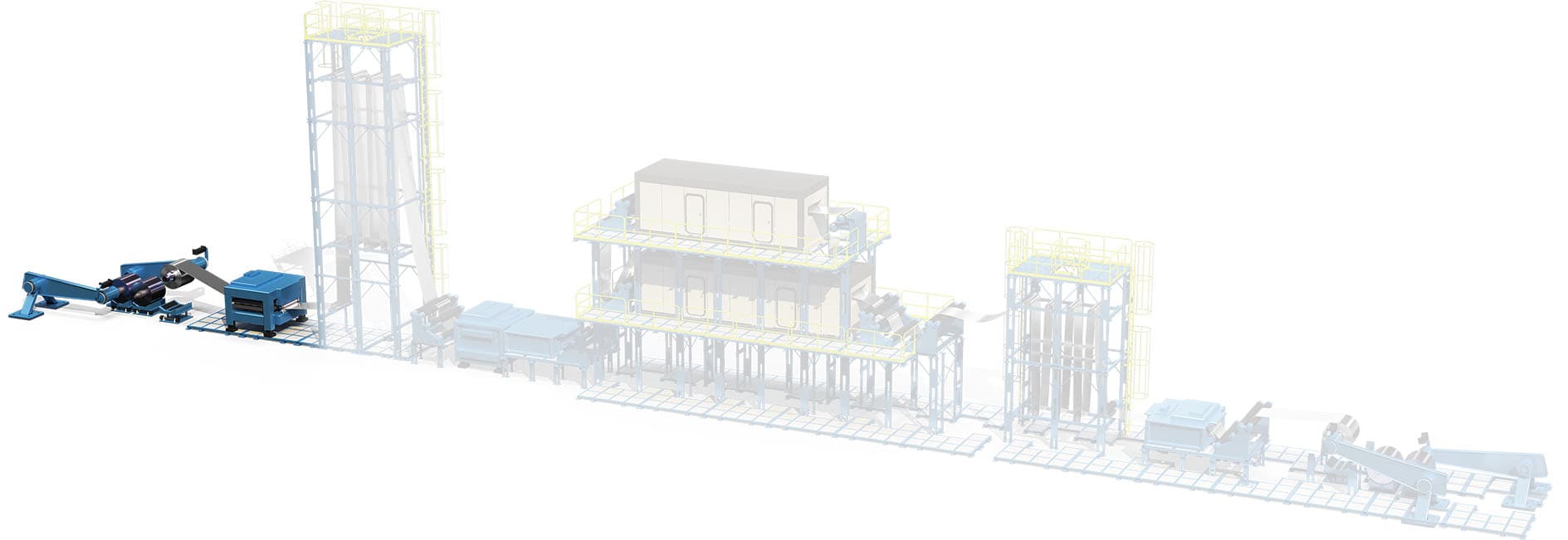
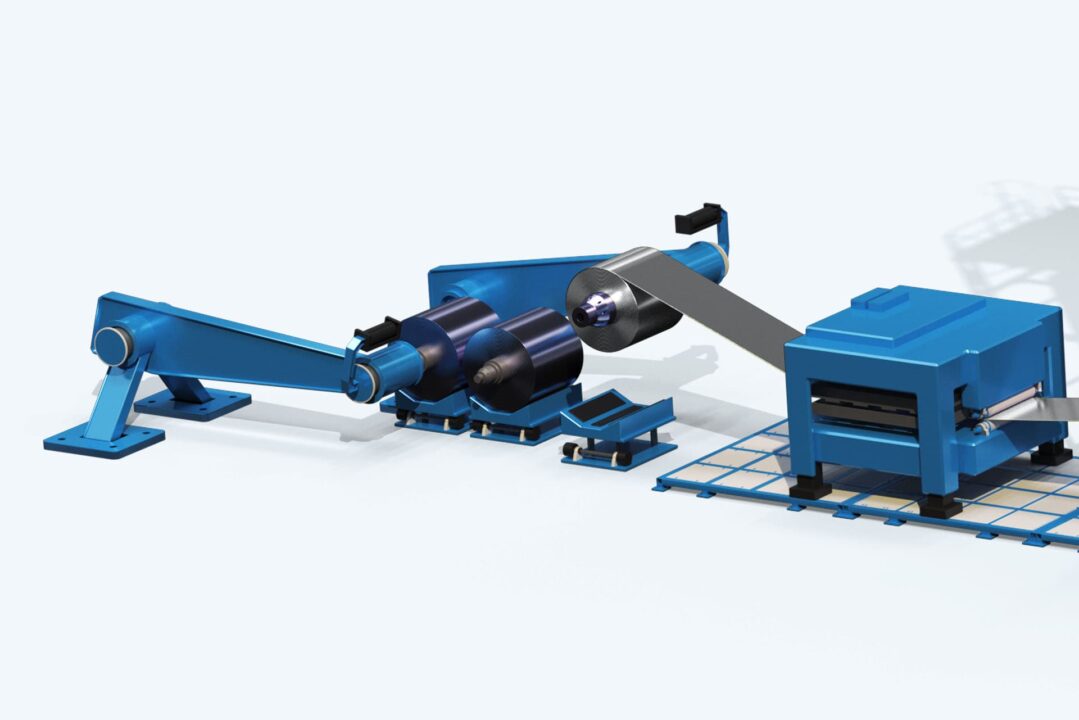
Once the metal is cleaned, treated, and painted, the strip is rewound into a coil size prescribed by the customer. From there, the coil is removed from the line and packaged for shipment or additional processing.
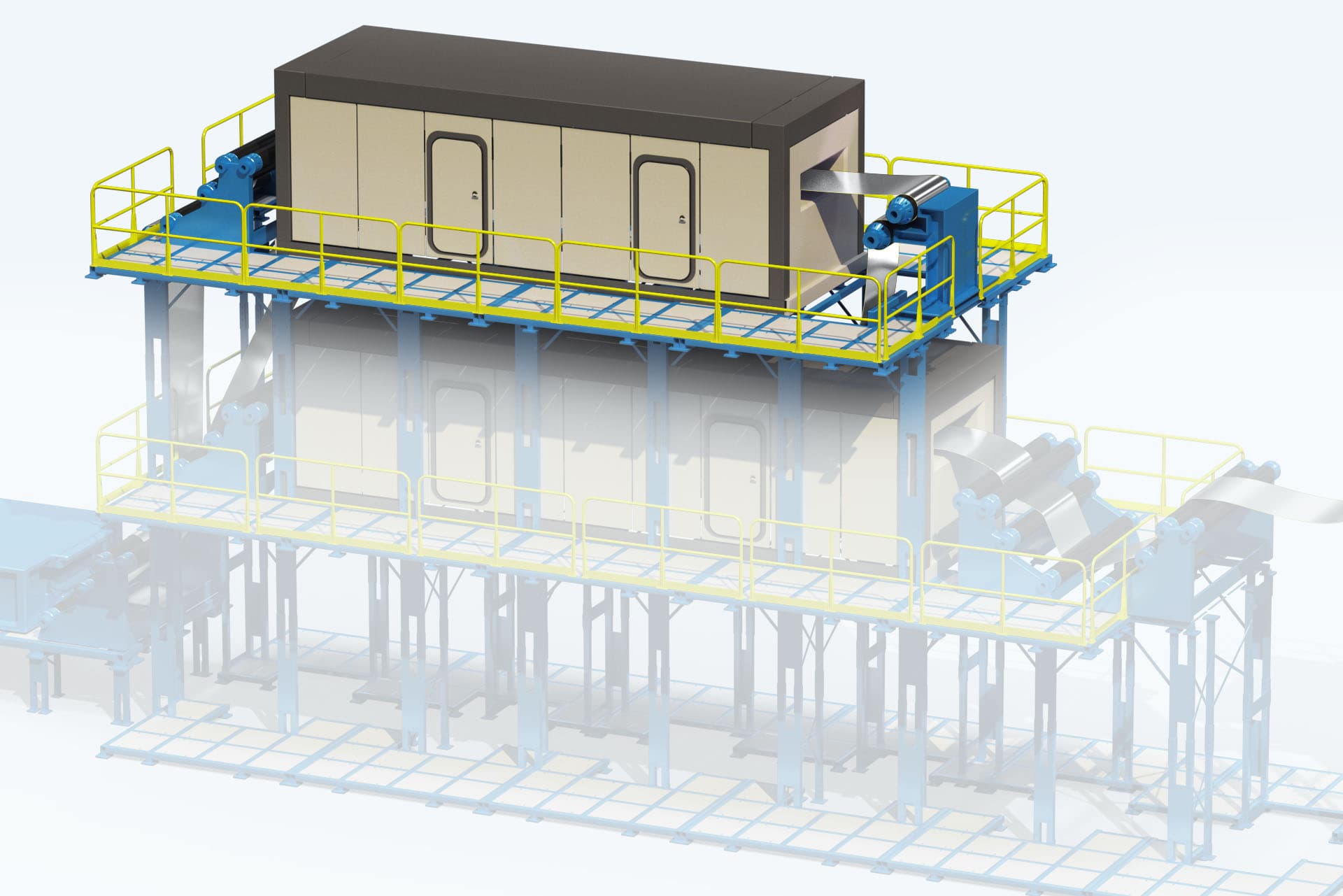
After the primer is applied and cured, then the metal strip enters the finish coat station where a topcoat is applied. Topcoats provide color, corrosion resistance, durability, flexibility and any other required physical properties. Like primers, the topcoat is cured using thermal cure ovens.
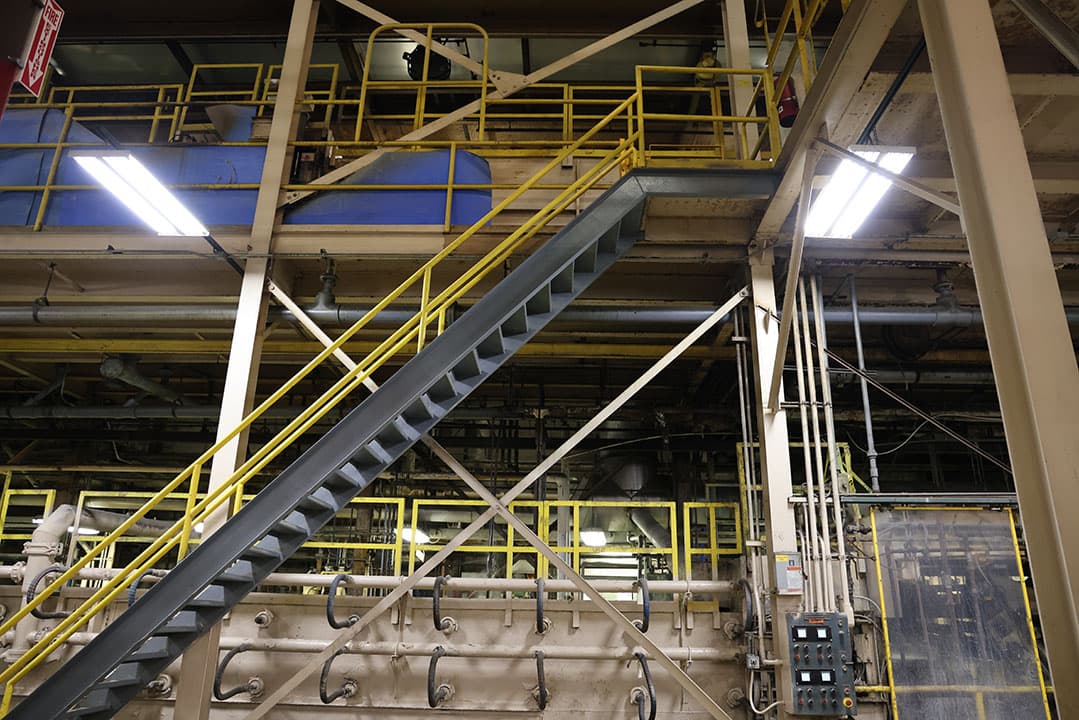
Oven
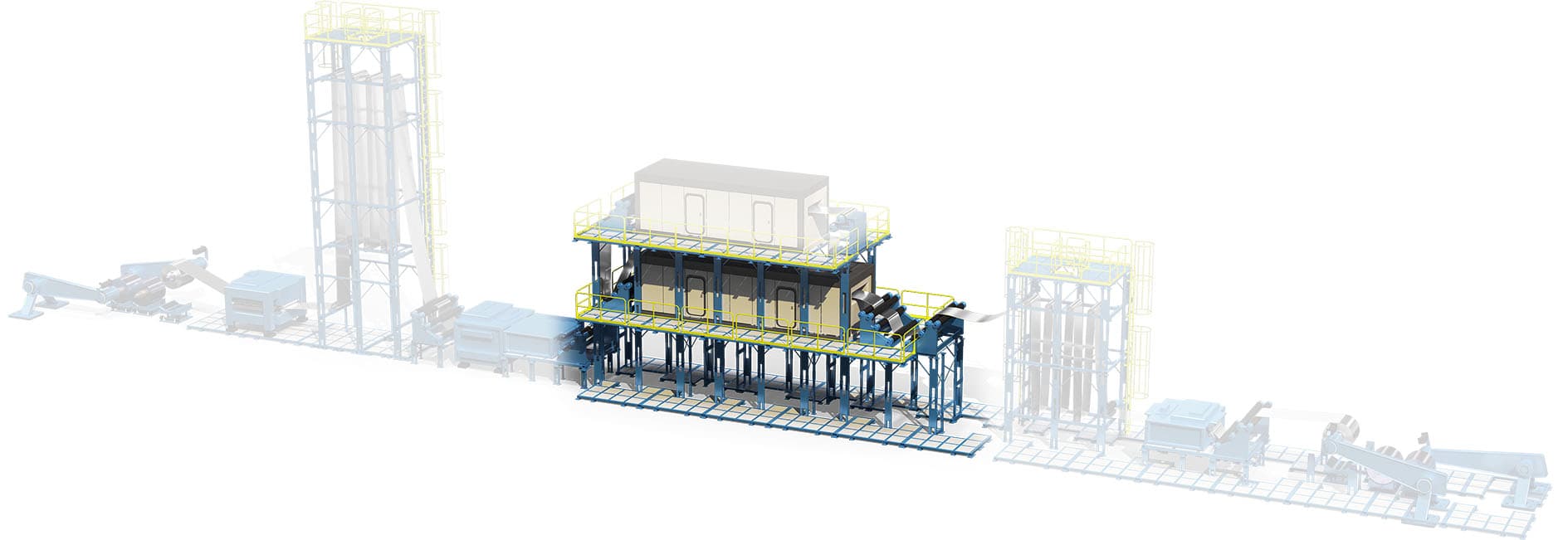
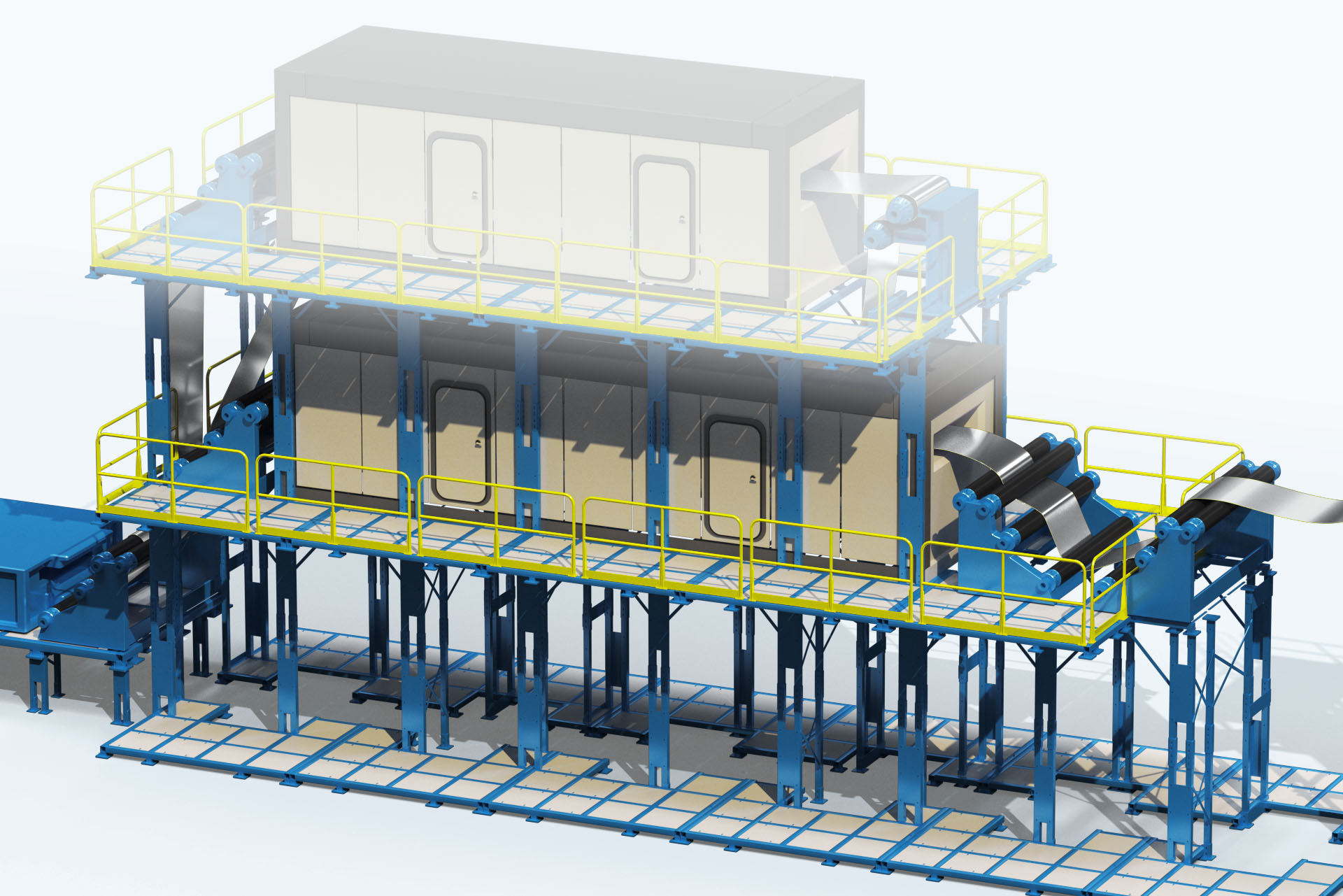
Coil coating ovens can range from 130 feet to 160 feet and will cure the coatings in 13 to 20 seconds.
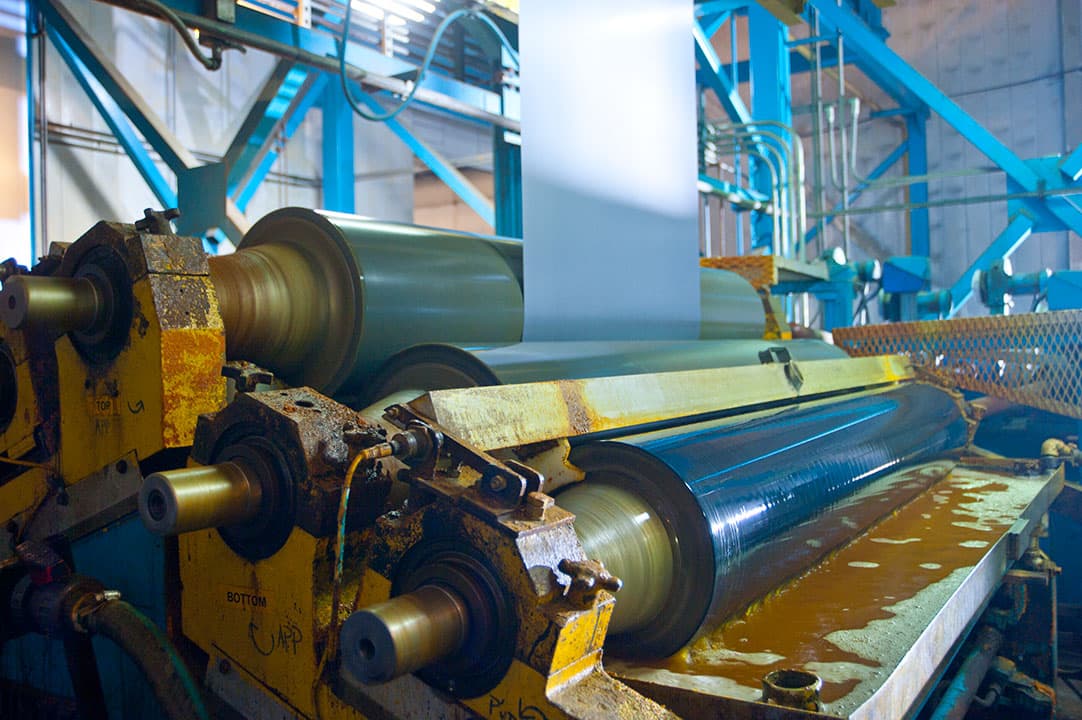
During this stage, the strip enters the prime coat station whereby a primer is applied to the clean and treated metal. After the primer is applied, the metal strip travels through a thermal oven for curing. Primers are used to aid in paint adhesion, improve corrosion performance and enhance aesthetic and functional attributes of the topcoat.
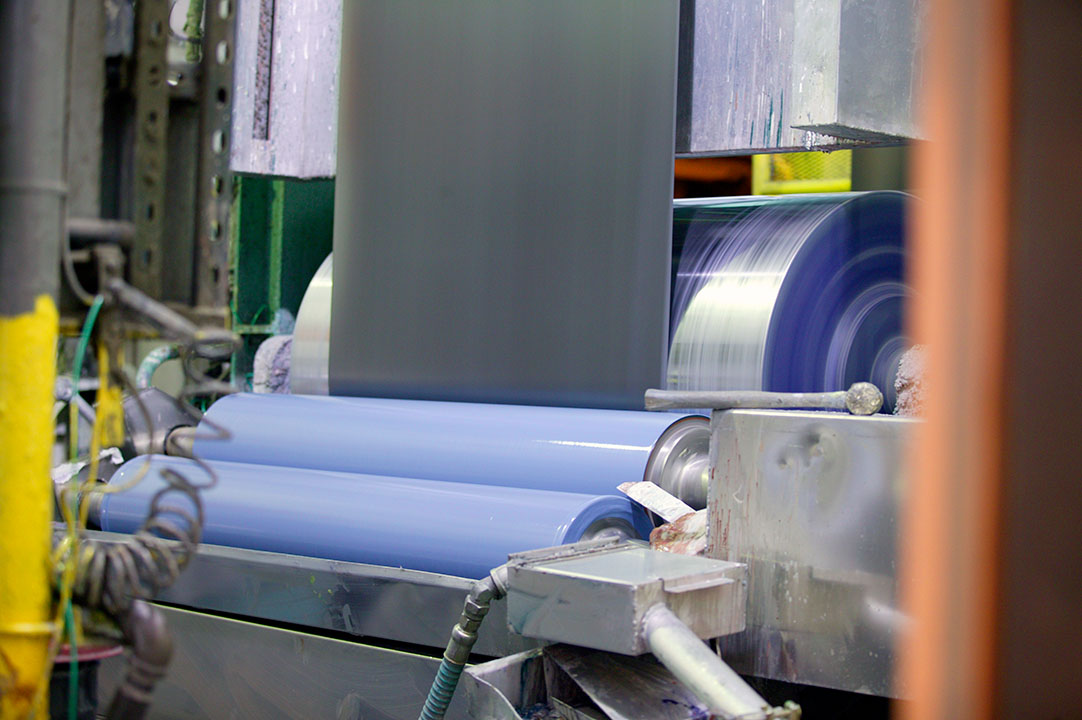
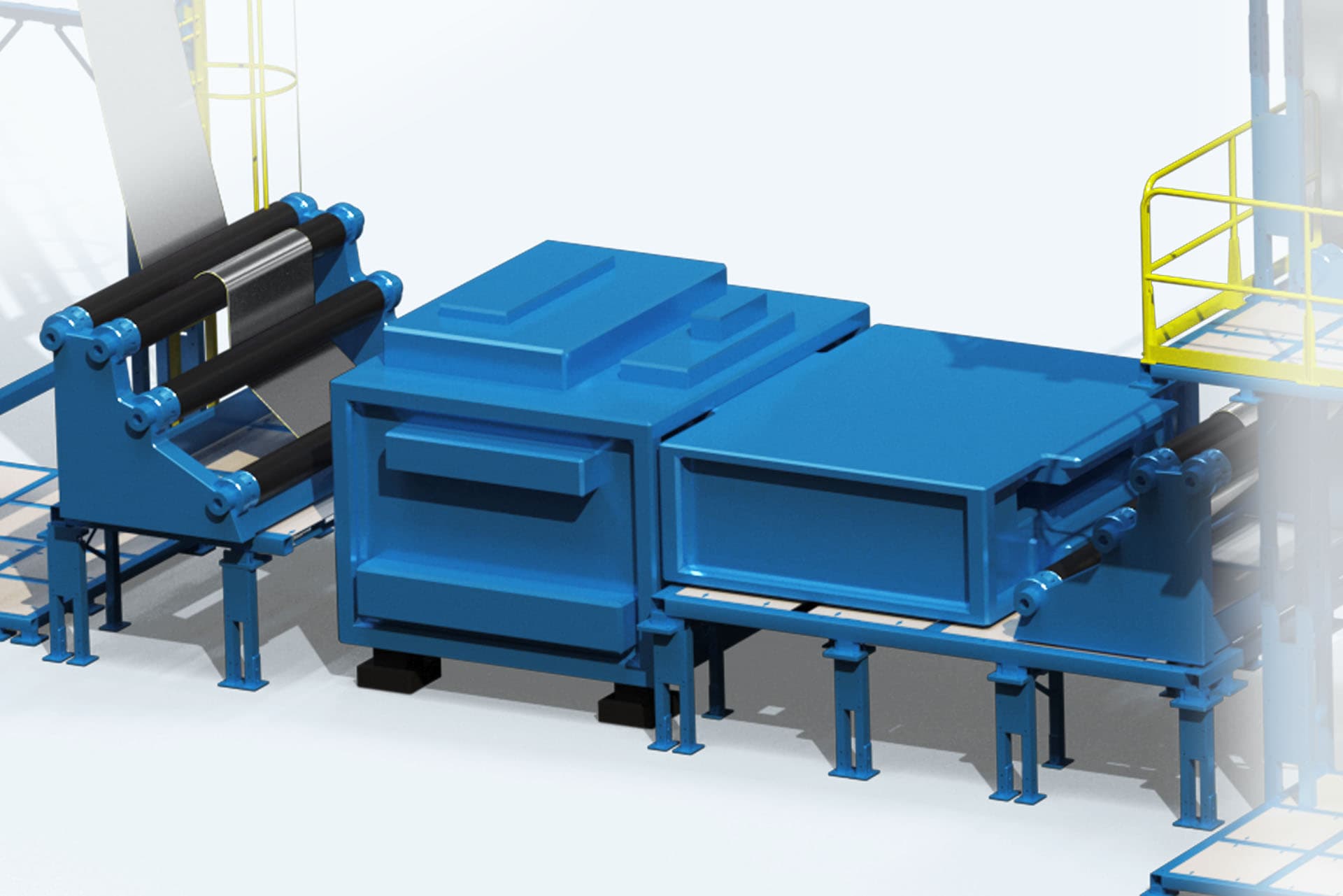
S Wrap Coater
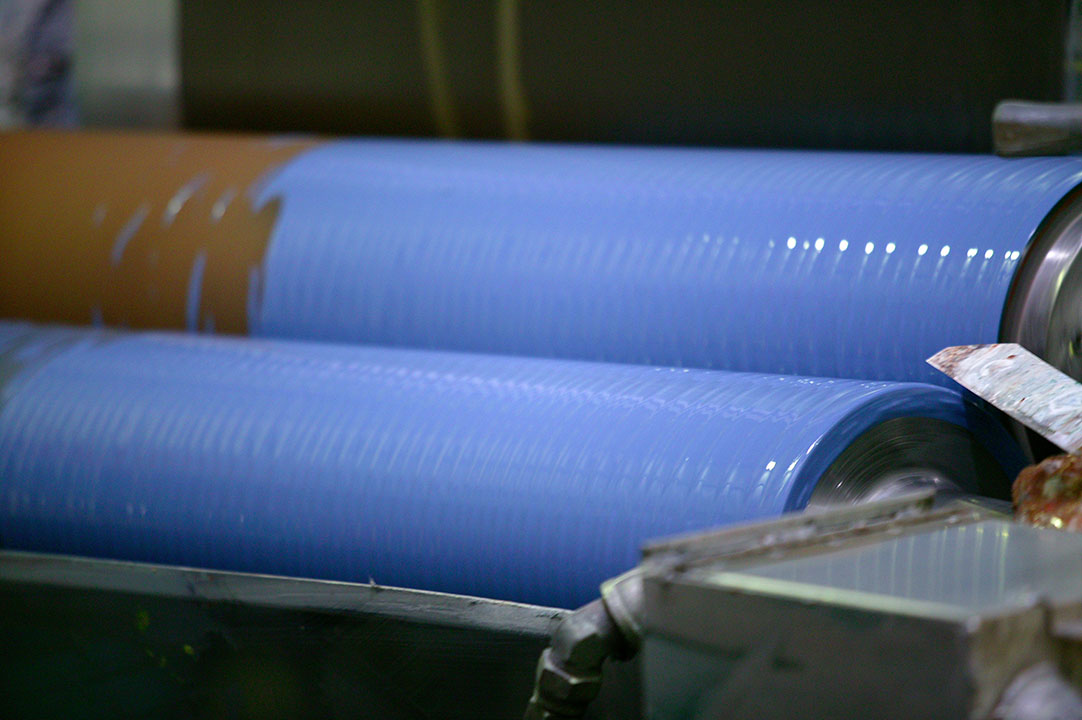
The S wrap coater design allows for primers and paints to be applied to the top and back side of the metal strip simultaneously in one continuous pass.
The cleaning and pretreating section of the coil coating process focuses on preparing the metal for painting. During the cleaning stage, dirt, debris, and oils are removed from the metal strip. From there, the metal enters the pretreatment section and/or a chemical coater whereby chemicals are applied to facilitate paint adhesion and enhance corrosion resistance.
Dried-In-Place
In this stage a chemical that provides enhanced corrosion performance is applied. This treatment can be chrome free if required.
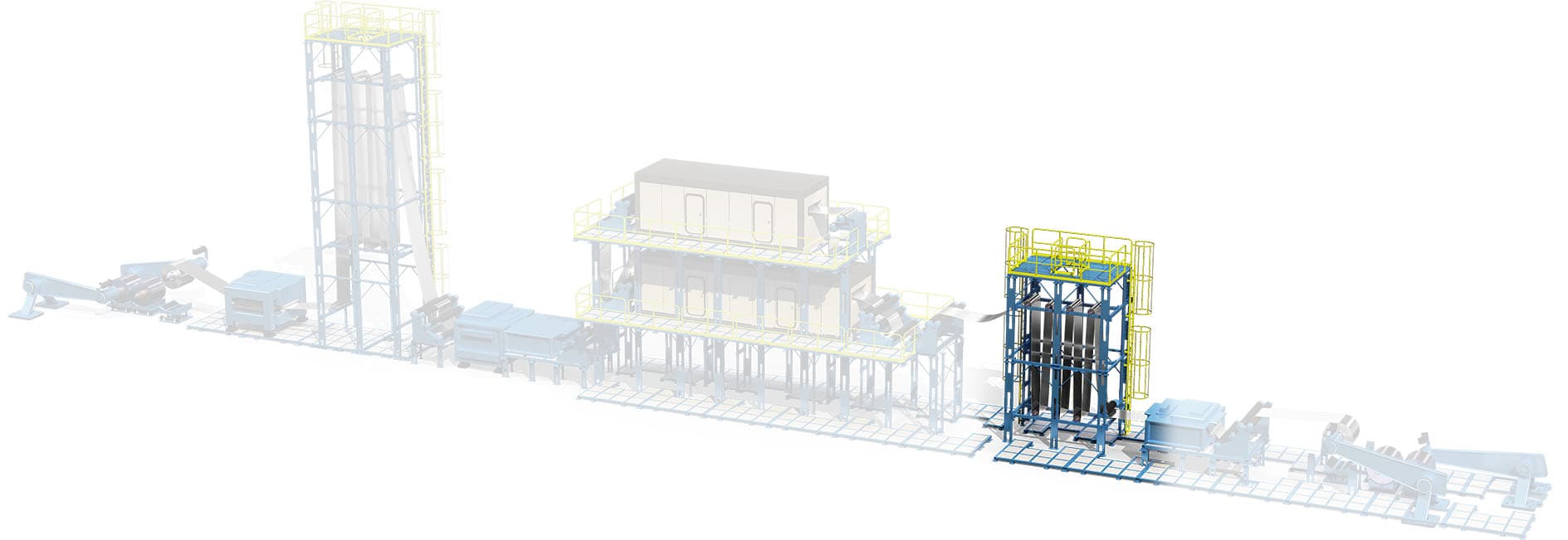
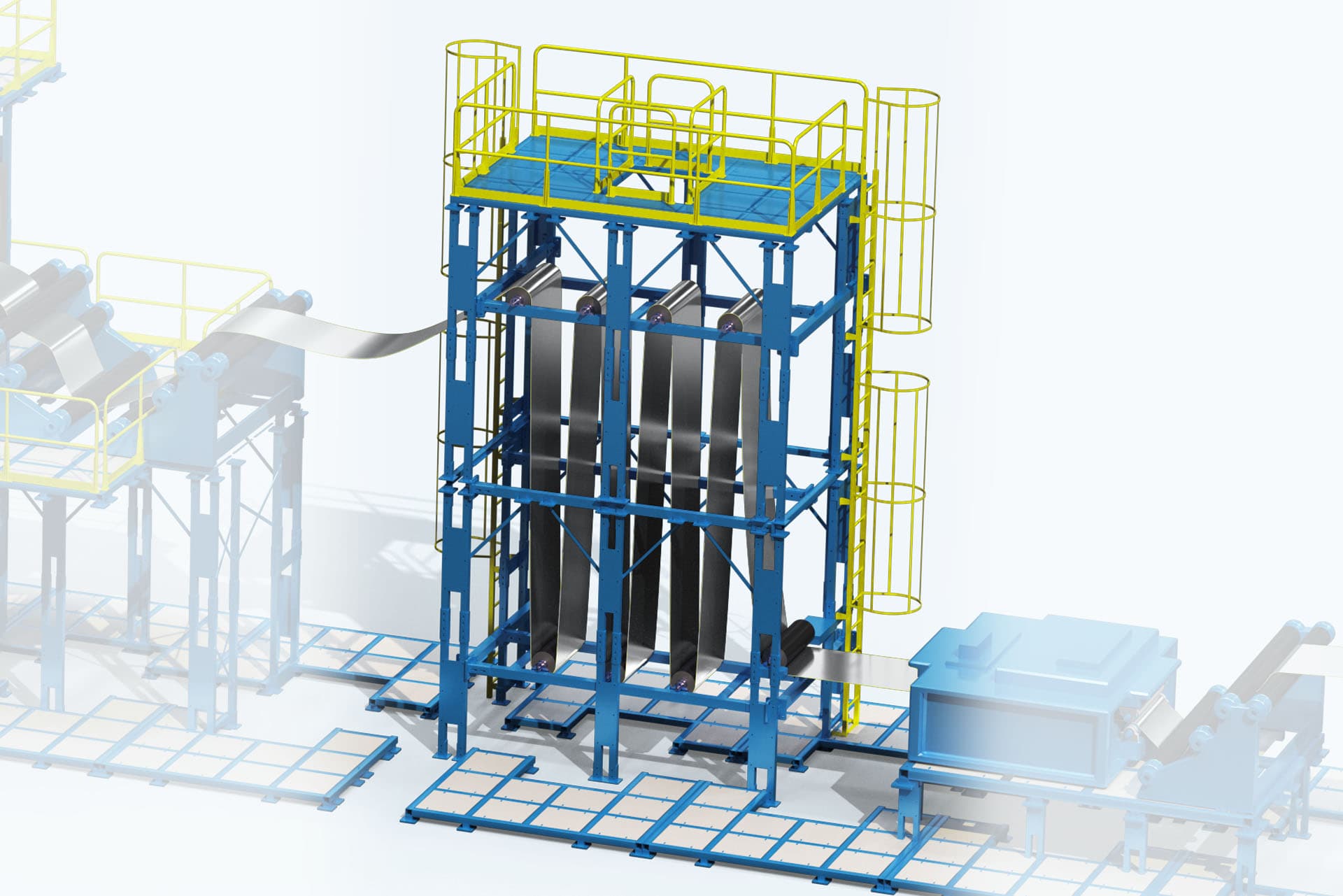
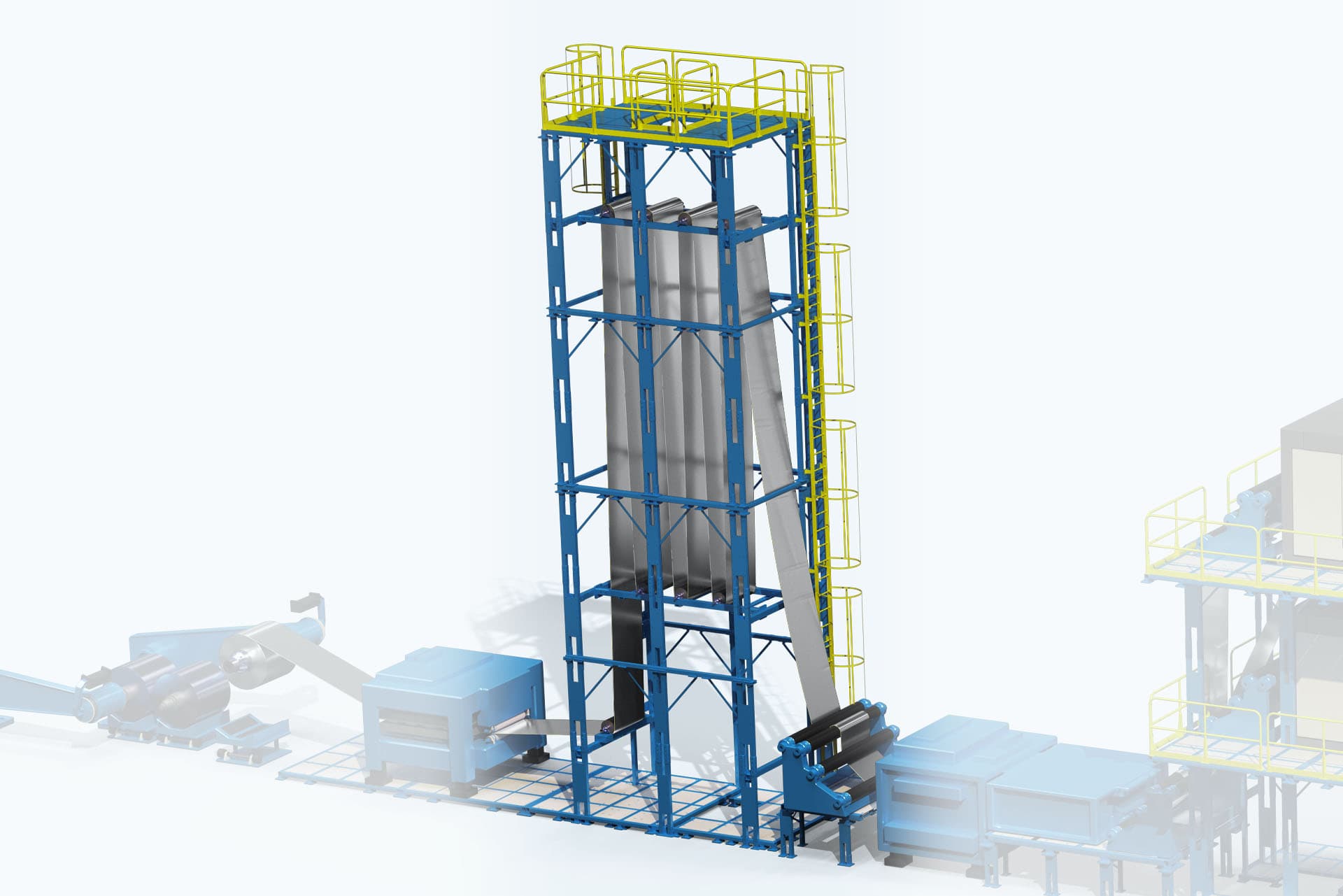
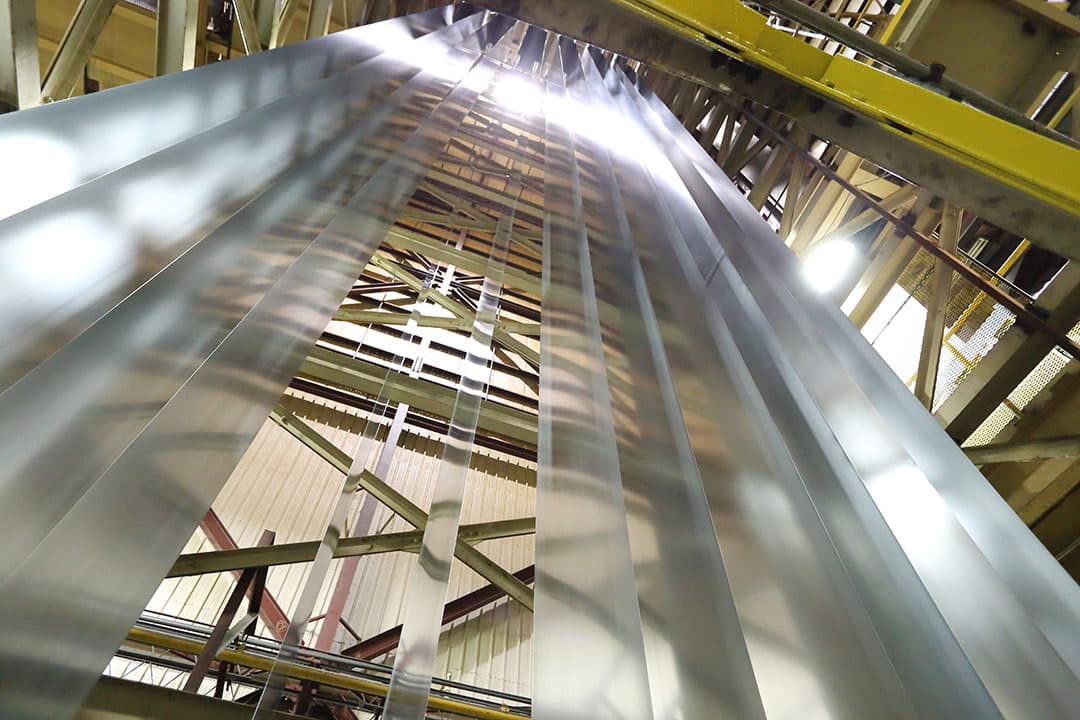
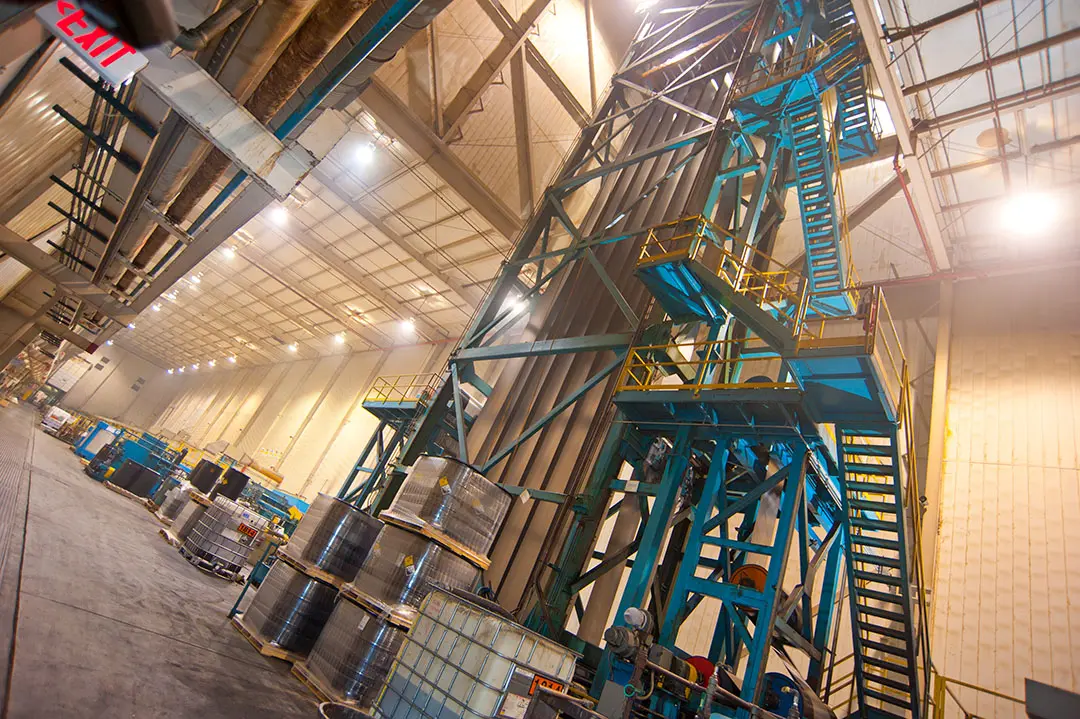
The accumulator is a structure that adjusts up and down to store material, which makes continuous operation of the coil coating process possible. This accumulation will continue to feed the coil coating processes while the entry end has stopped for the stitching process. As much as 750 feet of metal can be collected.
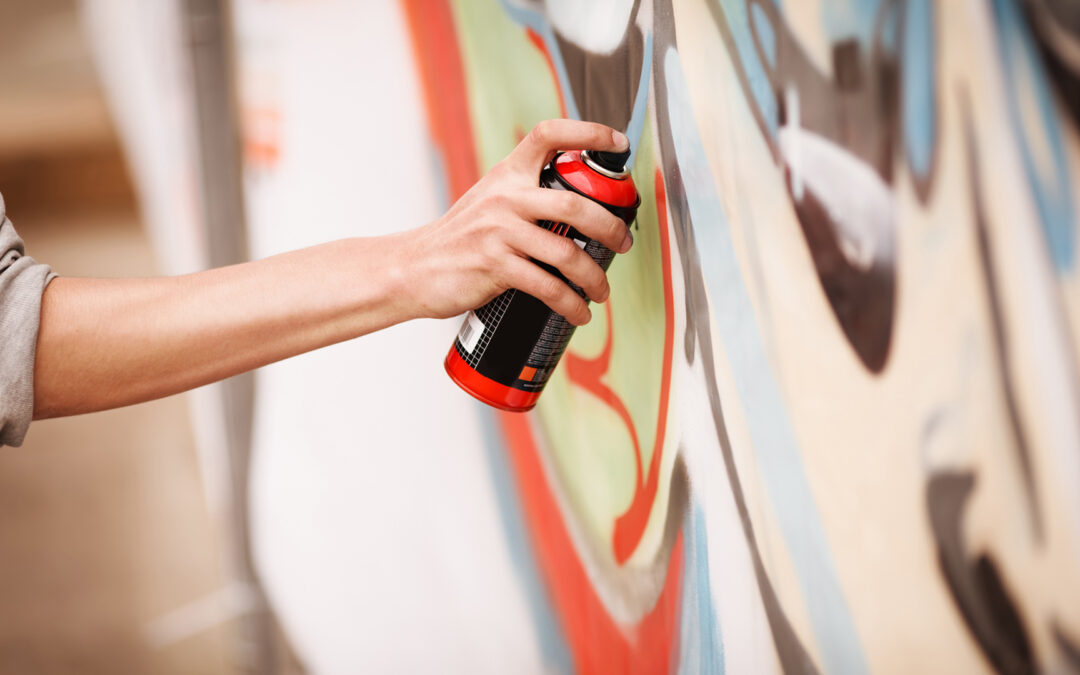
From pedestrian bridges and railings to light poles and utility structures, exposed steel surfaces are frequent targets. Removing graffiti without damaging the underlying coating can be a challenge.
With traditional paint systems, graffiti removal often creates a second problem. Aggressive cleaning methods such as solvents, thinners, or scrubbing can degrade the coating itself. This leads to discoloration, reduced protection, and the need for costly touch-ups or recoating.
Hot-dip galvanized steel offers a fundamentally different outcome.
Why Graffiti Is Less Problematic on Galvanized Steel
Unlike paint systems that sit on the surface, hot-dip galvanizing forms a metallurgically bonded zinc coating. This bond creates a tough, abrasion-resistant barrier that is integral to the steel, not just applied to it.
The result is two key advantages:
Durability during cleaning The coating can withstand scrubbing and chemical cleaners without compromising corrosion protection.
Poor paint adhesion Without surface preparation, graffiti paints often do not adhere strongly to galvanized surfaces, making removal easier.
In many cases, graffiti can be removed with minimal effort, sometimes with simple power washing.
How to Remove Graffiti from Hot-Dip Galvanized Steel
One of the most compelling advantages of galvanizing is the simplicity of maintenance. Proven cleaning methods include:
Solvent cleaning Acetone, MEK, or commercial paint removers effectively dissolve graffiti without damaging the zinc coating.
Alkaline cleaners Suitable for breaking down paints and markers
Pressure washing Often effective due to weak adhesion of graffiti to zinc surfaces
After cleaning, it is important to:
Rinse thoroughly with fresh water to remove any residual chemicals
Avoid abrasive pads or steel brushes, which may remove surface zinc and affect long-term performance
Short-term exposure to cleaning chemicals does not impact long-term corrosion protection when proper rinsing is performed.
Ideal Applications
Hot-dip galvanized steel is especially well suited for environments where both durability and ease of maintenance are critical:
Pedestrian bridges and walkways
Transit infrastructure
Light poles and sign structures
Utility and communication equipment
Public spaces and parks
In these applications, reduced maintenance translates directly to lower lifecycle costs and improved asset uptime.
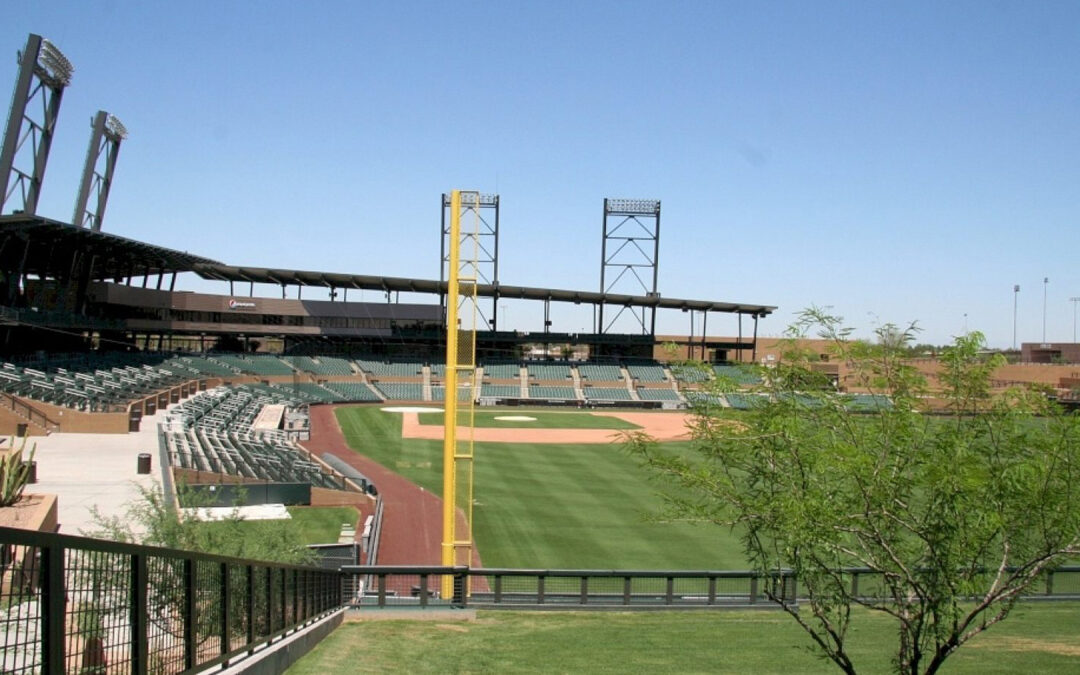
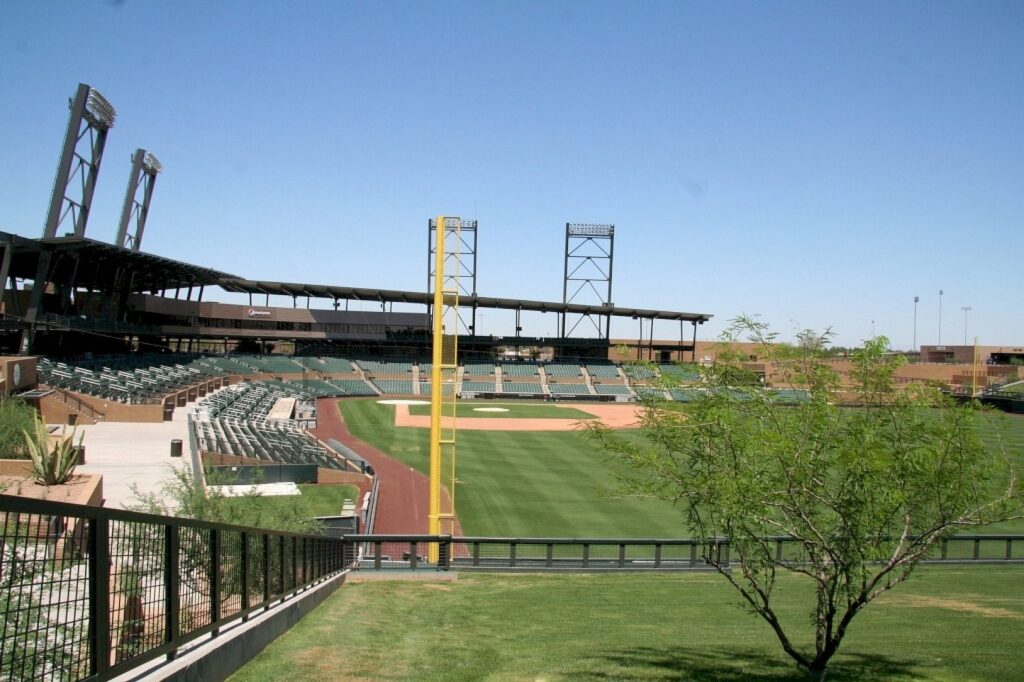
AZZ Galvanizing – Arizona is proud to have contributed corrosion protection for steel used at several Cactus League venues over the years, including Goodyear Ballpark and Salt River Fields at Talking Stick. Both facilities rely on durable steel infrastructure that must perform reliably under intense sun, heavy daily use, and year-round exposure to the desert environment.
Steel That Supports the Game
Opened in 2009, Goodyear Ballpark serves as the spring training home of the Cleveland Guardians and Cincinnati Reds. The ballpark was designed to provide fans with a modern, intimate setting for Cactus League games while accommodating the infrastructure needed for professional training facilities.
Two years later, Salt River Fields at Talking Stick opened in 2011 and quickly became one of the premier spring training venues in baseball. Located in Scottsdale, the complex hosts the Arizona Diamondbacks and Colorado Rockies each spring and features one of the largest spring training facilities in the league.
Behind the scenes at both venues, hot-dip galvanized steel plays an important role in ensuring long-term durability and low maintenance. AZZ Galvanizing – Arizona provided galvanizing services for a wide range of structural and architectural components used throughout these facilities.
Where Galvanized Steel Makes a Difference
Ballparks may appear simple on the surface, but they rely on a wide range of steel elements that must withstand years of environmental exposure and daily use. At Goodyear Ballpark and Salt River Fields, numerous components were protected through hot-dip galvanizing, including:
Roof trusses and structural beams
Handrails and guardrails
Light poles
Fence posts and stand tables
Stairs and access structures
Tubular awnings and architectural elements
Each of these elements contributes to the overall safety, durability, and functionality of the venue. By applying a metallurgically bonded zinc coating through the hot-dip galvanizing process, these steel components gain a level of corrosion protection that helps them perform reliably for decades.
Built for the Desert Environment
Arizona’s climate presents a unique combination of conditions for outdoor structures. Intense UV exposure, temperature swings, dust, and seasonal monsoon storms can all place stress on building materials over time.
Hot-dip galvanizing is well suited for these conditions. The zinc coating forms a durable protective layer that shields the steel from corrosion while also providing sacrificial protection if the surface is scratched or damaged. This dual layer of protection helps ensure structural components remain resilient even after years of service.
For facility owners and operators, this translates to lower maintenance requirements and extended service life for critical infrastructure throughout the ballpark.
Supporting Places Where Fans Gather
Spring training ballparks serve as more than just training facilities. They are gathering places where fans connect with teams, families enjoy warm-weather baseball, and communities celebrate the start of a new season.
While most visitors focus on the players taking the field, the structural elements that support seating areas, walkways, lighting, and shade structures are essential to making the experience possible. Durable materials like hot-dip galvanized steel help ensure these spaces remain safe, functional, and welcoming for years to come.
Ready for Another Season
As another spring training season unfolds in the Valley of the Sun, venues like Goodyear Ballpark and Salt River Fields at Talking Stick continue to welcome players and fans alike.
From roof trusses and beams to handrails, light poles, and architectural features, galvanized steel helps keep these facilities strong and ready for the season ahead.
From the first pitch to the final out, corrosion protection plays its part in keeping the game going!
For utilities, infrastructure owners, and industrial operators, this makes below-grade protection one of the most critical considerations in the lifecycle of steel assets. AZZ Metal Coatings offers specialized solutions designed to protect steel in these demanding environments. By combining the proven performance of hot-dip galvanizing with advanced below-grade coating systems, AZZ helps extend the service life of steel components that operate where corrosion risks are highest.
Why Below-Grade Protection Matters
Soils can vary dramatically in corrosivity depending on moisture content, pH levels, salt concentration, and microbial activity. When steel transitions from above ground to below grade, corrosion can become concentrated at the ground line, where changing oxygen levels and soil conditions create a highly reactive environment.
This is why many steel structures experience their most severe corrosion precisely at this transition zone. Transmission poles, lighting columns, traffic signal structures, sign supports, and similar infrastructure are all vulnerable at the ground line if not properly protected.
Without the right coating system, corrosion at this location can compromise structural integrity long before the rest of the structure shows significant deterioration.
AZZ’s Ground Line and Below-Grade Coating System
To address these challenges, AZZ developed specialized ground line and below-grade coating systems engineered to perform in harsh soil conditions.
These systems begin with hot-dip galvanizing, which provides metallurgically bonded zinc protection across the entire steel surface. Galvanizing delivers two important forms of protection:
Barrier protection, which physically isolates steel from the environment
Cathodic protection, where zinc sacrificially protects exposed steel if the coating is damaged
For the below-grade portion of the structure, AZZ applies an additional protective coating designed specifically for soil contact environments. This system creates a durable barrier against moisture, chemicals, and soil contaminants while working in conjunction with the galvanized layer beneath it.
The result is a robust duplex protection system tailored to the demands of below-grade service.
Applications Across Critical Infrastructure
AZZ’s below-grade coating capabilities support a wide range of infrastructure and industrial applications where corrosion protection is essential to long-term reliability.
Common applications include:
Utility transmission and distribution poles
Highway and transportation lighting structures
Traffic signal and sign supports
Communication and broadband infrastructure
Industrial structural supports installed in soil or concrete
By addressing corrosion risk at the ground line and below grade, these systems help infrastructure owners avoid premature repairs, structural replacements, and costly service disruptions.
Designed for Long-Term Performance
One of the primary advantages of galvanized steel is its ability to provide decades of maintenance-free protection in atmospheric environments. When combined with specialized below-grade coatings, this protection extends into soil contact zones where corrosion risk is greatest.
For asset owners and engineers, this translates into:
Longer service life for critical structures
Reduced maintenance requirements
Lower lifecycle costs
Improved reliability of infrastructure systems
With facilities across North America, AZZ Metal Coatings works closely with customers to select coating systems that match the specific environmental conditions and performance requirements of each project.
Full-Spectrum Corrosion Protection
Below-grade protection is one piece of AZZ’s broader corrosion protection capabilities. From hot-dip galvanizing and duplex systems to specialized coatings for harsh environments, AZZ delivers solutions that protect steel throughout its entire service life.
For projects where steel extends below the surface, proper protection at the ground line can make the difference between decades of reliable performance and premature failure. AZZ’s below-grade coating capabilities ensure that steel is protected not just where it’s visible, but where it matters most.
To learn more about AZZ’s corrosion protection solutions, visit AZZ.com or connect with the AZZ Metal Coatings team to discuss your next project.
Hosted by the American Institute of Steel Construction (AISC), NASCC is one of the steel industry’s premier events, bringing together structural engineers, architects, fabricators, erectors, and construction professionals from across North America to explore the latest advancements in structural steel design and construction.
Attendees visiting the exhibit hall can connect with the AZZ team at Booth 1040, where we’ll be discussing how hot-dip galvanizing and powder coating systems support the durability, longevity, and lifecycle performance of structural steel used in buildings, bridges, and infrastructure projects.
Supporting Durable Steel Infrastructure
As North America’s largest independent provider of hot-dip galvanizing services, AZZ Metal Coatings plays a critical role in protecting steel used in some of the most demanding applications. From bridge and highway structures to stadiums, transmission towers, and industrial facilities, hot-dip galvanizing provides long-term corrosion protection that helps extend service life while reducing maintenance costs.
In addition to galvanizing, AZZ also offers large-scale powder coating capabilities, providing an additional layer of protection and aesthetics for projects requiring enhanced corrosion performance or architectural finishes. When used together in a duplex coating system, galvanizing and powder coating can significantly extend the service life of steel while delivering the color, durability, and performance required for exposed structural applications.
Connecting with the Structural Steel Community
NASCC serves as a central meeting point for professionals involved in the design, fabrication, and construction of structural steel. The conference features hundreds of technical sessions, specialty programs, and a large exhibit hall showcasing products and services that support modern steel construction.
For AZZ Metal Coatings, the event provides an opportunity to engage directly with engineers, fabricators, and project teams to discuss corrosion protection strategies and how galvanizing and duplex coating systems can support long-lasting, sustainable steel structures.
Visit AZZ at NASCC 2026
If you’re attending NASCC: The Steel Conference, we invite you to stop by Booth 1040 to learn more about how AZZ Metal Coatings supports structural steel projects across North America through its extensive network of galvanizing plants and advanced powder coating capabilities.
We look forward to connecting with the structural steel community in Atlanta and discussing how AZZ helps protect the steel that builds our world. For more information, please visit: aisc.org/nascc.
As one of the industry’s premier events focused on digital infrastructure, the conference brings together operators, engineers, construction professionals, and technology providers working to design and build the next generation of data centers.
AZZ will be exhibiting in Booth 1849, where attendees can learn how hot-dip galvanizing supports the durability and long-term performance of mission-critical data center infrastructure. The event marks AZZ’s inaugural participation in Data Center World and reflects the growing role corrosion protection plays in the construction and longevity of modern digital infrastructure.
Supporting the Infrastructure Behind the Digital Economy
From hyperscale campuses to edge computing facilities, data centers depend on robust structural and support systems that must perform reliably for decades. Structural steel, equipment supports, cable management systems, walkways, and exterior infrastructure are all exposed to environmental conditions that can lead to corrosion if not properly protected.
Hot-dip galvanizing provides one of the most durable corrosion protection systems available for fabricated steel. During the galvanizing process, steel is immersed in molten zinc, forming a metallurgically bonded coating that delivers multiple layers of protection. The result is a long-lasting protective system that helps infrastructure achieve decades of corrosion protection with minimal maintenance, even in demanding environments.
Why Galvanizing Makes Sense for Data Center Construction
As demand for digital infrastructure continues to accelerate, owners and developers are increasingly focused on building facilities that are durable, cost-effective, and resilient. Hot-dip galvanizing offers several advantages for data center applications:
Long-term corrosion protection for structural steel and exterior infrastructure
Complete coating coverage, including edges, corners, and interior surfaces
A durable, abrasion-resistant coating that withstands transportation and installation
A sustainable steel protection system that supports long design-life infrastructure
These advantages make galvanizing well suited for applications such as equipment platforms, cable tray supports, rooftop structures, security infrastructure, walkways, and other steel components that support the physical backbone of modern data centers.
Meet AZZ at Data Center World
With thousands of industry professionals and hundreds of exhibitors in attendance, Data Center World serves as a key meeting place for those shaping the future of digital infrastructure.
AZZ Metal Coatings looks forward to connecting with engineers, contractors, and project stakeholders to discuss how galvanizing can enhance the durability and long-term performance of data center facilities.
If you’re attending Data Center World 2026, stop by Booth 1849 to learn more about how AZZ helps protect the steel infrastructure that supports the world’s rapidly expanding digital economy.